
You swiped up on a photo of your cat, and your phone said: American Wirehair. You’d always assumed she was just an American Shorthair — same round face, same sturdy body. But now you’re down a rabbit hole at midnight, and the more you read, the stranger and more fascinating this breed becomes.
Here’s the thing: the american wirehair cat breed is consistently ranked among the rarest of all 45 Cat Fanciers’ Association (CFA) recognized breeds — with so few kittens registered each year that many veterinarians have never seen one in person (CFA Breed Information). Most guides online give you the same three paragraphs: the coat is “wiry,” the cat is “friendly,” and that’s it. They leave you with no answers about price, no guidance on where to find one, and — critically — no warning that standard brushing can actually damage this cat’s unusual coat.
After reviewing CFA and TICA breed standards, veterinary profiles from VCA Animal Hospitals and PetMD, and community discussions across cat owner forums, here is what we found. This guide covers everything: the breed’s wild origin story, how to read that coat correctly, the full cost picture, and whether this rare cat actually fits your life.
The American Wirehair cat breed is one of the rarest cats in North America — born from a single genetic accident in 1966 — with a wiry, crimped coat that requires a completely counterintuitive “Hands-Off Coat Protocol” instead of regular brushing.
- Extreme rarity: Fewer American Wirehairs are registered annually than almost any other CFA-recognized breed, making them genuinely difficult to find.
- Counterintuitive grooming: Standard brushing breaks the fragile crimped coat fibers — the correct approach is minimal intervention, not regular combing.
- Realistic cost: Expect to pay $800–$1,200+ from a reputable breeder; lower prices are a red flag.
- Ideal personality: Calm, adaptable, and affectionate — a solid match for families, singles, and multi-pet homes.
- The Hands-Off Coat Protocol: This breed-specific grooming framework is the opposite of what most guides recommend — and following it protects the coat’s unique structure for the cat’s entire life.
American Wirehair Origin and History {#origin}
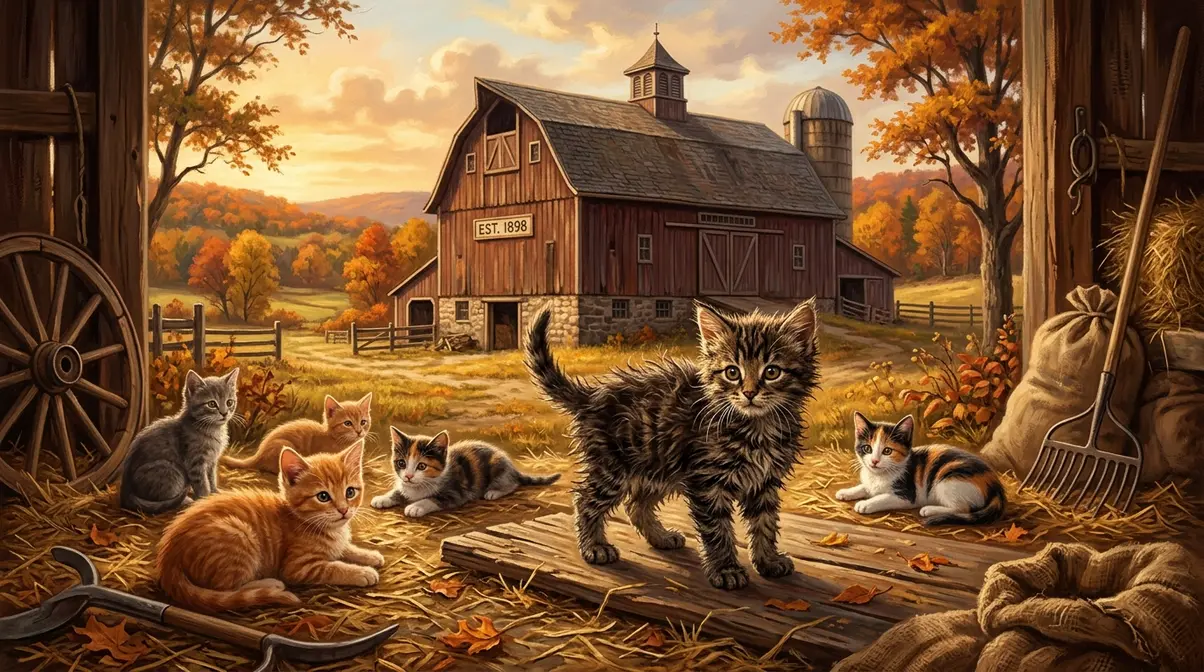
The American Wirehair is a genuinely American original — not bred deliberately by scientists or cat fanciers chasing a trend, but discovered by pure accident on a farm in upstate New York. That origin story is what makes this breed so different from almost every other cat you’ll encounter, and understanding it helps explain everything about the coat, the genetics, and the rarity.
The 1966 Barn Discovery
In 1966, a litter of barn cats was born on Council Rock Farm in Verona, New York. Among the kittens was one unusual red-and-white male with a coat unlike anything the farm’s owner, Nathan Mosher, had seen before. The fur was wiry, springy, and crimped — almost like steel wool, but much softer to the touch. His whiskers were crinkled rather than straight. Mosher contacted local cat breeder Joan O’Shea, who recognized immediately that she was looking at something new.
O’Shea purchased two kittens from that litter — the wiry male, later named Adam, and a normal-coated female — and began a careful breeding program. Adam’s unusual coat turned out to be caused by a spontaneous genetic mutation (a random change in DNA) that had never been documented in cats before. When Adam was bred, the wiry coat trait passed to his offspring, confirming it was heritable. The CFA formally recognized the American Wirehair as a distinct breed in 1978 (CFA Breed History).
What makes this origin especially remarkable: the mutation has never been independently replicated anywhere else in the world. Every American Wirehair alive today traces its ancestry back to that single litter on a New York farm.
Science Behind the Wiry Coat
The wiry coat is caused by a dominant gene mutation — meaning a cat only needs to inherit one copy of the mutated gene (called the Wh gene) to display the crimped coat. This is different from recessive mutations, which require two copies. In practical terms, it means the trait passes on reliably, but it also means the gene pool is narrow.
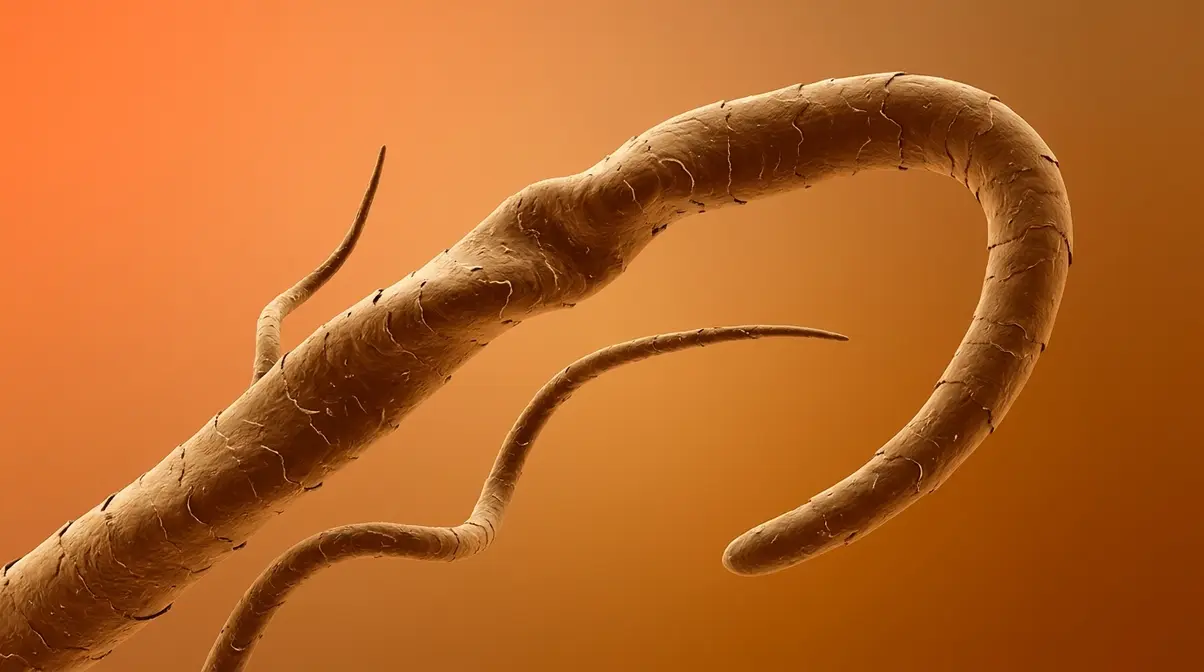
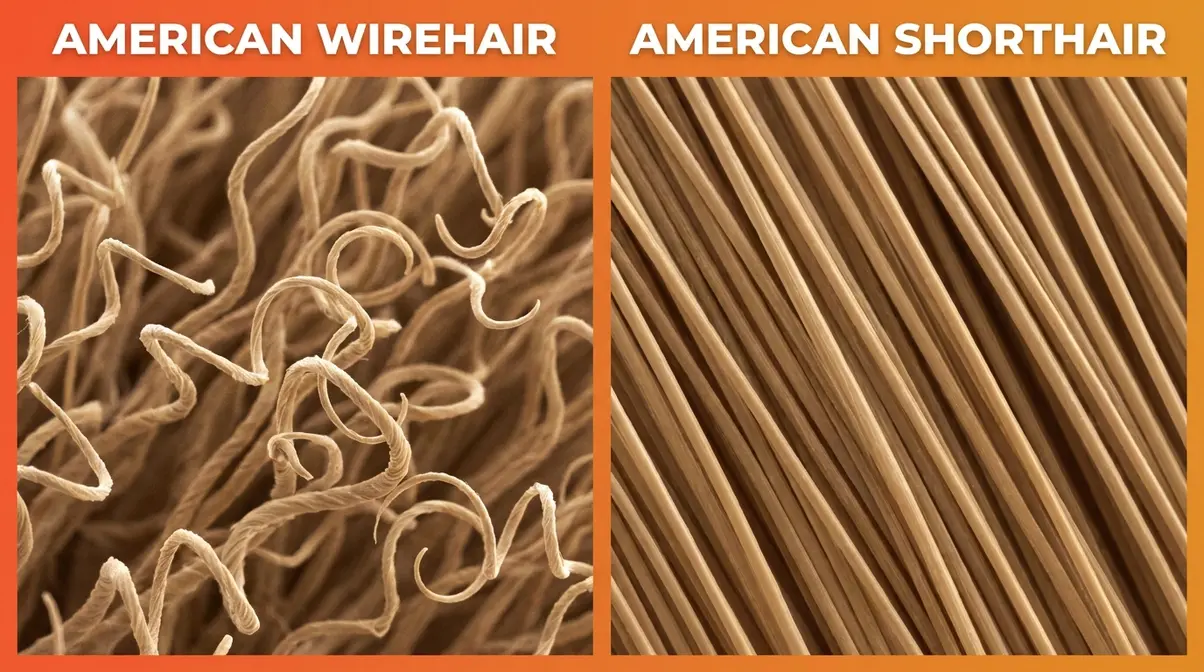
The mutation affects the structure of individual hair shafts. In a normal cat, each hair is smooth and cylindrical. In the American Wirehair, the hairs are bent, hooked, and crimped at the microscopic level — giving the coat its characteristic springy texture. Even the undercoat (the soft layer beneath the outer coat) can be affected, which is why the overall coat feels denser and coarser than you might expect (Wikipedia: American Wirehair).
Geneticists have confirmed the Wh mutation is unique to this breed and has not been found in any other domestic cat population. What this means for you: if someone is selling you an “American Wirehair” with a perfectly smooth coat, something is wrong. The wiry texture is non-negotiable — it is the breed.
American Wirehair Appearance {#physical}
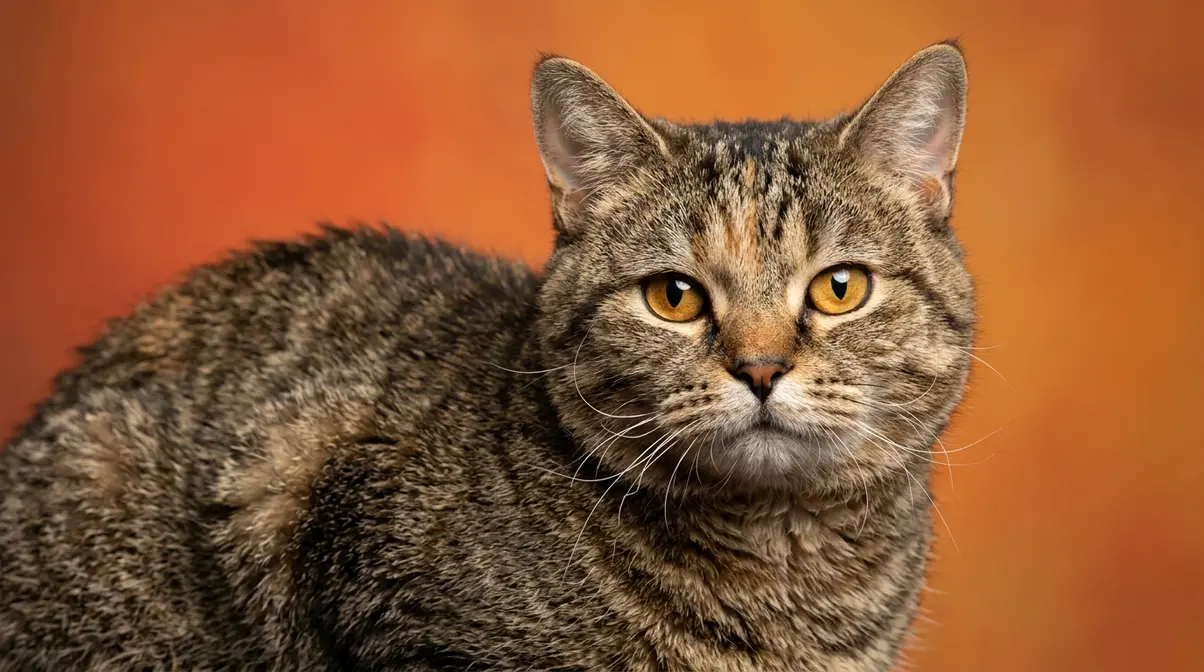
Stand an American Wirehair next to an American Shorthair and most people wouldn’t notice a difference from across the room. Get close, though — run your hand across the coat, look at the whiskers — and the differences become impossible to miss. This is a medium-to-large, muscular cat with one truly extraordinary physical feature.
The Wiry, Crimped Coat Texture
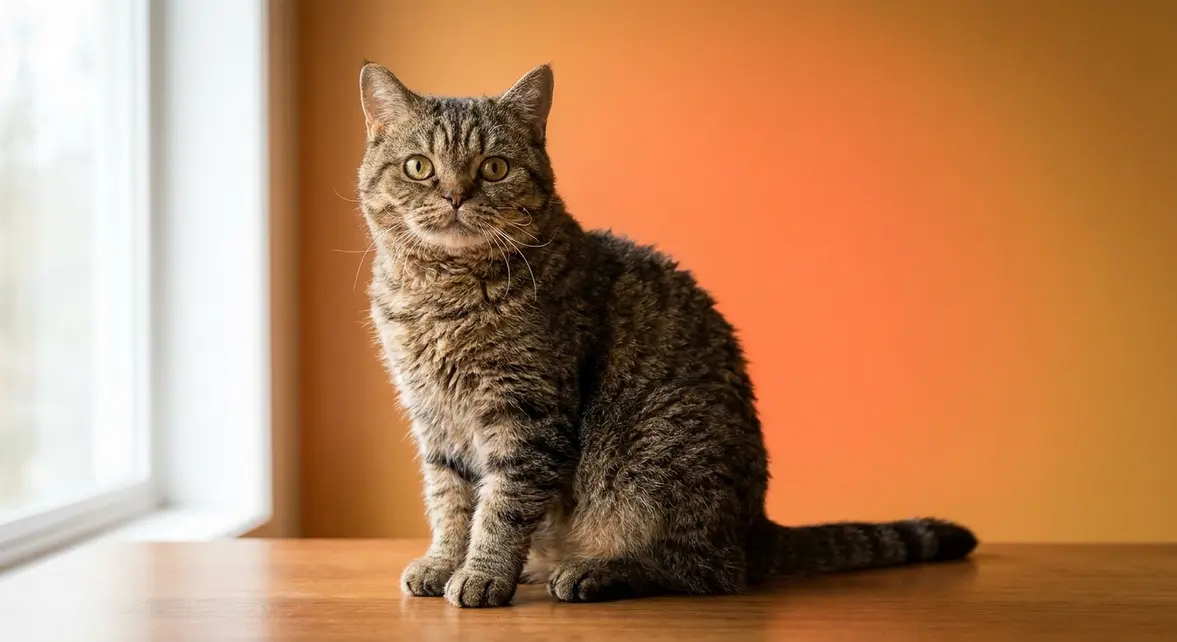
The coat is the whole story. Every single hair — including the guard hairs (the long outer coat), the awn hairs (the middle layer), and the down hairs (the soft undercoat) — can be crimped, hooked, or bent. The result is a coat that springs back when you press it, rather than lying flat. Owners often describe it as feeling like a very soft, fine steel wool pad, or like running your fingers through a tightly coiled carpet.
The coat’s appearance varies slightly from cat to cat, depending on how strongly the Wh gene is expressed. According to breed profiles from PetMD, some Wirehairs have a dense, tightly crimped coat across their entire body. Others have a looser wave, particularly on the belly and flanks. The coat is typically medium in length — not as short as a Shorthair, not as long as a Maine Coon — and it does not lie flat against the body the way most cat coats do.
One critical detail: the coat’s unique structure makes it fragile. The crimped fibers can break if handled roughly, which is why grooming this cat requires a completely different approach than you’d use for any other breed.
Crinkly Whiskers and Body
One of the most immediately noticeable features — and a reliable way to identify the breed — is the whiskers. American Wirehair whiskers are crinkled, curled, or bent rather than straight. They may look broken or kinked, but they are perfectly healthy. The same mutation that affects the coat affects the whisker structure. Some cats also have slightly curled eyebrow hairs, giving them a permanently curious expression.
Beyond the coat and whiskers, the American Wirehair has a sturdy, well-muscled body typical of its American Shorthair ancestry. The build is medium to large, with a round head, prominent cheekbones, and wide-set eyes that come in shades of gold, green, or blue (in white-coated cats). The ears are medium-sized, set wide apart, and slightly rounded at the tips. Overall, the impression is of a solid, compact cat — athletic without being sleek.
Accepted Colors and Patterns
The American Wirehair comes in virtually every color and pattern recognized in domestic cats. The CFA accepts the breed in solid colors (white, black, blue, red, cream), tabby patterns (classic, mackerel, spotted, ticked), bicolor, shaded, smoke, and calico, among others. The only color not accepted is pointed (like a Siamese’s coloring), since that pattern is not part of the breed’s genetic heritage.
This means you have enormous variety when choosing a Wirehair — though in practice, since so few are bred each year, you take what’s available. Color is not a reliable identifier; the coat texture is the only true marker of this breed.
American Wirehair Personality {#personality}
Here’s where many breed guides undersell this cat. The American Wirehair isn’t just “friendly” — it has a specific personality fingerprint that makes it genuinely well-suited to a wide range of households, including ones that haven’t owned cats before.
Are Wirehair Cats Friendly?
Yes — the American Wirehair is consistently described by breeders and owners as calm, adaptable, and moderately affectionate. It bonds closely with its family but is not clingy or demanding in the way some breeds are. This is not a high-strung, demanding cat. It does not yowl for attention, knock things off shelves out of boredom, or require constant stimulation. Across cat owner community discussions, the recurring description is: “a cat that’s happy to be near you, but doesn’t need to be on top of you.”
That said, the Wirehair is genuinely playful — especially during its first few years. It enjoys interactive toys, puzzle feeders, and short bursts of chasing games. As it matures, it tends to become calmer and more lap-oriented. Breed profiles from Purina’s breed library note the Wirehair’s intelligence and curiosity as defining traits — this is a cat that will investigate new objects in your home rather than hiding from them.
One quotable quality: the American Wirehair is not a vocal cat. It communicates with soft chirps and trills rather than loud meowing, making it a particularly good fit for quieter households.
Good With Kids and Other Pets?
According to Petfinder’s breed profile, the American Wirehair scores highly for compatibility with children and other pets. Its calm temperament means it is less likely to scratch or flee when handled by young children, though all interactions between cats and small children should always be supervised.
With other cats, the Wirehair is typically accepting — especially when introductions are done gradually. With dogs, it tends to hold its ground rather than panic, which makes the adjustment period shorter than with more timid breeds. It is not a territorial aggressor, but it is also not a pushover.
For families with busy schedules, this is an important point: the American Wirehair handles moderate periods of alone time without becoming destructive or anxious. It is not the same as a fully independent cat — it does want companionship — but it is far more tolerant of a working owner’s schedule than breeds like the Siamese or Bengal.
Daily Life With a Wirehair
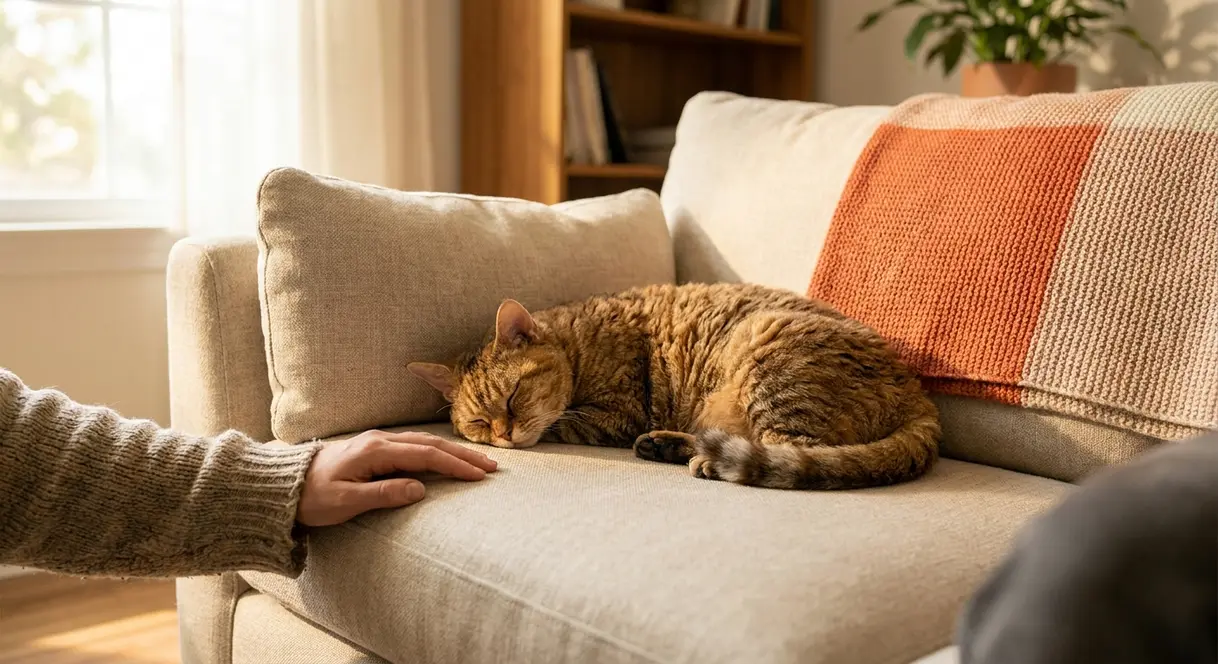
Day-to-day life with an American Wirehair settles into a comfortable rhythm quickly. Expect a cat that follows you from room to room out of curiosity, settles nearby while you work, and initiates play sessions on its own schedule. It is not a lap cat in the demanding sense — it will choose when it wants contact — but most owners report regular, voluntary lap time, especially in the evenings.
The breed adapts well to both indoor-only and supervised outdoor environments. Because of their rarity and value, most breeders and experienced owners strongly recommend keeping American Wirehairs as indoor-only cats. They are not street-savvy cats, and their unusual coat can attract unwanted attention.
interactive cat toys for indoor cats
Health, Grooming, and Lifespan {#health}
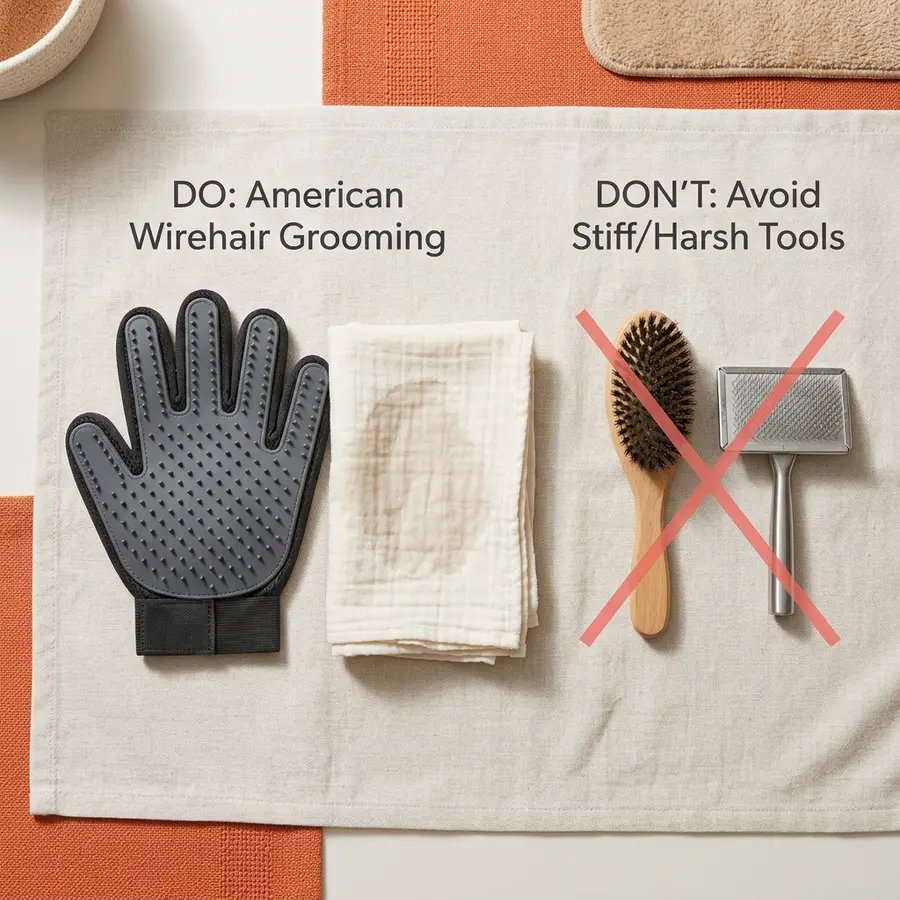
This section is where most guides fail the American Wirehair completely. Generic grooming advice designed for smooth-coated cats can physically damage the Wirehair’s unique coat. Getting this right matters — and it starts with understanding exactly what you’re working with.
What Is Their Lifespan?
The American Wirehair typically lives 14–18 years with proper indoor care and regular veterinary attention. This is on the longer end of the domestic cat spectrum — comparable to the American Shorthair, from which most of its genetic stock is drawn. VCA Animal Hospitals notes that mixed-heritage cats and breeds with a wide genetic base tend to outlive highly inbred purebreds, and the Wirehair benefits from regular outcrossing to American Shorthairs in responsible breeding programs.
The most significant health concern to monitor is hypertrophic cardiomyopathy (HCM) — a heart condition that responsible breeders screen for with annual echocardiograms. What this means for you: adopting an American Wirehair is a long-term commitment. A kitten purchased today could be your companion for nearly two decades. Budget accordingly — not just for the purchase price, but for a lifetime of veterinary care, quality nutrition, and preventive health checks.
The “Do Not Brush” Protocol
This is the single most important piece of care information for any American Wirehair owner — and the one most commonly gotten wrong.
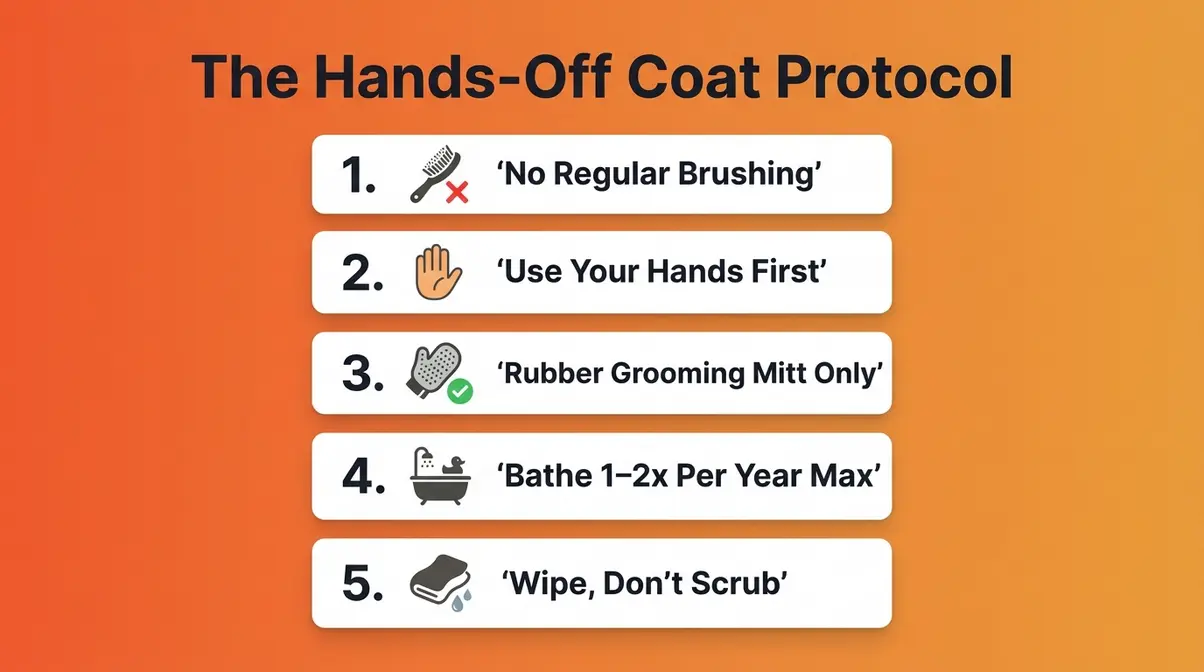
The Hands-Off Coat Protocol is a breed-specific grooming framework built around one core principle: the American Wirehair’s crimped coat is structurally fragile, and the less you intervene, the better it looks and lasts. Standard brushing — the kind you’d use on a Persian, a Maine Coon, or even a regular Shorthair — breaks the individual crimped hair fibers, flattens the coat’s natural texture, and can cause irreversible damage over time.
Estimated Time: 10-15 minutes
Tools and Materials: Soft rubber grooming mitt, cat-specific shampoo, warm damp cloth
Here is the protocol, step by step:
- No regular brushing. Put the brush away. The Wirehair’s coat does not mat the way long-haired cats do, and routine brushing does more harm than good. Breed experts at VCA Animal Hospitals recommend minimal combing — only when absolutely necessary to remove a visible tangle or debris.
- Use your hands first. If you notice a small tangle, work it loose gently with your fingers before reaching for any tool. The goal is to separate, not drag.
- Occasional rubber grooming mitt only. If you want to remove loose hairs during shedding season (typically spring and fall), use a soft rubber grooming mitt with very light pressure. Never a stiff bristle brush, never a metal slicker brush.
- Bathing: once or twice per year maximum. The Wirehair’s coat can accumulate natural oils more readily than smooth coats. A gentle, cat-specific shampoo once or twice a year keeps the coat clean without stripping it. Always air-dry — heat can affect the crimp structure.
- Wipe, don’t scrub. For minor dirt or debris, a warm, damp cloth wiped gently over the coat is sufficient for everyday maintenance.
Following this protocol consistently protects the coat’s unique structure for the cat’s entire life. Ignoring it — especially if you’ve owned other cats and default to a regular grooming routine — is the most common mistake new Wirehair owners make.
Common Health Considerations
The American Wirehair is generally a healthy breed, but there are a few conditions prospective owners should know about.
Hypertrophic Cardiomyopathy (HCM) — the most common inherited heart disease in cats — has been observed in the American Wirehair population. HCM causes the walls of the heart muscle to thicken, reducing the heart’s ability to pump blood efficiently. Responsible breeders screen breeding cats with annual echocardiograms (ultrasound scans of the heart). Ask any breeder for HCM screening documentation before purchasing a kitten.
Skin sensitivity is occasionally reported, related to the coat’s unusual structure and the skin’s greater exposure to the environment. Keeping the cat indoors and avoiding harsh cleaning products or synthetic fabrics in bedding reduces this risk.
Obesity is a risk for this breed, as it is for most indoor-only cats. The Wirehair’s calm temperament means it may not self-regulate activity levels as well as more energetic breeds. Regular interactive play and portion-controlled feeding are the primary preventive tools.
Annual wellness exams, dental cleanings every 1–2 years, and keeping vaccinations current are the foundation of long-term health for this breed. There are no breed-specific vaccines required beyond the standard feline protocol.
Diet and Nutrition Basics
The American Wirehair has no exotic dietary requirements. A high-quality commercial cat food — wet, dry, or a combination — that lists a named animal protein (chicken, turkey, salmon) as the first ingredient provides adequate nutrition for most adult cats.
Wet food is particularly beneficial for this breed because cats are naturally low-thirst animals, and adequate hydration supports kidney health over a long lifespan. A mix of 60–70% wet food and 30–40% dry food is a practical starting point for most owners, though your veterinarian can advise on the right balance for your individual cat’s age and weight.
Avoid free-feeding (leaving dry food out all day), which is the single biggest driver of obesity in indoor cats. Two measured meals per day — morning and evening — is the standard recommendation from veterinary nutritionists.
Rarity and Cost Breakdown {#cost}
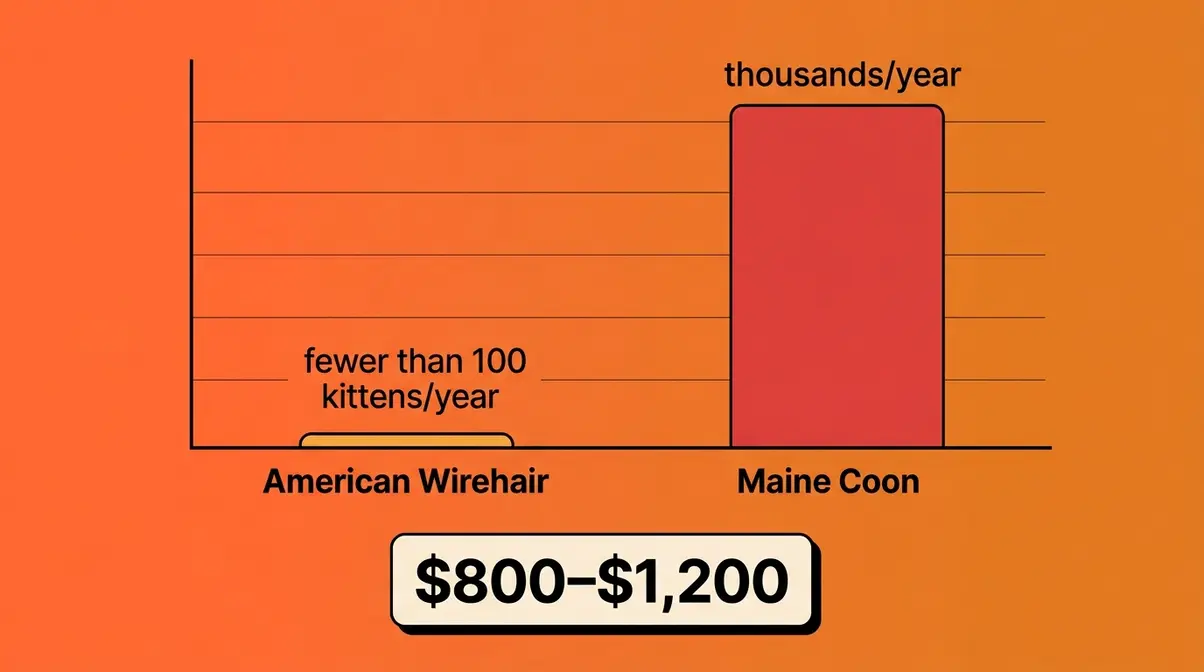
One number puts everything in perspective: in some recent CFA registration years, the American Wirehair ranked last or near-last among all recognized breeds for total kittens registered. This is not a cat you find at a shelter on a Saturday afternoon. Understanding the rarity — and what it means for cost and availability — is essential before you start searching for one.
Breed Rarity by the Numbers
The American Wirehair is widely cited as one of the rarest domestic cat breeds in the world. The CFA, which maintains the most comprehensive cat registration data in North America, has recorded the American Wirehair at or near the bottom of its annual registration rankings for decades — often with fewer than 100 kittens registered per year across the entire country (CFA Breed Statistics).
To put that in context: the Maine Coon, one of the most popular breeds, sees thousands of CFA registrations annually. The American Wirehair sees a fraction of that. The entire breeding population in the United States consists of a small number of dedicated breeders — most estimates put the active breeder count in the low dozens nationwide.
Why so few? Two reasons. First, the gene pool is narrow — all Wirehairs descend from a single mutation event, and responsible breeders outcross carefully to maintain genetic diversity without losing the coat trait. Second, the breed never caught the commercial wave that boosted more visually dramatic breeds. It remains, as its fans like to say, a hidden gem.
What this means for you: Finding a reputable breeder may take months. Waitlists of 6–12 months are common. Patience is not optional — it is part of the process.
Realistic Cost Breakdown
Pricing & Breeder Availability as of June 2026
American Wirehair kittens from reputable breeders typically cost $800–$1,200 for a pet-quality kitten (one sold with a spay/neuter contract, not intended for breeding). Show-quality kittens — those with the potential to compete in CFA shows — can reach $1,500–$2,500 or higher, depending on lineage and coat quality.
Here is a realistic cost breakdown for the first year of ownership:
| Expense | Estimated Cost |
|---|---|
| Kitten purchase (pet quality) | $800–$1,200 |
| Initial vet visit + vaccinations | $150–$300 |
| Spay/neuter (if not included) | $200–$400 |
| Microchipping | $45–$75 |
| Starter supplies (carrier, litter box, toys, bed) | $150–$250 |
| First-year food (quality wet + dry) | $400–$700 |
| Pet insurance (annual) | $200–$400 |
| First-year total (estimated) | $1,945–$3,325 |
Red flag pricing: Any American Wirehair advertised for under $500 should raise immediate concern. At that price point, you are almost certainly looking at a misidentified cat, an unethical breeder cutting corners on health testing, or an outright scam. The breed’s rarity means legitimate breeders have no financial incentive to discount kittens.
Finding a Reputable Breeder
Finding an ethical American Wirehair breeder requires more effort than searching for a common breed. Here is a step-by-step approach:
- Start with the CFA’s breeder referral directory. Go to the CFA breeder referral directory and use the breed search tool. The CFA lists member breeders who have agreed to follow its ethical breeding guidelines. This is your most reliable starting point.
- Contact the American Wirehair Club. The breed’s dedicated club maintains a list of active breeders and can point you toward reputable programs.
- Ask for health documentation upfront. Any reputable breeder should provide HCM echocardiogram results for both parents, vaccination records for the kitten, and a written health guarantee (typically 1–2 years).
- Expect a waitlist. Reputable breeders plan litters months in advance and often have waitlists. If a breeder has kittens available immediately with no waitlist, ask why.
- Visit or video call the cattery. You should be able to see where the kittens are raised. Clean, spacious, and enriched environments are a baseline requirement. Kittens should be socialized with people from an early age.
Red flags to avoid:
- Kittens advertised on Craigslist or Facebook Marketplace with no verifiable breeder background
- No health testing documentation offered
- Breeder refuses a video call or cattery visit
- Multiple breeds available simultaneously (indicates a volume operation, not a specialist)
- Price significantly below market rate
Wirehair vs. American Shorthair {#comparison}
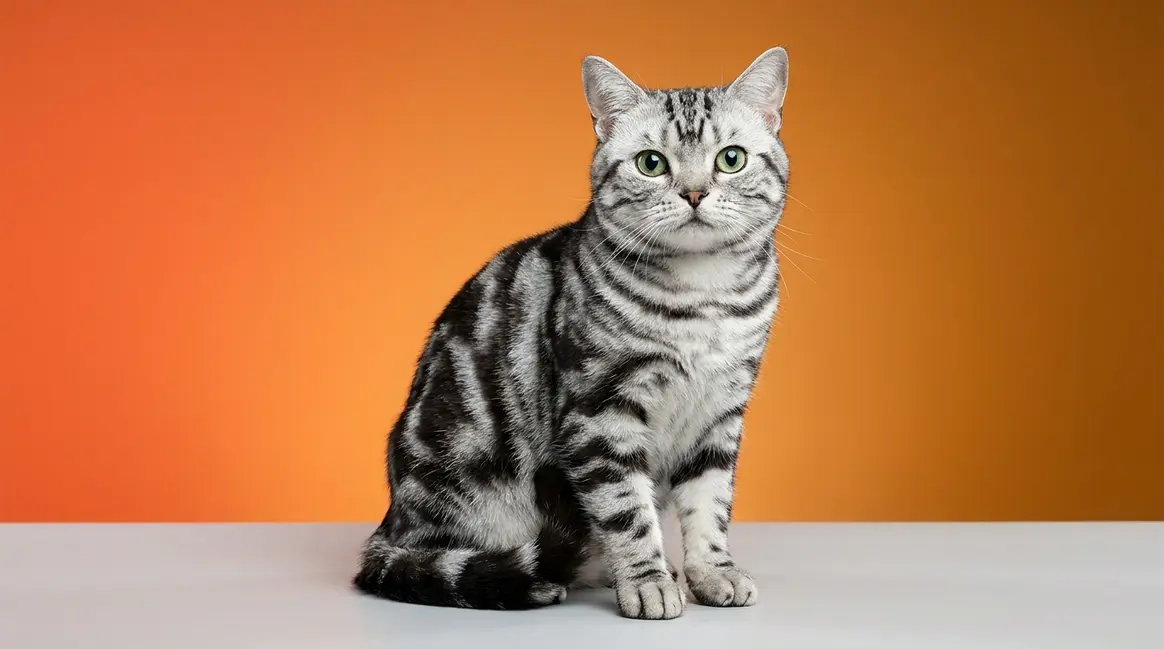
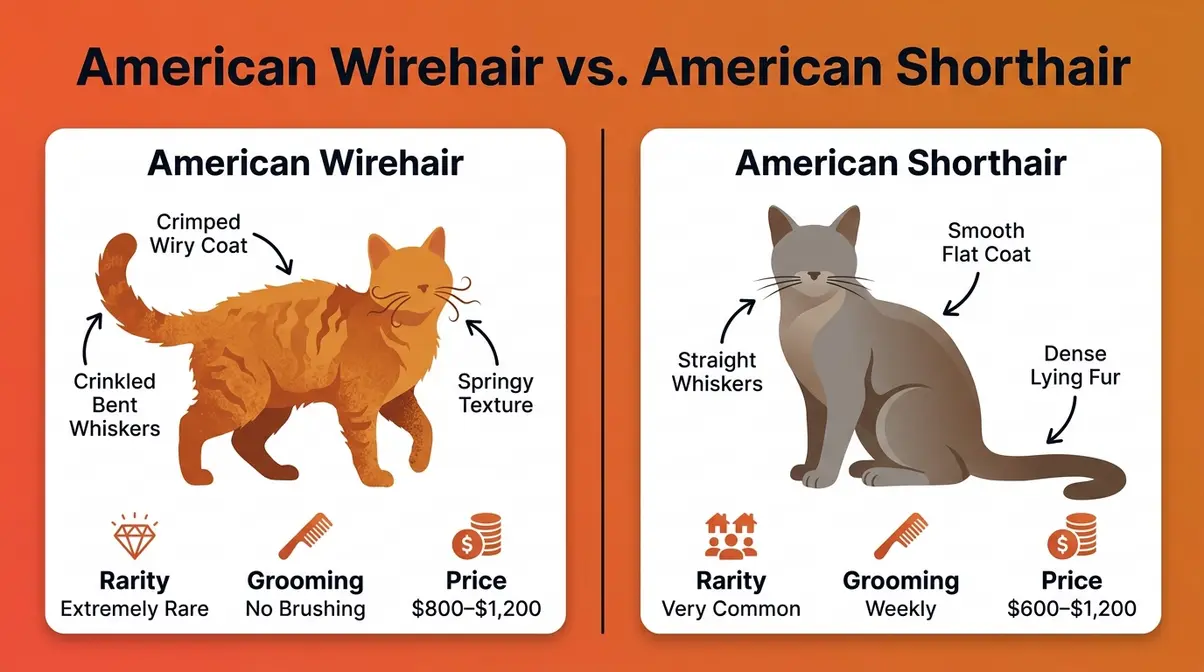
The confusion between these two breeds is completely understandable — and extremely common. The American Wirehair was developed from American Shorthair stock, so the two share the same basic body type, face shape, and temperament range. The differences are real, but they require a closer look.
Key Differences at a Glance
| Feature | American Wirehair | American Shorthair |
|---|---|---|
| Coat texture | Wiry, crimped, springy | Smooth, dense, flat-lying |
| Whiskers | Crinkled or curled | Straight |
| Origin | Single mutation, 1966 New York | Descended from colonial-era working cats |
| Rarity | Extremely rare (CFA bottom tier) | Very common (top 10 most popular) |
| Grooming needs | Minimal — no brushing | Moderate — weekly brushing |
| Price range | $800–$1,200+ | $600–$1,200 |
| CFA recognition | 1978 | 1906 |
| Personality | Calm, adaptable, moderately affectionate | Active, playful, social |
The table above is the quickest way to orient yourself. But the lived experience of owning each breed is worth understanding in more depth.
How to Tell Them Apart
“I swiped up on this pic of my cat and iPhone says he’s an American Wirehair. What do you guys think? I assumed he was American Shorthair, but after…”
This exact moment — the phone app identification that sends you searching — is how most people first encounter the American Wirehair. And the confusion makes perfect sense. Both breeds share a medium-to-large, muscular frame, a round head, and a wide range of coat colors and patterns. From across a room, they can look nearly identical.
The reliable tells are tactile and close-range:
- Run your hand across the coat. An American Shorthair coat lies flat and feels smooth. An American Wirehair coat springs back and feels textured — almost like a very fine, soft scrubbing pad.
- Look at the whiskers. Straight whiskers = almost certainly a Shorthair. Crinkled, bent, or curled whiskers = strong indicator of a Wirehair.
- Check the undercoat. Part the fur and look at the layer beneath. In a Wirehair, even the undercoat is often crimped. In a Shorthair, the undercoat is soft and smooth.
One important note: not every American Wirehair expresses the coat mutation with equal intensity. Some have a looser wave; others have a very tight crimp. If you genuinely want to confirm a cat’s breed, a DNA test from a company like Basepaws or Wisdom Panel is the most reliable option outside of CFA registration papers.
Common Owner Mistakes {#limitations}
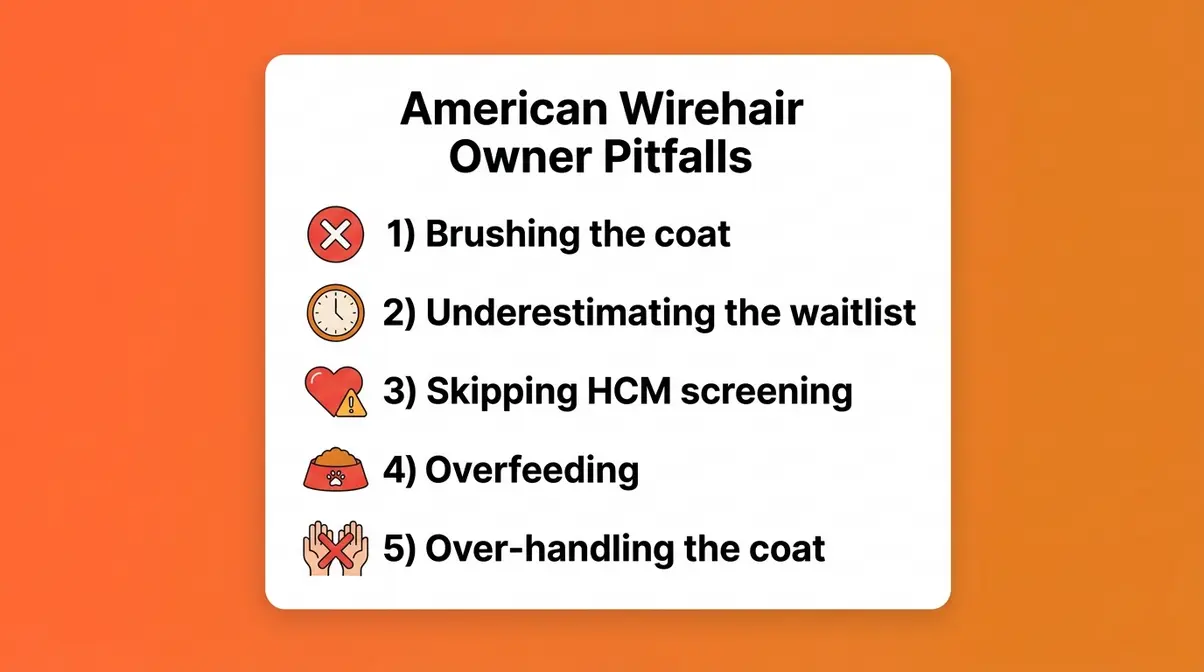
Every breed has a learning curve. The American Wirehair’s is steeper than most — largely because its care needs are the opposite of what cat owners with prior experience expect. Here is where new owners go wrong most often, and what to do about it.
Common Ownership Pitfalls
Pitfall 1: Brushing the coat like any other cat. This is the most common and most damaging mistake. Owners with experience caring for other breeds default to weekly brushing — and in doing so, break the crimped fibers that define the Wirehair’s coat. The fix: commit to the Hands-Off Coat Protocol from day one and resist the instinct to groom.
Pitfall 2: Underestimating the waitlist. First-time buyers often start searching expecting to bring a kitten home within a few weeks. Finding a reputable breeder and getting on a waitlist realistically takes 3–6 months of searching; the actual wait for a kitten after that can be another 6–12 months. Start early, and do not rush into a purchase from an unverified source just to shorten the timeline.
Pitfall 3: Skipping the HCM screening conversation. Because HCM is a known risk in this breed, asking for echocardiogram documentation is not optional — it is the minimum due diligence for a $1,000+ purchase. Some buyers feel awkward asking. Do not. Any reputable breeder will welcome the question.
Pitfall 4: Overfeeding. The Wirehair’s calm temperament means it will not exercise away excess calories the way a more active breed would. Without portion control, weight gain is gradual and easy to miss until it becomes a health problem. Use a measuring cup, not a scoop.
Pitfall 5: Treating it like a high-maintenance exotic. New owners sometimes over-correct — handling the cat too carefully, restricting it from normal activities, or obsessing over the coat. The Wirehair is a robust, adaptable cat. Normal play, normal handling, and normal indoor life are fine. The only special treatment the coat needs is less intervention, not more.
When to Choose Another Breed
This is a breed that suits a specific kind of owner — and being honest about the mismatch saves everyone time and money.
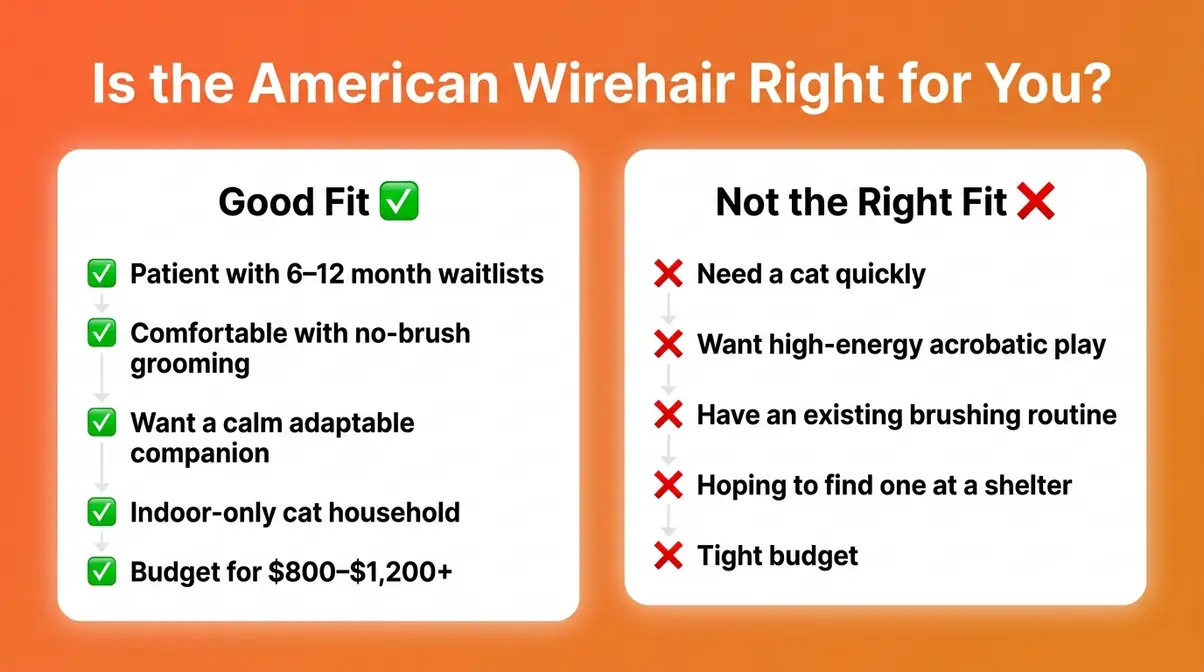
The American Wirehair may not be the right fit if:
- You want a cat you can find quickly and affordably. The rarity and price point are real constraints. If your timeline is short or your budget is tight, a more common breed will serve you better.
- You want an extremely playful, high-energy companion. The Wirehair is moderately playful, but it is not a Bengal or an Abyssinian. If you want a cat that will entertain itself for hours with acrobatic play, look elsewhere.
- You are uncomfortable with a long-term commitment to a specific grooming philosophy. The Hands-Off Coat Protocol requires you to unlearn standard grooming habits. If you have multiple cats and a standard grooming routine, the Wirehair’s needs may feel inconvenient.
- You are hoping to find one at a shelter or rescue. While it is not impossible, it is extremely unlikely. Most Wirehairs in shelters are misidentified American Shorthairs or mixed-breed cats.
None of this means the breed is difficult to own — it is actually one of the more easygoing cats you can choose. It simply means the path to ownership is longer and more deliberate than most breeds require.
Frequently Asked Questions {#faq}
How rare are they?
The American Wirehair is one of the rarest domestic cat breeds in the world. The Cat Fanciers’ Association (CFA) consistently ranks it at or near the bottom of its annual registration data, with some years recording fewer than 100 kittens registered across the entire United States. This rarity stems from the breed’s narrow genetic origin — all living American Wirehairs descend from a single spontaneous mutation that occurred in 1966. For context, popular breeds like the Maine Coon register thousands of kittens per year. Finding a Wirehair kitten from a reputable breeder typically requires a waitlist of 6–12 months.
How expensive are they?
American Wirehair kittens from reputable breeders typically cost $800–$1,200 for a pet-quality kitten, with show-quality animals reaching $1,500–$2,500 or more. First-year ownership costs — including vet visits, supplies, spay/neuter, and food — add another $1,100–$2,100 on top of the purchase price. Prices below $500 are a significant red flag and often indicate a misidentified cat, an unethical breeder, or a scam. The breed’s extreme rarity means reputable breeders have no incentive to discount.
How much are they worth?
A pet-quality American Wirehair kitten is worth $800–$1,200 from a verified breeder; show-quality kittens can command $1,500–$2,500+. “Worth” in this context reflects both the rarity of the breed and the cost of responsible breeding — health testing, quality nutrition for breeding cats, early socialization, and CFA registration all contribute to the price. An adult Wirehair rehomed by a breeder may be available for less, sometimes $400–$600, and can be an excellent option for buyers who want a known health history without the kitten-price premium.
What breed is Taylor Swift’s cat?
Taylor Swift’s cats — Meredith Grey, Olivia Benson, and Benjamin Button — are Scottish Folds, not American Wirehairs. Scottish Folds are known for their distinctively folded ears, a trait caused by a different genetic mutation. Swift’s cats have been widely featured in media and on her social accounts, and the breed has seen a significant popularity boost as a result (People Magazine). The confusion occasionally arises in online discussions, but the two breeds are unrelated in origin, appearance, and temperament.
How much does a wirehair cost?
A wirehair cat — specifically an American Wirehair — costs $800–$1,200 from a reputable CFA-affiliated breeder for a pet-quality kitten as of 2026. Total first-year costs including supplies, veterinary care, and food typically range from $1,945 to $3,325. The Devon Rex and Cornish Rex are sometimes called “wirehair-adjacent” breeds due to their unusual coats, but they are genetically distinct and priced differently. For the American Wirehair specifically, pricing below $500 should be treated as a warning sign.
What is the most clingy cat breed?
The American Wirehair is not considered a clingy breed — it ranks as moderately affectionate, preferring to be near its owner rather than constantly demanding contact. The most clingy domestic cat breeds are generally considered to be the Siamese, Burmese, Ragdoll, and Tonkinese — breeds selectively developed for high human attachment. The Wirehair’s temperament sits closer to the independent-but-loving middle of the spectrum, making it a strong choice for owners who want companionship without constant neediness.
Pricing & Breeder Availability as of June 2026. Prices reflect current market rates from CFA-affiliated breeders and may vary by region and breeder.
Is the American Wirehair Right for You?
The American Wirehair is not the easiest cat to find, and it is not the cheapest. But for the right owner, it is genuinely one of the most rewarding cats you can share your home with. The american wirehair cat breed combines an extraordinary origin story, a one-of-a-kind coat, and a personality that adapts gracefully to nearly any household — all in a package that most of the world has never encountered.
The Hands-Off Coat Protocol is the defining care commitment this breed asks of you. Follow it, and the coat stays beautiful for the cat’s entire life. Ignore it — default to the grooming habits you’ve built with other cats — and you’ll damage the very thing that makes this animal so remarkable. That single shift in approach, from active grooming to deliberate restraint, is what separates owners who thrive with this breed from those who struggle.
Your next step is concrete: visit cfa.org and use the breeder referral tool to find CFA-affiliated American Wirehair breeders in your region. Contact two or three, ask for health documentation, and expect to be placed on a waitlist. The wait is worth it. This is a cat that will still be with you fifteen years from now — and you’ll be glad you took the time to find the right one.

Dave King
Cat owner and writer at Mad Cat Man.