Orchid Safe for Cats: 9 Vet-Backed Ways to Choose, Display, and Pet-Proof Your Blooms
Master the essentials of Orchid Safe for Cats: 9 Vet-Backed Ways to Choose, Display, and Pet-Proof Your Blooms with step-by-step tips and examples from…

If you’ve ever Googled at midnight whether an orchid safe for cats really exists, you’re not alone, friend. Half my cat-loving circle swears orchids are fine, the other half panic at the first nibble, and meanwhile your cat is practicing parkour across the windowsill. Here’s the good news: many commonly sold orchids are considered non-toxic to cats, and with a few smart tweaks you can absolutely enjoy those elegant blooms without living in fear. In this guide, we’ll walk through vet-backed tips, quick ID checks, and practical setups we’ve used at Mad Cat Man to keep curious whiskers safe while your plants thrive. Ready to stop hovering over your plant stand and start enjoying your flowers again?
Before we dive in, a quick personal note: when our team’s tabby, Nala, first discovered the dining room orchid, she decided the moss topdressing was her new sandbox. We didn’t throw out the plant or lock Nala out of the room. We made simple changes that respected both the plant’s needs and her cat instincts. That’s the soul of this article: sensible precautions, not paranoia. And if you’re a first-time pet parent or a budget-minded shopper trying to decide what to buy, we’ll show you the exact choices that make a difference without turning your home into a greenhouse fortress.
Is Your Orchid Safe for Cats? Fast Facts From Vets
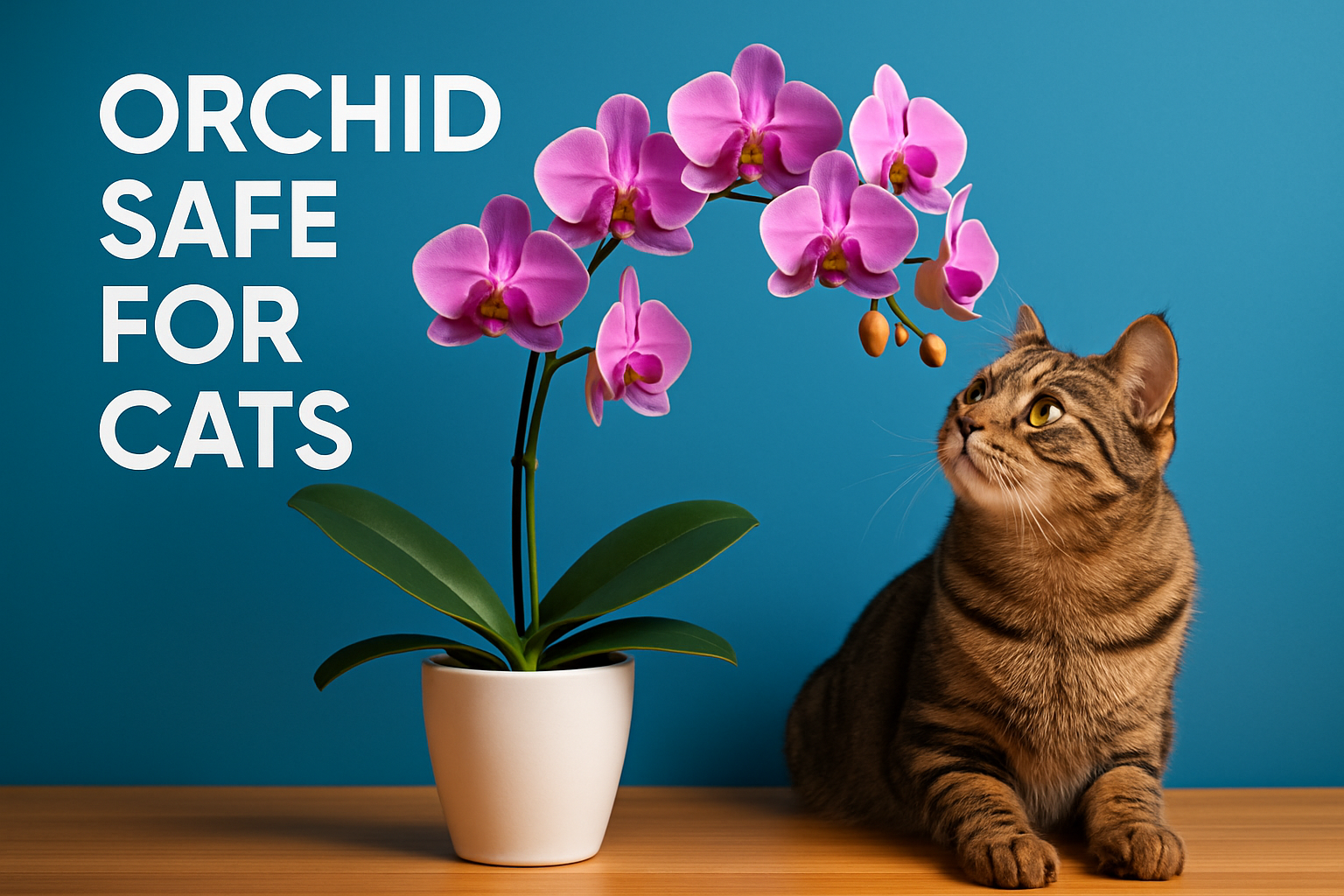
Let’s start with the safety basics. The American Society for the Prevention of Cruelty to Animals (ASPCA) database lists Phalaenopsis orchids as non-toxic to cats, and many other commonly cultivated orchids are widely regarded as pet friendly when grown without dangerous additives. Non-toxic does not mean edible, though. Even safe plants can trigger stomach upset if chewed, and fertilizers or systemic pesticides can change the risk profile. That’s why veterinarians emphasize looking at the whole setup: the plant species, the potting medium, and the products you use on or around the plant.
It’s also easy to mix up lookalikes. True lilies in the genus Lilium and daylilies in the genus Hemerocallis are extremely dangerous for cats. A single petal or even lily pollen on fur can spell trouble. Orchids are not lilies, but floral arrangements sometimes hide an unexpected lily stem next to a Phalaenopsis. When in doubt, separate mixed bouquets, label your pots, and keep a snapshot of your plant’s tag for reference with your vet or a poison helpline. And remember, placement matters as much as plant choice. Even a cat-safe orchid can lead to a toppled pot, a mouthful of bark, or a scratched eye if displayed in a high-traffic cat zone.
| Orchid Type | General Toxicity to Cats | Notes for Households With Cats | Cat Interest Level |
|---|---|---|---|
| Phalaenopsis (Moth Orchid) | Non-toxic per ASPCA (American Society for the Prevention of Cruelty to Animals) | Most common in shops, tolerant of indoor light; avoid systemic pesticides | Low to moderate |
| Dendrobium | Generally regarded non-toxic | Upright canes can be tempting to swat; use stakes and stable pots | Moderate |
| Cattleya | Generally regarded non-toxic | Fragrant blooms may attract curious sniffers; place away from traffic | Low |
| Cymbidium | Generally regarded non-toxic | Heavier pots reduce tipping risk; prefers cooler rooms | Low |
| Oncidium | Generally regarded non-toxic | Fine stems can snap; protective display helps | Moderate |
Important context: confirmation of non-toxicity for less-common species can be limited. If you grow unusual orchids, run the name past your vet and cross-check with the ASPCA (American Society for the Prevention of Cruelty to Animals) plant list and regional poison help resources. Also consider product safety. The Environmental Protection Agency (EPA) registration on a pesticide only covers efficacy and labeled safety when used exactly as directed. Cats groom constantly, so anything left as a residue on leaves, moss, or stakes can end up on a tongue. Safer practice means favoring physical barriers, soapy water rinses, and spot treatments over systemic chemicals whenever feasible.
9 Vet-Backed Ways to Choose, Display, and Pet-Proof Your Blooms
-
Choose non-toxic orchids and confirm IDs. For most homes, Phalaenopsis is a reliable starter because it’s widely listed as safe and is beginner-friendly. Buy from reputable garden centers that keep plant tags attached, and snap a photo of the label at checkout. If you receive a gift arrangement, separate any unknown stems and re-pot your orchid in its own container so you can confidently manage care and safety. A quick rule I teach friends: if you cannot name it, treat it as unknown and keep it out of reach until you confirm it is an orchid safe for cats.
-
Avoid lily lookalikes and mixed bouquets. True lilies in the genus Lilium and daylilies in the genus Hemerocallis are highly toxic to cats, even in tiny amounts. Some arrangements tuck a single lily behind an orchid spray. Separate, label, and display orchids solo unless you can verify every companion stem. It takes 60 seconds to re-home a bouquet, and that quick shuffle can prevent a middle-of-the-night emergency. If you are unsure, take a photo and ask your vet’s office or message a trusted plant group before placing it anywhere near your cat’s favorite routes.
-
Use cat-safe potting choices. Stick with clean orchid bark or sphagnum moss that is free from fertilizer charge. Skip cocoa hull mulch entirely, as it contains methylxanthines also found in chocolate. Avoid systemic insecticide spikes intended for outdoor ornamentals, and read all labels. If you must treat pests, start with physical removal, then try insecticidal soap labeled for indoor use, and rinse well. Keep treated plants in a separate room until completely dry. When in doubt, ask your clinic whether a product is safe around cats or consult AVMA (American Veterinary Medical Association) guidance on household toxins.
-
Display high and stable, not just high. Cats jump, and many can clear 5 feet when motivated. Choose stable, heavy-bottom pots and anchor them with museum putty. Place orchids on shelves that do not double as cat highways, and avoid narrow window ledges that act like balance beams. If you use a decorative tray with pebbles for humidity, ensure the tray is wider than the pot and set a non-slip liner under it. A stable base prevents dramatic crashes even if someone decides to investigate during midnight zoomies.
-
Add gentle barriers that look beautiful. A glass cloche, an acrylic display box, or a mesh-fronted cabinet can protect delicate spikes while still showing off blooms. Leave vents or the door cracked for airflow or run a small USB fan to prevent stagnant air. Think of it like a museum exhibit for your plant: admired, not mauled. DIY (do-it-yourself) option: a tall bookcase with clear doors and adjustable shelves. It keeps paws off and adds a design moment to your living room.
-
Balance humidity with safety. Orchids appreciate 40 to 60 percent humidity, which also happens to be a comfortable indoor range for most people per indoor air guidelines. A cool-mist humidifier placed a foot away from an outlet and on a stable surface is usually best. Use distilled water to reduce mineral dust, clean tanks every few days, and route cords where cats cannot chew them. If you use a grow light, position an LED (light-emitting diode) panel securely and route the cable in a cord cover. Avoid essential oil diffusers near pets, and never add anything to water that is not explicitly labeled pet safe.
-
Train and redirect curiosity. A plant is a static target. Give your cat a better one. Schedule daily play with a wand toy, offer cat grass as a legal chew, and use clicker training to reinforce leave-it and place cues. Bitter sprays can help, but they work best paired with positive options. In our Mad Cat Man tests, a five-minute chase session before we water or groom orchids reduces interference dramatically, because you satisfy that urge to pounce before a rustling leaf becomes irresistible.
-
Cat-proof the details. Clip sharp stake ends, rotate the plant so blooms do not protrude into traffic, and add a topdressing of larger, smooth stones that are too big to dig out or swallow. Skip decorative moss if your cat loves to shred textures. If your orchid sits near a frequently used window, add a small shelf lip to block sliding and consider a soft-edge eye-level display so a head bump does not snap a spike. Small adjustments, big peace of mind.
-
Have an emergency plan. Save your vet’s number, an after-hours emergency clinic, and a poison help line in your phone. If your cat chews a leaf or mouths bark, wipe the mouth with a damp cloth, offer fresh water, and monitor for drooling, vomiting, or lethargy. Photograph the plant and any product labels you used. Vets appreciate precise information, and those minutes you save can matter. Most orchid nibbles are benign, but fast, calm action is the safest response.
Watch This Helpful Video
To help you better understand orchid safe for cats, we’ve included this informative video from MissOrchidGirl. It provides valuable insights and visual demonstrations that complement the written content.
Quick-Glance Safety Tables: Lookalikes, Products, and Setup Choices
| Plant or Flower | Cat Risk | How to Tell at a Glance | Action |
|---|---|---|---|
| Phalaenopsis Orchid | Generally non-toxic | Flat, moth-like petals; thick leaves at base | Okay in homes with cats; still deter chewing |
| True Lily (Lilium) | Severe toxicity | Trumpet or bowl-shaped flowers, large anthers with pollen | Remove from home with cats immediately |
| Daylily (Hemerocallis) | Severe toxicity | Similar to lilies but on grassy clumps | Do not display near cats |
| Amaryllis (Hippeastrum) | Moderate to high | Thick bulb, long strap leaves, bell flowers | Avoid or place out of reach |
| Peace Lily (Spathiphyllum) | Irritant | White hood-like spathes, glossy leaves | Can irritate mouth; keep away |
| Care Area | Common Risk | Cat-Safe Best Practice | Pro Tip |
|---|---|---|---|
| Potting Medium | Cocoa hulls, fertilizer-charged mixes | Use plain orchid bark or plain sphagnum | Top with large river stones to deter digging |
| Pest Control | Systemic insecticides, residue on leaves | Start with hand removal and insecticidal soap | Rinse leaves and isolate until fully dry |
| Humidity | Spills, slippery surfaces, mold | Use a tray or cool-mist humidifier | Place units on stable stands and clean often |
| Lighting | Dangling cords, hot fixtures | Secure an LED (light-emitting diode) panel, manage cables | Use cord covers or route behind furniture |
| Display Height | Toppling, reachable shelves | Use heavy pots and non-slip mats | Anchor with museum putty on smooth surfaces |
Real-World Setups From Cat Homes That Work
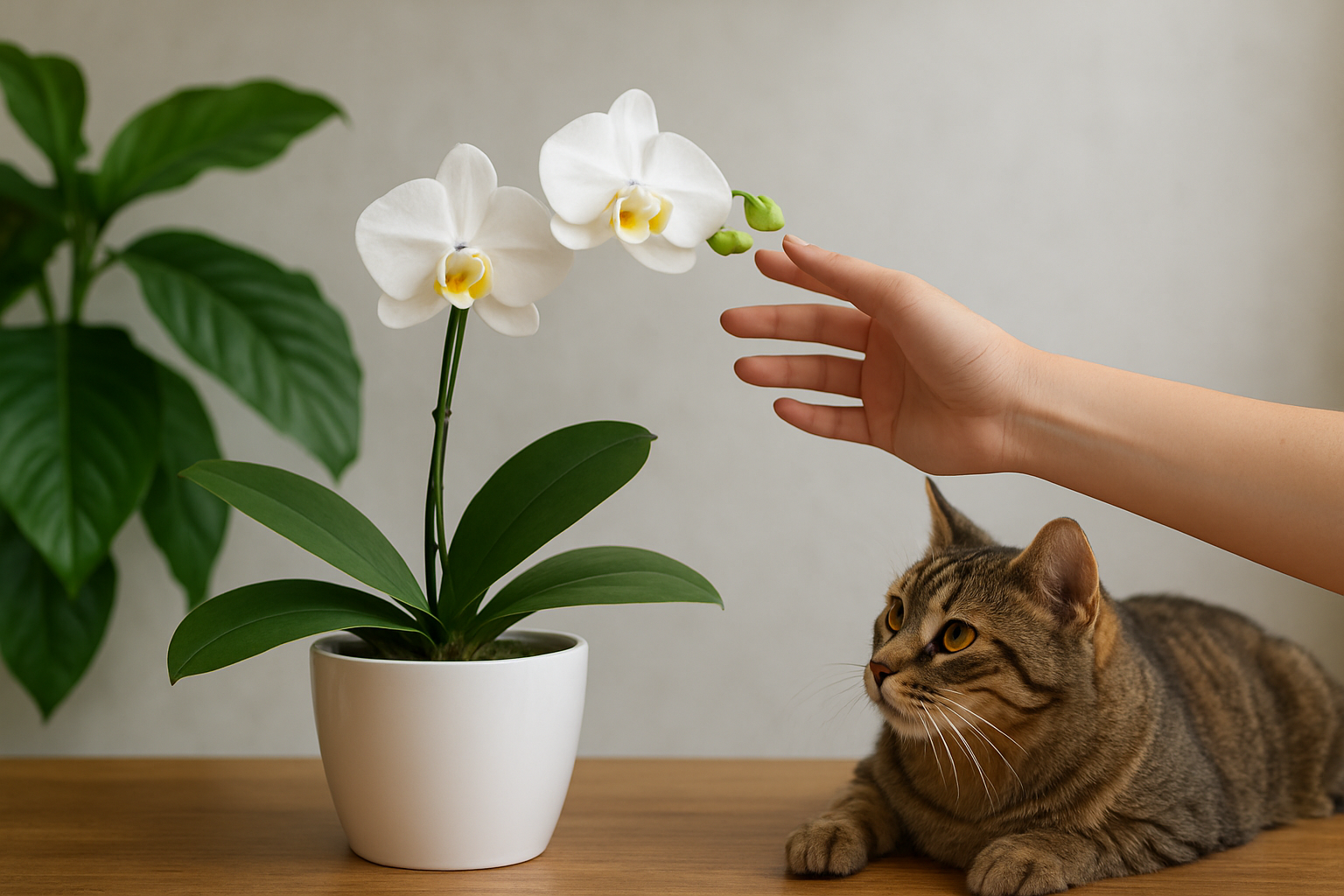
At Mad Cat Man, we test setups in actual homes with actual cats, because theory is tidy and cats are not. One of our editors with a rambunctious Maine Coon turned a simple bookcase into a plant gallery by adding glass doors, a tiny battery fan, and a humidity tray. The orchid sits at eye level for humans, out of paw reach, and the cat zones are elsewhere. Another teammate in a studio apartment moved her Phalaenopsis to a floating shelf above the desk, ran the cord for the grow light through a cable raceway, and swapped decorative moss for smooth pebbles. No drama, still pretty.
We also found that routine beats reprimands. If you water, trim, or rearrange plants, plan a quick wand-toy session first and feed a small snack on a nearby cat tree. You are redirecting that investigative energy into something you actually want your cat to interact with. Over a few days, curiosity around the plant ritual fades because you have made a new ritual that is more rewarding. Training takes minutes, not months, and it is far more effective than nagging.
Troubleshooting: What If Your Cat Still Nibbles?
Even with smart choices, curious cats might occasionally mouth a leaf or paw at the bark. If it happens, do a quick check. Is the plant confirmed non-toxic, and have you used any products on it recently? Wipe your cat’s mouth with a damp cloth, offer water, and watch for drooling, repeated vomiting, or lethargy. The AVMA (American Veterinary Medical Association) advises contacting your veterinarian promptly if you notice concerning signs after plant exposure, especially if a toxic plant might have been involved. Keep your plant tag and any product labels handy for the call.
- If symptoms are mild and brief, remove access to the plant and monitor.
- If symptoms persist or you suspect a toxic plant, seek urgent veterinary care.
- Reassess your display. Add barriers, increase playtime, and consider an alternate perch.
- Replace tempting topdressings with smooth, larger stones that are hard to dislodge.
For chronic chewers, rotate in cat grass and silvervine sticks, use a bitter deterrent spray on pots rather than leaves, and make plant zones boring while making cat zones exciting. Think vertical cat shelves, window hammocks, and timed interactive toys. If a particular room triggers plant mischief, close it during times you cannot supervise. Over time, most households find a sweet spot where both plants and cats coexist without drama.
Shop and Learn Smarter With Mad Cat Man
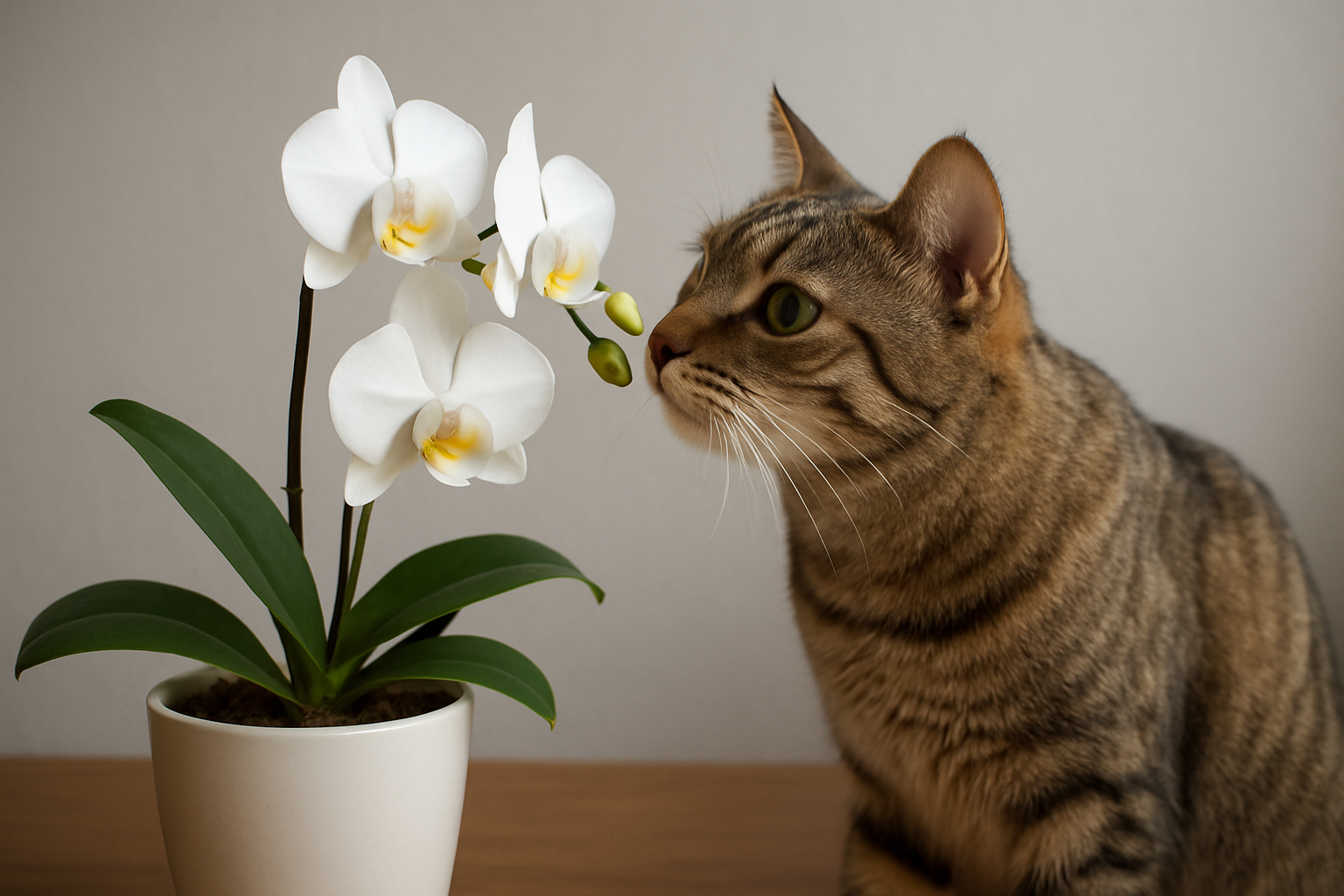
New or uncertain cat owners often tell us they feel overwhelmed by conflicting advice. That is exactly why we built Mad Cat Man. Our team publishes vet-approved explainers, behavior and training tips, and hands-on product reviews so you can make confident, budget-smart decisions. Want to choose a cool-mist humidifier that helps orchids without creating slip hazards or cord temptations? We test those. Need a buying checklist for sturdy plant stands or cable covers? We write step-by-step guides so you can shop quickly and safely.
Explore our organized categories for product reviews and buying recommendations, how-to tutorials, breed guides and comparisons, and health and preventive care resources, including worming, microchipping, and dental care. Each article is practical and experience-based, so you can skip trial-and-error and go straight to what works in real homes with real cats. When you are ready to go deeper into pet-safe houseplants, you will find safety and product-suitability content, from humidifiers to plant barriers, grouped in one place at Mad Cat Man.
FAQs: Your Top Orchid and Cat Questions, Answered
Are all orchids safe for cats? Many popular orchids are generally considered non-toxic, especially Phalaenopsis. However, safety data for rare species can be sparse. Confirm the exact plant ID, avoid systemic chemicals, and display out of reach. When unsure, verify with your vet and the ASPCA (American Society for the Prevention of Cruelty to Animals) list.
Can cats get sick from chewing a safe orchid? Yes, even non-toxic leaves or bark can irritate the stomach and cause vomiting or drooling. The bigger risk often comes from fertilizers, pesticides, or mixed bouquets containing toxic plants. Keep labels and avoid risky additives.
Do I need a grow light? Not always. Bright, indirect light is enough for Phalaenopsis in many homes. If you use one, secure the LED (light-emitting diode) panel, manage cables, and set timers. Orchids do not need blazing UV (ultraviolet); think gentle morning light or filtered exposure.
What about humidity? Aiming for 40 to 60 percent works for orchids and humans. A cool-mist humidifier on a stable, cat-inaccessible surface is a good option. Clean it frequently, use distilled water, and keep cords tidy and bite-proof with covers.
Is there a quick checklist to confirm a display is cat friendly? Yes. Stable heavy pot, non-slip base, topdressing that is too big to dig, cords secured, no systemic chemicals, plant ID confirmed, and routes that cats love are redirected elsewhere with perches and play.
One-Page Checklist: Make Your Orchid Display Cat Smart
- Confirm plant ID and that it is an orchid safe for cats.
- Re-pot into plain orchid bark or plain sphagnum without fertilizer charge.
- Skip cocoa mulch and systemic insecticides; rinse any leaf treatments.
- Choose a heavy-bottom pot and add a non-slip pad or museum putty.
- Topdress with large, smooth stones; remove shreddable moss.
- Display on a shelf that is not a cat route; add a lip or clear door if needed.
- Use a cool-mist humidifier nearby, clean often, and route cords safely.
- Schedule daily play and offer cat grass to satisfy chewing urges.
- Save vet, emergency clinic, and poison help numbers in your phone.
One last data point to keep in your back pocket: veterinary poison helplines consistently note that plants are a common source of calls, and lilies are a top feline hazard. That is why our approach balances the joy of plants with practical prevention. Your goal is not to bubble-wrap your home but to be deliberate about plant choice, placement, and routine. With a little planning, your orchid display can be serene for you and snooze-worthy for your cat.
You now have a clear, vet-backed roadmap for choosing non-toxic blooms, placing them wisely, and cat-proofing what matters. Imagine the next 12 months with a rotation of elegant orchids and a relaxed cat, no more midnight pot rescues. What would your home feel like if every plant choice came with confidence that your orchid safe for cats setup is beautiful and secure?
Additional Resources
Explore these authoritative resources to dive deeper into orchid safe for cats.
Make Orchid Safety Simple With Mad Cat Man
Vet-approved, organized safety guides help cat owners, first-time pet parents, breed researchers, and budget-conscious shoppers make confident decisions about orchids, humidifiers, and pet-safe plants.

Dave King
Cat owner and writer at Mad Cat Man.