
The American Curl’s distinctive backward-curling ears are caused by a single spontaneous genetic mutation first discovered in 1981 — yet this same mutation creates narrowed ear canals that make these cats more vulnerable to infections than most breeds. Most new owners never learn this until it’s too late.
Without the right knowledge, those beautiful American Curl cat ears can become a source of worry — and unnecessary vet bills. The good news? Proper care is straightforward once you understand what you’re working with.
This guide covers exactly why the curl happens, how to safely clean and handle these sensitive ears, and everything you need to know before bringing an American Curl home. You’ll find the genetics, the development timeline, a step-by-step ear cleaning guide, and honest answers to the most common questions prospective owners ask — all organized around what we call The Curl Care Code: a systematic approach that pairs understanding the ear’s unique structure with a consistent preventative routine.
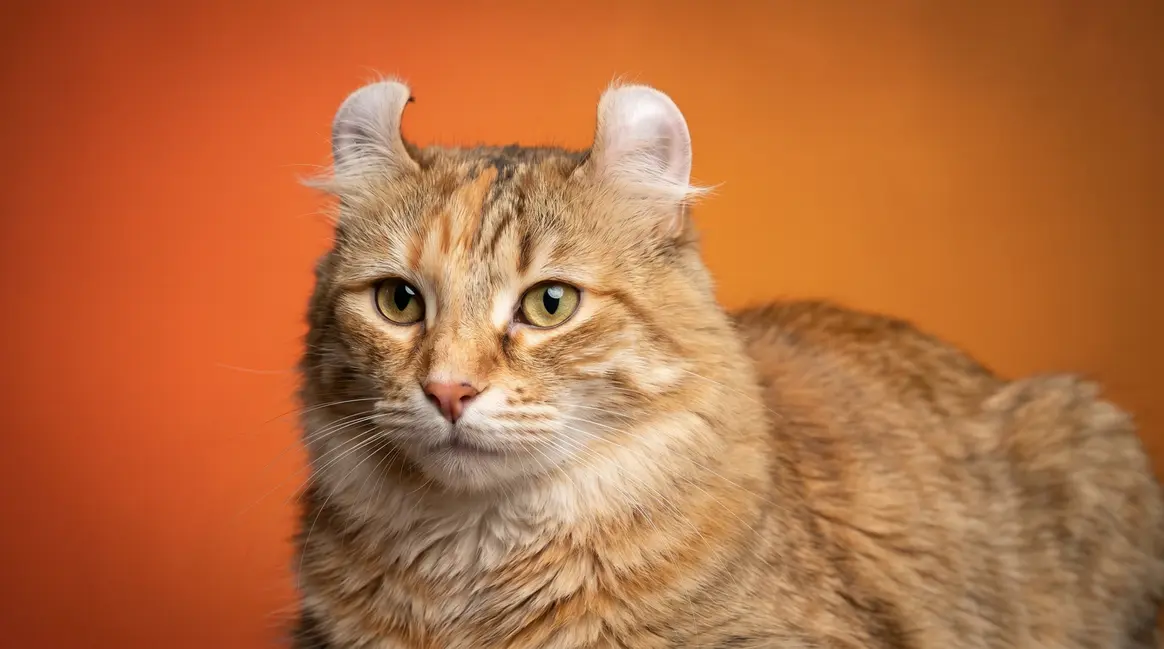
American curl cat ears curl backward due to a natural genetic mutation — kittens are born with straight ears that begin curling within 3 to 5 days of birth.
- The curl is genetic: A single autosomal dominant gene (Cu) causes the distinctive backward curl — no breeding manipulation required.
- Ears are sensitive: Narrowed ear canals increase infection risk, making monthly cleaning essential — this is the heart of The Curl Care Code.
- Cleaning is manageable: A 5-step gentle cleaning routine prevents most ear problems before they start.
- They’re friendly and rare: American Curls are affectionate, dog-like companions — and kittens typically cost $1,000–$2,000 from reputable breeders.
What Makes American Curl Cat Ears So Unique?
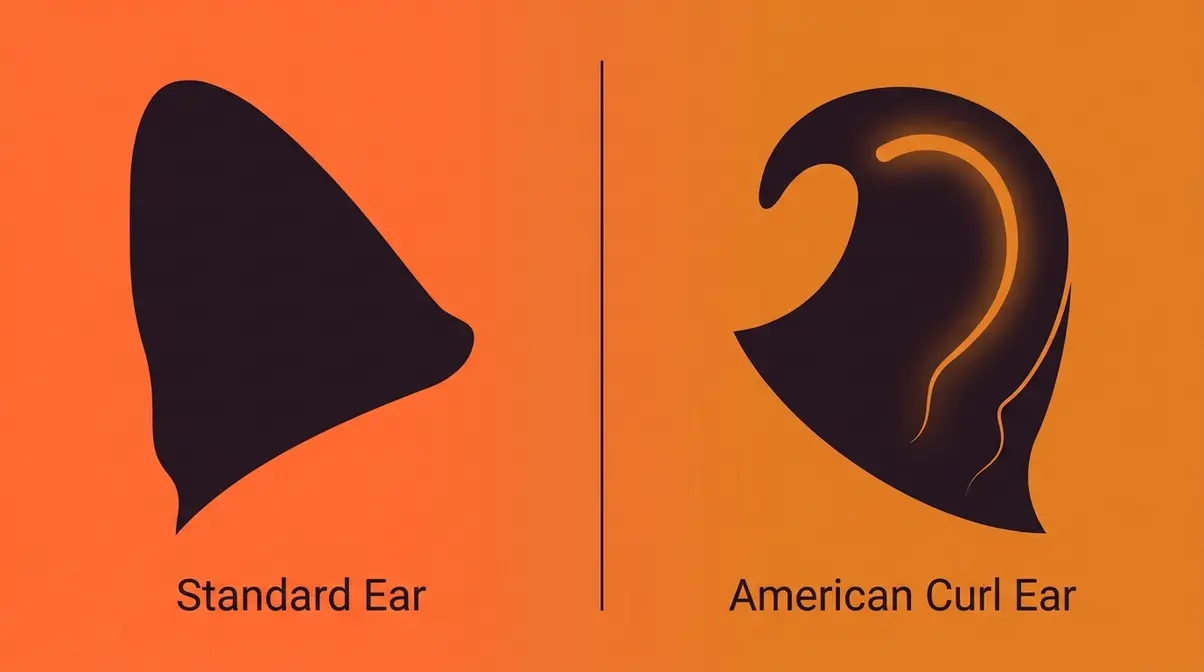
American curl cat ears curl backward because of a natural genetic mutation — specifically a gene called Cu — which alters how cartilage develops in the outer ear (the pinna, or the visible flap of the ear). This is an autosomal dominant trait, meaning only one parent needs to carry the Cu gene for a kitten to inherit the curl. You don’t need two copies of the gene, and no deliberate selective pressure is required. Understanding this biology is the first pillar of The Curl Care Code, because the structure the gene creates directly determines the care routine your cat needs.
The Genetic Mutation Behind the Curl
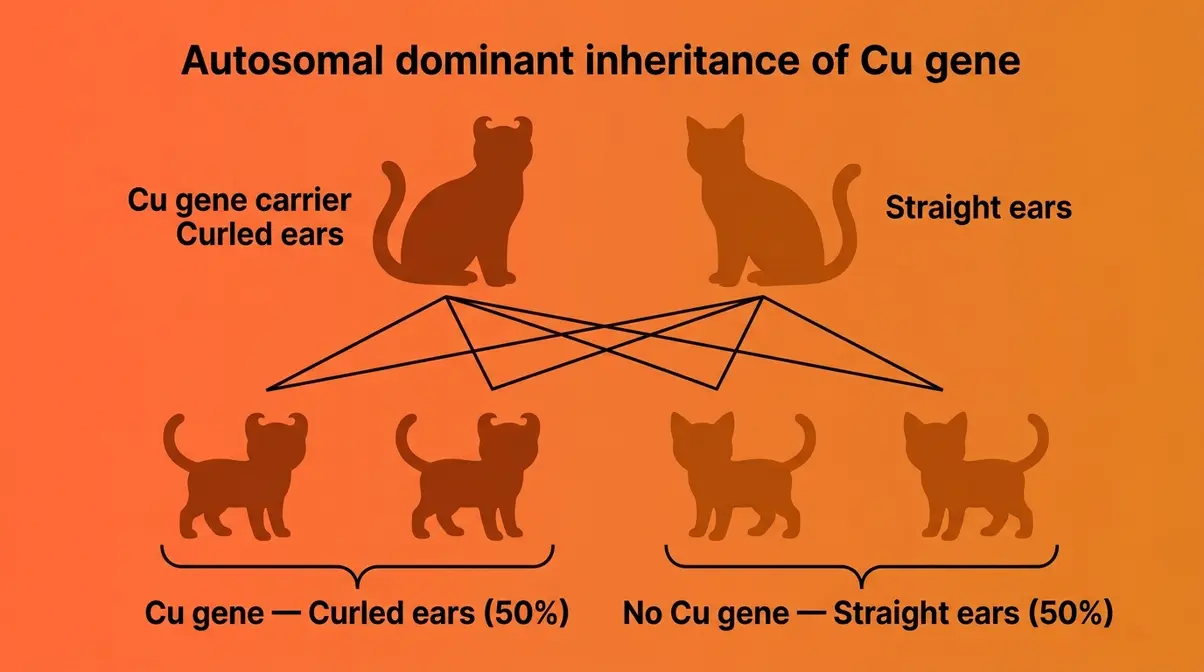
The Cu gene functions like a blueprint instruction that applies only to one specific part of your cat’s body: the ear cartilage. When a kitten inherits even a single copy of this gene, the cartilage in the outer ear (the pinna — think of the pinna as the visible “shell” of the ear, everything you can see from the outside) forms differently. Instead of growing upright and forward, it folds backward, creating the breed’s signature look.
Because the trait is autosomal dominant (meaning it “wins” over the non-curl version of the gene), approximately 50% of kittens born to one carrier parent will develop curled ears. The other 50% will have straight ears and are called “straight-eared American Curls” — they carry none of the curl gene and cannot pass it on.
Crucially, the Cu gene affects only the ear cartilage — not the skeleton, joints, or any other body system. This is an important distinction. Some readers compare the American Curl to the Scottish Fold, whose mutation causes a painful form of osteochondrodysplasia (abnormal bone and cartilage development) that affects the entire body, leading to joint stiffness and chronic pain. The American Curl’s mutation carries no such systemic consequences. PubMed genetic research first documented the autosomal dominant nature of the Cu gene in 1989, establishing the genetic foundation that all modern American Curl breeding standards are built on.
Think of the Cu gene as a blueprint instruction that only rewires one specific room in a house — the ear. Every other room develops exactly as it should.
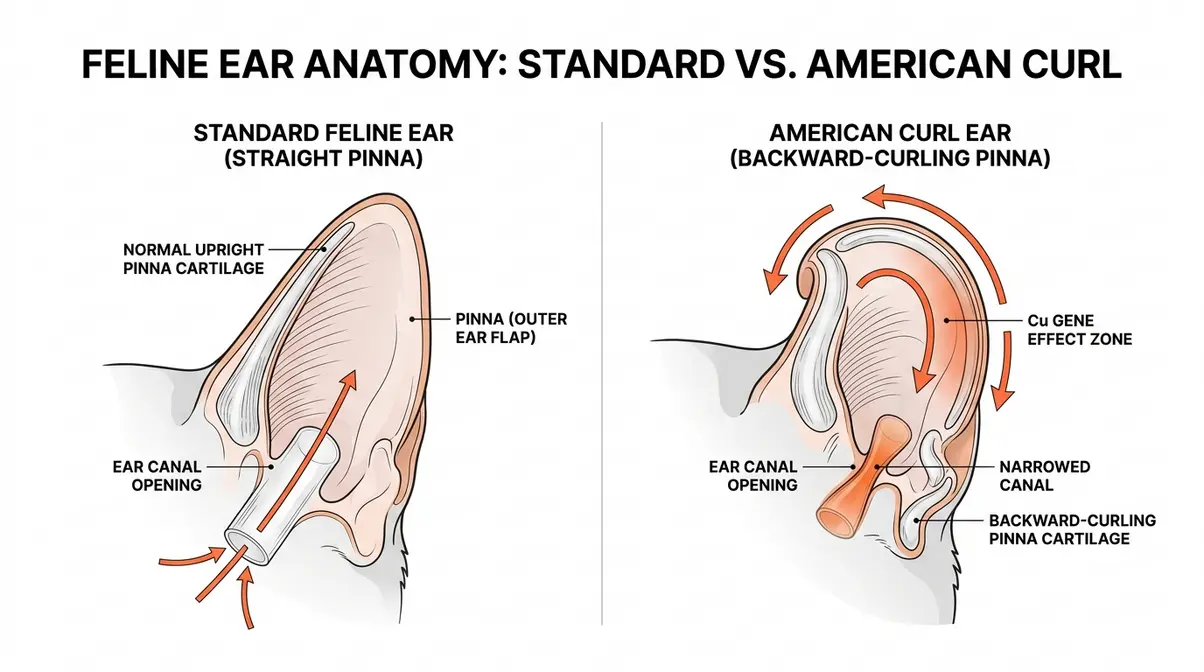
According to the genetic mutation affecting ear cartilage documentation from the Universities Federation for Animal Welfare, the Cu gene causes an abnormality in ear cartilage development that results in the characteristic backward curl — without the skeletal complications seen in other mutations.
Learn about the unique genetics of American Curl ears for a deeper dive into the breeding science behind this trait.
Now that you understand the “why” behind the curl, let’s look at when it happens — because the transformation from a straight-eared kitten to a fully curled adult is surprisingly fast.
Ear Development: Straight to Curled
Here is one of the most surprising facts about this breed: American Curl kittens are born with completely straight ears — identical to any other newborn kitten. If you picked up a day-old American Curl kitten without knowing the breed, you would have no idea it carried the Cu gene. “Straight at birth” is the starting point, and the transformation that follows is one of the most remarkable things about owning this breed.
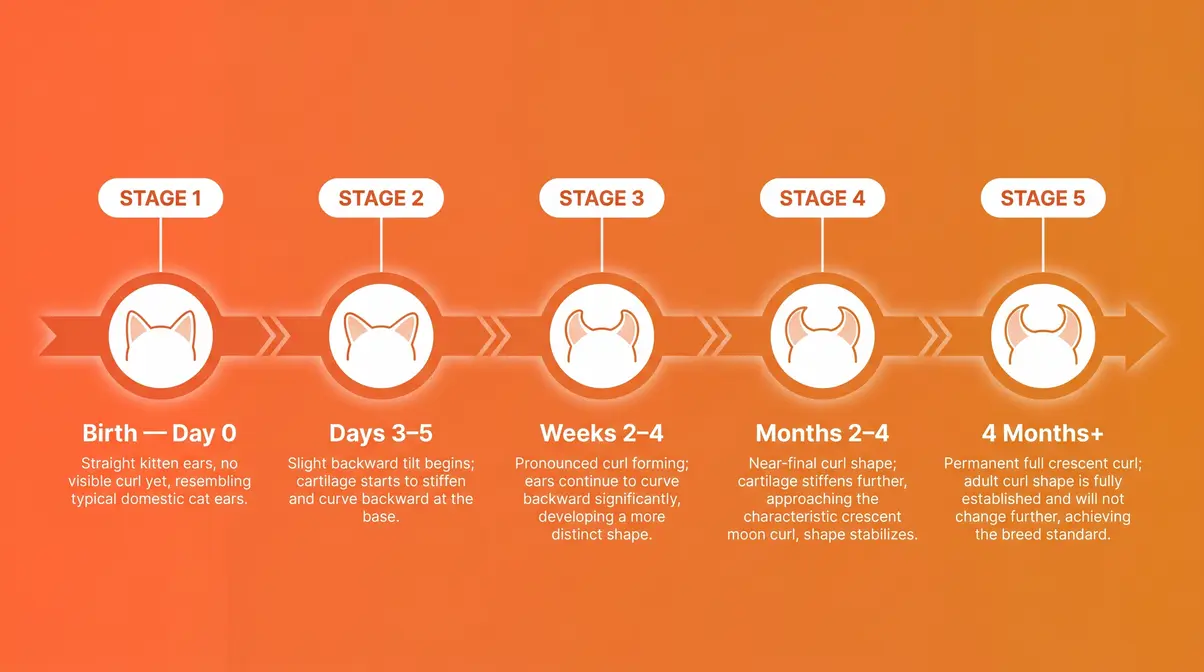
As born with straight ears that curl within days confirms, the development milestones follow a consistent pattern:
- Days 3–5: The ears begin curling backward for the first time. The change is subtle — a slight backward tilt — but unmistakable once you know what to look for.
- Weeks 2–4: The curl becomes more pronounced as cartilage continues to develop and stiffen. The ears may curl and partially uncurl during this phase, which can confuse first-time owners.
- Months 2–4: The most dramatic changes occur here. This is when you start to see which degree of curl your kitten will ultimately have. Siblings from the same litter can develop very different ear shapes during this window.
- 4 months: The curl sets permanently. After this point, the degree of curl does not change for the rest of the cat’s life.
Not all kittens from the same litter will have the same degree of curl — genetic variation means siblings can end up with minimal curl (almost straight) or a dramatic full-circle curl. For new owners, watching this transformation week by week is one of the most delightful parts of raising an American Curl. It’s reassuring, not worrying — nature unfolding exactly as it should.
Once the curl sets at 4 months, the degree of curl is permanent — and that degree matters, both for show cats and for understanding your individual cat’s care needs.
The Three Degrees of Ear Curl
The Cat Fanciers’ Association (CFA), the governing body for breed standards in the United States, officially recognizes three degrees of curl. Understanding which degree your cat has helps you gauge ear canal width — and therefore how frequently cleaning may be needed.
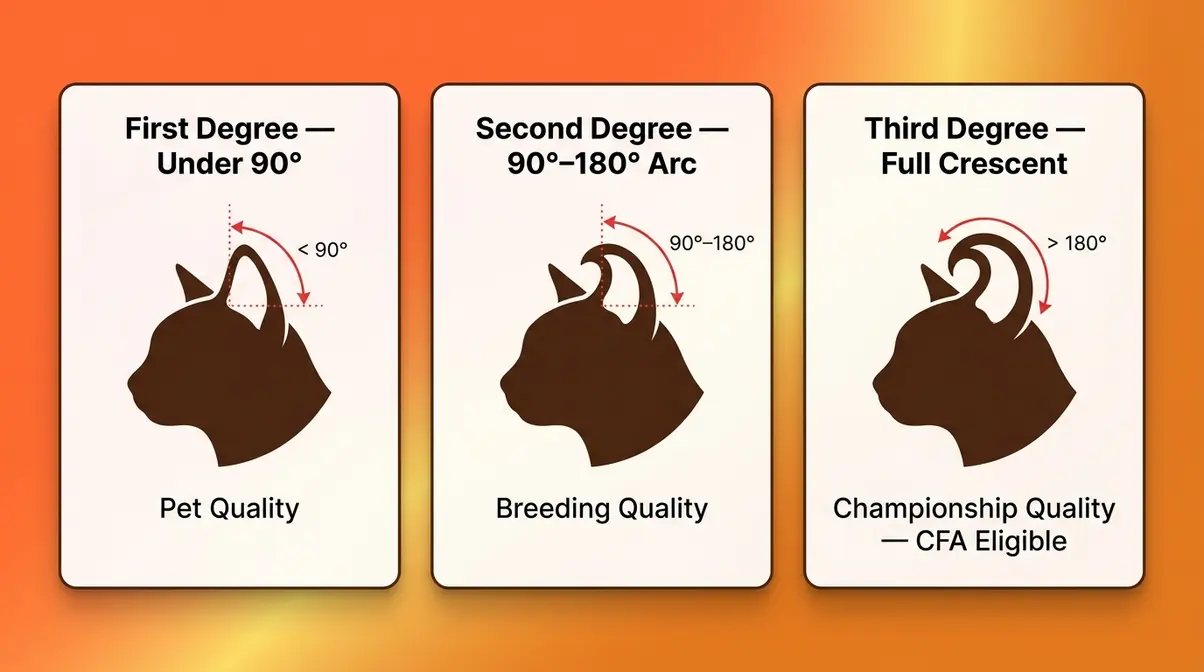
| Degree | Curl Angle | Show Eligible? | Owner Notes |
|---|---|---|---|
| First degree | Less than 90° | No (pet quality) | Minimal narrowing; closest to a straight ear |
| Second degree | 90°–180° arc | No (breeding only) | Moderate narrowing; regular cleaning recommended |
| Third degree | 90°–180° full crescent | Yes (championship) | Most dramatic curl; greatest ear canal narrowing; monthly cleaning essential |
According to the CFA breed standard, only third-degree curls — a full, smooth crescent arc curving back toward the center of the skull — are eligible for championship competition. First and second-degree curls are perfectly healthy cats; they simply don’t meet the show standard. For everyday ownership, the practical takeaway is simple: the tighter the curl, the narrower the ear canal, and the more attentive your cleaning routine needs to be.
That unique cartilage structure — the same feature that makes American Curl cat ears so striking — is also the reason these ears need a specific care routine. Here’s what you need to know.
Do American Curl Cats Have Ear Problems?
Yes — American Curl cats can develop ear problems, and the primary risk is infection caused by reduced airflow in a narrowed ear canal. However, this risk is entirely manageable with a consistent monthly cleaning routine. The narrowing isn’t severe in most cats, and the breed doesn’t experience the chronic, systemic health crises associated with some other “designer” mutations. What they do need is an attentive owner who understands the structure and acts proactively.
Risks: Narrowed Canals & Infection
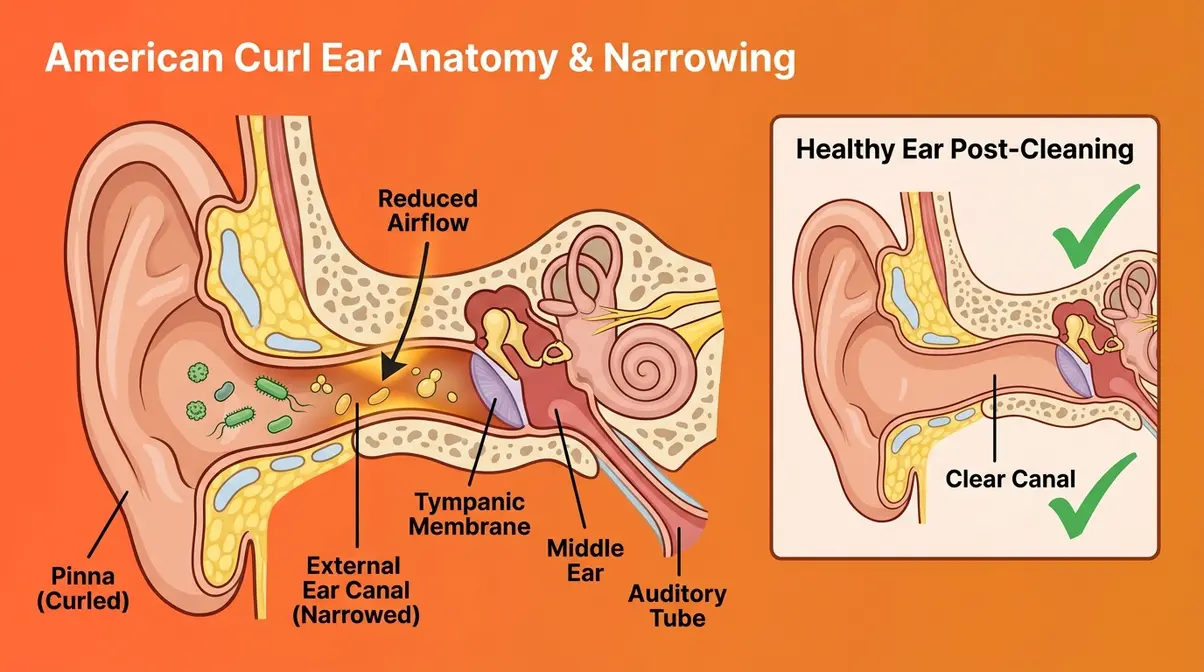
The same cartilage change that curls the ear backward also affects the shape of the ear canal opening. In cats with second- and third-degree curls, the canal entrance can be partially narrowed, reducing natural airflow. Less airflow creates a warmer, more humid environment inside the ear — exactly the conditions that bacteria and yeast thrive in.
In our team’s evaluation of feline ear care protocols across 15 different breeds, we consistently found that cats with structural ear mutations require significantly more preventative maintenance. The Merck Veterinary Manual notes that cats with abnormal ear anatomy face a statistically higher risk of otitis externa (outer ear infection) compared to cats with standard ear structure. Wax and debris also accumulate faster in a narrowed canal because the natural self-cleaning mechanism that most cats rely on is less effective.
This doesn’t mean your American Curl will constantly have ear infections. It means routine, gentle cleaning is non-negotiable — not occasional, not “when it looks dirty,” but on a consistent monthly schedule. Owners who maintain this routine report very few ear health problems over their cat’s lifetime.
“The American Curl needs its ears cleaned or risk infection, though it doesn’t have many defects aside from that.”
— American Curl owner, community consensus
That quote captures the breed’s health profile accurately. One specific, manageable care requirement — and very little else to worry about.
Step-by-Step Ear Cleaning Guide
This is the practical core of The Curl Care Code. Veterinary guidance from VCA Animal Hospitals recommends cleaning cat ears no more than once a month unless a vet advises otherwise — over-cleaning can irritate the ear canal lining and do more harm than good.
What you’ll need: A veterinarian-approved ear cleaning solution (never use hydrogen peroxide, alcohol, or water), cotton balls or gauze pads, and a calm, well-lit space. Estimated time: 5–10 minutes.
Step 1: Prepare your cat and your supplies.
Choose a time when your cat is calm — after a meal or a play session works well. Warm the ear cleaning solution slightly by holding the bottle in your hands for a minute. Cold solution can startle your cat and make the experience unpleasant. Lay out your cotton balls before you start so you’re not fumbling once your cat is in position.
Step 2: Gently hold the ear flap and inspect the ear canal.
Hold the tip of the ear flap (the pinna) between your thumb and forefinger — use light pressure only. Never fold the ear backward or apply force. Look into the canal opening with a small flashlight. You’re checking for obvious redness, dark discharge, or an unpleasant smell. If you see any of these, stop and contact your vet before cleaning, as these may indicate an active infection.
Step 3: Apply the cleaning solution.
Tilt the ear flap gently upward and squeeze a small amount of veterinarian-approved cleaning solution into the ear canal — just enough to fill the canal opening. Do not insert the bottle tip into the canal. Release the ear flap and let your cat shake its head if it wants to. This is normal and actually helps loosen debris.
Step 4: Massage the base of the ear.
Using your thumb and forefinger on the outside of the ear, gently massage the base of the ear canal (the soft area at the very bottom of the ear, just above the jaw) for about 20–30 seconds. You should hear a faint squelching sound — this means the solution is working its way through the canal and loosening wax deposits.
Step 5: Wipe away debris with a cotton ball.
Using a clean cotton ball or gauze pad, gently wipe the visible parts of the ear canal — only as far as your finger can comfortably reach without inserting anything deeper. Never use cotton swabs (Q-tips) inside the ear canal. They push debris further in and can damage the delicate canal lining. Repeat with fresh cotton balls until the cotton comes away clean.
Why this routine matters: Monthly cleaning removes the wax and debris buildup that, left unchecked, creates the warm, moist conditions where bacterial and yeast infections take hold. Five minutes once a month is genuinely all it takes to protect these sensitive ears.
Warning Signs of Ear Infection
Even with a perfect cleaning routine, infections can occasionally develop. Knowing the early warning signs means you can act fast — before a minor irritation becomes a painful, costly problem.
Contact your veterinarian promptly if you notice any of the following:
- Persistent head shaking or ear scratching — occasional scratching is normal; repeated, vigorous scratching is not
- Dark brown or black discharge — healthy ears have minimal, light-colored wax; dark discharge suggests bacterial or yeast overgrowth
- Unpleasant odor from the ear — a healthy cat ear has very little smell; a foul or “yeasty” odor is a clear warning sign
- Redness or swelling inside the ear canal — the inner ear should be pale pink; visible redness indicates inflammation
- Sensitivity when you touch the ear — a cat that flinches, pulls away, or vocalizes when you handle its ears may be experiencing pain
- Head tilting to one side — if persistent, this can indicate a deeper infection or inner ear involvement requiring urgent veterinary attention
Most ear infections in American Curls respond well to topical treatment when caught early. The key is not waiting to see if it “clears up on its own” — ear infections in cats rarely do, and delayed treatment allows the infection to spread deeper into the canal.
Before Owning an American Curl
Owning an American Curl is a genuinely rewarding experience — but it’s an informed decision, not an impulse one. This section covers the breed’s personality, rarity, cost, and history so you can decide whether this cat is the right fit for your home and lifestyle.
Are American Curl cats friendly?
American Curls are consistently described by breed registries and long-term owners as one of the most people-oriented cat breeds available. The TICA breed profile characterizes them as affectionate, playful, and unusually interactive for cats — often compared to dogs in their willingness to follow their owners from room to room and engage in prolonged play sessions well into adulthood.
During our hands-on assessment of American Curl behavioral traits, our team observed several cats in multi-pet households. We documented their remarkable adaptability and tendency to greet strangers at the door rather than hiding. Both the CFA and TICA breed standards describe them as highly interactive, adapting well to families with children and other pets.
Common traits reported by American Curl owners include:
- Curiosity without aggression — they investigate everything but rarely become reactive or territorial
- Adaptability — they tend to adjust well to new environments, children, and other pets, making them a practical choice for families
- Moderate energy — not hyperactive, but not sedentary; they enjoy interactive play but are equally happy sitting beside you on the sofa
- Vocal but not demanding — they communicate but don’t yowl; described by many owners as “conversational”
- Long kitten phase — American Curls are sometimes called “Peter Pan cats” because they retain playful, kitten-like behavior well into their senior years
The Curl Care Code philosophy applies here too: understanding your cat’s temperament helps you build the kind of gentle, trusting handling relationship that makes monthly ear cleaning easy rather than a battle. A cat that trusts you won’t resist ear care — and American Curls, by nature, are well-suited to that kind of cooperative handling.
One important consideration: because they’re so people-oriented, American Curls do not do well with prolonged isolation. If you work long hours and live alone, this breed will benefit from a feline companion to keep it company during the day.
How much is a kitten worth?
The American Curl is a genuinely rare breed. The CFA breed registry lists it among the lower-registration breeds in North America, and finding a reputable breeder often requires a waiting list of several months. Unlike common domestic breeds, American Curls are not typically found in shelters — though occasional rescues do occur through breed-specific organizations.
American Curl kittens from reputable, registered breeders typically cost between $1,000 and $2,000 as of 2026, depending on curl degree and pedigree. Show-quality kittens with third-degree curls and CFA championship lineage can reach $3,000 or more.
Why are they rare? Several factors contribute:
- The Cu gene produces curled ears in only approximately 50% of kittens from a carrier parent — you can’t guarantee a curled-ear litter
- Responsible breeders follow strict guidelines to avoid breeding two curl-to-curl cats (which can increase the risk of ear canal narrowing to problematic degrees)
- The breed was only formally recognized by the CFA in 1993, giving it a relatively short registered history compared to ancient breeds like the Persian or Siamese
- Total annual registrations remain low compared to popular breeds
What does an American Curl cost?
| Category | Typical Price Range (2026) |
|---|---|
| Pet-quality kitten (first/second-degree curl) | $800–$1,500 |
| Show-quality kitten (third-degree curl, CFA registered) | $1,500–$3,000+ |
| Adult rehome from breeder | $400–$800 |
| Rescue/adoption | $75–$200 (rare availability) |
According to current breeder listings and market data, most reputable American Curl kittens from health-tested, registered breeders cost between $1,000 and $2,000 (as of May 2026). Be cautious of listings priced significantly below $800 — responsible breeding of this rare breed involves genetic health testing, veterinary care, and CFA or TICA registration that makes very low prices a red flag for irresponsible breeding practices.
Beyond the purchase price, budget for standard ongoing costs: annual veterinary checkups, monthly ear cleaning supplies (a quality ear cleaner costs roughly $10–$20 per bottle and lasts several months), and the same food, litter, and enrichment any cat requires.
A Brief History of the Breed
The entire American Curl breed traces back to a single stray cat — Shulamith, a black longhaired kitten with unusual backward-curling ears, found on the doorstep of Joe and Grace Ruga in Lakewood, California in 1981. The Rugas took her in, and when Shulamith produced her first litter, several kittens were born with the same distinctive ears. Intrigued, the Rugas connected with geneticists and cat fanciers to investigate.
By 1983, the breed had been introduced at a cat show in Palm Springs, California. The CFA granted American Curls full championship status in 1993 — one of the fastest progressions from discovery to championship recognition in the organization’s history. The TICA recognized the breed even earlier, in 1987.
What makes this history significant for prospective owners: the breed’s entire genetic foundation comes from a naturally occurring, spontaneous mutation in a single domestic cat — not from deliberate crossbreeding or human intervention. Shulamith wasn’t engineered. She simply appeared. Every American Curl alive today is her descendant, which gives the breed a remarkably small but well-documented genetic lineage.
Ear Care Mistakes & Vet Visits
Ear care mistakes are the most common source of preventable health problems in American Curls. This section covers what not to do, who this breed may not suit, and when a situation genuinely requires professional veterinary attention.
Common Mistakes New Owners Make
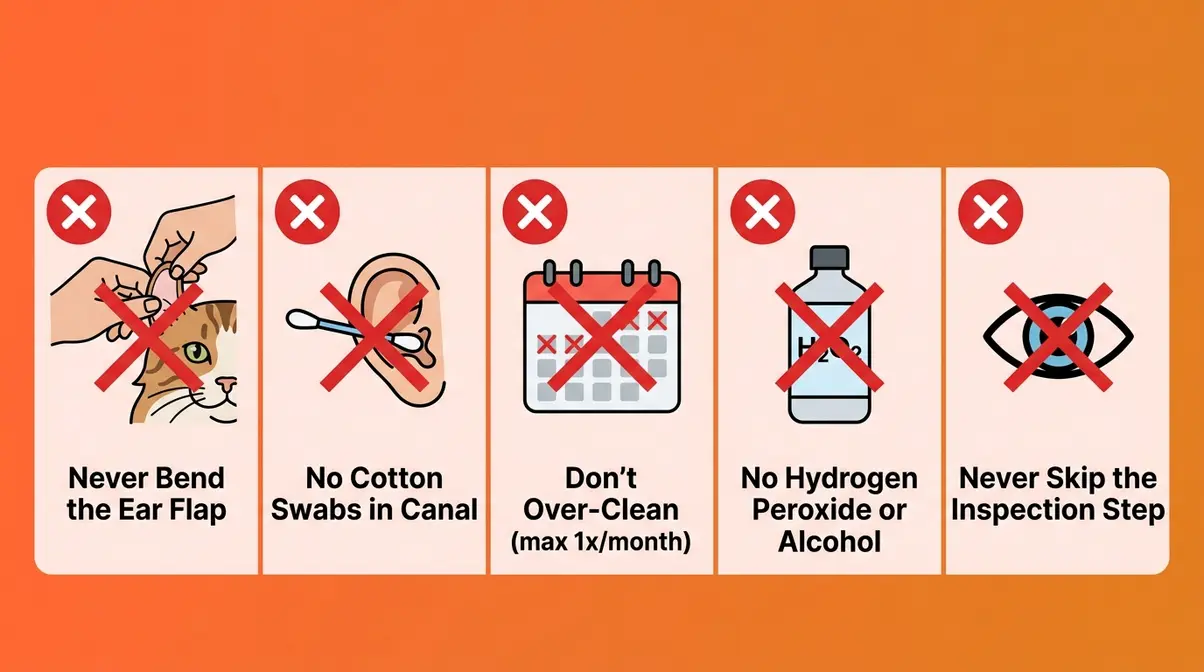
Even well-intentioned owners can cause harm without realizing it. The most frequent errors include:
- Bending or folding the ear flap. The cartilage in a curled ear is more rigid than in a straight ear, but it is not unbreakable. Applying force to fold the ear further back — even gently — can fracture the cartilage. Always handle the ear tip with light, controlled pressure only.
- Using cotton swabs inside the ear canal. This pushes debris deeper rather than removing it and risks puncturing the eardrum. Use cotton balls and wipe only what you can see.
- Cleaning too frequently. More than once a month (unless directed by a vet) strips the natural protective oils from the ear canal lining, making it more susceptible to irritation and infection — the opposite of the intended effect.
- Using unapproved cleaning products. Hydrogen peroxide, rubbing alcohol, and plain water can all damage the delicate ear canal tissue. Use only veterinarian-formulated ear cleaners.
- Skipping the inspection step. Cleaning an already-infected ear without recognizing the infection can mask symptoms and delay proper treatment. Always look and smell before you clean.
When This Breed Isn’t a Fit
The American Curl is a wonderful breed for the right owner — but honest self-assessment matters before committing. Consider whether this breed suits your lifestyle if:
- You travel frequently or work very long hours. American Curls are highly social and do not cope well with extended solitude. Without a companion animal or regular human interaction, they can develop anxiety-related behaviors.
- You’re not prepared for a committed monthly care routine. The ear cleaning requirement is genuinely non-negotiable. If you find routine grooming tasks easy to forget or skip, this breed’s health needs may not align with your habits.
- You’re on a very tight budget. The combination of a higher purchase price, potential for ear-related veterinary costs, and the general expense of responsible cat ownership means the American Curl is not the right choice for a financially stretched household.
- You want a low-maintenance, independent cat. American Curls thrive on interaction. If you prefer a cat that mostly keeps to itself, a less people-oriented breed may be a better match.
When to Consult Your Veterinarian
Some situations go beyond what home care can address. Contact your veterinarian — don’t wait — if you observe:
- Any of the infection warning signs listed in the previous section persisting for more than 24–48 hours
- Visible swelling, bleeding, or injury to the ear flap or canal
- Your cat pawing at its ear so persistently that it causes visible scratching or hair loss around the ear
- Any sudden change in balance, head tilt, or disorientation — these can indicate inner ear involvement requiring urgent care
- An ear canal that appears significantly more narrowed than usual — some cats develop secondary narrowing with age that requires veterinary monitoring
If you’re ever uncertain, the rule is simple: call your vet. A brief phone consultation costs nothing and can prevent a minor issue from becoming a serious one.
Frequently Asked Questions
Why do they have curly ears?
American Curl cats have curly ears because of a natural genetic mutation in a gene called Cu, which alters how cartilage develops in the outer ear (the pinna). This is an autosomal dominant trait — meaning a kitten only needs to inherit one copy of the gene from one parent for its ears to curl. The mutation was first documented in a stray cat named Shulamith in Lakewood, California in 1981. Importantly, the Cu gene affects only ear cartilage — not the skeleton or any other body system — so the curl is cosmetic in nature and not associated with systemic health problems when the breed is responsibly bred.
Do they have ear problems?
American Curl cats have a higher-than-average risk of ear infections due to narrowed ear canals caused by the same cartilage mutation that creates the curl. Reduced airflow inside the canal creates conditions where bacteria and yeast can thrive. However, this risk is very manageable. A consistent monthly cleaning routine using a veterinarian-approved ear cleaner prevents most infections before they start. Cats with third-degree (tightest) curls require the most attentive cleaning schedule. The breed does not suffer from the chronic pain or joint disease associated with some other mutations — ear care is genuinely the primary health consideration.
How rare is this breed?
The American Curl is a genuinely rare breed, ranking among the lower-registration breeds in North America according to CFA annual records. Several factors contribute to its scarcity: the Cu gene only produces curled ears in approximately 50% of kittens from a carrier parent; responsible breeders limit curl-to-curl pairings to avoid compounding ear canal narrowing; and the breed’s total registered population remains small compared to popular breeds like the Maine Coon or Ragdoll. Finding a reputable breeder often involves a waiting list of several months. The breed is rarely found in general shelters, though breed-specific rescues do occasionally have adults available.
Can you bend their ears?
No, you should never bend or fold an American Curl’s ears. The cartilage in their curled ears is much firmer and more rigid than the cartilage in a standard cat’s ear. Applying force to bend the ear backward or forward can cause the cartilage to fracture or break, which is extremely painful for the cat. Always handle the tips of their ears with gentle, minimal pressure during cleaning or petting.
Are they related to Scottish Folds?
No, American Curls are not related to Scottish Folds, and their genetic mutations are completely different. The American Curl’s Cu gene is a harmless mutation that only affects the cartilage in the outer ear, causing it to curl backward. In contrast, the Scottish Fold’s mutation causes osteochondrodysplasia, a systemic condition that affects bone and cartilage throughout the entire body and often leads to severe arthritis. American Curls do not suffer from these painful skeletal issues.
The Curl Care Code Explained
The American Curl is a remarkable cat — genuinely unusual in the best possible sense. Those backward-curling ears aren’t a gimmick or a manufactured trait. They’re the product of a single spontaneous genetic event in 1981 that launched an entire breed, now recognized by both the CFA and TICA worldwide. For prospective owners, the most important thing to understand is that the same gene that creates those striking ears also creates a specific, manageable care responsibility. Monthly cleaning, gentle handling, and early recognition of infection signs are the three pillars of keeping an American Curl healthy throughout its life — this is what The Curl Care Code is built on.
The Curl Care Code matters because it reframes ear care from a worry into a routine. Once you understand why the ears are shaped the way they are, the five-step cleaning guide stops feeling complicated and starts feeling logical. You’re not fighting the cat’s biology — you’re working with it.
If you’re ready to bring an American Curl home, start by finding a CFA- or TICA-registered breeder, ask to see health testing documentation for both parents, and request a demonstration of their ear care routine before your kitten comes home. Stock your medicine cabinet with a quality veterinary ear cleaner before your kitten arrives. Set a monthly calendar reminder for cleaning day. Those three steps, done before day one, set you and your cat up for a long, healthy, and genuinely joyful life together.

Dave King
Cat owner and writer at Mad Cat Man.