
Table of Contents
- Why Lily and Cats Never Mix: What Makes Them So Dangerous
- The First 60 Minutes: 7 Emergency Steps You Must Take
- Signs, Vet Care, and the Critical Timeline
- Lily-Proof Your Home: A Simple Safety Audit That Works
- Smarter Shopping: Safe Flowers, Tools, and Enrichment Picks
- Myths, Mistakes, and FAQs: Get the Facts Straight
- Case Study: The Bouquet on the Coffee Table
- Safe Swaps at a Glance: Bouquet Ideas Cats Can Live With
- How Mad Cat Man Helps You Stay Ready
- Emergency Lily Cleanup Tips You Can Do in Minutes
This blog post may contain affiliate links. As an Amazon Associate I earn from qualifying purchases.
If you remember only one thing today, let it be this: lily and cats are a true emergency. Even a dusting of lily pollen or a sip of vase water can harm a cat’s kidneys, and waiting for symptoms can cost precious time. I learned this the hard way when a well-meaning neighbor dropped off a bouquet and my foster cat decided to “taste test” the leaves; that panicked hour taught me the difference between guessing and having a plan. So, consider this your calm voice in a crisis, plus a friendly guide to lily-proofing your home for good, because prevention is the only “easy” win in this story.
Why Lily and Cats Never Mix: What Makes Them So Dangerous
Cats are uniquely sensitive to lilies from the Lilium species and Hemerocallis species (true lilies and daylilies), and the entire plant is risky: petals, leaves, stems, pollen, and even the vase water. Veterinary toxicology references and organizations like the FDA (Food and Drug Administration) and the ASPCA (American Society for the Prevention of Cruelty to Animals) consistently warn that tiny exposures can trigger acute kidney injury. If you’ve heard a friend say, “It was just a lick,” that’s exactly why we emphasize immediate action and professional care. And while dogs may get stomach upset, cats face a different, far more severe risk profile from these plants.
Timing is everything with lily exposure. Early decontamination and prompt veterinary treatment within the first 12 to 18 hours are associated with far better outcomes, whereas delays beyond 24 hours sharply increase the risk of kidney failure. You may not see clear signs at first, and that false quiet is the trap many cat guardians fall into. The path from exposure to kidney injury can be stealthy, which is why you should treat any contact as an emergency, even if your cat “seems fine” or is still playful and eating. When in doubt, call a veterinarian (animal doctor) right away and bring the plant or a photograph for identification.
| Common Name | Scientific Name | Toxic to Cats? | Main Concern | Notes |
|---|---|---|---|---|
| Easter Lily, Tiger Lily, Stargazer Lily (true lilies) | Lilium spp. | Yes, extremely | Acute kidney injury | Any part, including pollen and water, is dangerous. |
| Daylily | Hemerocallis spp. | Yes, extremely | Acute kidney injury | Same level of risk as true lilies. |
| Peace Lily | Spathiphyllum spp. | Yes, but different | Mouth irritation | Not a true lily; generally causes drooling and oral pain. |
| Lily of the Valley | Convallaria majalis | Yes, very toxic | Heart rhythm problems | Not a true lily; urgent veterinary care still required. |
| Peruvian Lily | Alstroemeria spp. | Lower risk | Stomach upset | Not a true lily; avoid if your cat is a plant chewer. |
The First 60 Minutes: 7 Emergency Steps You Must Take
First, breathe. Your cat needs your steady hands more than anything right now. The goal in the first hour is to stop further exposure, gather information for your veterinarian (animal doctor), and get professional help without delay. You do not need to diagnose; you need to act. Think of this like a fire drill: simple steps, done quickly and calmly, buy time and protect kidneys while the veterinary team prepares decontamination and supportive care.
- Remove your cat from the area. Gently pick up your cat and place them in a clean room or carrier to prevent further contact or grooming.
- Call your veterinarian or a 24-hour emergency hospital. Say the words “lily exposure.” Ask if you should come in immediately. Do not wait for symptoms.
- Prevent grooming. If pollen is on fur, use a damp cloth or unscented wipes to gently remove it. A soft piece of tape can lift stubborn pollen. Do not let your cat lick it.
- Collect evidence. Bag plant pieces, snap clear photos of the bouquet and label, and note the time and possible amount of contact. Bring these to the clinic.
- Offer fresh water, but do not force anything by mouth. Do not induce vomiting or give milk, food, charcoal, or home remedies unless a veterinarian (animal doctor) instructs you.
- Call ahead and transport safely. Secure your cat in a carrier with a towel. Drive safely and let the clinic know you are en route for lily ingestion or contact.
- Clean the scene. While a second person drives or after you leave, wipe surfaces, toss the bouquet, and wash hands and clothes to remove pollen and vase water.
Those seven moves are your golden hour playbook. If you’ve ever worried you’d freeze in a crisis, write these steps on a sticky note and post it on the fridge. In our Mad Cat Man first-aid checklists, we also suggest keeping a “plant incident bag” stocked with zip bags, disposable gloves, unscented wipes, and masking tape, so you can gather samples and decontaminate without scrambling. Preparation turns panic into a process you can follow, even when your heart is racing.
Signs, Vet Care, and the Critical Timeline
Lily toxicity often begins quietly. Within a few hours, some cats may drool, vomit, or hide, but others show nothing obvious until the kidneys are already under stress. Veterinary teams may start with decontamination strategies, blood tests to assess kidney values, and intravenous fluids to support and protect the kidneys. Early, aggressive care can be lifesaving; many cats do well if treated promptly, and that is the hopeful truth I wish every pet parent knew. Waiting to “see if it gets worse” is the one strategy that consistently backfires with lilies.
| Time From Exposure | Possible Signs | Recommended Action |
|---|---|---|
| 0 to 6 hours | No signs, or drooling, vomiting, lip-smacking, hiding | Immediate veterinary evaluation; bring plant samples or photos and timing details. |
| 6 to 12 hours | Lethargy, reduced appetite, continued vomiting | Hospital care with decontamination and fluids as directed by your veterinarian (animal doctor). |
| 12 to 24 hours | Early kidney value changes on bloodwork | Intensive monitoring and supportive treatment; earlier care improves prognosis. |
| 24 to 72 hours | Acute kidney failure signs such as reduced or increased urination, dehydration | Emergency hospitalization; prognosis worsens with delay, so act fast. |
Two important myths deserve quick debunking. Myth one: “My cat didn’t swallow anything, just got pollen on his whiskers.” For cats, pollen equals risk, because it is easily ingested during grooming. Myth two: “I’ll just watch and wait; I can go to the ER (Emergency Room) if he looks bad.” With lilies, the window to prevent kidney injury may close before the scary signs appear, and once kidneys are damaged, recovery is much harder and sometimes not possible. Your veterinarian (animal doctor) is your best ally, and calling early is not overreacting; it is excellent pet parenting.
Lily-Proof Your Home: A Simple Safety Audit That Works
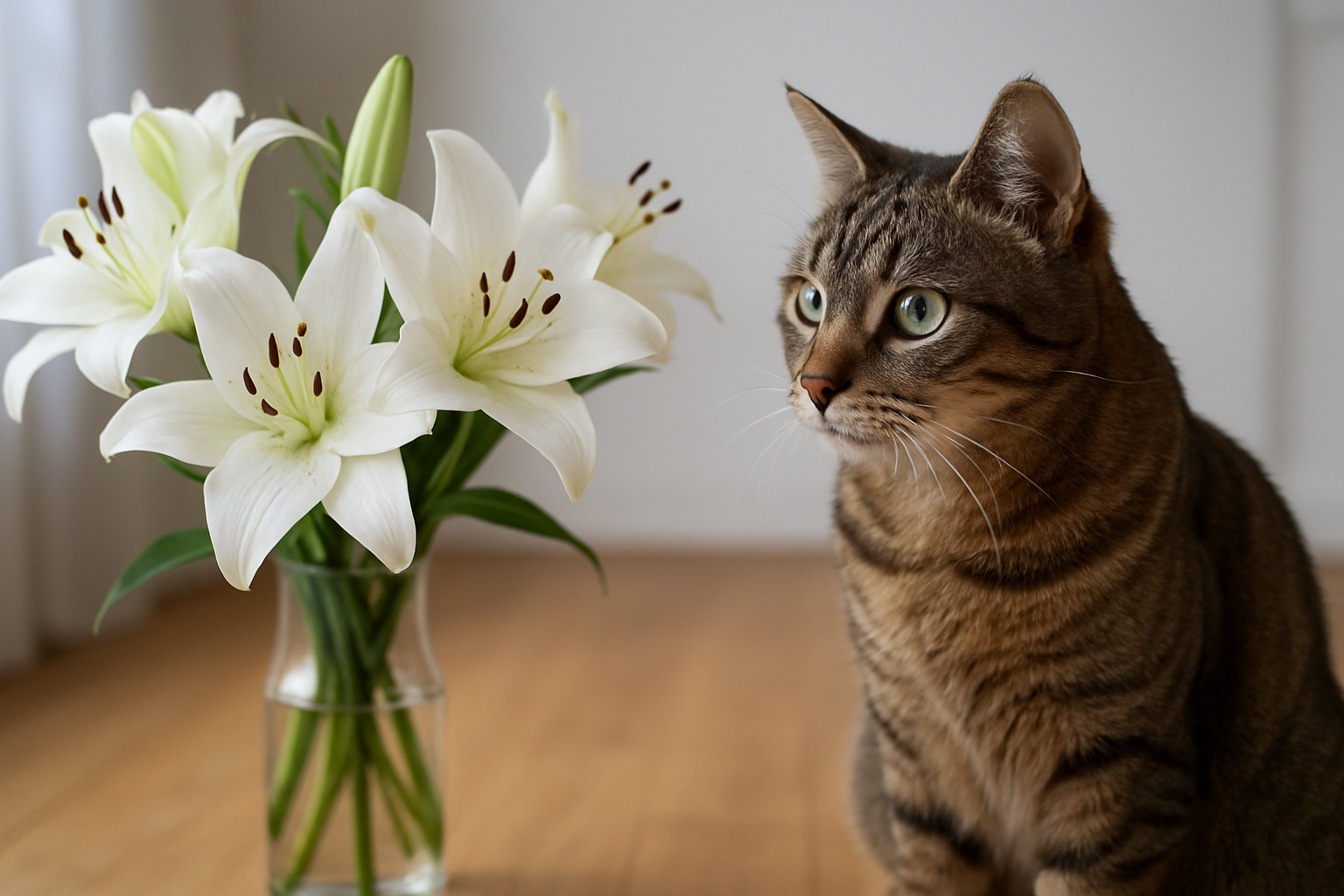
If you share your space with cats, make lilies a hard no. That includes bouquets from holidays like Easter and Mother’s Day, weddings, and hotel lobbies that host centerpieces with lily varieties. Ask florists to mark your account as “no lilies,” and tell friends and family you love cat-safe flowers instead. This small boundary saves lives, and any true plant lover will respect it. Even outdoors, consider your yard and neighbor’s landscaping; cats that roam can encounter daylilies in gardens and bring pollen home on their fur.
Beyond saying no to lilies, think in layers of protection: remove the hazard, reduce temptation, and redirect curiosity. Provide safe greenery like cat grass and catnip to scratch the “garden itch.” Elevate irresistible decor with closed display cases or high shelves your cat cannot reach, and give your cat vertical alternatives like sturdy trees and window perches. When you do a seasonal decor swap, do a quick “pollen patrol,” just like baby-proofing but for whiskered explorers, and keep a checklist on your phone for guests and pet sitters.
- Zero lilies policy: in the house, in bouquets, and in the yard.
- Guest guide: a one-page note on your fridge that says “no lilies,” with a short list of safe flower swaps.
- Carrier training: a calm cat travels faster in emergencies; practice with treats.
- Plant quarantine: any new plant stays in a closed room until verified safe.
- Emergency contacts: vet, nearest 24-hour hospital, and a trusted friend on speed dial.
Smarter Shopping: Safe Flowers, Tools, and Enrichment Picks
New or uncertain cat owners often tell us shopping feels overwhelming: flowers, sprays, vacuums, shelves, toys, fountains, and everyone has an opinion. At Mad Cat Man, we do the sift-and-test work and publish buying recommendations grounded in real-world use. For bouquets, roses, gerbera daisies, orchids, snapdragons, and sunflowers are generally considered non-toxic to cats according to the ASPCA (American Society for the Prevention of Cruelty to Animals), though “non-toxic” still does not mean “snack.” For cleanup, prioritize tools that trap pollen efficiently so it does not spread to whiskers or paws. And for prevention, enrich your home with safe greens, sturdy cat furniture, and feeders that occupy curious minds.
Use the table below as a quick reference when you shop or build a wish list. We do not list brands here because availability varies, but our reviews break down budget options, mid-tier values, and premium picks. Whether you are researching a Maine Coon that leaps like an athlete or a senior cat who prefers window sunbaths, the goal is the same: remove lily risks and build a cat-first home that is easy to clean, hard to climb where you do not want, and irresistibly fun where you do.
| Category | What to Look For | Why It Helps | Mad Cat Man Notes |
|---|---|---|---|
| Flower Alternatives | Roses, orchids, gerberas, snapdragons, sunflowers | Non-toxic alternatives reduce temptation and danger | Still keep arrangements out of reach and away from water bowls. |
| Vacuums | HEPA (High-Efficiency Particulate Air) filters, sealed systems, strong upholstery tools | Traps fine pollen and dander instead of redistributing it | Our reviews compare filtration claims to real-world dust pickup. |
| Cleanup Tools | Unscented wipes, lint rollers, painter’s tape, disposable gloves | Fast decontamination of fur, counters, and fabrics | Keep a “plant incident” kit in a labeled zip bag. |
| Cat Greens | Cat grass grow kits, organic seeds, stable planters | Redirects chewing toward safe, cat-approved plants | Rotate fresh trays weekly to keep interest high. |
| Cat Furniture | Heavy bases, wall-anchoring hardware, varied perch heights | Gives vertical outlets so shelves with decor stay off-limits | We test wobble, fabric wear, and stability for jumpers and big breeds. |
| Food Puzzles & Toys | Adjustable difficulty, quiet mechanisms, safe materials | Engagement reduces boredom that fuels plant curiosity | Look for dishwasher-safe parts for easy cleaning. |
| Water Fountains | Easy-to-clean reservoirs, quiet pumps, stainless or ceramic | Encourages hydration so cats ignore vases and cups | We track pump longevity and mineral buildup. |
Because lily risk spikes around spring holidays, we also publish seasonal reminders and checklists you can share with family and florists. If you love plants, our safety category compares humidifiers, essential oil diffusers, and common houseplants for cat suitability, and every guide is backed by veterinarian-reviewed sources or expert interviews. The big idea is simple: when you know what to buy and why, you stop guessing and start protecting. That confidence is priceless when your favorite creature is involved.
Myths, Mistakes, and FAQs: Get the Facts Straight
Let’s clear up the questions we hear most from readers. If your cat only brushed against a bloom, is that safer than chewing? Not really, because cats groom meticulously and ingest pollen during the cleanup. Is a peace lily safe? It is not a true lily, but it can still irritate the mouth; be careful and keep it out of reach or skip it altogether. Should you induce vomiting at home? No. Inducing vomiting without professional guidance risks complications and delays care. What about giving milk or food to “dilute” toxins? That is a myth that can interfere with veterinary treatment decisions.
- “He just sniffed it.” Sniffing can transfer pollen to whiskers and fur, which ends up on the tongue later.
- “My dog ate a lily and was fine, so my cat will be fine.” Cats are not small dogs; their risk is significantly higher.
- “I checked a list and my variety wasn’t on it.” Lists are never complete; bring a photo and ask a veterinarian (animal doctor).
- “We only have lilies outside.” Outdoor pollen can travel indoors on fur, shoes, and clothing.
- “I can watch for symptoms.” Kidney injury can start before visible signs; call early.
Case Study: The Bouquet on the Coffee Table
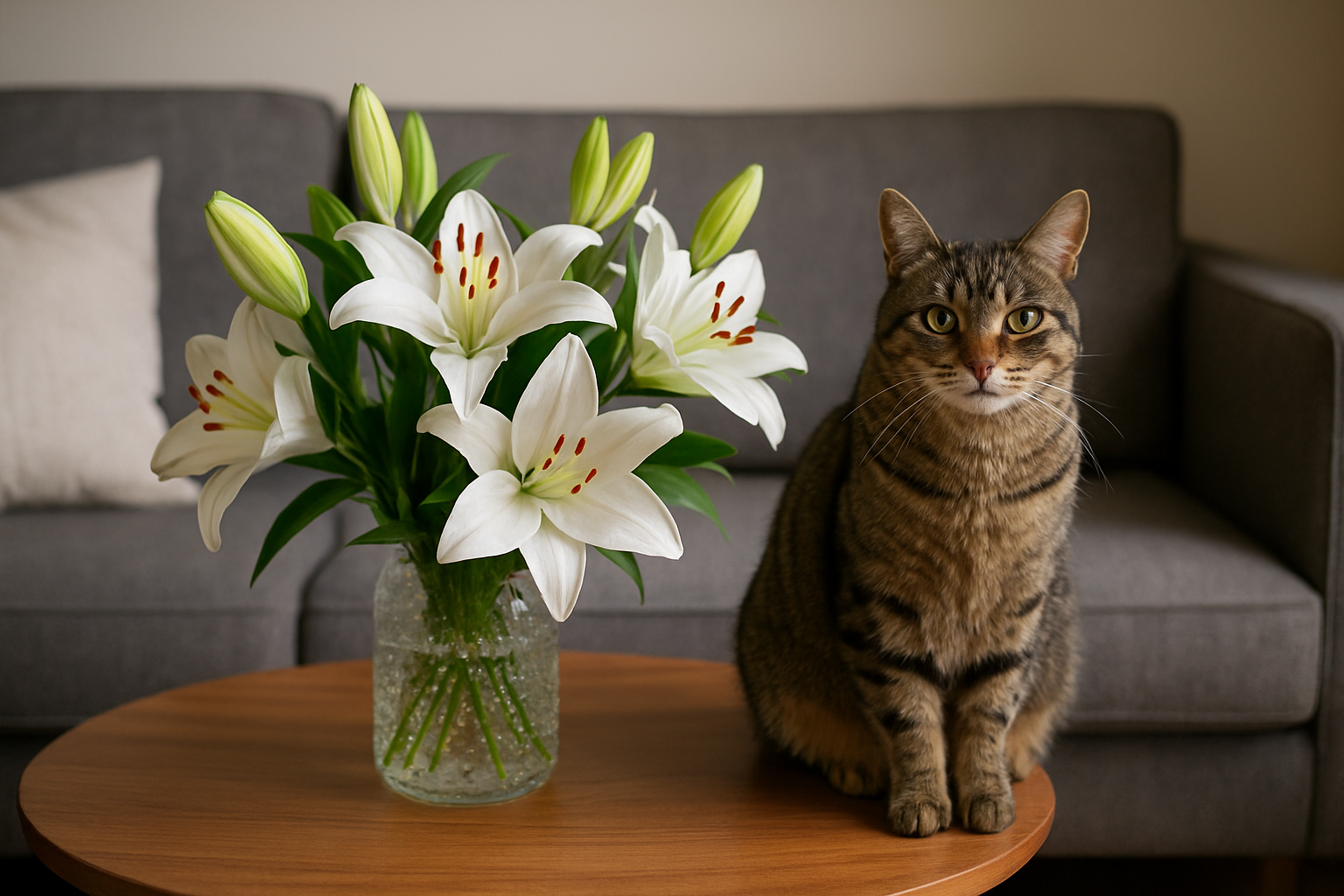
A reader wrote to Mad Cat Man after hosting brunch and receiving a lily-heavy bouquet. Her indoor-only tabby leapt onto the table, batted a bloom, and got orange pollen on his nose. She moved fast: wiped the pollen with a damp cloth and painter’s tape, bagged a fallen petal, called her veterinarian (animal doctor), and drove in. The clinic started decontamination and fluids, monitored kidney values, and sent them home with instructions. He did great, and the whole ordeal became a family rule change: no lilies, ever. That is the outcome we want for everyone, and it starts with recognizing the danger and having a plan.
At Mad Cat Man, our goal is to make that plan easy. We organize safety content, behavior tips, and product reviews so you can find exactly what you need in minutes, whether you are a first-time pet parent, a lifelong cat enthusiast, or researching breed traits before adopting. From worming and microchipping guides to Maine Coon furniture roundups, every article is written to help you make confident, cat-first decisions. And when it comes to lilies, confidence looks like three habits: decline the bouquet, redirect curiosity with enriching toys and greens, and keep your vet’s number within reach.
Safe Swaps at a Glance: Bouquet Ideas Cats Can Live With
Want something beautiful that does not carry lily risks? Share this mini menu with your florist and guests. Remember, “non-toxic” is not a snack license, so keep arrangements out of reach and change water away from curious whiskers. If you are planning events, add “no lilies, cat-safe blooms only” to the invite notes, then send guests this list. Your future self will thank you, and your cat will keep purring.
| Bloom | Why We Like It | Care Tip |
|---|---|---|
| Roses | Classic look, widely available without lilies mixed in | Remove thorns and display high up |
| Gerbera Daisies | Bold colors, cheerful, generally non-toxic | Rinse stems over the sink, not near bowls |
| Orchids | Elegant and long-lasting potted choice | Place behind glass or on tall shelves |
| Snapdragons | Texture and height without lily lookalikes | Secure vases to avoid tipping |
| Sunflowers | Big impact, generally non-toxic | Wipe pollen that sheds; keep out of reach |
How Mad Cat Man Helps You Stay Ready
Crisis clarity and everyday simplicity are the two things cat owners tell us they want most. That is why Mad Cat Man publishes step-by-step how-tos, shopping checklists, vet-approved health guides, behavior and training tips, and breed comparisons all organized so you can browse by need. Looking for a budget-friendly vacuum with a HEPA (High-Efficiency Particulate Air) filter to trap pollen, or a sturdy cat tree a long-bodied breed will not wobble off? Our product reviews and buying recommendations explain the trade-offs in plain English, with real-world tests and photos you can trust. When lily risk is in the mix, you do not have time to research for hours; you want solid picks, fast.
If you are feeling overwhelmed right now, you are not alone, and you are exactly who we write for. Whether you are navigating your first emergency or simply closing the gaps in your safety plan, we are here to help you make confident choices that protect your cat and fit your budget. Bookmark this guide, share it with your family, and build a quick-access list of vetted tools and safe flower swaps. The next time someone hands you a bouquet, you will know exactly what to do and what to say.
Emergency Lily Cleanup Tips You Can Do in Minutes
Before you leave for the clinic, or as soon as you get home, a few fast cleanup moves can lower exposure for other pets and people. Start by closing doors to the room with the bouquet, then put on disposable gloves and gather all fallen petals and leaves into a sealed bag. Wipe hard surfaces with damp paper towels and discard them in a second bag, then wash your hands and swap clothes if pollen dust is visible. Avoid sweeping or using a high-powered blower that can aerosolize pollen; a vacuum with a sealed HEPA (High-Efficiency Particulate Air) system is a better choice for carpets and upholstery.
- Countertops and tables: wipe twice with a damp cloth, then with dish soap and water; rinse and dry.
- Fabric and upholstery: blot gently with a damp cloth; vacuum with upholstery tools; avoid rubbing pollen deeper.
- Water containers: empty vases into the sink, not near pet bowls, and wash with hot soapy water.
- Laundry: wash towels and clothing separately on warm; check for remaining pollen before drying.
This guide offers practical, experience-based steps but does not replace professional veterinary care. If you suspect exposure, treat it as an emergency and contact your veterinarian (animal doctor) immediately.
Sources you can explore: See consumer alerts from the FDA (Food and Drug Administration), plant toxicity lists from the ASPCA (American Society for the Prevention of Cruelty to Animals), and veterinary toxicology resources that consistently place lilies among the top plant hazards for cats.
When lily and cats collide, speed and clarity save lives. Imagine a home where bouquets are always cat-safe, where cleanup takes minutes, and where your carrier sits ready for stress-free trips. In the next 12 months, set reminders for seasonal flower swaps and refresh your emergency kit so you never have to scramble. What one change will you make today to protect your cat from lily and cats?
Additional Resources
Explore these authoritative resources to dive deeper into lily and cats.