
Table of Contents
- Start Here: Quick Vet-Informed Basics on Flea Meds Cats
- Step-by-Step: Choose the Right Treatment for Your Cat
- Safety Checks Before You Buy or Apply
- What Works: Compare Top Flea Treatment Types
- Budget Picks and a Smart Shopping Checklist
- Real-World Picks, Pro Tips, and How Mad Cat Man Helps
- Wrapping It Up: Your Cat’s Best Defense, Simplified
This blog post may contain affiliate links. As an Amazon Associate I earn from qualifying purchases.
How to Choose Flea Meds for Cats: A Vet-Informed Step-by-Step Guide with Safety Checks & Budget Picks
If choosing flea meds cats has you staring at shelves like you are decoding a chemistry textbook, you are not alone. I have been there, holding two boxes with identical promises and totally different ingredients, while my cat watched me like I was the one who needed help. Here is the good news: with a little structure and a few safety checks, picking a safe, effective treatment becomes surprisingly straightforward. This friendly, vet-informed walkthrough keeps jargon light, the steps clear, and the recommendations practical, so you can protect your cat and your wallet without second-guessing every move.
Start Here: Quick Vet-Informed Basics on Flea Meds Cats
Fleas are tiny, but their impact is huge. A single female flea can lay 20 to 50 eggs a day, and most of the lifecycle actually happens off your cat in carpets, cracks, and bedding, according to widely cited parasitology data. That is why you might still see fleas after treating your cat once; you are fighting a pipeline of eggs, larvae, and pupae emerging over weeks. Beyond the itch, fleas can trigger FAD (flea allergy dermatitis), spread tapeworms, and cause anemia in kittens and seniors. The bottom line: consistent prevention beats sporadic treatment, especially in warm or indoor-heated homes where fleas stay active year-round.
You will see treatments grouped as topical drops, oral tablets, and collars, plus combination products that also prevent ticks, ear mites, or certain worms. The “active ingredient” matters more than the brand name. Common options include imidacloprid, fipronil, selamectin, spinetoram, fluralaner, sarolaner, and lotilaner. Note that some of these actives (for example fluralaner, lotilaner, and sarolaner) appear in products that may be prescription-only in some countries (including the U.S.); availability and purchase requirements can vary, so check product labels and retailer requirements or ask your veterinarian. Many premium formulas add an IGR (insect growth regulator) such as pyriproxyfen or methoprene to stop eggs and larvae from developing. Regulatory oversight varies by product type and country: systemic oral medications and many systemic topicals are approved as veterinary drugs by the FDA in the U.S., while some external pesticides like certain spot-ons and collars are registered with the EPA. Check product labeling and authoritative sources for specifics. Choose based on your cat’s age, weight, health, lifestyle, and whether you need tick coverage too. And remember: permethrin, a dog-safe ingredient, is toxic to cats.
Step-by-Step: Choose the Right Treatment for Your Cat
When you feel overwhelmed, a simple process turns the aisle or the online cart into easy mode. Think of it like packing for a trip: confirm the destination, check the weather, and then pick the clothing. Here, your “destination” is your cat’s risks and your household setup. Follow these steps to match your cat with the right formulation, duration, and budget without compromising safety.
Watch This Helpful Video
To help you better understand flea meds cats, we’ve included this informative video from KPIX | CBS NEWS BAY AREA. It provides valuable insights and visual demonstrations that complement the written content.
- Check age, weight, and health first. Most products set minimums around 8 weeks and 1.5 lbs (pounds). If your cat is pregnant, nursing, senior, or managing a condition, consult your vet (veterinarian) before buying.
- Decide if you need tick protection. Indoor-only cats in low-risk areas may not, but cats who explore outdoors, travel, or live with dogs often do.
- Pick a format you can apply consistently. Hate greasy fur? Consider an oral. Hate pilling? Topicals or a modern collar may fit better.
- Match the active ingredient to your goal. Need rapid knockdown? Look for fast-acting adulticides. Want to crush the lifecycle? Choose formulas with an IGR (insect growth regulator).
- Choose duration. Monthly dosing is standard, while fluralaner offers 8 to 12 weeks in some formulations. Fewer doses mean fewer chances to forget.
- Set a realistic budget. Good protection exists at multiple price points. Consistent mid-tier beats sporadic premium splurges.
- Buy from trusted sources. Stick to reputable retailers or your vet (veterinarian). Counterfeit pet meds are a real issue online.
- Plan the environment treatment. Vacuum, launder bedding on hot, and consider a household spray with an IGR (insect growth regulator) if you have a visible infestation.
- Schedule reminders. Put dosing on your calendar or phone. Consistency is the quiet hero of flea control.
Safety Checks Before You Buy or Apply
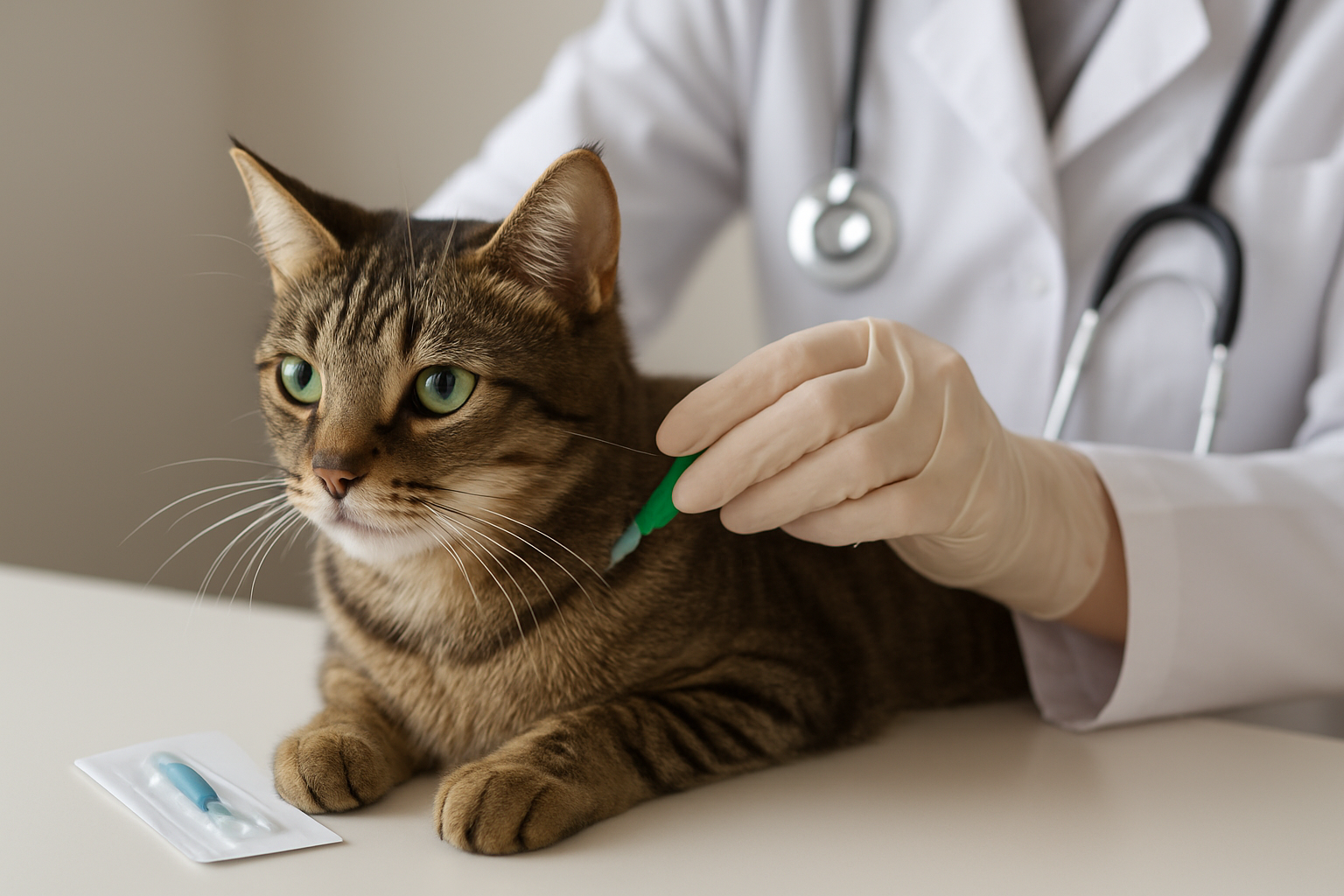
Safety is not just a box to tick; it is the entire box. Cats metabolize many compounds differently than dogs, and the wrong product can be dangerous. Always read the full label, check your cat’s age and weight, and confirm that the product is for cats only. When in doubt, ask your vet (veterinarian). A five-minute call can save you and your cat a world of trouble, especially if your home includes both cats and dogs or if your cat has had past reactions.
| Safety Check | Do This | Avoid This |
|---|---|---|
| Species | Use cat-labeled products only. | Never apply dog formulas to cats. Permethrin is toxic to cats. |
| Age and Weight | Confirm your cat meets minimum weeks and lbs (pounds). | Guessing weight or splitting doses between cats. |
| Health Status | Ask your vet (veterinarian) if your cat is pregnant, nursing, senior, or on medication. | Using new products during illness without vet (veterinarian) guidance. |
| Mixing Products | Use one flea product at a time unless your vet (veterinarian) instructs otherwise. | Stacking multiple treatments or doubling doses. |
| Application Area | Apply spot-ons to skin, not fur, between shoulder blades or as directed. | Letting cats groom each other before the spot-on dries. |
| Household Harmony | Separate cats after application until dry. Keep dogs with permethrin away from cats. | Letting contact happen immediately after dosing. |
- If a reaction occurs (drooling, lethargy, tremors, vomiting), wash off a topical with mild dish soap and call your vet (veterinarian) or a poison control line immediately.
- Store meds in original packaging and never transfer doses to unmarked containers.
- Do not rely on home remedies like essential oils. Many are unsafe for cats.
What Works: Compare Top Flea Treatment Types
Every format has trade-offs. The “best” choice is the one you can give correctly every time, that fits your cat’s life, and that covers the risks you actually have. The table below summarizes common types, how fast they act, typical duration, common active ingredients, and where they shine. Always verify your chosen product’s exact label claims and dosing instructions.
| Type | How It Works | Speed to Kill Adult Fleas | Duration | Tick Coverage | Typical Actives | Kitten Minimums | Typical Monthly Cost | Best For |
|---|---|---|---|---|---|---|---|---|
| Topical Spot-On | Applied to skin; spreads across body oils or absorbed systemically. | Often within hours; full effect by 24 to 48 hours. | About 4 weeks | Varies by product | Imidacloprid, fipronil, selamectin, sarolaner combos | Commonly 8+ weeks; check label | Low to mid | Cats who hate pills; multi-pet homes if separated during drying |
| Oral Tablet/Chew | Ingested; circulates systemically to kill biting fleas. | Some act fast, from under 1 hour to a few hours. | About 4 weeks; some fast “one-day” options | Some products include ticks | Spinosad, lotilaner, sarolaner, fluralaner | Commonly 8+ weeks; check label | Mid to premium | Households where cats groom each other; no residue on fur |
| Long-Lasting Collar | Releases actives over months through the skin’s surface. | Usually within 24 to 48 hours after putting on | 6 to 8 months under normal wear | Often yes | Imidacloprid with flumethrin, others | Age and weight limits apply; check label | Mid, cost-effective over time | Owners who prefer “set and forget” and want long coverage |
| Household Spray | Treats environment to break lifecycle with an IGR (insect growth regulator). | Targets eggs/larvae; works over weeks | Weeks to months depending on label | N/A | Pyriproxyfen, methoprene | N/A | Low | Homes with visible infestations; complements cat treatment |
| Flea Comb | Mechanical removal; no chemicals. | Immediate removal of adult fleas | As often as used | No | N/A | N/A | Very low | Daily monitoring, kittens, and sensitive cats as a supplement |
Ask yourself a simple question: what can you do every time without a fight? If your cat treats pill time like a WWE match, do not set yourself up for failure with a monthly tablet. If grooming is a communal hobby in your home, an oral might beat a topical to prevent sharing the dose. For long trips or forgetful humans, extended-duration options reduce missed doses. There is no one-size-fits-all winner, only the best fit for your cat and your routines.
Budget Picks and a Smart Shopping Checklist
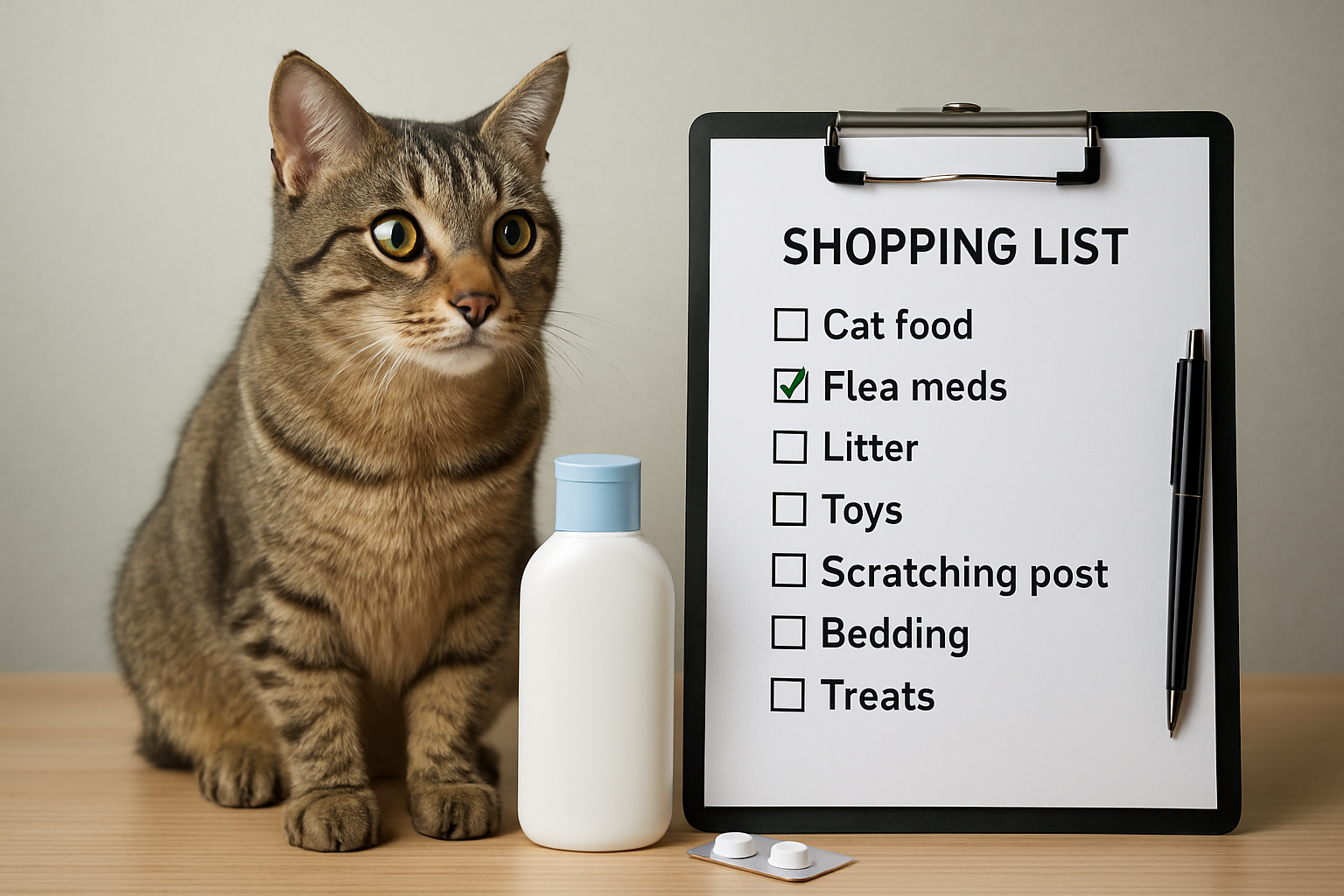
Good news: you do not need a premium plan to get solid protection. Value products that include an IGR (insect growth regulator) can stretch your money, and longer-duration options may cost more upfront but less over time. Prices vary widely by region and retailer, so think in terms of monthly cost and the consistency you can maintain. Use the tiers below to set expectations, then grab the checklist to avoid common buyer mistakes like missing weight ranges or skipping tick coverage you actually need.
Affiliate note: Mad Cat Man publishes affiliate-recommended product picks (we participate in the Amazon Associates program). We do not sell prescription medications or prescribe treatments. Some products discussed may require a prescription and might not be available through standard retail or affiliate links; check the product page and consult your veterinarian for purchase requirements and clinical advice.
| Monthly Budget | What You Typically Get | Good For | Trade-Offs |
|---|---|---|---|
| Under $15 | Basic topicals or a long-lasting collar averaged over months; flea comb; household IGR (insect growth regulator) spray | Single-cat homes, light flea pressure, supplementing other methods | May lack tick coverage or fastest kill speeds |
| $15 to $30 | Well-known monthly topicals with IGR (insect growth regulator); some oral options on promo | Most cats needing consistent flea control | Tick coverage varies; read labels closely |
| $30 to $45 | Premium or combo flea and tick products; some extended-duration options | Outdoor cats, travel, multi-pet households | Higher upfront cost |
| $45+ | Top-tier combo protection and longest-interval dosing where available | Owners prioritizing convenience and broad coverage | Price; may require a prescription |
- Buy the exact weight range. Cats near a cutoff might need the next size. Weigh at home to be sure.
- Confirm active ingredients rather than just brand names. Pick one that matches your goals and your vet’s (veterinarian’s) advice.
- Look for lifecycle control. An IGR (insect growth regulator) reduces reinfestations from eggs and larvae.
- Plan for the home. Vacuum twice a week for three weeks during a flare and wash bedding hot.
- Beware suspicious discounts. Counterfeits are real; choose trusted retailers or your vet (veterinarian).
Real-World Picks, Pro Tips, and How Mad Cat Man Helps
Real talk from my living room laboratory. My ginger cat once turned pill time into a magic act where the tablet disappeared under the sofa. We switched to a monthly topical with an IGR (insect growth regulator), applied right to the skin, and paired it with a weekend vacuum blitz. Within two weeks the scratching eased, and the comb checks went from “uh oh” to “all clear.” Your cat’s quirks and your routine should steer the pick as much as any label claim.
- Indoor kitten under 10 weeks and under 2 lbs (pounds): Start with frequent combing, a vet (veterinarian) visit, and household IGR (insect growth regulator). Add a kitten-safe product the moment your vet (veterinarian) says the age and weight box is ticked.
- Long-haired Maine Coon: Consider an oral to avoid residue on that glorious coat and to reduce grooming transfer. Add tick coverage if there is outdoor time.
- Multi-cat apartment: Oral options or staggering topical applications help stop dose-sharing through grooming. Treat the environment to break the lifecycle.
- Allergic cat with FAD (flea allergy dermatitis): Prioritize fast adult flea kill and strict monthly adherence. Even one bite can trigger a flare.
- House with dogs on permethrin: Keep cats fully separate when dogs are treated and choose cat-only formulas verified safe for feline use.
At Mad Cat Man, we organize all this into judgment-free, easy-to-browse guides. You will find product reviews and buying recommendations across food, toys, furniture, and grooming supplies, plus health and preventive care explainers on deworming, microchipping, and dental routines. We also publish behavior tips, breed-specific deep dives like our Maine Coon comparisons, and safety spotlights on household items from humidifiers to plants. Every article aims to make your next decision quicker, calmer, and better backed by veterinary guidance or experienced cat owners. We do not prescribe medications, sell prescription-only drugs, or provide veterinary consultations — for clinical diagnosis, prescriptions, and treatment plans please consult your veterinarian. When you want a step-by-step how-to or a shopping checklist, it is all grouped in clear categories so you can act with confidence.
Put simply, the best plan is the one you will follow. Pick a format your cat tolerates, set reminders, treat the home, and reassess with your vet (veterinarian) every season or after a move. With a little structure and the right information, choosing and using flea meds cats becomes a tidy monthly habit rather than a stress spiral.
Wrapping It Up: Your Cat’s Best Defense, Simplified
Here is the promise: a clear process plus smart safety checks equals a safe, effective flea plan that fits your cat and your budget.
Imagine the next 12 months with itch-free naps, zero flea dirt on the comb, and reminders doing the worrying for you. That is what consistent, well-chosen protection feels like.
What will you change today so your next dose of flea meds cats is the easiest, most confident one yet?
Additional Resources
Explore these authoritative resources to dive deeper into flea meds cats.
Choose Flea Meds Cats Wisely with Mad Cat Man
Explore clear, expert reviews and Product reviews and buying recommendations (food, toys, furniture, grooming supplies) to help every cat parent pick safe, budget-smart treatments fast.