

Table of Contents
- Why Is Your Dog Chasing a Cat Indoors?
- Dog Chasing a Cat? The 8 Indoor-Proof Steps
- Gear That Helps Cats and Dogs Live Peacefully
- Breed and Personality Factors: Why Some Combos Click and Others Clash
- Health, Stress, and Safety Rules for a Harmonious Home
- Progress Tracking, Timelines, and When to Get Help
- Mad Cat Man’s Promise: Clear Advice, Real-World Tools
- Final Thoughts: Your Calm-Home Blueprint
This blog post may contain affiliate links. As an Amazon Associate I earn from qualifying purchases.
Dog Chasing a Cat? 8 Indoor-Proof Steps to Stop Chases, Protect Your Cat & Reduce Stress
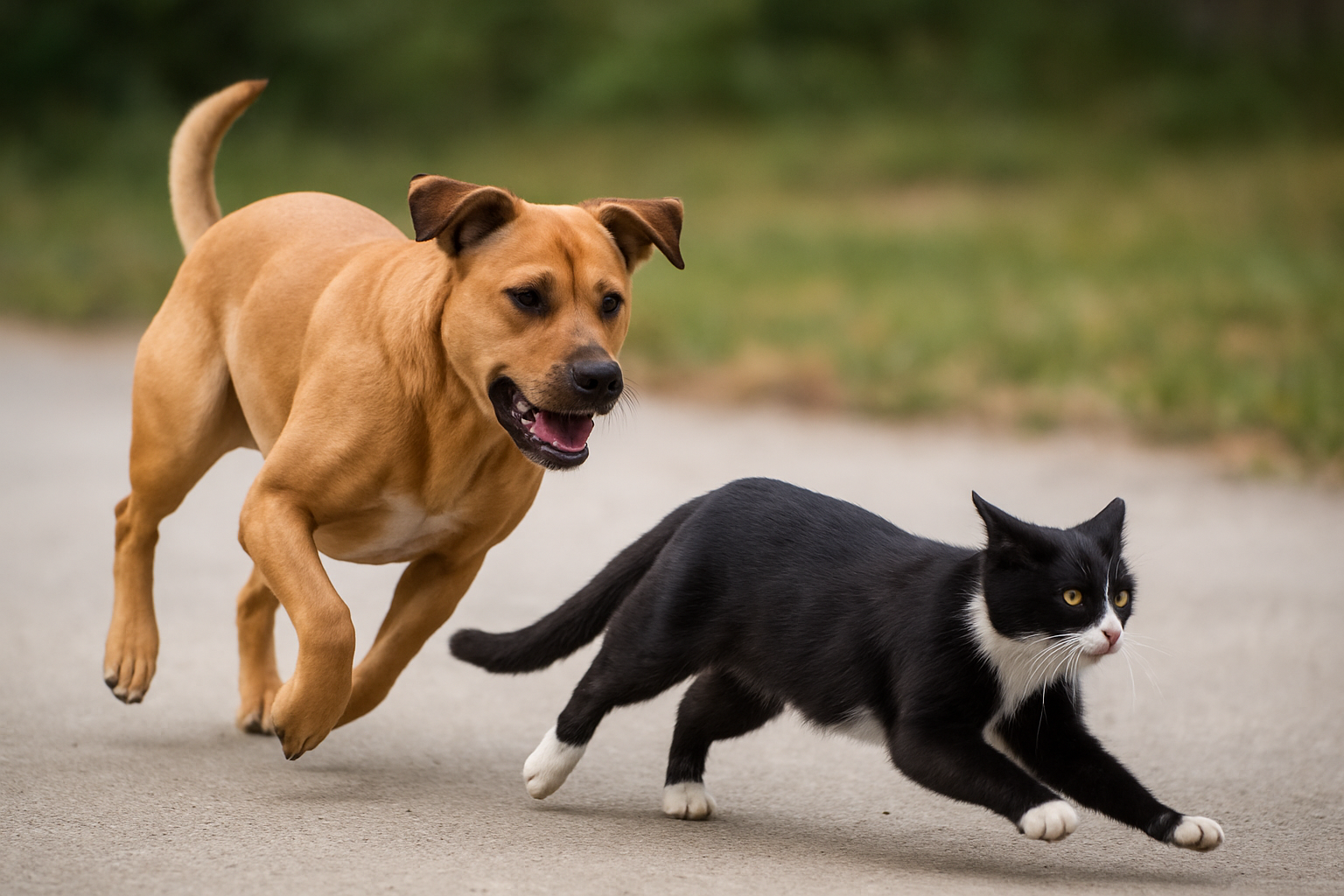
If you are living with a dog chasing a cat across your living room, you are not alone, and you are definitely not doomed. I have been in your slippers, heart thumping as the dog launches and the cat vanishes under the couch like a furry magician. The good news is that chases are predictable, preventable, and fixable with a smart plan. Today, we will walk through eight indoor-proof steps, practical gear picks, and calm-home routines that truly work, so you can reclaim your lounge and your peace.
At Mad Cat Man, we hear from first-time pet parents and seasoned owners every week about cross-species chaos. Many feel overwhelmed choosing the right gates, trees, treats, and training approach, and that confusion adds stress for everyone. Our team of experienced cat owners, product reviewers, and animal enthusiasts built this guide to cut through the noise with clear steps, vetted tools, and confidence-boosting tips. Ready to slow paws, soften stares, and restore trust between whiskers and wagging tails?
Why Is Your Dog Chasing a Cat Indoors?
Chasing is natural for many dogs, but living-room sprints are different from field games, and your cat did not sign up for sprint practice. In multi-pet surveys, roughly one in three homes report chase incidents, and cats show stress signals like hiding, reduced grooming, or litter box avoidance when they feel unsafe. The behavior also feeds itself: the more a dog rehearses a chase, the more thrilling it becomes, which is why management and training must start together. Think of it like blocking a bad habit while building a better one that is easier and more rewarding.
Several factors stack the deck: breed tendencies and prey drive, boredom or under-exercised energy, tension over territory or resources, and rocky introductions that moved too fast. Add sudden movements, jingling tags, or a midnight zoomie and that hair-trigger switch flips. The key is to control distance and intensity so your dog can learn new associations at a level where they can still think. When your dog succeeds at staying calm, your cat regains confidence, and both animals begin to read each other with curiosity rather than panic.
- Prey drive and motion sensitivity: quick, darting movement can be irresistible to chase-oriented dogs.
- Stress and arousal: over-tired, over-excited, or under-stimulated dogs make impulsive choices.
- Reinforcement loop: chase happens, adrenaline spikes, dog feels great, brain files it as “do again.”
- Poor management: open floor plans without safe zones let mistakes happen repeatedly.
| Signal | What It Means | What To Do |
|---|---|---|
| Dog soft eyes, loose hips, slow tail swish | Curious, manageable arousal | Reward calm, keep distance steady, end on a win |
| Dog stiff body, closed mouth, stare, forward weight | Fixation, likely lunge risk | Increase distance, cue “Look,” remove to quiet zone |
| Cat tail tucked, ears back, pupils huge | Fear, flight ready | Give a retreat path, pause session, add barriers |
| Cat slow blink, relaxed grooming, normal walk | Comfortable, safe | Maintain routine, end sessions before fatigue |
Dog Chasing a Cat? The 8 Indoor-Proof Steps
- Manage first so practice stops. Install tall baby gates with cat pass-throughs, add a sturdy cat tree in each common room, and give your cat a door-propped safe room. Clip a light house leash to your dog when you are supervising so you can calmly prevent lunges without a wrestling match. Management is not giving up; it is your insurance policy while training takes root, and it instantly lowers everyone’s stress.
- Reintroduce politely, in stages. Start with scent swapping using blankets, then progress to short, quiet visual sessions through a barrier. Keep the dog far enough away that they can eat soft treats and blink, while the cat can stretch and choose to retreat or observe. End sessions while both are calm, and do two to four mini-meetings daily rather than one long standoff.
- Teach impulse-control cues that matter. Prioritize “Look,” “Leave it,” “On your mat,” and a happy recall. Practice them away from the cat first so your dog nails the mechanics, then bring those cues into low-intensity cat sessions. Pay generously for calm choices, because reinforcement builds the future behavior you want to see on autopilot.
- Redirect energy to dog-friendly outlets. Add structured sniff walks, food puzzles, and a ten-minute flirt pole session with strict start/stop rules to satisfy chase instincts without scaring your cat. Many owners find that one extra brain game per day cuts indoor arousal dramatically. A fulfilled dog has fewer reasons to hunt for trouble.
- Reward calm around the cat, not just obedience. When your dog disengages on their own, glances at you, relaxes their body, or chooses the mat, mark it with a cheerful “Yes” and deliver a treat. This is called Differential Reinforcement of Incompatible behavior (teaching a behavior that cannot happen at the same time as chasing), and it is the secret sauce for reliable change.
- Build the cat’s confidence too. Offer elevated highways with shelves and trees, place litter and food where the dog cannot follow, and add a quiet hideout in each room. Consider feline pheromone diffusers and predictable play sessions so your cat is not a jittery trigger but a composed roommate with easy escape routes.
- Use fair timeouts, not punishments. If your dog fixates or starts to stalk, guide them to a pre-trained calm spot like a crate or bedroom where good things happen, then reset the scene. Timeouts stop rehearsal without scary confrontations, and they protect the relationship you are trying to build.
- Grant freedom gradually with clear criteria. Think in layers: on-leash around a relaxed cat, then dragging leash with gates open, then supervised off-leash, and finally brief, supervised free time. Move up only after you have two to three days of zero chasing at the current level, and step back a layer anytime arousal spikes.
Watch This Helpful Video
To help you better understand dog chasing a cat, we’ve included this informative video from The Pet Collective. It provides valuable insights and visual demonstrations that complement the written content.
These steps work best when you keep sessions short, note small wins, and treat failure as feedback, not a verdict. Most homes see early signs of progress in one to two weeks, with stable routines emerging by four to eight weeks, depending on history and breed tendencies. Your plan should feel boring in a good way: predictable, bite-sized, and heavily skewed toward success. That is how you rewire habits and protect fragile trust.
Gear That Helps Cats and Dogs Live Peacefully

Smart equipment makes your home part of the training team, and it spares you from being the full-time hall monitor. Over the years, our Mad Cat Man reviewers have tested gates, pens, cat trees, clickers, treats, harnesses, puzzle feeders, and more across different budgets, square footage, and décor styles. The right product does not just “contain”; it allows calm choices to be the easy choices. Below is a quick buyer’s map so you can pick like a pro and avoid regrettable returns.
| Category | What To Look For | Budget Range | Best For |
|---|---|---|---|
| Tall baby gate with cat door | Pressure mount, 36 inches or taller, narrow bar spacing | Affordable to mid-range | Room separation without complete isolation |
| Cat tree or wall shelves | Stable base, 60 inches plus height, sisal posts, multiple perches | Mid-range to premium | Vertical escape routes and confidence building |
| House leash or long line | Lightweight, snag-resistant, smooth clip | Affordable | Calm redirection without grabbing collars |
| Front-clip harness | Secure chest clip, comfortable fit, easy on-off | Affordable to mid-range | Indoor leash control and outdoor decompression walks |
| Food puzzles and snuffle mats | Varied difficulty, dishwasher safe, durable materials | Affordable to mid-range | Energy outlet that quiets the kitchen climber |
| High-value training treats | Soft, pea-sized, limited ingredients for sensitive stomachs | Affordable | Rapid reinforcement during short sessions |
| Pheromone diffusers | Vet-reviewed brand, room coverage, steady release | Mid-range | Lowering background tension for felines |
Place gear with intent. Gates go where line-of-sight battles happen, cat trees near windows that offer bird television, and food puzzles appear before typical chase times to pre-empt mayhem. If the budget is tight, start with a gate and one tall tree; those two purchases shift the entire dynamic for most households. At Mad Cat Man, we publish product reviews and buying recommendations for food, toys, furniture, and grooming supplies so you can choose confidently instead of guessing in the aisle.
Breed and Personality Factors: Why Some Combos Click and Others Clash
Breed tendencies can set your starting line, but they do not decide the finish. Terriers, herding dogs, and sighthounds often need extra desensitization and impulse control games, while many retrievers and companion breeds settle faster with routine and reinforcement. Within cats, bold, confident personalities and big-bodied breeds like the Maine Coon sometimes tolerate dog roommates more easily, while timid cats need extra vertical space and careful pacing. Remember, individuals vary widely, so treat your pets as they are, not as a stereotype.
| Dog Group (American Kennel Club (AKC)) | Typical Chase Tendency | Training Priority | Cat Pairing Tips |
|---|---|---|---|
| Herding | Moderate to high (movement triggers) | “Look,” mat work, structured decompression walks | More gates and longer on-leash phases |
| Terrier | High (small, fast prey profile) | Leave it, flirt pole with rules, scent games | Extra vertical cat zones and quick interrupts |
| Hound (sighthounds) | High (visual motion) | Distance control, calm reinforcement, visual barriers | Short, frequent sessions, avoid sudden dashes |
| Sporting/Companion | Low to moderate | Basic cues, routine, enrichment variety | Earlier off-leash trials if signs stay soft |
What about age and history? Puppies often chase for play and learn quickly with structure, while adult rescue dogs may arrive with a long chase resume, requiring slower progress. Cats that were bullied by a previous dog might default to fleeing even when no danger exists. Building tiny experiences of safety resets expectations for both pets, and that is where your consistent routine shines.
Health, Stress, and Safety Rules for a Harmonious Home
Before blaming personality, rule out pain and health problems that turn patience into reactivity. A dog with ear pain, itchy skin, or gut discomfort is less tolerant, and a cat with arthritis or hyperthyroidism will sprint or swat instead of saunter. A brief veterinarian check for both animals plus up-to-date worming, microchipping, and dental care makes training smoother and safer. Low-level stress reduction tools like white noise, window film on squirrel-heavy views, and predictable feeding clocks round out your prevention plan.
Safety is a system, not a single rule. Keep collars snug to avoid snagging during redirects, remove dangling tags indoors, and rotate the dog to a rest zone anytime body language tightens. Feed separately to prevent resource guarding, give the cat multiple litter boxes in quiet areas, and supervise all interactions until you have a steady record of calm days. If you have children, set clear scripts like “freeze, call the dog, toss treats to the mat” so your whole household speaks the same safety language.
- Puppy chasing playfully? Pair super-short meetups with high treat rates and daily nap enforcement, because tired puppies make wild choices.
- Dog fixates near doorways? Add a visual barrier, cue “Look,” then reward turning away before the threshold. Distance is your friend.
- Cat swats first? Support the cat with more vertical space and structured dog breaks rather than scolding feline warnings.
- Apartment living? Use hallway gates and strategic furniture to create curves so no one gets a straight runway for zoom-chasing.
Progress Tracking, Timelines, and When to Get Help
Training is easier to trust when you can see it. Track tiny wins with a simple log: how long your dog can relax on a mat near the cat, how quickly they respond to “Look,” and how many sessions you complete without a chase. Many homes report meaningful reductions in chasing within two to six weeks when they combine management with focused daily reps. If progress stalls for more than two weeks or you see escalating aggression, bring in a credentialed professional to guide your plan safely.
| Week | Focus | Criteria to Advance | Notes |
|---|---|---|---|
| 1 | Full management, cue training away from cat | Dog responds to “Look” and “Leave it” 8 of 10 tries | Two to three five-minute sessions daily |
| 2 | Barrier viewing at relaxed distance | Zero lunges across three days | Pay for disengaging and soft eyes |
| 3 | On-leash in same room, cat has escape paths | Dog settles on mat within two minutes | End early while both are calm |
| 4 | Short, supervised coexisting with leash drag | Zero chases across 48 hours | Add one puzzle feeder before sessions |
| 5–6 | Supervised off-leash, strategic gates open | Dog self-redirects 80 percent of the time | Rotate rest zones to avoid fatigue |
| 7–8 | Normal living with spot checks and maintenance | Two weeks, no chases | Keep daily decompression walks and mat paychecks |
Need a teammate? Look for a Certified Professional Dog Trainer – Knowledge Assessed (CPDT-KA) or an International Association of Animal Behavior Consultants (IAABC) member who uses force-free methods and has cat-dog case experience. Share your log, your floor plan, and your gear, and let them tweak intensity, distance, and reinforcement. As for ongoing support, Mad Cat Man organizes behavior how-tos, product reviews, health guides, and breed articles in easy-to-browse categories, so you can keep building the skills and shopping lists that actually fit your home.
Mad Cat Man’s Promise: Clear Advice, Real-World Tools
Cat owners often tell us that the hardest part is not the training; it is the decision fatigue about supplies, techniques, and what to do first. That is why our guides marry behavior steps with product picks you can trust, plus health and safety explainers like worming schedules, microchipping basics, and dental care checklists. We also publish breed comparisons, including popular deep dives like our Maine Coon resources, so you can align personality, space, and budget. When you are ready to shop, you will find buying recommendations for food, toys, furniture, and grooming supplies organized by price and purpose, because better choices make calmer homes.
Keep momentum with simple rituals: three five-minute training breaks a day, a morning sniff walk, a pre-dinner puzzle, and lights-out routines that cue rest. Notice the soft moments you want more of and feed them like a gardener watering new roots. With consistent practice and the right gear, it is common to see tense stares melt into companionable coexistence. Your pets will not just avoid conflict; they will learn to predict kindness in each other.
When you are ready for the next step, our product reviews, step-by-step checklists, and vet-reviewed tips are right where you need them. Save your sofa, protect your cat’s confidence, and give your dog a job they can ace. It is not magic; it is a repeatable plan supported by tools that fit your life.
Final Thoughts: Your Calm-Home Blueprint
Stop the cycle, protect your cat, and replace chaos with routine using the eight-step plan for a dog chasing a cat.
Imagine six months from now: your cat sunbathing on the back of the couch while your dog naps on their mat, both breathing easy because you reshaped the story. In the next 12 months, you could mentor a new pet parent with the same blueprint you mastered. What tiny habit will you reinforce first today to turn tension into trust?
Additional Resources
Explore these authoritative resources to dive deeper into dog chasing a cat.
Tame Dog–Cat Chases With Mad Cat Man
Clear, experience-based reviews and buying guides help cat lovers pick food, toys, furniture, and grooming gear confidently, easing multi-pet stress and empowering first-time and seasoned owners.