Cat Care Tips by Breed: The Complete 2026 Guide
Master the essentials of 12 Vet-Reviewed Feline Care Tips: Breed-Specific Essentials for Healthier, Happier Cats to help you plan with confidence using…

If that quote sounds familiar, you are not alone. Millions of people make the leap from dog ownership to cat ownership every year — and many assume the transition will be straightforward. The truth is that cat care is different, not harder, but only when you understand that cat care tips by breed are not interchangeable. Understanding cat care tips by breed ensures your feline friend receives the exact support their genetics demand. A Persian and a Bengal share almost nothing in common when it comes to daily grooming, exercise, or health monitoring. Following generic advice for the wrong breed can lead to matted fur, behavioural problems, or missed early warning signs of illness.
This guide gives you a structured, vet-referenced framework called The Breed Care Blueprint — built on four pillars: Choose → Groom → Enrich → Nourish. Work through each section and you will have a tailored care protocol for your specific cat, backed by Tier 1 veterinary sources, from day one.
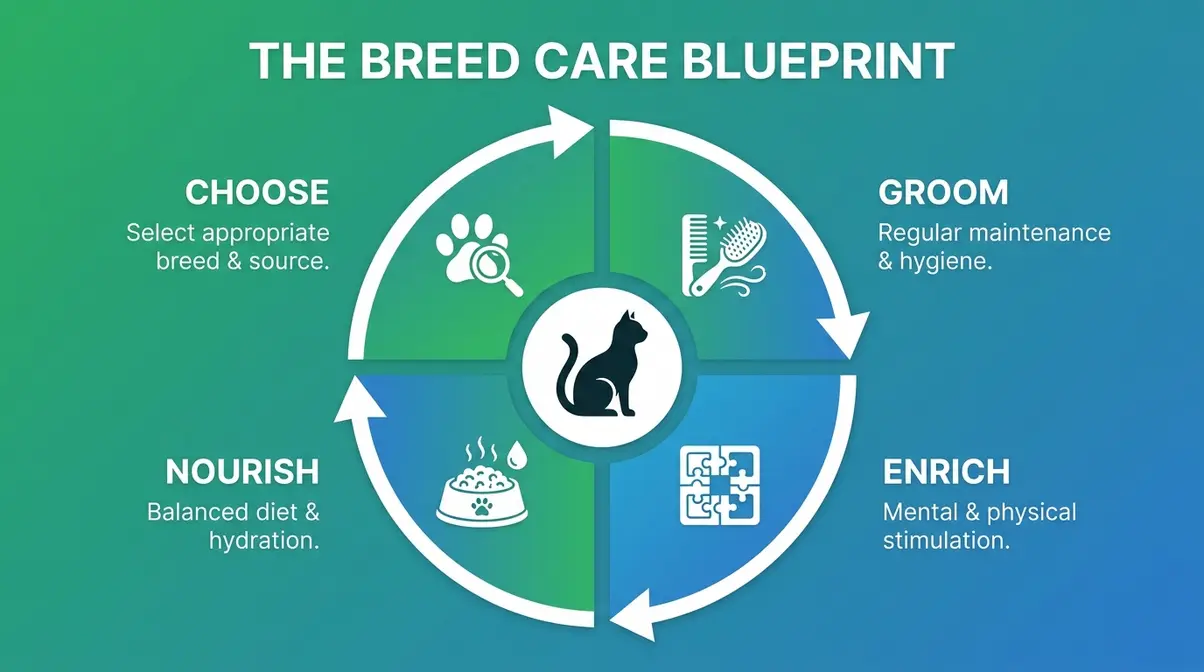
Cat care tips by breed matter because a Persian needs daily brushing while a Siamese needs almost none — one routine does not fit all cats. Use The Breed Care Blueprint (Choose → Groom → Enrich → Nourish) for a tailored approach.
- The Breed Care Blueprint organises all cat care into four pillars: breed selection, grooming, enrichment, and health
- Long-haired breeds (Persian, Maine Coon) need daily brushing; short-haired breeds need weekly brushing at minimum
- Chronic kidney disease affects roughly 30% of cats over 12 — regular vet check-ups are essential (Cornell Feline Health Center)
- The 3-3-3 rule helps new owners set realistic expectations: 3 days to decompress, 3 weeks to learn your routine, 3 months to feel at home
- First-time owners do best with Ragdolls, British Shorthairs, or Siamese for manageable care demands
Start with breed selection before anything else — choosing the wrong temperament for your lifestyle is the most common first-time mistake. Then build your grooming and enrichment routine around your breed’s specific energy level and coat type.
- Choose first: Match breed temperament to your schedule before adopting — prevents 80% of common behaviour problems
- Groom weekly minimum: Even short-haired cats need weekly brushing to reduce hairballs and shedding
- Vet check by week 2: Book your first veterinary appointment within 14 days of bringing your cat home
Popular Cat Breeds at a Glance
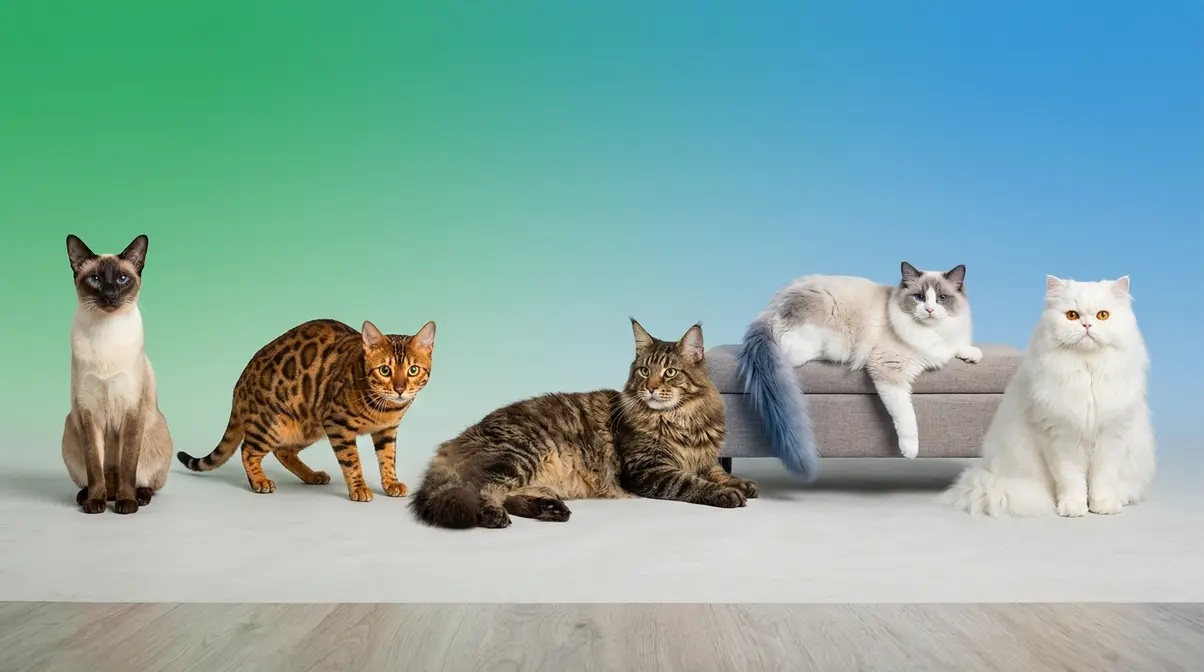
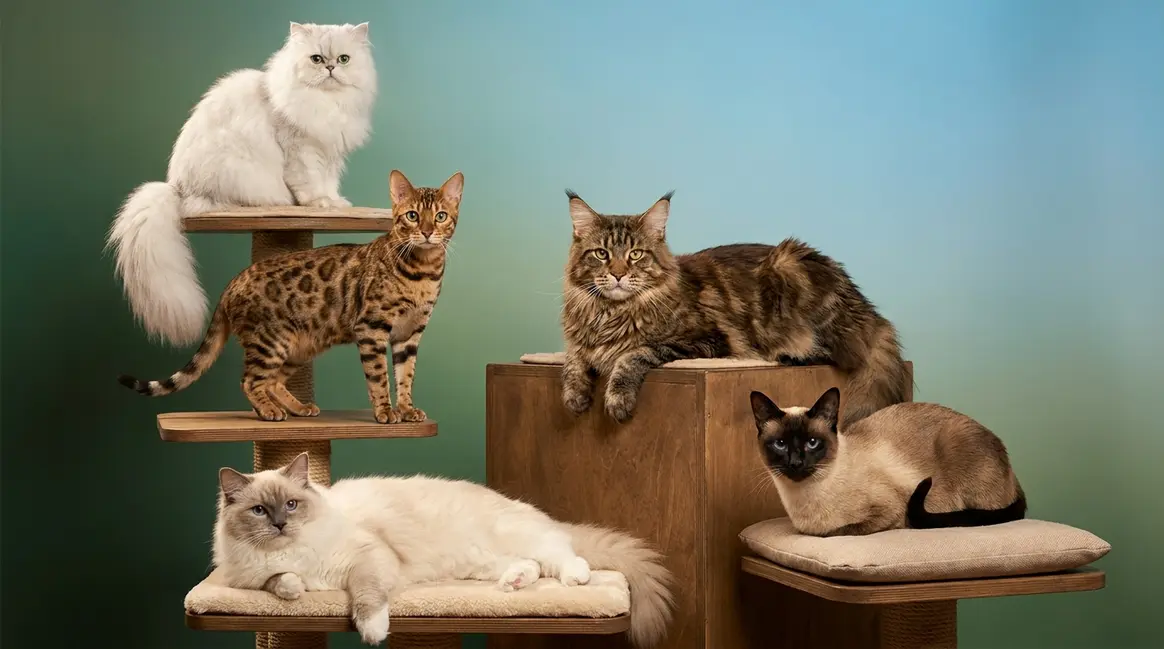
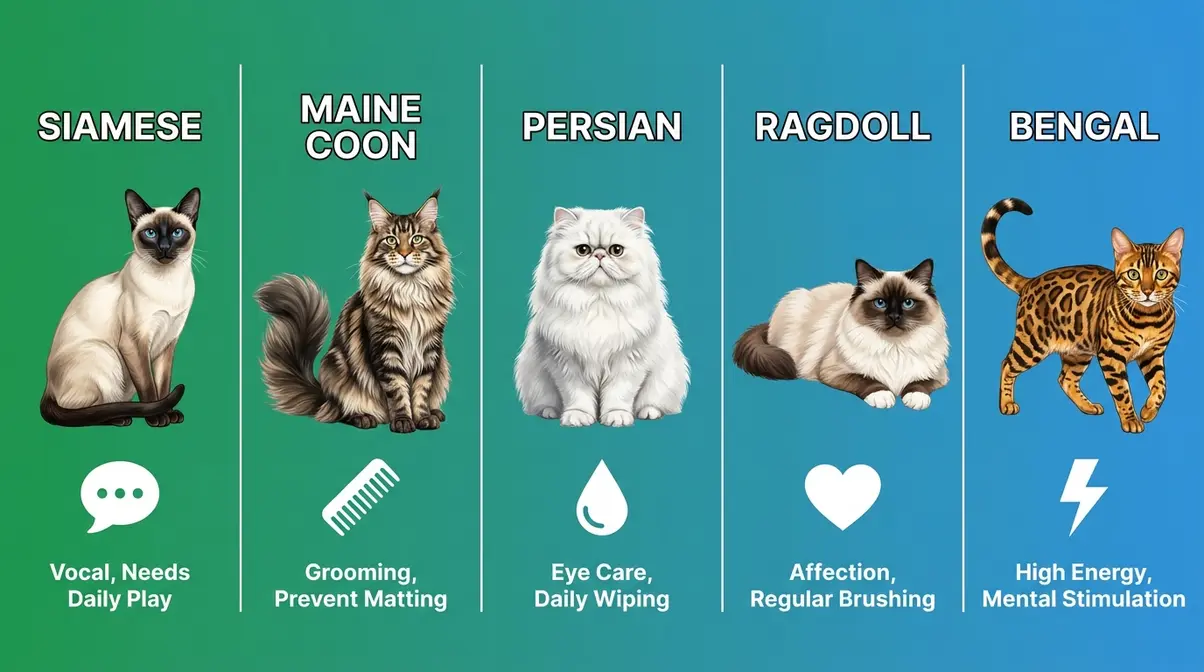
Not all cats are the same. The cat care tips that work for a short-haired Siamese will actively harm a long-haired Persian. Before exploring the four pillars of The Breed Care Blueprint, here is a quick-reference guide to the five most popular breeds — and the single most important care priority for each.
Every major cat breed has a distinct primary care need — matching your routine to that need is the single most impactful thing a new owner can do.
Siamese: Vocal and Social
The Siamese, one of the oldest recognised cat breeds, is known for being vocal, intelligent, and deeply social. These cats form strong bonds with their owners and do not cope well with long periods alone. Their short, fine coat requires almost no grooming — a weekly brush is sufficient to manage shedding.
#1 Care Priority: Social interaction and mental stimulation. A bored Siamese will vocalise loudly and may develop destructive habits.
One actionable tip: Adopt in pairs if you work full-time. Two Siamese cats keep each other engaged, reducing anxiety-driven behaviour significantly. For grooming details, see the Grooming Strategies section below.
- Coat Type: Short, fine
- Grooming Frequency: Weekly
- Energy Level: High
- Best For: Social owners, multi-cat homes
Maine Coon: The Gentle Giant
The Maine Coon, often called the “gentle giant” of the cat world, is one of the largest domestic cat breeds. Males commonly reach 6–8 kg (13–18 lbs). Their thick, semi-long coat has three layers — guard hairs, awn hairs, and a dense undercoat — and requires regular attention to prevent tangles.
#1 Care Priority: Coat maintenance. Without consistent brushing (at least 2–3 times per week), the undercoat mats painfully against the skin.
One actionable tip: Use a wide-tooth metal comb before a slicker brush. Working through the undercoat first prevents you from dragging surface tangles into deeper mats. Maine Coons are also predisposed to hypertrophic cardiomyopathy (HCM — an enlargement of the heart muscle); discuss cardiac screening with your vet. See the Health & Nutrition section for more detail.
Persian: High-Maintenance
The Persian, a long-haired breed known for its flat face and silky coat, is among the most demanding cats to groom. Persians are brachycephalic (flat-faced), which means their compressed nasal passages and shallow eye sockets create specific daily care needs beyond coat brushing.
#1 Care Priority: Daily grooming — both coat and facial folds. Persian fur mats within 24–48 hours without daily brushing. Their eyes also produce excess discharge that must be gently wiped each morning to prevent staining and infection.
One actionable tip: Set a two-minute morning routine: wipe eyes with a damp cotton pad, then brush the coat in sections starting from the belly. Short daily sessions are far more effective — and kinder — than weekly marathon grooming. See the Flat-Faced Breeds section under Grooming Strategies.
Ragdoll: Docile Apartment Cat
The Ragdoll, a docile, large-bodied breed known for going limp when held, is widely considered one of the best breeds for apartment living and first-time owners. Ragdolls are calm, affectionate, and less likely to display the high-energy destructive behaviours that challenge new owners.
#1 Care Priority: Moderate coat maintenance and social bonding. Despite having medium-long fur, Ragdolls have a single-layer coat that mats less readily than Persians or Maine Coons — brushing 2–3 times per week is generally sufficient.
One actionable tip: Ragdolls are trusting to a fault. Because they do not always signal pain or distress clearly, schedule regular vet check-ups every six months rather than annually. Their relaxed temperament can mask early illness symptoms.
Bengal: The Feline Athlete
The Bengal, a highly active hybrid breed with distinctive spotted or marbled markings, is not a cat for passive owners. Developed from crosses between domestic cats and Asian leopard cats, Bengals retain strong hunting instincts and require far more physical and mental stimulation than the average domestic breed. The International Cat Association (TICA) breed profiles note that Bengals are highly active and require significant daily interactive playtime to prevent behavioural issues (TICA, 2026).
#1 Care Priority: Daily high-intensity play. Without it, Bengals redirect their energy into destructive behaviour — chewing cables, knocking objects from shelves, or escaping outdoors.
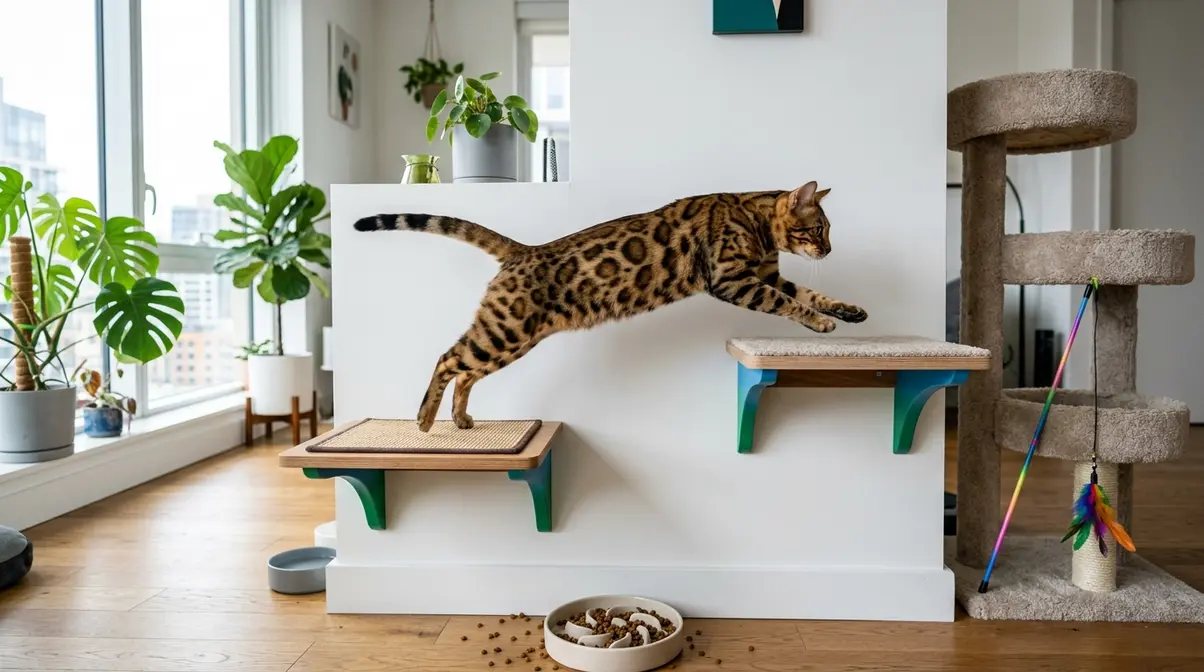
One actionable tip: Install at least two wall-mounted cat shelves at different heights. Bengals need vertical space to express natural climbing behaviour, and vertical enrichment reduces destructive horizontal behaviour. See the High-Energy Breeds section under Enrichment & Exercise.
1. Choosing the Right Cat
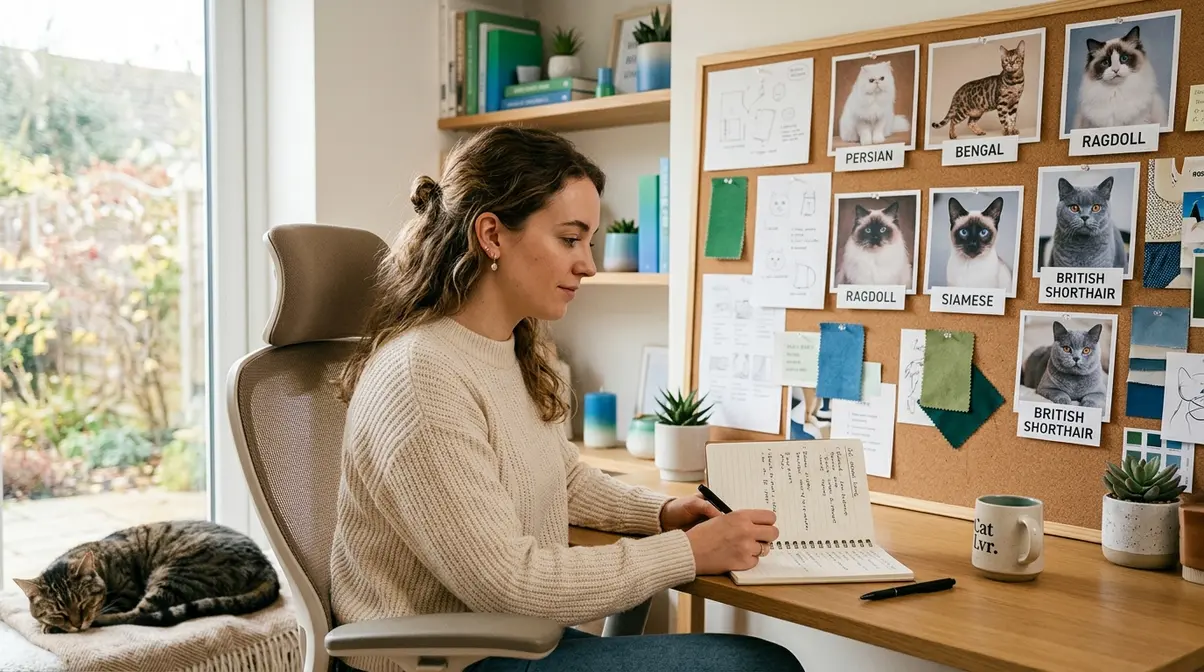
Choosing a cat breed before researching its needs is one of the most common mistakes new owners make. When exploring cat care tips by breed, the first step is matching the animal’s natural disposition to your daily reality. The good news: matching a breed to your lifestyle is straightforward once you know what to look for. This section gives you the tools to make a confident, informed decision — so your cat thrives and you do too.
Matching Breed to Lifestyle
What you’ll need: 10 minutes, a notepad, and honest answers about your daily routine.
Matching a cat to your lifestyle is not about finding the “prettiest” breed — it is about finding the right temperament and care level for your specific situation. Veterinary behaviourists consistently identify lifestyle mismatch as a leading cause of cat surrender in the first year of ownership (ASPCA, 2026).
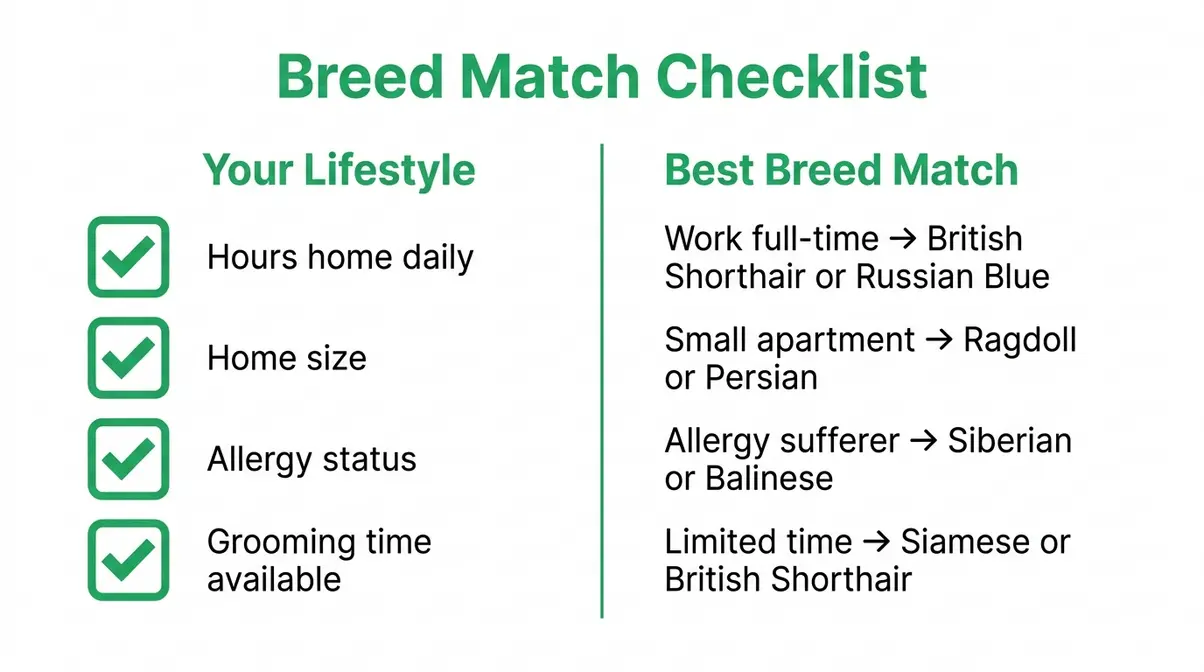
Ask yourself these four questions before choosing:
- How many hours are you home each day? Highly social breeds (Siamese, Burmese, Bengal) struggle when left alone for 8+ hours. If you work full-time, consider a more independent breed like the British Shorthair or Russian Blue, or adopt two cats to provide company.
- How large is your living space? Active breeds like Bengals and Abyssinians need room to run and climb. Calmer breeds like Persians and Ragdolls adapt well to apartment living.
- Do you or anyone in your household have allergies? Some breeds produce less Fel d 1 protein (the primary cat allergen) than others. See the Hypoallergenic Breeds section below.
- How much time can you dedicate to grooming? Long-haired breeds require 15–20 minutes of daily grooming. Short-haired breeds need 5–10 minutes weekly. Be honest — a Persian is a poor match if you travel frequently.
The 3-3-3 Rule for New Cats
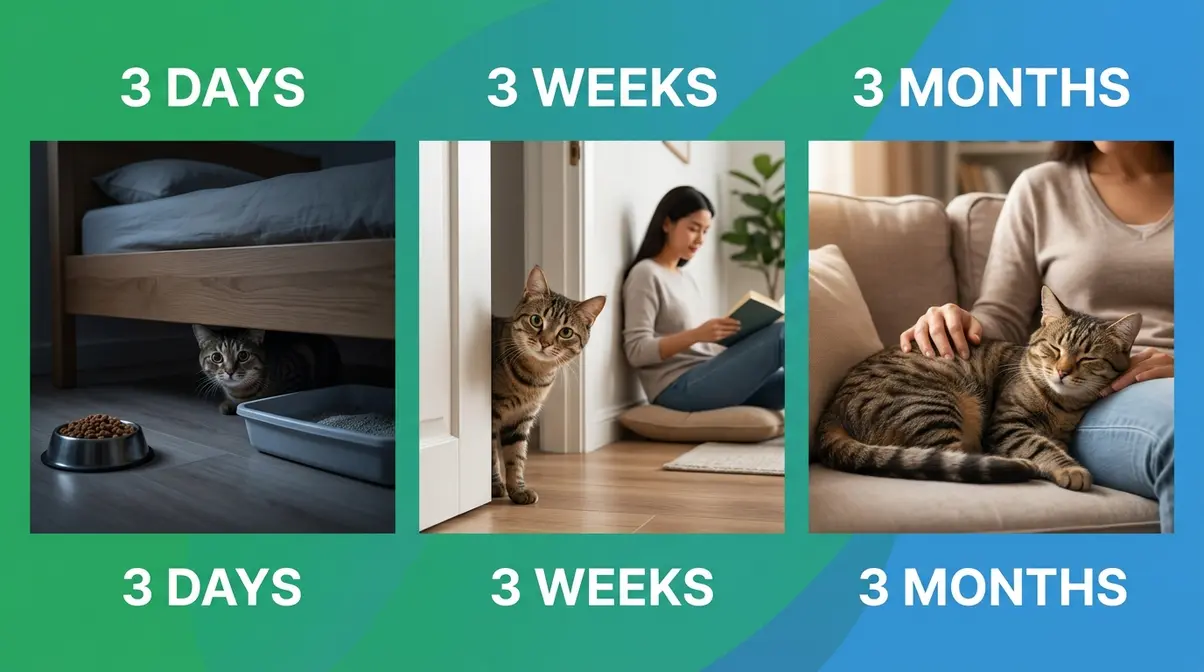
The 3-3-3 rule is a framework used by animal behaviourists and rescue organisations to help new owners understand the adjustment timeline for a newly adopted cat. The Animal Humane Society recommends this framework as a realistic guide for setting expectations during the transition period.
Here is what each phase looks like:
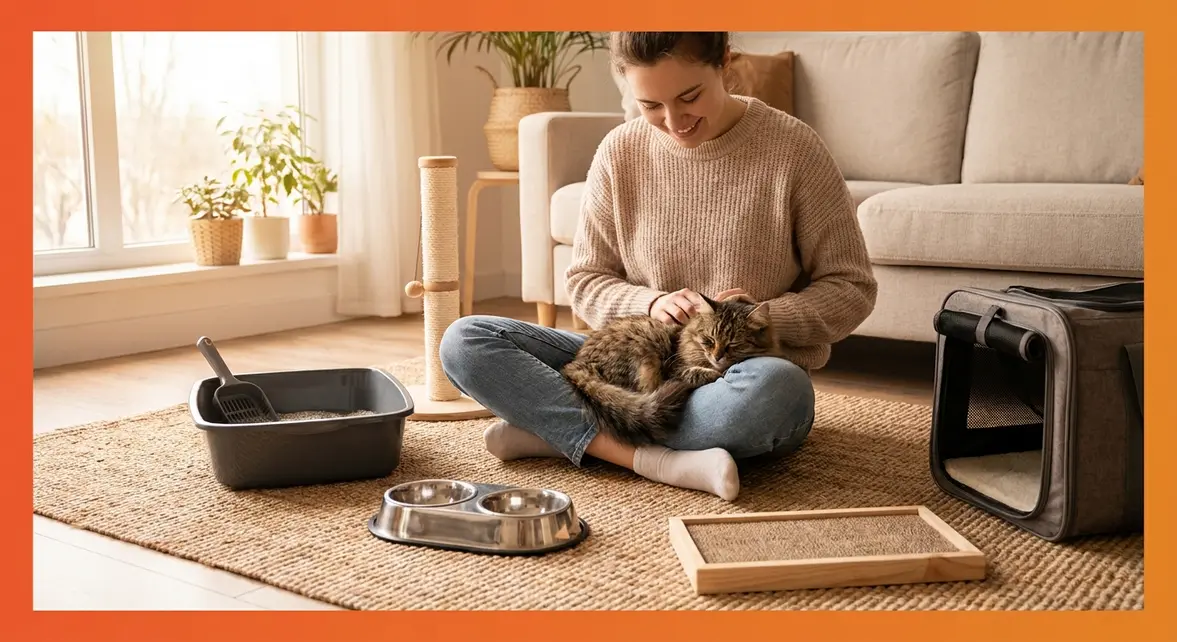
- 3 days: Your cat is overwhelmed and may hide, refuse food, or avoid interaction. This is normal decompression, not rejection. Do not force contact. Set up a quiet “safe room” with food, water, a litter tray, and a hiding spot.
- 3 weeks: Your cat begins to learn your routine — meal times, when you leave and return, where the safe spots are. You may notice the first signs of affection or play. Some cats take longer; do not panic.
- 3 months: Your cat feels genuinely at home. You will see their full personality emerge. This is when you can start introducing new experiences, second cats, or changes to routine.
Why this matters: Rushing the adjustment period — particularly forcing handling or introducing other pets too early — is a leading cause of lasting anxiety in cats. Patience during the first 3 days is the single most important thing you can do for a new cat’s long-term wellbeing.
Best First-Time Owner Breeds
First-time cat owners do best with breeds that are forgiving, communicative, and have moderate care demands. Veterinary behaviourists recommend choosing a breed whose temperament closely matches your energy level and experience. If you need help figuring out a mixed breed’s background, identifying your cat’s breed can provide clues to their disposition.
The following breeds consistently receive high marks for first-time owners:
- Ragdoll: Features a docile and affectionate temperament. Requires moderate grooming (2–3×/week). Best for apartment dwellers and singles.
- British Shorthair: Features a calm and independent temperament. Requires low grooming (weekly). Best for busy professionals.
- Siamese: Features a social and vocal temperament. Requires very low grooming (weekly). Best for owners home often.
- Scottish Fold: Features a gentle and curious temperament. Requires low-moderate grooming. Best for families and first-timers.
- Maine Coon: Features a playful and gentle temperament. Requires moderate-high grooming (3×/week). Best for active owners with time to groom.
One observation worth noting: Across community forums and veterinary intake surveys, Ragdolls are the most commonly cited “best first cat” by both owners and vets — largely because their docile temperament makes handling, nail trimming, and vet visits significantly less stressful for inexperienced owners.
Apartment-Friendly Breeds
No cat breed is 100% allergen-free — this is a common misconception. What varies between breeds is the amount of Fel d 1 protein they produce, which is the primary allergen found in cat saliva, skin, and fur. Some breeds produce measurably lower levels, making them more suitable for allergy sufferers.
Lower-allergen breeds worth considering include:
- Siberian: Produces significantly lower Fel d 1 levels than most breeds. Many allergy sufferers report tolerating Siberians well.
- Balinese: A long-haired breed that produces less Fel d 1 despite its coat length — often called the “long-haired hypoallergenic cat.”
- Sphynx: Hairless, which reduces airborne allergen spread from fur — though skin secretions still carry Fel d 1.
- Devon Rex: Very short, fine coat with minimal shedding.
For apartment living specifically, the best breeds combine low destructive energy with adaptability to small spaces. Ragdolls, British Shorthairs, and Persians all rank highly for apartment suitability. Active breeds like Bengals and Abyssinians can adapt to apartments only if given adequate vertical space and daily interactive play — without it, they become destructive.
Counter-Narrative: However, remember that breed is not destiny. A mixed-breed rescue can often adapt perfectly to your lifestyle regardless of genetic predispositions, provided they receive adequate love and environmental enrichment.
2. Grooming by Coat Type
Grooming is one of the most visible ways that breed-specific cat care tips differ from generic advice. A short-haired cat left ungroomed for a week looks fine. A Persian left ungroomed for 48 hours may develop painful skin mats. Understanding your cat’s coat type is the foundation of effective grooming — and it prevents unnecessary discomfort for your cat and unnecessary vet bills for you.
Long-Haired Breed Grooming
Long-haired cats — including Persians, Maine Coons, and Ragdolls — require daily or near-daily grooming to prevent mats (tangled clumps of fur that tighten against the skin). According to veterinary dermatologists at Tufts University’s Cummings School of Veterinary Medicine, mats cause significant skin irritation and can hide underlying wounds or infections if left unaddressed.
How to brush a long-haired cat — step by step:
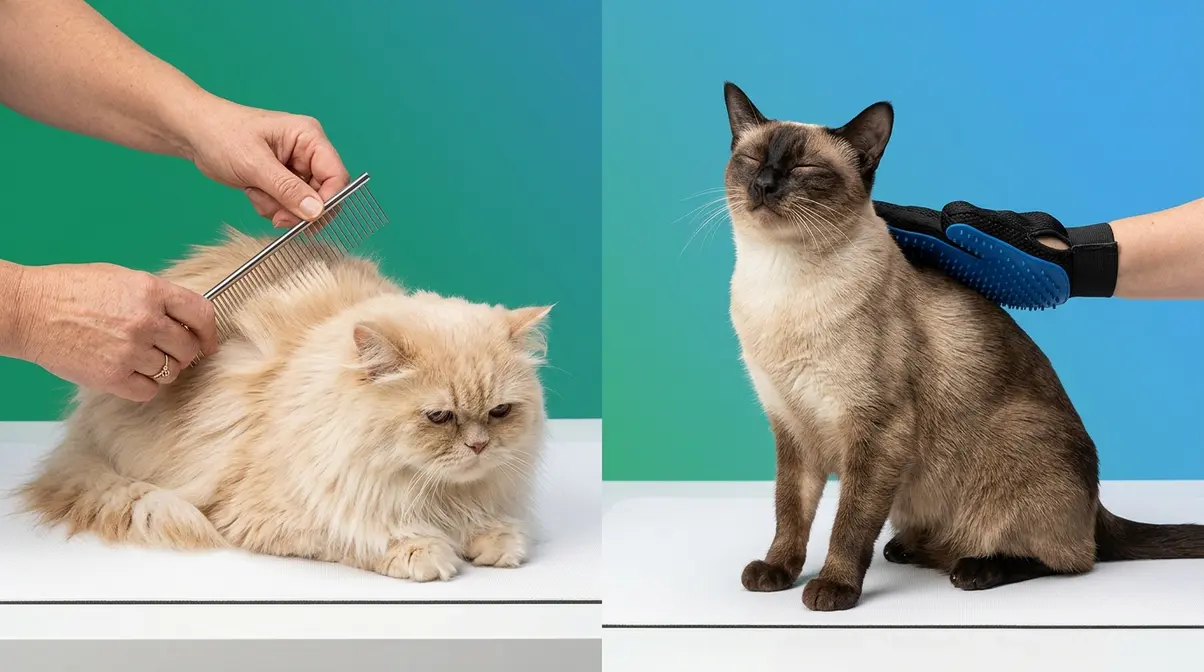
- Choose the right tool. Start with a wide-tooth metal comb for detangling, then follow with a slicker brush (a paddle-shaped brush with fine wire pins) for smoothing. Avoid plastic bristle brushes — they create static and miss undercoat tangles.
- Start at the extremities. Begin at the legs and tail, where mats form most often, and work toward the body. This prevents you from pushing tangles toward the skin.
- Section the coat. Use your free hand to hold the fur above the section you are working on. This reduces pulling pressure on the skin and makes the experience more comfortable for your cat.
- Address mats immediately. If you find a mat, apply a small amount of detangling spray and work from the outer edges inward with the metal comb. Never pull a mat from the base — this tears skin. If a mat is tight against the skin, contact your vet or a professional groomer.
- Finish with a reward. End every grooming session with a treat or play session. Your cat learns to associate grooming with positive outcomes, making future sessions easier.
Estimated time: 10–15 minutes daily for Persians; 15–20 minutes for Maine Coons due to undercoat volume.
Why this matters: Mats that are left for more than a few days become increasingly painful and difficult to remove without sedation. Prevention through daily brushing costs minutes; treatment costs significantly more — financially and in stress for your cat.
Short-Haired Breed Grooming
Short-haired cats — including Siamese, British Shorthairs, and Bengals — are often described as “low-maintenance” when it comes to grooming. This is mostly true, but it does not mean zero maintenance. Short-haired breeds still shed, still develop hairballs (compacted fur swallowed during self-grooming), and still benefit from regular brushing to reduce allergen spread around your home.
Recommended routine for short-haired breeds:
- Weekly brushing with a rubber grooming glove or soft bristle brush. These tools lift loose fur without scratching the skin and most short-haired cats enjoy the sensation.
- Monthly nail trim. Indoor cats do not wear their nails down naturally. Overgrown nails curl and can grow into the paw pad — a painful condition that requires veterinary treatment.
- Ear check every two weeks. Gently fold back the ear and look for dark wax, odour, or redness. These are early signs of ear mites or infection. Clean with a vet-approved ear cleaner on a cotton ball — never insert anything into the ear canal.
- Dental care. Brushing your cat’s teeth 2–3 times per week significantly reduces the risk of periodontal (gum) disease, which affects an estimated 70% of cats over three years old (Cornell Feline Health Center, 2026). Use a cat-specific toothbrush and toothpaste — human toothpaste is toxic to cats.
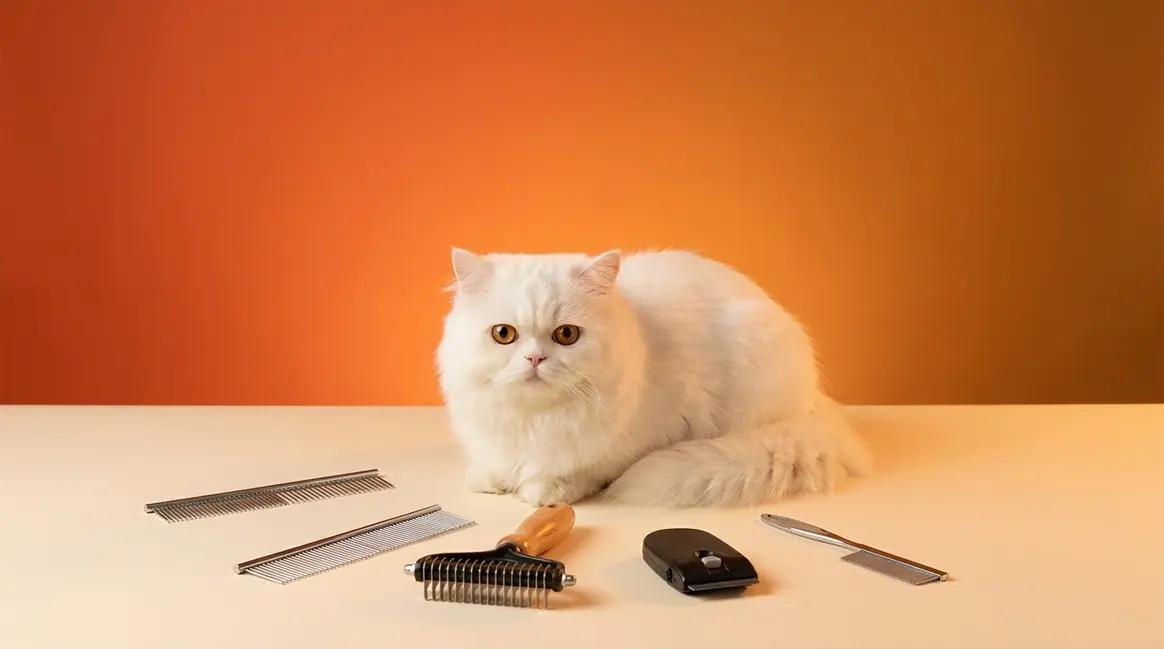
Essential Grooming Tools
Having the right tools makes grooming faster, more comfortable, and more effective. Buying the wrong brush is one of the most common mistakes new owners make — and it often results in a cat that resists grooming because the experience was unpleasant. For a deeper dive into managing different fur textures, read our complete guide to cat coat types.
- Wide-tooth metal comb: Best for detangling and mat prevention. Ideal for long-haired breeds like the Persian and Maine Coon.
- Slicker brush: Best for smoothing and undercoat removal. Ideal for long and medium-haired breeds.
- Rubber grooming glove: Best for light shedding and massage. Ideal for short-haired breeds like the Siamese and British Shorthair.
- Dematting comb: Best for removing existing mats. Ideal for long-haired breeds only.
- Soft bristle brush: Best for general grooming and sensitive cats. Ideal for all coat types.
- Flea comb: Best for flea detection. Ideal for all breeds during routine checks.
One tip that makes a significant difference: Introduce grooming tools to your cat as objects first. Leave a new brush near your cat’s sleeping area for a day before using it. Cats investigate through scent — a familiar-smelling tool is far less threatening than an unknown one suddenly approaching their face.
Flat-Faced Breed Extra Care
Brachycephalic (flat-faced) breeds — primarily Persians and Exotic Shorthairs — require a daily care step that other breeds do not: facial fold and eye cleaning. Their compressed facial structure means tear ducts do not drain efficiently, causing excess eye discharge that pools in the facial folds. If left unwiped, this discharge stains the fur reddish-brown (called “tear staining”) and creates a warm, moist environment where bacterial and yeast infections develop. Finding the right Persian cat grooming supplies is essential for managing this safely.
Daily facial care routine for flat-faced cats:
- Dampen a soft cotton pad with warm water or a vet-approved eye cleaning solution.
- Gently wipe from the inner corner of the eye outward — one wipe per eye, using a fresh pad for each.
- Dry the fold beneath the eye with a separate dry cotton pad. Moisture left in folds encourages bacterial growth.
- Check the nose fold (the skin crease above the nose) for similar buildup. Wipe gently if needed.
Why this matters: Untreated facial fold infections are painful and can spread to the eye itself, risking corneal ulcers. Veterinary guidance from YF Vets confirms that daily facial cleaning is non-negotiable for brachycephalic breeds and is the single most effective way to prevent chronic skin infections in Persians (YF Vets, 2026).
Counter-Narrative: While coat type dictates grooming frequency, individual tolerance varies wildly. Some short-haired cats despise brushing, requiring slow desensitization despite their “low-maintenance” label, while some Persians genuinely enjoy their daily sessions.
3. Enrichment & Exercise
A cat that is physically and mentally stimulated is a cat that is calm, healthy, and bonded to its owner. A bored cat is a destructive, anxious, or withdrawn one. Enrichment — the practice of providing environmental and social stimulation — is not optional for indoor cats. It is as essential as food and water. The right enrichment strategy depends almost entirely on your cat’s breed and energy level.
High-Energy Breed Exercise
High-energy breeds — particularly Bengals, Abyssinians, and Siamese — need a minimum of 30–60 minutes of active interactive play per day, according to feline behaviour research from Ohio State University’s Indoor Cat Initiative. Without adequate stimulation, these breeds redirect their energy into behaviour that owners find destructive: knocking objects off surfaces, chewing cables, scratching furniture, or vocalising at night.
Evidence: The Ohio State University Indoor Cat Initiative found that environmental enrichment significantly reduced stress-related behaviours in indoor cats, including over-grooming, aggression, and elimination outside the litter box (Ohio State University, 2026). For Bengals specifically, TICA breed profiles note that interactive play is essential for preventing behavioural problems (TICA, 2026).
How to meet a high-energy cat’s needs:
- Scheduled play sessions. Two 15-minute sessions per day (morning and evening) are more effective than one long session. Use a wand toy (a stick with a feather or ribbon attachment) that mimics prey movement — irregular, unpredictable motion triggers the hunting sequence.
- Puzzle feeders. Replace one daily meal with a puzzle feeder or slow-feeder bowl. This turns eating into a mental challenge and adds 10–15 minutes of cognitive stimulation.
- Vertical space. Install cat shelves or a tall cat tree. Bengals and Abyssinians instinctively seek height — vertical space reduces territorial stress and provides an outlet for climbing energy.
- Rotation of toys. Cats habituate quickly to static toys. Rotate a pool of 8–10 toys, reintroducing each after 3–4 days. A “new” toy triggers the same curiosity response as the first encounter.
When this doesn’t apply: Not every high-energy breed behaves identically. Individual cats within any breed vary significantly. A Bengal raised in a calm, solitary household from kittenhood may be calmer than breed averages suggest. Observe your specific cat and adjust enrichment intensity accordingly.
Calm and Lap Cat Enrichment
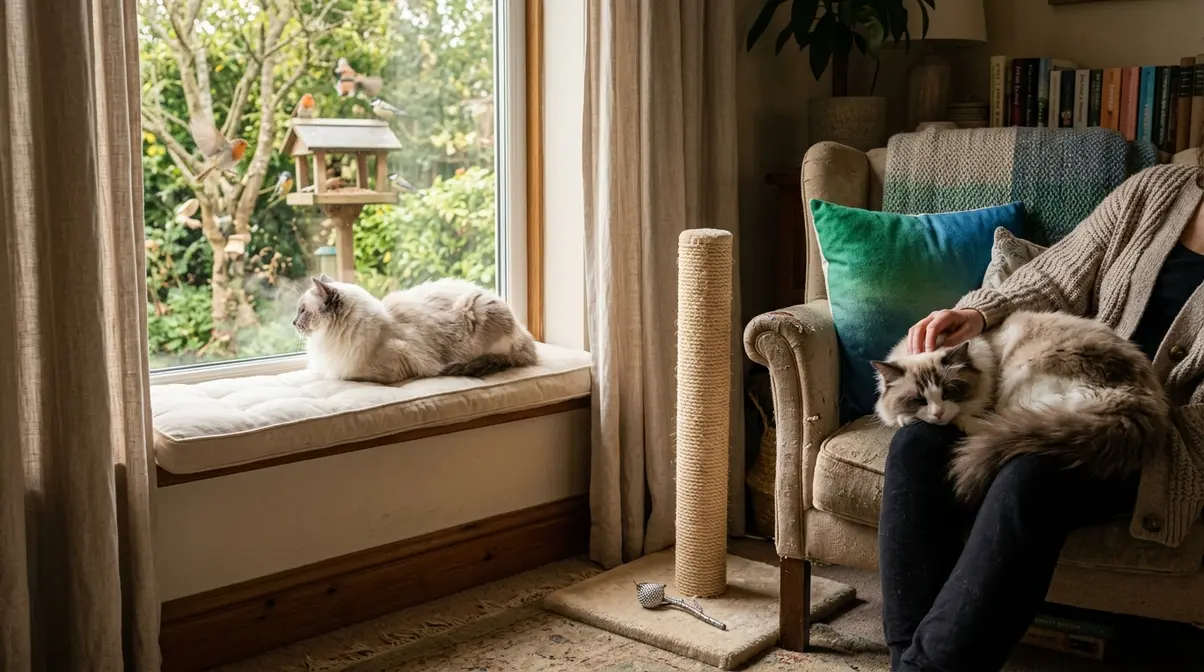
Calmer breeds — Ragdolls, Persians, British Shorthairs, and Scottish Folds — have lower exercise requirements but still need daily movement to maintain a healthy weight. Obesity is a significant health risk in low-energy breeds: overweight cats are at higher risk of diabetes, arthritis, and urinary tract disease (ASPCA, 2026).
Enrichment strategies for calm breeds:
- Short, gentle play sessions. Two 10-minute sessions per day are sufficient. Use slower-moving toys — a crinkle ball rolled across the floor, a feather wand moved slowly — that match their pace without overwhelming them.
- Window perches. Calm cats spend significant time watching the world outside. A padded window perch provides passive enrichment — birds, movement, and changing light stimulate their senses without requiring physical exertion.
- Scent enrichment. Place a small amount of dried catnip or silver vine (a catnip alternative that affects cats differently) on a toy or scratching post. Scent enrichment activates the olfactory system and provides stimulation without demanding physical play.
- Lap time as enrichment. For genuinely docile breeds like Ragdolls, sustained physical contact with their owner is itself a form of enrichment. It reduces cortisol (the stress hormone) levels and reinforces the human-cat bond.
Encouraging a reluctant cat to play: If your calm cat shows little interest in toys, try a laser pointer for 3–5 minutes followed immediately by a physical toy they can “catch.” The laser activates the prey drive; the physical toy provides the satisfying “kill” moment. Always end laser sessions with a catchable toy — ending on an uncatchable light source can increase frustration and anxiety.
Best Indoor Cat Toys
Indoor cats rely entirely on their owners for stimulation. Without access to outdoor hunting, territory exploration, and varied sensory input, indoor cats can develop chronic stress — a condition that manifests as over-grooming, aggression, or litter box avoidance. The right toys address specific instinctual needs. For specific product recommendations, view our list of the best interactive cat toys.
- Wand/feather toy: Addresses hunting and prey drive. Best for all breeds. Use daily and always supervise use.
- Puzzle feeder: Addresses foraging and problem-solving. Best for high-energy breeds. Replace one meal per day with this method.
- Crinkle ball: Addresses batting and chasing. Best for calm breeds. Safe to leave unsupervised.
- Cat tunnel: Addresses hiding and ambush instincts. Best for Bengals and kittens. Combine with a wand toy for maximum effect.
- Window perch: Addresses passive observation. Best for all breeds. Place near a bird feeder outside for optimal viewing.
- Scratching post: Addresses territory marking and claw maintenance. Best for all breeds. Mandatory for indoor cats.
- Interactive laser: Addresses prey drive activation. Best for active breeds. Always end with a physical toy to prevent frustration.
One important safety note: Avoid toys with small detachable parts — feather tips, button eyes, or elastic strings — that can be swallowed. String ingestion is a veterinary emergency. Always supervise play with wand toys and store them out of reach when not in use.
Cat-Friendly Home Design
A cat-friendly home is not about expensive furniture — it is about understanding how cats use vertical and horizontal space, and providing the right resources in the right locations. Guidance from cat behaviour specialists consistently highlights that environmental design is one of the most underestimated aspects of breed-specific cat care (Cat Evolution, 2026). If you need inspiration, review our indoor cat enrichment ideas.
Core principles for a cat-friendly home:
- One litter tray per cat, plus one extra. The standard recommendation is N+1 trays (one per cat, plus one additional). Place trays in quiet, accessible locations — not near food bowls or in high-traffic areas.
- Separate feeding stations in multi-cat homes. Cats are not communal feeders by nature. Separate stations reduce competition stress, particularly between cats of different energy levels or sizes.
- Scratching posts near sleeping areas. Cats scratch most intensely after waking. A scratching post positioned near your cat’s favourite sleeping spot redirects this behaviour away from your furniture.
- Safe hiding spots at ground level. Even confident cats need a retreat. A cardboard box, a covered cat bed, or a space under a low shelf provides security during stressful events (visitors, loud noises, changes in routine).
Counter-Narrative: Conversely, forcing a naturally sedentary cat into high-intensity play can cause stress. Always read your cat’s body language and respect their physical limits rather than strictly adhering to breed-based exercise quotas.
4. Health & Nutrition
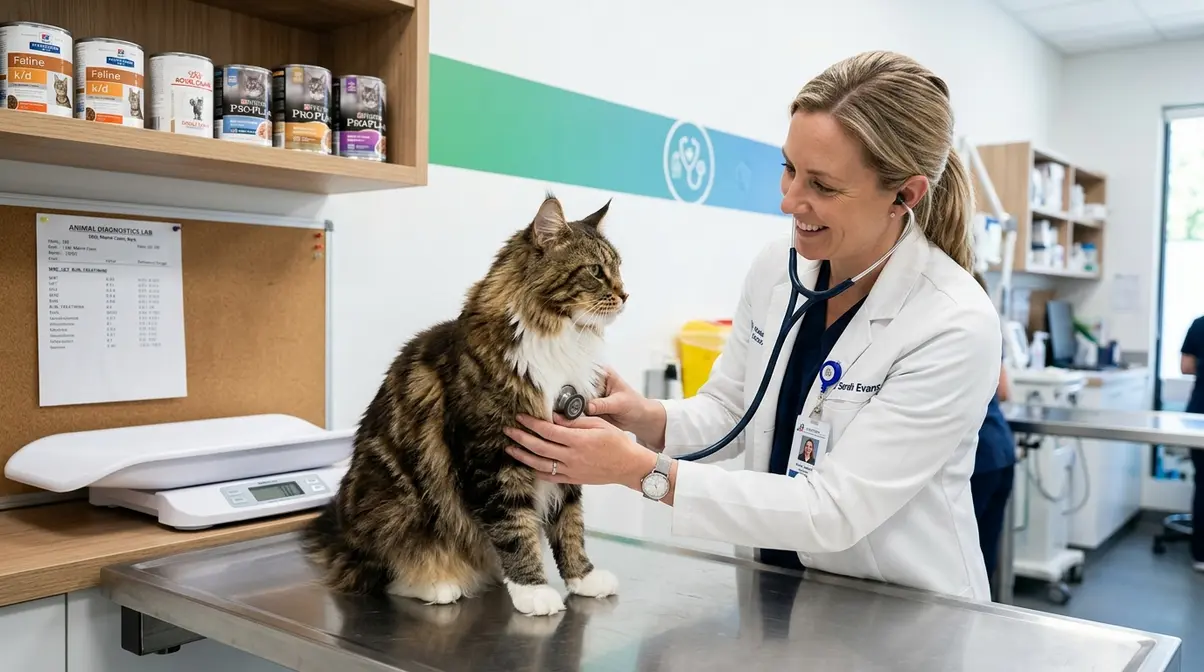
This is the most critical section of The Breed Care Blueprint. Grooming and enrichment mistakes are recoverable. Nutrition and health mistakes can shorten your cat’s life. This section gives you the foundation you need to feed your cat correctly, recognise the most dangerous foods, understand breed-specific health risks, and know when your cat needs veterinary attention.
⚕️ Always consult your veterinarian before changing your cat’s diet or if you notice any health symptoms.
Diet Needs and Taurine
Cats are obligate carnivores — meaning their bodies cannot synthesise certain essential nutrients from plant sources and must obtain them directly from animal protein. This is not a dietary preference; it is a biological requirement. Feeding a cat an inadequate or plant-heavy diet leads to severe, life-threatening deficiencies.
The most critical of these nutrients is taurine (an essential amino acid found almost exclusively in animal tissue). Unlike dogs and humans, cats cannot produce sufficient taurine internally. Taurine deficiency causes dilated cardiomyopathy (an enlargement of the heart that impairs its ability to pump blood) and central retinal degeneration (progressive blindness). The U.S. Food and Drug Administration (FDA) has highlighted taurine’s role in feline cardiac health as a mandatory consideration in cat food formulation (FDA, 2026).
What to look for on a cat food label:
- Named animal protein as the first ingredient — “chicken,” “salmon,” or “turkey,” not “meat by-products” or “animal digest.”
- Taurine listed in the guaranteed analysis — all commercial cat foods sold in the US and EU are required to include taurine, but the amount varies. Wet food generally contains higher taurine levels than dry kibble.
- AAFCO statement of nutritional adequacy — look for “formulated to meet the nutritional levels established by the AAFCO Cat Food Nutrient Profiles for all life stages” or equivalent.
Wet vs. dry food: Cats have a low natural thirst drive and obtain most of their moisture from prey in the wild. Veterinary nutritionists generally recommend wet food as the primary diet for this reason — it provides hydration alongside nutrition, reducing the risk of urinary tract disease and kidney problems. Dry food can supplement wet food but should not be the sole diet, particularly for male cats who are at higher risk of urinary blockages.
Foods Toxic to Cats
Many foods that are safe — or even healthy — for humans are toxic to cats. The ASPCA Animal Poison Control Center maintains a comprehensive list of toxic substances for cats and handles over 400,000 animal poison cases annually (ASPCA, 2026). For a complete breakdown, review our complete guide to cat toxins.
Foods that are toxic to cats — never feed these:
- Onions, garlic, leeks: Contains N-propyl disulfide. Destroys red blood cells and causes anaemia.
- Grapes and raisins: Contains an unknown compound. Causes acute kidney failure.
- Chocolate: Contains theobromine. Causes vomiting, seizures, and cardiac arrest.
- Xylitol (artificial sweetener): Contains xylitol. Causes liver failure and hypoglycaemia.
- Alcohol: Contains ethanol. Causes CNS depression and coma.
- Raw dough/yeast: Causes ethanol production. Leads to bloating and alcohol poisoning.
- Macadamia nuts: Contains an unknown compound. Causes weakness, vomiting, and tremors.
- Citrus fruits: Contains citric acid and limonene. Causes GI upset and CNS depression in large amounts.
Fruits cats should avoid: Grapes and raisins are the most dangerous fruits for cats and can cause acute kidney failure even in small amounts. Citrus fruits (lemons, limes, oranges) cause gastrointestinal upset and, in large quantities, central nervous system depression. Cherries contain cyanogenic compounds. The safest approach is to avoid feeding any fruit to cats — they are obligate carnivores with no nutritional need for fruit.
If you suspect your cat has eaten something toxic: Call your veterinarian or the ASPCA Animal Poison Control Center (888-426-4435) immediately. Do not wait for symptoms to develop — some toxins cause irreversible organ damage before visible symptoms appear.
Breed-Specific Health Risks
Understanding your breed’s genetic health predispositions allows you to catch problems early — when they are most treatable. According to the Cornell Feline Health Center, early detection through regular veterinary check-ups is the most effective strategy for managing breed-specific conditions (Cornell Feline Health Center, 2026). For dental issues, specific breed-specific dental care routines are highly recommended.
The silent killer in cats is chronic kidney disease (CKD) — a progressive deterioration of kidney function that affects approximately 30% of cats over 12 years old (Cornell Feline Health Center, 2026). CKD is called “silent” because cats instinctively mask illness, and kidney function must decline by over 75% before standard blood tests detect abnormalities. By that point, the disease is already advanced. Annual bloodwork from age 7 onwards — and biannual from age 10 — is the only reliable early detection method.
- Primary Health Risks by Breed:
- Maine Coon: Primary health risk is Hypertrophic cardiomyopathy (HCM). Screening recommendation: Cardiac ultrasound annually from age 2.
- Persian: Primary health risks are Polycystic kidney disease (PKD) and brachycephalic airway syndrome. Screening recommendation: DNA test for PKD before purchase; annual respiratory check.
- Bengal: Primary health risks are Progressive retinal atrophy (PRA) and HCM. Screening recommendation: Annual eye exam and cardiac screening.
- Ragdoll: Primary health risks are HCM and urinary tract issues. Screening recommendation: Cardiac screening from age 3.
- Siamese: Primary health risks are Progressive retinal atrophy and asthma. Screening recommendation: Annual respiratory and eye check.
- All breeds (age 7+): Primary health risk is Chronic kidney disease (CKD). Screening recommendation: Biannual bloodwork.
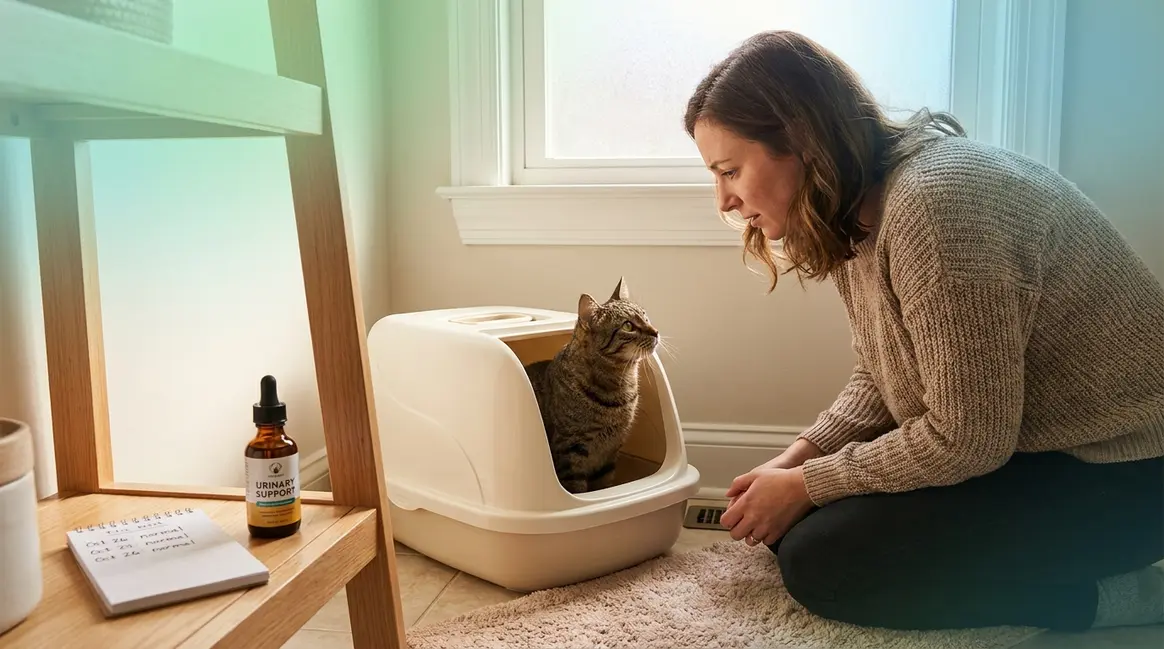
What to watch for at home: Increased thirst and urination, unexplained weight loss, changes in appetite, hiding more than usual, changes in litter box habits, or any sudden behavioural change. These are not “normal ageing” signs — they are signals that warrant a veterinary appointment within 48 hours.
Senior Cat Care After Age 7
The American Veterinary Medical Association (AVMA) classifies cats as “mature” from age 7 and “senior” from age 11. The transition from adult to mature cat is not dramatic, but it marks the beginning of a period when health monitoring becomes significantly more important.
Key changes to make from age 7:
- Increase vet visit frequency. Move from annual to biannual check-ups. Many conditions — including CKD, hyperthyroidism, and dental disease — are far more manageable when caught in early stages (AVMA, 2026).
- Switch to a senior-formulated diet. Senior cat foods are formulated with adjusted protein levels, added joint-support nutrients (like glucosamine), and controlled phosphorus content to reduce kidney workload. Consult your vet before switching — not all senior cats need the same formulation.
- Monitor weight closely. Older cats lose muscle mass (sarcopenia) even when eating normally. A cat that appears to maintain weight but feels lighter when lifted may be losing lean muscle. Weigh your cat monthly and report changes to your vet.
- Adapt the home environment. Arthritis is common in senior cats but often goes undiagnosed because cats hide pain. Signs include reluctance to jump, hesitation before climbing, or avoiding previously favourite high spots. Lower food and water bowls, add ramps or steps to furniture, and choose a litter tray with a low entry point.
- Dental care becomes critical. Dental disease is almost universal in cats over 10 and is a significant source of chronic pain. Annual professional dental cleanings under anaesthesia, combined with home brushing, are the gold standard recommendation (Cornell Feline Health Center, 2026).
Counter-Narrative: Despite these breed-specific risks, many cats live long, healthy lives without ever developing these conditions. Genetics load the gun, but environment and diet pull the trigger — meaning proactive care is your best defence.
When to Call Your Vet
!(https://pub-8ce7ac24839649d585b239b4a6127843.r2.dev/images/cat-care-tips-by-breed__2840__en/when-to-call-vet-cat-warning.webp)
Knowing the difference between an emergency vet call and a 48-hour monitoring situation can save your cat’s life.
Even the most prepared new cat owner will face uncertainty. Knowing the difference between normal adjustment behaviour and a genuine health concern is one of the most valuable skills you can develop. This section covers the most common mistakes new owners make — and the clearest signals that your cat needs professional attention.
Common New Owner Mistakes
These are the errors that veterinary teams see most frequently from first-time cat owners, according to general veterinary consensus across multiple Tier 1 sources:
- Free-feeding dry kibble only. Leaving a bowl of dry food out all day is convenient, but it leads to overeating, obesity, and inadequate hydration. Transition to scheduled wet food meals within the first month.
- Skipping the first vet visit. Many new owners wait until something goes wrong. A baseline health check within the first two weeks establishes normal parameters for your specific cat and catches issues (like parasites or undetected illness) before they escalate.
- Punishing unwanted behaviour. Cats do not respond to punishment the way dogs do. Spraying water, shouting, or physical correction creates fear and breaks trust without changing the behaviour. Redirect to appropriate alternatives instead (scratching post instead of sofa; interactive play instead of biting hands).
- Introducing a second cat too quickly. If you are adopting two cats, a slow introduction over 7–14 days — with separate rooms and gradual scent-swapping — dramatically reduces the risk of lasting territorial aggression.
- Using dog products on cats. Many flea treatments, medications, and even some essential oils that are safe for dogs are acutely toxic to cats. Never apply any product to your cat without confirming it is specifically labelled for feline use.
When to Call the Vet
Contact your veterinarian within 24 hours if your cat shows any of the following:
- Not eating for more than 24 hours (48 hours in a newly adopted cat still adjusting)
- Straining in the litter box, especially without producing urine — this is a medical emergency in male cats (urinary blockage can be fatal within hours)
- Laboured or open-mouth breathing
- Sudden loss of coordination or collapse
- Blood in urine, faeces, or vomit
- Rapid weight loss over 1–2 weeks
- Swollen, painful abdomen
- Eye discharge that is yellow, green, or cloudy
Contact your vet within 48–72 hours for:
- Persistent sneezing or nasal discharge
- Persistent diarrhoea or vomiting (more than 2–3 episodes)
- Visible third eyelid (the pale membrane visible in the inner corner of the eye)
- Significant changes in thirst, urination, or appetite
- Unexplained hiding or withdrawal lasting more than 48 hours
For urgent situations, refer to a comprehensive cat emergency care guide or contact your nearest 24-hour animal hospital immediately.
For a comprehensive overview of what to expect at your cat’s first vet visit, including what questions to ask, see our essential cat care tips for new owners.
Frequently Asked Questions
How do I say “I love you” in cat language?
The slow blink is the primary feline signal for trust and affection. To communicate “I love you” in cat language, make soft eye contact with your cat, then slowly close and open your eyes. Research published in Scientific Reports (Humphrey & Proops, 2020) found that cats respond to the slow blink by slow-blinking back and approaching their owner more often than when no slow blink was given. You can also groom your cat gently around the head and cheeks — areas cats groom each other in social bonding. Avoid prolonged unblinking staring, which cats interpret as a threat.
Can cats hear you speak?
Yes — cats can hear human speech clearly, including your specific voice. Research shows that cats distinguish their owner’s voice from a stranger’s voice and choose whether to respond based on context and relationship. A 2022 study published in Animal Cognition found that cats adapted their behaviour more readily to their owner’s voice than to an unfamiliar person’s voice, suggesting genuine recognition rather than simple sound response. Cats hear frequencies from approximately 48 Hz to 85 kHz (Animal Cognition, 2022) — far beyond human hearing range — which is why they react to sounds you cannot detect.
What is the silent killer in cats?
Chronic kidney disease (CKD) is widely referred to as the “silent killer” in cats because it progresses without visible symptoms until roughly 75% of kidney function is already lost. At that point, the disease is advanced and management becomes significantly harder. CKD affects approximately 30% of cats over 12 years old (Cornell Feline Health Center, 2026). The only reliable early detection method is biannual bloodwork from age 7 onwards. Increased thirst and urination are early warning signs — if you notice these, consult your vet promptly rather than attributing them to normal ageing.
What is a cat’s worst enemy?
A cat’s most significant threats are preventable: boredom, obesity, dental disease, and undetected illness. In terms of external dangers, free-roaming outdoor cats face risks from traffic, predators (foxes, dogs, birds of prey), and infectious diseases like FIV (feline immunodeficiency virus) and FeLV (feline leukaemia virus). For indoor cats, the greatest risks are chronic stress from inadequate enrichment, obesity from overfeeding, and delayed veterinary care. The ASPCA recommends keeping cats indoors or in secured outdoor enclosures to eliminate external threats while managing indoor risks through enrichment and regular vet visits (ASPCA, 2026).
Where should you rub a cat?
Most cats enjoy being stroked around the cheeks, chin, and the base of the ears — areas where their scent glands are concentrated. When a cat rubs its face against your hand or furniture (called “bunting”), it is depositing its own scent and marking you as safe territory. The base of the tail is pleasurable for some cats but overstimulating for others — watch for tail lashing or skin rippling as a sign to stop. Avoid the belly unless your cat specifically invites it by rolling over and remaining relaxed; many cats find belly touching overstimulating and will bite or scratch defensively.
Why should you not stare at a cat in the eyes?
Prolonged, unblinking eye contact is an aggressive signal in cat communication. In feline body language, a direct stare is used to assert dominance or signal a threat. This is why unfamiliar cats stare each other down before a fight. When a human stares at a cat without blinking, the cat interprets it as a challenge — triggering a stress response, avoidance, or defensive behaviour. The correct approach is the slow blink: soft, relaxed eye contact followed by a slow close and open of the eyes. This communicates safety and affection rather than threat, and cats consistently respond more positively to owners who use it regularly.
How often should I take my indoor cat to the vet?
Adult indoor cats should visit the veterinarian at least once a year for a comprehensive wellness exam. Even if your cat never goes outside, they still require core vaccinations, parasite prevention, and dental evaluations to maintain optimal health. Once a cat reaches their senior years (age 7 and older), veterinary consensus shifts to biannual visits. These twice-yearly checkups are crucial for catching age-related conditions like kidney disease or hyperthyroidism before they become severe.
Do mixed-breed cats have specific care needs?
Yes, mixed-breed cats require care tailored to their physical traits rather than a specific pedigree. You should assess their coat length, energy level, and size to determine their grooming and enrichment requirements. For instance, a domestic longhair needs the same daily brushing routine as a Persian to prevent painful matting. Similarly, a highly active mixed breed will require the same vertical space and interactive play as a Bengal to prevent destructive boredom.
Caveats & Limitations
Context Limitations
The breed care tips in this guide are based on general breed characteristics and veterinary consensus. Individual cats vary significantly — a Bengal raised in a quiet, solitary environment from kittenhood may be calmer than the breed average suggests, while a Ragdoll with an underlying health condition may require far more intensive care than described. Mixed-breed (domestic shorthair or longhair) cats do not fit neatly into any single breed profile; assess their coat type, energy level, and temperament individually rather than trying to assign them a breed-based protocol.
Owners in countries outside the US and EU should verify that specific products — particularly flea treatments, dietary supplements, and medications — are approved for use in their region. Formulations and regulations vary.
Adoption Risks
Breed descriptions reflect averages, not guarantees. A cat’s early socialisation, health history, and individual personality often outweigh breed tendencies. Shelter cats in particular may have experienced stress, trauma, or inadequate nutrition that affects their behaviour and health needs in ways that diverge from breed norms. Allow at least three months before concluding that your cat’s behaviour or health profile is definitively “off-breed.”
The 3-3-3 rule timeline is also an average, not a ceiling. Some cats — particularly those from difficult backgrounds — may take six months or longer to feel fully settled. Patience and consistency matter more than any specific timeline.
Seeking Expert Help
If your cat displays any of the following, seek veterinary or specialist help rather than relying on this guide:
- Persistent aggression toward humans or other animals after the 3-month adjustment period — consult a veterinary behaviourist, not a general trainer
- Repeated urinary issues (blockages, blood in urine, frequent straining) — require specialist urological assessment
- Significant weight changes (more than 10% of body weight in one month) without dietary change — warrant full bloodwork and endocrine screening
- Any suspected poisoning — contact your vet or the ASPCA Animal Poison Control Center (888-426-4435) immediately; do not attempt home treatment
Conclusion
Caring for a cat well is not complicated — but it is specific. Mastering cat care tips by breed ensures you are meeting the exact biological and psychological needs of your pet. The Breed Care Blueprint (Choose → Groom → Enrich → Nourish) gives every new owner a structured path through the four areas where breed-specific cat care tips make the greatest difference. A Persian needs daily brushing and facial cleaning; a Bengal needs 30–60 minutes of active play; a senior cat of any breed needs biannual bloodwork from age 7. These are not interchangeable recommendations — they are tailored protocols that prevent the most common and most costly care mistakes. Chronic kidney disease affects roughly 30% of cats over 12 (Cornell Feline Health Center, 2026), and most cases are caught late simply because owners did not know what to monitor.
The Breed Care Blueprint works because it replaces vague, generic advice with four concrete pillars you can act on from day one. Whether you are choosing your first cat, adjusting your grooming routine, or trying to understand why your Bengal is dismantling your bookshelf at 2am, the framework gives you a starting point that is grounded in your cat’s actual biology and behavioural needs.
Your next step: identify which of the four pillars you need to act on first. If you have not yet chosen your breed, start with the Choosing section and use the lifestyle matching checklist. If your cat is already home, book a veterinary appointment within the next 14 days if you have not already — a baseline health assessment is the single highest-value action any new cat owner can take. For ongoing guidance tailored to first-time owners, explore our comprehensive guide to identifying your feline friend and essential cat care tips for new owners.
⚕️ *This guide is for informational purposes only. Always consult a licensed veterinarian for advice specific to your cat’s health, diet, and behaviour.

Dave King
Cat owner and writer at Mad Cat Man.