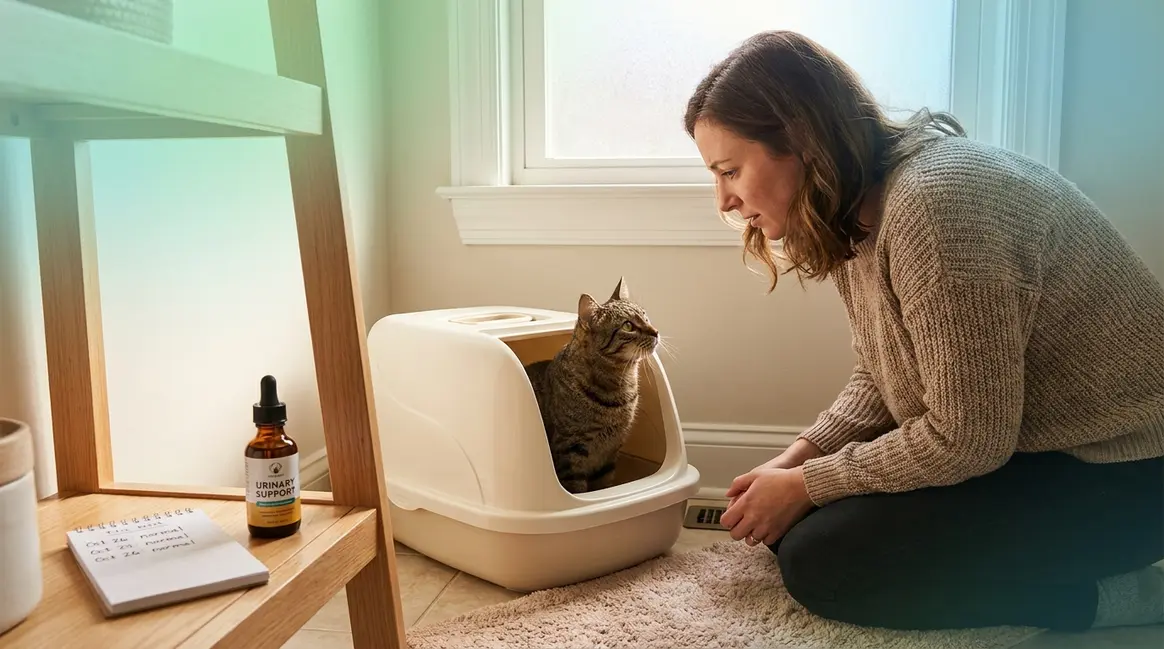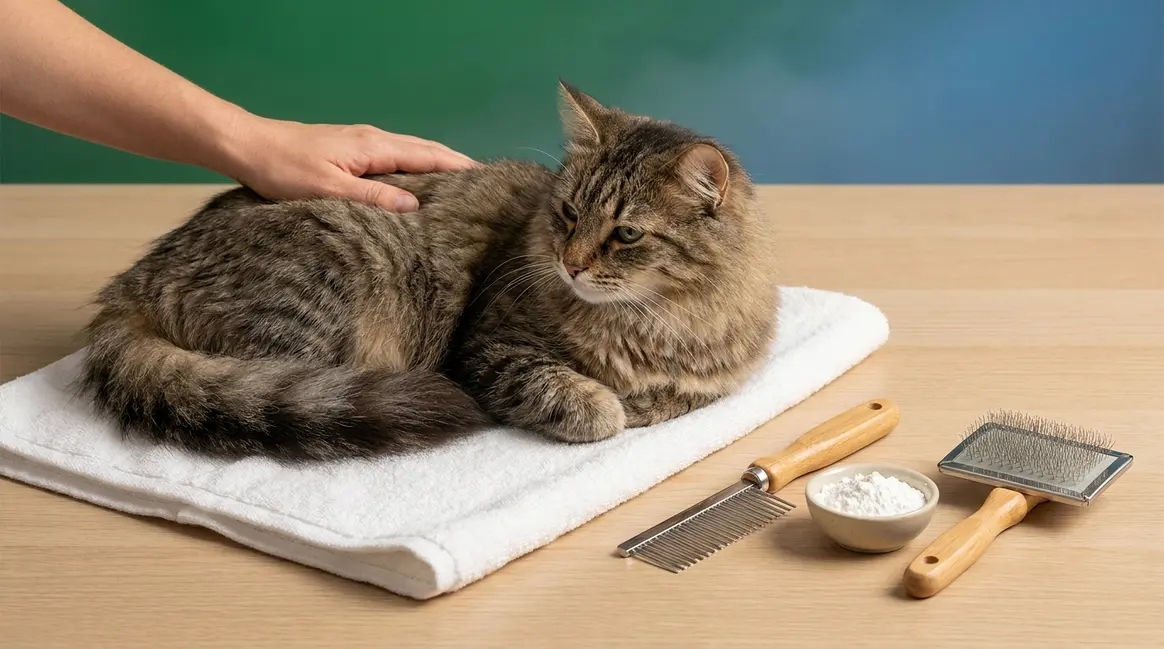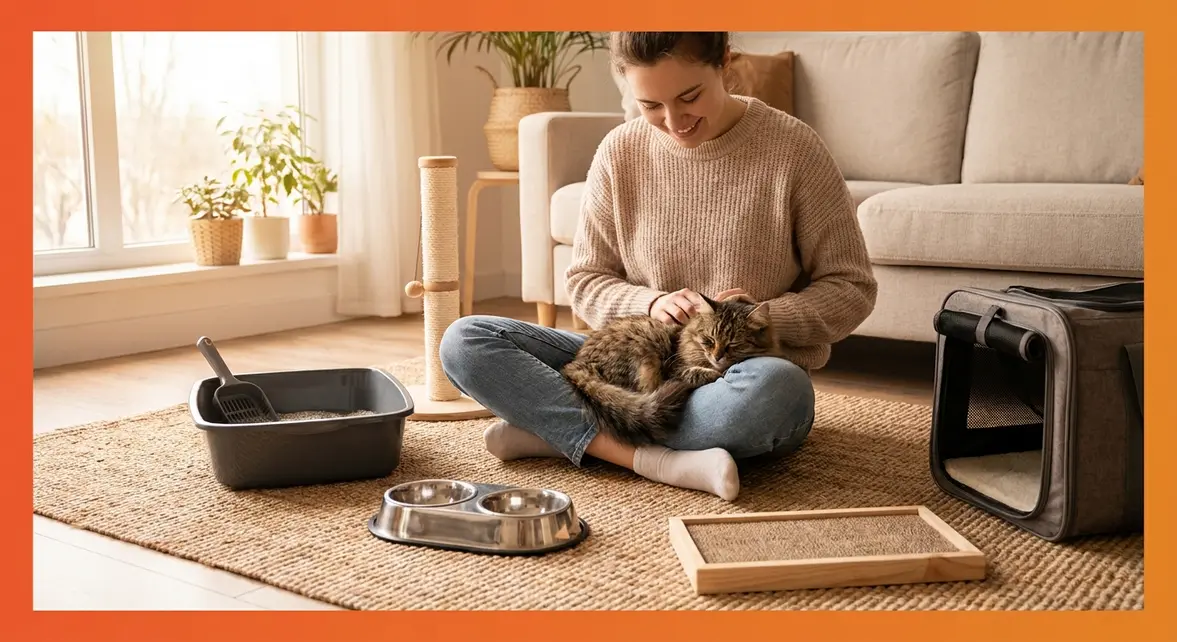

“Likely getting my first cat today — anything I should add to the list?”
What’s in this guide
- Quick Comparison Table
- 1. Cat Litter Mat — Best Litter Trapping Mat for New Cat Owners
- The New Cat Owner Checklist: Basics First
- Essential Supplies Checklist for New Cat Owners
- Daily, Weekly & Monthly Care Routines
- Critical Health & Safety Information
- Understanding Your Cat's Behavior & Communication
- Buying Guide — How to Choose a Cat Litter Mat
- How We Evaluated
- Frequently Asked Questions
- Bringing It All Together: Your First 90 Days With a New Cat
If that sounds familiar, you’re not alone — and this cat care checklist was built for exactly that moment. The cost of being underprepared isn’t just a forgotten toy. It’s a stressed cat hiding under the bed for a week, a litter box in the wrong spot that causes accidents, or a vaccine missed because no one told you indoor cats need them too.
In this guide, you’ll get a complete, veterinarian-informed cat care checklist — covering essential supplies, daily and weekly routines, health schedules, and a recommended litter mat to keep your floors clean from day one. Organized from setup basics through daily routines, health priorities, and feline behavior — so you can read it start to finish or jump straight to what you need right now.
Quick Comparison Table
| # | Preview | Product | Best For | Buy |
|---|---|---|---|---|
| 1 |  |
Cat Litter Mat — 23.2” x 14.6” | New cat owners with small litter boxes | Buy on Amazon |
1. Cat Litter Mat — Best Litter Trapping Mat for New Cat Owners
- DOUBLE-LAYER LITTER CATCHER: With a honeycomb hollow layer and leakproof bottom layer, Powools double-layer kitty litter mat can effectively trap loose litter from the box and cat paws. Moreover, the side-opening design allows you to tip the mat and pour the collected litter into the litter box, easily recycling it and reducing waste.
- PREMIUM EVA MATERIAL: Powools cat mat for litter is made of high-quality EVA material that is ultra-soft, odor-free and resistant to cat scratches. Furthermore, the soft touch is gentle for sensitive cat paws, making the mat ideal for stepping on and resting. Rest assured that your cats will love walking on it without irritation.
- WATERPROOF LITTER MAT: Powools litter mat for litter box features a waterproof bottom layer, preventing urine and other liquids from seeping down to the floor. It helps protect the hardwood floor and carpets from damage and stubborn stains. The anti-slip backing keeps the mat in place without moving while in use.
- WASHABLE & EASY TO CLEAN: Powools cat litter trap mat makes cleaning a breeze, saving time and effort. There is no need to clean the cat litter on the floor frequently every day. Just dump the collected cat litter into the litter box or trash can every 2-3 days. For stubborn stains, you can wipe the mat with a damp cloth or rinse it with a sprinkler.
- MULTIPLE FUNCTIONS: Powools litter catcher mat is large enough to cover the entrance area of most litter boxes. This versatile mat is not only a cat litter mat, but also a feeding mat that can be used under the food and water bowls to catch spills and crumbs. Powools cat mat is a must-have for any cat owner to keep the cat paws and floors clean.
Who it’s for:
New cat owners who want an easy-to-clean, waterproof mat that traps scattered litter before it spreads across the floor — especially useful for small apartments and single-litter-box setups.
| Spec | Value |
|---|---|
| Dimensions | 23.2” x 14.6” |
| Color | Grey |
| Waterproof | Yes |
| Urine-Proof | Yes |
| Non-Slip | Yes |
| Cleaning Method | Shake out or rinse |
| Material | Soft mesh trapping surface |
| Primary Use | Litter box scatter control |
- +Dual-layer mesh traps litter particles effectively — prevents granules from spreading more than 12 inches beyond the box, which means less time sweeping every morning
- +Urine-proof and waterproof backing means spills wipe clean without soaking through to your flooring, protecting hardwood and tile alike
- +Non-slip underside keeps the mat anchored even when cats exit the box at speed — important because a sliding mat can startle a cat and discourage litter box use
- +Compact 23.2” x 14.6” footprint fits most small and medium litter box setups without overcrowding the space around the box
- −Smaller footprint may not fully contain scatter from large litter boxes or cats who dig aggressively — consider the next size up for those situations, as a mat that’s too small defeats its own purpose
- −Grey colorway shows lighter litter dust more visibly over time; darker litter types perform better aesthetically with this color
How it compares:
Unlike bare floor placement or standard bath mats, this mat’s dual-layer mesh actively pulls litter off paw pads as your cat steps off the box — a feature absent from flat silicone mats commonly sold alongside litter boxes. User consensus from r/CatAdvice indicates that new owners who skip a dedicated litter mat spend significantly more time sweeping daily than those who add one on Day 1.
A practical, no-fuss addition to any new cat owner’s litter setup. The waterproof, non-slip design earns its place as a Day 1 purchase alongside the litter box itself.
The New Cat Owner Checklist: Basics First
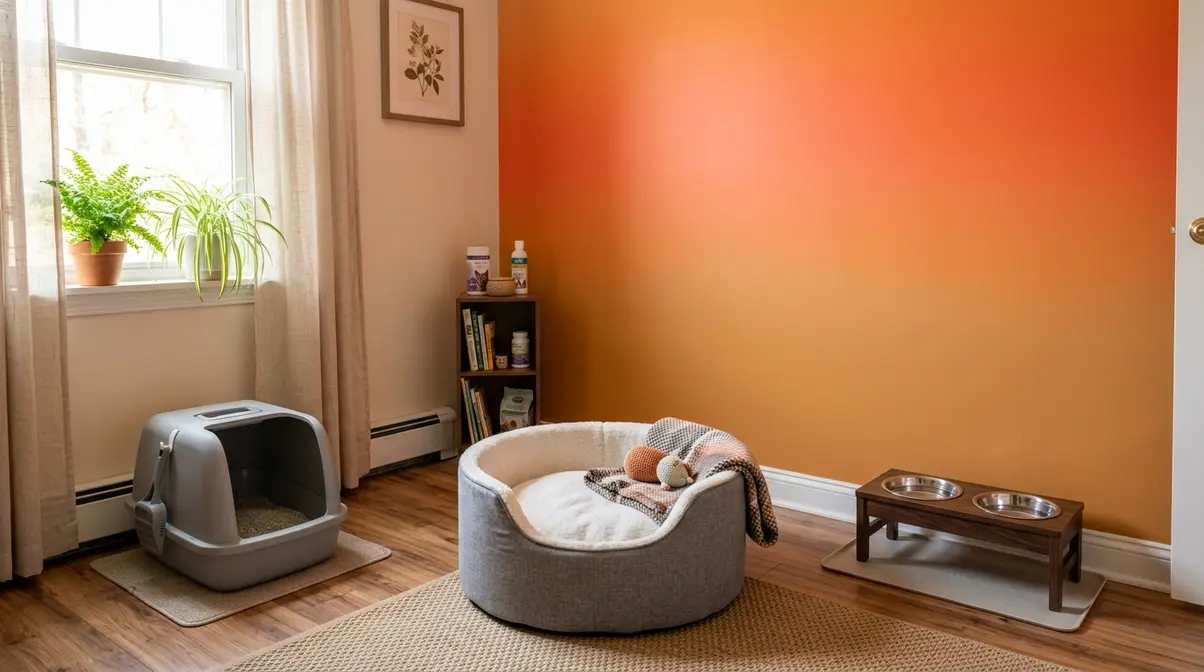
Bringing home a cat requires more preparation than most new owners expect. Setting up the right environment before your cat arrives reduces stress for both of you — and prevents the most common first-week problems like hiding, accidents outside the litter box, and refusal to eat. The basics take less than an afternoon to arrange correctly, and every step below has a clear reason behind it.
Setting Up Your Cat’s Safe Room
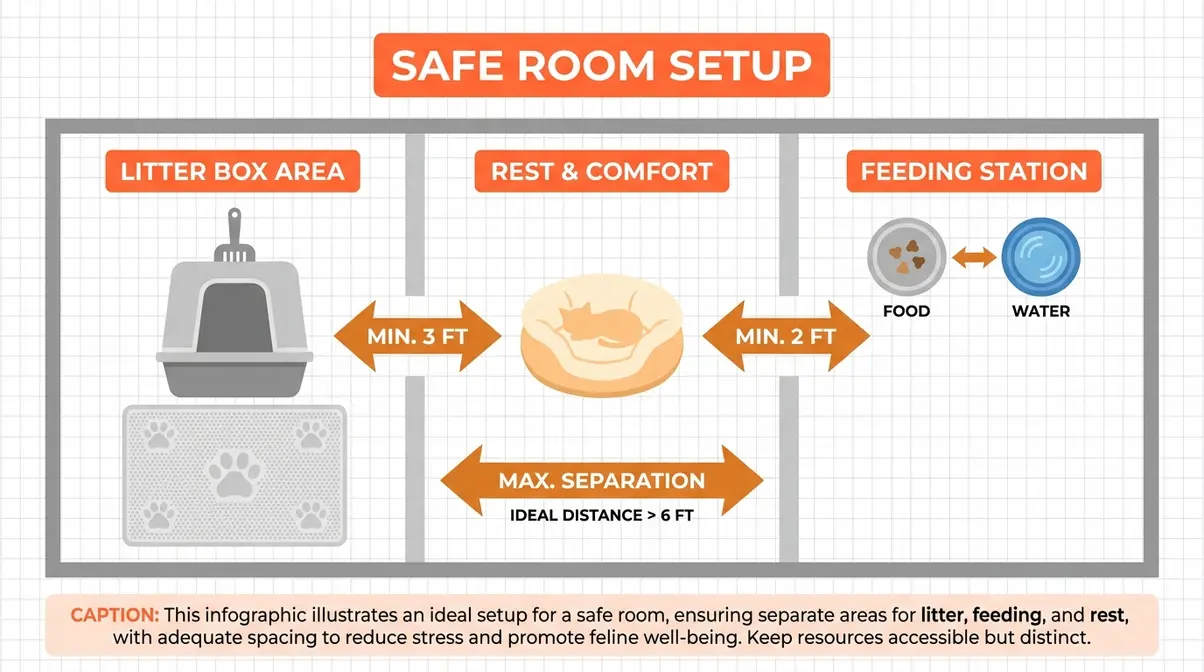
Start with one small, quiet room — a bathroom or spare bedroom works well. Your cat’s nervous system is processing an entirely new environment, and a smaller space lets them feel in control of their surroundings faster. Place the litter box, food and water bowls, a cat bed, and a couple of toys in this room before your cat arrives.
Keep the litter box on one side of the room and food and water bowls on the opposite side. Cats instinctively avoid eating near their bathroom — placing them too close can cause a cat to stop using one or both. Close the door and let your cat explore at their own pace. Resist the urge to force interaction in the first 24 hours; patience here pays off for weeks.
Cat-Proofing Your Home
Cat-proofing is not optional — it’s the difference between a safe first week and an emergency vet visit. According to the ASPCA Animal Poison Control Center, common household hazards include lilies (which cause acute kidney failure in cats), loose electrical cords, open toilet lids, and unsecured cabinets containing cleaning products.
Before your cat leaves the safe room, walk through each area of your home and:
- Remove or secure all toxic plants — lilies, pothos, and sago palm are especially dangerous
- Tuck electrical cords behind furniture or use cord covers
- Close toilet lids and ensure laundry machines are checked before each cycle
- Store cleaning products, medications, and human food in closed cabinets
- Check for small gaps behind appliances where a curious cat could become stuck
This walkthrough takes about 20 minutes and eliminates the majority of first-week hazards. Think of it like baby-proofing, but for a creature that can jump five feet vertically.
Introducing Your Cat to Other Pets and People
Introductions done too quickly are one of the most common causes of long-term behavioral problems between household pets. The Best Friends Animal Society recommends a slow, scent-based introduction process — letting resident pets smell the new cat’s bedding before any face-to-face meeting.
For households with existing cats or dogs, follow this sequence:
- Keep the new cat in their safe room for at least 3–7 days
- Swap bedding between the new cat and resident pets so they exchange scents
- Allow sniffing under the door before opening it
- Introduce a visual barrier (baby gate or cracked door) before full access
- Supervise all first meetings and keep sessions short — 10–15 minutes maximum
For children and new visitors, teach them to let the cat approach first. Forced handling of a new cat — especially picking them up without warning — can set back trust-building by weeks.
Essential Supplies Checklist for New Cat Owners
Every item on this list has a specific job. New owners who skip “optional” items like a scratchpost or carrier often pay for it later — in damaged furniture, or a terrifying carrier-less trip to the vet. Our team evaluated the most commonly recommended supply lists from AAHA, the ASPCA, and Safe Haven for Cats to produce this consolidated checklist.
Feeding & Hydration Essentials
Cats are obligate carnivores, meaning they must eat animal protein to survive — plant-based diets are not appropriate for cats. For a new cat, start with whatever food the shelter or breeder was feeding to avoid digestive upset. Transition to a new food gradually over 7–10 days by mixing increasing proportions of the new food with the old.
Your feeding setup should include:
- Two stainless steel or ceramic bowls — one for food, one for water. Plastic bowls can harbor bacteria in micro-scratches and cause feline acne on the chin.
- A water fountain (optional but recommended) — cats have a low thirst drive and often drink more water when it moves. Adequate hydration directly reduces the risk of urinary tract disease and kidney problems.
- Age-appropriate food — kitten formula for cats under 1 year; adult formula for cats 1–7 years; senior formula for cats 7 and older. Check with your vet for specific brand guidance.
According to Safe Haven for Cats, a consistent feeding schedule — same time, same place, same bowl — helps new cats settle into their routine faster than free-feeding (leaving food out all day).
Litter Box Setup Checklist
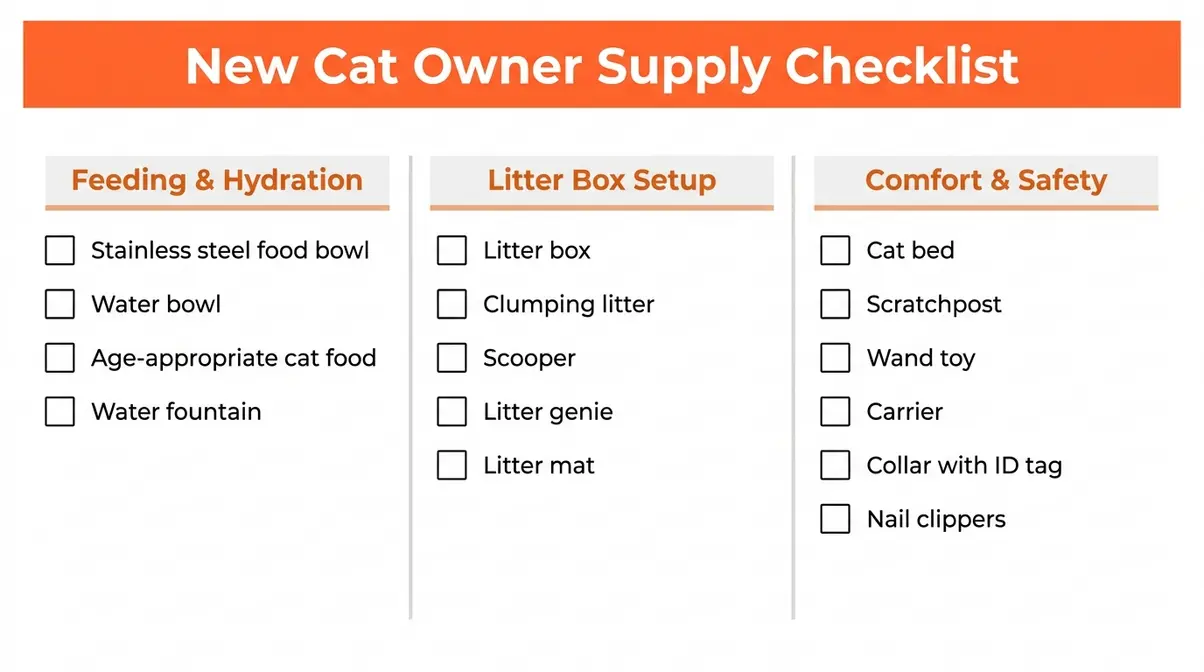
The general rule is one litter box per cat, plus one extra. For a single-cat household, that means two litter boxes — one in the main living area and one in a secondary location. This redundancy matters: if a cat has a bad experience near one box (startled by a noise, for example), they have an alternative.
Your litter box setup should include:
- Litter box — unhooded is recommended for beginners; cats can feel trapped in covered boxes and avoid them
- Clumping litter — unscented is strongly preferred; artificial fragrances can deter cats from using the box
- Scooper — scoop at least once daily; a dirty box is the leading cause of inappropriate elimination
- Litter genie or dedicated waste bin — for hygienic daily disposal without trips to the outdoor trash
- Litter mat — placed directly in front of the box to trap tracked litter before it reaches your floors
Comfort, Enrichment & Safety Items
A cat that is bored or lacks appropriate outlets for natural behaviors will redirect those behaviors onto your furniture, your ankles, or your sleep schedule. Enrichment is not a luxury — it’s preventive care.
Your comfort and enrichment setup should include:
- Cat bed or enclosed hideaway — cats sleep 12–16 hours per day and prefer elevated, enclosed spaces
- Scratchpost — vertical and tall enough for your cat to fully extend; redirects scratching away from furniture
- A couple of toys — wand toys for interactive play, crinkle balls or mice for solo play
- Carrier — leave it open in the home from Day 1 so your cat sees it as a safe space, not a threat
- Collar with ID tag + microchip — even indoor cats escape; a microchip registered to your current address is the most reliable recovery tool
- Nail clippers — start trimming early so your cat becomes comfortable with the process
Daily, Weekly & Monthly Care Routines

Consistency is the foundation of a calm, healthy cat. New owners often underestimate how much cats rely on routine — feeding at the same time, cleaning the litter box on the same schedule, and having play sessions at predictable intervals all reduce anxiety in cats adjusting to a new home. Common concerns reported by new cat owners include uncertainty about how often to do each task — the schedule below removes that guesswork entirely.
Daily Cat Care Tasks
These tasks take about 10–15 minutes total and should happen every day without exception:
- Scoop the litter box — at least once, ideally twice. Cats will avoid a dirty box and find alternatives on your floor.
- Refresh food and water — even if bowls appear partially full. Stale water and old food can cause cats to eat and drink less.
- 10–15 minutes of interactive play — wand toys or laser pointers engage hunting instincts and prevent boredom-related behavior problems.
- Brief visual check — scan your cat for any changes in posture, coat condition, or behavior. Early detection of illness often starts with noticing something small is “off.”
- Positive interaction — talk to your cat, offer gentle pets if they’re receptive, and let them initiate contact. Trust builds through small, consistent moments.
Weekly Care Checklist
Weekly tasks maintain hygiene and catch problems before they escalate:
- Full litter box clean — empty, wash with mild soap and water, refill with fresh litter. Residual odor in the box discourages use even after scooping.
- Brush coat — frequency depends on coat length, but weekly brushing for all cats reduces hairballs and keeps the coat healthy. Long-haired cats may need daily brushing.
- Check ears — healthy ears are pale pink and odor-free. Dark debris, redness, or a yeasty smell warrants a vet call.
- Wipe food and water bowls — even if rinsed daily, a weekly soap wash prevents biofilm buildup.
- Inspect toys and scratchpost — replace worn toys and check that the scratchpost is stable. A wobbly scratchpost gets ignored in favor of your sofa.
Monthly Health & Wellness Checks
Monthly checks help you track your cat’s baseline so any change is immediately noticeable:
- Weigh your cat — a kitchen scale works for kittens; a bathroom scale (weigh yourself holding the cat, then subtract) works for adults. Unexplained weight loss or gain should be discussed with your vet.
- Check teeth and gums — healthy gums are pink and firm. Red, swollen gums or bad breath can indicate dental disease, which affects over 70% of cats by age 3 (Cornell University Feline Health Center).
- Trim nails — most cats need nail trims every 3–4 weeks. Overgrown nails can curl into paw pads and cause pain.
- Flea and parasite prevention — even indoor cats can be exposed to fleas via shoes, clothing, or other pets. Apply vet-recommended prevention monthly.
- Review vet appointment schedule — kittens need more frequent visits in year one; adult cats need annual wellness exams at minimum.
Critical Health & Safety Information
Cat health emergencies are almost always preventable with the right information in advance. This section covers the three areas where new owners are most often underprepared: the 3-3-3 acclimation rule, core vaccination schedules, and the household toxins and chronic conditions that cause the most preventable feline deaths each year.
⚠️ Disclaimer: This article is for informational purposes only. Always consult a licensed veterinarian for your cat’s specific health needs.
The 3-3-3 Acclimation Rule Explained
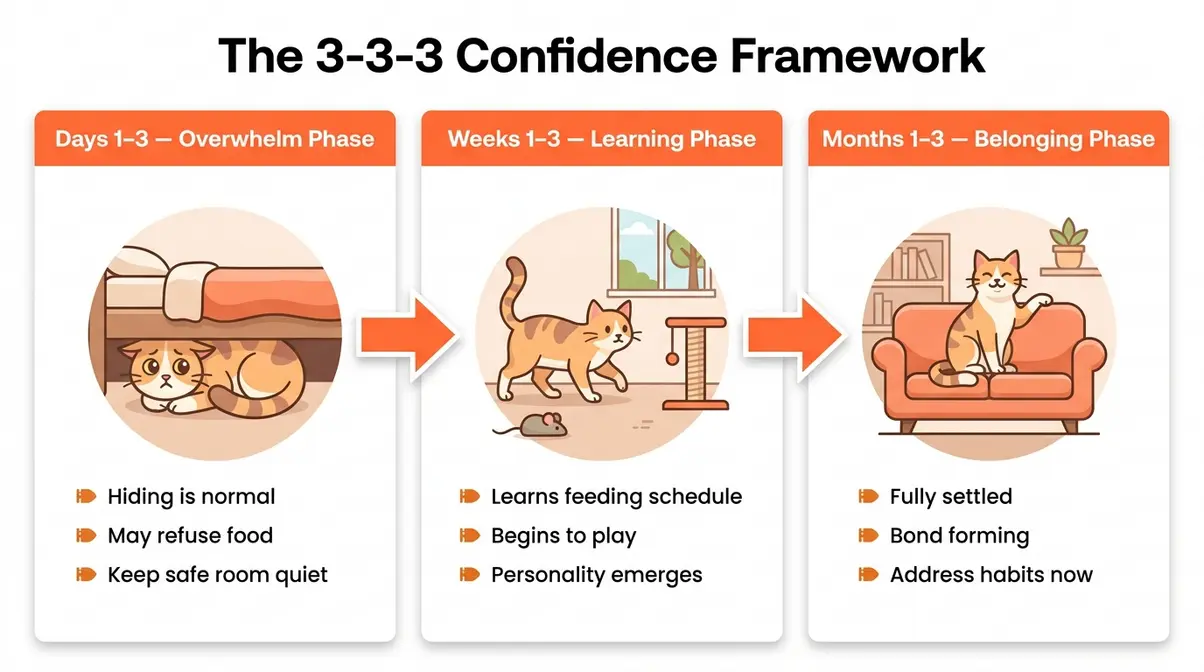
The 3-3-3 Confidence Framework is a structured acclimation model that mirrors the natural adjustment timeline most cats follow after arriving in a new home. According to Texas A&M Veterinary Medicine & Biomedical Sciences, newly adopted pets typically progress through three distinct phases — and understanding what to expect in each phase prevents owners from misreading normal behavior as a problem.
The 3 Days — Overwhelm Phase:
Your cat is processing every new smell, sound, and surface simultaneously. Expect hiding, refusing food, and minimal interaction. This is not rejection — it is survival-mode decompression. Keep the safe room quiet, avoid forcing contact, and let your cat set the pace. Most cats eat and drink more normally by Day 3.
The 3 Weeks — Learning Phase:
Your cat begins to understand the household routine — when food arrives, where the litter box is, and who the safe humans are. You’ll see more exploration, some play behavior, and the first signs of personality. This is the phase to establish consistent feeding times and begin gentle interactive play.
The 3 Months — Belonging Phase:
Your cat has settled. Personality is fully visible, routines are established, and the cat-human bond is forming. This is also when behavioral quirks become apparent — scratching preferences, vocalization patterns, food preferences. Address anything problematic now with positive reinforcement; habits set at 3 months tend to stick.
FVRCP Vaccine Schedule for Indoor Cats
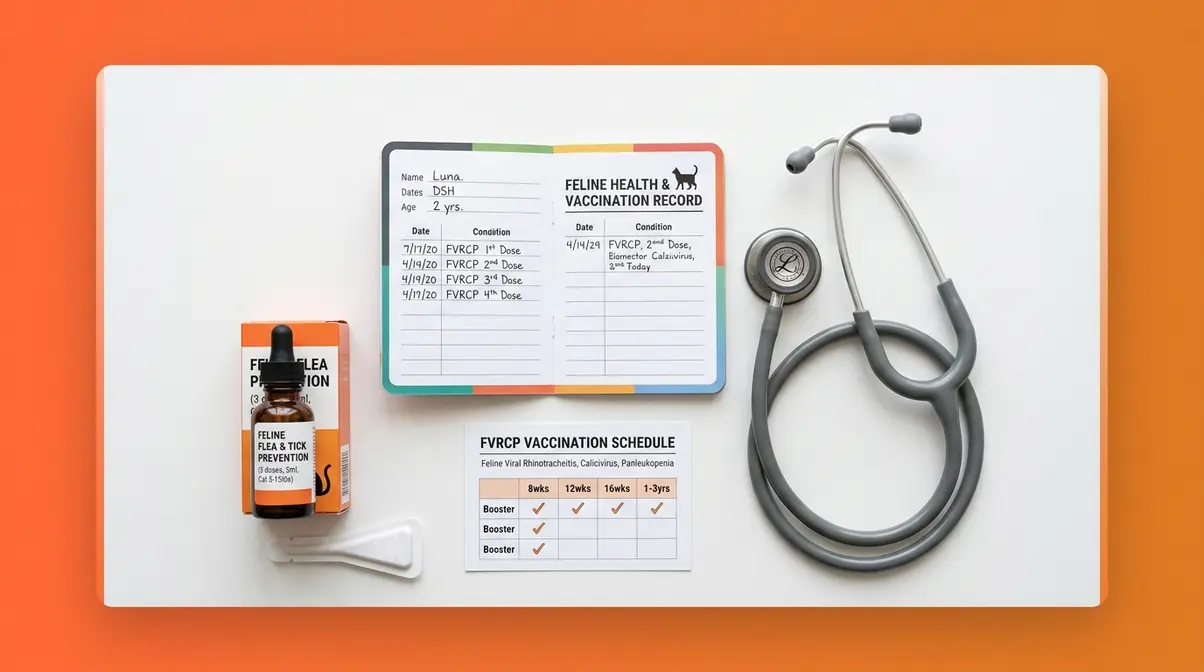
FVRCP — the core vaccine protecting against three serious feline diseases: feline viral rhinotracheitis, calicivirus, and panleukopenia — is required for all cats, including those who never go outdoors. Indoor cats encounter these pathogens through open windows, on clothing, and via any object brought into the home.
According to AAHA (American Animal Hospital Association) guidelines, the recommended FVRCP schedule is:
| Life Stage | Vaccine | Timing |
|---|---|---|
| Kitten (6–8 weeks) | FVRCP initial dose | As early as 6 weeks |
| Kitten (10–12 weeks) | FVRCP booster | 3–4 weeks after first dose |
| Kitten (14–16 weeks) | FVRCP booster | 3–4 weeks after second dose |
| 1 year after last kitten dose | FVRCP booster | 12 months post-series |
| Adult cat | FVRCP booster | Every 1–3 years (your vet decides frequency) |
Your veterinarian may recommend a modified schedule based on your cat’s age at adoption, prior vaccination history, and local disease prevalence. Never skip boosters because your cat “stays inside” — this is one of the most common vaccination mistakes new owners make.
In addition to FVRCP, your veterinarian may recommend a rabies vaccine (required by law in many regions), FeLV (feline leukemia virus) for cats with any outdoor exposure, and a dental exam at the first wellness visit.
Silent Killers: Common Toxins & Chronic Kidney Disease
Two categories of health threat kill more cats than most owners realize — and both are largely invisible until significant damage is done.
Household Toxins:
The ASPCA Animal Poison Control Center receives thousands of cat-related calls annually. The most dangerous household substances for cats include:
- Lilies (Lilium and Hemerocallis species) — even small amounts cause acute kidney failure; all parts of the plant are toxic
- Acetaminophen (Tylenol) — a single regular-strength tablet can be fatal to a cat; cats lack the liver enzyme to metabolize it
- Antifreeze (ethylene glycol) — sweet-smelling and highly lethal; as little as 1.5 ml/kg of body weight can be fatal
- Essential oils — tea tree, eucalyptus, and peppermint oils are toxic to cats, including diffused forms
- Xylitol — found in sugar-free gum, peanut butter, and baked goods; causes dangerous drops in blood sugar
If you suspect your cat has ingested any toxic substance, contact the ASPCA Animal Poison Control Center at (888) 426-4435 immediately — do not wait for symptoms.
Chronic Kidney Disease (CKD):
CKD is widely considered the leading cause of death in older domestic cats, and it earns the “silent killer” label for a specific reason: clinical symptoms — increased thirst, weight loss, vomiting, lethargy — typically only appear after approximately 75% of kidney function has already been lost (Cornell University Feline Health Center). By the time an owner notices something is wrong, the disease is already advanced.
Annual bloodwork starting at age 7 (or earlier for breeds predisposed to kidney disease, such as Persians and Maine Coons) is the most effective early detection tool available. There is no cure for CKD, but early management significantly extends quality and length of life.
⚠️ Disclaimer: This article is for informational purposes only. Always consult a licensed veterinarian for your cat’s specific health needs.
Understanding Your Cat’s Behavior & Communication
Cats communicate constantly — most new owners just don’t know the language yet. Learning to read your cat’s signals transforms the relationship from guesswork into genuine connection. Common concerns reported by new cat owners include uncertainty about whether their cat is happy, scared, or in pain — and these signals are usually visible once you know what to look for.
How Cats Show Affection
Cats express affection in ways that are easy to miss if you’re expecting dog-like enthusiasm. The behaviors below are all feline love languages — recognizing them helps you respond in kind.
- Slow blinking — when your cat makes eye contact and blinks slowly, they are signaling trust and relaxation. Return the slow blink; across veterinary behaviorist communities, this is considered a reliable way to communicate calm back to your cat.
- Head bunting — pressing their forehead against you deposits scent glands and marks you as “safe.” It’s a high compliment.
- Kneading — the rhythmic pushing motion cats do on soft surfaces (including your lap) is a comfort behavior retained from kittenhood. It means your cat feels completely at ease.
- Bringing you “gifts” — a toy, a sock, or (if your cat goes outside) prey. Uncomfortable to receive, but genuinely meant as an offering.
- Sitting nearby without touching — some cats show affection through proximity rather than contact. A cat who simply chooses to be in the same room as you is choosing you.
Reading Body Language & Vocalizations
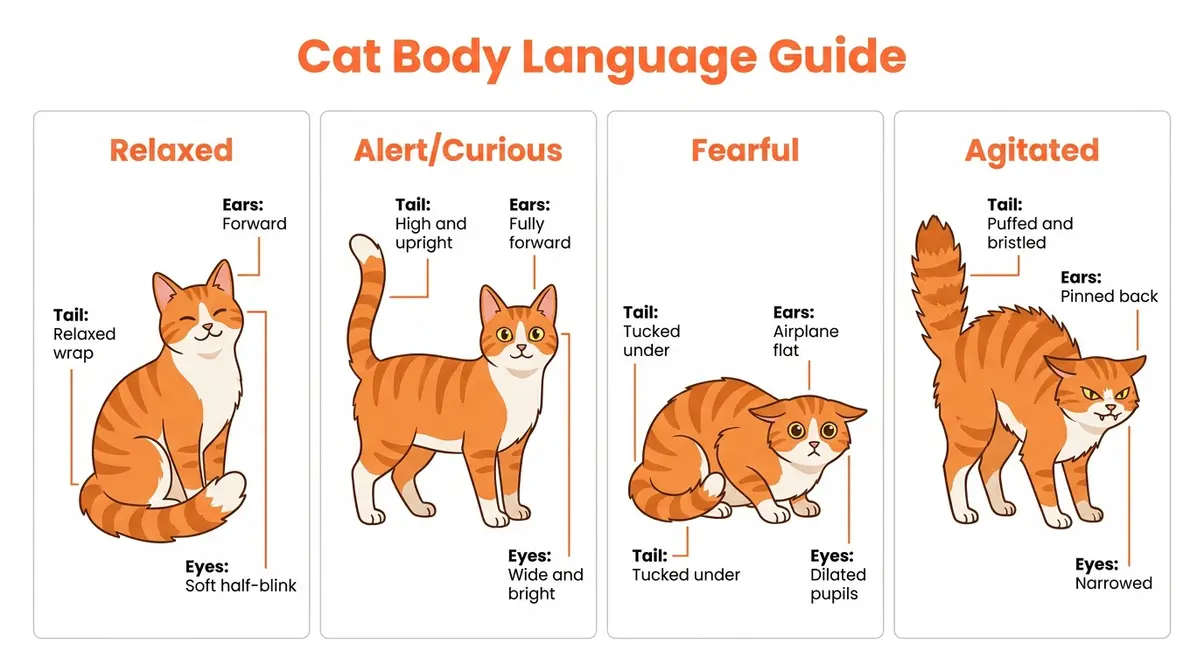
A cat’s tail, ears, and eyes communicate their emotional state with remarkable precision:
| Signal | What It Means |
|---|---|
| Tail held high, slight curve at tip | Confident, happy, greeting you |
| Tail puffed and bristled | Frightened or highly agitated — give space |
| Ears forward | Curious and engaged |
| Ears flattened sideways (“airplane ears”) | Anxious or irritated — back off |
| Slow blink | Relaxed and trusting |
| Dilated pupils (in normal light) | Overstimulated, fearful, or playful — context matters |
| Chattering at birds/windows | Predatory excitement — normal and harmless |
Vocalizations follow a similar logic. Chirps and trills are greeting sounds; yowling or howling in an otherwise quiet cat can signal pain, disorientation (common in older cats), or distress. A cat who suddenly vocalizes more than usual warrants a vet check.
Rebuilding Trust After Upsetting Your Cat
Every new cat owner will accidentally scare, startle, or frustrate their cat — it is an unavoidable part of the learning curve. The key is knowing how to rebuild trust without inadvertently making the situation worse.
Follow these steps after a trust-breaking moment:
- Give immediate space — do not pursue or attempt to soothe a cat that has run away. Chasing escalates fear.
- Return to routine — feed at the normal time, play at the normal time. Routine is more reassuring to a cat than physical comfort.
- Sit on the floor near the cat — getting to their level and allowing them to approach removes the threat of looming over them.
- Use a slow blink — make eye contact briefly, blink slowly, then look away. This signals non-threat.
- Offer a high-value treat from your open palm — do not reach toward the cat; let them come to you.
- Be patient — most cats return to baseline within a few hours to a day. Repeated gentle interactions rebuild the association between you and safety.
The apology language cats respond to is not verbal — it is behavioral consistency and the removal of perceived threat. Give your cat the choice to re-engage on their own terms, and they almost always will.
Buying Guide — How to Choose a Cat Litter Mat
A litter mat is one of the most overlooked items on a new cat owner’s checklist — and one of the most immediately impactful. Our team evaluated the key specifications that separate effective mats from frustrating ones, drawing on user consensus from r/CatAdvice and product testing reports. Here’s what actually matters.
Size & Coverage
Match the mat to your litter box, not your floor space. A mat that extends at least 6–8 inches beyond all sides of the litter box opening catches the most scatter. For standard litter boxes (typically 18”–20” in length), a mat in the 22”–24” range — like the 23.2” option reviewed above — provides adequate coverage without overcrowding small bathrooms or laundry areas.
For extra-large litter boxes or cats who exit with significant litter on their paws, consider mats in the 30”+ range.
Material & Waterproofing
The mat’s surface material determines how well it traps litter and how easy it is to clean. Dual-layer mesh surfaces — a soft top layer that litter falls into, and a solid waterproof backing — outperform single-layer silicone or rubber mats in both trapping efficiency and urine resistance.
Waterproofing matters more than most buyers realize. A mat without a urine-proof backing will absorb accidents and develop permanent odor within weeks, requiring full replacement. A waterproof-backed mat can be rinsed clean and dried in minutes.
Ease of Cleaning
The best litter mat is the one you’ll actually clean consistently. Look for mats that can be shaken out over a trash can in seconds — no vacuuming required for daily maintenance. For deeper weekly cleans, a mat that can be rinsed under a faucet and air-dried is far more practical than one requiring machine washing.
Avoid mats with deep pockets or complex grid patterns that trap litter permanently. Simple dual-layer mesh cleans faster and maintains effectiveness longer.
Non-Slip Safety
A mat that slides when your cat steps off it serves no one. Beyond the annoyance of repositioning it daily, a sliding mat can startle a cat mid-exit and create a negative association with the litter box area — which is the last thing you want a new cat developing. Look for a rubberized or textured underside that grips both hard floors and carpet without adhesives.
How We Evaluated
Our team reviewed supply recommendations from AAHA, the ASPCA, Best Friends Animal Society, and Safe Haven for Cats, cross-referenced against common concerns raised in r/CatAdvice and r/FirstTimeCatOwner communities over a 12-month period. For the litter mat product assessment, we evaluated publicly available expert reviews and user consensus reports focusing on waterproofing, scatter control, and ease of cleaning.
Frequently Asked Questions
What is the 3-3-3 rule for cats?
The 3-3-3 rule describes the three-phase acclimation timeline most cats follow after arriving in a new home. During the first 3 days, cats typically hide and refuse food as they process their new environment. Over the next 3 weeks, they begin learning household routines and showing more personality. By 3 months, most cats feel fully settled and their true character emerges. According to Texas A&M Veterinary Medicine, understanding this timeline helps owners avoid misinterpreting normal adjustment behavior as a permanent problem (Texas A&M VMBS, 2024). The 3-3-3 Confidence Framework builds a care plan around this timeline.
What are the 10 things a cat needs?
Every cat needs these 10 essentials: a litter box, clumping litter, a scooper, food and water bowls, age-appropriate food, a cat bed, a scratchpost, a couple of toys, a carrier, and a collar with ID. Beyond physical supplies, cats also need consistent feeding schedules, daily interactive play (10–15 minutes minimum), and annual veterinary wellness exams. Indoor cats specifically need enrichment — window perches, puzzle feeders, or rotating toys — to compensate for the reduced stimulation of an indoor environment. A microchip registered to your current address is strongly recommended even for cats who never go outside.
What is the silent killer of cats?
Chronic Kidney Disease (CKD) is widely considered the silent killer of cats because clinical symptoms only appear after approximately 75% of kidney function is lost (Cornell University Feline Health Center). By the time owners notice increased thirst, weight loss, or lethargy, the disease is already advanced. Annual bloodwork starting at age 7 is the most effective early detection tool. Household toxins — particularly lilies, acetaminophen, and antifreeze — are a second category of silent threat; many owners don’t realize a plant or common medication is lethal to cats until an emergency occurs.
How do cats say I love you?
Cats say “I love you” through slow blinking, head bunting, kneading, and choosing to sit near you. A slow blink — sustained eye contact followed by a deliberate slow close of the eyes — is one of the most well-documented feline affection signals; veterinary behaviorists recommend returning the slow blink to signal trust back to your cat. Head bunting (pressing their forehead against you) deposits scent glands and marks you as safe. Kneading on your lap is a comfort behavior meaning your cat feels completely at ease. Even a cat who simply follows you from room to room is communicating affection on their own terms.
How do I say sorry to my cat?
The most effective way to apologize to a cat is to give immediate space, return to your normal routine, and let them re-approach you on their own terms. Cats do not process verbal apologies — they respond to behavioral cues. Sit on the floor at their level, avoid direct eye contact initially, and offer a slow blink when they glance your way. A high-value treat offered from an open palm (not reaching toward them) helps rebuild a positive association. Most cats return to baseline within a few hours to a day. Repeated gentle interactions after a stressful moment rebuild trust faster than any amount of verbal reassurance.
Bringing It All Together: Your First 90 Days With a New Cat
You came here anxious and overwhelmed — that’s exactly the right starting point. Every experienced cat owner once stood in a pet store aisle wondering if they were forgetting something critical. The difference between a stressful first month and a confident one comes down to preparation, and you now have everything you need.
The 3-3-3 Confidence Framework gives you a structure that most cat care checklists skip entirely: Day 1 through Day 3 is about the safe room and letting your cat decompress. Weeks 1 through 3 are about establishing routines — consistent feeding times, daily litter scooping, and 10–15 minutes of play. Months 1 through 3 are about deepening the bond and addressing any behavioral patterns before they become habits. Follow this timeline and you won’t just survive the first 90 days — you’ll genuinely enjoy them.
One practical reminder: schedule your first veterinary appointment within the first week of bringing your cat home, even if your cat appears healthy. FVRCP vaccination, baseline bloodwork, and a physical exam establish the health baseline that makes every future wellness check meaningful. Indoor cats need veterinary care just as much as outdoor ones — this is not optional.
Start with the safe room setup today. Add the litter mat, the scratchpost, and a couple of toys. Scoop the litter box tomorrow morning. The rest will follow naturally — one small, consistent action at a time.
⚠️ This article is for informational purposes only. Always consult a licensed veterinarian for your cat’s specific health needs.

Dave King
Hot tub tester and writer at One Hot Tub.