
Table of Contents
- Why Breed Matters for Cat Teeth Health
- 9 Veterinarian-Referenced Tips for Persians, Maine Coons & More
- Spot the Red Flags Early: Symptoms, Stats, and Vet Timelines
- Tools, Treats, and Routines That Work
- Breed Quick-Guide: Risk Levels and Care Frequency
- Step-by-Step Brushing Plan Even a Persian Will Tolerate
- Myth-Busting Mini FAQ (Frequently Asked Questions)
- Final Thoughts
This blog post may contain affiliate links. As an Amazon Associate I earn from qualifying purchases.
Breed-Specific Cat Teeth Care: 9 Veterinarian-Referenced Tips for Persians, Maine Coons & More
If you have ever peeked at your cat’s mouth and wondered what on earth is going on in there, you are not alone. Cat teeth look tiny, but they can cause outsized problems if plaque and tartar are left unchecked. When I adopted a sweet Persian named Miso, I learned quickly that flat faces and crowded incisors change the way you brush, the tools you buy, and even how often you check the gumline. At Mad Cat Man, we write the guides I wish I had on day one, organized into clear categories so you can jump straight to breed tips, product picks, and step-by-step routines without the guesswork.
Before we dive in, a quick truth that helps everything click: most dental issues are preventable with consistent home care and the right gear. Data from leading veterinary centers suggests that 50 to 90 percent of cats over four develop dental disease, yet small daily habits move the needle more than heroics. The trick is matching care to your cat’s head shape, personality, and risk level, then repeating it until it becomes second nature. Ready to make brushing less of a wrestling match and more of a routine you both tolerate, maybe even enjoy?
Why Breed Matters for Cat Teeth Health
Breed influences skull shape, which changes how teeth erupt and wear, and that affects how you maintain them. Persians and Exotic Shorthairs have flat faces with shortened jaws that can crowd incisors and twist premolars, creating tight plaque traps where gums get inflamed quickly. Maine Coons, by contrast, have broad jaws that make brushing easier but can hide tartar way back on the big molars you cannot see without lifting the lip. Long, narrow muzzles in Siamese and Oriental breeds sometimes mean tight spacing between canines and incisors where food strands wedge after meals.
While any cat can develop gingivitis, periodontal disease, or tooth resorption, certain conformations raise the stakes for early, thoughtful care. That is why breed-aware routines work so well: they target the places your cat is most likely to gather plaque and they use tools that actually fit the mouth. At Mad Cat Man, our dental guides live alongside breed explainers, gear reviews, and how-to checklists. Each is filed into organized categories so you can go from “I think the breath is off” to “I am brushing nightly with the right brush head” without falling down a search rabbit hole.
9 Veterinarian-Referenced Tips for Persians, Maine Coons & More
These nine tips blend veterinarian-referenced guidance with real-world handling tricks we use with our own cats and fosters. Use them as a menu and pick the ones that fit your cat’s breed, temperament, and your schedule. If your cat already has bleeding gums, a foul smell, or visible tartar, ask your veterinarian about a professional cleaning with dental X-rays [X-radiographs] first, then maintain at home. Small changes stack up fast when you do them daily or at least three to four times a week.
Watch This Helpful Video
To help you better understand cat teeth, we’ve included this informative video from Lindsey Kuzmin. It provides valuable insights and visual demonstrations that complement the written content.
- Persians and Exotic Shorthairs: prioritize the front row. Flat faces often mean crowded incisors that trap plaque in the lower front. Angle a small, soft brush up from below and use tiny circles along the gumline for ten seconds on each side. Add an enzymatic gel at night to reach tight spaces you cannot brush well.
- Maine Coons: work the back molars you cannot see. These gentle giants often tolerate brushing if you go slow and steady. Lift the lip and slide the brush far back with a vertical sweep to catch the big chewing teeth. Follow with a water additive on days you skip, and schedule yearly dental X-rays [X-radiographs] if your veterinarian flags tartar hiding below the gumline.
- Siamese and Orientals: go micro and go gradual. Narrow muzzles benefit from a kitten-sized brush head and extra-soft bristles. Start by letting your cat lick pet-safe paste off the brush for a week, then touch the front teeth only, and build to the sides over two to three weeks. Short, frequent sessions beat long battles every time.
- Ragdolls: leverage the calm to build a habit. Many Ragdolls enjoy handling, which makes them perfect candidates for daily quick brushes. Pair brushing with a predictable cue such as a mat or a specific spot on the couch. Consistent timing creates cooperation and lowers stress for both of you.
- British Shorthairs: mind the cheeks. Those plush cheeks can hide plaque on the upper premolars. Use a finger brush for better control and a gentle swipe just under the gum edge. Add dental wipes for a quick post-dinner clean when you are short on time.
- Sphynx: wipe after meals to beat buildup. With oilier skin and often active sebaceous glands, Sphynx cats can collect more residue around the mouth. Keep unscented dental wipes handy and do a thirty-second wipe after wet meals. A weekly brush plus daily wipes is a realistic combo for busy households.
- Scottish Folds: keep it gentle and brief. Some Folds can have joint discomfort that makes long sessions unpleasant. Use a pea-sized amount of enzymatic paste on a soft brush and limit brushing to under one minute. If your cat turns away, stop on a win rather than push through resistance.
- Bengals: channel energy into chew time. Offer VOHC [Veterinary Oral Health Council] accepted dental treats or textured chew toys after active play, when your Bengal is eager to bite something appropriate. Follow with a thirty-second brush while your cat is still focused and relaxed. Never offer cooked bones, which can splinter and injure the mouth.
- Domestic Shorthair and mixed breeds: anchor to routine. Many mixed-breed cats do well with a simple formula: brush three to four nights a week, use a water additive daily, and check the gumline under bright light every Sunday. Set calendar reminders so maintenance never becomes an afterthought.
Spot the Red Flags Early: Symptoms, Stats, and Vet Timelines
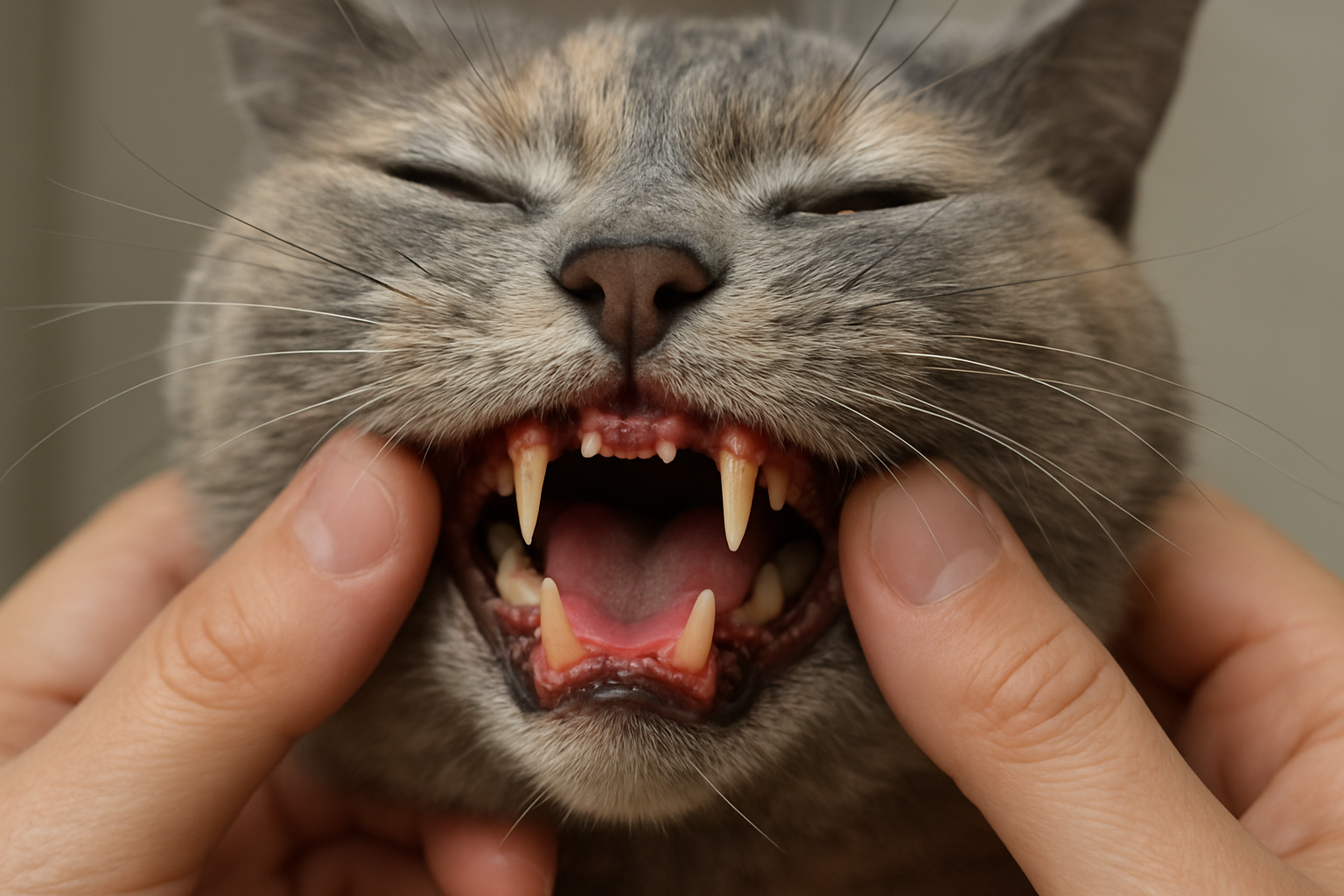
Most cats hide pain, so you have to be a little detective. Watch for red or puffy gums, yellow or brown tartar, a new head shake during meals, or suddenly dropping kibble from the mouth. Excessive drooling, bad breath that makes you pull back, or pawing at the face are classic signs that inflammation is brewing. Large studies from university feline centers estimate that 50 to 90 percent of adult cats develop dental disease, and early detection is the safest, least expensive path to a comfortable mouth.
Here is a quick triage snapshot to help you decide when to call your vet and how urgent it might be. If you notice bleeding or your cat refuses food, that is an urgent same-week appointment. For mild tartar without discomfort, ask your veterinarian about timing a cleaning with dental X-rays [X-radiographs] to catch hidden problems before they escalate. If your cat is under four and already shows gum redness, intensify home care and book a checkup within a month to rule out tooth resorption or stomatitis.
| Sign you notice | What it might mean | When to see the vet |
|---|---|---|
| Bad breath that lingers | Early gingivitis or tartar buildup | Within 2 to 4 weeks for a check and plan |
| Drooling or blood-tinged saliva | Gum inflammation, ulcer, or resorptive lesion | Within 7 days, sooner if not eating |
| Dropping food or chewing on one side | Pain in a molar or fractured tooth | Within 72 hours for pain control |
| Pawing at face or jaw chattering | Tooth sensitivity or oral discomfort | Within 1 week |
| Visible yellow-brown tartar at gumline | Established plaque mineralization | Book a cleaning in the next month |
Tools, Treats, and Routines That Work
There is no single magic product, but a small toolkit that you actually use beats a fancy kit that gathers dust. Start with a soft, small-head toothbrush and an enzymatic toothpaste made for cats. Human toothpaste is a no-go because fluoride can be harmful if swallowed. Add a water additive with the VOHC [Veterinary Oral Health Council] acceptance seal for days you do not brush, and if your cat hates brushes, use a gel you rub along the gumline with a cotton swab and let the enzymes do their job.
If shopping feels overwhelming, Mad Cat Man’s product reviews explain what each item does, who it suits, and how to introduce it without drama. We test gear across budgets, and we organize our picks into clear categories such as Health, Breeds, and Shopping Checklists so you can filter fast. The goal is not a perfect routine, it is a repeatable one that meets your cat where they are. Pick two to three items from the table below as your starter kit and build from there.
| Item | Best for | Pros | Watch-outs |
|---|---|---|---|
| Soft small-head toothbrush | Most breeds, especially Maine Coons and Ragdolls | Reaches back molars, effective plaque removal | Requires training and patience |
| Finger brush | British Shorthair cheeks, beginners | Great control, gentle feel | Can be bulky for tiny mouths |
| Enzymatic toothpaste | All breeds, especially brush-shy cats | Enzymes keep working after brushing | Pet-only paste, never human toothpaste |
| Oral gel | Persians, Scottish Folds, Sphynx | Smear and go, no brush needed | Consistency matters, daily use is key |
| Water additive with VOHC [Veterinary Oral Health Council] | Busy households, cats that refuse brushing | Hands-off support between brushes | Do not replace brushing entirely |
| Dental diet kibble | Crunch lovers, Maine Coons | Mechanical scrubbing action | Calorie control needed for indoor cats |
| Dental treats or chews | Bengals and playful chewers | Behavioral enrichment plus cleaning | Count calories and size appropriately |
| Dental wipes | Sphynx, busy nights, senior cats | Fast and gentle surface clean | Less effective than brushing at the gumline |
Breed Quick-Guide: Risk Levels and Care Frequency
Use this snapshot to tailor your routine. It is not a diagnosis, just a practical starting point that reflects skull shape, common owner reports, and what vets frequently see in clinic. Your cat’s individual health, diet, and stress level still matter more than any breed label. When in doubt, book a wellness exam and ask your veterinarian to score plaque and gingivitis so you can track progress at home with confidence.
| Breed | Relative risk | Common focus areas | Home care frequency | Vet dental check |
|---|---|---|---|---|
| Persian, Exotic Shorthair | Higher | Crowded incisors, tight premolars | Brush daily or 5 days per week | Every 6 to 12 months with X-rays [X-radiographs] as advised |
| Maine Coon | Moderate | Back molars, tartar at gumline | Brush 3 to 4 days per week | Yearly exam, cleaning as needed |
| Siamese, Oriental | Moderate | Incisor spacing, gum sensitivity | Brush 4 to 5 days per week | Yearly exam, ask about early radiographs |
| Ragdoll | Moderate | General plaque prevention | Brush 4 days per week | Yearly exam |
| British Shorthair | Moderate | Upper premolars under cheek | Brush 3 to 4 days per week | Yearly exam |
| Scottish Fold | Variable | Gentle handling, short sessions | Brush 3 days per week plus gel | Yearly exam |
| Sphynx | Higher | Post-meal wipes, gumline hygiene | Wipe daily, brush 2 to 3 days per week | Every 6 to 12 months |
| Bengal | Moderate | Chew enrichment, consistency | Chews daily, brush 3 days per week | Yearly exam |
| Domestic Shorthair or Longhair | Variable | Overall plaque control | Brush 3 to 4 days per week | Yearly exam |
Step-by-Step Brushing Plan Even a Persian Will Tolerate
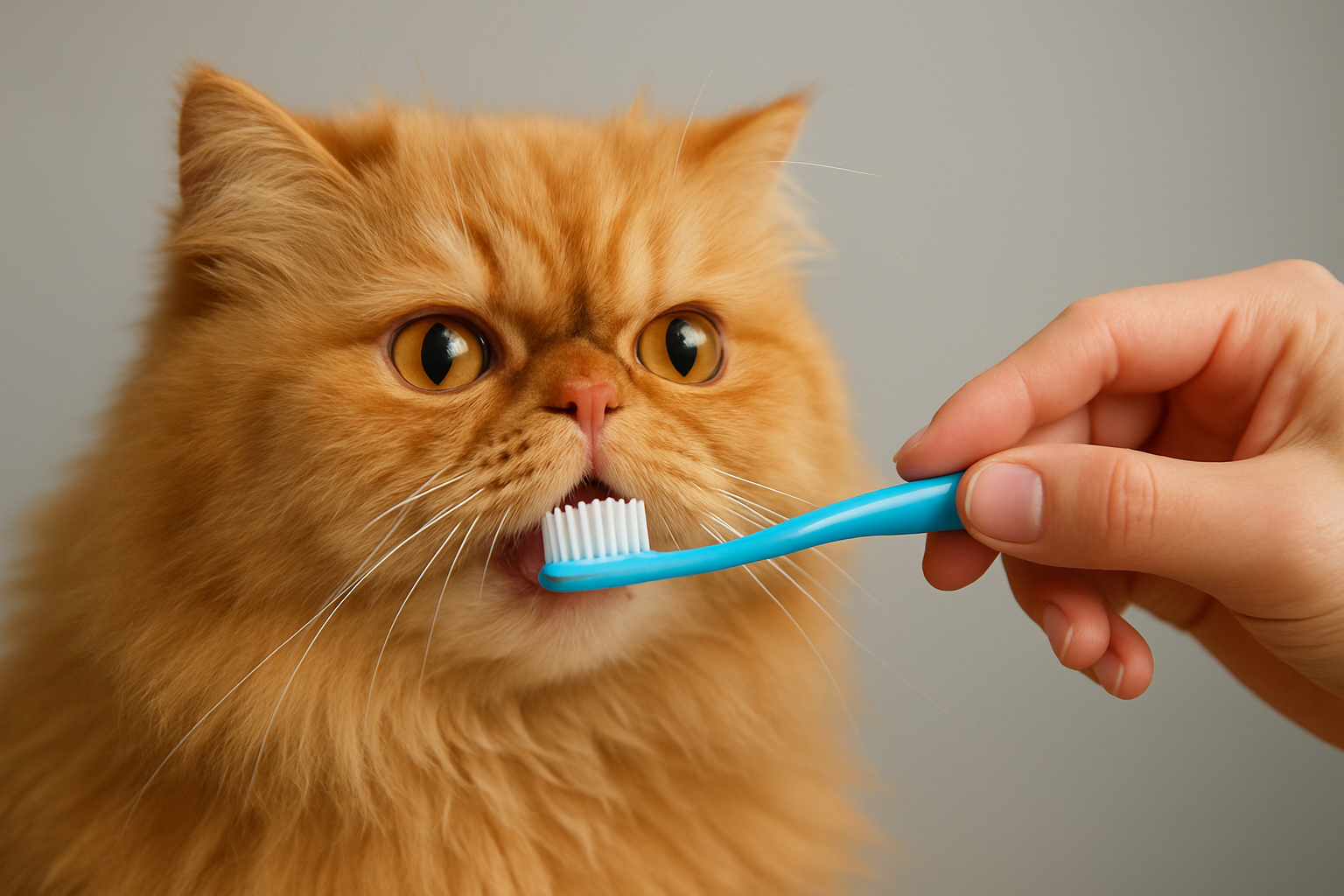
Think of brushing as training a simple behavior in tiny steps. Your cat decides the pace, and your job is to keep sessions short, positive, and easy to win. Use a calm voice, a predictable spot, and a tasty reward after every attempt. If your cat turns away, end the session and try again tomorrow so the routine never feels like a fight.
- Days 1 to 3: Let your cat lick a pea-sized dab of pet toothpaste off your finger or brush. Reward and leave.
- Days 4 to 6: Touch the paste to the front teeth and gently rub the gumline with your finger for three to five seconds. Reward and leave.
- Days 7 to 9: Switch to a soft brush and make two to three tiny circles on the front teeth only. Reward and leave.
- Days 10 to 12: Add the side teeth on one cheek for five to ten seconds. Reward and leave.
- Days 13 to 15: Add the other cheek and a quick swipe over the back molars. Reward and leave.
- Days 16 and beyond: Aim for thirty to sixty seconds total, focusing on the outer surfaces near the gumline where plaque builds first. Keep it consistent, not perfect.
Two practical notes from the trenches. First, the outer surfaces matter most because cats rarely get plaque on the tongue side where saliva helps clean. Second, if your cat’s gums are bright red or they yelp when you touch the mouth, pause brushing and book a veterinary exam. A professional cleaning with dental X-rays [X-radiographs] sets you up for home success without pain, and it is what vets recommend before starting any serious routine.
At Mad Cat Man, we know new or uncertain owners can feel swamped by choices. That is exactly why we test products, outline step-by-steps, and organize everything into easy-to-browse categories. You get veterinarian-referenced guidance, behavior tips, breed explainers, and practical shopping checklists so you can build a routine that fits your cat and your life.
Myth-Busting Mini FAQ (Frequently Asked Questions)
A few fast answers to questions we hear most often, grounded in what veterinarians teach and what works at home. Use these as confidence boosters on the days brushing feels hard. Remember, your veterinarian is your best partner for tailored advice, especially if you suspect pain. Small wins compound into a healthier mouth and a happier cat.
| Myth | Fact |
|---|---|
| “Dry food cleans teeth, so I do not need to brush.” | Some dental kibbles help, but nothing replaces mechanical brushing along the gumline. |
| “If my cat eats, their mouth is fine.” | Cats will often eat through pain. Watch behavior changes and check gums under bright light. |
| “Older cats cannot learn new routines.” | Short, positive sessions work at any age. Many seniors accept brushes and gels with patience. |
| “Human toothpaste is fine in tiny amounts.” | Never use human paste. Choose pet-safe enzymatic options instead. |
One last pro tip from our own home: pair brushing with a nightly ritual you already do, like filling the water fountain or locking the back door. When your routine rides on another habit, you will forget far less often. And if you want a ready-made checklist, hop into our Health category at Mad Cat Man where we break the process into bite-sized steps you can print and stick to the fridge.
This article is for educational purposes and does not replace individualized veterinary care. If you suspect pain, infection, or broken teeth, contact your veterinarian promptly.
Final Thoughts
Breed-aware routines turn confusing dental chores into simple, repeatable habits that protect comfort and health.
Imagine a year from now: calmer brushes, cleaner breath, and fewer surprise vet bills because you caught small problems early. With the right tools and cues, even a skeptical Persian can become a brushing pro.
What tiny change will you make tonight to protect your cat’s smile and keep those cat teeth sparkling?
Additional Resources
Explore these authoritative resources to dive deeper into cat teeth.
Master Cat Teeth Care with Mad Cat Man
Find breed-specific tips, product picks, and step-by-step routines in organized categories for easy browsing to help every owner make confident, stress-free decisions.