
Table of Contents
- Are Roses Toxic to Cats? What Science and Vets Say
- Rose Cat Safe: Real Risks and How They Happen
- Make Roses Safer at Home: Step-by-Step Checklist
- Look-Alikes and Hidden Hazards Around Roses
- Safer Alternatives to Roses: Cat-Friendly Flowers and Greens
- What To Do If Your Cat Nibbles: Signs, First Aid, and When to Call the Vet
- FAQs: Quick Answers for Busy Cat Parents
- How Mad Cat Man Helps You Choose Confidently
- Key Takeaways at a Glance
- References and Expert Insights
- Closing Thoughts
This blog post may contain affiliate links. As an Amazon Associate I earn from qualifying purchases.
Rose Cat Safe? The Ultimate Guide to Roses, Risks & Safer Alternatives
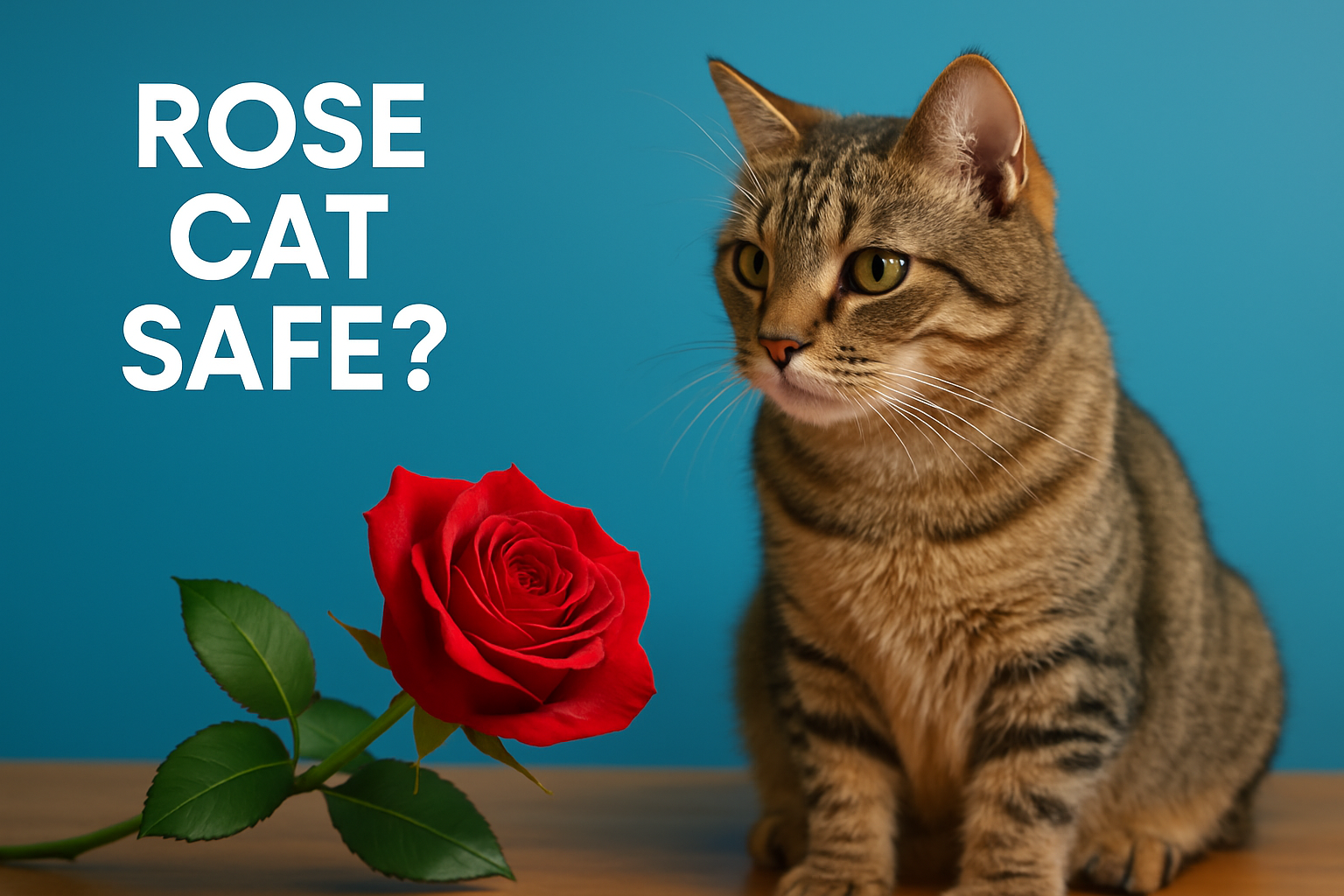
If you just typed rose cat safe into your search bar while staring at a gorgeous bouquet on your table and a whiskered face plotting a sneak attack, you are in the right place. I have lived that exact moment, frozen mid-sip of tea while my cat decided a rose petal looked like a snack. The good news is simple: true roses are generally considered non-toxic to cats according to sources like the ASPCA (American Society for the Prevention of Cruelty to Animals). But there are still risks you should know, from thorns to pesticides to sneaky look-alike plants. Let’s walk through what is safe, what is not, and how to keep the romance of roses without turning your living room into a battleground.
At Mad Cat Man, we meet so many cat lovers who feel overwhelmed by mixed advice online. We built our guides to be experience-based and informed by experts when relevant, including veterinary input on some posts. Whether you are a first-time pet parent, a Maine Coon fan navigating countertop-height bouquets, or a budget-conscious shopper planning a safe centerpiece, this guide brings clarity. Along the way, we will share practical checklists, product-suitability tips, and safer alternatives that still deliver that wow factor. Ready to enjoy your flowers without the worry?
Are Roses Toxic to Cats? What Science and Vets Say
Here is the straightforward answer most owners need in plain language: roses from the genus Rosa are not considered toxic to cats. Veterinary resources and nonprofits such as the ASPCA (American Society for the Prevention of Cruelty to Animals) list them as non-toxic, which is a relief for anyone who has caught their cat mouthing petals. That said, non-toxic does not mean consequence-free. Cats can still experience mild gastrointestinal (G.I.) upset if they chew a large amount of foliage or petals, and the thorny stems pose a very real mechanical injury risk to paws, gums, eyes, and even the esophagus if chewed. Another modern wrinkle is chemistry: florists often use floral food in vase water, and growers may apply fertilizers, insecticides, or fungicides that were not formulated for curious pets. This is why the safest bouquets are the ones you prepare thoughtfully at home, rinsed well and set up in cat-smart ways. Veterinary poison centers commonly report that plants are among the top categories of pet exposures, so a bit of prevention goes a long way. In short, the flower itself is friendly, but the context around it is where trouble likes to hide.
Rose Cat Safe: Real Risks and How They Happen
Making roses truly safe is about understanding how a cat interacts with the whole setup, not just the blossom. Curious cats bat, nibble, climb, and sometimes drink vase water, which means thorns, woody stems, ribbon ties, and preservatives all matter. The most common issues we see are thorn pricks leading to paw or lip irritation, swallowed stem fragments causing gagging, and tummy upset after petal snacking. Another silent hazard is the vase itself—wide, tippy vessels can topple, startle your cat, and shatter. Finally, if the roses were treated with garden sprays, a quick lick can deliver a taste of chemicals your cat’s body was never meant to process. To help you spot and solve problems quickly, use the table below as your at-a-glance cheat sheet.
| Rose Element | Main Hazard Type | Why It Happens | Quick Fix |
|---|---|---|---|
| Petals | Non-toxic but may cause mild gastrointestinal (G.I.) upset | Curiosity or texture exploration leads to nibbling | Offer cat grass; limit access; refresh petals to reduce wilted, tempting bits |
| Leaves | Mild gastrointestinal (G.I.) upset; choking if fibrous clumps form | Cats shred foliage while playing | Strip lower leaves; keep arrangements compact and tidy |
| Thorns | Mechanical injury to mouth, paws, eyes | Swatting or chewing thorny stems | De-thorn stems or use thornless cultivars; add stem guards or floral tape |
| Stems | Gagging or splintering | Woody fibers splinter if chewed | Trim shorter; use narrow-neck vases to limit reach |
| Vase Water + Floral Food | Chemical exposure; tummy upset if ingested | Floral food can include sugar, acids, and biocides; many cats taste-test | Use plain fresh water; change daily; cover waterline with greens or a grid |
| Pesticide Residue | Chemical toxicity risk | Imported or garden roses may be sprayed | Buy from pet-aware vendors; rinse stems and petals; let air-dry before display |
| Fallen Pollen/Debris | Mild irritation | Cats groom dust from paws and fur | Dust daily; use cleaner displays with fewer loose bits |
If you are thinking, this sounds like a lot for a simple bouquet, take a breath. Small setup tweaks—like de-thorning, choosing a stable, tall vase, and swapping floral food for fresh water—neutralize most risks in minutes. At Mad Cat Man, our product reviews break down accessories that make this easy, from stem strippers to narrow-neck vases and pet-safe plant stands. We also include behavior tips so you can teach a reliable “leave it,” which turns every display into a low-drama event. Think of it like baby-proofing but for a feline athlete with parkour skills.
Make Roses Safer at Home: Step-by-Step Checklist
You do not need to be a florist to make smart choices. Follow this quick setup routine the next time roses come through your door, and you will dramatically reduce the chance of mishaps. Every step is based on real-world trials from the Mad Cat Man team plus veterinary guidance where available, boiled down so you are not hunting for a dozen different answers while your cat is already on the counter. And if you share your home with a long-limbed breed like a Maine Coon or an agile Oriental Shorthair, consider the placement tips doubly important—they can reach places smaller cats cannot. Here is your playbook you can complete in five to ten minutes with basic tools and a calm, curious cat watching your every move.
- Rinse roses under running water, including petals and stems, to remove residues and dust.
- Strip thorns completely or cover them with floral tape; do not leave sharp nubs.
- Skip floral food; fill the vase with plain, cool water and change it daily.
- Use a tall, narrow-neck vase that limits paw access; add a florist’s grid or mesh frog to block fishing.
- Trim stems shorter so the flower heads sit just above the rim—prettier and harder to reach.
- Place arrangements on stable furniture away from launchpads like window sills or sofa backs.
- Create a decoy: set cat grass or a pot of cat-safe wheat/oat grass nearby to satisfy nibblers.
- Use a safe deterrent on the display surface—double-sided training tape or a textured mat can reduce jumping.
- Train a “leave it” cue with treats—three minutes a day for a week pays off for flowers and beyond.
- Inspect nightly for fallen leaves or petals and refresh water before bed.
| Situation | What To Do | Helpful Tool |
|---|---|---|
| Persistent pawing at the vase | Switch to a heavy, weighted vase and relocate off traffic routes | Weighted ceramic or stone vase |
| Chewing leaves despite deterrents | Offer daily cat grass and rotate enrichment toys | Cat grass kit, puzzle feeder |
| Counter-surfer with serious hops | Mount a wall shelf for displays beyond easy reach | Wall-mounted plant shelf with rail |
Need gear? Our Mad Cat Man buying guides cover narrow-neck vases, pet-safe plant shelves, thorn strippers, and gentle deterrent mats, with budget picks and premium favorites reviewed by experienced owners. Content is organized so you can jump straight to shopping checklists, training steps, or safety notes, without wading through fluff.
Look-Alikes and Hidden Hazards Around Roses
Here is where many owners get caught: some plants with “rose” in the name are not roses at all, and several are truly dangerous. Plus, common bouquet companions can be risky even if your roses are fine. If you buy mixed arrangements, use this table to cross-check labels and remove suspect stems before your cat does. When in doubt, park the bouquet out of reach, snap a photo, and identify each stem using a plant ID app while your cat patrols from a safe distance. You will save yourself a midnight worry session and possibly an urgent vet visit. Two special mentions: true lilies in the genera Lilium and Hemerocallis are extremely toxic to cats, and sago palm is a houseplant landmine. If those are anywhere near your home, treat them as off-limits, full stop.
| Plant Name | Often Confused With | Toxicity to Cats | Recommended Action |
|---|---|---|---|
| Christmas Rose (Helleborus niger) | Winter-blooming “rose” | Toxic | Do not bring indoors with cats; choose true roses instead |
| Desert Rose (Adenium obesum) | Showy succulent with pink flowers | Toxic | Keep out of homes with cats or place in fully cat-proofed room |
| Moss Rose (Portulaca grandiflora) | Low-growing annual with rose-like blooms | Mild to moderate | Avoid access; monitor outdoor areas if cats roam |
| Primrose (Primula spp.) | Spring bedding plant | Mild to moderate | Skip in mixed planters where cats graze |
| Rose of Sharon (Hibiscus syriacus) | Summer hibiscus shrub | Usually mild | Limit nibbling; choose safer flowers if your cat is a chewer |
| Baby’s Breath (Gypsophila) | Common bouquet filler | Mild | Remove from bouquets to reduce tummy upset risks |
| Lily (Lilium/Hemerocallis) | Classic bouquet lily | Severely toxic | Exclude entirely—pollen, petals, leaves, water all dangerous |
| Tulip (Tulipa) | Spring bulb | Moderately toxic | Avoid; especially keep bulbs away from cats |
| Sago Palm (Cycas revoluta) | Indoor palm look-alike | Severely toxic | Do not keep in cat homes at any time |
Keeping this list in your notes app helps when you are gift-shopping or accepting deliveries. At Mad Cat Man, our safety guides flag these look-alikes right alongside bouquet and garden tutorials so you can act fast. Plants are commonly reported among the top categories of pet toxin exposures by veterinary poison centers, and the difference between safe and risky often comes down to a single mislabeled stem.
Safer Alternatives to Roses: Cat-Friendly Flowers and Greens
Want the drama and color without the worry? You have got options. True roses are fine with precautions, but you can also build stunning arrangements using cat-friendly flowers and greens from the start. I like to mix sunflowers and zinnias with eucalyptus-like lookalikes such as silver dollar dusty miller, then add a few thornless spray roses for romance. Indoors, a Phalaenopsis orchid on a shelf brings calm, sculptural beauty—and most common Phalaenopsis orchids are considered non-toxic to cats in general pet safety lists. Below is a quick planning table you can screenshot before heading to the market. Use it as a menu of low-stress choices, then layer your own palette and vase style. Your cat will still supervise, obviously, but you will both relax sooner.
| Plant | Cat Safety | Why It Shines | Notes |
|---|---|---|---|
| Roses (Rosa) | Non-toxic | Classic romance, colors galore | De-thorn; rinse well; use plain water |
| Phalaenopsis Orchid | Generally non-toxic | Minimalist elegance, long-lasting | Place high; avoid fertilizer spills |
| Gerbera Daisy (Gerbera) | Non-toxic | Big, cheerful blooms | Change water often to reduce bacterial smell |
| Snapdragon (Antirrhinum) | Non-toxic | Tall spires, playful texture | Trim spent florets to limit drop |
| Sunflower (Helianthus) | Non-toxic | Bold heads, sunny vibe | Choose pollenless varieties to reduce mess |
| Zinnia (Zinnia) | Non-toxic | Colorful, easy garden cut flower | Rinse garden cuts thoroughly |
| African Violet (Saintpaulia) | Non-toxic | Soft leaves, long indoor bloom | Ideal for shelves away from batting paws |
| Cat Grass (oat/wheat blends) | Non-toxic | Chew-approved decoy | Replace weekly to keep fresh and appealing |
If you love choosing tools as much as blooms, check our Mad Cat Man product recommendations that pair with this list—weighted vases, narrow-neck vessels, wall shelves with rails, and safe deterrent mats. Our how-to tutorials and shopping checklists categorize by budget and skill level so current and prospective cat owners can make confident choices fast, without scrolling through contradictory threads.
What To Do If Your Cat Nibbles: Signs, First Aid, and When to Call the Vet
If your cat just bit a rose petal, do not panic. Observe calmly for a few minutes while you remove the bouquet to a safe location and sweep up stray bits. Because roses are non-toxic to cats, most incidents end with mild drooling, a short gag, or a small vomit episode that resolves on its own. The bigger concerns are thorns and chemicals—mouth injuries can be deceptive, and ingesting treated water or spray residue may justify a veterinary call. Use the timeline below to guide your next steps, and remember that any sudden lethargy, repeated vomiting, or eye injuries deserve professional care. Many vets and poison control centers note plants are frequent culprits of calls, and prompt action is your best friend when something seems off. If you suspect a lily exposure instead of a rose, treat that as an emergency and call your veterinarian immediately.
| Timeframe | What You May See | Action |
|---|---|---|
| 0 to 15 minutes | Curiosity, a bite or two, drooling, brief gag | Remove roses; wipe mouth with damp cloth; offer fresh water |
| 15 to 60 minutes | Single vomit episode or mild lip pawing | Monitor; do not induce vomiting; keep your cat relaxed |
| Within 2 to 4 hours | Mild gastrointestinal (G.I.) upset usually settles | If repeated vomiting, call your veterinarian for advice |
| Anytime | Eye squinting, mouth bleeding, thorn stuck, chemical smell on fur | Rinse gently with lukewarm water; seek veterinary care for injuries or chemical exposure |
- Do not use hydrogen peroxide or harsh mouth rinses unless instructed by a veterinarian.
- Save labels or photos of the bouquet for your vet—identification speeds up care.
- If lilies are involved, treat as an emergency even if your cat only brushed the pollen.
For ongoing peace of mind, bookmark Mad Cat Man’s vet-informed safety guides; some pieces are explicitly reviewed by veterinarians. We organize behavior tips, training plans, and product reviews in one place so you can troubleshoot fast, whether you are evaluating a new humidifier for safe placement or comparing pet-friendly plants for a spring refresh. Clear, experience-based articles are our way of helping you make decisions quickly and confidently.
FAQs: Quick Answers for Busy Cat Parents
Because you asked—yes, most true roses are fine when you set them up wisely, and no, you should not let your cat drink vase water with floral food in it. Can cats be trained to leave flowers alone? Absolutely. A short daily session using clicker-style rewards creates a reliable boundary while giving your cat something fun to do. What about outdoor rose bushes? The same principles apply: consider thorn guards, rinse cut stems before bringing indoors, and avoid using pesticides. Is there a breed that ignores flowers altogether? In our experience at Mad Cat Man, interest varies more by personality and enrichment than by breed. A well-fed, mentally engaged cat with scratchers, perches, and puzzle feeders is usually far less interested in patrolling petals than a bored athlete looking for a challenge.
How Mad Cat Man Helps You Choose Confidently

New or uncertain cat owners often tell us every purchase feels like a test, from vases and plants to toys and furniture. That is why Mad Cat Man structures content into clear categories: product reviews with buying recommendations across budgets, behavior and training tips, health and preventive care guides, breed comparisons, and safety-forward tutorials. Our rose-and-plant coverage slots neatly into that Safety and product-suitability pillar, connecting the dots between the bouquet on your table and the cat on your couch. You will find step-by-step how-tos, checklists you can print or save to your phone, and some veterinarian-reviewed insights highlighting real-world trade-offs. Whether you are choosing a thorn stripper, comparing plant stands, or reading a guide to microchipping and indoor enrichment to reduce roaming, our goal is always the same—help you make confident decisions, quickly, with your cat’s well-being front and center.
We also test gear in cat-filled homes, so every recommendation has been swatted, sniffed, and occasionally napped on. Prefer to browse by price or room? Our organized categories make that easy, so current and prospective cat owners, cat enthusiasts, and first-time pet parents can jump straight to what matters, skip what does not, and enjoy flowers without fear. That is the Mad Cat Man way.
Key Takeaways at a Glance
- True roses are non-toxic to cats, but thorns, vase water additives, and pesticide residues are the real risks.
- De-thorn, rinse, use plain water, elevate displays, and offer cat grass to keep curiosity satisfied.
- Watch for dangerous look-alikes—especially lilies—and remove risky bouquet fillers like baby’s breath if your cat nibbles plants.
- If your cat nibbles a rose, monitor calmly; contact your veterinarian for repeated vomiting, injuries, or suspected chemical exposure.
- For a set-and-forget approach, build arrangements from the cat-safe alternatives table and use the checklist every time.
By now, you can probably set up a bouquet with your eyes closed—though your cat would prefer you keep them open. And if you are craving more help choosing the right vase, shelf, or deterrent, Mad Cat Man has your back with product reviews, how-tos, and some vet-reviewed safety notes, all in one place.
References and Expert Insights
Roses from the genus Rosa are commonly listed as non-toxic for cats by organizations like the ASPCA (American Society for the Prevention of Cruelty to Animals), and veterinary advice platforms consistently emphasize that plant problems more often relate to mechanical injuries and chemicals than to rose petals themselves. Meanwhile, the AVMA (American Veterinary Medical Association) and veterinary poison centers frequently highlight how plants are among the commonly reported exposure categories in companion animals, reinforcing the value of prevention and correct identification. Our recommendations align with those themes: minimize chemicals, remove thorns, avoid floral food, and practice environmental management plus simple behavior training. This blend of safety and suitability is at the heart of Mad Cat Man’s approach to everyday cat care—practical, achievable, and tested where it counts: in real homes with real, determined cats.
Final word before we wrap: if a lily shows up in your bouquet, assume the highest risk and remove it immediately. That single habit may be the most important plant safety decision you ever make for your cat.
Closing Thoughts

Roses can be a cat-safe pleasure when you understand the risks and set them up the smart way.
Imagine the next 12 months with bold bouquets on display, your shelves styled, and your cat relaxed because you have turned safety into a routine—quick, simple, and reliable.
What is the first tiny tweak you will make today to keep your home beautiful, your cat happy, and your rose cat safe plan humming along?
Additional Resources
Explore these authoritative resources to dive deeper into rose cat safe.
Simplify Rose Safety with Mad Cat Man
Explore clear, experience-based safety guides and organized checklists that help cat owners and first-time pet parents choose rose-safe plants and make confident, budget-smart decisions.
Pros
- Reduces appetite and cravings.
- Helps preserve lean muscle mass.
- Increases calorie burn (thermic effect).
- Supports long-term calorie control.
Cons
- Not suitable for some kidney conditions.
- High protein foods can cost more.
- Excess intake still leads to fat gain.
- Requires planning for fibre and hydration.