
Table of Contents
- Maine Coon Paws: The Truth About These Gentle Giants’ Feet
- Anatomy & Function of Cat Paws (and How Maine Coons Differ)
- Why Maine Coon Paws Matter for Health & Mobility
- Routine Inspection & Paw Care for Maine Coons
- Common Paw Problems in Maine Coons & How to Handle Them
- Age & Environment Considerations
- How Paw Health Links to Overall Maine Coon Care
- FAQ — Maine Coon Paws (Snippet-Optimized)
- Conclusion & Next Steps
This blog post may contain affiliate links. As an Amazon Associate I earn from qualifying purchases.
Maine Coon Paws: The Truth About These Gentle Giants’ Feet
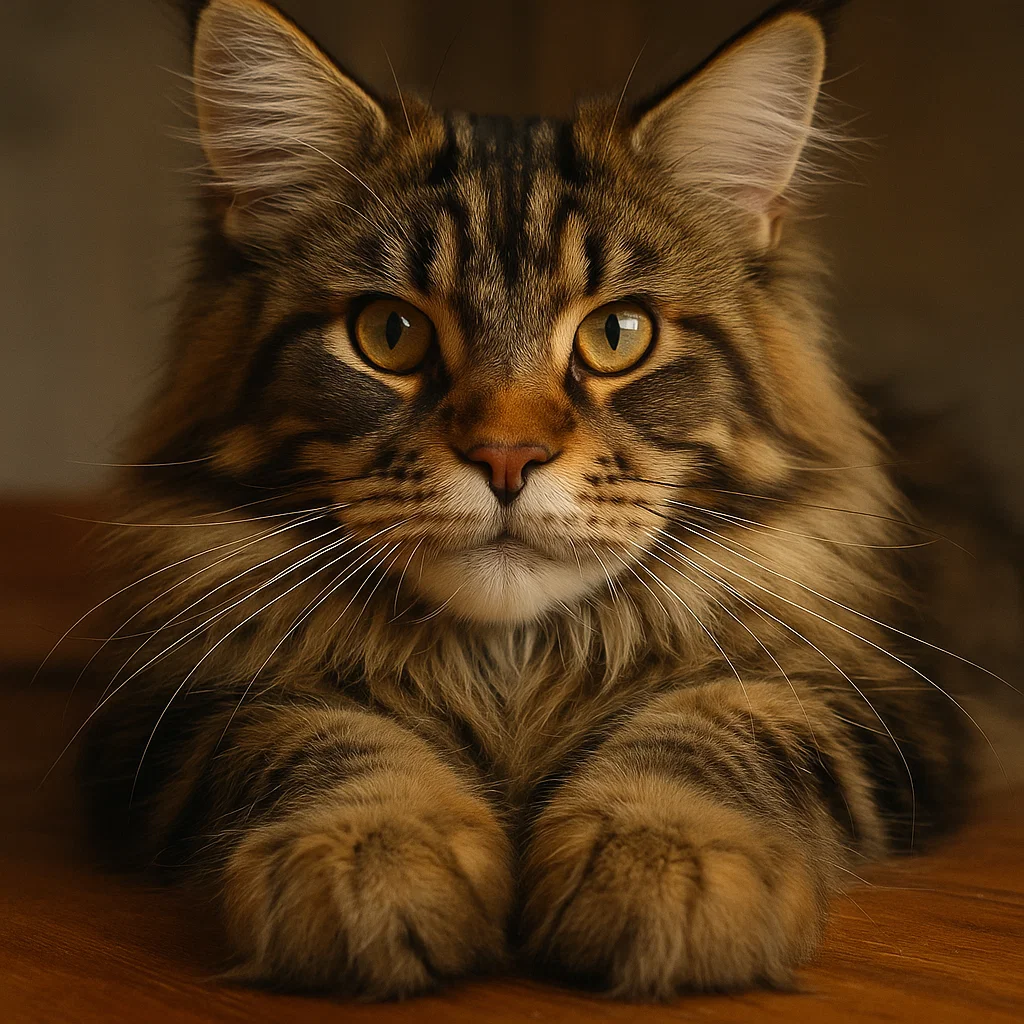
Every cat owner admires their pet’s paws — soft, graceful, expressive. But for the Maine Coon, those paws are something special. With broad toes, dense tufts, and sometimes extra digits, Maine Coon paws are engineered for rugged terrain, snowy weathers, and agile movement. Understanding their structure, quirks, and how to maintain them is essential if you want a truly healthy, comfortable companion.
In this guide you’ll learn:
- What anatomically distinguishes Maine Coon paws
- Why their paws are larger, tufted, and sometimes polydactyl
- How to inspect, groom, and maintain paw health
- Common paw issues and preventive care
- FAQs
Let’s dive in.
Anatomy & Function of Cat Paws (and How Maine Coons Differ)
Paw pad structure & general anatomy
Cat paws are anatomically intricate. Each toe has:
- A digital pad
- A metacarpal/metatarsal pad (central pad)
- On the front paws, a carpal pad (higher up on the leg)
These pads consist of adipose (fat) tissue bound by collagen and covered in tough, resilient skin. They cushion impact, absorb shock, and help with traction. Catster
Maine Coons share that structure — but their proportions, fur, and adaptations set them apart.
Key distinguishing traits of Maine Coon paws
1. Size & shape: broad, “snowshoe” style
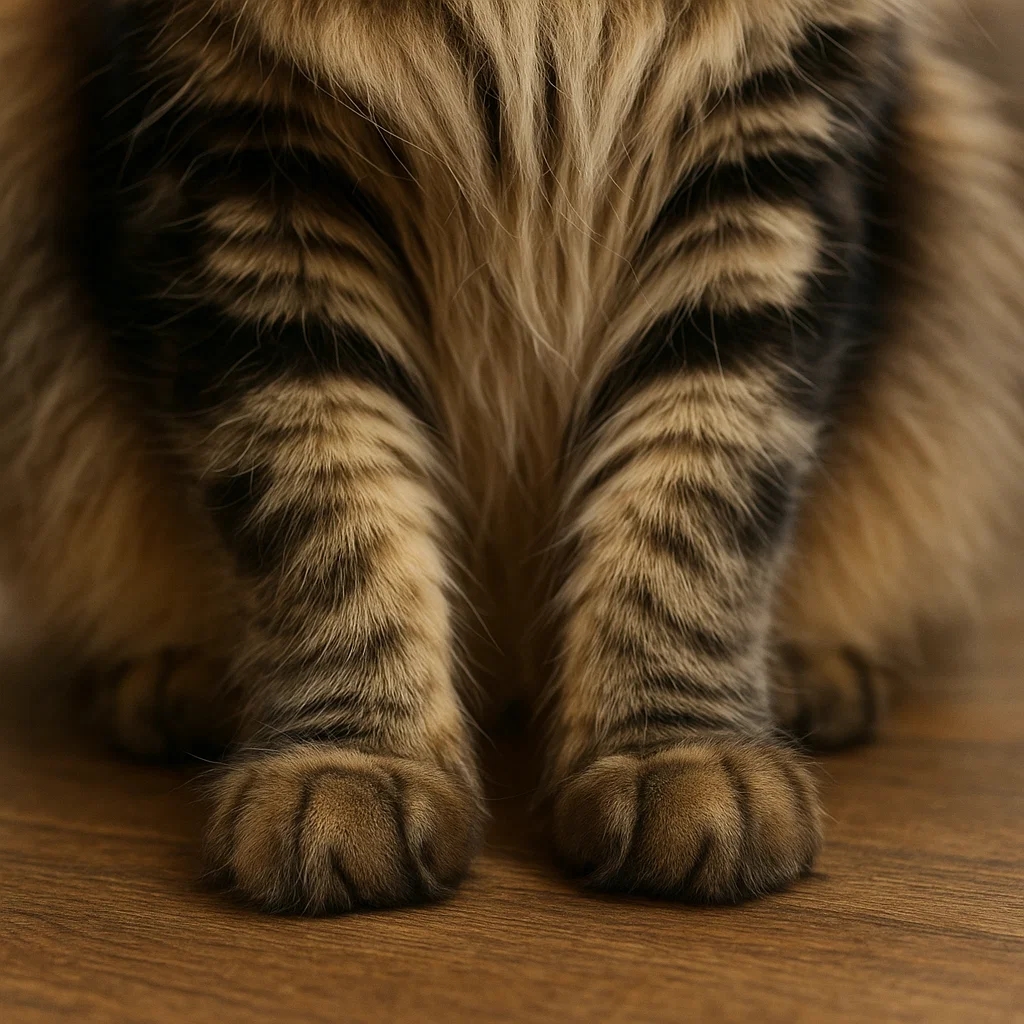
Maine Coon paws tend to be noticeably larger (wider and sometimes flatter) than those of many other domestic cats. maine-coon-cat-nation.com+4mainecooncentral.com+4maine-coon-cat-nation.com+4 The wider footprint helps distribute weight, particularly useful when walking on snow or soft ground. Some sources liken them to miniature snowshoes. ruffiansmainecoons.it+4MaineCoon.org+4alterskjaer.blogspot.com+4
2. Tufts of fur between toes & around pads
One of the signature features: long, silky fur (tufts) between each toe and around pads. mainecooncentral.com+5mainecooncentral.com+5mainecooncentral.com+5 These tufts:
- Provide insulation and protection from cold, ice, and rough terrain Animal Care Clinic+3ruffiansmainecoons.it+3mainecooncentral.com+3
- Help with grip (especially on slippery surfaces) petzooie.com+3MaineCoon.org+3mainecooncentral.com+3
- Sometimes trap litter, debris, or moisture (a grooming challenge) mainecooncentral.com+2mainecooncentral.com+2
However, overgrown tufts may cause slipping indoors or discomfort. mainecooncentral.com+2ruffiansmainecoons.it+2
3. Polydactylism: extra toes
“Polydactyl” refers to cats with more than the typical number of toes. Historically, polydactylism was more common in Maine Coons; some estimates suggest up to 40% may carry the trait in certain populations. maine-coon-cat-nation.com+3Sassy Koonz Maine Coon Cattery+3MaineCoon.org+3 Extra digits increase the surface area of a paw, arguably improving grip or stability on snow. The Spruce Pets+3alterskjaer.blogspot.com+3maine-coon-cat-nation.com+3 In show lines, polydactylism is often discouraged (or excluded) by breed standards. MaineCoon.org+3Wikipedia+3Sassy Koonz Maine Coon Cattery+3
Polydactyl paws may require extra attention (e.g. trimming additional nails).
Why Maine Coon Paws Matter for Health & Mobility
Understanding and caring for paws is more than aesthetics: paw health significantly impacts your cat’s mobility, comfort, and quality of life.
Adaptation to climate & terrain
Maine Coons evolved in the cold climates of northeastern North America. Their tufted, broad paws help them walk on snow, avoid frostbite, and maintain traction on icy ground. mainecooncentral.com+3Wikipedia+3alterskjaer.blogspot.com+3
Even indoors, those adaptations may introduce trade-offs. Cats with tufted feet may slip on smooth floors, so maintaining grip (or trimming tufts) becomes important. ruffiansmainecoons.it+2mainecooncentral.com+2
Potential mobility & joint support
Broad paws distribute weight more evenly, which may reduce pressure on joints, especially in heavier cats. While direct orthopedic studies on paws are limited, veterinarians agree that paw conformation can affect gait and joint stress.
Sensory & communicative role
Paws contain many nerve endings, and cats use them to feel textures, temperature, and vibrations. Healthy paws are critical to their sensory feedback.
Routine Inspection & Paw Care for Maine Coons
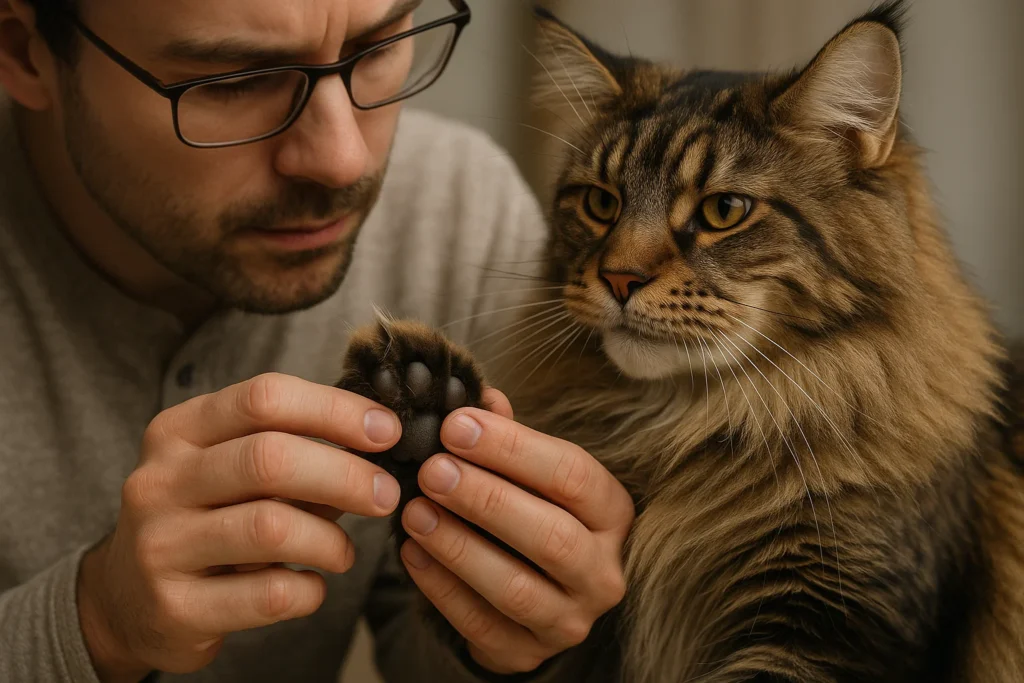
To maintain paw health, regular attention is essential. Below is a checklist:
| Task | Frequency | What to Do | Why It Matters |
|---|---|---|---|
| Visual inspection | Weekly | Look for cuts, swelling, foreign objects (thorns, glass) | Early detection prevents infection |
| Paw tuft trimming | Monthly to as needed | Gently trim excess fur between toes | Reduces matting, slipping, debris accumulation mainecooncentral.com+2mainecooncentral.com+2 |
| Pad cleaning | Weekly or as needed | Use damp cloth or pet-safe wipe to clean pads, remove dirt or litter | Prevents irritation, paw pad cracking mainecooncentral.com+2Maine Coon Cat Club+2 |
| Nail trimming | Every 1–2 weeks | Trim nails carefully, including dew claws | Prevent snagging, overgrowth |
| Monitor for infection signs | Continuous | Watch for redness, discharge, limping | Infection needs prompt veterinary care |
Tips & Techniques
- Use blunt-rounded pet scissors or specially shaped cat clippers for tuft trimming.
- Trim tufts conservatively—don’t cut too close to the skin or pad.
- Always have styptic powder ready (for minor bleeds).
- In cold or wet conditions, rinse paws with clean water (or dilute veterinary paw wash), dry thoroughly, and inspect for cracks or frostbite.
Common Paw Problems in Maine Coons & How to Handle Them
Even with care, some issues may arise. Here are key paw problems and what to watch for.
Paw pad abrasions, cuts, or burns
Walking on rough surfaces, hot pavement, ice, or caustic substances (cleaners, salt) may injure pads.
Symptoms: limping, licking excessively, bleeding, swollen pad.
Action: clean with saline, monitor, consider veterinary care. In severe cases, antibiotics or protective bandaging.
Paw pad cracking or dryness
Pads may dry and crack, especially in low humidity or in cats who walk on rough terrain.
Prevention & care: keep home humidity moderate, avoid harsh chemicals, use vet-recommended balm (if needed).
Ingrown tufts or matting
Overgrown tufts can twist, mat, or curl into skin.
Solution: gentle trimming, careful brushing, avoid pulling.
Nail or dewclaw issues
Broken nails, splits, or overgrowth can injure the foot or cause infection.
Recommendation: inspect regularly, trim safely, seek vet if nail bed is damaged.
Interdigital cysts or abscesses
Sometimes debris penetrating between toes can lead to cysts or abscesses.
Watch for: swelling, pus, heat, limping. Veterinary intervention often necessary.
Polydactyl complications
Extra digits may have nails that don’t retract properly or may become stuck or injured.
Care tip: check and trim extra nails regularly. Monitor for any signs of discomfort.
Age & Environment Considerations
Kittens vs adults
Kittens’ paws grow rapidly and may look disproportionately large early on.
Introduce handling, tuft trimming, and paw care early to build trust.
Indoor vs outdoor
Indoor cats accumulate litter, dust, and sometimes urinary or sand residue.
Outdoor cats may face mud, ice, salt, or thorns—so paw cleaning is more critical. mainecooncentral.com+1
Seasonal & climate impacts
In winter, salt and de-icers can irritate paws. Rinse after outdoor exposure.
In summer, hot pavements can burn pads. Walk on cool surfaces where possible.
How Paw Health Links to Overall Maine Coon Care
Healthy paws depend on a foundation of good overall health:
- Balanced nutrition & hydration — supports skin and tissue repair
- Weight management — excessive weight increases paw and joint stress
- Exercise & enrichment — strengthens muscle and circulation
- Veterinary care — periodic checks can reveal paw and limb pathology
If your Maine Coon develops a gait change, limping, or avoids surfaces, consider a paw in the exam.
FAQ — Maine Coon Paws (Snippet-Optimized)
Q: Do Maine Coons always have tufts between their toes?
A: Yes, most Maine Coons have tufts of fur between their toes and around the paw pads. These “snowshoe tufts” help with insulation, traction, and protection, especially in colder conditions. Animal Care Clinic+4mainecooncentral.com+4mainecooncentral.com+4
Q: How often should I trim paw tufts?
A: Trim tufts about once a month (or as needed) to prevent matting, debris build-up, or issues with grip. Use rounded-tip scissors and cut conservatively to avoid injuring the skin.
Q: Is polydactylism in Maine Coons harmful?
A: Generally, no. Extra toes usually function normally and do not cause issues for most cats. But polydactyl paws require extra nail care and occasional monitoring for nail or digit injuries. The Spruce Pets+3Sassy Koonz Maine Coon Cattery+3MaineCoon.org+3
Q: Why do my Maine Coon’s paws slip on smooth floors?
A: Overgrown tufts can reduce grip, and paw fur or pads may catch on slick surfaces. Trimming tufts and providing rugs or textured mats can help improve traction.
Q: How can I tell if my cat has a paw pad injury?
A: Signs include limping, licking or biting the paw, visible cuts, swelling, bleeding, or reluctance to walk on certain surfaces.
Q: Are there any home remedies for dry or cracked paw pads?
A: Gentle soaks (in lukewarm water), a vet-approved paw balm (applied thinly), and maintaining humidity can help. Avoid human products or excessive moisturisers unless directed by a vet.
Q: Can Maine Coon paws get frostbite?
A: Yes, extreme cold or prolonged exposure to ice and snow (especially with wet paws) may risk frostbite or pad damage. Wipe and dry paws promptly after outdoor exposure in winter.
Conclusion & Next Steps
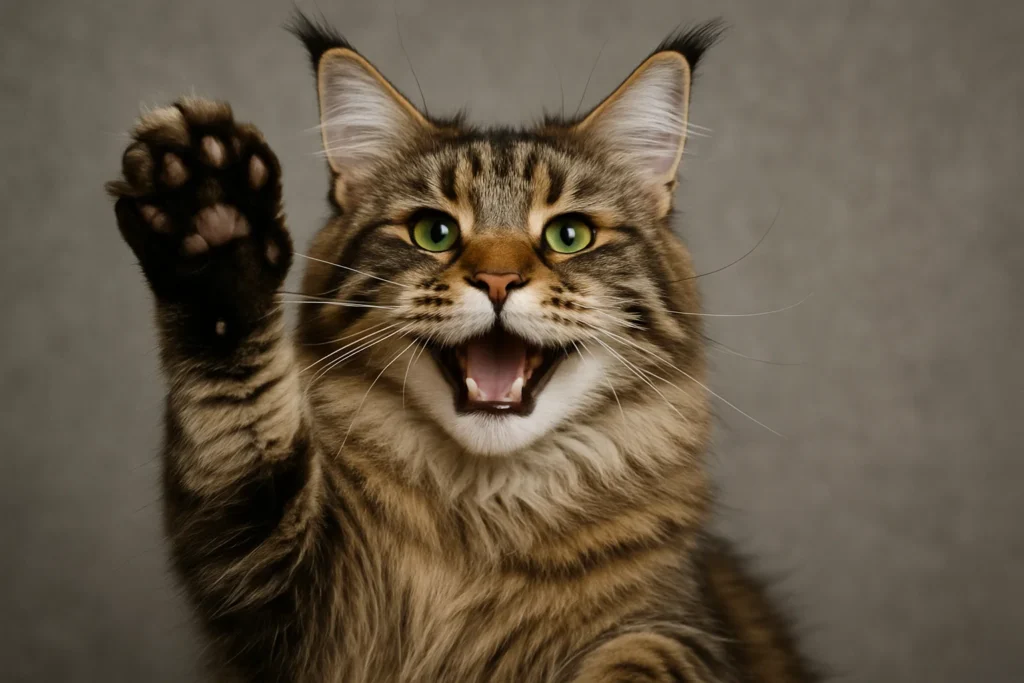
Maine Coon paws are among their most remarkable traits—both beautiful and functional. But they also demand attention. A broad, tufted paw offers great advantages, but only if it’s well maintained.
To support your cat long term:
- Inspect and care for paws weekly
- Trim tufts and nails gently
- Watch for signs of injury or infection
- Maintain overall health (weight, diet, vet check-ups)
- Use seasonal precautions (rinse salt, avoid hot surfaces)
Recommended Reads
If you found this Maine Coon paws guide useful, explore these related articles on Mad Cat Man:
Traits of Female Maine Coons — behaviour traits and care notes that pair well with paw maintenance.
Maine Coon Shedding Guide — practical grooming tips that complement paw tuft care.
How to Identify a Maine Coon Kitten — early signs, including paw size and toe tufts.
Russian Maine Coon — breed insights that add context to conformation and paws.