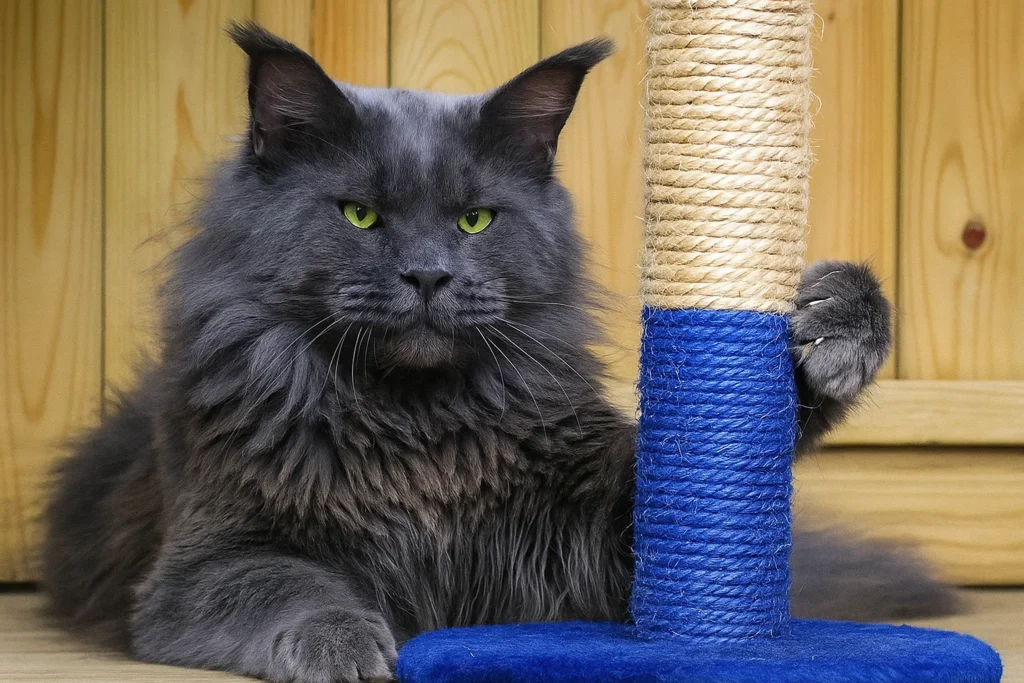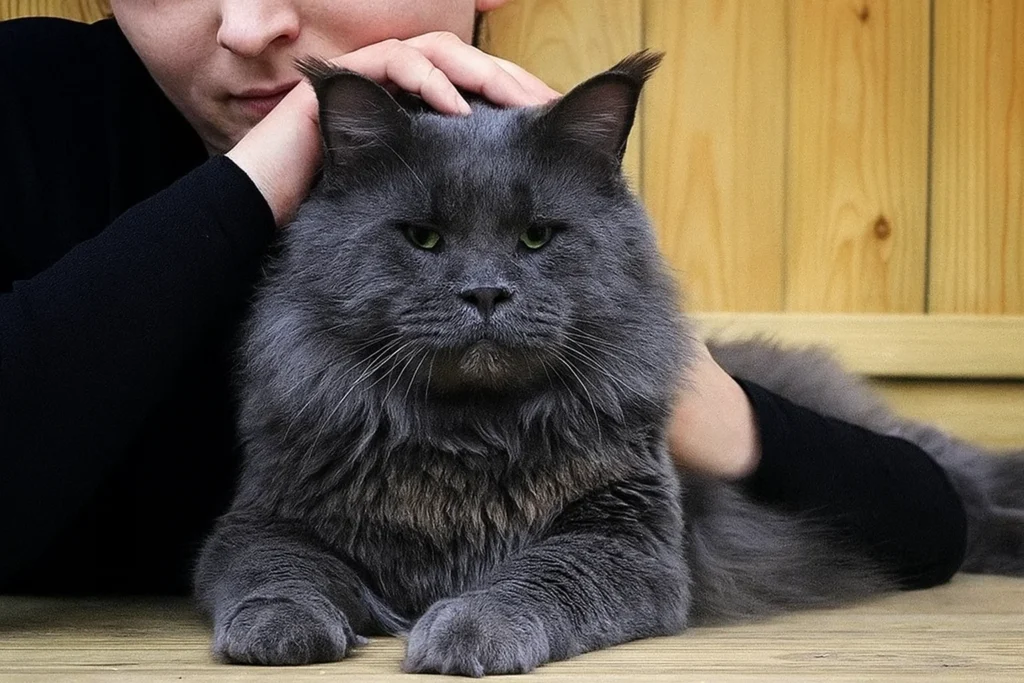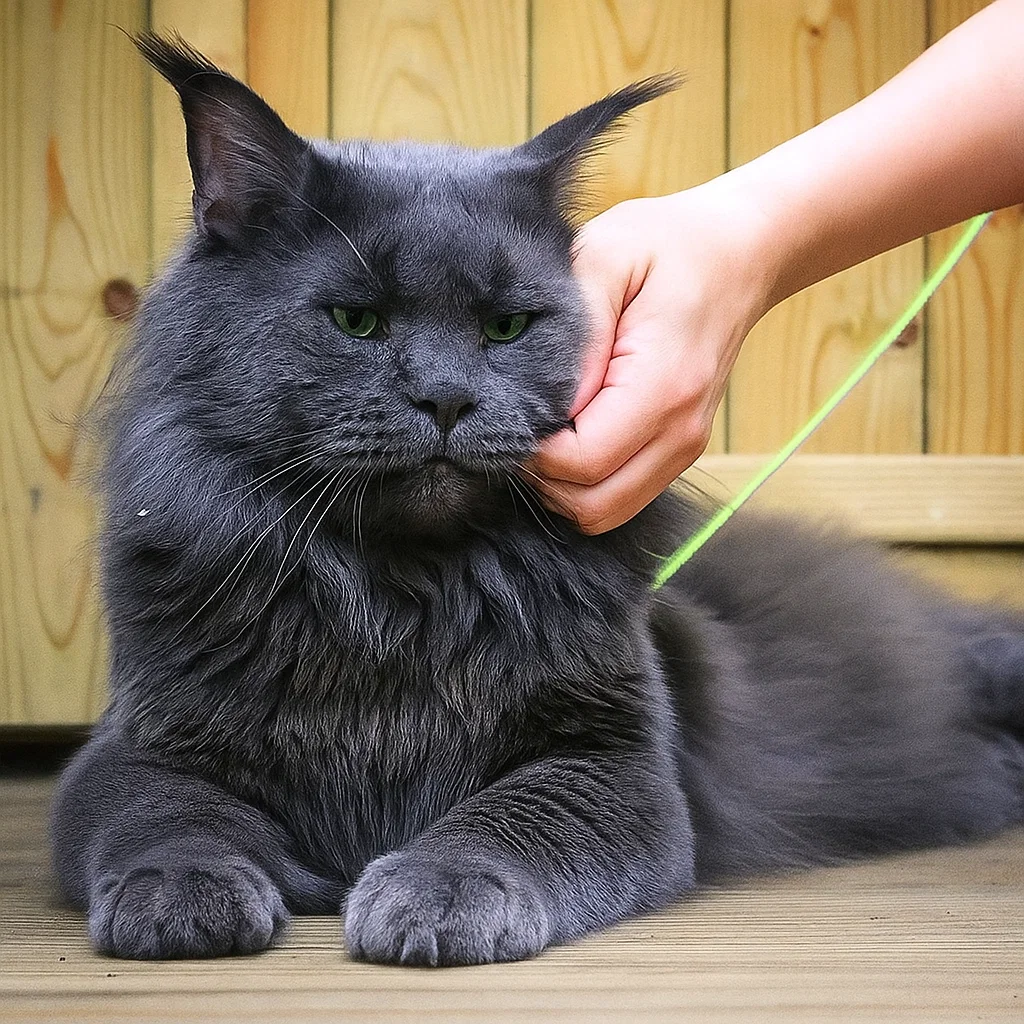
Russian Maine Coon cat with wild look — boxy muzzle, lynx ear tufts, and feral expression
Cat Breeds Updated July 10, 2026 · 19 min read

Russian Maine Coon: Wild Look, Cost & Breeder Guide

Home Cat Breeds

This blog post may contain affiliate links. As an Amazon Associate I earn from qualifying purchases.
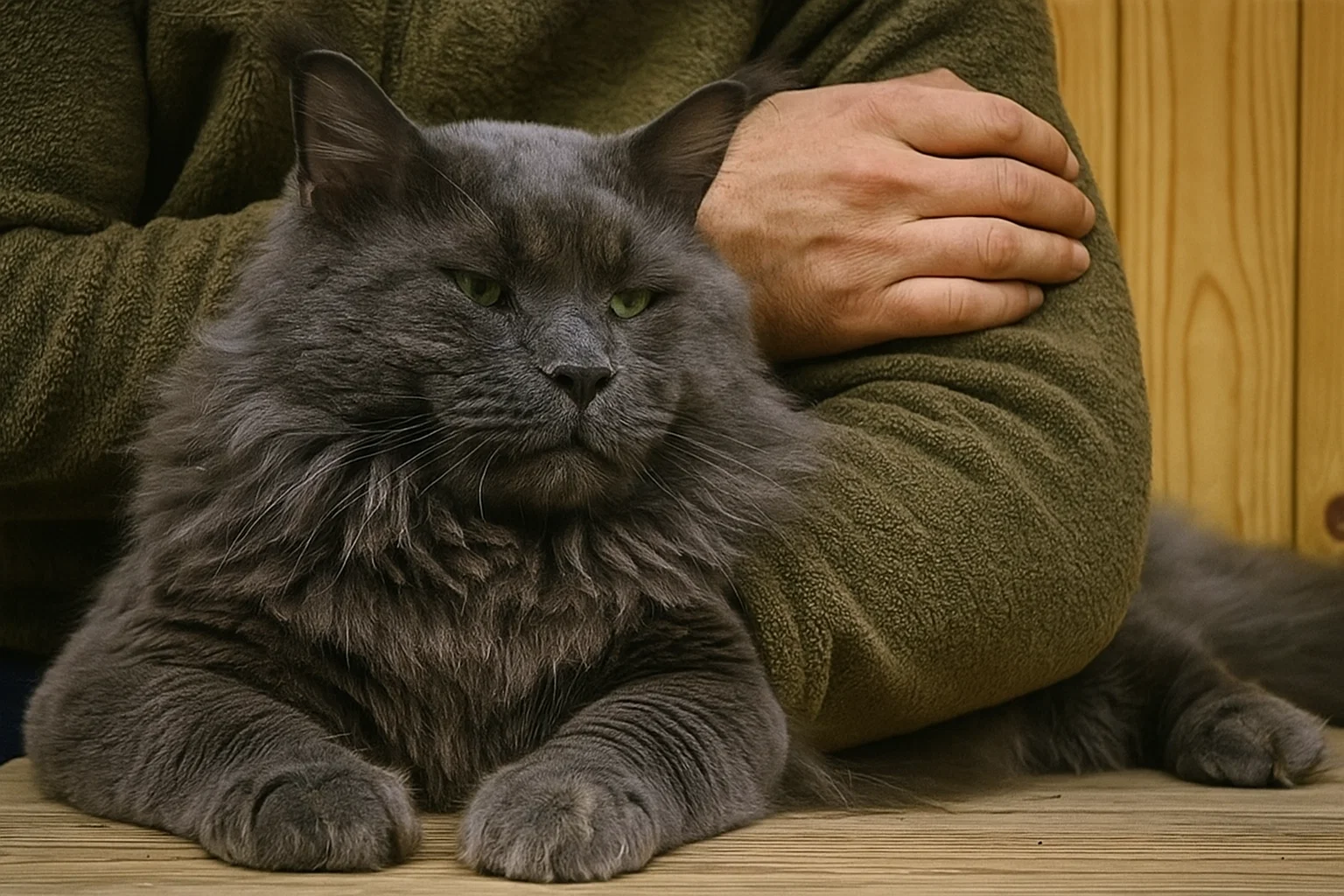
You’ve seen the photos. A cat the size of a small dog, with a boxy muzzle, tufted ears that look borrowed from a lynx, and a stare that belongs in a forest — not a living room. The caption says “Russian Maine Coon,” and now you’re down a rabbit hole, messaging a breeder overseas and wondering if this is real or if you’re about to get scammed. Before diving in, you might want to explore Maine Coon characteristics to ensure this giant breed fits your lifestyle.

That anxiety is completely understandable. Buyers who skip the research often pay $2,000 or more for a kitten that doesn’t match the dramatic “wild look” they expected — or worse, send a deposit to someone running a fake cattery. Knowing what you’re actually buying, what it genuinely costs, and what separates a legitimate breeder from a fraudster makes the difference between a joyful experience and a costly heartbreak.

By the end of this guide, you’ll know exactly what a Russian Maine Coon is, what it costs in 2026, how to find a legitimate breeder, and how to import one safely. We cover the definition, the American vs. Russian comparison, colour variations, full cost breakdown, and every red flag worth knowing.

Key Takeaways

A Russian Maine Coon is not a separate breed — it’s a breeding style that emphasises a dramatic “wild look,” with males reaching up to 25 lbs and taking 3–5 years to fully mature (Basepaws, 2026).

  • The Wild Look Standard: Russian breeders selectively breed for a boxy muzzle, oversized lynx-tipped ears, and high cheekbones — features absent or less pronounced in American lines
  • Total cost: Kitten prices range $300–$1,000 USD from Russian catteries; international shipping and a flight nanny add $900–$1,500 or more
  • Not a Russian Blue mix: “Russian Maine Coon” refers to European breeding lines, not a crossbreed with the Russian Blue breed
  • Import is possible but requires CDC/USDA compliance documentation, a flight nanny, and a thoroughly vetted cattery

What Is a Russian Maine Coon?

Russian Maine Coon cat showing boxy muzzle and long lynx ear tufts — defining wild look traits
A Russian Maine Coon is not a separate breed — it is a Maine Coon bred to The Wild Look Standard, emphasising a boxy muzzle, long lynx tips, and an imposing, feral expression.

A Russian Maine Coon is not a separate cat breed. It is a Maine Coon — the same breed recognised by TICA (The International Cat Association, the world’s largest genetic registry of pedigreed cats) and the CFA (the Cat Fanciers’ Association, America’s largest cat registry) — bred in Russia and Eastern Europe to emphasise a dramatically wild, exaggerated appearance. Understanding this distinction is the foundation of everything else in this guide.

Physical Traits of Russian Lines

The deliberate breeding philosophy practised by Russian and Eastern European catteries is best understood as “The Wild Look Standard” — a systematic selection for exaggerated, feral-looking features that collectively produce a cat that looks like it stepped out of a Siberian forest. This is not genetic drift or accident. It is the direct result of generations of intentional trait selection in breeding programs that prioritise show-standard extremes.

The key traits that define this standard include:

  • Boxy muzzle: A squared, prominent muzzle with a strong chin — noticeably different from the rounder, softer muzzle you see on most domestic cats, including many American-line Maine Coons. This gives Russian-line cats their characteristic “wild” facial expression.
  • Lynx tips (the tufts of fur that extend beyond the tip of each ear): Russian lines are bred for dramatically long, prominent lynx tips that frame the face and reinforce the feral appearance.
  • High cheekbones: Prominent cheekbones that create angular, structured facial architecture rather than a soft, rounded look.
  • Feral expression: A combination of wide-set eyes, defined brow structure, and the boxy muzzle that gives these cats an alert, almost wild gaze — even when they’re completely relaxed.
  • Dense, flowing coat: A thick, layered coat with a pronounced ruff (the mane-like fur around the neck) and tufted paws.

Why does this matter for you as a buyer? Because The Wild Look Standard is precisely what you’re paying for when you purchase from a Russian cattery with champion lines. If a seller cannot describe these traits specifically or show parents and grandparents with documented show results, they may not be producing true wild-look kittens at all.

Russian Maine Coon wild look facial traits compared to American line — boxy muzzle, lynx tips, high cheekbones
The Wild Look Standard targets six specific physical traits — each the result of deliberate selective breeding over multiple generations.

How Big Does a Russian Coon Get?

Russian Maine Coon size comparison showing giant male next to average domestic cat
Russian Maine Coon males can reach 25 lbs — and unlike most cats, they continue growing for 3–5 years before reaching full size.

Maine Coons are already the largest domestic cat breed. Russian and European lines, selectively bred for imposing size, push that further. According to Basepaws (2026), male Maine Coons can reach up to 25 lbs (11.3 kg) and stand 10–16 inches tall at the shoulder. Females are smaller, typically 8–12 lbs, but still substantially larger than most breeds.

The growth timeline is one of the most important things a new owner needs to understand: Russian Maine Coons take 3–5 years to reach full size. Most cats are fully grown by 12–18 months. A Maine Coon kitten at one year old may look impressive — but it still has years of development ahead. Community consensus on r/mainecoons consistently confirms owners are surprised by how much their cat continues to grow into year three and four.

This extended development means your food, veterinary, and space costs are higher for longer. Plan accordingly.

A Breeding Style, Not a Separate Breed

A Russian Maine Coon is a Maine Coon cat bred in Russia or Eastern Europe using a selective breeding philosophy that prioritises extreme wild-look physical traits. No separate breed standard exists for “Russian Maine Coon” under TICA or CFA — both organisations register these cats simply as Maine Coons. The word “Russian” describes where the cat was bred and the aesthetic philosophy of that breeding program, not a distinct genetic lineage or officially recognised sub-breed.

This distinction matters for two practical reasons. First, a kitten sold as a “Russian Maine Coon” should be registrable with TICA or CFA on the same terms as any other Maine Coon — if a breeder claims otherwise, that is a red flag. Second, the price premium you pay for a “Russian” kitten is a premium for The Wild Look Standard breeding philosophy and champion bloodlines — not for a rare or exclusive breed category.

Russian vs. American Maine Coon

Russian Maine Coon versus American Maine Coon side by side showing muzzle and ear differences
Russian-line Maine Coons (left) show a dramatically boxy muzzle, oversized ears, and angular cheekbones compared to the softer features of American-line cats (right).

Russian Maine Coons and their American counterparts are the same breed at the registration level — but years of divergent breeding priorities have produced cats that look noticeably different in person. Understanding those differences helps you know exactly what you’re seeking and why it costs what it does.

American vs. Russian Comparison

American-line breeders have historically emphasised a balanced, show-friendly appearance that is large, beautiful, and people-friendly — but not extreme. Russian and European breeders have pushed further toward the feral end of the spectrum. According to Maine Coon Cat Nation’s overview, the differences are consistent and visible enough that experienced owners can identify them at a glance. It’s similar to how you might compare Siberian and Maine Coon cats or look at the differences between Maine Coon and Norwegian Forest Cats.

Feature American-Line Maine Coon Russian/European Maine Coon
Muzzle shape Rounded, moderate Square, prominent, boxy
Ear size Large Very large, wide-set
Lynx tips Present, moderate Long, dramatic
Cheekbones Soft, less defined High, angular, prominent
Overall expression Friendly, open Feral, alert, “wild”
Body type Muscular, rectangular Heavier-boned, more imposing
Male weight (avg) 13–18 lbs Up to 25 lbs
Growth timeline 2–4 years 3–5 years
Typical kitten price $1,000–$2,500 $300–$1,000 (Russia); $1,500–$3,500+ (imported)
Registry TICA / CFA TICA / WCF / CFA

Which is right for you? If you want a dramatic, show-stopping cat with a feral expression and maximum size, Russian lines are your target. If you prefer a softer look and easier domestic availability — without international import — an American-line Maine Coon from a reputable local breeder is the more practical choice.

Are there two types of Maine Coons?

There are no officially recognised sub-types under TICA or CFA — all Maine Coons are registered as a single breed. However, within the breed, two broadly different aesthetic lines have developed: American-line Maine Coons (moderate, show-balanced features) and European/Russian-line Maine Coons (extreme, wild-look features including boxy muzzle, oversized ears, and higher body weight). These differences reflect divergent breeding philosophies, not separate genetics. A Maine Coon is a Maine Coon — the “Russian” or “European” label describes the breeding program’s aesthetic priorities.

Russian Blue vs. Maine Coon

Russian Maine Coon breeder vetting checklist with pedigree documents and health certificates
Vetting a Russian Maine Coon breeder requires registry verification, dated HCM echocardiogram certificates, and a live video call — before any deposit is paid.

This is one of the most common points of confusion, and it’s worth addressing directly: a “Russian Maine Coon” has nothing to do with the Russian Blue breed. These are two entirely separate cats.

The Russian Blue is a slim, short-haired breed with a distinctive blue-grey coat and vivid green eyes. It is quiet, reserved, and typically weighs 7–12 lbs. The Maine Coon is a large, semi-longhaired breed known for its sociable, dog-like personality and substantial size. They share no breed ancestry and are registered under completely different standards.

When you see “Russian Maine Coon” in a breeder’s listing, “Russian” refers to the country of origin of the breeding program — not a crossbreed with the Russian Blue. A legitimate breeder will never claim otherwise. Any seller marketing a “Russian Blue Maine Coon mix” as a special or rare cat should be treated with significant caution.

Colors and Crossbreeds

Russian Maine Coon silver tabby cat with lynx ear tufts and full neck ruff in studio portrait
Silver tabby is one of the most sought-after colours in Russian and European Maine Coon lines — commanding a 20–40% price premium over standard brown tabby kittens.

Maine Coons come in an enormous range of colours and patterns — over 75 recognised combinations under TICA’s breed standard. Russian and European breeding lines produce the same colour variety, though certain colours carry higher demand (and higher price tags) in the current market. If you want to explore the full range of Maine Coon colors, the standard palette is vast.

Common Colors in Russian Lines

The most frequently seen colours in Russian-line Maine Coons include:

  • Brown tabby (classic and mackerel): The most traditional Maine Coon look — warm brown tones with bold tabby striping. Highly available and typically the most affordable option.
  • Silver tabby: A striking contrast of silver-white base coat with dark markings. Extremely popular in European show lines and consistently among the most in-demand colours.
  • Black smoke: A dramatic, dark coat where individual hairs are silver at the root and black at the tip — giving a shimmering, smoky effect. Highly sought after.
  • White and solid colours: Pure white Maine Coons are rare and expensive due to the recessive genetics involved. Solid black is also popular in Russian lines.
  • Blue (grey): A cool-toned, diluted black — common and attractive, but not to be confused with the Russian Blue breed.

Which colour is most expensive?

Solid white and black smoke Maine Coons are typically the most expensive colour variants. Silver tabby and solid gold also command significant premiums. According to community data from r/mainecoons and breeder listings reviewed in early 2026, white and black smoke kittens from the same cattery consistently price 20–40% higher than brown tabby kittens. The premium reflects both genetic rarity and high demand from show buyers. Within Russian and European lines, the same colour hierarchy applies.

The Russian Blue Maine Coon Mix

Occasionally, buyers search specifically for a “Russian Blue Maine Coon mix” — a deliberate crossbreed between a Russian Blue and a Maine Coon. These cats do exist in small numbers. They typically inherit a blue-grey, semi-long coat, a moderate body size (smaller than a purebred Maine Coon), and a blended temperament.

However, a few important points apply. First, this is not a recognised breed under TICA or CFA — it is a designer hybrid. Second, legitimate breeders producing this cross are rare, and many listings using this term are simply mislabelling blue-coloured Maine Coons. Third, the health testing standards that apply to purebred Maine Coons (HCM cardiac screening, genetic panels) may not be consistently applied to hybrid litters. If you are trying to identify Maine Coon mix traits and common crossbreeds, always ask for documentation.

If you’re drawn to the blue-grey colouring, a blue Maine Coon (a dilute-black purebred with full TICA registration and health testing) is almost always a better-documented and more predictable choice than a hybrid.

Russian Maine Coon colour variations including silver tabby, black smoke, and solid white
Russian-line Maine Coons appear in over 75 colour combinations — silver tabby, black smoke, and solid white typically command the highest prices.

Buying a Russian Maine Coon

“Has anyone had a Maine Coon imported from Russia — how do you go about it? I’ve been messaging a breeder but I just want to be sure they are legit. They seem legit, but you can never be too sure.”
— r/mainecoons community member

That question — posted on Reddit’s r/mainecoons — captures exactly where most buyers find themselves. The excitement is real. So is the uncertainty. This section gives you the concrete information you need to move forward with confidence.

What Does It Actually Cost?

Russian Maine Coon import cost breakdown showing kitten price, flight nanny, and total landed cost
The total landed cost for a direct import typically falls between $1,800 and $3,200 — the flight nanny and health certificate fees are the most commonly overlooked line items.

Pricing for Russian Maine Coons varies significantly depending on whether you’re purchasing domestically (from a US-based cattery with Russian lines) or importing directly from Russia or Eastern Europe. It is also helpful to learn about Maine Coon breeders and pricing domestically for comparison.

Prices verified as of January 2026 — subject to change; check directly with breeders.

Cost Component Estimated Range (USD) Notes
Kitten (Russian cattery, pet quality) $300–$700 Direct from Russia; lower due to local market pricing
Kitten (Russian cattery, show/champion lines) $700–$1,000 Parents with WCF/TICA show titles
Kitten (US cattery, Russian/European lines) $1,500–$3,500+ Imported bloodlines, US health testing standards
International flight nanny $500–$900 A professional courier who accompanies the cat in-cabin
Airline cargo fee (if not in-cabin) $200–$400 Varies by airline and route
USDA-accredited vet health certificate $100–$300 Required for import
Customs / import documentation $50–$150 Variable by country of origin
Initial US vet visit + vaccinations $150–$350 On arrival
TOTAL (direct import, mid-range) $1,800–$3,200 Kitten + flight nanny + vet fees

According to kingsize-cat.ru cattery, one of Russia’s most established Maine Coon catteries, kitten pricing reflects bloodline quality, coat colour, and show potential. Community data from r/mainecoons confirms that total landed costs for a direct import typically fall in the $2,000–$3,500 range when all fees are included.

Why are Russian-line kittens from champion bloodlines more expensive than they appear at face value? Because The Wild Look Standard requires multiple generations of deliberate selective breeding — health-tested parents, show-titled grandparents, and carefully managed genetic diversity. That investment is built into every kitten price.

How to Vet a Reputable Breeder

Finding a reputable breeder requires methodical research, not just a Google search. Our team reviewed breeder forums, Reddit community reports, and TICA/WCF registry guidance to compile these criteria.

Registry verification is your first step. Legitimate Russian catteries register their breeding cats with WCF (World Cat Federation — the dominant registry in Russia and Europe) or TICA. Ask for the cattery’s registration number and verify it directly on the registry’s website. CFA registration is less common for Russian catteries but equally valid.

  • Health testing documentation is non-negotiable. Both parents should be tested for:
  • HCM (Hypertrophic Cardiomyopathy — a genetic heart condition that is the leading cause of cardiac death in Maine Coons): Tested via echocardiogram annually and/or DNA test for the Maine Coon-specific MYBPC3 mutation.
  • SMA (Spinal Muscular Atrophy): DNA tested negative.
  • PKD (Polycystic Kidney Disease): DNA tested negative.

Ask for dated test certificates from a veterinary cardiologist or accredited laboratory — not just the breeder’s word.

Communication quality signals legitimacy. According to Freedom Mountain Maine Coons’ guidance on Russian imports, reputable breeders answer questions about health testing, pedigree, and living conditions without hesitation. They provide references from previous buyers. They do not pressure you to pay a deposit immediately.

Visit virtually if you cannot visit in person. Ask for a live video call showing the kittens, the parents, and the cattery environment. A breeder who refuses or deflects this request is a red flag.

Step-by-Step Import Guide

Importing a cat from Russia or Eastern Europe is entirely legal and manageable — but it requires preparation. Here is the process, step by step.

  • Estimated Time: 4-8 weeks
  • What You’ll Need:
  • A vetted, registered cattery
  • A USDA-accredited veterinarian (or equivalent in origin country)
  • A professional flight nanny
  • A quiet, kitten-safe room for arrival

Step 1: Confirm the cattery’s registration
Verify WCF or TICA membership before any money changes hands. This ensures you are dealing with a legitimate breeder.

Step 2: Request health certificates
The kitten must have a health certificate issued by a USDA-accredited veterinarian (or the equivalent in the country of origin) within 10 days of travel. This is a CDC requirement for all cats entering the United States.

Step 3: Check rabies vaccination requirements
As of 2026, the CDC requires proof of rabies vaccination for cats entering the US from countries with dog rabies. Russia is classified as a high-risk country. Confirm current requirements at CDC import regulations before travel, as regulations are subject to change.

Step 4: Arrange a flight nanny
A flight nanny is a professional pet courier who travels with your kitten as carry-on luggage, ensuring the cat is never placed in cargo. This significantly reduces stress and risk. Costs range from $500–$900 depending on the route. Your breeder will typically have established flight nanny contacts.

Step 5: Prepare your home
Set up a quiet, kitten-safe room before arrival. Have a vet appointment booked for within 48–72 hours of arrival for a wellness check.

Step 6: Schedule your arrival vet visit
Your US vet will confirm the kitten’s health, update any vaccinations, and establish a baseline health record — essential for future HCM screening.

Step-by-step guide to importing a Russian Maine Coon into the United States
A successful import takes 4–8 weeks of preparation — the flight nanny step is the one most first-time buyers overlook.

Risks and Red Flags

Russian Maine Coon scam warning signs including no video call, fake pedigree, and wire transfer demands
Five red flags consistently appear in fraudulent Russian Maine Coon listings — no video call and wire-transfer-only payment are the strongest warning signs.

Buying from an international breeder carries real risks. Community reports on r/mainecoons and breeder forums document scams, misrepresented kittens, and health issues that could have been avoided with better due diligence. This section covers the specific warning signs and the health considerations unique to extreme European lines.

Scam Warning Signs for Buyers

Across breeder forums and Reddit, the following patterns appear repeatedly in reports of fraudulent sellers:

  1. No video call, ever. A legitimate breeder will show you the kitten and the cattery live. If every request for a video call is met with excuses — “the internet is bad,” “the kittens are sleeping” — stop communicating immediately.
  2. Unusually low prices for champion lines. If a seller is advertising a “champion bloodline, wild look, TICA registered” kitten for $200–$400, the price does not match the claimed pedigree. Legitimate champion-line kittens from Russian catteries start around $700 and rise significantly with import costs.
  3. Pressure to pay via wire transfer or cryptocurrency only. Reputable breeders accept traceable payment methods. Insistence on irreversible payment methods is a classic scam signal.
  4. No health test certificates — or undated ones. Health certificates should be dated within the last 12 months for annual tests (HCM echocardiogram) or show a laboratory-issued DNA test result with the cat’s name and microchip number.
  5. Pedigree documents that don’t match registry records. Ask for the sire and dam’s registered names, then verify them directly on the WCF or TICA registry search tool. Fake pedigrees are a documented scam tactic.

Health Risks of Extreme Lines

The Wild Look Standard produces stunning cats — but the selective breeding for extreme physical traits carries health considerations that every buyer should understand before committing.

HCM (Hypertrophic Cardiomyopathy) is the primary genetic health concern in Maine Coons. According to Cornell University College of Veterinary Medicine, HCM affects approximately 30% of Maine Coons at some stage of life. The Maine Coon-specific MYBPC3 A31P mutation can be tested via DNA panel. However, DNA testing alone does not rule out HCM — annual echocardiograms by a board-certified cardiologist are the gold standard for monitoring. Insist that both parents have current (within 12 months) echocardiogram clearance.

Extreme breeding for large body size also places additional strain on joints over a cat’s lifetime. Community consensus from r/mainecoons indicates owners of very large males (over 20 lbs) report higher rates of joint stiffness in later years — though this is anecdotal and no formal study has quantified this in Maine Coons specifically. Maintaining healthy body weight through appropriate diet is the most effective mitigation.

When Importing Isn’t Right

Importing a Russian Maine Coon is the right path for buyers who are committed to the specific wild-look aesthetic, have the time to vet a foreign cattery thoroughly, and are comfortable with the $2,000–$3,500 total landed cost. For everyone else, there are strong alternatives worth considering.

If you want Russian or European bloodlines without the import complexity, search for US-based catteries that import and breed from European lines. These breeders have already done the import work, their kittens are born in the US, and they operate under American veterinary standards. Kitten prices are higher ($1,500–$3,500+) but the process is straightforward.

If your priority is a large, affectionate Maine Coon rather than the extreme wild look specifically, a well-bred American-line Maine Coon from a TICA-registered cattery delivers the breed’s famous personality and impressive size — without international logistics.

Frequently Asked Questions

How much does it cost?

A Russian Maine Coon kitten costs $300–$1,000 USD when purchased directly from a Russian cattery, before import costs. According to kingsize-cat.ru cattery, once you add a flight nanny ($500–$900), health certificates, and a US arrival vet visit, the total landed cost typically falls between $1,800 and $3,500. US-based catteries with European bloodlines charge $1,500–$3,500+ for kittens without import logistics. Show-quality or champion-line kittens sit at the higher end of every range. Always request an itemised cost breakdown from your breeder before paying any deposit.

What is the rarest Maine Coon?

Solid white Maine Coons are widely considered the rarest colour. White colouring in cats requires a specific dominant gene (the W gene) that masks all other colour, making it genetically distinct from other light colours. Solid gold and solid silver patterns are also rare and command premiums.

What’s the best food for Maine Coons?

Maine Coons thrive on a high-protein diet with real meat as the primary ingredient. Given their large body size and slow 3–5 year growth timeline, adequate protein supports healthy muscle development. Wet food is generally preferred by veterinary nutritionists for hydration, particularly for large breeds prone to urinary issues. Avoid foods with corn, wheat, or soy as primary ingredients.

What cat costs $4,000?

Several cat breeds and breeding tiers reach $4,000 or above. A Maine Coon kitten at this price point would typically be a show-quality or breeding-rights kitten from a champion-line Russian or European cattery. Other breeds that reach $4,000+ include Savannah cats, Bengals with exceptional rosette patterns, and Ragdolls from elite catteries.

What’s the most expensive Maine Coon?

The most expensive Maine Coons are show-quality males from champion European bloodlines — particularly those with multiple generations of WCF or TICA grand champion titles in the pedigree. Prices for breeding-rights kittens from elite Russian catteries can reach $5,000–$8,000 or more. The combination of extreme wild-look physical traits, documented health testing across multiple generations, and proven show performance justifies the premium. Community reports on r/mainecoons confirm that the highest prices are paid for intact males intended for breeding programs, not pet-quality kittens.

What two breeds make a Maine Coon?

The Maine Coon’s exact origin is unknown, as no two specific breeds were deliberately crossed to create it. The breed developed naturally in the northeastern United States from longhaired cats brought by European sailors crossbreeding with local domestic cats. Its large size, tufted ears, and thick coat are the result of natural adaptation to cold New England winters, not a designed crossbreeding program.

Your Next Step With a Russian Maine Coon

For anyone drawn to a large, strikingly wild-looking cat with a gentle, sociable personality, the Russian Maine Coon represents one of the most rewarding cat ownership experiences available. Males from champion European bloodlines — bred to The Wild Look Standard — deliver the boxy muzzle, oversized lynx-tipped ears, and feral expression that make these cats genuinely unlike anything else. Community reports from r/mainecoons consistently describe them as loyal, playful, and deeply bonded to their families. If you are preparing for a new arrival, take time to find the perfect name for your feline friend and understand and address Maine Coon behavior problems early on.

The Wild Look Standard is the reason these cats cost what they cost and look the way they look. When you understand that the premium reflects documented champion bloodlines, annual HCM cardiac testing, and a breeding philosophy refined over decades — the price makes sense. The risk isn’t the cost; it’s buying from an unvetted source and paying for something that doesn’t deliver on that standard.

Start by verifying any breeder’s WCF or TICA registration number directly on the registry’s website. Request a live video call with the kitten and both parents. Ask for dated HCM echocardiogram certificates for the sire and dam. If everything checks out, book your flight nanny consultation at least six weeks before your planned import date. Ready to get started? Review our checklist above, reach out to a verified breeder, and prepare your home for your new gentle giant.

Written by

Dave King

Cat owner and writer at Mad Cat Man.

Keep reading

Related guides.