Maine Coon Mix Traits & Care Requirements Most Owners Overlook
Discover expert insights on Are You Prepared? Maine Coon Mix Traits and Care Requirements Most Owners Overlook to help you plan with confidence using Mad…

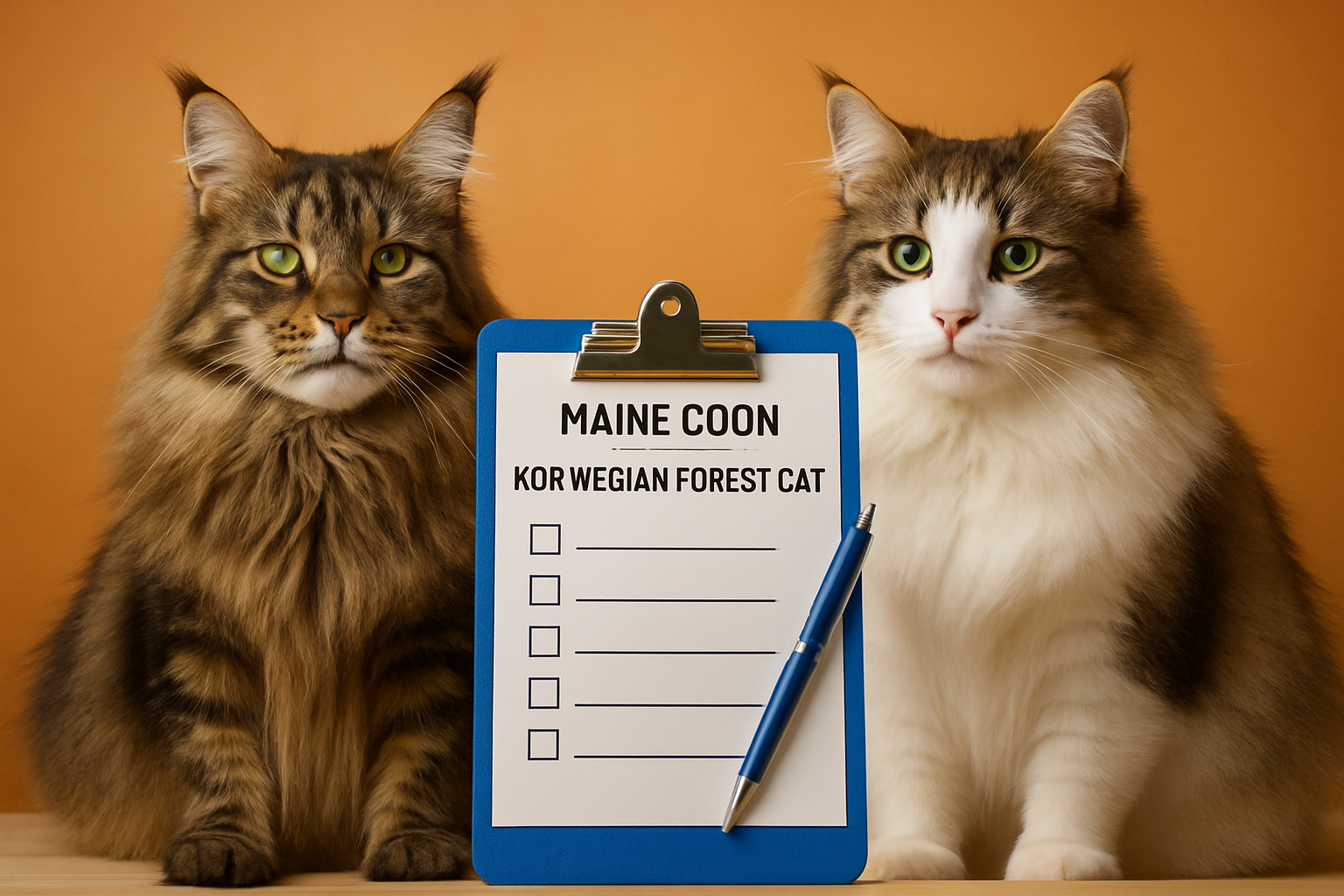
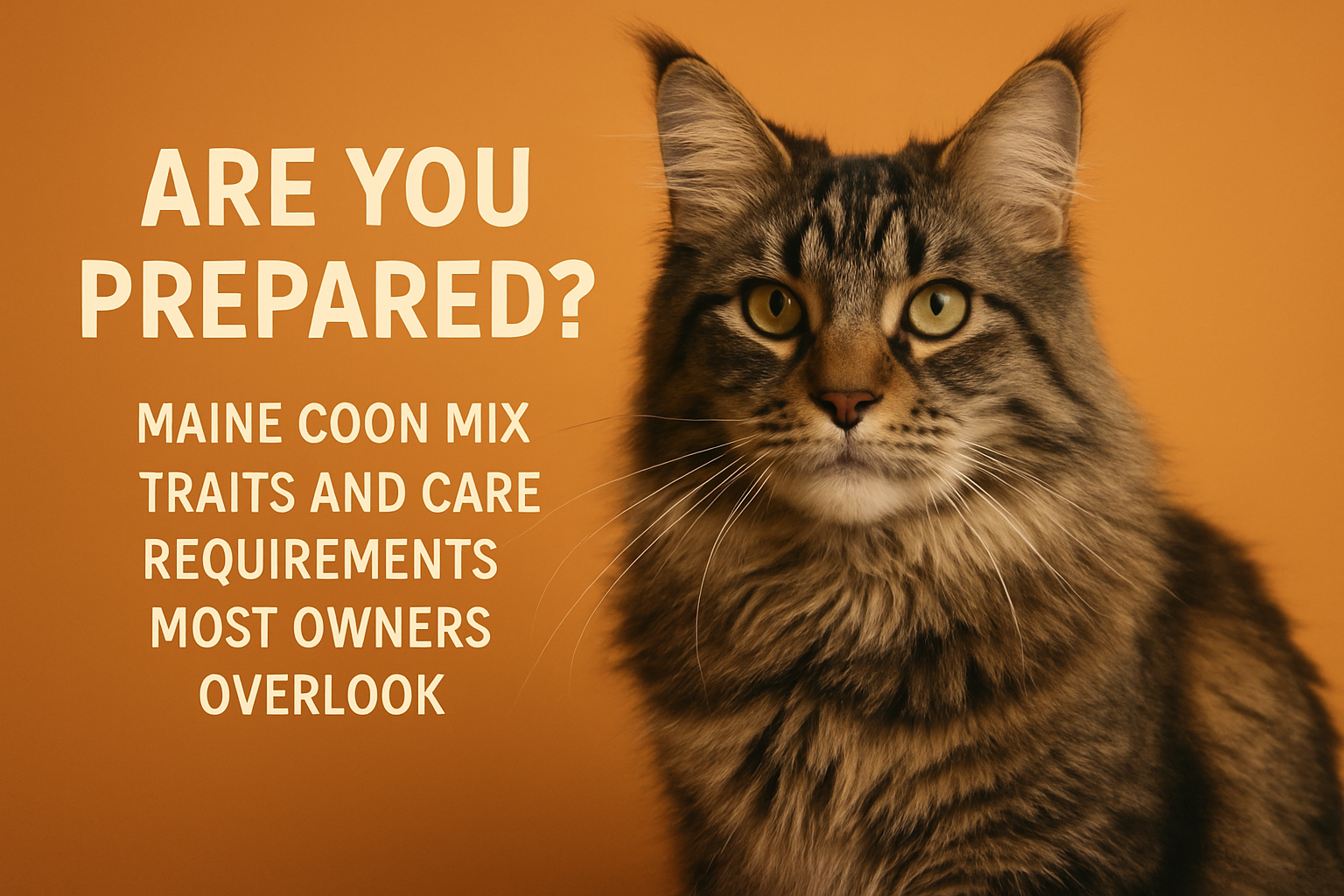
If you share your sofa with a cat who chirps like a bird, drinks from the faucet, and somehow opens cupboards, you might be living with a Maine Coon mix. Before that majestic tail sweeps another glass off the counter, let’s get real about the maine coon mix traits and care requirements most owners miss. I learned the hard way with my rescue, Maple, who grew from a fluffy feather-duster into a gentle 7 kilogram (kg) shoulder-percher. She was wonderful, but also a daily lesson in big-cat needs. With the right plan, gear, and mindset, you can enjoy every purr without the overwhelm—and that’s exactly what we dive into here.
Maine Coon Mix Traits and Care Requirements: What Most Owners Miss
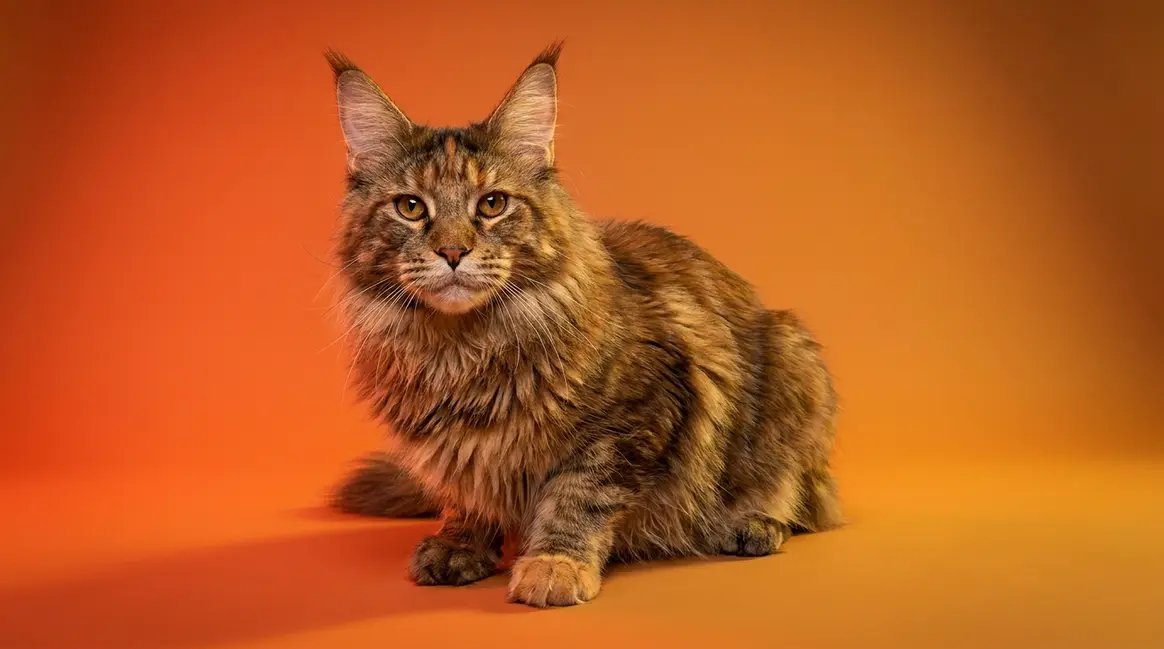
Mixed-breed cats keep you guessing, and Maine Coon crosses are the masters of surprises. Some inherit the classic rectangular body, long tufted ears, and a semi-long, water-resistant coat, while others look average until they stretch to 90 centimeters (cm) from nose to tail and remind you that furniture has weight limits. Expect a voice that chirps and trills rather than meows, a sociable shadow that follows you room to room, and a brain that unlocks food bins like a tiny safecracker. These cats are not “just bigger lap cats.” They are athletes with a sense of humor, a need for vertical territory, and an appetite that needs structure, not free-for-all refills.
What do owners frequently overlook? Three patterns come up again and again in reader emails to Mad Cat Man. First, undersized gear—standard cat trees and litter boxes are often outgrown in months. Second, grooming is not a weekend-only hobby; it is a habit that prevents painful mats and hairballs. Third, mental stimulation matters as much as exercise, because a bored Maine Coon mix will invent hobbies like “redecorate the bookshelf.” If you plan for size, coat care, and enrichment from day one, everything else becomes easier and far more fun.
| Trait | What You Might See | What To Plan For |
|---|---|---|
| Size and build | 4.5–7.3 kilograms (kg), long body, big paws | Extra-large (XL) litter box; tall, stable cat tree; wide harness — affiliate-recommended retail items (Mad Cat Man does not sell products directly) |
| Coat | Semi-long, seasonal shedding, ruff and britches | Slicker brush and stainless steel comb 3–5 times weekly |
| Temperament | Confident, social, dog-like fetch and follow | Daily interactive play, training, supervised outdoor time |
| Vocalization | Chirps, trills, conversational meows | Respond with routine and engagement, not constant snacks |
| Smarts | Opens drawers, solves puzzles, trains fast | Puzzle feeders, clicker games, rotate toys weekly |
Big Cat, Bigger Personality: Temperament, Space, and Social Needs
People call Maine Coons the “gentle giants” for a reason, and many mixes inherit that outgoing, people-first vibe. Expect a cat who greets guests, supervises laundry, and wants to be where the action is. That sociability is a gift if you channel it with structure. Set daily touchpoints—morning play, late afternoon training, and a calm evening cuddle—so your cat knows when attention is plentiful and when to nap. Without routine, a Maine Coon mix can become an adorable but relentless attention negotiator who taps your cheek at 4 a.m.
Space matters more than square footage. Think vertical, not just horizontal. A 170 centimeter (cm) multi-level tree placed near a window is worth more than two small posts. Bridge shelves between bookcases, add a window perch above a radiator, and give them a stable, waist-height landing pad near your desk so they can “help” without tripping your keyboard. According to owner surveys cited by the American Pet Products Association (APPA), cats that receive daily interactive play are reported to display fewer stress behaviors; Maine Coon mixes, with their high social drive, often need that engagement the most. The payoff is a calmer, more affectionate companion who snores like a tiny bear on your pillow.
- Routine idea: 10 minutes of feather wand sprints after breakfast, 5 minutes of clicker training at lunch, 15 minutes of fetch and tunnels before dinner.
- Household tip: Place a cat tree in the room where you spend the most time—TV area or home office—so your cat can “join” without mischief.
- Multi-pet note: Introduce slowly with scent swapping and short, positive sessions to respect that big personal bubble.
Grooming Reality Check: Coats, Shedding, and Daily Maintenance
The coat is glorious—and it can be a maintenance puzzle. Many Maine Coon mixes have a double coat with yearly or twice-yearly blowouts, especially in spring. Mats start in the armpits, behind the ears, and in those long “britches.” A little prevention goes a long way. I used to chase Maple around with a brush on Sundays, and we both hated it. When I shifted to 3-minute mini-sessions after her evening play, mats disappeared, hairballs eased, and we started to enjoy grooming as bonding rather than a wrestling match. Small, consistent effort beats occasional marathons every time.
Arm yourself with the right tools and a plan. Use a slicker brush to lift loose undercoat, then a stainless steel comb to check for snags. A safe dematting tool is for emergencies only—think gentle, one-direction strokes and stop if skin appears. Trim nails every 2–3 weeks, and consider teaching your cat to accept an electric toothbrush’s hum next to the mouth, which makes professional dental cleanings less scary. Diet helps, too. Omega-3 fatty acids, especially docosahexaenoic acid (DHA) and eicosapentaenoic acid (EPA) from fish oil, can support skin and coat, though you should always confirm dosage with your veterinarian.
| Tool | Best For | Frequency | Pro Tip |
|---|---|---|---|
| Slicker brush | Loosening undercoat | 3–5 times weekly in shedding seasons | Short, gentle strokes—if skin moves, pressure is fine; if skin bends, pressure is too much |
| Stainless steel comb | Finding hidden tangles | Every session | Comb “problem zones” first—armpits, belly, behind ears |
| Dematting tool | Breaking up small mats | As needed | Stabilize skin with fingertips and cut away from the skin |
| Nail clippers or grinder | Preventing snags and scratches | Every 2–3 weeks | Trim after play when your cat is relaxed; reward every paw |
Fueling the Engine: Nutrition, Portioning, and Weight Control
Big frame does not equal bottomless bowl. Many Maine Coon mixes pack on weight quickly if food is always available. As a rule of thumb, work with your veterinarian to estimate daily calories based on body condition, then split between high-protein wet food and a measured portion of quality dry food if you use it. For many large, moderately active cats, that might be roughly 200–300 kilocalories per day—less for couch potatoes, more for teens or high-energy adults. Focus on animal protein first, moderate fat, and a moisture-forward diet to support urinary health. If your cat gulps, use a slow feeder to prevent vomiting and encourage calm mealtimes.
You can do a quick home check between appointments. From above, your cat should have a visible waist; from the side, an abdominal tuck. You should feel ribs with light pressure but not see them. If the “food song” starts an hour early, try a small snack delivered via a puzzle feeder rather than adding a standalone meal. According to industry data commonly cited by the American Pet Products Association (APPA), owners who use puzzle feeding report higher satisfaction and fewer boredom behaviors. For Maine Coon mixes, puzzle feeding scratches both physical and mental itches in one tidy routine.
- Prioritize wet food to boost hydration and satiety.
- Measure every meal with a scoop—do not estimate by eye.
- Rotate proteins to keep interest and reduce finickiness.
- Weigh monthly and track trends, not single days.
Play, Enrichment, and Training: How to Tire Out a Smart Giant
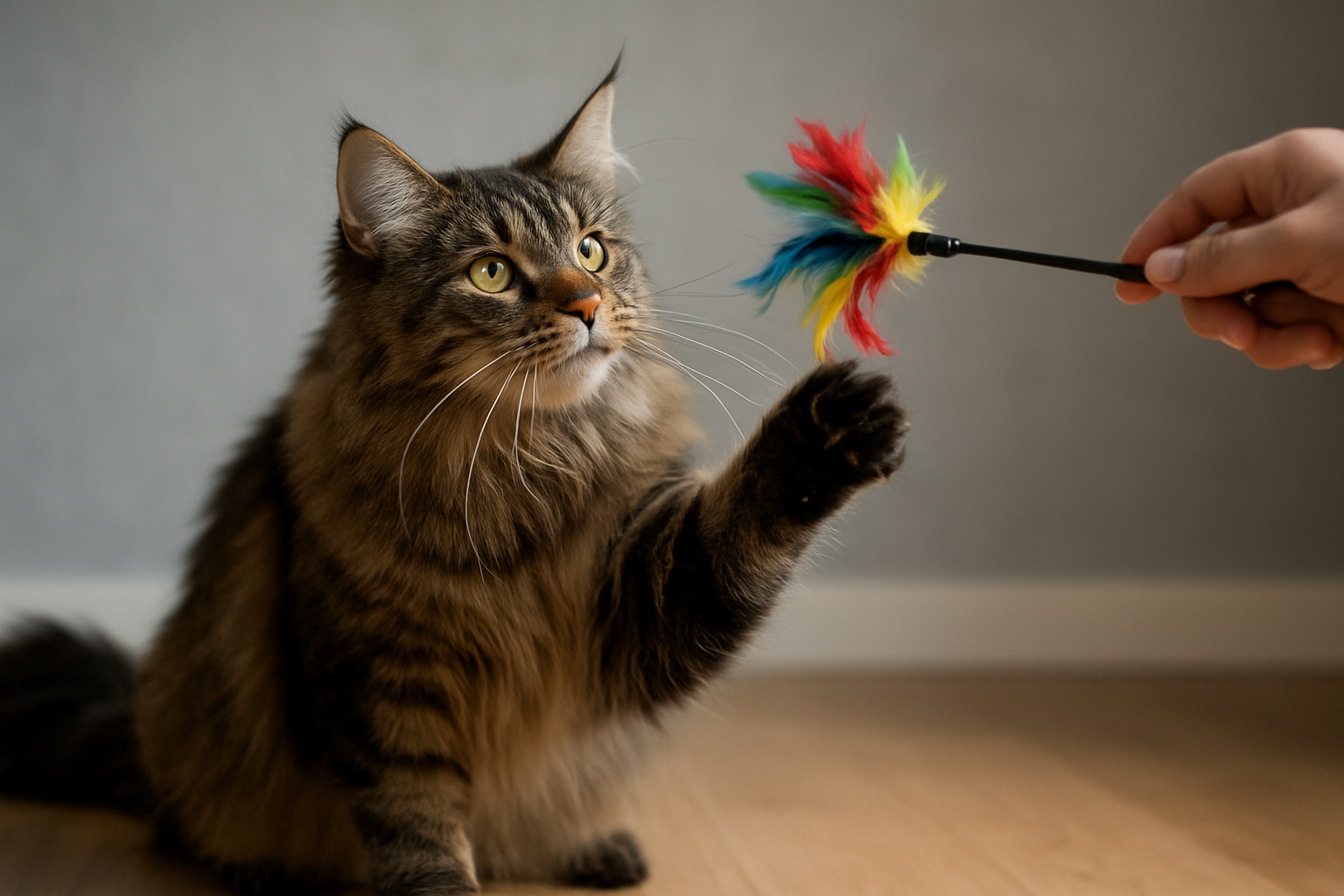
These cats do not just like toys—they like jobs. Aim for two daily sessions of heart-pumping play that mimic hunting: stalk, chase, pounce, capture. Feather wands and flirt poles are great, but think variety. On Monday it is a felt mouse across a runner rug. On Tuesday it is a crinkly tunnel ambush. On Wednesday you set up a simple obstacle course with cushions and chair legs. Layer in training after play when your cat’s energy is soft and focused. Sit, high-five, spin, perch on a target—each behavior takes seconds to teach and pays you back with easier vet (veterinarian) visits and calmer introductions to new people.
Interactive enrichment is your sanity saver on rainy days. Puzzle feeders turn meals into brain workouts. Hide-and-seek with treats turns your hallway into an adventure trail. Harness and leash training—yes, even for cats—can give a curious Maine Coon mix the outdoor smells they crave without risk. Start slow with a wide, padded harness. Reward for sniffing it, then wearing it, then walking indoors, then stepping into a quiet yard. If it takes weeks, that is normal. The goal is stress-free exploration, not a forced march around the block.
- Weekly rotation: Keep only 3–4 toys out at a time; store the rest and swap every Sunday.
- DIY (do it yourself) fun: Paper bags, cardboard castles, and muffin-tin treat puzzles punch way above their weight.
- Training streak: Five cookies a day keeps boredom away—reinforce calm sits before meals and doors.
Health Watch: What Mixed Genetics Mean for Vet Care and Screening
Mixed genetics can widen or narrow risk, but some concerns remain relevant for many Maine Coon lines. Ask your veterinarian about screening for hypertrophic cardiomyopathy (HCM) early in adulthood—a common feline heart disease—especially if your cat tires easily, pants after play, or has a heart murmur. Large cats can also be prone to hip dysplasia, so keep jumping surfaces stable and avoid high-impact landings. Dental disease is incredibly common by age three; consider daily tooth brushing, dental diets verified by the Veterinary Oral Health Council (VOHC), and regular professional cleanings. Good news: these are manageable with routine and the right gear.
Prevention is your best friend. Keep parasite control current with worming on a schedule recommended by your veterinarian and microchip your cat with an International Organization for Standardization (ISO) compliant, 15-digit chip. Cats that enjoy water often like humid rooms, so a cool-mist humidifier can help in winter—just choose models with easy-to-clean tanks and place cords behind furniture. For safety, verify that houseplants are non-toxic and skip essential oil diffusers in the same room. Finally, give your cat a stress-free carrier experience by leaving the carrier open year-round with a blanket and treats inside; a few short, positive car rides can turn vet (veterinarian) trips from drama to doable.
| Category | Pure Maine Coon | Maine Coon Mix | Average Domestic Cat |
|---|---|---|---|
| Adult weight | 5.9–8.2 kilograms (kg) males, 3.6–5.4 kilograms (kg) females | 4.5–7.3 kilograms (kg) typical range | 3.2–4.5 kilograms (kg) |
| Coat maintenance | High | Moderate to high | Low to moderate |
| HCM (hypertrophic cardiomyopathy) risk | Elevated in some lines | Variable | Present but generally lower |
| Exercise needs | High | Moderate to high | Moderate |
Shopping Smart: Gear That Actually Fits a Maine Coon Mix
If you have ever watched your cat fold into a pretzel to turn around in a tiny litter tray, you already know: size matters. Buy once, cry zero. The right gear prevents messes, protects joints, and satisfies those big-cat instincts. At Mad Cat Man, we review products with large cats in mind—food that fuels without bloat, toys that stand up to daily pouncing, furniture that does not wobble, and grooming tools that make quick work of thick coats. Use the specs below as a starting point, then scan reviews for notes from other large-cat owners. Your future self will thank you when scooping takes seconds and the cat tree does not sway like a sapling.
| Category | What To Look For | Recommended Size or Spec | Why It Helps |
|---|---|---|---|
| Litter box | High sides, open top or jumbo covered with wide doorway | At least 55–65 centimeters (cm) long, 40–50 centimeters (cm) wide | Prevents out-of-box accidents and sand-sprays |
| Cat tree | Solid wood or thick posts, wide platforms | 160–180 centimeters (cm) tall, platforms 40 centimeters (cm) wide | Stability for big landings, supports healthy joints |
| Scratching post | Sisal rope or woven sisal | At least 90 centimeters (cm) tall | Allows full-body stretch to protect furniture |
| Harness | Wide chest plate, adjustable at neck and girth | Chest 40–60 centimeters (cm) typical, check size charts | Comfortable, secure fit for confident walks |
| Food bowls | Shallow, wide, non-slip | 18–22 centimeters (cm) diameter | Prevents whisker fatigue and face mess |
| Fountain | Quiet pump, easy-clean reservoir | 2–3 liters capacity | Encourages hydration for urinary health |
| Puzzle feeder | Multiple difficulty levels, sturdy build | Holds full meal portion | Slows eating and adds brain work |
| Brush and comb | Slicker plus stainless steel comb | Ergonomic handle | Makes frequent grooming comfortable for you both |
Not sure where to start or what fits your budget? Mad Cat Man organizes roundups by category and price, and our hands-on reviews call out which items actually suit larger cats. We include setup tips, care instructions, and safety notes—like steering you toward cool-mist humidifiers for winter dryness and away from wobbly perches. Our goal is simple: no buyer’s remorse, just gear that earns its keep.
Budget and Time Commitment: The Real-World Checklist
Planning ahead turns surprise expenses into line items you have already sized up. While costs vary by region, a large mixed-breed cat tends to use more litter, eat slightly more food, and outgrow small furniture quickly. Product longevity matters—one sturdy tree can outlast three flimsy ones. According to estimates frequently referenced by the American Pet Products Association (APPA), annual cat ownership costs commonly span hundreds of dollars for essentials and can reach into the low thousands with high-quality food, insurance, and preventative care. Use the ranges below as a budgeting lens, then adjust based on your veterinary clinic’s fees and your cat’s needs.
| Category | Monthly Cost Range | Time Investment | Notes |
|---|---|---|---|
| Food | $35–$90 | 5 minutes per meal | Wet-forward diets often cost more but improve hydration |
| Litter | $15–$30 | 10 minutes per day | Choose a jumbo pan and low-dust litter for less mess |
| Grooming supplies | $3–$10 | 10–20 minutes, 3–5 days per week | Mini-sessions beat marathon detangling |
| Toys and enrichment | $8–$25 | 20–30 minutes per day | Rotate toys weekly to keep novelty high |
| Veterinary care | $20–$60 averaged | 1–2 visits per year | Preventative care reduces emergencies—ask about dental plans |
| Furniture amortized | $5–$20 | Setup once, weekly wipe-downs | Invest in a sturdy tree and tall post early |
Want a simple readiness check? If you can commit to daily play, grooming most days, a monthly deep clean of litter and fountains, and budget a flat “cat fund,” you are well on your way. On Mad Cat Man, we publish step-by-step checklists, behavior tips that work in real homes, and vet-approved guides on worming, microchipping, and dental care. We organize it all so you can stay calm, choose confidently, and spend your time enjoying your cat—not doomscrolling through conflicting advice.
How To Tell if Your Cat Might Be a Maine Coon Mix
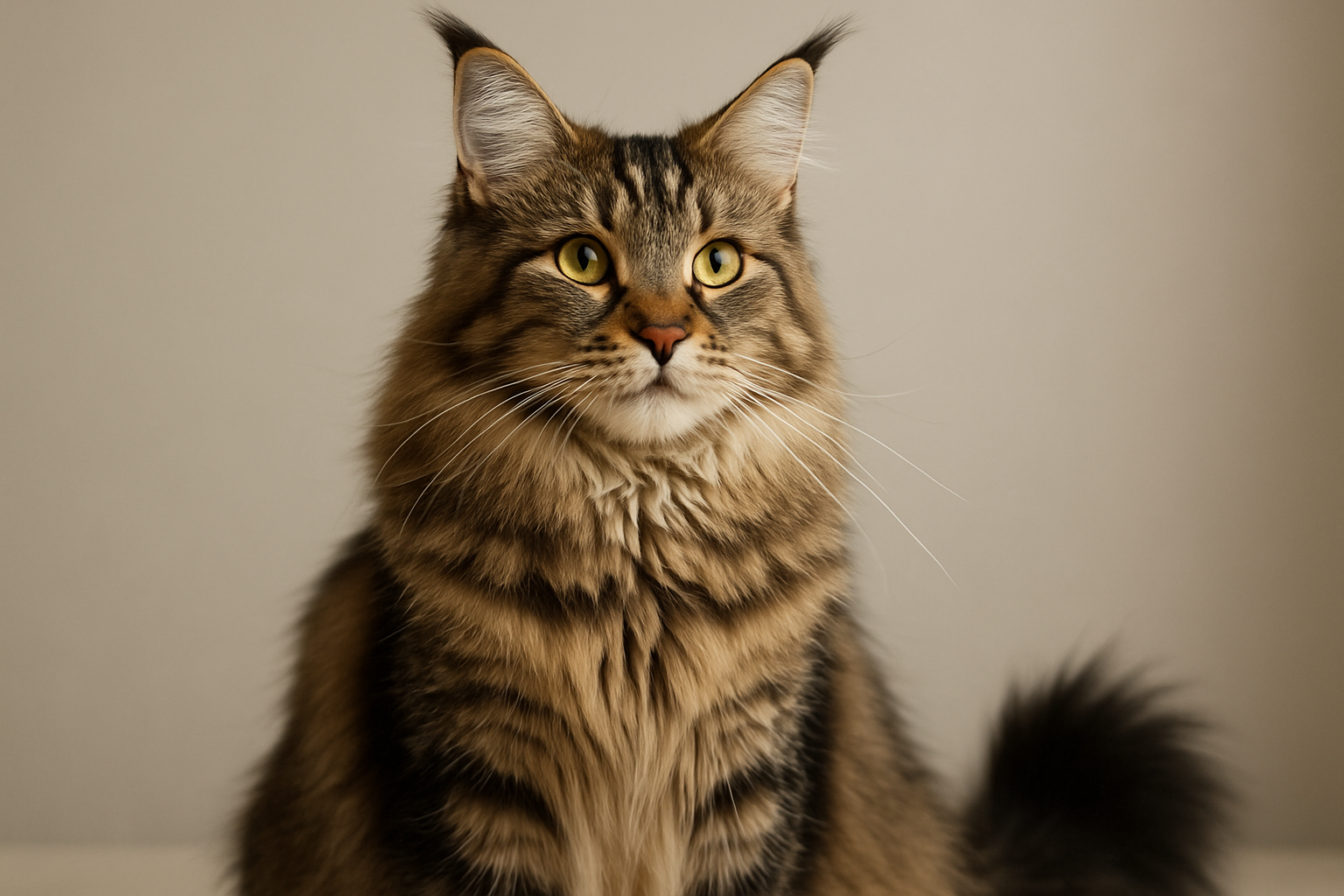
Only a deoxyribonucleic acid (DNA) test can offer probabilities, and even then it is a percentage, not a certificate. Still, some traits make a stronger case. Look for a long, rectangular torso, a big, plume-like tail, a slightly squared muzzle, and ear tufts that would make a lynx jealous. Notice the voice—more chirps and trills than standard meows—and the behavior—fetch and shoulder rides are classic. Even so, remember that care counts more than labels. A “maybe Maine Coon” who gets sized-up gear and a boredom-proof routine will thrive just as brightly as a cat with papers.
- Behavioral tells: fetch obsession, faucet fascination, and social butterfly tendencies.
- Physical hints: big mittens, shaggy britches, lion-like ruff in winter.
- Mindset: Treat what you see. If the cat is big, buy big. If the cat is bored, make a game.
Where Mad Cat Man Fits In Your Journey
Cat owners—especially first-timers—tell us the hardest part is not loving their cats, it is sifting through noise to make good choices. Mad Cat Man exists to remove that friction. We publish hands-on product reviews and buying recommendations—food, toys, furniture, grooming supplies—paired with behavior advice, how-to tutorials, breed comparisons, and safety notes on everything from humidifiers to houseplants. Many product mentions include affiliate links to retail sellers; Mad Cat Man does not operate an online store or sell products directly. Our guides are expert-backed, simple to follow, and organized so you can find what you need fast. Whether you are researching carriers for a vet (veterinarian) visit or comparing cat trees for a Maine Coon-sized jumper, we help you decide with confidence. Our editorial content is informed by hands-on testing and, for certain reviews and medical topics, consultation with a DVM; however, it is not a substitute for veterinary care—consult your veterinarian for medical concerns.
Here is how readers use us in the real world: they pull up our shopping checklists at the pet store, skim our training steps while a kitten zooms, and bookmark our health explainers before calling their veterinarian. The result is less second-guessing, fewer mismatched purchases, and a happier rhythm at home. If your cat is already plotting a 6 a.m. hallway sprint, let us save you two hours of research and a few returns with one clear, experience-based guide at a time.
Common Pitfalls and How to Dodge Them
It is easy to underestimate a large cat’s reach and determination. Owners often stash food bags in unlocked cabinets, mount lightweight shelves, or forget that a “tall enough” scratching post for a small cat is a toy for a Maine Coon mix. Solve those problems upfront: use airtight containers with latches, anchor shelves into studs, and buy posts tall enough for a full stretch. Another trap is treating vocalizing as a snack request. Often it is a play or attention request. Answer with engagement first, not calories, and watch the “complaints” fade.
Finally, do not skip training because your cat “is not a dog.” Training is communication. A reliable “come,” a calm carrier entry, and a sit before mealtimes make daily life smoother. With a Maine Coon mix, that training also channels their cleverness into wins you both enjoy. Start tiny, celebrate often, and keep sessions under five minutes. That is the secret sauce.
Essential Checklist: Day-One Prep for a Maine Coon Mix
- Two litter boxes large enough for a full turn—place one on each floor if you have stairs.
- One tall, stable cat tree near your favorite hangout plus a 90 centimeter (cm) scratching post.
- Puzzle feeder, wand toy, crinkle tunnel, and a weekly toy rotation plan.
- Slicker brush, stainless steel comb, nail trimmer, and a treat stash for cooperative care.
- Wide, shallow bowls and a 2–3 liter fountain for steady hydration.
- Carrier left open year-round with a blanket, treats, and a spritz of familiar bedding scent.
- Microchip appointment and a conversation with your veterinarian about HCM (hypertrophic cardiomyopathy) awareness and dental care.
Ready for the final gut check? If you are smiling at the thought of a big shadow by your side, a few extra fur tumbleweeds, and a daily play-and-groom rhythm, you are exactly the kind of person Maine Coon mixes adore. With the right setup and support, the rewards are enormous—just like the head boops.
Conclusion

Big, bright, and beautifully social—that is the Maine Coon mix, and now you know how to meet their needs without guesswork. Imagine the next 12 months with a cat who is calmer, fitter, and fully engaged because you sized the gear right, nailed the routine, and worked with your veterinarian proactively. What would that change about your home’s daily rhythm?
Picture fewer returns, zero mats, and a cat tree that still stands after a flying pounce. As you shop and set routines, keep this guide handy as your map through maine coon mix traits and care requirements—then customize it to your cat’s dazzling personality. Which one upgrade will you make first?
Additional Resources
Explore these authoritative resources to dive deeper into maine coon mix traits and care requirements.
Nail Maine Coon Mix Care With Mad Cat Man
Explore product reviews and buying recommendations (food, toys, furniture, grooming supplies) — many affiliate-linked to retail sellers — so new and experienced owners make confident, budget-smart choices for Maine Coon mixes. Mad Cat Man does not sell products directly.
- +Reduces appetite and cravings.
- +Helps preserve lean muscle mass.
- +Increases calorie burn (thermic effect).
- +Supports long-term calorie control.
- −Not suitable for some kidney conditions.
- −High protein foods can cost more.
- −Excess intake still leads to fat gain.
- −Requires planning for fibre and hydration.

Dave King
Cat owner and writer at Mad Cat Man.