Mad Cat Man’s 9-Step Cat’s Nails Survival Guide: Stress-Free Trims, Filing & Furniture-Saving Tips
Unlock actionable ideas for Mad Cat Man's 9-Step Cat's Nails Survival Guide: Stress-Free Trims, Filing & Furniture-Saving Tips including common pitfalls…

Mad Cat Man’s 9-Step Cat’s Nails Survival Guide: Stress-Free Trims, Filing & Furniture-Saving Tips
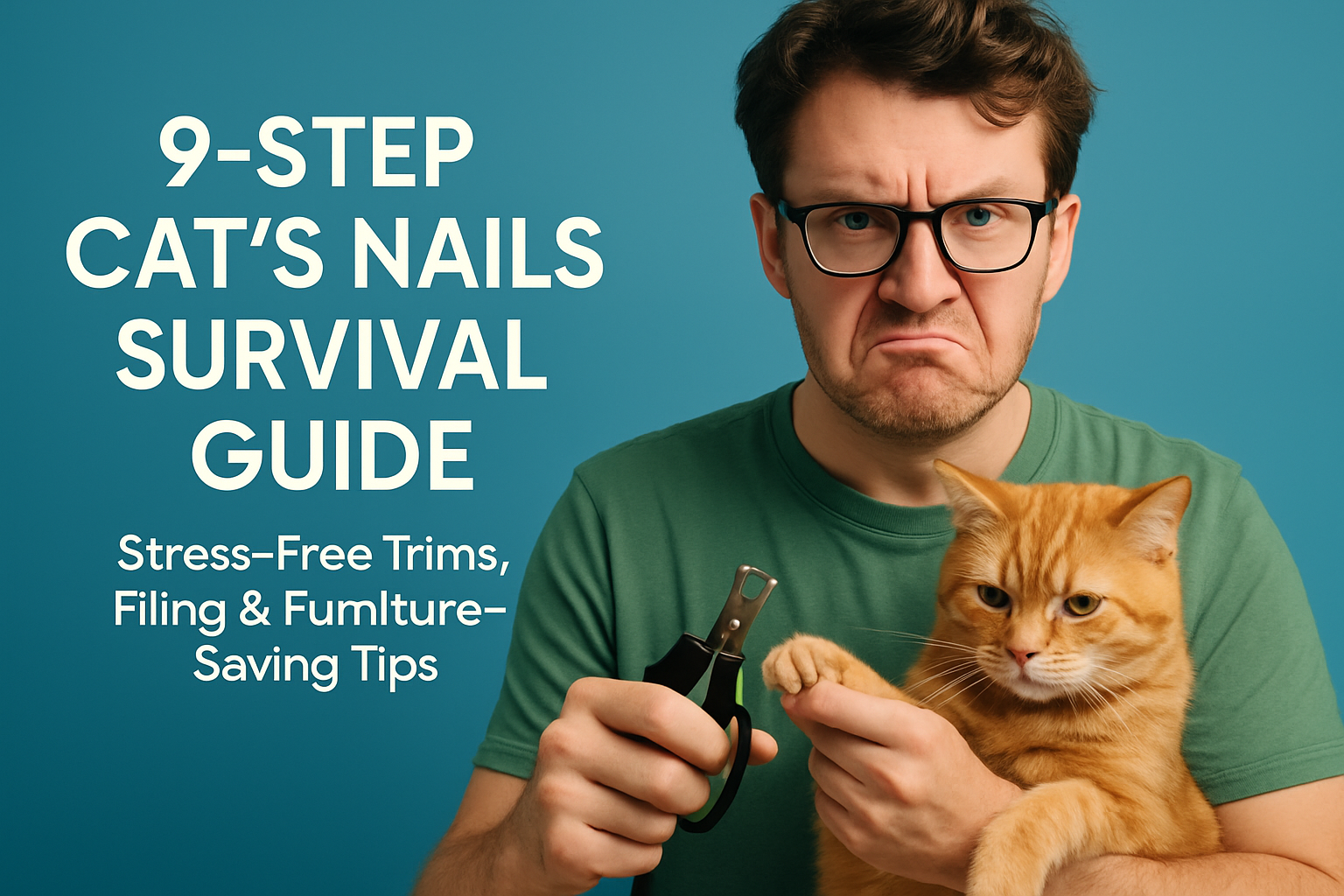
If the words time to trim your cat’s nails make you want to crawl under the sofa, you are so not alone. I have been there, dodging the slow-motion paw swat while eyeing my once-beautiful sofa like a battlefield. The good news is that this does not have to be a wrestling match. With the right setup, a simple routine, and tools that actually help, cat nail care can feel calm, quick, and even a little bit bonding. In this guide, you will get a nine-step method that works for skittish kittens and stubborn seniors, plus furniture-saving strategies and gear picks vetted by the Mad Cat Man team. Mad Cat Man does not sell products directly; we link to third-party sellers via affiliate links (Amazon Associate) and provide editorial recommendations based on hands-on testing. We specialize in practical, experience-based advice across grooming, behavior, and product reviews, and we organize our tips so you can act with confidence in minutes. Ready to trade claw chaos for couch peace and a happier cat?
Why Cat’s Nails Matter: Health, Safety, and Your Sofa
Claws are not just sharp accessories for your cat; they are multipurpose tools. Cats use claws for balance, stretching, climbing, territory marking with scent glands, and yes, stress relief. Under the translucent sheath of each claw sits the pink quick, a bundle of nerves and blood vessels you definitely want to avoid. When claws get too long, they snag carpets, splinter, or in older cats can curl toward the paw pad. That hurts, can get infected, and turns even the sweetest feline into a no-touch zone. Routine care also protects human skin, reduces accidental damage during play, and makes it easier to guide your cat toward appropriate scratching surfaces instead of that exact corner of your favorite chair. Think of trimming as preventive care that supports mobility, comfort, and your home.
How often should you trim? Many veterinarians recommend every two to four weeks, but your schedule depends on age, activity, surfaces in your home, and breed quirks. Indoor-only cats that lounge on soft flooring typically need more frequent attention than adventurous climbers with sisal posts in every room. Trimming should never replace scratching posts; it complements them. And declawing is not an option, full stop. It is a painful surgical amputation that is banned in many regions and linked to long-term behavioral and health issues. Instead, you will combine gentle trims with smart training and the right gear. At Mad Cat Man, we bundle grooming with behavior and veterinarian-informed health guidance — offering information on topics such as worming schedules, microchipping reminders, and dental-care tips — so you can pair nail care with other preventive tasks to keep your cat relaxed and thriving.
Mad Cat Man’s 9-Step Method for Stress-Free Trimming
This is the exact method I used to transform my feisty rescue, Poppy, from a screech-and-sprint trimmer into a purr-and-snooze client. The trick is to think in tiny wins and end each session on a good note. Sessions are short, rewards are frequent, and you choose timing wisely. Try right after a play session or a meal when your cat is a little sleepy, and set up in a quiet spot with good light. Keep a towel, your chosen trimmer or file, high-value treats, and styptic powder close. You will progress at your cat’s pace across days instead of forcing everything in one go. If you only get one claw today, that is a win. With repetition, you will get all paws safely without drama, and your cat will associate trims with praise and snacks rather than tension.
Watch This Helpful Video
To help you better understand cat’s nails, we’ve included this informative video from Luna_the_pantera. It provides valuable insights and visual demonstrations that complement the written content.
- Set the stage: Pick a calm time, a comfy surface, and gentle lighting. Place tools within easy reach so you never fumble.
- Build touch tolerance: Spend 30 to 60 seconds massaging shoulders, legs, and paws daily, then treat. Paw pats today, trims later.
- Desensitize the tool: Let your cat sniff the clipper or file, click it once away from the cat, treat, repeat. Low pressure, high reward.
- Expose one claw: Gently press the paw pad so the claw peeks out. Praise. If your cat relaxes, proceed; if not, release and try again.
- Trim the tip only: Cut the translucent hook, staying well clear of the pink quick. Angle slightly upward to blunt the point.
- File to finish: For sound-sensitive cats, smooth the edge with a glass file. Many cats tolerate filing longer than clipping.
- Use a towel wrap if needed: A snug burrito wrap keeps paws accessible and bodies calm. Keep it loose around the neck and always monitor.
- Take micro-breaks: Two claws, pause. Treat. Two more, pause again. Stop at the first sign of stress to preserve trust.
- End on a win: Celebrate, toss a favorite toy, and record your progress. Tomorrow will be easier because today felt safe.
Tools That Make Trims Easier: Clippers, Grinders, and Quiet Files
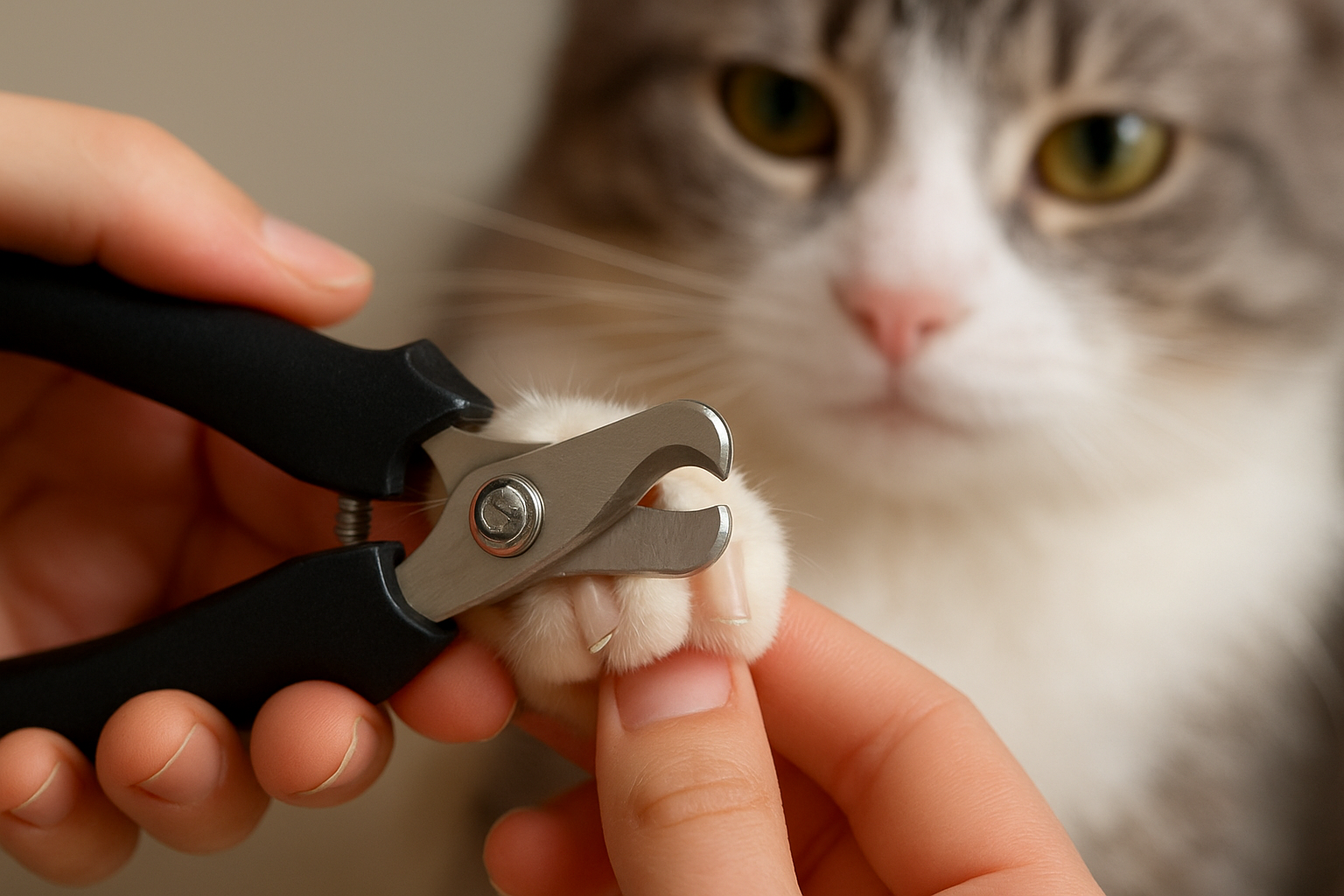
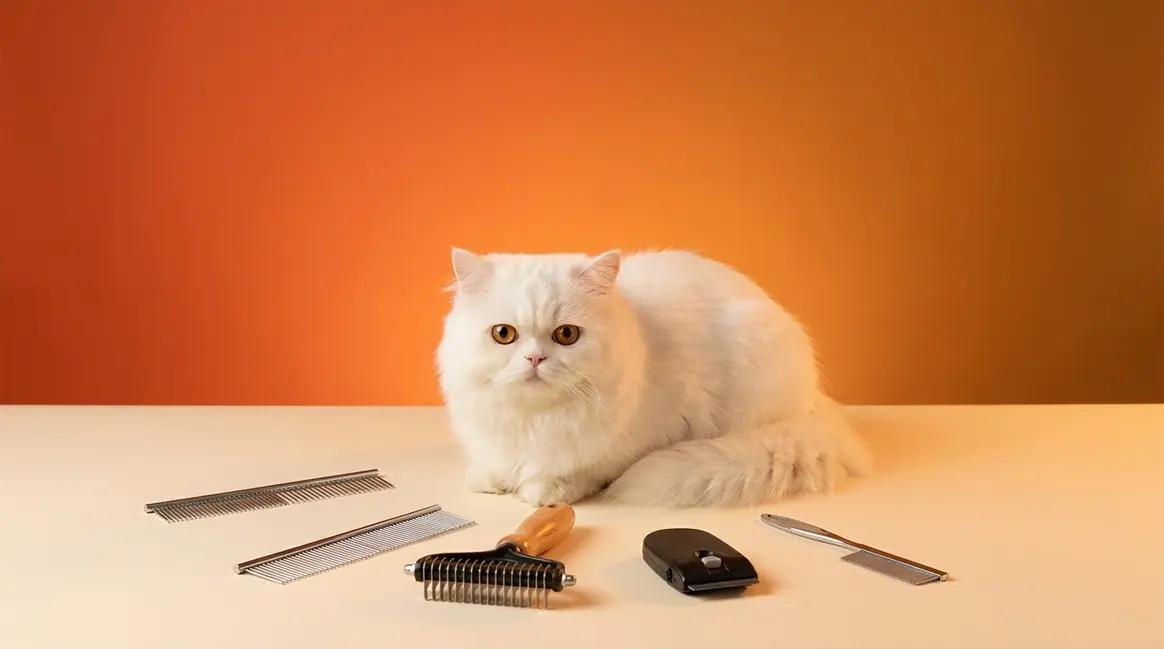
The right tool turns a wrestling match into a two-minute routine. Scissors-style clippers offer great control for most cats, while pliers-style models add leverage for thicker claws. Guillotine clippers stay sharp longer but require threading the claw through a small hole, which some cats dislike. Grinders can gradually shorten claws and round edges, but they make noise many cats find spooky. Glass nail files are quiet, precise, and brilliant for finishing or maintaining between trims. Choose a non-slip handle, a sharp blade, and a tool that fits your hand well. If your cat hates one tool, swap rather than push through resistance. At Mad Cat Man, our grooming reviews spotlight ease of use, noise level in decibels, cleaning effort, and budget so you can buy once and trim happily for years.
| Tool Type | Best For | Pros | Cons | Noise | Budget Range |
|---|---|---|---|---|---|
| Scissors-Style Clippers | Most adult cats | Precise, familiar shape, easy to position | Needs regular blade sharpening or replacement | Very low | Budget to mid-range |
| Pliers-Style Clippers | Thicker claws, multi-cat homes | Strong spring action, durable | Can feel bulky in small hands | Low | Mid-range |
| Guillotine Clippers | Experienced trimmers | Blade stays sharp, clean cut | Threading claw can be fiddly for nervous cats | Low | Budget to mid-range |
| Electric Grinder | Smoothing sharp tips, gradual shaping | Rounds edges, reduces split risk | Noise and vibration may startle sensitive cats | Medium | Mid-range to premium |
| Glass Nail File | Sound-sensitive or skittish cats | Quiet, precise, easy to sanitize | Slower than clipping for very long claws | Silent | Budget |
- Mad Cat Man feature checklist: non-slip grip, sharp replaceable blades, safety guard you can remove, and quiet operation measured in decibels rather than flashy marketing claims.
- Care tip: Wipe tools with alcohol sanitizer and dry thoroughly to prevent rust and keep cuts clean.
- Storage tip: Keep tools in a small pouch with styptic powder, a glass file, and treats so everything is ready when your cat is.
Furniture-Saving Strategies: Scratching Posts, Covers, and Training
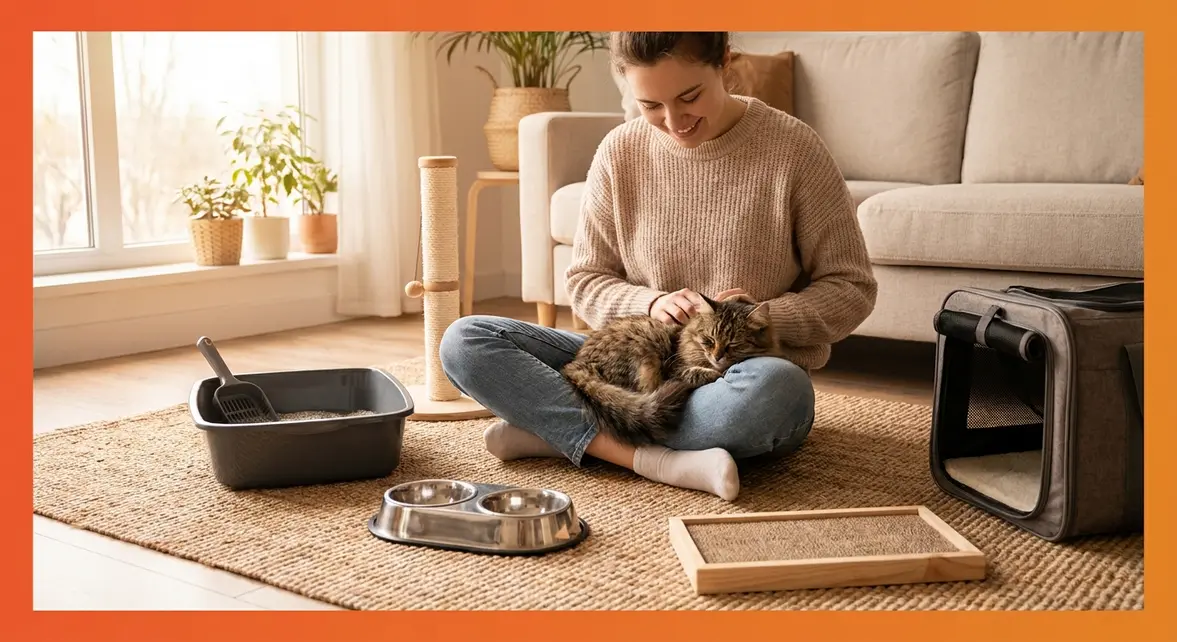
Scratching is not misbehavior; it is exercise, full-body stretching, and stress relief. Your mission is to offer irresistible legal outlets and place them exactly where your cat wants to express. Most cats prefer tall, sturdy vertical posts wrapped in rough material such as sisal fabric, and many also enjoy horizontal cardboard scratchers for lounging. Place posts beside sleep spots and near high-traffic zones your cat patrols, not hidden in a corner. Make them attractive with catnip or silver vine powder, and guide your cat to them with a wand toy so scratching becomes part of play. Cover targeted furniture temporarily with washable protectors or double-sided training tape while you build the new habit. With the edges blunted from trims, a proper post available, and a little coaching, your sofa becomes boring again.
Think like a set designer for your cat’s routine. A vertical post by the couch catches that wake-up stretch. A ramp near a favorite window answers the call to mark territory. A horizontal scratcher by the bed defuses the 6 a.m. zoomies. Consistency is everything: praise generously when claws hit the right surface, and redirect gently when they do not. Avoid punishment, which can increase anxiety and sneaky scratching when you are out of sight. Safety matters too. Anchor tall posts so they never wobble, check that coverings are non-toxic, and move houseplants that might be harmful out of reach of swat range. Mad Cat Man’s behavior guides pair these training steps with buying recommendations and shopping checklists so you can line up the right mix of posts, covers, and toys without guesswork.
| Scratcher Type | Best For | Placement Tip | Durability | Budget Notes |
|---|---|---|---|---|
| Vertical Sisal Fabric Post | Full-body stretches, big breeds | Next to favorite nap spot or sofa corner | High if base is stable | Mid-range investment pays off |
| Horizontal Cardboard Pad | Loungers and kittens | Under windows or by the bed | Low to medium, replaceable | Budget friendly multi-packs |
| Incline Ramp | Senior cats with stiff joints | Near traffic paths your cat patrols | Medium | Budget to mid-range |
| Wall-Mounted Panel | Space-saving, vertical markers | On corners and doorway paths | High with proper anchors | Mid-range |
- Quick wins: sprinkle catnip weekly, rotate scratchers monthly, and pair a few scratches with treats to strengthen the habit.
- Furniture aid: washable covers and training tape are short-term helpers while the scratcher habit takes hold.
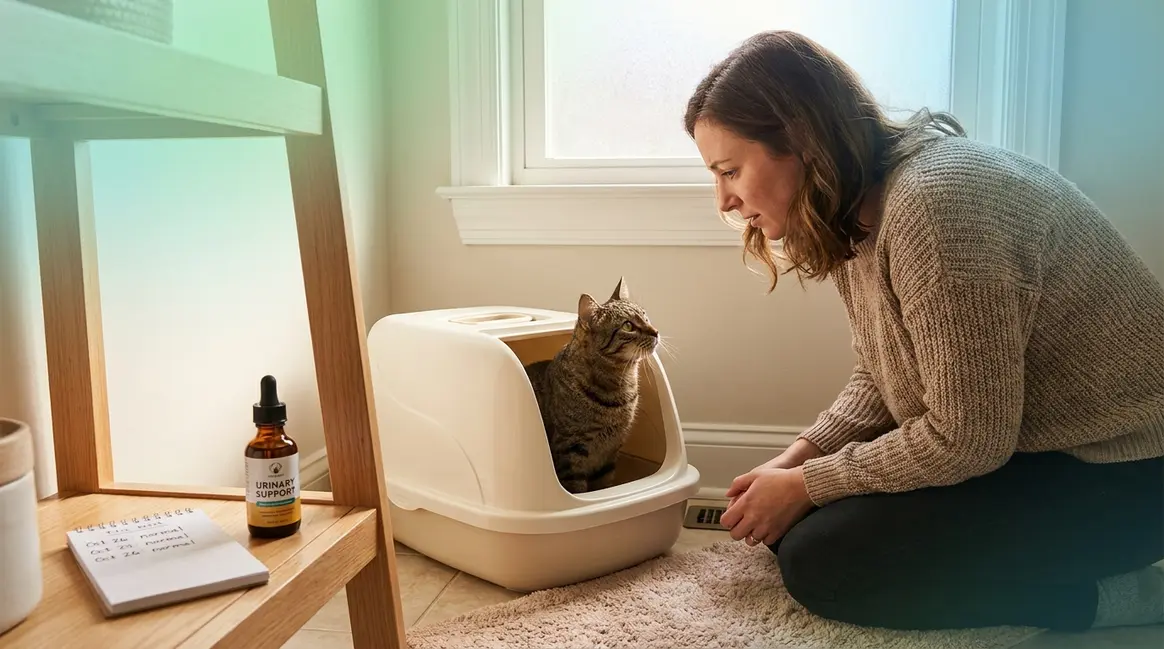
- Health check: sudden obsessive scratching can signal stress; review enrichment, litter box setup, and schedule a chat with your veterinarian.
Breed Quirks and Special Cases: Kittens, Seniors, and Maine Coons
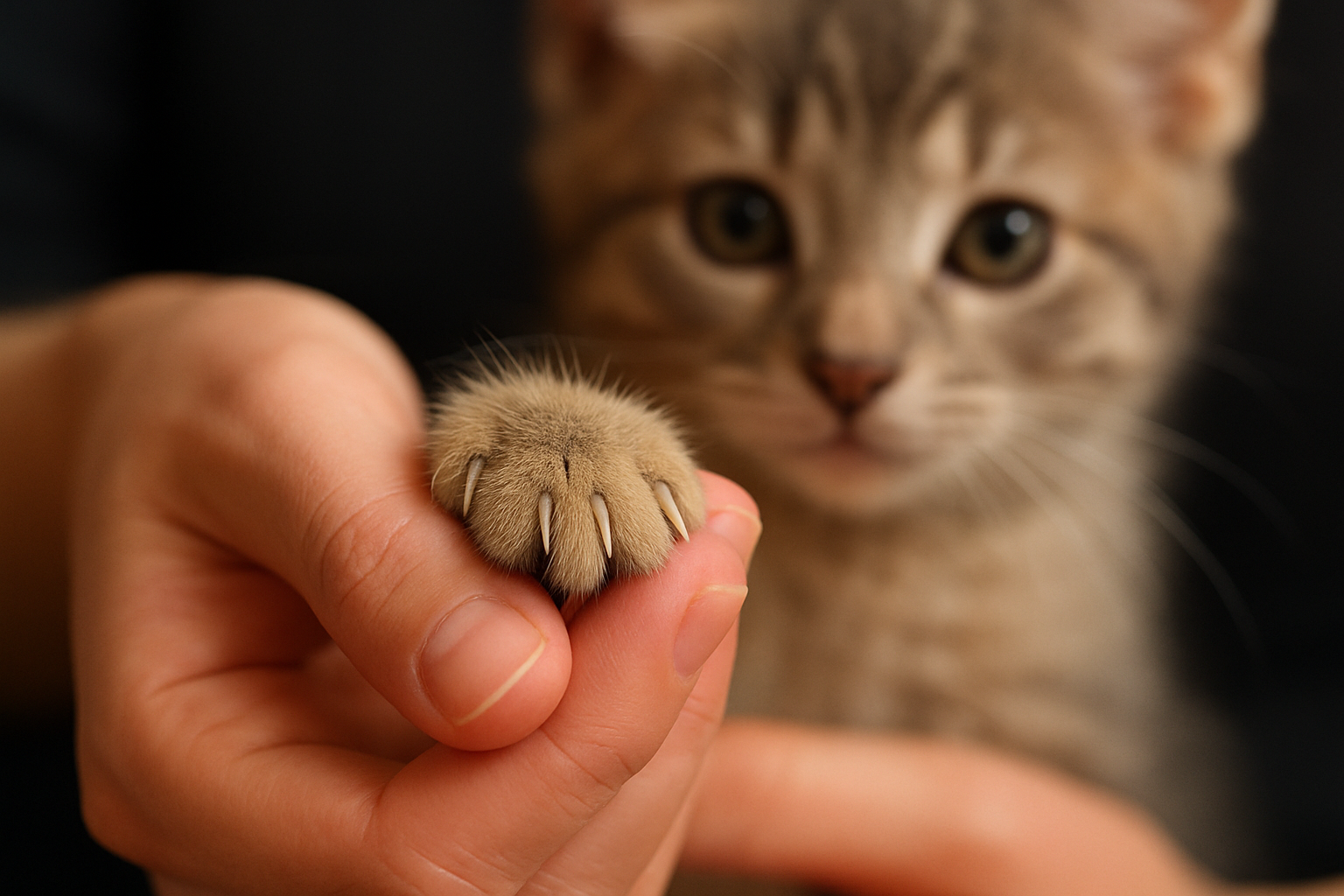
Different cats, different plans. Kittens learn fastest, so start touch training during nap-times and trim one or two claws every few days to build the routine. Big breeds such as the Maine Coon often have thicker claws and extra strength, so choose a sturdy post plus pliers-style clippers that give you leverage. Polydactyl cats with extra toes need a quick weekly peek between digits so stray claws do not hide and curl. Seniors and cats with arthritis may prefer a glass file or tiny trims more often because holding still can be uncomfortable. Nervous rescues benefit from extra desensitization and short sessions. If you are balancing multiple cats, expect different tolerances and tool preferences within the same household. Mad Cat Man organizes breed guides, behavior tips, and health checklists so you can quickly cross-reference your cat’s life stage and traits with the grooming approach that fits best.
Troubleshooting and Safety: Bleeds, Wriggles, and When to Call the Veterinarian
Even the smoothest routines hit bumps. If you nick the quick and see a tiny spot of blood, apply styptic powder or a clean gauze pad with gentle pressure, then give your cat a quiet break. If bleeding does not stop promptly or your cat seems painful later, call your veterinarian for advice. Mad Cat Man is editorial and veterinarian-informed but is not a veterinary practice; this guide does not replace professional veterinary diagnosis or treatment — contact your veterinarian for medical concerns. For wiggles, trim when your cat is drowsy, try the towel wrap, or ask a friend to feed treats while you handle the paws. If your cat bolts at the mere sight of clippers, park the tool on the floor for a few days, reward curiosity, and work back up to one-touch sessions. You can also switch tools entirely; many cats accept a file even when they refuse a clipper. When in doubt, a groomer or veterinary nurse can demonstrate technique and help you reboot the routine kindly.
- Red flags: claws curving into pads, cracked nails near the base, swelling, redness, or a sudden refusal to jump or climb.
- Allies: synthetic feline facial pheromone spray can soften tension; spray a blanket 10 minutes before sessions.
- Planning: pair nail care with other preventive tasks such as worming reminders and microchipping checks so nothing gets missed.
- Backup: if your cat has a history of aggression or panic, schedule a fear-aware appointment with your veterinarian or a certified behavior professional.
Want help choosing tools, posts, and treats without endless scrolling? Mad Cat Man curates product reviews and buying recommendations across food, toys, furniture, and grooming supplies, all grounded in hands-on testing and expert insight. We publish step-by-step tutorials and shopping checklists, and we place every guide in clear categories so you can find exactly what you need by life stage, budget, or goal. Whether you are a first-time pet parent or a long-time cat enthusiast, our goal is to shorten your learning curve and turn nail care into a five-minute ritual that protects your furniture, your skin, and your cat’s comfort. Bookmark this guide, pick one tool from our recommendations, and start with a single claw while your cat is sleepy this afternoon. Tomorrow, you will be two claws closer to easy.
Before You Head to the Treat Jar
This guide promised calmer trims, safer paws, and furniture that survives kitten zoomies, and now you have the plan to make it happen.
Imagine the next 12 months with a cat that nap-purrs through tidy trims, scratches posts like a pro, and leaves your couch stitching intact because you set up the right gear and rhythm.
What small change will you try today so your cat’s nails feel easier next week and your home looks better every month?
Additional Resources
Explore these authoritative resources to dive deeper into cat’s nails.
Make Cat’s Nails Care Effortless with Mad Cat Man
Explore product reviews and buying recommendations (food, toys, furniture, grooming supplies) to help every cat owner make confident, low-stress choices that truly fit their budget.

Dave King
Cat owner and writer at Mad Cat Man.