
Table of Contents
- Cats and Lily Plants: Why This Pairing Is So Dangerous
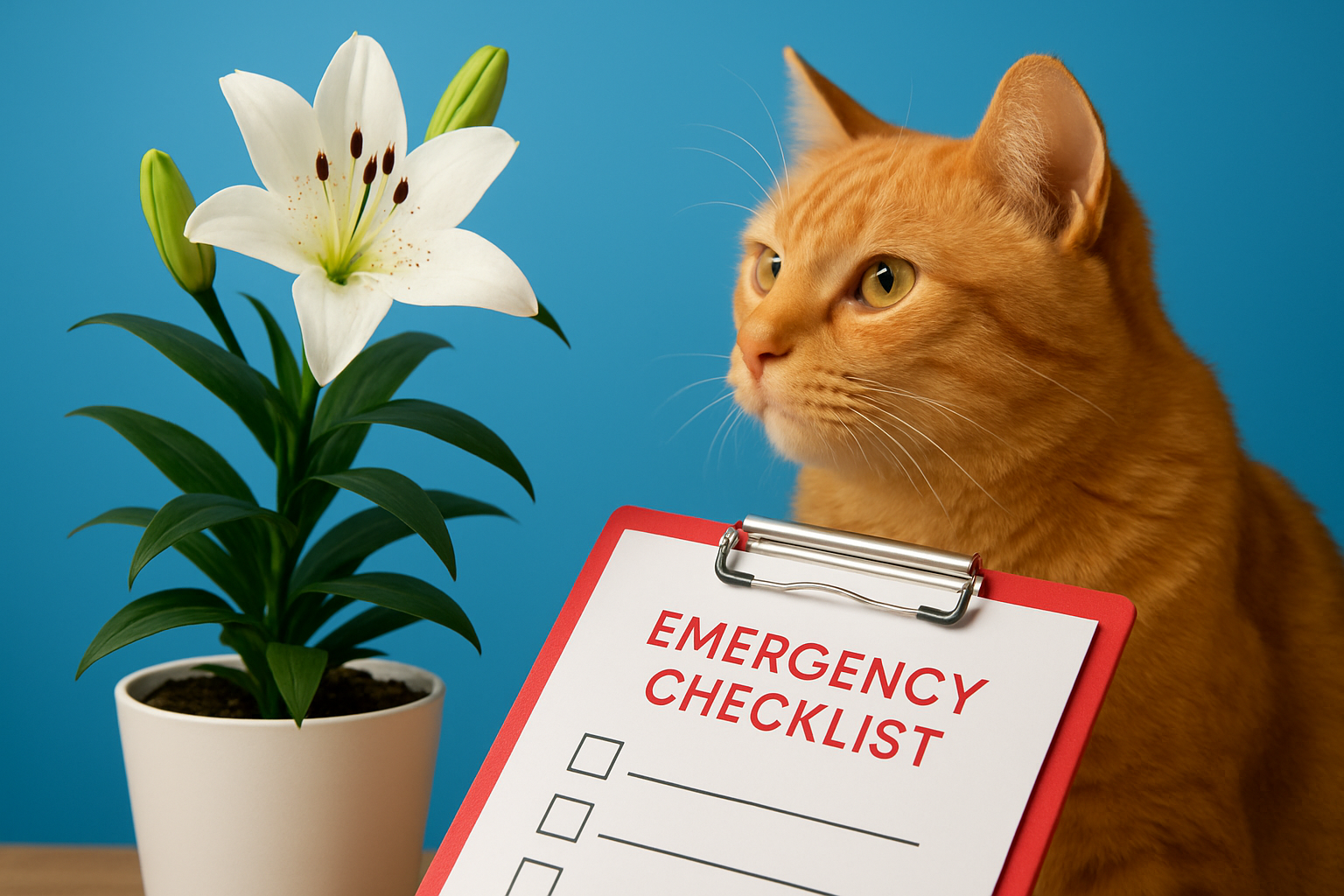
- Veterinarian-Informed Emergency Checklist: Act in the Next 60 Minutes
- Symptoms, Timelines, and Treatment: What Vets Do
- 9 Safe Flower Alternatives That Look Luxe, Not Lethal
- Styling a Cat-Safe Home: Training, Placement, and Smart Gear
- Shop Smarter: Lily Look-Alikes and Label Red Flags
- Mad Cat Man’s Micro-Checklist for Preventing Future Scares
This blog post may contain affiliate links. As an Amazon Associate I earn from qualifying purchases.
Cats and Lily Plants: A Veterinarian-Informed Emergency Checklist and 9 Safe Flower Alternatives
If you have ever wondered whether cats and lily plants can safely coexist, consider this your friendly, urgent nudge from someone who has sprinted to the emergency veterinarian after a surprise bouquet arrived. Most cat owners never plan for plant poisonings, yet lilies show up at holidays, housewarmings, and deliveries when we least expect it. The risk is not exaggerated, because true lilies can trigger acute kidney injury in cats from a tiny nibble or even a dusting of pollen groomed off a paw. Today, I am sharing a veterinarian-informed emergency checklist, clear timelines, and nine gorgeous flower swaps so you can enjoy fresh blooms without the fear and make confident choices the moment stems hit your kitchen counter.
Important: This article provides veterinarian-informed information for educational purposes and is not a substitute for emergency veterinary care. If you suspect your cat has been exposed to a lily, contact a licensed veterinarian, an emergency veterinary clinic, or the ASPCA (American Society for the Prevention of Cruelty to Animals) Animal Poison Control Center immediately for case-specific guidance.
Cats and Lily Plants: Why This Pairing Is So Dangerous
Here is the blunt truth that veterinarians repeat every spring and around major gift holidays: true lilies in the Lilium and Hemerocallis families are profoundly nephrotoxic to cats. That means any part of an Easter lily, tiger lily, or daylily can damage a cat’s kidneys, and it takes very little exposure to cause harm. It is not just chewing that is risky, because a cat can brush against a bloom, collect pollen, then groom it from fur and whiskers and inadvertently dose itself. While the exact toxin has not been definitively identified in all species, the clinical pattern is well documented in veterinary journals and by the ASPCA (American Society for the Prevention of Cruelty to Animals) Animal Poison Control Center and United States Food and Drug Administration (FDA) advisories.
Confusion comes from marketing names, because many plants labeled as lilies are not true lilies, and their risks differ. Peace lily and calla lily are not Lilium or Hemerocallis, and they generally cause painful mouth irritation rather than kidney failure, yet lily-of-the-valley is not a true lily and can affect the heart. Because labels are inconsistent, the safest practice in any home with cats is to completely exclude true lilies and treat anything with lily in the name as suspect until you have double-checked a trusted list. If there is one rule to memorize, it is this: if you are not absolutely certain a plant is safe, keep it outside your living space until you confirm it with a veterinarian or a credible poison control resource.
Veterinarian-Informed Emergency Checklist: Act in the Next 60 Minutes
If your cat may have contacted or ingested any part of a lily, speed matters more than certainty, because waiting for symptoms can waste the critical treatment window. Veterinary toxicology guidance emphasizes immediate decontamination and hospital care when ingestion is suspected, and many cats recover fully when treatment begins early. I keep this list taped inside a kitchen cabinet for visiting friends and family who love bringing flowers, because clear steps beat panic every time. Feel free to print and share this, and remember that you can always contact your local veterinarian or the ASPCA (American Society for the Prevention of Cruelty to Animals) Animal Poison Control Center for guidance while you are en route to care.
Watch This Helpful Video
To help you better understand cats and lily plants, we’ve included this informative video from University Veterinary Hospital. It provides valuable insights and visual demonstrations that complement the written content.
- Remove access now. Move your cat to a safe room and take the bouquet or plant outside or into a sealed bin so no more pollen spreads.
- Gently decontaminate. Use a damp cloth or pet-safe wipes to clean visible pollen from your cat’s face, whiskers, and coat, wiping away from the eyes and mouth.
- Do not induce vomiting unless a veterinarian instructs you. Home remedies can cause aspiration and delay proper care.
- Collect evidence. Take the plant or a clear photo, and note the time you first noticed exposure and any symptoms like drooling or vomiting.
- Call your veterinarian and head to a hospital. Ask for the nearest facility that can begin decontamination and start intravenous fluids (IV (intravenous) fluids) promptly.
- Bring support items. A carrier, a towel, and a small baggie with plant material can speed triage and identification.
- Expect proactive care. Typical lily exposures are treated as emergencies even if your cat looks normal, because early hospitalization can prevent kidney damage.
- Follow through on labs. Blood and urine tests will be repeated over the next 24 to 72 hours to monitor kidney values and hydration status.
Symptoms, Timelines, and Treatment: What Vets Do
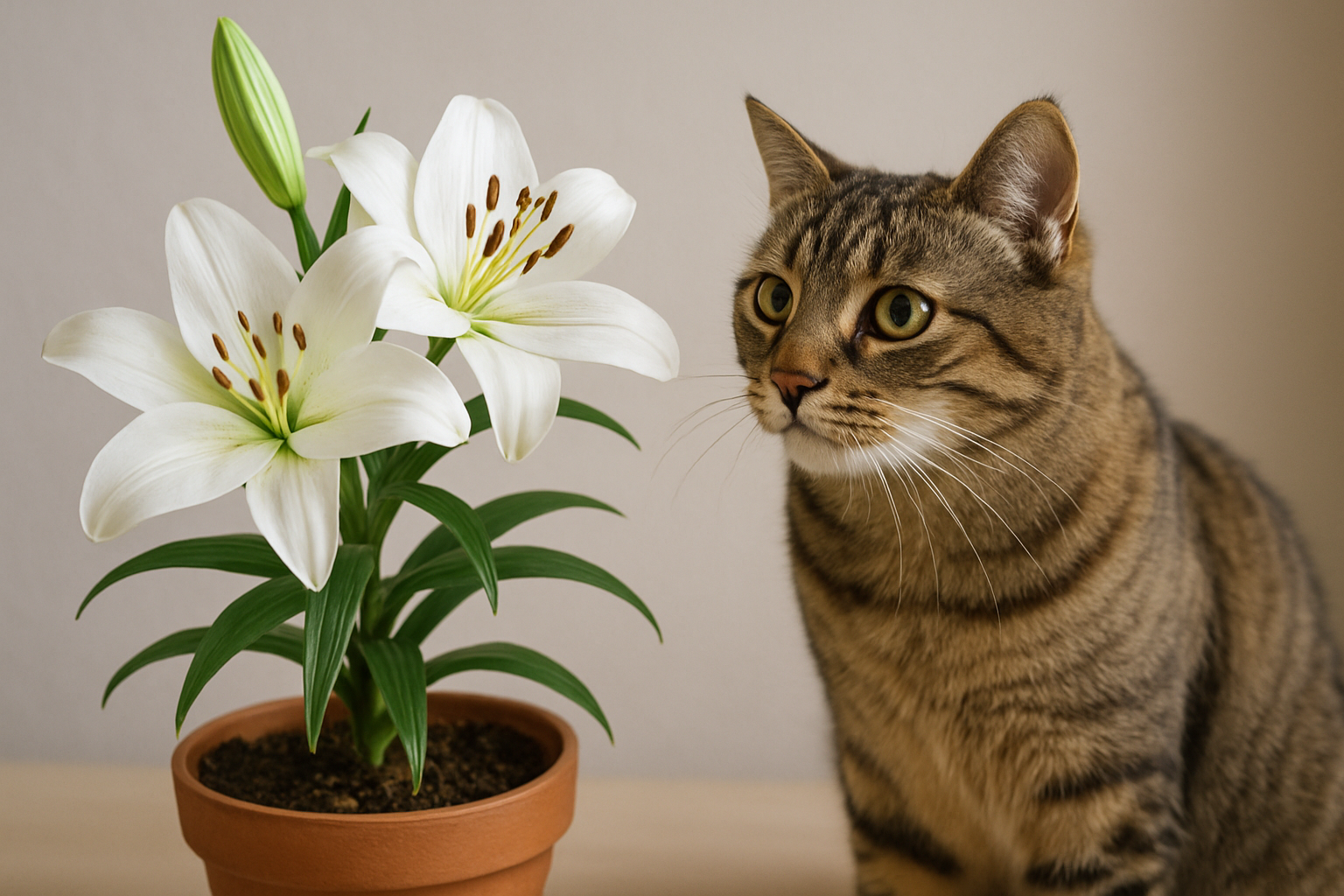
One of the trickiest parts of lily poisoning is that cats may look better before they become critically ill, which fools many well-meaning owners into waiting. In the first 0 to 12 hours, you may see drooling, lip-smacking, vomiting, and lethargy as the stomach and intestines react to the plant. The 12 to 24 hour period can be deceptively quiet, with some cats appearing comfortable enough to nap as if nothing happened. After 24 hours, kidney injury can accelerate, showing up as increased thirst and urination or, ominously, reduced urine output, halitosis, inappetence, and worsening vomiting, which is why veterinarians assume the worst and act early instead of watching and waiting at home.
Hospital protocols vary slightly, but the backbone of care is fast decontamination, activated charcoal when appropriate, and aggressive fluid therapy to protect the kidneys while the body clears the toxin. Bloodwork tracks changes to creatinine and blood urea nitrogen, while urine output is measured closely and supported as needed. There is no antidote for lily toxicity, which is why the timing of intervention drives outcomes, and published case series describe excellent survival when cats are treated within the first day after exposure. When care is delayed, the risk of acute kidney failure rises sharply, and even advanced interventions cannot guarantee recovery, so take advantage of that early window and let the professionals steer the ship.
| Time From Exposure | Common Signs | Vet Priorities |
|---|---|---|
| 0 to 6 hours | Drooling, vomiting, grooming pollen, restlessness | Decontamination, induced emesis if directed, activated charcoal, begin IV (intravenous) fluids |
| 6 to 24 hours | Possible lull, intermittent vomiting, mild lethargy | Hospital monitoring, repeat labs, maintain fluids, anti-nausea care |
| 24 to 72 hours | Kidney injury signs, changes in drinking and urination, inappetence | Escalate care, strict urine output tracking, adjust fluids, consider specialty referral |
9 Safe Flower Alternatives That Look Luxe, Not Lethal
Want the drama of a centerpiece without the drama of an emergency bill? Choose non-toxic, cat-friendly blooms that satisfy your eye and spare your nerves, then style them where curious paws cannot tip a vase. I like to build bouquets around roses or snapdragons for height and texture, then add gerbera daises and freesias for color and fragrance in a bright, breezy way. If you crave sculptural shapes similar to lilies, orchids and lisianthus deliver elegant lines without the risk tied to Lilium or Hemerocallis. Before you buy, remember that any plant material can cause mild stomach upset if chewed in quantity, so pair safe flowers with smart placement, sturdy containers, and a sprinkle of enrichment like puzzle feeders to keep feline minds happily occupied.
| Flower | Why It Works | Longevity in Vase | Notes for Cat Homes |
|---|---|---|---|
| Roses (Rosa spp.) | Classic petals, wide color range | Moderate to long | Remove thorns and shed petals daily |
| Orchids (Phalaenopsis and others) | Graceful, lily-like elegance | Long | Place out of reach to protect delicate stems |
| Gerbera daisies (Gerbera jamesonii) | Bold, cheerful faces | Moderate | Trim stems often to reduce droop |
| Sunflowers (Helianthus annuus) | Big, bright, and happy | Moderate | Choose varieties with firm heads to limit shedding |
| Snapdragons (Antirrhinum majus) | Tall spikes add height and movement | Moderate | Great in mixed arrangements to replace lilies |
| Freesia (Freesia spp.) | Light fragrance and delicate form | Moderate | Change water often to preserve scent |
| Asters (Aster spp.) | Starry fillers that add texture | Moderate | Pair with roses for color contrast |
| Zinnias (Zinnia elegans) | Vibrant, long-lasting color | Moderate | Great budget choice, easy to arrange |
| Lisianthus (Eustoma grandiflorum) | Silky petals and refined shape | Moderate to long | Elegant swap for lily-style blooms |
Styling a Cat-Safe Home: Training, Placement, and Smart Gear
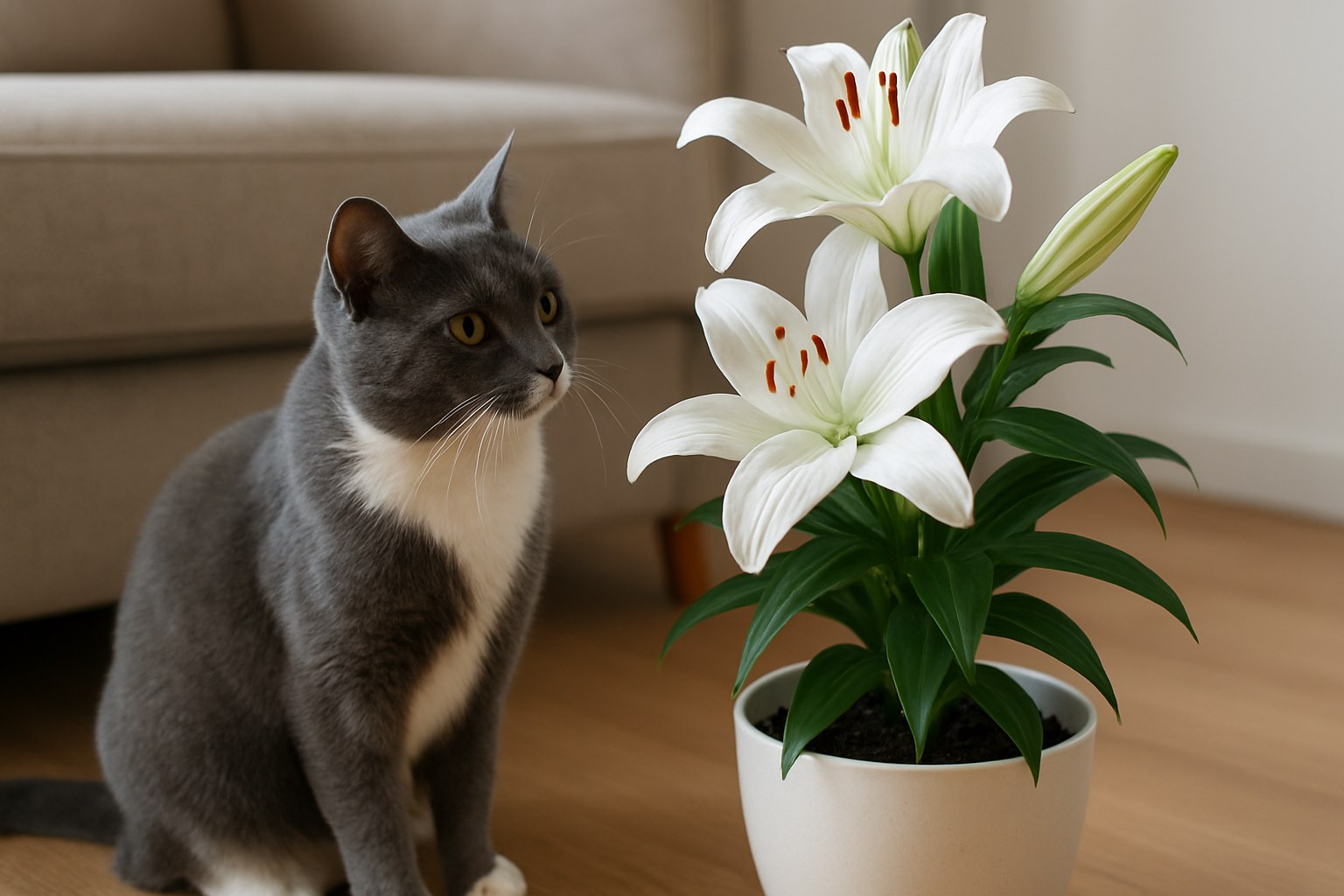
Even safe flowers benefit from thoughtful styling, because cats are natural climbers and professional vase tippers when boredom strikes. Try a heavy, low center-of-gravity vase on a console that cannot be jumped onto, or set arrangements inside a glass-front cabinet for a still-life effect that keeps paws out. Layer enrichment near displays so curiosity has a more rewarding outlet than foliage, rotating wand toys, puzzle feeders, and scratchers to keep novelty high. At Mad Cat Man, we test and review gear that makes this easy, from stable cat trees that redirect climbing to water fountains that satisfy sipping instincts so bouquets are less enticing, and our step-by-step checklists help you stage your space with zero guesswork.
- Use command-style shelves to elevate safe bouquets beyond launching range, and anchor vases with museum gel for extra stability.
- Add foraging toys and daily play sessions to drain that spring-loaded energy before a new arrangement debuts.
- Consider motion-activated pet deterrents in off-limits zones, paired with positive reinforcement so boundaries feel clear, not scary.
- Browse Mad Cat Man’s product reviews and buying recommendations (food, toys, furniture, grooming supplies) to choose sturdy scratchers, engaging toys, and furniture that makes cat-safe decorating easy.
Shop Smarter: Lily Look-Alikes and Label Red Flags
Florists and supermarkets do not always label stems botanically, and the word lily appears on tags for plants that are not closely related, which can lull shoppers into a false sense of security. Before you buy, learn the heavy hitters to refuse outright, the confusing look-alikes, and the safer substitutes, then verify the scientific name when possible. The table below is a quick pocket guide for shopping, gift receiving, and decluttering inherited bouquets; screenshot it and share it with generous friends who love sending flowers. If someone surprises you with a mixed arrangement that contains true lilies, thank them warmly, remove the lilies immediately, and place the rest in a new vase far from your cat’s favorite nap spot.
| Common Name | Scientific Name | True Lily? | Toxicity to Cats | Action |
|---|---|---|---|---|
| Easter lily | Lilium longiflorum | Yes | Severe kidney toxicity | Avoid entirely |
| Tiger lily | Lilium lancifolium | Yes | Severe kidney toxicity | Avoid entirely |
| Daylily | Hemerocallis spp. | Yes | Severe kidney toxicity | Avoid entirely |
| Lily-of-the-valley | Convallaria majalis | No | Cardiac glycosides, heart risk | Avoid entirely |
| Gloriosa lily | Gloriosa superba | No | Severe toxicity, multi-system | Avoid entirely |
| Peace lily | Spathiphyllum spp. | No | Mouth irritation, drooling | Prefer safer alternatives |
| Calla lily | Zantedeschia aethiopica | No | Mouth irritation, vomiting | Prefer safer alternatives |
| Peruvian lily | Alstroemeria spp. | No | Generally non-toxic, possible mild stomach upset | Use with caution and place out of reach |
| Lily turf | Liriope muscari | No | Low concern | Choose safer flowers when in doubt |
When you want the easy button, Mad Cat Man is your shortcut to safer choices, because our guides are organized into clear categories and focus on real-life decisions, not abstract lists. You can scan our safety and product-suitability content for plants and humidifiers, jump to behavior and training tips that make boundary-setting kinder, or browse breed guides if your Maine Coon’s vertical ambitions are complicating your vase placement. New or uncertain cat owners tell us that picking supplies is overwhelming, so we pair veterinarian-informed and expert-backed advice with hands-on product reviews and buying recommendations to reduce the cognitive overload. If you leave with only one takeaway, let it be this: the moment lilies enter the picture, treat it like an emergency, act fast, and design your home so safe flowers are the only flowers your cat encounters.
Mad Cat Man’s Micro-Checklist for Preventing Future Scares

Small habits prevent big emergencies, and a simple routine is more reliable than heroic last-minute scrambles on a busy weekday. Create a standing rule that any bouquet or plant arriving at your door stays outside until you confirm every stem is cat-safe, then trim and place arrangements with a stable base on furniture your cat does not use as a runway. Save a poison control contact in your phone under Favorites, and keep a “plant incident kit” near the door with wipes, a towel, spare carrier liner, and a zip bag for samples. Finally, build a low-effort enrichment rhythm, because a cat that just finished a five-minute play burst and a treat hunt is far less interested in investigative nibbling than one who has been waiting all afternoon for something to do.
- Gift policy: kindly request no lilies on RSVP cards and wish lists, and share this article with flower-loving friends.
- Display strategy: favor tall enclosed shelves, glass-front cabinets, or wall-mounted ledges over coffee tables and desks.
- Gear picks: choose weighted vases, museum gel, and puzzle feeders reviewed on Mad Cat Man to redirect curiosity productively.
- Health prep: keep your veterinarian’s number and the ASPCA (American Society for the Prevention of Cruelty to Animals) Animal Poison Control Center contact handy.
One fast, caring plan can turn a frightening moment into a manageable errand, and we built Mad Cat Man to provide exactly that kind of calm, practical guidance. Imagine spending the next 12 months enjoying fresh flowers you love, learning your cat’s quirks with confidence, and shopping smarter with gear that supports safer, happier routines. What will your first lily-free arrangement look like, and where in your home will it spark joy without inviting feline mischief or risk to your cats and lily plants balance?
Additional Resources
Explore these authoritative resources to dive deeper into cats and lily plants.
Make Cats and Lily Plants Safer with Mad Cat Man
Use Mad Cat Man’s product reviews and buying recommendations (food, toys, furniture, grooming supplies) to navigate cats and lily plants safely and shop confidently across every budget.
Pros
- Reduces appetite and cravings.
- Helps preserve lean muscle mass.
- Increases calorie burn (thermic effect).
- Supports long-term calorie control.
Cons
- Not suitable for some kidney conditions.
- High protein foods can cost more.
- Excess intake still leads to fat gain.
- Requires planning for fibre and hydration.