
⚠️ Medical Disclaimer
This article is for educational and informational purposes only. It is not a substitute for professional veterinary advice, diagnosis, or treatment. If you believe your cat may have dementia or any other medical condition, please consult a licensed veterinarian. Always seek the advice of your vet with any questions regarding your cat’s health.
It’s 2 a.m. Your 14-year-old cat is howling in the hallway — again. She’s been staring at the wall for ten minutes, walked past her food bowl without stopping, and yesterday you found her standing in the corner of the bathroom, apparently unable to figure out how to turn around. You’re not imagining it. Something has changed.
Cat dementia signs like these are more common in senior cats than most owners realize — and they have a name. Feline Cognitive Dysfunction (FCD) is the medical term for cat dementia, a progressive neurological condition that affects memory, awareness, and behavior in aging cats. Research published in the Journal of Veterinary Behavior estimates that roughly 28% of cats aged 11–14 show at least one sign of cognitive decline, rising to over 50% in cats aged 15 and older (PubMed, 2007).
The good news: recognizing the signs early gives you real options. This guide introduces The DISHA-to-Action Framework — a structured, step-by-step approach that turns your worried observations into a clear plan. You’ll learn to identify all 8 key symptoms, understand the neurological “why” behind each one, and know exactly what to do next.
Cat dementia signs affect over 50% of cats aged 15+ and follow a recognizable pattern captured in the DISHA-to-Action Framework.
- The DISHA Framework: Disorientation, Interactions, Sleep-wake changes, House soiling, and Activity changes are the five core sign categories — each mapped to a specific action step.
- Early action matters: Cats diagnosed early can benefit from environmental modifications, dietary support, and veterinary-guided management that meaningfully improve quality of life.
- It’s not “just age”: FCD is a distinct medical condition — not a normal part of aging — and deserves veterinary attention, not dismissal.
- Differentiation is critical: Several other senior cat illnesses mimic FCD symptoms; your vet must rule out hyperthyroidism, kidney disease, and arthritis before confirming cognitive decline.
What Is Feline Cognitive Dysfunction (FCD)?
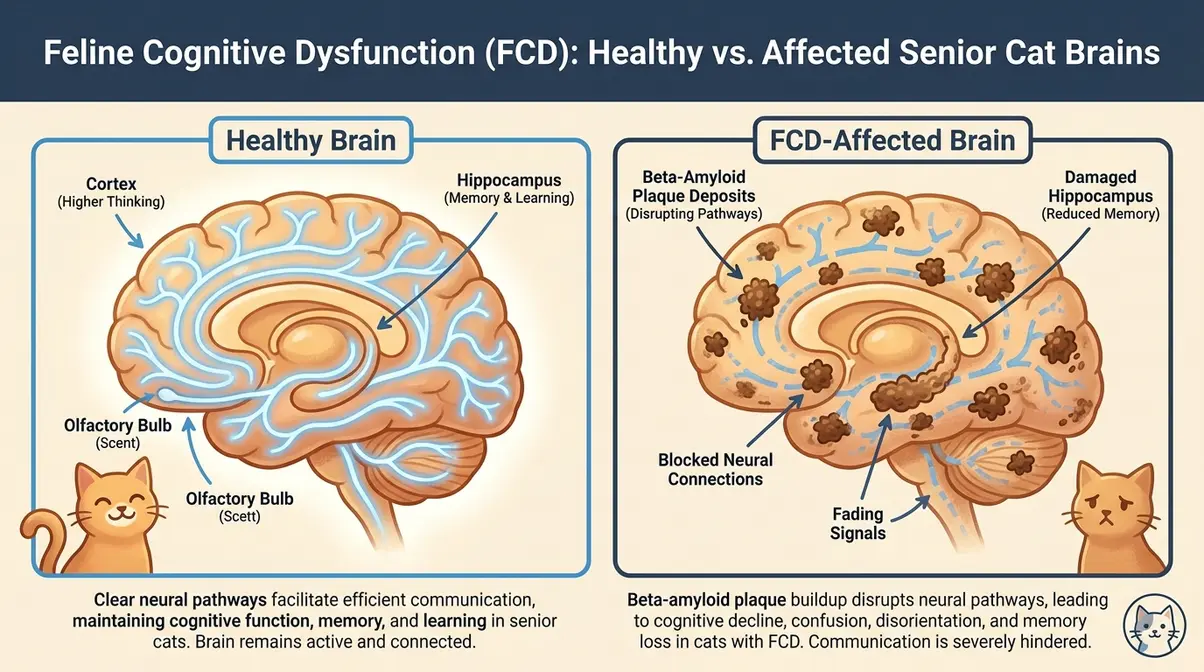
Feline Cognitive Dysfunction (FCD) is a neurodegenerative disease — meaning it causes the brain to gradually break down over time — that closely resembles Alzheimer’s disease in humans. Abnormal protein deposits (called beta-amyloid plaques) accumulate in the brain, disrupting the neural pathways that control memory, spatial awareness, and behavior. The result is a cat who may seem “lost” in her own home.
FCD is not a normal part of aging, even though it only affects older cats. Think of it this way: gray muzzles and slower movement are normal aging. Howling at walls and forgetting where the litter box is are not. That distinction matters, because FCD is a medical condition that can be managed — and the earlier it’s identified, the more you can do.
Veterinary researchers at Texas A&M College of Veterinary Medicine use the DISHA acronym to categorize the signs of FCD: Disorientation, Interactions (social changes), Sleep-wake cycle alterations, House soiling, and Activity changes (Texas A&M Veterinary Medicine, 2026). The DISHA framework is the clinical backbone of everything in this guide.
A study in the Journal of Feline Medicine and Surgery found that FCD is significantly underdiagnosed — many owners attribute early signs to “slowing down with age” and never raise them with a vet (NCBI PMC, 2020). The DISHA-to-Action Framework exists specifically to close that gap.
First Signs of Cat Dementia
The earliest cat dementia signs are typically subtle disorientation and changes in social behavior. You might notice your cat staring into space more often, seeming briefly confused in familiar rooms, or becoming either unusually clingy or more withdrawn than before. Nighttime restlessness and occasional vocalization can also appear early. Because these signs develop gradually, many owners initially attribute them to “just getting older” — which is why tracking changes over a two-week window is so important. Research suggests cognitive changes begin accumulating in cats as young as 11 years old, even before obvious symptoms appear (PubMed, 2007).
After reading this section, you should be able to explain what FCD is in plain terms and understand why it’s different from normal senior cat aging.
Estimated Time: 14 Days for Observation
Tools/Materials: Symptom Log, Nightlights, Low-sided litter boxes, Pheromone diffusers
Step 1: Learn the 8 DISHA Signs
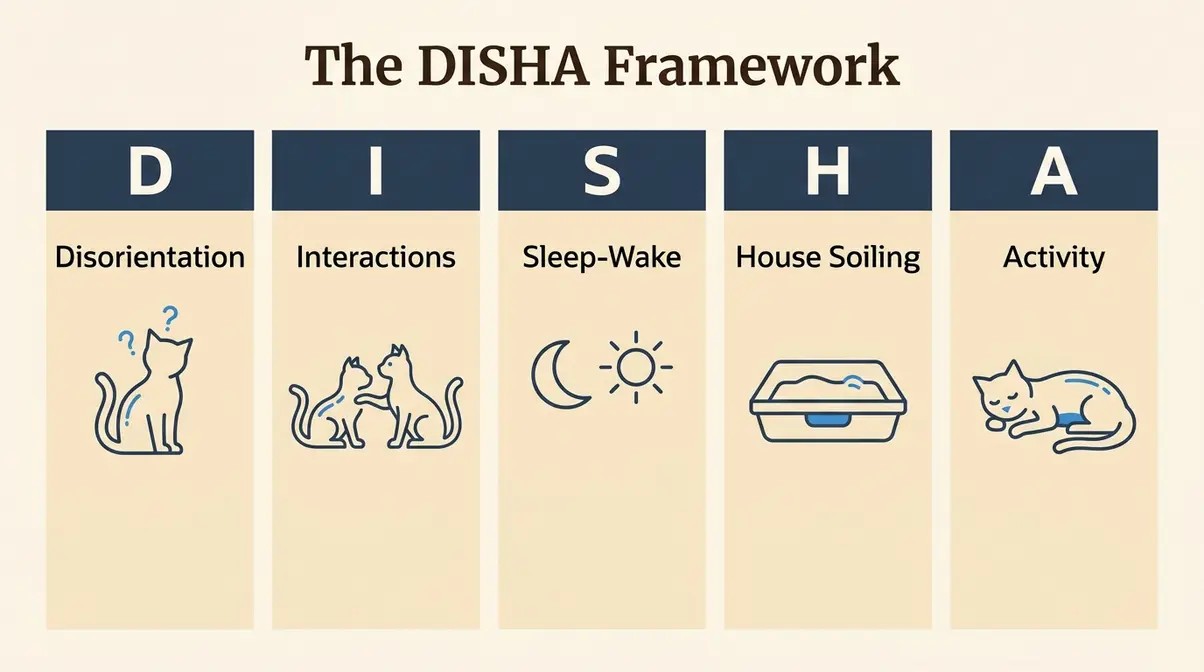
The DISHA framework gives you a reliable map for recognizing cat dementia signs before they escalate. Each letter covers one or more observable behaviors. Below are all 8 signs, organized by DISHA category, with a plain-English explanation of what’s happening neurologically and what to watch for.
D: Disorientation
Sign 1: Getting Lost or Stuck in Familiar Spaces
Your cat may wander into a room and then stand there, staring blankly, as if she can’t remember why she came in — or how to get out. She might get “stuck” in a corner, pressing her head against the wall (a behavior called head pressing, which always warrants urgent veterinary attention as it can also indicate serious neurological emergencies). More commonly, FCD-related disorientation looks like aimless pacing, circling, or sitting in the middle of a room with a distant, unfocused gaze.
Neurologically, this happens because the spatial memory centers of the brain — the hippocampus and associated cortical areas — are being disrupted by protein buildup. Your cat genuinely cannot form or retrieve the mental map of her environment.
- What to watch for:
- Staring blankly at walls or into space
- Walking in slow circles with no apparent purpose
- Appearing confused in rooms she has lived in for years
- Failing to find her food bowl, water, or litter box even when nearby
Sign 2: Failing to Recognize Familiar People or Places
Some cats with FCD will seem startled by their owner — a person they have known for a decade — as if seeing a stranger. Others will walk past their sleeping spot repeatedly without settling. This is distressing to witness, but it reflects memory retrieval failure, not a change in the bond between you.
The University of Illinois College of Veterinary Medicine notes that disorientation is one of the earliest and most reliable indicators of FCD, and owners often first notice it as a subtle “faraway look” in their cat’s eyes (University of Illinois Veterinary Medicine, 2026).
I: Social Interactions
Sign 3: Changes in Social Behavior
FCD disrupts the brain’s ability to process social cues and regulate emotional responses. The result can look like two very different things depending on the individual cat:
- Increased clinginess: Some cats become unusually attached, following their owner from room to room, vocalizing when left alone, or demanding constant physical contact. This reflects anxiety caused by cognitive confusion — your cat is seeking reassurance in a world that suddenly makes less sense.
- Increased withdrawal: Others become less interactive, avoiding petting, hiding more, or showing reduced interest in play and social engagement. This is sometimes mistaken for the cat “just getting old and grumpy.”
Both patterns are significant. If your cat’s personality has shifted noticeably — in either direction — and she is over 11 years old, it belongs on your list of observations to share with your vet. The American Veterinary Medical Association recommends noting behavioral changes over a two-week window before attributing them to a persistent pattern (AVMA Senior Pet Care FAQ, 2026).
S: Sleep-Wake Cycle Changes
Sign 4: Nighttime Howling and Restless Pacing
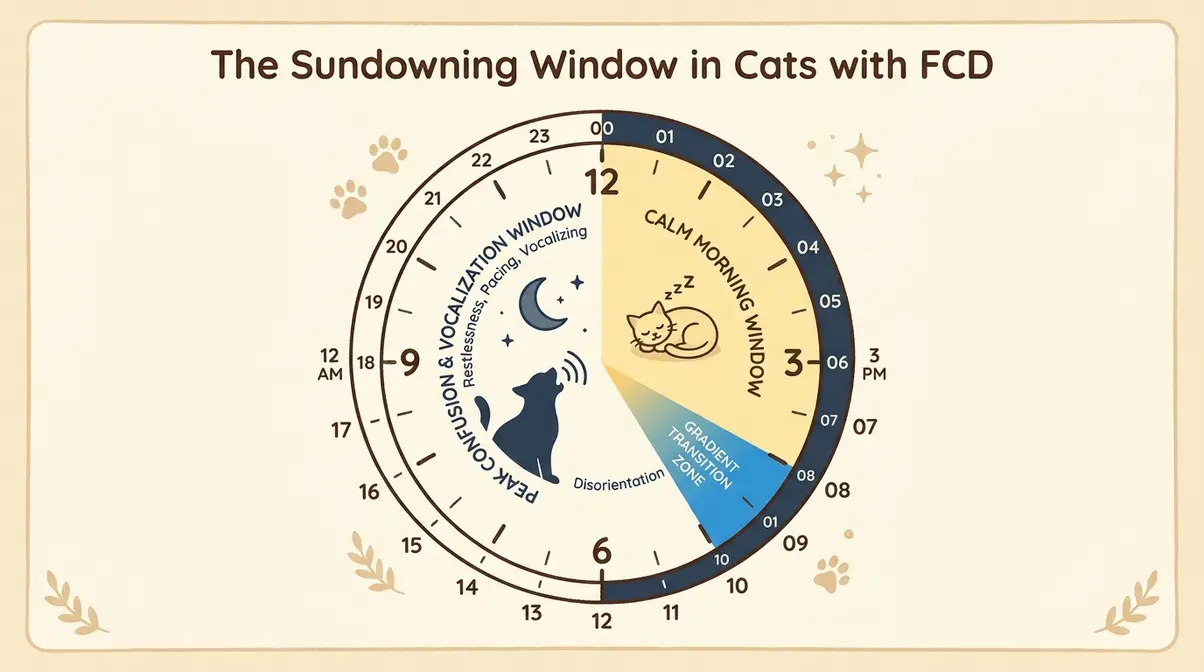
This is often the sign that brings owners to the internet at 2 a.m. Your senior cat — who used to sleep peacefully through the night — is now pacing, howling, or yowling in the dark. This is called sundowning (when symptoms worsen in the late afternoon and evening), a phenomenon well-documented in both human Alzheimer’s patients and cats with FCD.
Neurologically, FCD disrupts the brain’s internal clock (the circadian rhythm system). The cat’s brain loses its ability to reliably distinguish day from night. Low-light environments amplify disorientation because aging cats also experience reduced vision — so darkness compounds the confusion.
Sign 5: Sleeping More During the Day, Less at Night
A related pattern is a complete reversal of the sleep schedule. Your cat sleeps through the day, then becomes active and restless after midnight. Combined with nighttime vocalization, this sleep-wake inversion is one of the most disruptive FCD signs for owners.
Research from Ohio State University’s Veterinary Medical Center confirms that altered sleep-wake cycles are among the most commonly reported FCD signs by owners and among the most diagnostically significant for veterinarians (Ohio State VMC Behavioral Medicine, 2026).
Why Does My Cat Howl at Night?
Nighttime howling in senior cats is one of the most recognizable cat dementia signs, but it has several possible causes that must be ruled out first. In FCD, howling reflects disorientation and anxiety caused by the brain’s disrupted circadian rhythm — the cat is genuinely confused about where she is and what time it is. However, nighttime vocalization can also indicate pain (arthritis, dental disease), hyperthyroidism, hypertension, or vision/hearing loss. A senior cat who begins howling at night deserves a full veterinary evaluation before FCD is assumed. If you are dealing with excessive meowing due to feline cognitive dysfunction, documenting the exact time and triggers can help your vet. If FCD is confirmed, the nighttime comfort protocol in Step 4 below — feeding, calm play, warm sleeping area, and nightlights — can reduce episode frequency (Ohio State VMC, 2026).
H: House Soiling
Sign 6: Missing the Litter Box or Eliminating Outside It
House soiling — urinating or defecating outside the litter box — is one of the most stressful FCD signs for owners and one of the most important to handle without frustration. Your cat is not being spiteful or lazy. She may have genuinely forgotten where the litter box is, lost the ability to navigate to it in time, or become confused about which space is appropriate for elimination.
Before attributing house soiling to FCD, your vet must rule out urinary tract infections (UTIs), kidney disease, diabetes, and arthritis (which can make climbing into a high-sided litter box painful). This is a critical point: house soiling in senior cats is always a veterinary matter first.
That said, FCD-specific house soiling typically involves a cat who seems unaware she’s done anything unusual — she doesn’t crouch by the door or show signs of urgency, she simply eliminates wherever she happens to be standing.
A: Activity Changes
Sign 7: Reduced Activity, Decreased Grooming, and Apathy
Activity changes in FCD show up as a general withdrawal from life. Your cat may stop engaging with toys she previously loved, spend long hours staring blankly rather than observing her environment with interest, and neglect her grooming routine — resulting in a dull, matted coat. Decreased grooming is particularly notable because cats are instinctively fastidious; a cat who stops grooming is signaling that something is neurologically or physically wrong.
Veterinary consensus indicates that reduced self-grooming is one of the most reliable owner-reported signs of cognitive decline in cats, distinct from the reduced activity of arthritis (which typically involves reluctance to jump or stiffness, not grooming neglect) (AVMA, 2026).
Sign 8: Repetitive or Purposeless Behaviors
Some cats with FCD develop repetitive behaviors that seem to have no goal: pacing the same short route repeatedly, vocalizing in a rhythmic pattern, or fixating on a single spot on the wall for extended periods. These behaviors reflect the brain’s difficulty generating new, purposeful actions — the neural “loops” that normally drive exploration and play become stuck.
Owners often describe this as their cat “not being there anymore” — a heartbreaking but diagnostically useful observation. If your cat’s behavior has shifted from curious and purposeful to repetitive and vacant, this belongs in your veterinary notes.
After completing this step, you should be able to name all 8 cat dementia signs, organize them by DISHA category, and identify which ones apply to your cat.
Step 2: Rule Out Mimicking Conditions
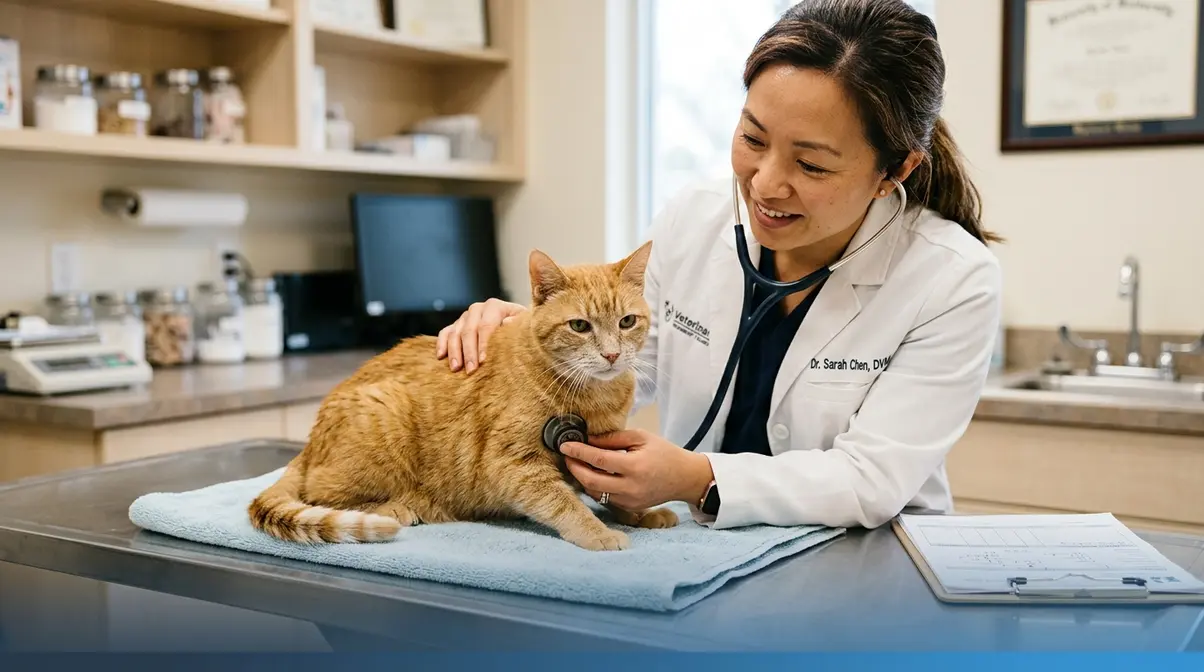
Before you can act on a suspicion of FCD, you need to understand that several other common senior cat illnesses produce nearly identical symptoms. Skipping this step — or assuming FCD without veterinary confirmation — can mean missing a treatable condition. This is the step where a veterinarian is not optional; it is essential.
Four Conditions Confused with FCD
Hyperthyroidism (an overactive thyroid gland) is the most commonly confused condition. It causes weight loss, increased appetite, restlessness, nighttime vocalization, and altered behavior — a symptom profile that overlaps almost completely with FCD. Critically, hyperthyroidism is very common in cats over 10 years old and is highly treatable with medication, radioactive iodine therapy, or surgery. A simple blood test (T4 thyroid panel) can confirm or rule it out.
Chronic Kidney Disease (CKD) causes increased thirst and urination, weight loss, lethargy, and behavioral changes including increased vocalization and confusion. CKD affects an estimated 30–40% of cats over age 10 (NCBI PMC, 2020) and is diagnosed via bloodwork and urinalysis.
Arthritis (Degenerative Joint Disease) causes pain-driven behavioral changes that mimic FCD: reduced activity, reluctance to use the litter box (due to pain climbing in), reduced grooming of hard-to-reach areas, and irritability when touched. Arthritis is underdiagnosed in cats because they hide pain effectively. X-rays and a physical examination confirm it.
Hypertension (High Blood Pressure) — often secondary to CKD or hyperthyroidism — can cause sudden behavioral changes, disorientation, dilated pupils, and vocalization. It can also cause rapid vision loss, which explains sudden disorientation in a previously confident cat.
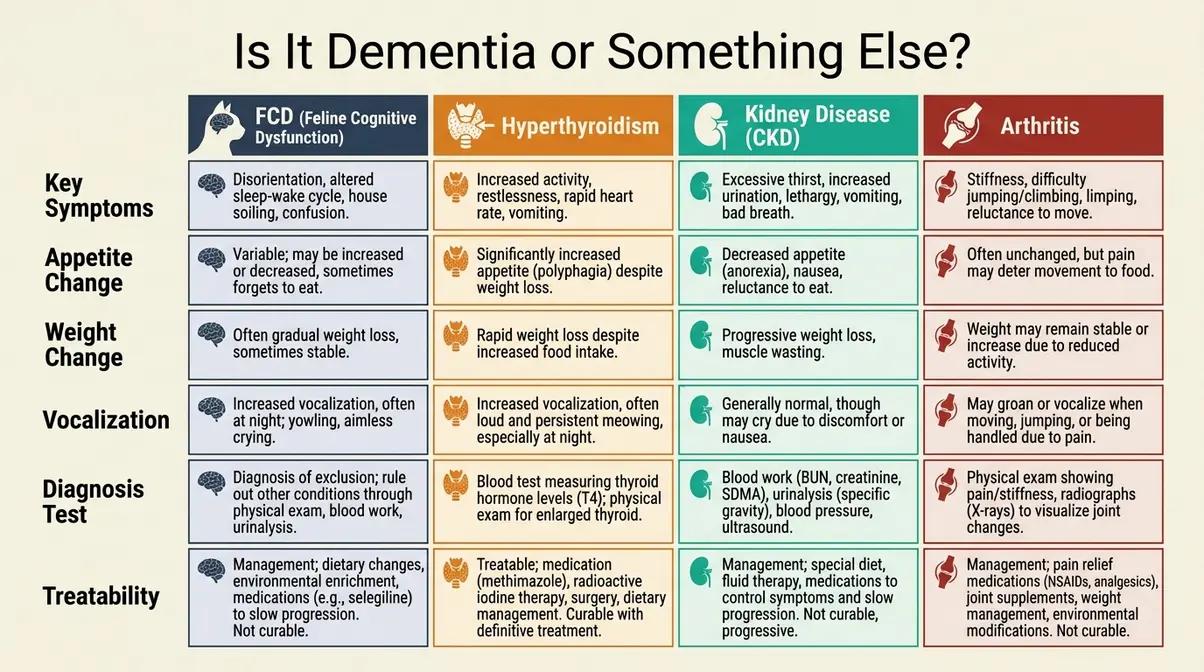
Why This Matters for Your Cat
In our work with senior cat owners at madcatman.com, the most common scenario we hear is this: an owner suspects dementia, delays the vet visit because they assume “nothing can be done,” and months later discovers their cat had hyperthyroidism — a condition that responds well to treatment when caught early. Early veterinary diagnosis is not just about naming the condition; it’s about opening doors to management options that can genuinely improve your cat’s daily life.
The Ohio State University Veterinary Medical Center recommends a comprehensive senior wellness panel — including T4 thyroid levels, complete blood count, chemistry panel, urinalysis, and blood pressure measurement — as the baseline diagnostic workup for any senior cat showing behavioral changes (Ohio State VMC, 2026).
Always confirm your observations with your veterinarian before drawing conclusions about your cat’s diagnosis.
After this step, you should be able to explain why FCD cannot be self-diagnosed, name the four conditions that mimic it, and know which diagnostic tests your vet will likely recommend.
Step 3: Document Symptoms for the Vet

The single most useful thing you can do before your veterinary appointment is arrive with a clear, specific record of what you’ve observed. Veterinarians cannot observe FCD in a clinic — cats are typically alert and oriented during short appointments, and the behaviors that worry you happen at home, at night, or under specific circumstances. Your documentation is the clinical evidence. The American Veterinary Medical Association emphasizes that keeping a detailed behavioral log is one of the most effective ways to assist your veterinarian in reaching an accurate diagnosis (AVMA, 2026).
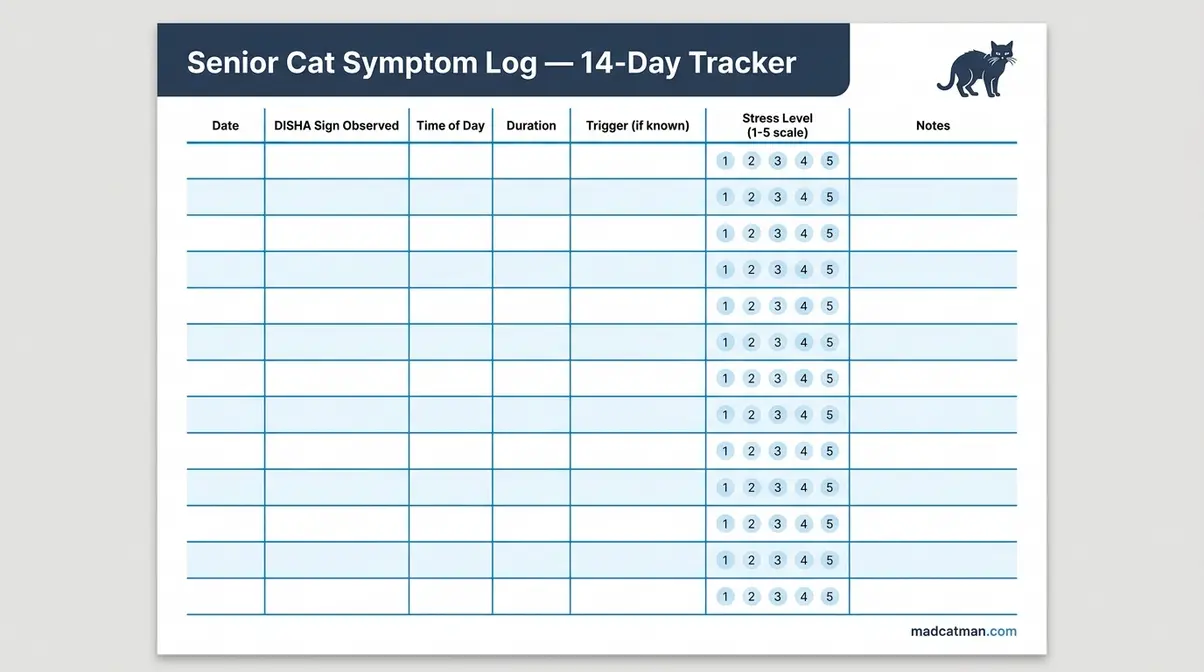
How to Build Your Symptom Log
Observe for at least two weeks before drawing conclusions. A single night of howling may reflect pain, a storm, or a disrupted routine. A pattern of nightly howling over 14 days is diagnostically meaningful.
- Use a simple daily log. For each day, note:
- Which of the 8 DISHA signs you observed
- The time of day the behavior occurred
- How long it lasted
- Any possible triggers (visitors, changes in routine, weather)
- Your cat’s approximate stress level (calm / unsettled / distressed)
Video evidence is extremely valuable. A 30-second clip of your cat pacing, staring blankly, or howling at 2 a.m. communicates more to a veterinarian than any written description. Most smartphones can capture adequate quality in low light. Store these clips in a dedicated folder to share at your appointment.
Note any physical changes alongside behavioral ones: weight loss, changes in appetite or thirst, changes in coat quality, changes in litter box output (frequency, volume, consistency). These physical details help your vet distinguish FCD from other conditions.
Across senior cat owner communities, the consistent report is that vets respond most productively to owners who arrive with specific examples (“She howled for 20 minutes at 1:30 a.m. on five of the last seven nights”) rather than general impressions (“She seems confused sometimes”). Specificity enables faster, more accurate diagnosis.
What Your Vet Will Ask
Veterinarians use a structured cognitive assessment to evaluate FCD. Common questions include:
- Has your cat’s activity level changed in the past 3–6 months?
- Does she seem confused or lost in familiar areas?
- Has her sleep pattern changed?
- Has she had any litter box accidents?
- Has her personality changed — more clingy, more withdrawn, or more irritable?
Preparing written answers to these questions before your appointment ensures nothing important is forgotten in the moment.
After this step, you should be able to arrive at your veterinary appointment with a two-week symptom log, video evidence, and written answers to the standard FCD assessment questions.
Step 4: Make 8 Targeted Home Changes
Once FCD is suspected or confirmed, environmental modifications are your most powerful tool — and the one area where most online resources fall dramatically short. Competitors typically suggest one or two vague adjustments (“make sure food is accessible”). The DISHA-to-Action Framework maps each modification directly to the symptom it addresses. The Ohio State University Veterinary Medical Center highlights that environmental consistency is a cornerstone of managing cognitive decline (Ohio State VMC, 2026).
1: Install Nightlights on Routes
Addresses: Disorientation, Nighttime vocalization (Signs 1, 4)
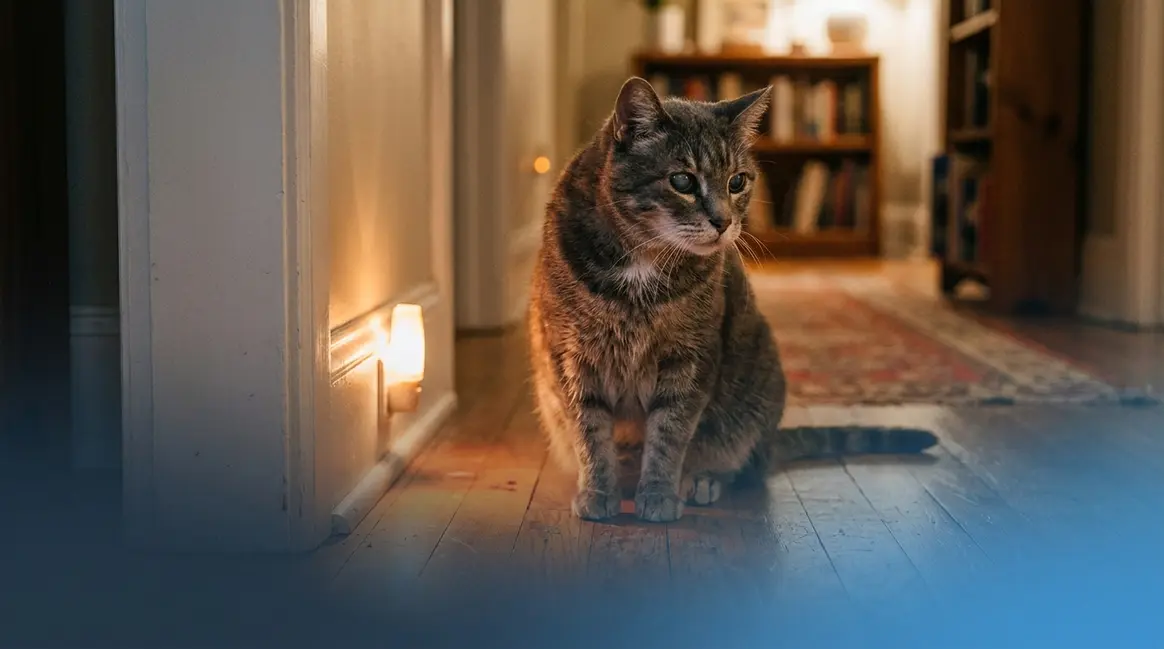
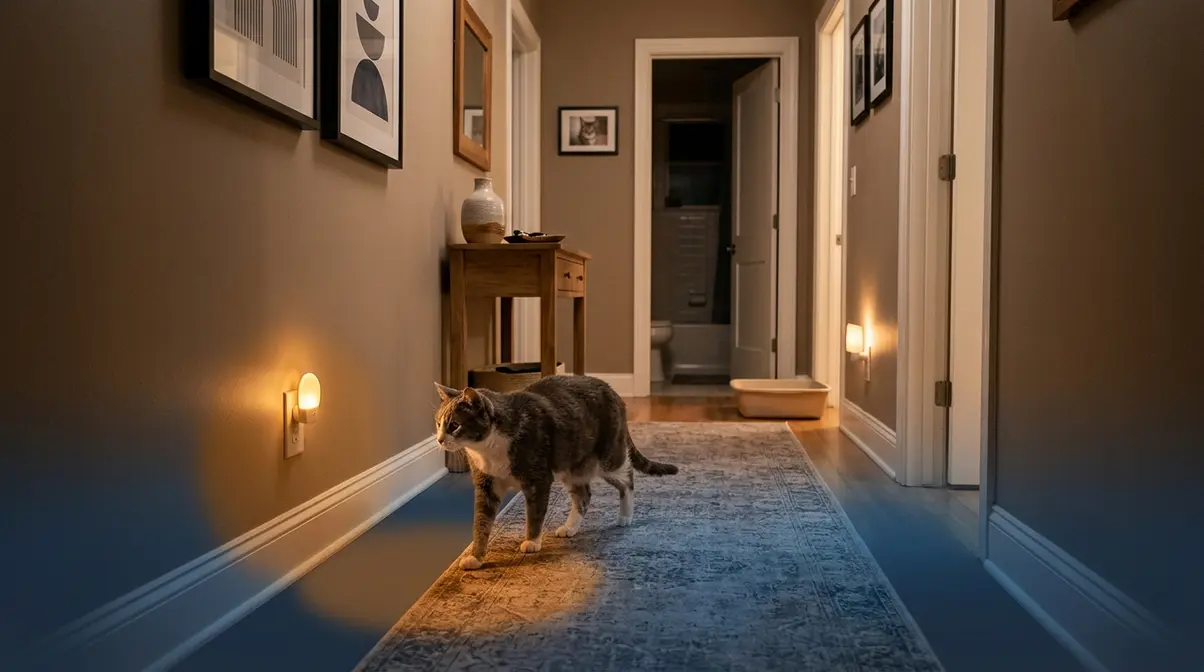
Place low-level LED nightlights (warm white, not blue-spectrum) along the paths your cat uses most: the hallway between the bedroom and litter box, the area near food and water, and any stairway. Aging cats with FCD have reduced vision in low light, and darkness amplifies spatial confusion. A simple nightlight can reduce nighttime howling episodes significantly by giving your cat visual anchors to navigate by.
How to do it: Purchase plug-in LED nightlights with dusk-to-dawn sensors (so they activate automatically). Install them 6–8 inches from the floor — at cat eye level — rather than at standard outlet height. Three to four lights covering the main routes is typically sufficient.
2: Add Ramps to Elevated Surfaces
Addresses: Reduced activity, Arthritis overlap (Sign 7)
Many senior cats with FCD also have arthritis. Jumping to a favorite sleeping spot on the sofa or bed may have become painful or frightening. Providing a low-incline ramp or a set of pet stairs (with non-slip surfaces) keeps your cat connected to her preferred spaces without requiring the physical confidence she may no longer have.
How to do it: Place ramps at a 30-degree angle or less. Cover the surface with carpet tape or a rubberized mat to prevent slipping. Introduce the ramp by placing a treat or familiar blanket at the top — don’t force the cat onto it.
3: Switch to Low-Sided Litter Boxes
Addresses: House soiling (Sign 6)
Standard litter boxes with high sides require cats to step over an 8–10 inch wall — which is painful for arthritic joints and confusing for a cat who has lost spatial confidence. Replacing at least one litter box with a low-entry design (2–3 inch entry point) can reduce accidents dramatically. Place it in the most familiar, accessible location — not tucked in a corner or behind a door.
How to do it: Transition gradually by placing the new low-sided box next to the existing one. Once your cat is using the new box consistently, you can remove the old one. Never change the litter type at the same time — keep all other variables constant.
4: Increase Litter Box Count
Addresses: House soiling (Sign 6)
The standard recommendation for multi-cat households is one box per cat plus one. For a cat with FCD, the rule becomes: one box per floor of your home, placed in the rooms where your cat spends the most time. A cat who has forgotten where the litter box is will not search multiple floors to find it — she needs one nearby wherever she is.
5: Create a Consistent Routine
Addresses: Sleep-wake disruption, Disorientation (Signs 4, 5, 1)
The brain with FCD has difficulty processing new information and adapting to change. Consistency becomes a form of neurological support. Feed your cat at the same time each day, keep her sleeping areas in the same locations, and avoid rearranging furniture. Even small changes — moving the food bowl two feet to the left — can trigger a confusion episode in a cat with advanced FCD.
How to do it: Write out your cat’s daily schedule (feeding times, play sessions, grooming) and share it with everyone in the household. Consistency requires everyone’s participation.
6: Use Feline Pheromone Diffusers
Addresses: Anxiety, Social changes, Nighttime distress (Signs 3, 4)
Synthetic feline facial pheromones (available as plug-in diffusers, sprays, or collars under brand names like Feliway) mimic the calming chemical signals cats produce when they rub their face on familiar objects. Research suggests they can reduce anxiety-driven behaviors including vocalization and house soiling in stressed cats. They are not a cure for FCD, but they can reduce the anxiety layer that amplifies cognitive symptoms.
How to do it: Place a diffuser in the room where your cat sleeps and in the room where she most commonly vocalizes at night. Replace the refill every 30 days. Allow 7–14 days for full effect.
7: Provide Gentle Daily Enrichment
Addresses: Reduced activity, Repetitive behaviors (Signs 7, 8)
Cognitive stimulation — gentle, low-frustration enrichment — supports brain health in cats with FCD, just as mental activity supports cognitive health in aging humans. The key word is gentle: complex puzzle feeders that a healthy cat solves in seconds may frustrate a cat with FCD. Instead, use simple lick mats, food-scent enrichment (placing a small amount of tuna water on a cloth for your cat to sniff), or slow-feeder bowls.
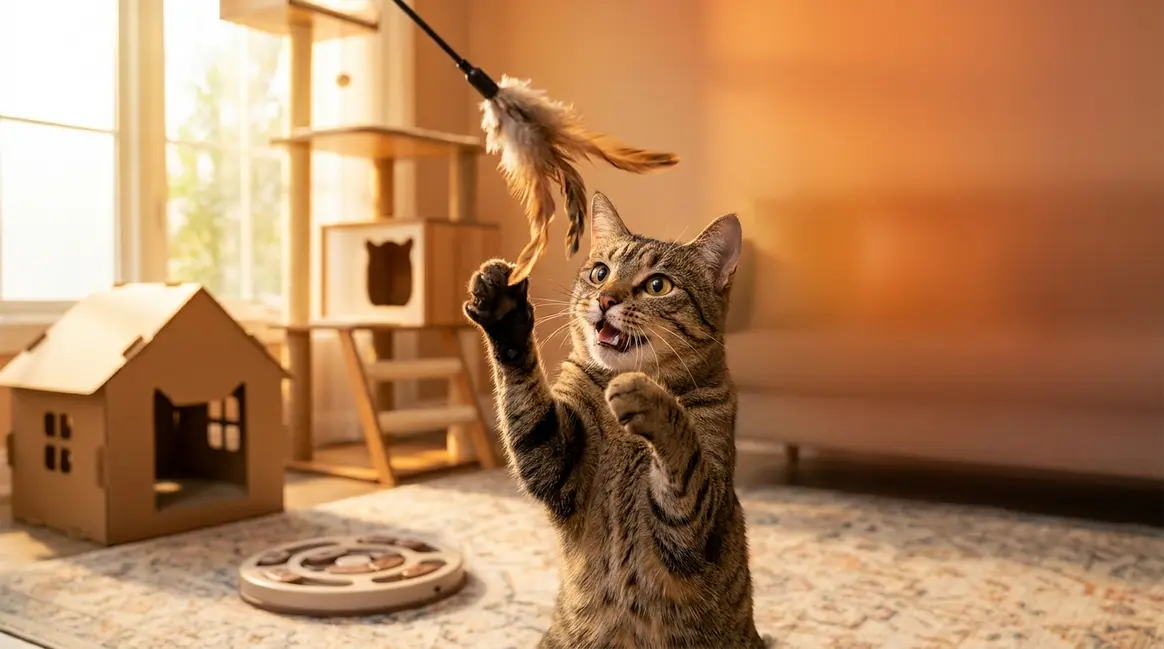
Short, calm play sessions with a wand toy (5–10 minutes, twice daily) maintain physical and mental engagement without overstimulation. Stop the session before your cat shows signs of frustration or fatigue.
8: Establish a Nighttime Protocol
Addresses: Nighttime howling, Sleep-wake disruption (Signs 4, 5)
For owners dealing with nightly howling, a structured nighttime protocol can help. Thirty minutes before your usual bedtime: feed a small meal (a light protein snack can promote drowsiness), engage in a brief calm play session, and then settle your cat in her sleeping area with a warm blanket and, if helpful, a low-level radio or white noise machine playing softly. The routine signals that it is time to rest.
If nighttime vocalization is severe or sudden in onset, always consult your veterinarian — sudden behavioral changes can indicate pain, hypertension, or other urgent medical conditions that need prompt attention.
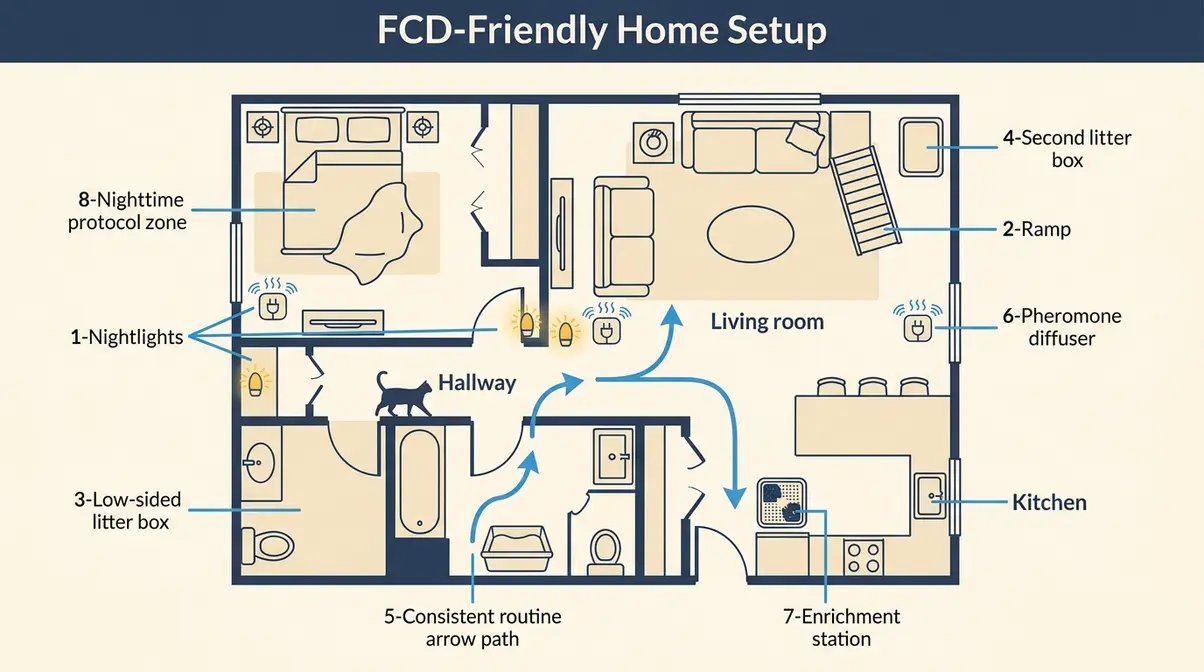
After this step, you should be able to implement all 8 home modifications, understand which DISHA symptom each one addresses, and explain the changes to other members of your household.
Step 5: Create a Vet Management Plan
Environmental modifications are the foundation — but a complete FCD management plan also includes veterinary-guided nutritional support, possible medications, and ongoing quality-of-life monitoring. This step is not a one-time appointment; it is an ongoing partnership with your veterinary team. When diagnosing and understanding cat dementia, your vet will rely on your symptom log alongside clinical assessments to build this plan.
Nutritional Support for Brain Health
Several nutritional interventions have veterinary support for managing FCD symptoms. Always discuss these with your vet before adding anything to your cat’s diet — dosing, interactions, and individual suitability vary.
Omega-3 Fatty Acids (DHA/EPA): Docosahexaenoic acid (DHA) is a structural component of brain cell membranes. Supplementation with omega-3s has been associated with slowed cognitive decline in aging animals in multiple studies. A research review published in NCBI PMC found that diets enriched with antioxidants and omega-3 fatty acids showed measurable cognitive benefits in aging cats (NCBI PMC, 2020). Fish oil formulated specifically for cats (not human-grade, which may contain additives) is the typical delivery method. Your vet will recommend an appropriate dose based on your cat’s weight.
S-Adenosylmethionine (SAMe): SAMe is a naturally occurring compound involved in neurotransmitter synthesis and antioxidant activity. Veterinary-formulated SAMe supplements (such as Denosyl) have shown promise in supporting cognitive function in dogs and cats. The University of Illinois Veterinary Medicine program notes SAMe as a commonly recommended supportive supplement for cats with FCD (University of Illinois, 2026).
Antioxidant-Enriched Senior Diets: Several major veterinary nutrition brands offer senior formulas enriched with antioxidants (vitamins E and C, beta-carotene) and medium-chain triglycerides (MCTs), which provide an alternative energy source for neurons struggling to metabolize glucose. Ask your vet whether a prescription senior cognitive support diet is appropriate for your cat.
Medications Your Vet May Discuss
Selegiline (Anipryl): A monoamine oxidase inhibitor (MAO-B inhibitor) licensed for use in dogs with cognitive dysfunction. While not formally licensed for cats, some veterinarians use it off-label in feline patients. It works by increasing dopamine levels in the brain, which can improve alertness and reduce some FCD behaviors. Its use in cats requires careful monitoring and is not appropriate for every patient.
Anti-anxiety medications: For cats whose FCD is accompanied by severe anxiety or aggression, short-term anti-anxiety support (such as gabapentin or low-dose trazodone) may be discussed. These do not treat FCD but can reduce the suffering associated with anxiety-driven symptoms.
Always ask your vet: “What are the expected benefits, the possible side effects, and how will we know if this is working?” A clear monitoring plan — typically a recheck appointment 4–6 weeks after starting any new intervention — is a sign of thorough veterinary care.
Monitoring Quality of Life Over Time
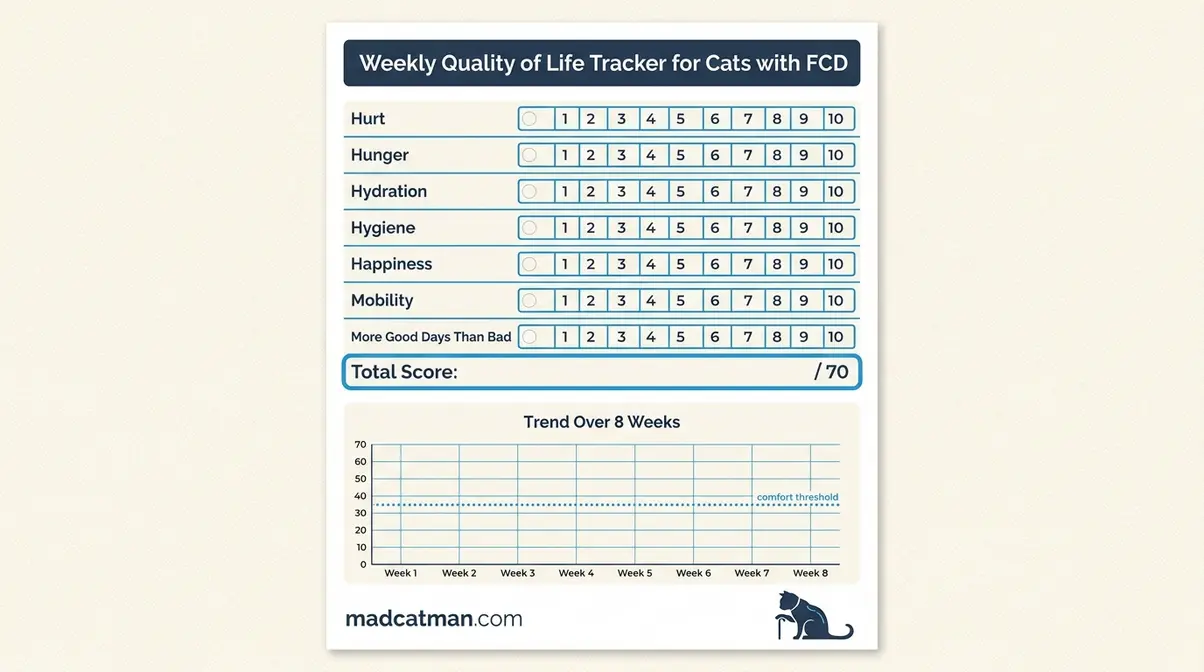
FCD is progressive. Your cat’s needs will change, and your management plan must change with them. The HHHHHMM Quality of Life Scale, developed by veterinary oncologist Dr. Alice Villalobos, provides a structured framework for assessing your cat’s daily wellbeing across seven dimensions: Hurt, Hunger, Hydration, Hygiene, Happiness, Mobility, and More good days than bad.
Scoring your cat weekly against this scale gives you an objective record of whether her quality of life is stable, improving, or declining — and helps you have honest, informed conversations with your vet about when management is no longer sufficient.
When to Seek Urgent Vet Care
Some signs require same-day veterinary attention — they are not FCD management issues, they are emergencies:
- Head pressing (pressing the head against a wall or floor persistently) — can indicate a brain tumor, toxic exposure, or severe neurological emergency
- Sudden complete disorientation with dilated, unresponsive pupils — may indicate hypertensive crisis (dangerously high blood pressure)
- Seizures — any convulsive episode
- Sudden inability to walk or loss of coordination — possible stroke or vestibular event
- Refusal to eat or drink for more than 24 hours
These are not FCD flare-ups. Contact your emergency veterinary clinic immediately.
After this step, you should be able to discuss nutritional supplements and monitoring tools with your vet, use the HHHHHMM scale to assess your cat’s weekly quality of life, and recognize the emergency signs that require same-day veterinary attention.
Common Pitfalls and Alternative Causes
Common Pitfalls to Avoid
Pitfall 1: Self-diagnosing FCD without ruling out other conditions. Hyperthyroidism, CKD, and hypertension all produce FCD-like symptoms and are far more common in senior cats than many owners realize. Skipping bloodwork because “it looks like dementia” delays treatment for potentially serious — and treatable — conditions. Always pursue a full senior wellness panel first.
Pitfall 2: Attributing all behavioral changes to FCD once diagnosed. A cat with confirmed FCD can still develop new conditions. If a cat whose FCD has been stable suddenly shows a dramatic behavioral change, that change deserves fresh investigation — not automatic attribution to “the dementia getting worse.” Pain, infection, and metabolic crises can overlay FCD at any time.
Pitfall 3: Implementing all modifications at once. Cats with FCD are highly sensitive to change. Introducing nightlights, a new litter box, a ramp, and a pheromone diffuser on the same day can overwhelm a confused cat. Introduce one modification every 3–5 days, observing your cat’s response before adding the next.
Pitfall 4: Stopping modifications because they “don’t seem to help” after one week. Most environmental interventions require 2–4 weeks to show measurable effect. Pheromone diffusers, in particular, take 7–14 days to reach full concentration. Give each change adequate time before evaluating its impact.
Pitfall 5: Assuming FCD means the end. FCD is progressive, but many cats with early-to-moderate FCD live comfortably for months to years with appropriate management. Early diagnosis and a proactive plan genuinely extend quality of life. This is not a death sentence — it is a shift in how you care for your cat.
When to Choose a Different Approach
If your cat’s symptoms are sudden in onset (appearing over hours or days rather than weeks), FCD is unlikely to be the primary cause. Sudden behavioral changes in senior cats suggest acute illness — hypoglycemia, stroke, toxic ingestion, or acute pain. This scenario requires emergency veterinary evaluation, not a dementia management plan. According to veterinary behaviorists at the University of Illinois, sudden behavioral changes are more likely to indicate an acute medical crisis rather than progressive cognitive decline (University of Illinois, 2026).
If your cat is under 10 years old, FCD is a very unlikely explanation. Behavioral changes in younger cats almost always have other causes — anxiety, environmental stress, pain, or other medical conditions. Consult your vet with an open diagnostic approach rather than anchoring on cognitive decline.
If your cat’s condition deteriorates rapidly despite management, re-engage your veterinarian for a full reassessment. FCD typically progresses slowly. Rapid decline suggests either a different primary diagnosis or a concurrent condition requiring treatment.
When to Seek Expert Help
If your cat’s FCD management involves multiple medications, severe behavioral symptoms (aggression, self-harm, complete litter box failure), or rapid progression, ask your veterinarian for a referral to a board-certified veterinary behaviorist (Diplomate, American College of Veterinary Behaviorists — DACVB). These specialists have advanced training in feline cognitive and behavioral disorders and can design pharmacological and behavioral intervention plans beyond the scope of general practice.
For end-of-life decisions — when quality of life has declined to the point where euthanasia may be the most compassionate choice — a veterinary hospice or palliative care specialist can provide structured, compassionate guidance. Your general practice vet can provide a referral.
Cat Dementia Signs FAQs
How common is dementia in older cats?
Feline Cognitive Dysfunction is more common than most owners realize — affecting an estimated 28% of cats aged 11–14 and over 50% of cats aged 15 and older. Despite this prevalence, it remains significantly underdiagnosed because owners often mistake early signs for normal aging. A study published in the Journal of Veterinary Behavior found that the condition is present in a substantial proportion of the senior cat population but rarely appears in veterinary records, largely because owners don’t raise the concern at wellness visits (PubMed, 2007). If your cat is over 11, cognitive health belongs on your annual wellness checklist.
Can cat dementia be treated or cured?
There is currently no cure for Feline Cognitive Dysfunction, but the condition can be meaningfully managed to improve quality of life. Veterinary-guided management typically combines environmental modifications (nightlights, low-sided litter boxes, consistent routines), nutritional support (omega-3 fatty acids, SAMe supplements, antioxidant-enriched diets), and in some cases, medication. Early intervention produces better outcomes — cats whose FCD is identified and managed in the early stages generally maintain a good quality of life for longer than those whose condition is unmanaged. “No cure” does not mean “nothing can be done.” It means the focus shifts from elimination to quality of life (University of Illinois, 2026).
Dementia vs. Normal Aging in Cats
The key distinction is whether the behavioral changes represent a departure from your individual cat’s established personality and habits — not just a general slowing down. Normal aging in cats involves reduced activity, longer sleep periods, and decreased interest in vigorous play. FCD involves confusion, disorientation, forgetting familiar spaces, personality shifts, and behaviors that seem purposeless or distressed. The DISHA framework (Disorientation, Interactions, Sleep-wake changes, House soiling, Activity changes) is the most reliable tool for distinguishing FCD from normal aging. If you observe two or more DISHA signs consistently over a two-week period in a cat over 11 years old, a veterinary cognitive assessment is warranted (Texas A&M Veterinary Medicine, 2026).
Clarity, Not Dismissal
Cat dementia signs affect millions of senior cats, yet remain one of the most underrecognized conditions in feline medicine. Across the eight signs mapped in this guide — from disorientation and nighttime howling to house soiling and repetitive behaviors — every symptom has a neurological explanation, a diagnostic pathway, and a management response. The DISHA-to-Action Framework exists because worried owners at 2 a.m. deserve more than a symptom list. They deserve a plan. Research confirms that over 50% of cats aged 15 and older show signs of cognitive decline (PubMed, 2007) — meaning FCD is not rare. It is simply underreported.
The DISHA-to-Action Framework reframes FCD from a source of helpless anxiety into a structured caregiving practice. Each symptom you recognize becomes a data point. Each data point becomes a conversation with your vet. Each veterinary conversation becomes a management decision that directly improves your cat’s daily comfort. The framework doesn’t eliminate FCD — nothing does — but it transforms your role from passive observer to active, informed advocate for your cat’s wellbeing.
Start with Step 1 this week: print the DISHA checklist above and observe your cat for seven days. Note what you see, when you see it, and for how long. Then book a senior wellness appointment with your veterinarian and bring your notes. That single action — arriving prepared, with specific observations, and asking directly about cognitive assessment — is the most powerful thing you can do for your senior cat right now. She has given you years of companionship. The DISHA-to-Action Framework is how you give her the clearest possible path through this next chapter.

Dave King
Cat owner and writer at Mad Cat Man.