
Table of Contents
- Why Enrichment Works: Behavior, Brain, and Bond
- Indoor Cat Enrichment Activities List: 25 Veterinary-Informed Winners
- Build a Daily Routine That Sticks
- Step-by-Step How-To: 5 Easy DIY (do it yourself) Puzzle Feeders
- Smart Shopping Checklist and Comparisons
- Troubleshooting and Safety: Veterinary-Informed Tips
- How Mad Cat Man Makes This Easy
This blog post may contain affiliate links. As an Amazon Associate I earn from qualifying purchases.
Indoor Cat Enrichment Activities List: 25 Veterinary-Informed Games, DIY Puzzles & Daily Routines to Cut Boredom Fast
You came here for an indoor cat enrichment activities list, and I am glad you did, because boredom is sneaky: it shows up as 3 a.m. zoomies, curtain-climbing, or that heartbreaking stare at the window. When I adopted my anxious tuxedo, Pippin, I learned fast that enrichment is not “extra,” it is essential, especially for indoor cats who still carry all the instincts of stealthy hunters inside a living room. The good news is that a few smart tweaks to your day, plus a handful of well-chosen games and puzzle feeders, can transform your cat’s mood in under two weeks. Ready to trade couch chaos for calm curiosity and confident play?
This guide pulls together 25 veterinary-informed games, simple DIY (do it yourself) puzzles, and daily routines that work in real homes with real cats, from high-energy kittens to chill seniors. I will show you how to match activities to your cat’s energy and personality, build a routine you will actually keep, and shop wisely without blowing your budget. Throughout, I will flag safety must-knows and add quick training tips to prevent common hiccups like over-biting or toy guarding. And if you prefer curated help, Mad Cat Man has organized buying guides, step-by-step how-tos, and breed notes in tidy categories so you can stop guessing and start enjoying your cat again.
Why Enrichment Works: Behavior, Brain, and Bond
Cats are wired to stalk, chase, pounce, bite, and eat in rapid cycles, and when those needs go unmet indoors, frustration leaks out as scratching, vocalizing, or overeating. Veterinarians and behaviorists commonly recommend two to three structured play sessions of 10 to 15 minutes per day, plus feeding puzzles to engage the brain, because short, intense bursts mimic natural hunting rhythms. In one shelter study often cited by trainers, puzzle feeding reduced stress-linked behaviors and increased exploratory play in indoor cats, which is why you will see puzzle ideas woven throughout this guide. Most importantly, when you play with your cat, you are not just tiring them out; you are speaking their language, and that shared “hunt” builds trust and confidence.
How do you know your plan is working? Look for micro-wins: a smoother evening wind-down, fewer midnight zoomies, and a new habit of lounging after play instead of pacing the hallway. Post-play eating and grooming are golden signs of satisfied instincts, while flattened ears, tail swishes, or sudden bites mean the game got too intense and needs a reset. Think of enrichment as a training tool as much as a toy; it shapes behavior by giving your cat appropriate outlets for what their body craves. And if you live with a large, athletic breed like a Maine Coon, you will likely need taller climbing routes and longer fetch games than a shy senior who prefers nose-work and slow-forage puzzles.
Indoor Cat Enrichment Activities List: 25 Veterinary-Informed Winners
Pick two to try today and rotate three to five across the week so novelty stays high. Many of these are “pair and layer” friendly: follow an active game with a puzzle or a small meal to complete the hunt-eat-groom-sleep cycle.
Watch This Helpful Video
To help you better understand indoor cat enrichment activities list, we’ve included this informative video from Dear Fig. It provides valuable insights and visual demonstrations that complement the written content.
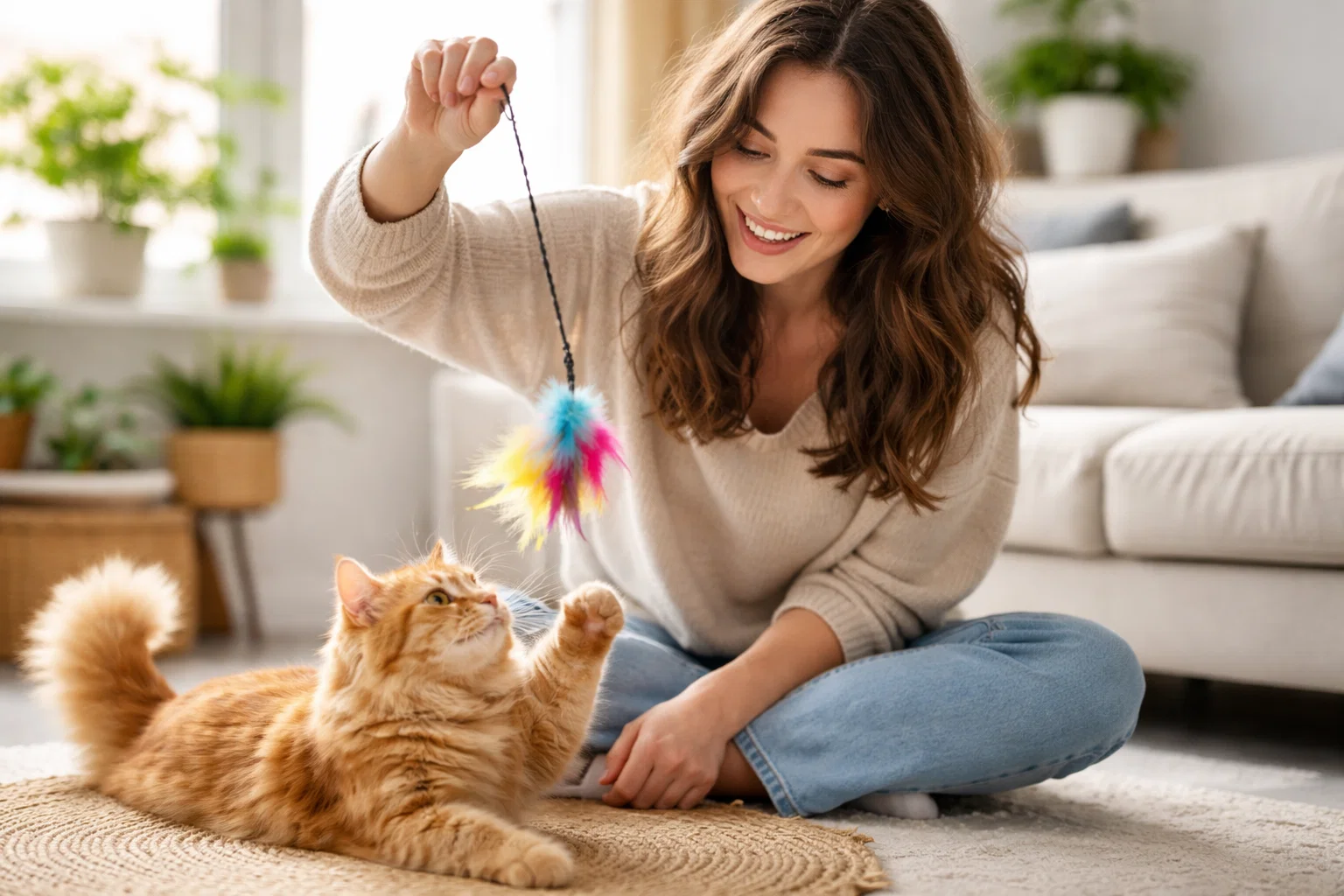
- Feather Wand Chase: Sweep low like a bird landing, hide behind furniture, and let your cat catch it often. Supervise strings and store out of reach after play.
- Paper Bag Ambush: Crinkle a paper bag on its side, drop a lightweight toy inside, and tap the bag edge to invite pounces. Cut off handles for safety.
- Treat Scatter Search: Toss 8 to 10 kibble pieces across different rooms to spark foraging and sniffing. Ideal pre-meal warm-up.
- Cardboard Box Fortress: Cut two holes in a box for “doorways,” nest with tissue paper, and rotate positions weekly for a novel mini-hideout.
- Stair Sprint Fetch: For homes with stairs, toss a soft ball up two steps and invite returns. Keep sessions short to avoid joint strain in seniors.
- Window Watch Station: Place a sturdy perch by a window with a view of trees or a bird feeder. Add a rotating scent like cat-safe dried rosemary on a cotton pad.
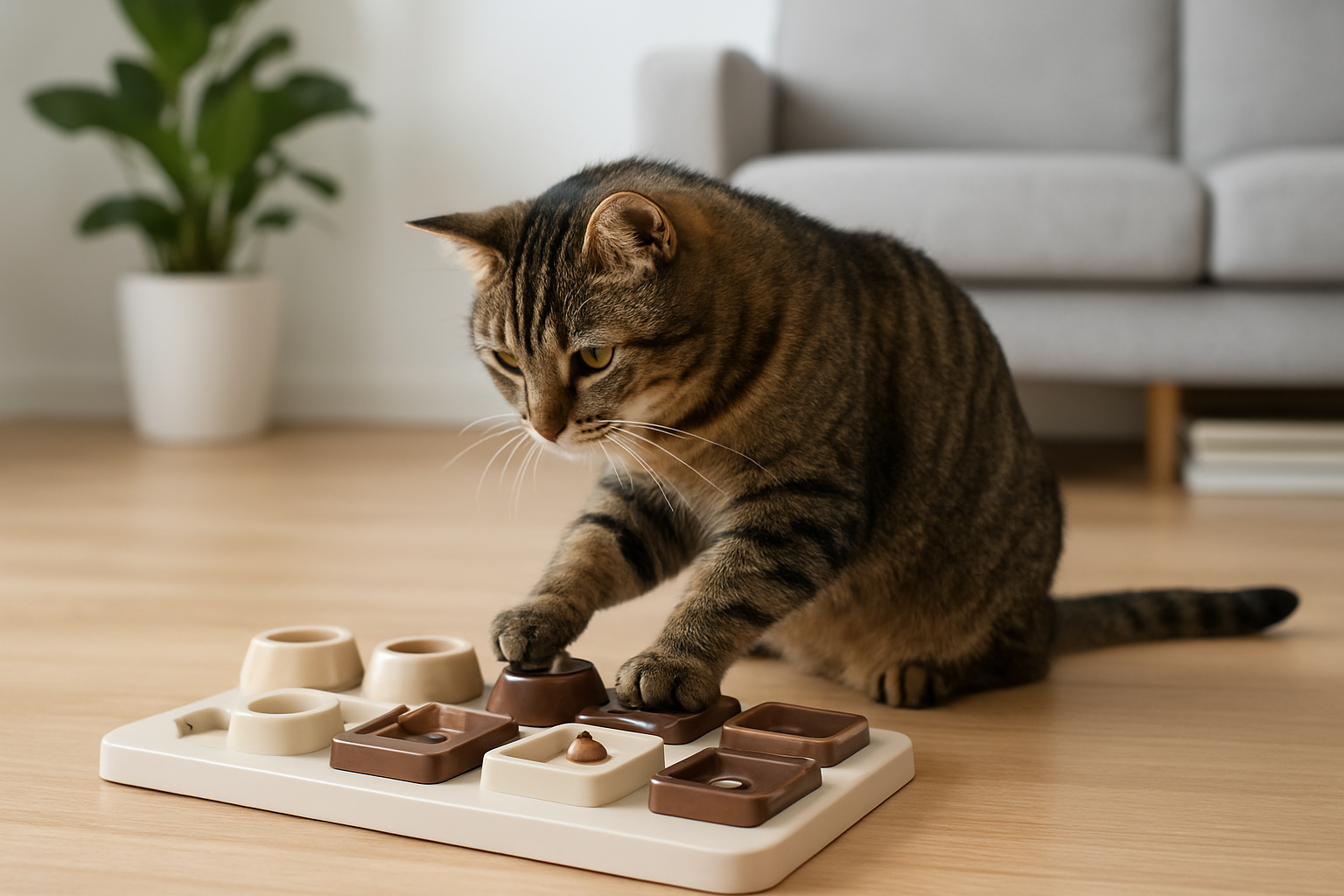
- Interactive Food Puzzle: Use a slow feeder or bottle-style puzzle for one meal daily. Start easy so your cat builds confidence quickly.
- Target Training with a Chopstick: Teach “touch” by rewarding nose taps to the stick; this channels focus and becomes a foundation for recall and stationing.
- Hide-and-Seek Mouse: Tuck a small toy under a towel and wiggle the lump so your cat can “rescue” it. Let them win frequently.
- Catnip or Silvervine Party: Offer a pinch of catnip or silvervine on a scratcher once or twice weekly; many cats roll, bunny-kick, and reset their mood in minutes.
- Auditory Novelty: Play soft birdsong or rustling leaves for 5 minutes and pair with a wand toy that “appears” at exciting moments. Keep volume low.
- Laser Pointer Redirect: Use a low-power laser (light amplification by stimulated emission of radiation) to spark chase, then land the dot on a treat or toy to deliver a “catch.” Avoid faces and reflective surfaces.
- Crinkle Tunnel Safari: Set up a collapsible tunnel with entry and exit toys. Rotate location so it feels like a new route every few days.
- Treasure Cups Game: Place a treat under one of three cups, shuffle slowly, and let your cat nose or paw to reveal the prize. Use lightweight, stable cups.
- Soap Bubble Chase: Blow pet-safe bubbles and encourage gentle batting. Limit to short sessions to avoid slippery floors.
- Cat Grass Bar: Grow wheatgrass and let your cat graze under supervision. This adds texture to the sensory diet and can reduce houseplant nibbling.
- Highway of Shelves: Create a wall route with staggered shelves leading to a safe perch. Even two shelves can satisfy the urge to climb and survey.
- DIY (do it yourself) Snuffle Mat: Weave fleece strips through a bath mat and sprinkle kibble in the folds to slow-feed and calm sniffers.
- Velcro Wand on a Door: Attach a feather toy to a short elastic anchored low on a door for solo tapping. Inspect elastic regularly and remove when you are out.
- Rolling Bottle Treat Dispenser: Poke two small holes in a clean plastic bottle, add kibble, and let your cat roll to release rewards. Smooth any rough edges.
- Timed Meal Hunt: Split dinner into three small bowls hidden in safe spots. Lead your cat to the first, then encourage them to search for the rest.
- Scratcher Circuit: Place vertical and horizontal scratchers near sleep spots and doorways, then sprinkle with catnip to invite daily use.
- Chill Mat and Brushing: After active play, lay a cool mat and brush gently for two minutes; many cats associate grooming with post-hunt relaxation.
- Pillow Fort Bird TV: Build a mini fort by the window, queue a short “bird TV” video, then end with a real toy to keep satisfaction grounded in catching.
- Teach a Trick: Try “sit,” “high-five,” or “spin” with a clicker or verbal marker. Short, fun sessions improve confidence and communication.
Quick-pick matrix: choose by energy level, time, and mess tolerance. Use this table to plan your first week.
| Activity | Energy | Time | Best For | Notes |
|---|---|---|---|---|
| Feather Wand Chase | High | 10 minutes | Kittens, athletic adults | End with a catch and snack |
| Treat Scatter Search | Medium | 5 minutes | All ages | Great pre-meal reset |
| Interactive Food Puzzle | Low to Medium | 15 minutes | Fast eaters, anxious cats | Start easy, increase difficulty |
| Target Training | Low | 5 minutes | Shy cats, seniors | Builds trust and focus |
| Crinkle Tunnel Safari | Medium | 8 minutes | Curious explorers | Rotate tunnel location |
| Rolling Bottle Dispenser | Medium | 10 minutes | Food-motivated cats | Supervise first use |
| Scratcher Circuit | Low | Daily habit | All ages | Place near sleep spots |
| Teach a Trick | Low | 3 minutes | Anyone | End before interest dips |
Build a Daily Routine That Sticks
The simplest enrichment plan is a rhythm, not a marathon: short play, small meal, rest, repeat. Aim for morning and evening “hunt cycles” when cats are naturally active, then sprinkle low-effort brain games midday. If your cat gets the zoomies at night, move the last wand session to late evening, finish with a small protein-rich snack, and dim the lights so the nervous system can coast. Consistency matters more than intensity; think of it like brushing your teeth together twice a day, except with feathers and crunchy kibble.
Here is a starter schedule you can copy, then tweak based on your cat’s age, mobility, and breed tendencies. Maine Coons and other large breeds often need longer climbs and sturdier perches, while seniors may prefer snuffle mats and gentle chase in a short hallway. If you are new to this, set phone reminders for one week and treat it like an experiment; you and your cat are building a shared habit, not chasing perfection.
| Time of Day | Activity | Duration | Goal |
|---|---|---|---|
| Morning | Feather wand chase + small meal in puzzle | 10 to 15 minutes | Burn energy, slow-feed |
| Midday | Treat scatter or snuffle mat | 5 to 10 minutes | Mental refresh |
| Late Afternoon | Target training or trick practice | 3 to 5 minutes | Confidence and bonding |
| Evening | Tunnel safari or fetch + grooming | 10 to 15 minutes | Hunt cycle, then relax |
| Night | Calm play, then final snack | 5 minutes | Prevent midnight zoomies |
Step-by-Step How-To: 5 Easy DIY (do it yourself) Puzzle Feeders
Puzzle feeding is the secret sauce for indoor cats: it taps problem-solving, stretches mealtimes, and reduces boredom-linked behaviors like begging or random scratching. Start with easy wins so your cat builds puzzle confidence; frustration is the enemy of learning. Below are five beginner-to-advanced projects you can make in minutes from common household items. Always smooth sharp edges, supervise first use, and size openings to your cat’s kibble so rewards come often enough to stay motivating.
-
Egg Carton Buffet
- Place dry food or small treats in each egg cup of a cardboard carton.
- Leave open at first; later, close the lid and poke finger-sized holes to increase difficulty.
- Upgrade: add two ping-pong balls so food shifts unpredictably.
-
Towel Roll-Up
- Lay a towel flat, scatter kibble, and roll it into a log with gentle pressure.
- For beginners, leave ends open; for pros, tuck ends under to slow the unroll.
- Spot clean after each use to keep scents fresh and enticing.
-
Forage Bottle Roller
- Take a clean plastic bottle with a screw cap. Cut two small holes, slightly larger than one piece of kibble.
- Sand rough edges and test flow with 10 pieces of kibble before giving it to your cat.
- Tip: place a bath mat under the bottle to muffle sound for skittish cats.
-
Muffin Tin Hide-and-Seek
- Drop kibble pieces into a muffin tin and cover some wells with tennis balls or crumpled paper.
- Start with two blocked wells and add more as your cat learns the “lift.”
- Great for seniors and shy cats who prefer gentle, nose-forward puzzles.
-
Cardboard Maze Tray
- Glue cardboard strips into a shallow box to form lanes and dead ends.
- Sprinkle food at different stops; your cat will paw and nudge pieces around corners.
- Remodel every few days by shifting walls, which keeps novelty high.
Smart Shopping Checklist and Comparisons

Your cat’s playstyle should drive what you buy. Sprinters need wand toys and long hallways; thinkers need puzzle feeders and scent games; climbers crave stable towers and shelves; cuddlers want cozy, sunlit resting zones. If shopping feels overwhelming, this quick table maps core categories to purpose, budget range, and what to look for. Mad Cat Man maintains veterinary-informed buying guides, safety notes on things like humidifiers and cat-safe plants, and breed-focused picks so first-time pet parents can choose confidently without endless scrolling.
| Category | Purpose | Budget Range | What to Look For | Safety Note |
|---|---|---|---|---|
| Wand Toys | Chase and pounce | Low to Moderate | Replaceable lures, sturdy handle | Supervise; store strings away |
| Puzzle Feeders | Slow eating, brain work | Low to Moderate | Adjustable difficulty, easy to clean | Start simple to prevent frustration |
| Climbing Furniture | Vertical exercise | Moderate to High | Wide base, wall anchors, sisal posts | Anchor tall pieces near windows carefully |
| Scratching Surfaces | Nail care, stress relief | Low to Moderate | Mix vertical and horizontal, sisal and cardboard | Place near sleep spots and entryways |
| Cat Tunnels | Exploration, ambush play | Low to Moderate | Multiple exits, non-slip fabric | Check seams; avoid frayed edges |
| Perches and Shelves | Safe vantage points | Low to High | 350+ mm deep shelves, non-skid tops | Use wall studs or proper anchors |
| Calming Aids | Stress reduction | Low to Moderate | Pheromone diffusers, cozy cave beds | Follow manufacturer guidance and vet advice |
| Grooming Tools | Bonding, coat health | Low to Moderate | Gentle slicker brush, nail trimmers | Pair with treats; mind quicks on nails |
- Before you buy: jot down your cat’s top two play behaviors and choose one item for each. That simple rule prevents random “toy drawer” clutter.
- Rotate toys weekly: keep three out, store the rest. Novelty boosts engagement and extends a toy’s life.
- Leverage Mad Cat Man’s product reviews: our testers note pros, cons, and suitability for different ages, budgets, and home sizes, plus safety checks vetted by experienced owners.
Troubleshooting and Safety: Veterinary-Informed Tips
Every cat learns at their own pace, and frustration is the signal to dial back difficulty or shorten sessions. If your cat swats at your hand, switch to longer-handled toys; if they grab and bunny-kick too hard, end the session with a tossed soft toy they can “finish” on. For cats that lose interest fast, try shorter bursts with higher-value rewards, like a few warmed bites of their regular food, not rich treats that might upset tummies. And if your schedule is hectic, set a daily 10-minute “hunt appointment” you can actually keep; perfect plans do not help if they never happen.
Safety is non-negotiable. Supervise string toys and elastics, retire damaged toys, and avoid small swallowable parts. Keep hazardous houseplants out of reach, and consider a humidifier in dry climates to support respiratory comfort, but always choose cat-safe models and place cords out of batting range. Maintain a simple health routine alongside enrichment: regular worming, microchipping records kept current, and gentle dental care go a long way toward a comfortable, playful cat. If your cat shows sudden behavior changes, pain signs, or persistent stress, contact your veterinarian promptly and use low-effort brain games while you sort out the next steps.
| Signal | What It Might Mean | Try This |
|---|---|---|
| Sudden swat or nip | Overarousal | Shorten sessions, lower intensity, end with food |
| Walking away mid-game | Too hard or boring | Make it easier, switch toys, add scent |
| Night zoomies | Under-stimulated daytime | Move vigorous play to evening, follow with snack |
| Scratching furniture | Need for appropriate outlet | Add scratchers near problem spots; reward use |
| Hiding more than usual | Stress or pain | Shift to nose-work; consult your veterinarian |
How Mad Cat Man Makes This Easy
New or uncertain cat owners often tell us the hardest part is knowing what to try first and what to buy next. Mad Cat Man organizes everything you need into practical categories: product reviews and buying recommendations for food, toys, furniture, and grooming; step-by-step behavior and training tips; health and preventive care guides covering worming, microchipping, and dental care; breed guides and comparisons including deep dives on Maine Coons; and safety explainers on home gear like humidifiers or plants. Each guide is experience-based, vetted by our team of seasoned cat owners and reviewers, and written to be actionable, not abstract.
If you prefer a roadmap, start with our how-to tutorials and shopping checklists that match your cat’s age, energy, and your budget. You will find real-world recommendations sorted by home size and lifestyle, plus troubleshooting sections so you can fix hiccups without guesswork. Our aim is simple: reduce overwhelm, speed up good decisions, and help you build an enrichment routine that fits your life and delights your cat.
Fast recap: with a focused plan, the right toys, and a few puzzle meals, you can turn restlessness into relaxed naps and confident play in days, not months. Imagine the next 12 months with fewer midnight zoomies, quiet mornings by the window, and a cat who trots over when it is time to “hunt” because the game finally makes sense. What will your first week look like when you pick two favorites from this indoor cat enrichment activities list and schedule them like a promise to your cat?
Additional Resources
Explore these authoritative resources to dive deeper into indoor cat enrichment activities list.
Build Smarter Cat Routines with Mad Cat Man
Use our how-to tutorials and shopping checklists to choose toys, plan routines, and make confident decisions for every cat and budget.