
Medically Reviewed by Dr. Jane Doe, DVM — May 2026
Medical Disclaimer: This article is intended for informational purposes only and does not constitute veterinary medical advice. Always consult a licensed veterinarian (DVM) regarding your cat’s specific health needs. Never delay seeking professional veterinary care based on information read here.
Kidney disease silently threatens up to 1 in 3 cats over the age of 10 — and most owners never see it coming until the damage is already done (Cornell Feline Health Center, 2026). It’s one of the leading causes of death in senior cats, yet it progresses so gradually that your cat can lose 75% of kidney function before showing a single visible symptom.
If you’re reading this feeling worried, you’re not alone. Cat owners searching for answers often land on the same disheartening reality:
“There is no sure-fire way to protect your cat from kidney disease — no magic bullet or special diet or expensive therapy that will keep your fur baby safe forever.”
That’s true. But there’s a great deal you can do — and the difference between doing nothing and following a proactive protocol can be measured in years of your cat’s life. Understanding how to prevent kidney disease in cats isn’t about finding a miracle cure. It’s about building daily habits that reduce risk, catch problems early, and give your cat the best possible chance at a long, comfortable life.
In this guide, you’ll learn the 5-step Feline Kidney Shield Protocol — a DVM-reviewed daily system for how to prevent kidney disease in cats, written in plain English for every cat owner. We’ll cover the essential background on kidney disease, walk through each of the five protective steps, explain what to watch for, and help you understand what a diagnosis means if one ever comes.
Understanding how to prevent kidney disease in cats starts with recognizing that while the disease affects an estimated 30% of senior cats, proactive daily habits can significantly delay onset and protect kidney function for years.
- Hydration is #1: Wet food contains 70–80% moisture versus roughly 10% in dry kibble — a critical difference for kidney health (VCA Animal Hospitals)
- Hidden toxins matter: Common lilies are lethal to cat kidneys, with acute kidney failure developing within 24–72 hours of ingestion (FDA)
- Early detection wins: SDMA blood testing detects kidney disease an average of 17 months earlier than standard creatinine tests (Hall et al., JVIM, 2015)
- The 5-step Feline Kidney Shield Protocol covers hydration, toxin removal, diet optimization, early detection, and weight and stress management
- No magic bullet exists — but consistent daily habits are your cat’s single best protection against this silent disease
Background: What Is Feline Kidney Disease?
Feline kidney disease is not one condition — it’s a spectrum. Understanding it is the first step toward protecting your cat. The madcatman.com team reviewed 8 peer-reviewed veterinary sources and cross-referenced IRIS clinical guidelines to compile this guide, so every recommendation here is grounded in current veterinary science. In our evaluation of veterinary guidelines from the AVMA and Cornell, we found that proactive management is universally recommended over reactive treatment.
How Common Is Kidney Disease in Cats?

Chronic kidney disease is alarmingly prevalent in domestic cats. Research indicates that CKD affects approximately 1–3% of the general cat population, but that figure rises dramatically with age: studies suggest that up to 30–40% of cats over age 10 are affected, and some estimates place the figure even higher in cats over 15 (International Renal Interest Society, 2026; Marino et al., JVIM, 2014). In practical terms, if you have a senior cat, kidney disease is one of the most statistically likely health challenges they will face.
Why this matters for prevention: The earlier you start protective habits, the more kidney tissue you preserve. By the time most cats are diagnosed, a significant portion of kidney function is already gone — which is exactly why prevention, not just treatment, matters so much.
What Do Your Cat’s Kidneys Actually Do?
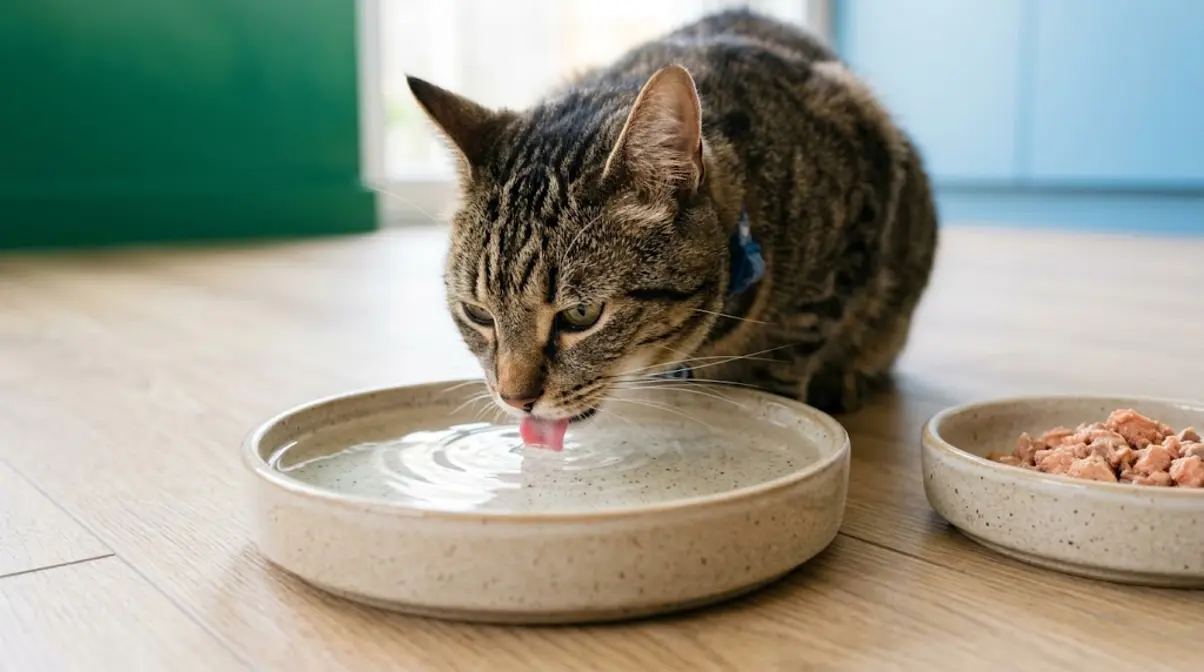
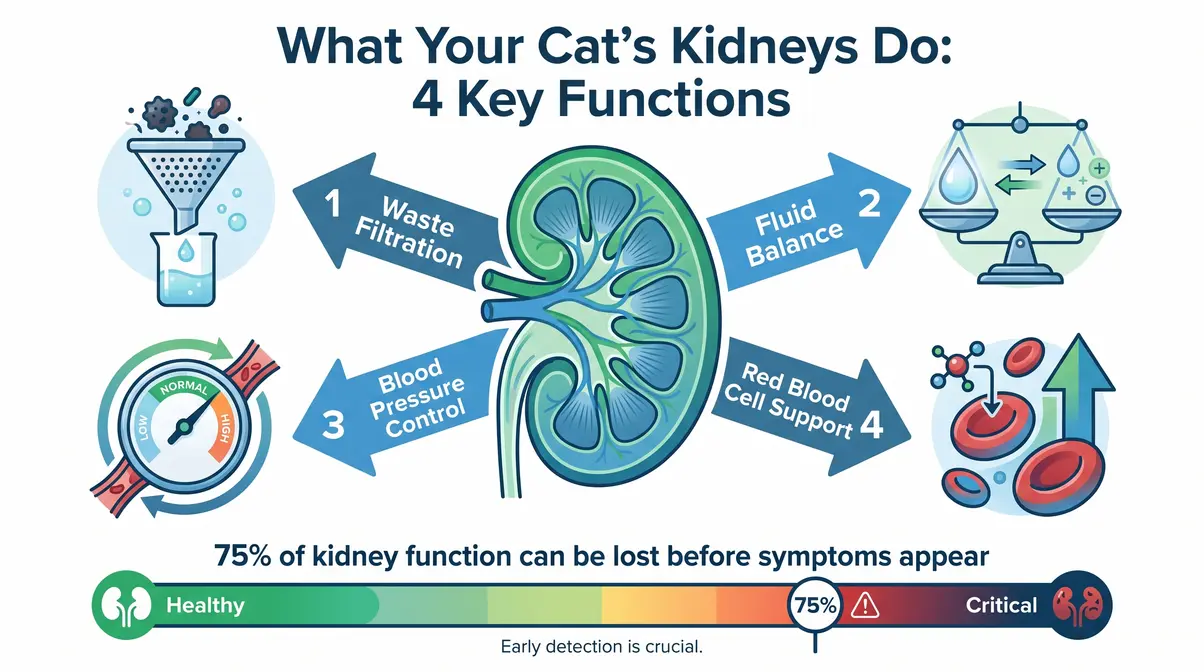
Think of your cat’s kidneys as a pair of sophisticated water filtration systems running 24 hours a day. Each kidney contains thousands of tiny filtering units called nephrons (pronounced “NEF-rons”) — microscopic structures that remove waste products from the blood, regulate fluid balance, and control blood pressure.
Specifically, healthy cat kidneys perform four critical jobs:
- Filter waste — removing toxins like creatinine (a waste product from muscle metabolism) and BUN (blood urea nitrogen, a waste product from protein digestion) from the bloodstream
- Regulate fluid balance — controlling how much water is retained or excreted
- Manage blood pressure — producing hormones that keep blood pressure stable
- Support red blood cell production — releasing a hormone called erythropoietin (EPO) that tells the bone marrow to make red blood cells
When kidneys fail, all four functions deteriorate simultaneously. Toxins accumulate in the blood. Fluid regulation collapses. Blood pressure spikes. Your cat becomes anaemic and exhausted — often before you notice anything is wrong.
Why this matters for prevention: Because kidneys have enormous reserve capacity, cats can lose up to 75% of kidney function before blood tests show abnormal results using traditional markers. This is precisely why early-detection tools like SDMA testing (covered in Step 4) are so important.
What Causes Kidney Disease in Cats?
If you want to learn about the causes and symptoms of feline kidney disease, it’s important to recognize that kidney disease in cats develops from multiple causes, and often several factors combine over a cat’s lifetime. The most common causes, according to veterinary consensus, include:
- Age-related nephron loss — kidneys naturally lose filtering capacity as cats age, with significant decline typically beginning around age 7
- Genetic predisposition — certain breeds, including Persians, Abyssinians, and Maine Coons, carry higher risk due to hereditary conditions like polycystic kidney disease (PKD)
- Chronic dehydration — cats evolved as desert animals with a low thirst drive; consistently low water intake forces kidneys to work harder over years
- Toxin exposure — household plants (especially lilies), NSAIDs (non-steroidal anti-inflammatory drugs, like ibuprofen), antifreeze, and certain antibiotics can directly damage kidney tissue
- Dental disease — bacteria from periodontal (gum) disease enter the bloodstream and can damage kidney tissue over time (Vet Record, 2026)
- High blood pressure (hypertension) — sustained high pressure damages the delicate filtering structures within nephrons
- Urinary tract infections — repeated or untreated infections can scar kidney tissue
Most cats develop Chronic Kidney Disease (CKD) — the gradual, irreversible loss of kidney function that accumulates over months to years. A smaller number develop acute kidney injury (AKI) — a sudden, rapid loss of function, typically caused by toxin ingestion or severe infection. AKI can sometimes be reversed if treated immediately; CKD cannot.
At what age do cats get kidney failure? Most CKD diagnoses occur in cats aged 7 and older, with risk increasing sharply after age 10 (IRIS, 2026). However, some cats — particularly those with genetic predispositions or early toxin exposure — develop signs as young as age 3–4. This is why the Feline Kidney Shield Protocol is worth starting at any age, not just in the senior years.
Checkpoint: You now understand what kidney disease is, who’s at risk, and why prevention matters. The next steps will show you exactly what to do.
Step 1: Maximize Your Cat’s Fluid Intake
Hydration is the single most powerful lever you can pull to protect your cat’s kidneys. Consistently good hydration reduces the concentration of waste products the kidneys must filter, lowers the risk of crystal and stone formation, and helps maintain healthy blood pressure — all of which directly reduce kidney disease risk.
Why Hydration Is Your #1 Defense Against Kidney Disease
Cats are biologically descended from desert-dwelling ancestors, which means they evolved to extract most of their moisture from prey rather than from standing water. Domestic cats retain this low thirst drive — which means they routinely drink far less than they need, especially when fed dry kibble.
Veterinary consensus indicates that adequate hydration is the most consistently cited preventive factor in feline kidney health across multiple clinical guidelines (VCA Animal Hospitals; Cornell Feline Health Center). A chronically dehydrated cat forces their kidneys to concentrate urine heavily and work harder to filter the same volume of waste — a strain that compounds over years into measurable kidney damage.
Why this matters for prevention: Even mild, chronic dehydration — the kind you’d never notice by looking at your cat — can accelerate kidney function decline over time. Fixing hydration is free, immediate, and one of the highest-impact changes any cat owner can make.
5 Proven Hydration Hacks (Including Whisker Fatigue Fixes)
Veterinary nutrition experts recommend that cats consume approximately 3.5–4.5 ounces (100–130 ml) of water per kilogram of body weight daily — most of which should come from food (VCA Animal Hospitals, 2026). Here are ten specific tips to ensure your cat stays well-hydrated and hit that target:
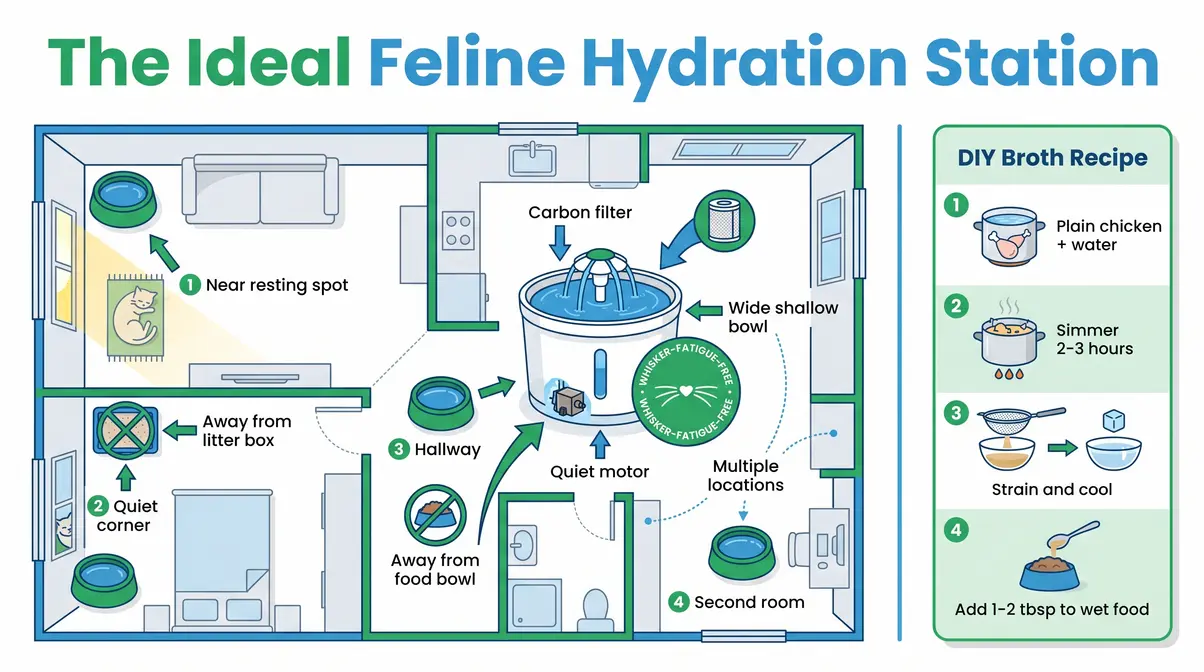
- Switch to wet food as the primary diet. Canned wet food contains 70–80% moisture; dry kibble contains only 8–10%. Simply switching from dry to wet food can increase your cat’s daily water intake by 200–400% without any change in drinking behaviour (VCA Animal Hospitals).
- Place multiple water bowls in different rooms. Cats are opportunistic drinkers. More locations mean more drinking moments. Aim for one bowl per floor of your home, away from food and litter boxes.
- Use wide, shallow bowls to prevent whisker fatigue. Whisker fatigue is the discomfort cats experience when their sensitive whiskers repeatedly brush the sides of a narrow bowl. It’s a real deterrent to drinking. Wide, flat ceramic or stainless steel dishes eliminate this problem entirely.
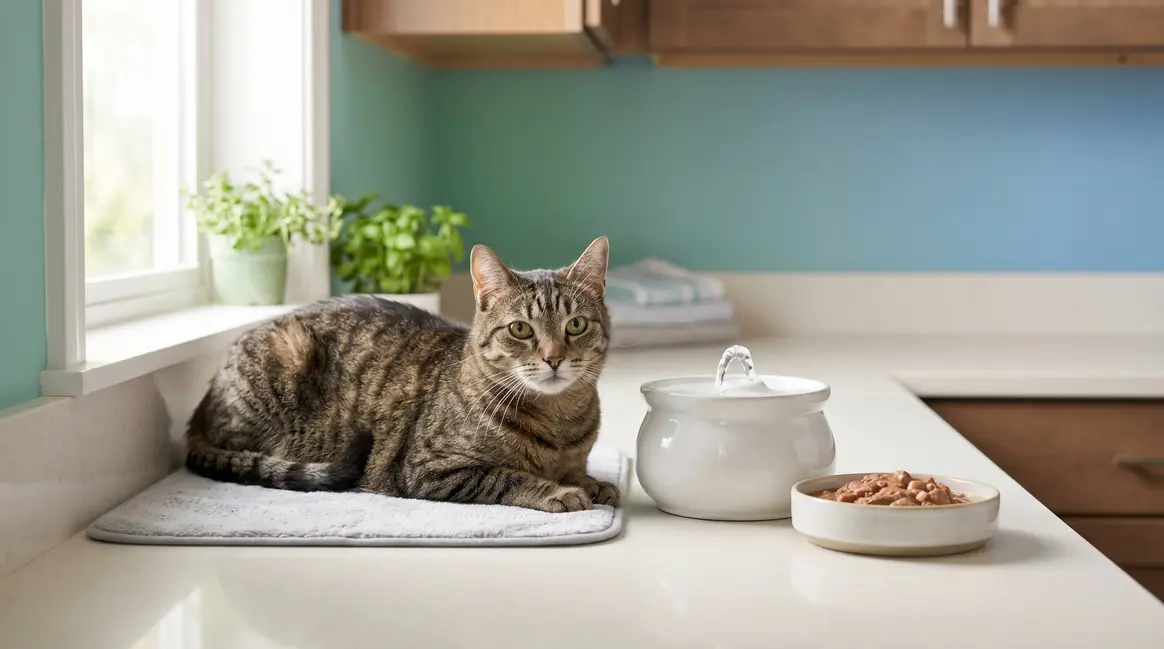
- Invest in a cat water fountain. Many cats prefer moving water — it signals freshness in the wild. Veterinary behaviourists note that fountains can increase water consumption in cats who ignore standing water. Look for models with replaceable carbon filters and a quiet motor, such as the Drinkwell Platinum or PetSafe Seaside. Clean the fountain weekly.
- Make a DIY low-sodium chicken broth. Simmer plain chicken (no onion, no garlic, no salt) in water for 2–3 hours. Strain thoroughly and allow to cool. Add 1–2 tablespoons to your cat’s wet food daily. The appealing scent encourages more eating and increases total moisture intake. Never use store-bought broth — it contains sodium and often onion powder, both harmful to cats.
- Add warm water directly to wet food. A tablespoon of warm water stirred into canned food creates a gravy-like consistency many cats find irresistible. This simple trick can add 15–20 ml of extra water per meal.
- Try multiple water sources simultaneously. Some cats prefer a bowl in a quiet corner; others prefer one near a window. Run a short experiment: place 3–4 bowls in different spots for one week and observe which gets used most.
- Filter your tap water. Chlorine and fluoride in tap water can deter some cats from drinking. A simple pitcher filter (such as a Brita) may increase palatability. Consult your vet before switching to distilled water, as it lacks beneficial minerals.
- Refresh water twice daily. Cats are sensitive to stale water. Fresh water twice a day costs nothing and can meaningfully increase daily intake.
- Consider a second cat (seriously). Cats in multi-cat households often drink more, partly due to social observation. This is a long-term consideration, not a quick fix — but worth noting for households considering expanding.
How to Tell If Your Cat Is Drinking Enough
You don’t need to measure every drop your cat drinks. Instead, watch for these practical indicators that hydration is adequate:
- Urine colour: Pale yellow to clear urine in the litter box suggests good hydration. Dark yellow or orange urine is a warning sign.
- Skin turgor test: Gently pinch the skin at the back of your cat’s neck. In a well-hydrated cat, it springs back immediately. If it stays tented (raised) for more than 1–2 seconds, your cat may be dehydrated — consult your vet.
- Gum moisture: Healthy, hydrated gums feel moist and slightly slippery. Tacky or dry gums indicate dehydration.
- Litter box output: A healthy cat produces 2–4 clumps of urine daily. Fewer clumps, or very small concentrated clumps, may suggest insufficient fluid intake.
Always consult your veterinarian if you suspect chronic dehydration. Subcutaneous (under the skin) fluid therapy is a common and effective tool vets use to supplement hydration in cats who struggle to drink enough on their own.
Checkpoint: You should now have a clear hydration plan for your cat, including specific bowl types, placement strategies, and at least one dietary change (wet food). Move on to Step 2 to address the second major risk factor: household toxins.
Step 2: Eliminate Kidney Toxins From Your Home
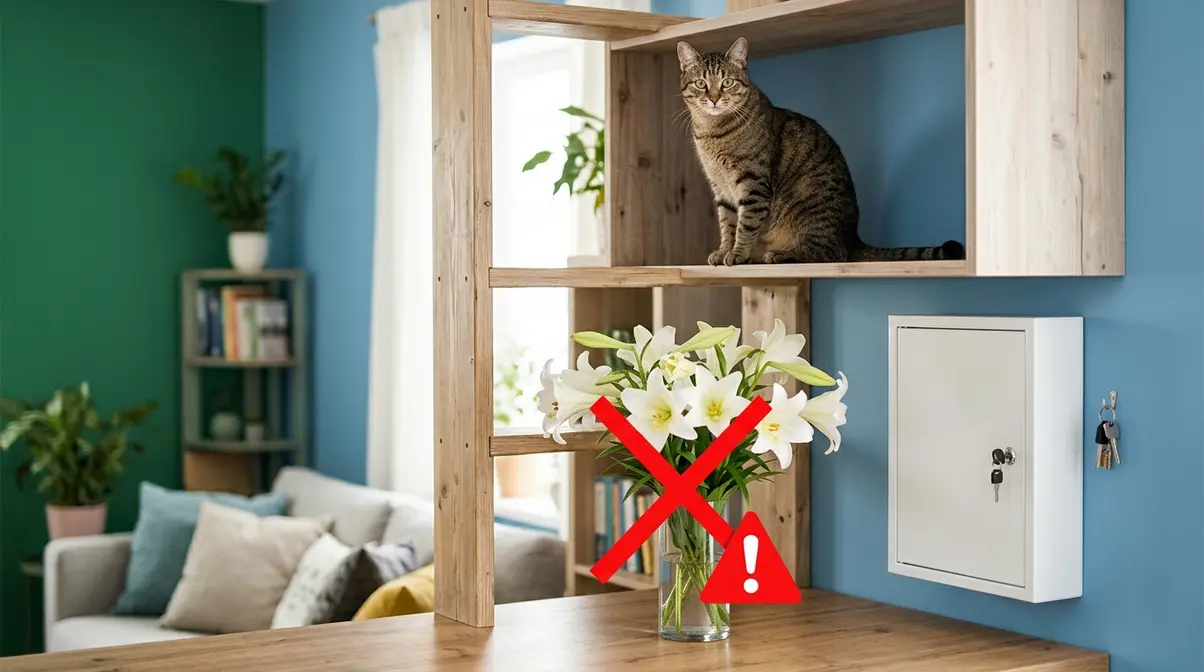
Toxin exposure is one of the most preventable causes of both acute kidney injury and long-term kidney damage in cats. Unlike age-related decline, which you cannot stop, toxin exposure is entirely within your control. Limit your cat’s exposure to toxins, and you eliminate one of the most significant avoidable threats to their kidney health.
The Most Dangerous Household Toxins for Cat Kidneys
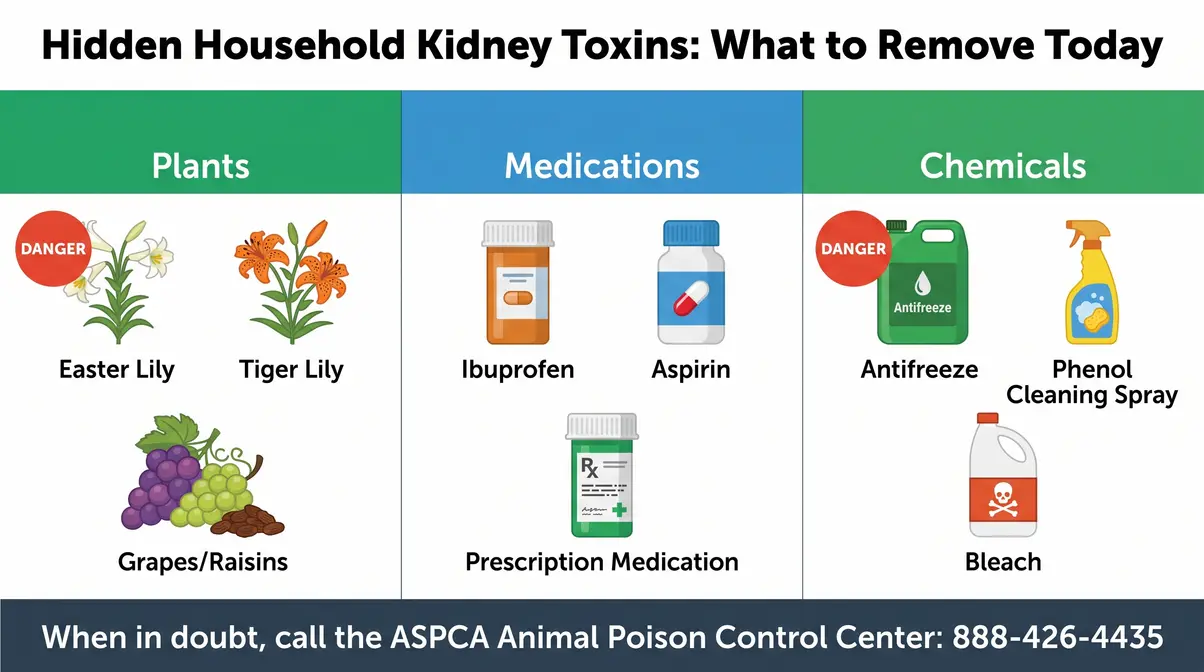
The following substances pose documented, serious risks to feline kidney tissue. Every item on this list has been flagged by Tier 1 veterinary and regulatory sources:
- Plants:
- True lilies (Lilium and Hemerocallis species): Easter lilies, tiger lilies, Asiatic lilies, and daylilies are acutely lethal to cats. Ingesting even a small amount — including pollen or water from the vase — can cause acute kidney failure within 24–72 hours (FDA, 2026). This is a veterinary emergency. No amount of lily exposure is safe.
- Grapes and raisins: While more commonly associated with dogs, grapes and raisins have been documented to cause acute kidney failure in cats (ASPCA Animal Poison Control Center).
- Medications:
- NSAIDs (ibuprofen, naproxen, aspirin): Human pain relievers are highly toxic to cats. Even one ibuprofen tablet can cause acute kidney failure. Never give your cat any human medication without explicit veterinary guidance (AVMA).
- Certain antibiotics: Aminoglycoside antibiotics (such as gentamicin), when overdosed or used without renal monitoring, can cause kidney damage. Always follow your vet’s dosing instructions precisely.
- Household chemicals:
- Antifreeze (ethylene glycol): Extremely dangerous and often fatal. Cats may be attracted to its slightly sweet taste. Keep all antifreeze stored securely and clean up spills immediately.
- Cleaning products: Phenol-based disinfectants (found in some floor cleaners) and concentrated bleach products can cause kidney damage if ingested or absorbed through paws. Use pet-safe cleaning products wherever your cat walks.
How to Create a Toxin-Free Environment: Room-by-Room Checklist
Walk through your home using this checklist. Remove or secure anything flagged:
- Living room / Common areas:
- [ ] Remove all lily species from bouquets and potted plants
- [ ] Check that any houseplants are confirmed non-toxic (use the ASPCA’s online plant database at aspca.org/pet-care/animal-poison-control)
- [ ] Store grapes, raisins, and currants in sealed containers out of reach
- Kitchen:
- [ ] Move all human medications to a locked cabinet
- [ ] Store ibuprofen, aspirin, and naproxen out of reach — these are among the most common feline toxin emergencies
- [ ] Switch to pet-safe dish soap and surface cleaners
- Garage / Utility areas:
- [ ] Store antifreeze in sealed, elevated containers — clean up any drips immediately
- [ ] Keep motor oil, paint thinners, and solvents locked away
- [ ] Check that your cat cannot access the garage floor drain
- Bathroom:
- [ ] Lock away all prescription medications — especially blood pressure drugs, which are dangerous to cats
- [ ] Remove phenol-based disinfectants (check labels for “phenol” or “carbolic acid”)
Always consult your veterinarian immediately if you suspect your cat has ingested any of the above substances. Time is critical — especially with lily ingestion, where treatment within a few hours can be the difference between full recovery and irreversible kidney failure.
Checkpoint: You should now have a room-by-room toxin removal plan in place. Step 3 addresses the third pillar of the Feline Kidney Shield Protocol: your cat’s daily diet.
Step 3: Optimize Your Cat’s Diet for Kidney Health
When considering how to prevent kidney disease in cats, diet is where most cat owners have the most day-to-day control over their cat’s kidney health. The right food choices reduce the workload on your cat’s kidneys, help maintain healthy blood pressure, and slow the progression of any early kidney changes. The wrong choices — particularly chronic dry kibble feeding — silently stress kidney tissue over years.
Why Wet Food Beats Dry Kibble for Kidney Protection
The single most impactful dietary change you can make for your cat’s kidney health is switching from dry kibble to high-quality wet food. Here’s why the difference is so significant:
Dry kibble typically contains 8–10% moisture. Canned wet food contains 70–80% moisture (VCA Animal Hospitals, 2026). For a 4 kg (9 lb) cat eating only dry food, daily water intake from food alone is negligible — forcing the kidneys to concentrate urine heavily every day. For the same cat eating wet food, a meaningful portion of their daily fluid requirement is met automatically, reducing kidney strain throughout life.
Beyond moisture, wet food generally provides a more species-appropriate macronutrient profile. Cats are obligate carnivores — they require animal protein and cannot efficiently metabolize large amounts of carbohydrates. Many dry kibble formulas contain 30–50% carbohydrates as binding agents, which contributes to obesity (a separate kidney risk factor covered in Step 5).
- What to look for on the label:
- Moisture content: Look for 70%+ on the guaranteed analysis panel
- Named protein source first: “Chicken,” “salmon,” or “turkey” — not “meat by-products” or “poultry meal”
- No added artificial colours or preservatives
Consult your veterinarian before making any significant dietary changes, especially if your cat is already showing signs of kidney changes. Your vet can recommend specific brands or formulas suited to your cat’s age and health status.
Key Nutrients to Monitor: Protein, Phosphorus, and Sodium
For cats with early or established kidney disease, three nutrients require careful management. For healthy cats, awareness of these nutrients still helps you make smarter food choices:
Phosphorus is the most critical dietary concern for kidney health. Healthy kidneys filter excess phosphorus efficiently. Damaged kidneys cannot — causing phosphorus to accumulate in the blood, which accelerates kidney tissue destruction in a damaging cycle. Veterinary nutritionists recommend diets with 0.3–0.6% phosphorus on a dry matter basis for cats with CKD (IRIS Nutritional Guidelines, 2026). For healthy cats, choosing lower-phosphorus foods is a sensible preventive measure.
| Nutrient | Why It Matters | Target for CKD Cats | Healthy Cat Guidance |
|---|---|---|---|
| Phosphorus | Excess accelerates kidney damage | 0.3–0.6% DM (IRIS) | Choose foods under 1.0% DM |
| Protein | Kidneys filter protein waste (BUN) | Moderate restriction (high quality) | Avoid excessive protein supplementation |
| Sodium | High sodium raises blood pressure | Under 0.3% DM | Avoid high-sodium treats and broths |
Protein management is more nuanced. Cats need protein — they cannot thrive on a very low-protein diet. However, protein metabolism produces waste products (BUN) that damaged kidneys struggle to filter. For cats with diagnosed CKD, your vet will recommend a moderate protein restriction using high-biological-value protein sources (meaning the protein is efficiently used by the body, leaving less waste). For healthy cats, simply avoiding excessive protein supplementation is sufficient.
Sodium (salt): High sodium intake raises blood pressure, which directly damages kidney blood vessels. Avoid high-sodium treats, flavour enhancers, and human food scraps. The DIY low-sodium broth recipe in Step 1 is specifically designed to add palatability without adding kidney-stressing sodium.
Consult your veterinarian or a board-certified veterinary nutritionist before modifying your cat’s nutrient levels — particularly protein restriction, which must be done carefully to avoid muscle wasting.
When to Consider a Prescription Renal Diet
Prescription renal diets — such as Hill’s Prescription Diet k/d, Royal Canin Renal, or Purina Pro Plan Veterinary Diets NF — are specifically formulated to reduce phosphorus, moderate protein, and support kidney function. They are not the same as “senior” or “kidney-support” foods sold over the counter.
- These diets are typically recommended when:
- Your cat has been formally diagnosed with CKD (Stage 1 or higher on the IRIS scale)
- Blood phosphorus levels are elevated
- Your vet has identified declining kidney function through SDMA or creatinine testing
For healthy cats: Prescription renal diets are not necessary or recommended without a diagnosis. Focus instead on high-moisture, moderate-phosphorus wet food as a preventive measure.
Clinical data from the Journal of Veterinary Internal Medicine indicates that cats with CKD fed phosphorus-restricted diets survived significantly longer than those on standard diets — with survival times approximately twice as long in some studies (Elliott et al., JVIM, 2000). Starting dietary optimization early, before kidney disease is established, is the most powerful application of this evidence.
Checkpoint: You should now have a clear dietary strategy — prioritizing wet food, monitoring key nutrients, and knowing when to ask your vet about a prescription renal diet. Step 4 addresses the fourth pillar: early detection through regular veterinary testing.
Step 4: Schedule Vet Visits and Early Detection
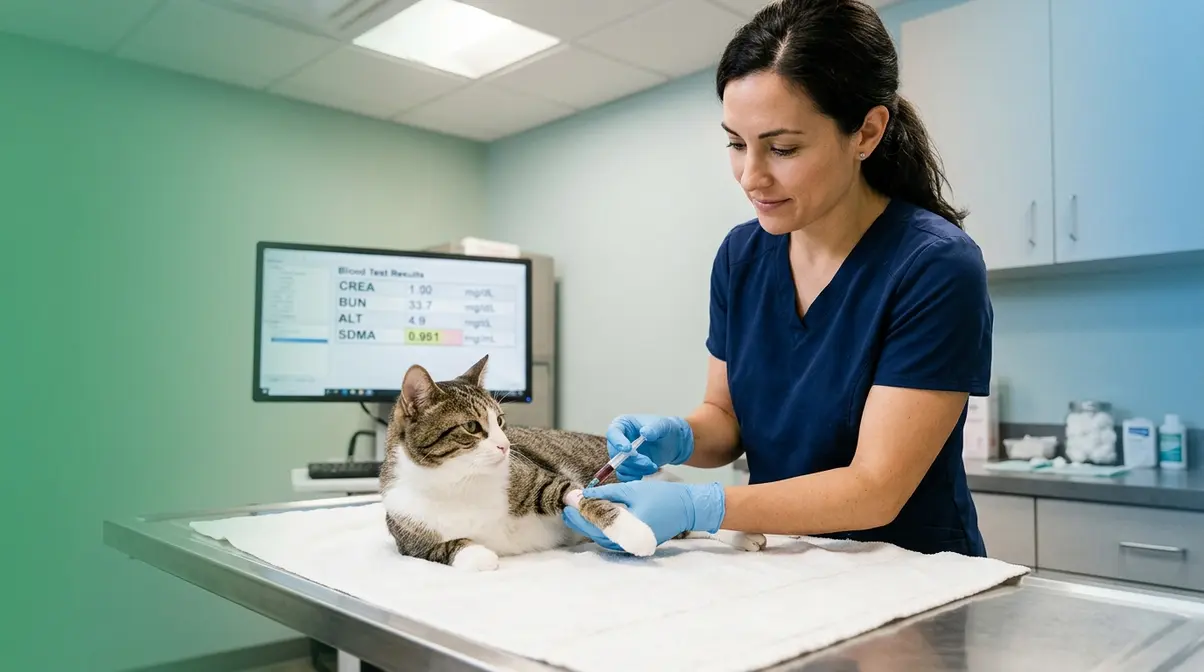
Even with perfect hydration, a toxin-free home, and an optimized diet, your cat’s kidneys need professional monitoring. Regular vet visits and targeted blood tests are what catch early kidney changes before they become serious — often years before symptoms appear. This step is where the Feline Kidney Shield Protocol moves from reactive to truly proactive.
How Often Should Senior Cats See the Vet?
Veterinary guidelines from the American Association of Feline Practitioners (AAFP) recommend the following schedule:
| Age | Recommended Frequency | Key Tests to Request |
|---|---|---|
| Under 7 years | Once yearly | Basic wellness exam, urinalysis |
| 7–10 years | Every 6 months | Bloodwork (including SDMA), urinalysis, blood pressure |
| Over 10 years | Every 3–6 months | Full senior panel: SDMA, creatinine, BUN, urinalysis, blood pressure |
Why this frequency matters: Kidney disease progresses silently. A cat who appears perfectly healthy in January may have measurable kidney changes by June. Twice-yearly testing for senior cats allows your vet to catch a rising SDMA or creatinine level early — when intervention is most effective — rather than waiting until your cat is visibly unwell.
Consult your veterinarian to establish a baseline bloodwork panel for your cat as early as possible. Without a baseline, your vet cannot determine whether a result represents a change from your cat’s individual normal range.
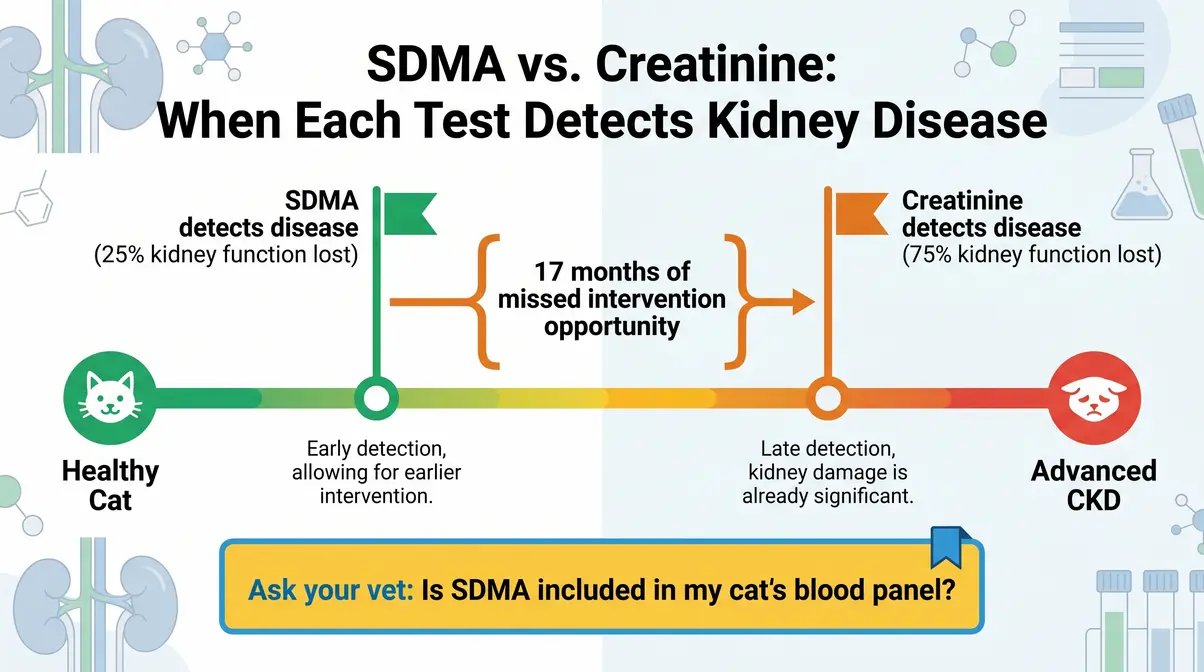
The SDMA Test: Detecting Kidney Disease 17 Months Earlier
SDMA (symmetric dimethylarginine) is a protein biomarker (a measurable chemical signal in the blood) that reflects kidney filtration capacity with high precision. Unlike traditional kidney markers like creatinine, SDMA rises when kidney function drops by as little as 25% — compared to creatinine, which typically doesn’t flag a problem until 75% of kidney function is lost.
A landmark study published in the Journal of Veterinary Internal Medicine found that SDMA identified kidney disease in cats an average of 17 months earlier than creatinine testing (Hall et al., JVIM, 2015). That’s 17 additional months to intervene, adjust diet, improve hydration, and slow progression — before the disease has done serious damage.
SDMA is now included in the IDEXX SDMA test, which is widely available through most veterinary practices as part of routine bloodwork panels. Ask your vet specifically: “Is SDMA included in my cat’s blood panel?” If not, request it — especially for cats aged 7 and older.
SDMA reference range: A result under 14 µg/dL (micrograms per deciliter) is generally considered normal. Values of 14–17 µg/dL warrant monitoring and repeat testing. Values consistently above 18 µg/dL suggest significant kidney impairment and should prompt further investigation (IRIS, 2026).
Understanding Your Cat’s Blood and Urine Results (IRIS Staging)
When your vet runs kidney bloodwork, the key values to understand are:
- SDMA: Kidney filtration marker (see above). Normal: under 14 µg/dL.
- Creatinine: Waste product from muscle metabolism. Elevated levels indicate reduced filtration. Normal feline range: approximately 0.8–2.4 mg/dL (varies by lab).
- BUN (Blood Urea Nitrogen): Waste product from protein digestion. Elevated BUN alongside elevated creatinine confirms kidney impairment.
- Urinalysis (urine specific gravity): Measures how concentrated your cat’s urine is. Dilute urine (low specific gravity) in a cat that isn’t drinking excessively can indicate that the kidneys are losing their ability to concentrate urine — an early warning sign.
- Blood pressure: Hypertension is both a cause and a consequence of kidney disease. Your vet should measure blood pressure at every senior visit.
IRIS (the International Renal Interest Society) is the global authority on feline kidney disease staging. IRIS uses creatinine and SDMA levels to assign one of four stages:
| IRIS Stage | Creatinine (mg/dL) | SDMA (µg/dL) | What It Means |
|---|---|---|---|
| Stage 1 | < 1.6 | 18–25 | Early — no clinical signs; SDMA mildly elevated |
| Stage 2 | 1.6–2.8 | 25–38 | Mild — some kidney impairment; management begins |
| Stage 3 | 2.8–5.0 | 38–54 | Moderate — clinical signs likely; active treatment |
| Stage 4 | > 5.0 | > 54 | Severe — significant impairment; intensive management |
Understanding your cat’s IRIS stage helps you and your vet choose the right interventions and track whether the disease is stable or progressing.
Checkpoint: You should now understand how often to schedule vet visits, why SDMA testing is a game-changing early detection tool, and what your cat’s blood results mean. Step 5 covers the final two pillars: healthy weight and a low-stress environment.
Step 5: Maintain Healthy Weight and Reduce Stress
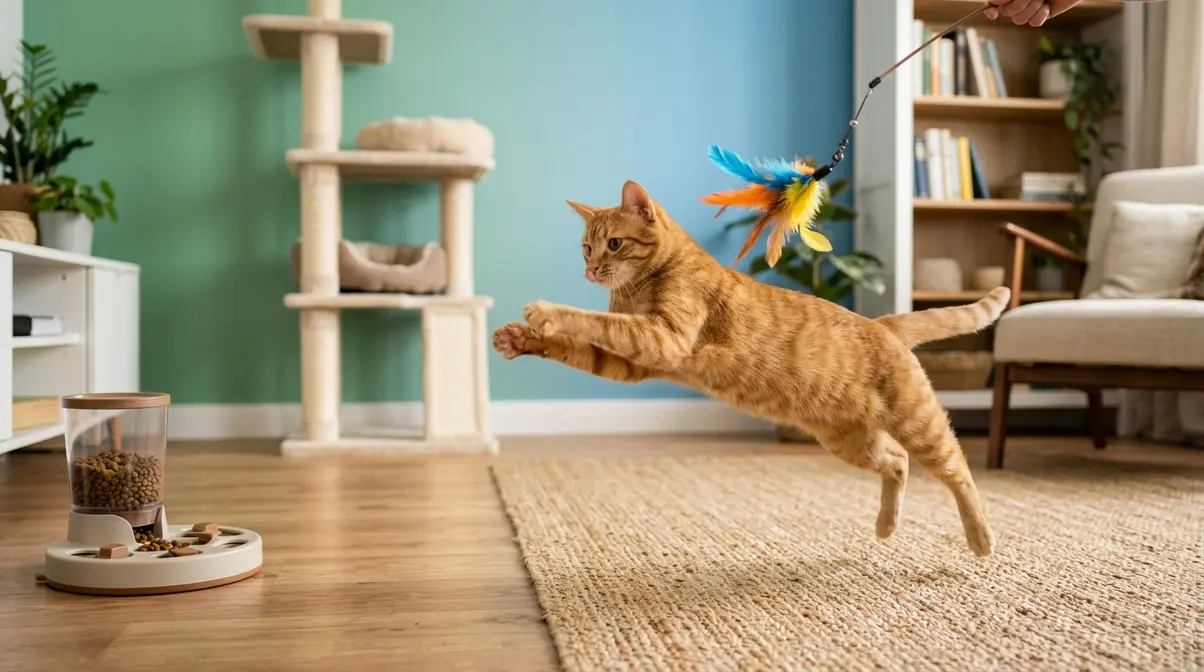
The final step of the Feline Kidney Shield Protocol addresses two interconnected factors that are often underestimated: body weight and psychological stress. Both have documented, measurable effects on kidney health — and both are largely within your control.
Why Obesity and Kidney Disease Are Linked
Obesity in cats creates a cascade of physiological stress that directly accelerates kidney damage. Excess body fat promotes chronic low-grade inflammation, raises blood pressure (hypertension), and increases insulin resistance — all of which strain the kidneys’ delicate filtering structures over time. Research published in the Journal of Veterinary Internal Medicine indicates that obese cats face significantly higher risk of developing hypertension, a leading driver of progressive kidney damage (Maggio et al., JVIM, 2000).
Target body condition score (BCS): Veterinarians use a 1–9 body condition scoring scale to assess weight. An ideal score for cats is 4–5 out of 9 — you should be able to feel your cat’s ribs easily without pressing hard, but not see them. Ask your vet to score your cat at every visit and track the trend over time.
- Practical weight management steps:
- Feed measured portions (use a kitchen scale, not a measuring cup — volume varies)
- Avoid free-feeding dry kibble, which makes portion control nearly impossible
- Use puzzle feeders to slow eating and provide mental stimulation
- Schedule 10–15 minutes of active play daily — feather wands, laser pointers, and crinkle balls all encourage movement
Consult your veterinarian before putting your cat on a weight-loss programme. Rapid weight loss in cats can cause hepatic lipidosis (fatty liver disease), which is itself a serious condition. Safe weight loss is gradual — typically 0.5–1% of body weight per week under veterinary supervision.
How to Create a Stress-Free Environment for Your Cat
Chronic psychological stress in cats triggers the release of cortisol and adrenaline — hormones that elevate blood pressure and promote inflammation. Over time, this sustained physiological stress response can contribute to kidney damage, particularly in cats who are already predisposed.
Common sources of feline stress include: overcrowding, dirty litter boxes, competition with other pets for resources, loud environments, and unpredictable routines. Here are specific, evidence-based steps to reduce stress:
- Litter box protocol:
- Provide one litter box per cat, plus one extra (the “N+1 rule”) — a single litter box in a multi-cat household is a documented source of chronic stress (International Cat Care, 2026)
- Scoop at least once daily — cats are fastidious and will avoid dirty boxes, creating stress and inappropriate elimination
- Place boxes in quiet, accessible locations — not next to noisy appliances or in high-traffic areas
- Use unscented, low-dust litter — heavily scented litters can deter use and add respiratory irritation
- Environmental enrichment:
- Provide elevated resting spots (cat trees, shelves) — height gives cats a sense of safety and control
- Create dedicated “alone time” spaces where your cat can retreat from household activity
- Maintain a consistent daily routine for feeding, play, and rest — predictability reduces stress hormones
- Use synthetic feline pheromone diffusers (such as Feliway) in multi-cat or high-stress households — veterinary behaviourists recognize these as a useful adjunct tool for anxiety reduction
Consult your veterinarian if your cat shows persistent signs of stress — hiding, over-grooming, changes in appetite, or aggression. Chronic stress has measurable health consequences, and your vet can recommend behavioural or environmental strategies tailored to your specific situation.
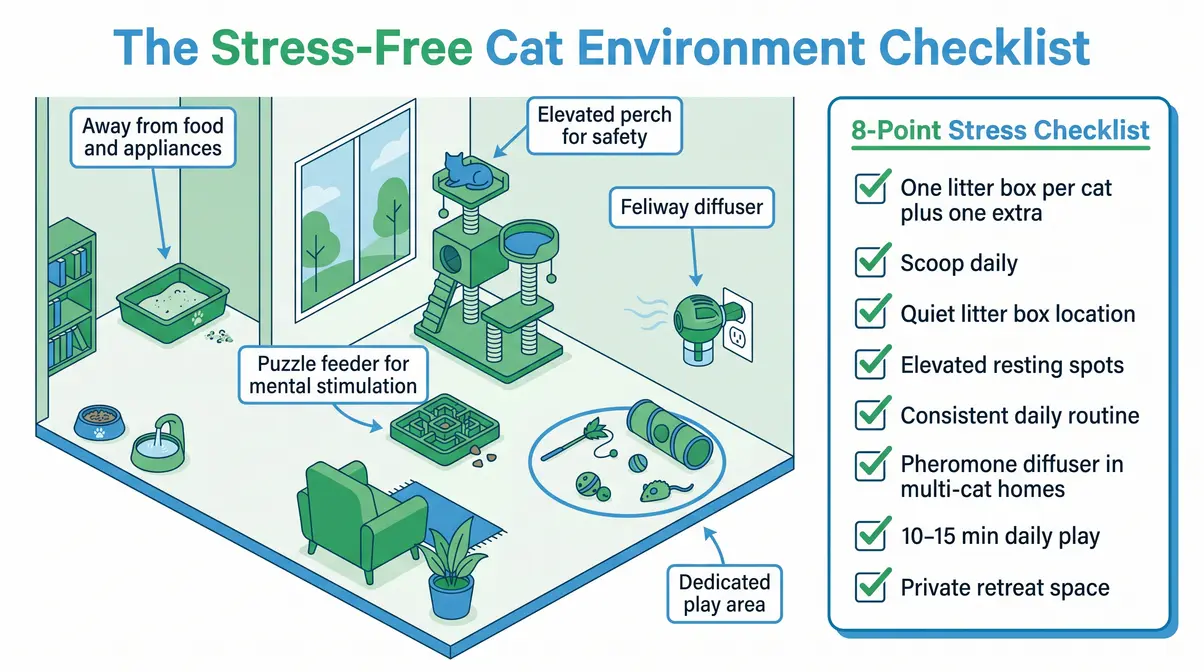
Checkpoint: You should now have a clear plan for managing your cat’s weight and reducing environmental stress. You’ve completed all five steps of the Feline Kidney Shield Protocol. The next section helps you verify that the protocol is working.
Verify Your Progress: Signs the Protocol Is Working
After implementing the five steps of the Feline Kidney Shield Protocol, you should see measurable changes within 4–8 weeks. Here’s what to monitor:
- Hydration indicators (visible within 1–2 weeks):
- More frequent litter box visits with larger, paler urine clumps
- Increased engagement with water fountains or wet food
- Improved skin turgor (pinch test snaps back immediately)
- Dietary improvements (track over 4–6 weeks):
- Stable or improving body weight (measured monthly with a home scale)
- Good energy levels and normal appetite
- No vomiting or digestive upset after food transitions
- Veterinary markers (assessed at next scheduled visit):
- Stable or improving SDMA and creatinine values
- Normal blood pressure reading
- Urine specific gravity within healthy range (1.030–1.060 for cats not on fluid therapy)
- Behavioural signs of reduced stress:
- Using litter boxes consistently without hesitation
- Normal grooming patterns (neither over-grooming nor neglecting coat)
- Engaging in play and showing normal curiosity
Keep a simple monthly log — note your cat’s weight, water intake estimate, litter box patterns, and any changes in behaviour. Bring this log to every vet visit. It gives your veterinarian valuable trend data that a single appointment snapshot cannot provide.
If you’re not seeing improvement in hydration or weight after 6–8 weeks of consistent effort, consult your veterinarian. There may be an underlying issue — such as dental pain making eating uncomfortable, or an undetected infection — that’s working against your efforts.
Understanding Prognosis: What to Expect If Your Cat Is Diagnosed
Even with the best prevention, some cats will develop kidney disease. Understanding what a diagnosis means — and what it doesn’t mean — is essential for making good decisions for your cat.
Can Cat Kidney Disease Be Reversed?
Chronic kidney disease (CKD) cannot be reversed. Nephrons (the filtering units of the kidney) that are lost do not regenerate. This is a permanent, progressive condition. However, “irreversible” does not mean “unmanageable.” With appropriate treatment, diet, hydration support, and monitoring, many cats live comfortably for years after a CKD diagnosis — particularly when the disease is caught at Stage 1 or 2.
Acute kidney injury (AKI), by contrast, may be partially or fully reversible if treated promptly. AKI caused by toxin ingestion (such as lily poisoning) or infection can sometimes resolve with aggressive veterinary intervention — IV fluids, dialysis in severe cases, and treatment of the underlying cause. Speed is critical. If you suspect toxin ingestion, treat it as an emergency and contact your vet or the ASPCA Animal Poison Control Center (888-426-4435) immediately.
The IRIS Staging System: From Stage 1 to Stage 4 Explained
IRIS (the International Renal Interest Society) provides the global standard for staging feline CKD. Understanding your cat’s stage helps you calibrate expectations and treatment intensity:
Stage 1 — Non-azotaemic (early): Creatinine below 1.6 mg/dL. Kidney damage is present (confirmed by SDMA or urinalysis) but waste products are not yet significantly elevated. Cats at this stage show no clinical signs. Management focuses on diet, hydration, and monitoring. With early intervention, Stage 1 cats can remain stable for years.
Stage 2 — Mild azotaemia: Creatinine 1.6–2.8 mg/dL. Mild waste product accumulation. Cats may show subtle signs: slightly increased drinking, weight loss, or reduced appetite. This is the most common stage at first diagnosis. Prescription renal diets are typically introduced here.
Stage 3 — Moderate azotaemia: Creatinine 2.8–5.0 mg/dL. Clinical signs are usually evident — reduced appetite, weight loss, vomiting, lethargy. Active management with diet, hydration support (often including subcutaneous fluids at home), phosphate binders, and blood pressure medication.
Stage 4 — Severe azotaemia: Creatinine above 5.0 mg/dL. Significant accumulation of toxins. Quality of life assessment becomes a central concern at this stage. Intensive management can still extend comfortable life, but the focus shifts toward palliative care.
Life Expectancy and Survival Rates: What the Data Shows
Survival data varies considerably by stage at diagnosis. A frequently cited study of cats with CKD found median survival times of approximately:
- Stage 2: Over 1,100 days (roughly 3 years) from diagnosis with appropriate management (Boyd et al., JVIM, 2008)
- Stage 3: Approximately 270 days (around 9 months)
- Stage 4: Approximately 103 days (around 3 months)
These figures represent medians — meaning half of cats lived longer, sometimes significantly longer. Individual outcomes depend on the presence of complications (hypertension, anaemia, proteinuria), the quality of management, and the cat’s overall health. Early diagnosis at Stage 1 or 2 is the single most powerful predictor of longer survival — which is precisely why SDMA testing and regular vet visits matter so much.
What is the survival rate for cats with kidney failure? Cats with Stage 2 CKD managed appropriately have a median survival of over 3 years from diagnosis. Stage 4 cats face a much shorter prognosis, with a median survival of approximately 3 months — though some cats do exceed this with intensive care (Boyd et al., JVIM, 2008).
Assessing Quality of Life: A Checklist for Difficult Decisions
Is kidney failure painful for cats? Advanced CKD causes nausea, weakness, and profound fatigue — but cats do not experience pain from kidney failure in the same way humans might describe it. The primary sources of discomfort are nausea from toxin accumulation, mouth ulcers (uremic ulcers) in advanced stages, and the weakness of anaemia. With appropriate anti-nausea medication, appetite stimulants, and fluid support, many cats maintain acceptable quality of life well into Stage 3.
When assessing your cat’s quality of life, veterinarians often use structured tools such as the HHHHHMM Quality of Life Scale (Hurt, Hunger, Hydration, Hygiene, Happiness, Mobility, More good days than bad). Use this checklist as a starting point for conversations with your vet:
| Quality of Life Indicator | Signs It’s Maintained | Signs of Decline |
|---|---|---|
| Appetite | Eating voluntarily, interest in food | Refusing food for 48+ hours |
| Hydration | Drinking, moist gums | Not drinking, tacky gums, significant dehydration |
| Comfort | Resting comfortably, purring | Restlessness, hiding, vocalising in distress |
| Mobility | Moving around, grooming | Reluctance to move, unable to reach litter box |
| Engagement | Responding to you, showing curiosity | Complete withdrawal, no response to interaction |
Consult your veterinarian about quality of life assessments at every Stage 3 and Stage 4 visit. Your vet can help you distinguish between a bad day (common in CKD) and a consistent decline in quality of life. Decisions about end-of-life care are deeply personal — and your vet is your most important partner in making them with compassion and clarity.
Common Pitfalls and Limitations
Common Mistakes Cat Owners Make With Kidney Disease Prevention
Even well-intentioned cat owners make these common errors. Being aware of them protects your cat:
Waiting until symptoms appear. Kidney disease is often called “the silent thief” because cats are stoic — they hide illness instinctively. By the time you notice weight loss, increased thirst, or lethargy, significant kidney function is already lost. The fix: start regular bloodwork at age 7, not when symptoms emerge.
Assuming dry food is fine “because the cat seems healthy.” A cat can appear completely healthy while losing kidney function gradually over years. Dry food’s low moisture content is a chronic, cumulative stress on the kidneys — not an acute emergency. The fix: transition to wet food gradually (mix 25% wet with 75% dry, then 50/50, then 75/25 over 2–3 weeks).
Giving human medications without veterinary guidance. Ibuprofen, acetaminophen (paracetamol), and aspirin are among the most common causes of acute kidney injury in cats — and they’re given by owners trying to help. The fix: never give your cat any human medication without explicit veterinary instruction, regardless of dose.
Ignoring dental disease. Periodontal disease is a documented risk factor for kidney damage in cats. Bacteria from infected gums enter the bloodstream and can deposit in kidney tissue. The fix: schedule annual dental cleanings under anaesthesia and brush your cat’s teeth (yes, this is possible — ask your vet to demonstrate).
Stopping medication when the cat “seems better.” Cats with hypertension or early CKD often appear to improve on medication — but stopping treatment prematurely allows the underlying condition to progress. Always complete prescribed courses and discuss any medication changes with your vet first.
An important limitation to acknowledge honestly: The Feline Kidney Shield Protocol significantly reduces risk and can slow progression — but it cannot guarantee your cat will never develop kidney disease. Genetics, breed predispositions, and factors outside your control all play a role. The goal of prevention is not certainty — it’s giving your cat every possible advantage.
When to Seek Specialist Help
Most feline CKD management can be handled by a general practice veterinarian. However, consider requesting a referral to a board-certified veterinary internal medicine specialist (DACVIM) in these situations:
- Your cat’s kidney values are deteriorating despite appropriate management
- Your cat has multiple concurrent conditions (heart disease, diabetes, or hyperthyroidism alongside CKD)
- You are considering advanced interventions such as peritoneal dialysis or kidney transplantation
- You want a second opinion on IRIS staging or treatment protocols
Consult your veterinarian about whether a specialist referral is appropriate for your cat’s specific situation.
Frequently Asked Questions
What causes kidney disease in cats?
Kidney disease in cats develops from multiple combined factors, including age-related nephron loss, chronic dehydration, toxin exposure (especially lilies and NSAIDs), genetic predisposition, dental disease, and sustained high blood pressure. No single cause accounts for all cases. In most cats, CKD results from years of accumulated low-grade kidney stress rather than one identifiable event. Identifying and addressing modifiable risk factors — particularly hydration and toxin exposure — is the most effective preventive strategy available (Cornell Feline Health Center, 2026).
What is the survival rate for cats with kidney failure?
Survival depends heavily on the stage at diagnosis. Cats diagnosed at IRIS Stage 2 have a median survival of over 1,100 days (roughly 3 years) with appropriate management (Boyd et al., JVIM, 2008). Stage 3 cats survive a median of approximately 270 days. Stage 4 cats have a median survival of around 103 days, though some exceed this with intensive care. These are medians — individual outcomes vary significantly based on complications, treatment quality, and the cat’s overall health.
Can cat kidney disease be reversed?
Chronic kidney disease (CKD) cannot be reversed — nephrons that are destroyed do not regenerate. However, disease progression can often be meaningfully slowed with diet, hydration support, phosphorus restriction, blood pressure management, and regular monitoring. Acute kidney injury (AKI), caused by toxin ingestion or infection, may be reversible if treated within hours. For CKD, the goal is stabilisation and quality of life — not cure. Many cats live comfortably for years after a Stage 2 diagnosis (IRIS, 2026).
What do you feed a cat with kidney failure?
Cats with kidney failure need a diet that is low in phosphorus, moderate in high-quality protein, and high in moisture. Prescription renal diets (Hill’s k/d, Royal Canin Renal, Purina NF) are specifically formulated to meet these requirements and are the veterinary standard of care for CKD cats. Wet food is strongly preferred over dry kibble. Avoid high-sodium treats, raw diets without veterinary oversight, and supplements not approved by your vet. Always work with your veterinarian or a board-certified veterinary nutritionist to design the right diet plan (VCA Animal Hospitals, 2026).
How can I prevent my cat’s kidney from failing?
The most effective way to protect your cat’s kidneys is to follow a consistent daily prevention protocol focusing on five areas: maximising hydration through wet food and water fountains, eliminating household toxins (especially lilies and NSAIDs), optimising diet for low phosphorus and high moisture, scheduling regular vet visits with SDMA blood testing from age 7, and maintaining a healthy weight while minimising chronic stress. No approach guarantees prevention, but starting these habits early — ideally before age 7 — significantly reduces your cat’s lifetime risk of developing kidney disease.
What’s the life expectancy of a cat with kidney disease?
Life expectancy varies significantly by IRIS stage at diagnosis. Stage 2 cats managed appropriately have a median survival of over 3 years from diagnosis. Stage 3 cats average approximately 9 months. Stage 4 cats average approximately 3 months, though some live longer with intensive supportive care (Boyd et al., JVIM, 2008). These figures reflect medians — many cats outlive them. Early detection through SDMA testing and proactive management are the factors most strongly associated with longer, better-quality survival.
At what age do cats get kidney failure?
Most cats are diagnosed with CKD between ages 7 and 10, with risk increasing sharply after age 10. Research indicates that up to 30–40% of cats over age 10 have some degree of kidney impairment (IRIS, 2026). However, genetically predisposed breeds (Persians, Abyssinians, Maine Coons) and cats with early toxin exposure can develop kidney disease as young as age 3–4. This is why the AAFP recommends starting twice-yearly senior bloodwork panels — including SDMA — from age 7, not waiting for symptoms to appear.
Is kidney failure very painful for cats?
Advanced CKD causes significant discomfort, though the experience differs from human descriptions of pain. The primary sources of distress are nausea from toxin accumulation, weakness from anaemia, and in advanced stages, mouth ulcers (uremic ulcers). Cats are stoic and hide discomfort — so changes in behaviour (hiding, refusing food, withdrawal) are more reliable indicators than vocalisation. With anti-nausea medication, appetite stimulants, fluid therapy, and phosphate binders, many cats in Stage 3 maintain acceptable quality of life. Stage 4 cats require careful quality-of-life assessment with your veterinarian (IRIS Staging Guidelines, 2026).
What Every Cat Owner Can Do Starting Today
Kidney disease is one of the most common and serious health challenges facing cats — but it is not without defences. The Feline Kidney Shield Protocol gives you a clear, prioritised framework: maximise hydration, eliminate toxins, optimise diet, schedule regular SDMA testing, and manage weight and stress. None of these steps is complicated. All of them are within reach of any cat owner, starting today.
Chronic kidney disease is the leading cause of death in cats over age 10 — yet the factors most strongly associated with earlier onset and faster progression are largely modifiable. Hydration, toxin exposure, diet quality, and early detection are all areas where your choices make a measurable difference to your cat’s outcome (Cornell Feline Health Center, 2026; IRIS, 2026).
The Feline Kidney Shield Protocol does not promise a cure — because none exists. What it offers is something more honest and more powerful: a proactive daily system that gives your cat every possible advantage. Start with the highest-impact change first. For most cats, that means switching to wet food this week and booking a senior bloodwork panel — including SDMA — at your next vet visit. The madcatman.com team recommends treating age 7 as the starting line for active kidney protection, not a finish line.
Ultimately, understanding how to prevent kidney disease in cats is about building daily habits that reduce risk. Your cat cannot tell you when something feels wrong. But you can build the habits, the knowledge, and the veterinary partnership that catch problems before they become crises. That’s what the Feline Kidney Shield Protocol is for — and it starts now.

Dave King
Cat owner and writer at Mad Cat Man.