Matted Fur Removal for Cats: A Veterinarian-Informed 7-Step At-Home Checklist to Remove Mats Safely and Protect Your Furniture
Explore practical guidance for Matted Fur Removal for Cats: A Vet-Backed 7-Step At-Home Checklist to Remove Mats Safely and Protect Your Furniture so you…

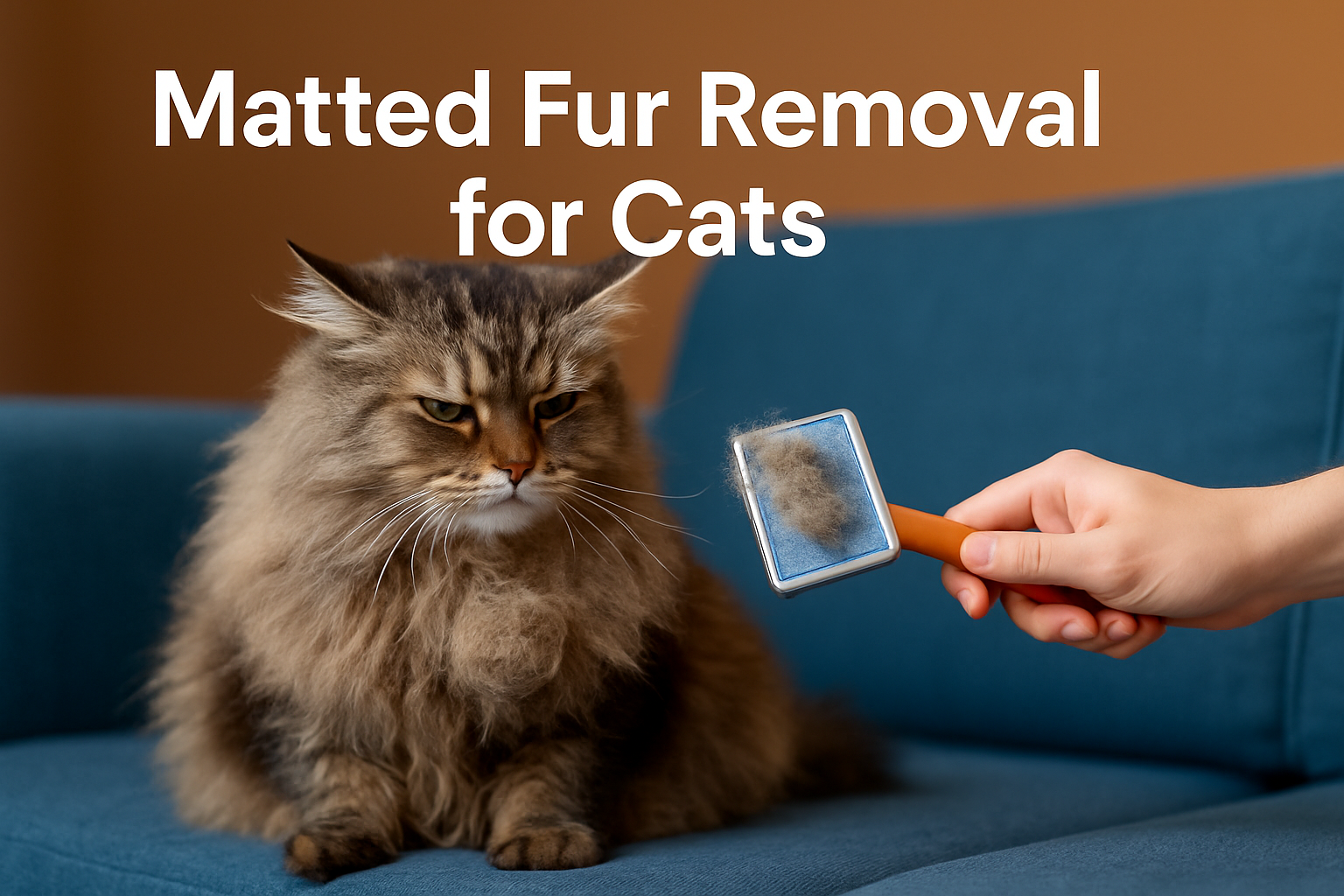
If you have ever run your fingers through your cat’s coat and hit a stubborn knot, you are not alone. Matted fur removal for cats is one of those chores that feels intimidating, yet it can be calm, safe, and surprisingly quick with the right plan. Guided by veterinarian insights and low-stress handling, this step-by-step checklist will help you lift mats without scary shortcuts, soothe your cat’s nerves, and even spare your sofa from the fallout. When my fluffy Maine Coon, Jasper, turned into a walking Velcro patch one spring, I learned that patience, snacks, and smart tools beat force every single time.
Why Mats Happen and Why They Matter
Before you tackle a knot, it helps to know why it formed, because a little context changes everything. Mats begin when loose hairs twist into tiny tangles that trap more hair, dirt, and moisture, then compress under everyday movement, especially in friction zones like armpits, behind ears, along the belly, and under a collar. Long-haired breeds such as Maine Coon, Persian, and Ragdoll collect tangles faster, but short-haired cats can mat too when shedding heavily, carrying extra weight that limits self-grooming, or dealing with pain that makes certain stretches uncomfortable. Many groomers report that severe cases require clippers rather than combing, and veterinarians see skin infections, hot spots, and painful pulling when mats stay too long.
That is the health side, yet there is a home side as well, because mats shed debris and hair everywhere your cat lounges, and frustrated brushing sessions can turn your living room into a snow globe of fluff. The good news is that early, gentle intervention prevents most of that chaos. Think of mats like ice on a windshield: the thin film wipes away easily, but leave it and it turns into a sheet that only careful scraping can handle. With a little weekly maintenance, plus a few furniture-smart tricks you will learn below, you can keep the coat smooth, reduce hair transfer to couches and rugs, and make grooming an easy ritual you both tolerate, maybe even enjoy. Ready to set yourself up for success?
Gear Up: Tools and Safe Products for De-Matting
Great grooming starts with gear that respects feline skin, because cat skin is thinner than dog skin and tears easily if you push or pull in the wrong direction. Reach for a metal comb with both medium and fine teeth, a gentle slicker brush with soft pins or rubber tips, and if you are tackling larger clumps, a guarded de-matting tool that slices hair, not skin. A quiet, cool-running pet clipper with a safety comb guard can be a lifesaver for dense, felted patches. Scissors should be used cautiously—rounded-tip face and paw scissors are appropriate for small, careful trims, but avoid cutting near hidden skin within a mat unless you are experienced. For prep, a cat-safe detangling spray or a tiny dusting of plain cornstarch helps reduce friction, and a non-slip mat under your cat keeps everyone steady. Skip cooking oils on fur, because they can irritate skin, leave residue, and lead to messy self-grooming that brings the problem from your couch to your cat’s stomach.
Watch This Helpful Video
To help you better understand matted fur removal for cats, we’ve included this informative video from Veterinary Secrets. It provides valuable insights and visual demonstrations that complement the written content.
| Tool | Best For | Skill Level | Risk to Skin | Notes |
|---|---|---|---|---|
| Metal Comb (medium and fine teeth) | Everyday tangles, finishing work after a brush | Beginner | Low | Work from tip toward the base in tiny sections to avoid pulling. |
| Soft-Pin Slicker Brush | Loosening undercoat, removing shed hair | Beginner | Low to Medium | Use light strokes, always with the lay of the fur, especially on belly and legs. |
| Guarded De-Matting Rake | Breaking apart small to medium mats | Intermediate | Medium | Stabilize skin with your fingers, slice away from the cat in short motions. |
| Quiet Pet Clippers with Comb Guard | Dense mats, felted patches | Intermediate to Advanced | Medium | Keep blades cool, use a guard, and stop if skin looks red, thin, or bumpy. |
| Cat-Safe Detangling Spray | Reducing friction before combing | Beginner | Low | Light mist only; avoid eyes, ears, and mouth, then comb gently. |
| Rounded-tip face & paw scissors | Small, precise trims around face and paws | Intermediate | Medium | Use only for tiny trims with the cat calm; keep blade away from mat center and skin; favor clippers for dense mats. |
- Pro tip: Keep high-value treats ready, and pair every 5 to 10 seconds of grooming with a nibble to build a positive association.
- Noise matters: if your cat startles at vibration, try hand tools only, or acclimate to clippers by turning them on across the room with steady rewards.
- Comfort first: a towel “donut” around your cat gives support, and a break every minute maintains trust and reduces wiggling.
The Veterinarian-Informed 7-Step At-Home Checklist for Matted Fur Removal for Cats
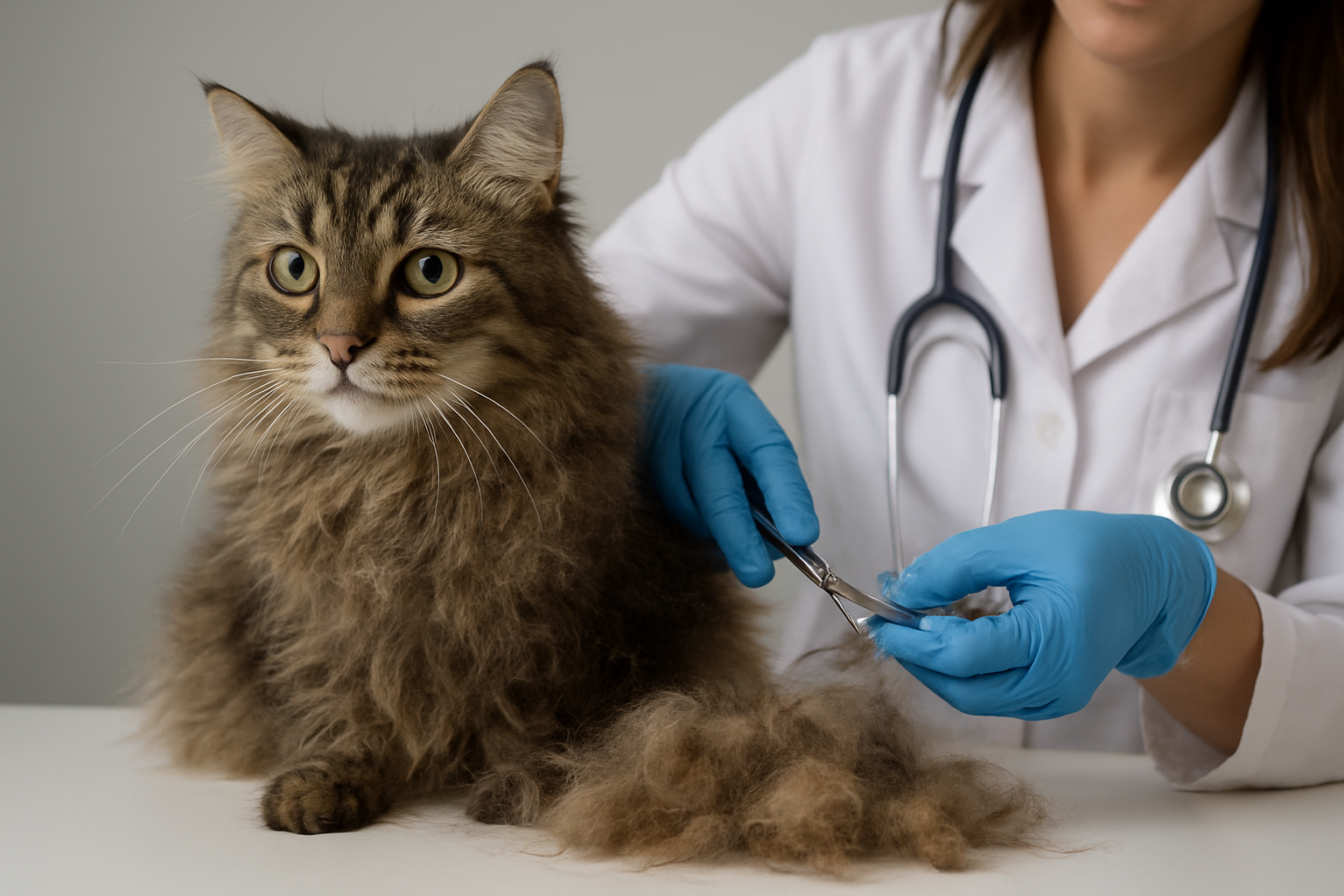
Think of this as your calm choreography: short, predictable movements, steady hands, and lots of praise. You will set the stage, map the mats, reduce friction, and work in tiny slices from the outside in, never yanking the knot or pinching skin. If at any point your cat pants, hisses, or goes rigid, you pause, offer a treat, and reset, because emotional safety is part of physical safety. Remember core veterinarian guidance: use scissors cautiously and only for small trims (rounded-tip face/paw scissors), clippers need a guard and a cool blade, and if mats feel like a carpet glued to skin, you are in veterinarian territory where sedation and a full check are kinder and safer than a drawn-out home session. Ready to move step by step?
Step 1: Set the Mood and the Stage
Choose a quiet room, place a non-slip mat on a waist-high surface, and gather tools within arm’s reach so you never have to let go mid-move. Start with a minute of petting in the direction of fur growth, drop a treat, and breathe slowly, because your rhythm becomes your cat’s rhythm.
Step 2: Map the Mats and Check the Skin
Use your fingers like a gentle rake, part the coat, and note where mats live and how tight they feel. If the skin under a mat is red, thin, bumpy, moist, or sore, stop and plan a professional visit, since irritated skin tears easily and needs medical attention.
Step 3: Reduce Friction
Mist a light, cat-safe detangling spray onto your comb or apply a whisper of cornstarch to the mat to let teeth slide without snagging. Cradle the skin with your fingertips to stabilize it, so you are never pulling directly on the skin itself.
Step 4: Work the Edges, Not the Heart
Start at the very outer edge of the mat and lift a few hairs at a time with the wide side of your comb, moving from tip toward base in tiny, patient strokes. Picture untying shoelaces from the ends, because digging into the center only tightens the knot and frustrates your cat.
Step 5: Break Up the Bulk
If a mat is stubborn, switch to a guarded de-matting tool and make short, outward slicing motions, always away from the cat, checking the skin every few seconds. Follow with the comb to catch the little clumps you just freed.
Step 6: Clip Safely When Combing Fails
For dense, felted patches that refuse the comb, use quiet pet clippers with a guard, hold the skin gently but firmly, and skim the surface in the direction of fur growth. Keep the blade cool by pausing every minute, and stop immediately if you see pink, thin, or wrinkled skin.
Step 7: Finish, Reward, and Prevent
Wipe loose hairs with a damp microfiber cloth, offer a small treat parade, and end on a positive note even if you only cleared part of the job. Schedule short, daily one-minute brush sessions for a week, then shift to two to four times weekly, focusing on armpits, belly, behind ears, and under the collar.
When Not to Do It Yourself: A Simple Triage Guide
There is courage in stepping back when the situation needs more than at-home tools, because severe matting can hide sores, parasites, and pain that require clinical care. If a coat feels like a single sheet of felt, if your cat growls or swats at the lightest touch, or if you see odor, moisture, or scabs, you are looking at a job for a professional groomer or a veterinarian. Many clinics prefer to manage full-body matting under mild sedation so the coat comes off quickly, skin can be examined and treated, and your cat wakes up comfortable rather than battling hours of restraint and tugging. Picture a traffic light: green for small, soft tangles; yellow for multiple tight mats in sensitive zones; red for pelted coats or any sign of skin damage.
| Situation | Do It Yourself | Professional Groomer | Veterinarian |
|---|---|---|---|
| One or two small mats, cat calm, skin healthy | Yes: comb and de-matting tool with gentle handling | Optional for a tidy trim and education | No |
| Several tight mats in armpits, groin, behind ears | Maybe: if cat is cooperative and skin looks normal | Yes: safer, faster, lower stress | Maybe: if skin is irritated or cat is very fearful |
| Felted or pelted coat forming a sheet | No | Maybe: if cat tolerates handling and skin looks intact | Yes: sedation-assisted clip with medical exam |
| Skin is red, moist, smelly, or wounded | No | No | Yes: wound care, pain relief, and safe clipping |
| Cat is aggressive, anxious, or has medical conditions | No | Maybe: only if behavior allows | Yes: safety plan and monitoring |
- Hard stop signs: rapid breathing, drooling, persistent hissing, trembling, or skin that looks thin like tissue paper. Take a break or call the clinic.
- Never give sedatives at home unless they were prescribed by your veterinarian for your cat and you have clear instructions for dose and monitoring.
Protect Your Sofa and Sanity: Furniture-Saving Strategies That Actually Work
Once mats vanish, your next mission is keeping fur where it belongs and paws off the upholstery, because prevention lives beyond the brush. Place washable throws or slipcovers on favorite nap zones and shake them outside every few days to stop fur from burrowing into fabric. Add a tall, sturdy cat tree near the couch so your feline has a legal lounge with a view, and reward every climb with a sprinkle of treats to make that perch the most interesting seat in the house. On dry winter days, a small humidifier can reduce static that encourages tangles and flyaway shedding, and a weekly vacuum routine with a pet hair tool does more for mat prevention than any fancy gadget.
Training is your quiet superpower, so lean on it during movie night. Keep a grooming caddy and a lint roller by the sofa, then use a quick “touch-brush-treat” routine while your cat is already relaxed, because a minute here and there beats a marathon later. If scratching corners is part of the problem, try a sisal-wrapped post or a horizontal scratcher right beside the target, and use double-sided furniture-safe tape on the corner for a week to break the habit while you reward the scratcher instead. Choose plant-safe sprays or none at all, because your living room should smell like home, not a chemical lab, and your cat’s skin will thank you for keeping it simple.
Smart Shopping: Our Tested Picks and Buying Advice
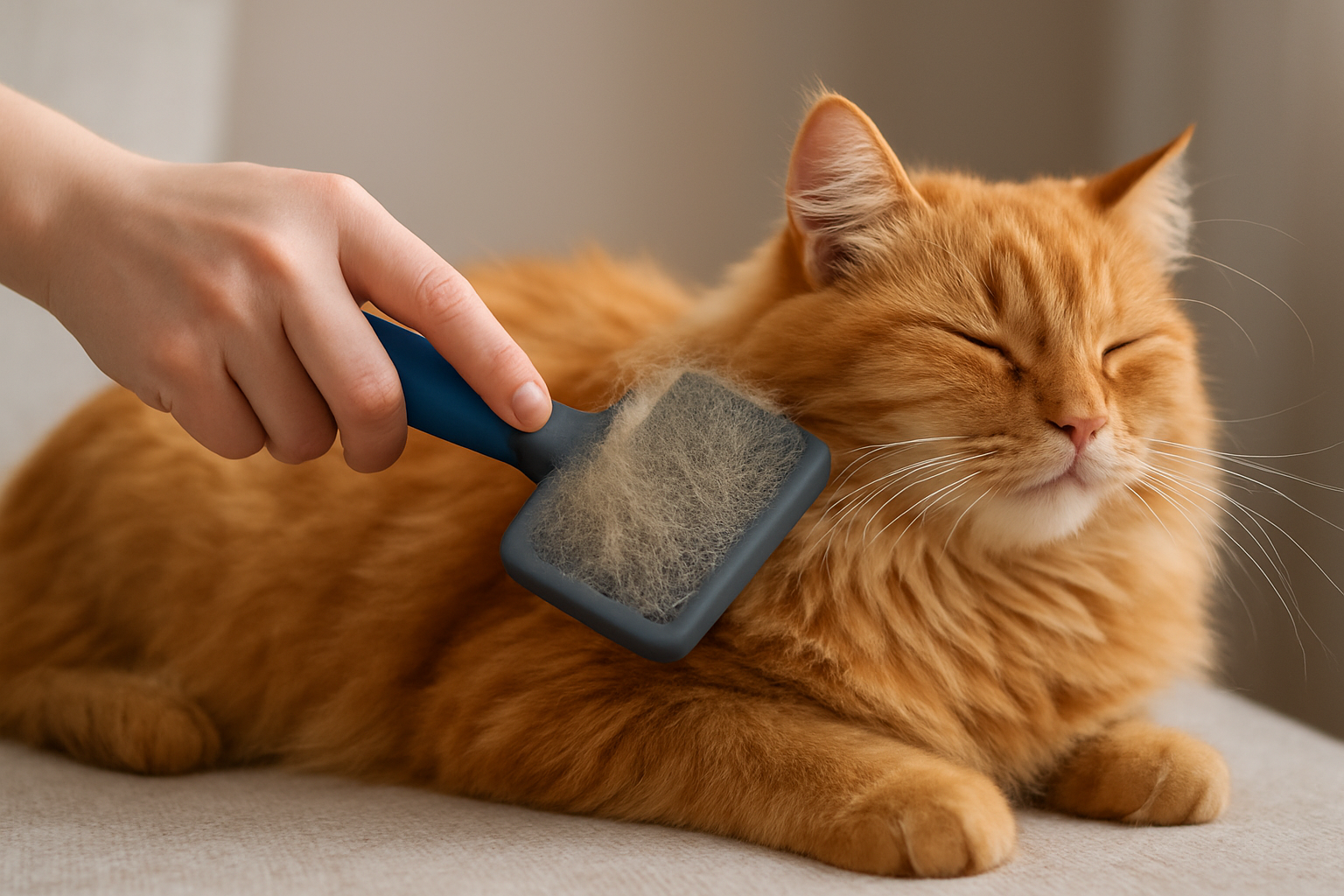
Overwhelmed by grooming tools and promises on every package? Mad Cat Man exists to cut through that noise with product reviews, buying recommendations, and honest tips that come from years of living with cats who shed, mat, and scratch like pros. We organize content into clear categories so you can scan options by price, coat type, and personality, then buy with confidence rather than crossing your fingers at checkout. From slicker brushes that actually glide to clippers that stay cool, and from elevated beds that keep hair off the cushions to grooming wipes that remove static, we test them in real homes and report what works without sugarcoating what does not.
Disclosure: This article contains affiliate links (including Amazon Associate links); Mad Cat Man may earn a commission if you purchase through these links.
Here is how to think about your kit: one solid comb, a gentle slicker, a de-matting tool for emergencies, and if mats are frequent, a quiet clipper with a guard. Pair those with a tall scratcher, a washable throw, and a cozy cave bed to steer lounging away from your sofa. If your cat is high-maintenance or a breed with heavy coats, like a Persian, consider a wider-tooth comb for the undercoat and a more frequent brushing schedule, and if you are a first-time pet parent, do not be shy about booking a professional groom to set a clean baseline. You will find detailed buying guides, behavior and training tips, veterinarian-approved health checklists, and breed comparisons on Mad Cat Man, including practical safety notes on home items like humidifiers and houseplants, because care does not live in one category, and good choices ripple through your whole home.
| Budget | Essentials | Nice-to-Have | What to Prioritize |
|---|---|---|---|
| Entry Level | Metal comb, soft-pin slicker | Washable throw for furniture | Quality comb teeth that do not snag; gentle brush pins |
| Midrange | Comb, slicker, guarded de-matting tool | Tall scratcher or cat tree | Comfort grips, safety guards, sturdy scratching base |
| Premium | Full kit plus quiet clippers with guard | Cave bed, furniture slipcover | Cool-running clippers, low vibration, easy-to-clean parts |
Beyond the Brush: Health Habits That Prevent Mats
Coats tell health stories, so prevention is rarely just about a comb. Balanced nutrition, adequate hydration, and routine health care reduce shedding and tangling, because healthy skin grows healthy hair that resists knotting. If your senior cat has arthritis, a joint-friendly ramp to the couch and a gentle daily brush may do more than any detangler, and if weight makes self-grooming hard, talk with your veterinarian about a plan that supports mobility and coat care together. Mad Cat Man’s health and preventive care guides cover worming schedules, microchipping checklists, and dental care routines, and while those may sound distant from mats, every step that lowers stress and improves health tends to improve the coat that threads across your furniture.
If you feel overwhelmed by choices, remember that confidence is built one small win at a time. Start with the easiest mat, pick one tool that feels good in your hand, and aim for two minutes of calm rather than perfection, because trust beats speed and consistency wins over intensity. Our breed guides and comparisons can help you match tools and routines to your specific cat, whether you live with a silky-coated Norwegian Forest Cat or a dense-coated British Longhair, and our safety and suitability content keeps your home choices cat-smart without guesswork. With a clear plan, your living room can be cozy, your feline can be comfortable, and your toolkit can be simple enough that you actually use it when it matters.
Your Next Calm Grooming Session Starts Now
Seven careful steps, the right tools, and a low-stress rhythm can turn a dreaded chore into a quick, kind routine that protects skin and furniture. Imagine twelve months from now: fewer knots, faster touch-ups, and a cat who leans into the comb instead of leaving the room. What would shift in your home if matted fur removal for cats felt simple enough to do while your tea cools?
Additional Resources
Explore these authoritative resources to dive deeper into matted fur removal for cats.
Make Matted Fur Manageable With Mad Cat Man
Organized, experience-based product reviews and buying recommendations for food, toys, furniture, and grooming supplies help current owners, new adopters, breed researchers, and budget-savvy shoppers make confident choices.

Dave King
Cat owner and writer at Mad Cat Man.