
Table of Contents
This blog post may contain affiliate links. As an Amazon Associate I earn from qualifying purchases.
Introduction
The Maine Coon is often called the “gentle giant” of the cat world. Their size, coat, and friendly demeanour make them incredibly attractive—but this breed also comes with unique behaviour patterns and potential Maine Coon behavior problems that many owners misinterpret or overlook. I’m Mad Cat Man, and over years of working with these magnificent cats I’ve seen the most common misunderstandings, underlying causes, and effective solutions.
In this guide you’ll discover:
- Why Maine Coon behaviour problems often stem from misconceptions
- Key behaviour issues specific to the breed, what they really mean, and how to address them
- How to set expectations correctly and build a stable, enriched environment
- Practical, experience-based tips to prevent problems rather than just react
If you want to understand your Maine Coon better and avoid common pitfalls, you’re in the right place.
Why Many Owners Misread Maine Coon Behavior problems
Myth versus reality
Maine Coons are frequently described as quiet, mellow, and low-maintenance—yet that’s often far from the truth. According to a breed behavioural review in Applied Animal Behaviour Science, Maine Coons displayed higher vocalisation and interactive behaviours than expected. ScienceDirect
Owners often expect a cat that’s calm all the time. When instead the cat is playful, active, or demanding—they label it a “behaviour problem”.
Breed-specific needs
Maine Coons:
- Develop slowly (they often don’t reach full maturity until 3-4 years)
- Are highly intelligent and curious
- Require more mental stimulation than many other domestic cats
- May vocalise and demand attention in ways that catch less-aware owners off guard
Because of this, common behaviours like “door-opening”, “mid-night zoomies”, or “loud chirping” might look like problems—but in many cases they’re just unmet needs.
Common Maine Coon Behavior Problems (and What’s Really Going On)
Over-Activity & Night-Time Restlessness
Many Maine Coon owners struggle with their cat being overly active when the household is quiet. According to a breed guidance article, one of the top complaints is “hyperactive at night”. MaineCoon.org
What’s really going on?
- Natural crepuscular rhythm (dawn/dusk activity)
- Insufficient daytime stimulation or play
- Immature adolescent phase (1.5-3yrs)
What to do: - Play session 10-15 minutes before bed
- Rotate high-enrichment toys (puzzles, wand toys, climbing)
- Ensure vertical space and hidden spots for activity
Excessive Vocalisation & Attention-Seeking
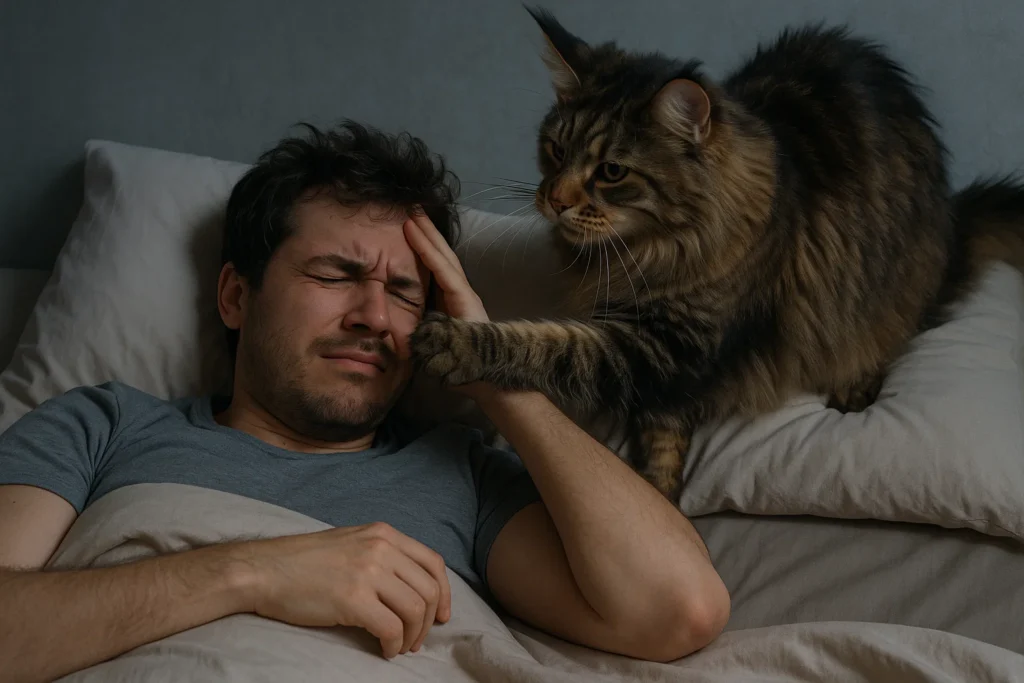
“Maine Coons can be very loud when they put their minds to it.” MaineCoon.org
If your large fluffy cat chirps, trills, or meows insistently, don’t assume it’s “bad behaviour”.
Underlying causes:
- Boredom or loneliness
- Communication of needs (food, access, play)
- Preference for involvement (some Maine Coons follow you from room to room)
What you can do:
- Establish scheduled interaction times
- Make sure they have safe access (window perch, interactive feeder)
- Train them to utilise communication cues (ring a bell for food, etc.)
Destructive Scratching & Furniture Damage
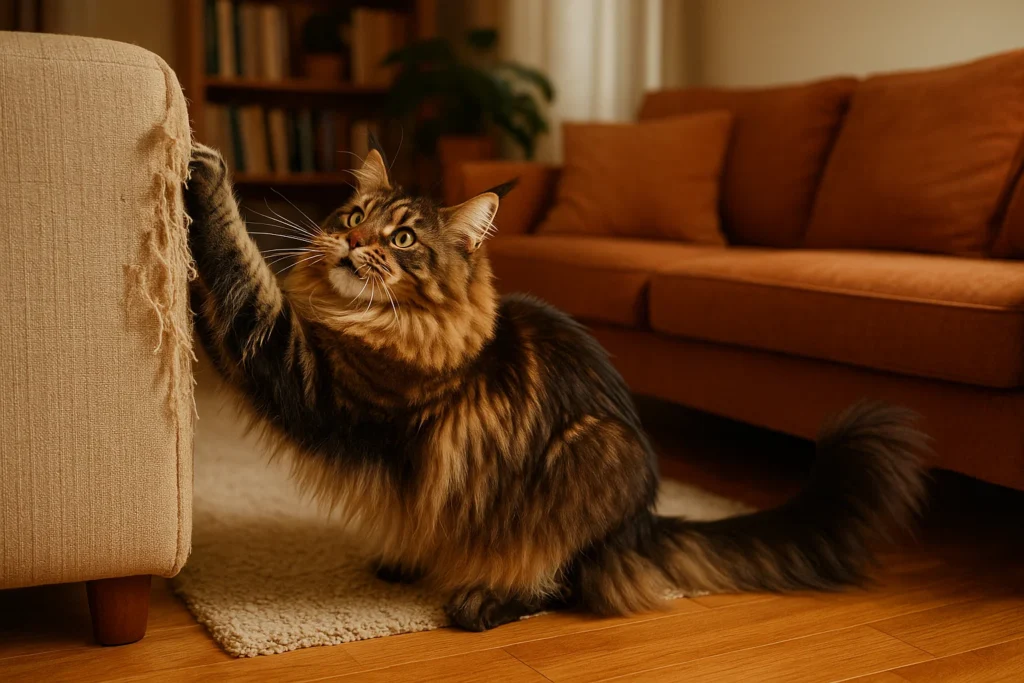
While scratching is normal cat behaviour, Maine Coons’ size and power mean they can do more damage.
“They’ll open doors, knock things off shelves, rip screens.” Reddit
Root causes:
- Natural urge to scratch + large body = more force
- Lack of appropriate vertical space and scratching stations
Solutions: - Provide tall and sturdy cat trees/shelves
- Offer sisal scratching posts near favourite spots
- Use deterrents (double-sided tape, furniture covers) but combine with positive outlets
Aggression & Rough Play
Aggression is less common in Maine Coons than fear or frustration-based behaviours, but it still occurs—especially when stimulation or outlet is lacking.
An example: “Playful aggression”, “refusal to be held”, or “sudden swats” among older cats. JustAnswer
What to check:
- Has the cat had a recent vet check (pain/illness can trigger aggression)?
- Are there sufficient outlets for big energy and big body?
Remedies: - Scheduled interactive play
- Safe zones for the cat to retreat
- Training to redirect rough play into appropriate games
Territorial or Multi-Cat Stress
When you have more than one cat or introduce other pets, Maine Coons may attempt to dominate or seek constant involvement. The breed guidance list includes “territorial” behaviours. MaineCoon.org
What to watch for:
- One cat monopolises feeding, litter, or high spots
- Frequent vocal fights or hiding cats
Action plan: - Separate litter/food stations for each pet
- Vertical space allowing avoidance
- Use paw-trailed scent diffusers or Feliway to balance atmosphere
Preventive Strategy: How to Get Ahead of Behaviour Problems
Structured But Flexible Routine
Maine Coons appreciate predictable routines—meals, playtime, grooming—but creative freedom within that structure nourishes their intelligence.
Enrichment That Matches Body & Brain
- Climbing towers that take into account their size
- Puzzle feeders and interactive toys
- Safe outdoor access or harness walks (if possible)
Social Engagement
- Many Maine Coons form strong bonds and enjoy following you or interesting company
- Make time for one-on-one sessions and quiet companionship
Health & Environment Check
Medical issues (thyroid, renal, pain) sometimes masquerade as behaviour problems. Address these early.
Ensure home temperature, litter box cleanliness, and water/food access are optimised for a big-bodied cat.
Case Study: “Luna the Maine Coon”
Luna, a 2-year-old female Maine Coon, began exhibiting nightly running, knocking over items, and loud yowling. Her owners believed they had “behaviour problem #1”.
What we found:
- She only had a low perch and one small scratching post
- No late-day play sessions
What we did: - Introduced a full 6-ft climbing tower
- 15-minute laser/feather wand game 30 minutes before bedtime
- Added a second scratching post near windows
Results after 4 weeks:
- Night time running reduced by ~80%
- Meowing decreased dramatically
- Owners report stronger bond and less frustration
Response & Adjustment Table
| Behaviour Problem | What Most Owners Misinterpret | What Actually Helps |
|---|---|---|
| Night zoomies | “He’s crazy, I must discipline” | Extra late-day play + climbing tower |
| Loud vocalisation | “He’s being annoying” | Boredom/stimulation need |
| Furniture scratching & damage | “He must be dominant, I’m not strict enough” | Provide vertical scratching outlets + positive access |
| Aggression/rough play | “He’s mean!” | Redirected interactive play + check for pain |
| Territorial behaviour with pets | “He hates the other cat” | Balanced resources + enrichment + social regime |
FAQs
Q: Are behaviour problems common in Maine Coons?
A: Yes; due to their size, intelligence, social needs, and energy levels. Many “problems” are simply unmet instincts. MaineCoon.org+1
Q: My Maine Coon is destructive—does that mean he’s bad?
A: Not at all. It typically means his environment lacks adequate mental/physical challenge for his breed.
Q: When is aggression in a Maine Coon a medical issue?
A: If behaviour changed suddenly, or there is reluctance to be touched, eat, or move—it may signal pain or illness.
Q: How much play does a Maine Coon need?
A: At least two 10-15 minute interactive sessions daily, especially before sleep hours to burn off excess energy.
Q: Can Maine Coons be left alone during the day?
A: Yes—but ensure they have enriched, safe spaces and interactive toys. If not, loneliness or boredom can escalate behaviours.
Q: Is neutering important for behaviour?
A: Yes; for many males, neutering reduces roaming, aggression, and dominance-driven behaviours.
Conclusion
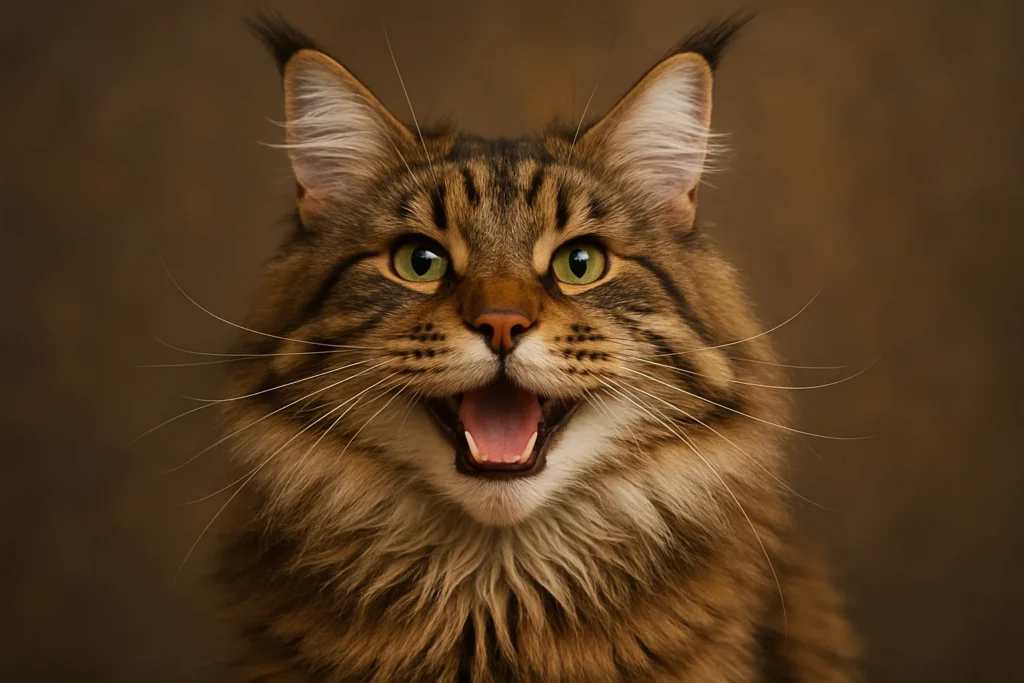
If you own or are considering a Maine Coon, understand this: their quirks are not misbehaviour—many are expressions of their breed’s character. By recognising the common behaviour problems, providing the right environment, and aligning with their natural instincts, you won’t just “manage” issues—you’ll nurture a deeply rewarding relationship.
Be proactive, be patient, and see their behaviour through an informed lens. Maine Coon behaviour problems don’t need to be a mystery—they can become your greatest opportunity for connection, bonding, and mutual understanding. As Mad Cat Man, I guarantee the more you meet them where they thrive, the more they’ll surprise you with joy, intelligence and that big-heart gentle giant magic.
Useful Reads
Has Your Cat Got A Broken Tooth? What You Need to Know As A Cat Owner
Best Interactive Cat Toys UK: I Tested 20+ Toys With My Picky Cat (2025 Guide)
Note: This article is for educational purposes and should not replace personalised veterinary or behaviourist advice.