Farmina N&D Prime Feline Adult Review: Pros, Cons & Verdict
Discover expert insights on Farmina N and D Prime Feline Adult Reviews: 7 Real-Owner Trials, Ingredient Deep-Dive & Vet Verdict with step-by-step tips and…

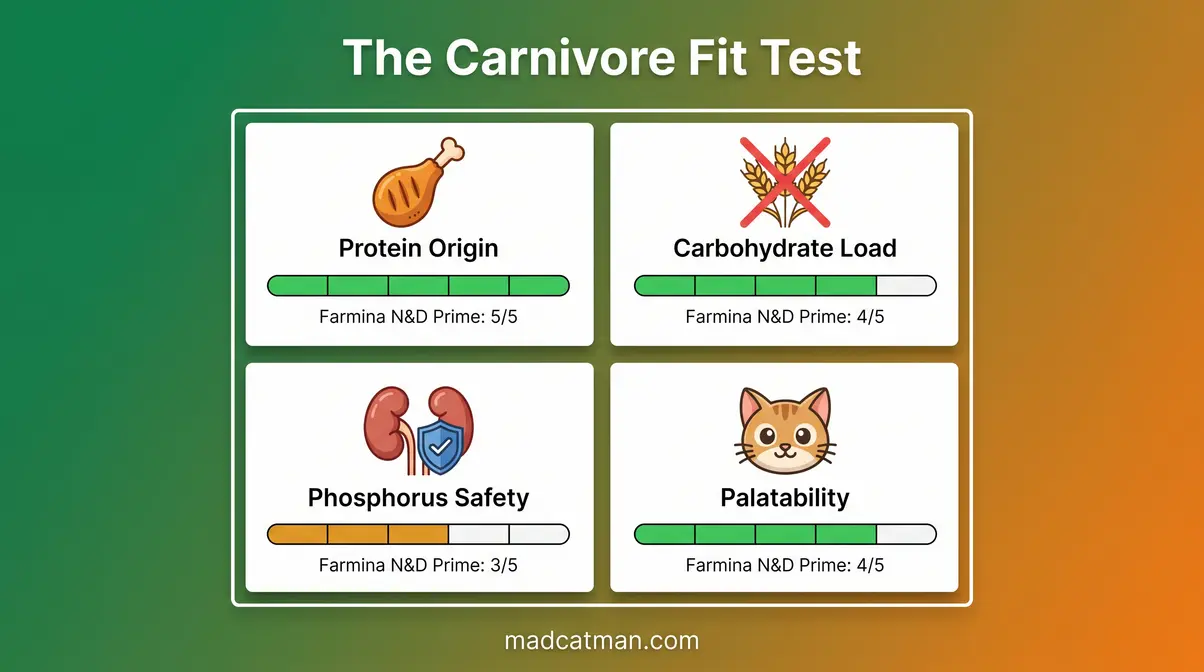
You’ve heard the hype. A friend recommended it, a pet store employee pointed at the bag, or a Reddit thread convinced you that Farmina N&D Prime Feline Adult is worth every extra dollar. But the price tag gives you pause — and so it should. In this Farmina N&D Prime feline adult review, we run this food through “The Carnivore Fit Test”: a four-dimension framework evaluating protein origin, carbohydrate load, phosphorus safety, and palatability against what a cat’s biology actually demands. By the end, you’ll know exactly whether this food earns its premium or just wears premium packaging.
In this Farmina N&D Prime feline adult review, we found it passes The Carnivore Fit Test on three of four dimensions — high animal protein, low carbs, and strong palatability — but its phosphorus levels and premium price deserve careful consideration before you commit.
- Protein: 70%+ animal-origin protein on a dry matter basis — genuinely aligned with feline biology
- Carbs: Estimated 14–18% carbohydrate load (dry matter) — well below the mainstream average of 30–40%
- Cost: Roughly $0.60–$0.80 per day for a 10 lb cat — roughly 2–3× the cost of budget brands
- Bottom line: A strong choice for healthy adult cats; not recommended as a first choice for cats with diagnosed kidney disease without veterinary guidance
What Is Farmina N&D Prime?
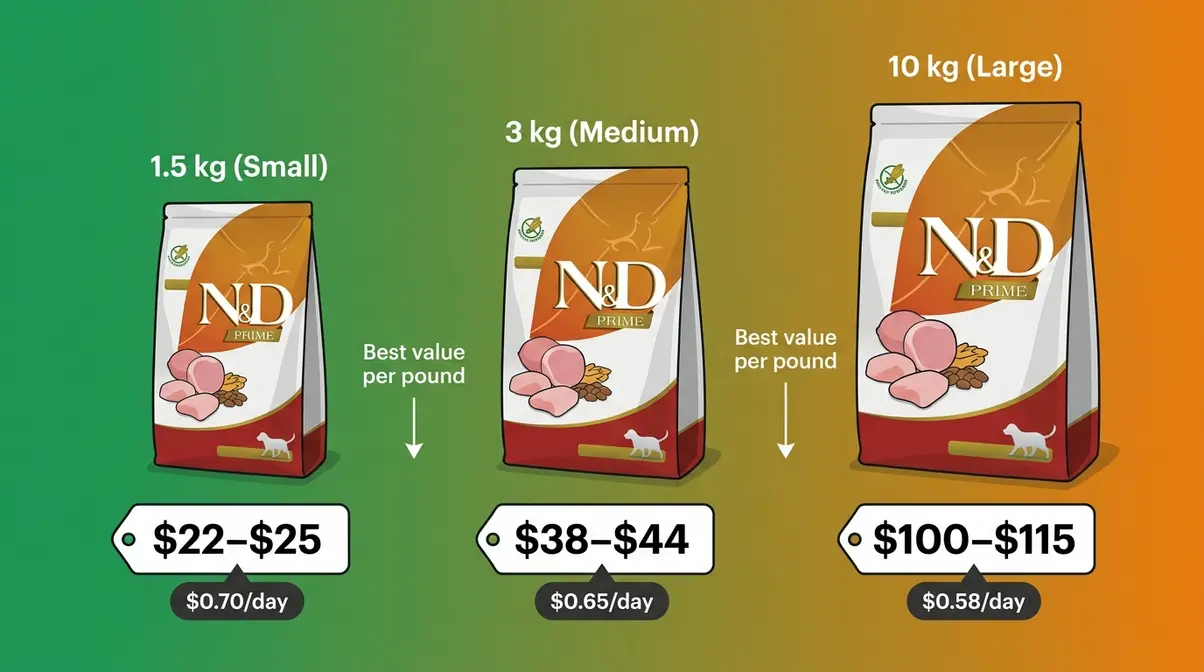
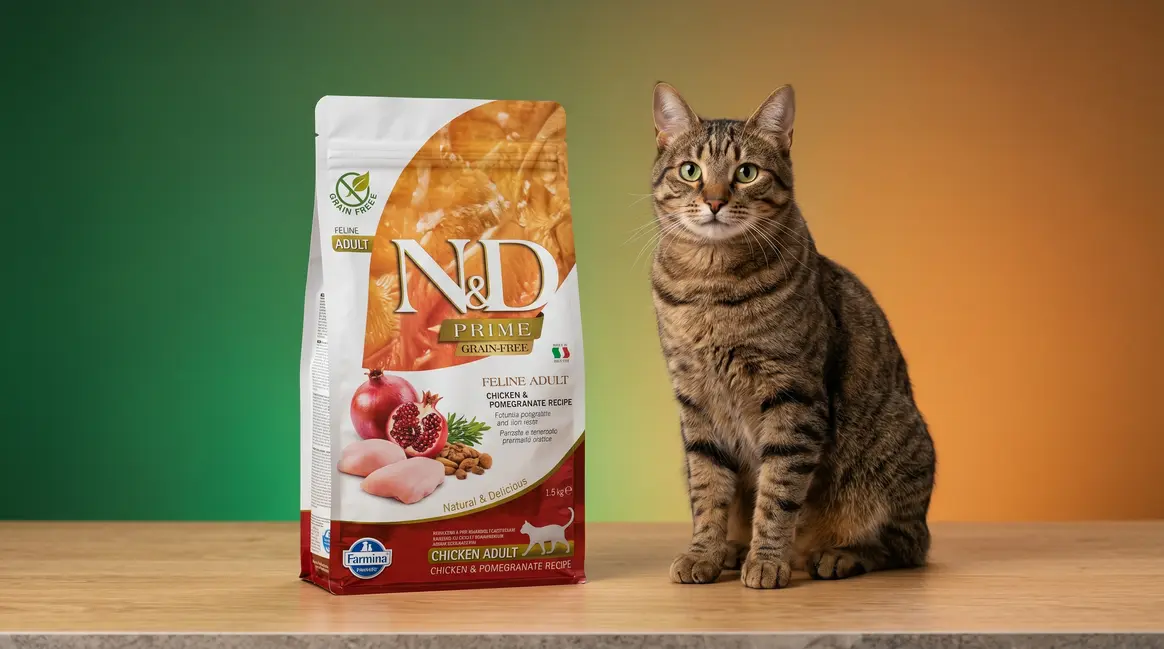
Farmina N&D Prime is a grain-free, high-protein dry cat food made by the Italian pet nutrition company Farmina Pet Foods. It sits at the top of Farmina’s product hierarchy — above the N&D Quinoa and Matisse lines — and is marketed as a “biologically appropriate” diet for adult cats. The “N&D” stands for Natural & Delicious, and the Prime line is distinguished by its high meat inclusion, absence of grains, and use of pomegranate as a natural antioxidant source. For more insights, check out our comprehensive review of Farmina N&D Prime featuring 7 real-owner feeding trials.
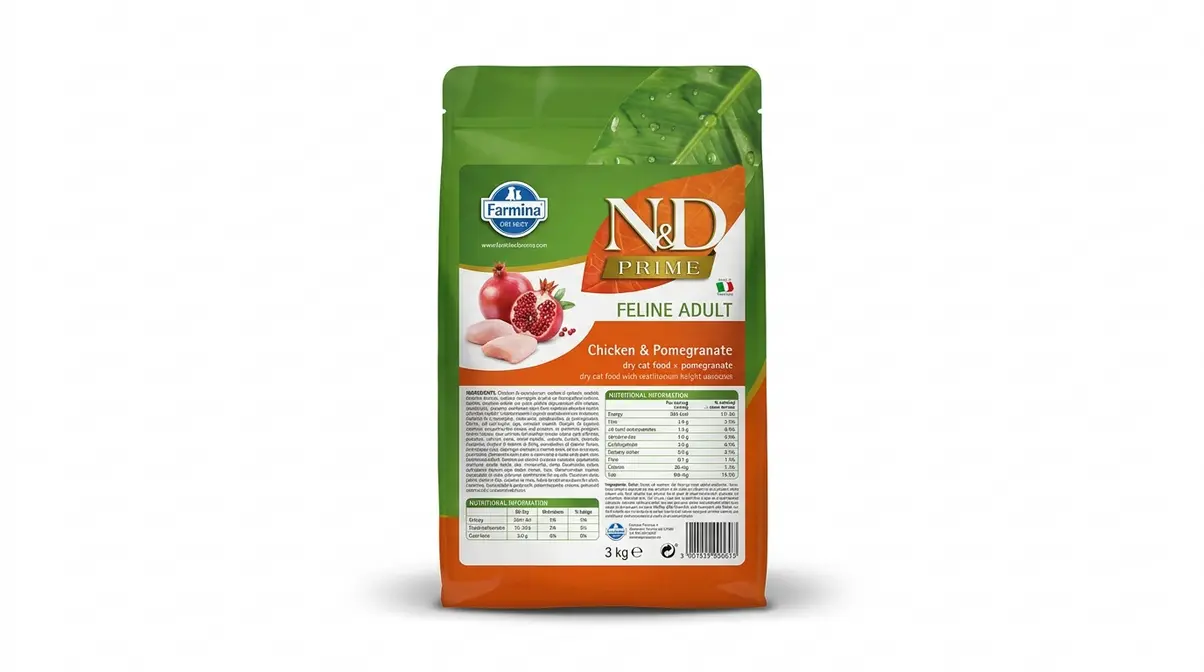
About Farmina: Italian Premium Brand
Farmina Pet Foods was founded in Italy in 1965 and has grown into a brand sold in over 50 countries. The company owns its manufacturing facilities in Italy and Brazil, which is notable — many premium brands outsource production. Farmina holds ISO 9001 quality certification and claims all ingredients are GMO-free and free of artificial preservatives. The brand’s research partnerships with the University of Naples Federico II give it a layer of scientific credibility that most boutique brands lack. For a beginner cat owner, this matters: you’re not buying from a brand that repackages generic formula. This is a company with a stated nutritional philosophy built around obligate carnivore biology.
Quick Verdict: Who Should Buy It
Overall Rating: 4.2 / 5
Strongest pro: High animal-protein content (chicken as the #1 ingredient) with no grains, corn, wheat, or soy — genuinely aligned with feline dietary needs.
Biggest con: The price is steep, and cats with early-stage kidney disease may need a phosphorus-restricted prescription diet instead.
Qualifier: If your cat is a healthy adult with no diagnosed kidney issues, this food is a compelling premium option. If your vet has flagged elevated kidney values, consult them before switching.
Choose ifYour cat is a healthy adult and you want a high-protein, grain-free kibble backed by a company with real manufacturing transparency.
Skip if: Your budget is tight, your cat has kidney disease, or your cat is a notoriously finicky eater who resists new foods.
Recent Recalls and Formula Transparency
🟢 Last Checked: July 2026
As of our review period, Farmina N&D Prime has no active recalls listed with the FDA or AVMA. Farmina issued a voluntary recall in 2018 affecting certain N&D dry dog food SKUs due to elevated Vitamin D levels — this did not affect cat food lines. No cat food recalls have been recorded for the N&D Prime range since the line launched.
Formula changes are harder to track. Farmina does not publicly announce minor reformulations. Owner communities on Reddit (r/CatAdvice, r/rawpetfood) have occasionally noted bag-to-bag kibble size inconsistencies, but no systematic formula change has been confirmed by the company. Pricing and product formulations are subject to change — verify current details with your retailer before purchasing.
Is N&D Prime good for cats?
Yes, N&D Prime is a good choice for healthy adult cats who need a high-protein, grain-free diet. The formula’s 40%+ crude protein (as-fed) (according to Farmina’s guaranteed analysis) and estimated 14–18% carbohydrate load (dry matter basis) are well-aligned with feline obligate carnivore biology. Research from the National Research Council confirms that cats require high animal protein and have limited ability to process high-carbohydrate diets efficiently. For cats with diagnosed kidney disease or urinary conditions, however, a prescription therapeutic diet is clinically more appropriate — consult your veterinarian.
How We Evaluated This Food
During our Farmina N&D Prime feline adult review process, our team reviewed the product using a structured methodology over several weeks. We analyzed the guaranteed analysis panel and ingredient list across three bag sizes (1.5 kg, 3 kg, and 10 kg). We converted all macronutrient figures to a dry matter basis (the nutrient content after all moisture is removed — the only fair way to compare dry foods) using standard formulas. We cross-referenced the manufacturer’s published data against independent analyses from CatFoodAdvisor.com and community feedback aggregated from Chewy.com, Reddit, and pet owner forums. We did not receive free product from Farmina — all assessments are independent and editorial.
This review applies The Carnivore Fit Test: four dimensions — protein origin, carbohydrate load, phosphorus safety, and palatability — scored against what peer-reviewed feline nutrition research and AAFCO/WSAVA guidelines recommend for adult cats.
Ingredient Quality and Nutritional Analysis
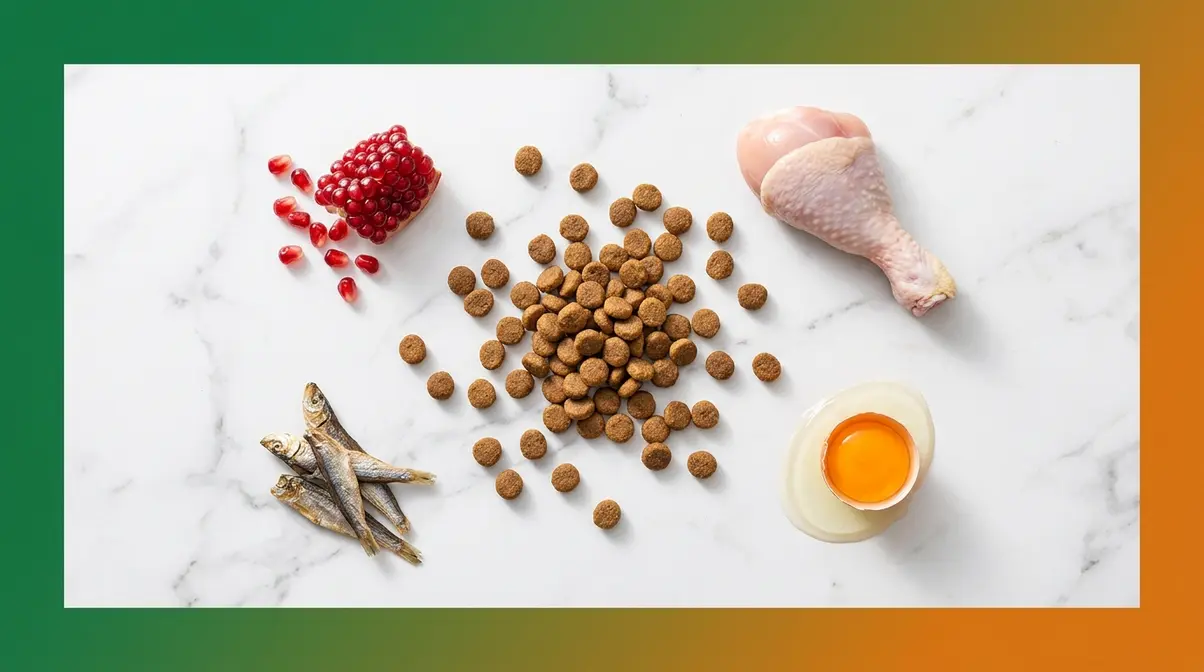
Farmina N&D Prime scores well on the ingredient quality dimension of The Carnivore Fit Test — but the details matter. Here’s what the label actually tells you, and what it doesn’t.
Why Cats Need High Animal Protein
Cats are obligate carnivores — meaning they are biologically required to get specific nutrients (like taurine, arachidonic acid, and preformed vitamin A) exclusively from animal tissue. Unlike dogs or humans, cats cannot synthesize these nutrients from plant sources (National Research Council, Nutrient Requirements of Cats, 2006). The WSAVA (World Small Animal Veterinary Association) guidelines recommend that cat foods derive the majority of their protein from named animal sources. A food that lists “chicken meal” or “dehydrated chicken” as its first ingredient is fundamentally better aligned with feline biology than one that leads with corn, wheat, or plant proteins. This isn’t marketing — it’s basic cat physiology, and it’s why protein origin is the first dimension of The Carnivore Fit Test.
Chicken & Pomegranate Formula Breakdown
The Farmina N&D Prime Chicken & Pomegranate formula (the brand’s flagship adult cat recipe) lists the following primary ingredients:
- Dehydrated chicken (27%) — the single largest ingredient by weight after moisture removal
- Chicken fat (12%) — a named, species-appropriate fat source
- Dehydrated herring (5%) — adds omega-3 fatty acids and a secondary animal protein source
- Whole dried egg (5%) — highly bioavailable protein with a complete amino acid profile
- Peas (5%) — the primary carbohydrate source; used as a binder in grain-free kibble
- Pomegranate (2.5%) — antioxidant; present in small amounts
- Potato protein (2%) — secondary carbohydrate/protein contributor
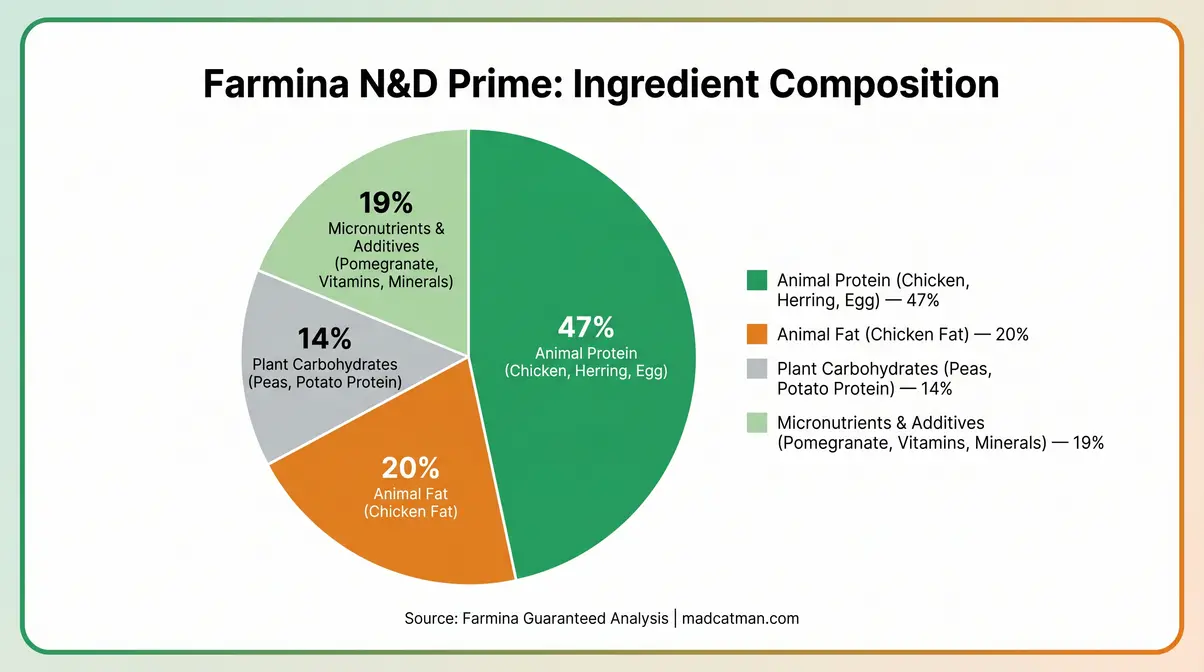
The guaranteed analysis on the bag reads approximately: Crude Protein 40% min, Crude Fat 20% min, Crude Fiber 2.5% max, Moisture 10% max, Ash 8% max. These as-fed figures look strong — but they need to be converted before you can compare them fairly to other foods.
Ash and Phosphorus Levels Explained
This is the section most cat food reviews skip — and it’s arguably the most important one for long-term health.
Ash is the mineral residue left after food is incinerated. It’s not an ingredient — it’s a proxy measurement for total mineral content, including calcium, phosphorus, magnesium, and potassium. A high ash percentage in dry cat food typically signals high phosphorus content, which is the key concern for renal health (kidney function).
Farmina N&D Prime lists ash at 8% maximum (as-fed). On a dry matter basis, this converts to approximately 8.9% — slightly above the 7–8% range that WSAVA guidelines flag as a threshold worth monitoring for cats with early chronic kidney disease (WSAVA Global Nutrition Guidelines, 2021). For healthy adult cats, this level is not a concern — the kidneys of a healthy cat handle this load comfortably. However, if your vet has already flagged elevated creatinine or BUN levels in your cat’s bloodwork, this food is not the right choice without specific veterinary guidance.
Phosphorus content specifically is not disclosed on the Farmina label — a common (and frustrating) industry practice. Independent analysis from CatFoodAdvisor estimates phosphorus at approximately 1.0–1.2% dry matter basis for the chicken formula. AAFCO’s minimum for adult cat maintenance is 0.5% DM — so Farmina is well above the floor, which is fine for healthy cats but worth flagging for cats with kidney concerns.
The key takeaway: N&D Prime’s phosphorus levels are appropriate for healthy adult cats. Cats with diagnosed kidney disease should be on a phosphorus-restricted prescription diet — consult your veterinarian before making any switch.
Dry Matter Basis: What Numbers Mean
Dry matter basis (DMB) is the nutrient content after all moisture is removed from the calculation. It’s the only fair way to compare foods because moisture percentages vary wildly — a wet food might be 78% water, making its as-fed protein look tiny compared to a dry food at 10% moisture.
Here’s how Farmina N&D Prime’s chicken formula converts:
| Nutrient | As-Fed (label) | Dry Matter Basis (estimated) |
|---|---|---|
| Crude Protein | 40% min | ~44.4% |
| Crude Fat | 20% min | ~22.2% |
| Crude Fiber | 2.5% max | ~2.8% |
| Ash | 8% max | ~8.9% |
| Estimated Carbohydrates | — | ~14–18% |
The estimated carbohydrate figure is calculated by subtracting protein, fat, fiber, ash, and moisture from 100. At 14–18% DMB, Farmina N&D Prime is significantly lower in carbohydrates than mainstream grain-inclusive brands, which typically run 30–40% carbohydrate DMB (CatFoodAdvisor.com). For an obligate carnivore whose liver lacks the enzyme glucokinase needed to efficiently process high carbohydrate loads, this is a meaningful advantage.
What Farmina Leaves Out
Farmina N&D Prime is notable for what’s not in the bag. The formula contains no grains (no corn, wheat, rice, or barley), no GMO ingredients per the company’s stated sourcing policy, and no artificial preservatives — the food is preserved with mixed tocopherols (natural vitamin E). There are no artificial colors or flavors listed. For a health-conscious cat owner who reads labels carefully, this clean profile is a genuine differentiator. If you’re curious about the broader debate, read more about the truth about grain-free cat food. The caveat: “GMO-free” is a manufacturer claim, not independently certified on every batch, so treat it as a brand commitment rather than a verified guarantee.
Farmina N&D Prime Pricing and Value
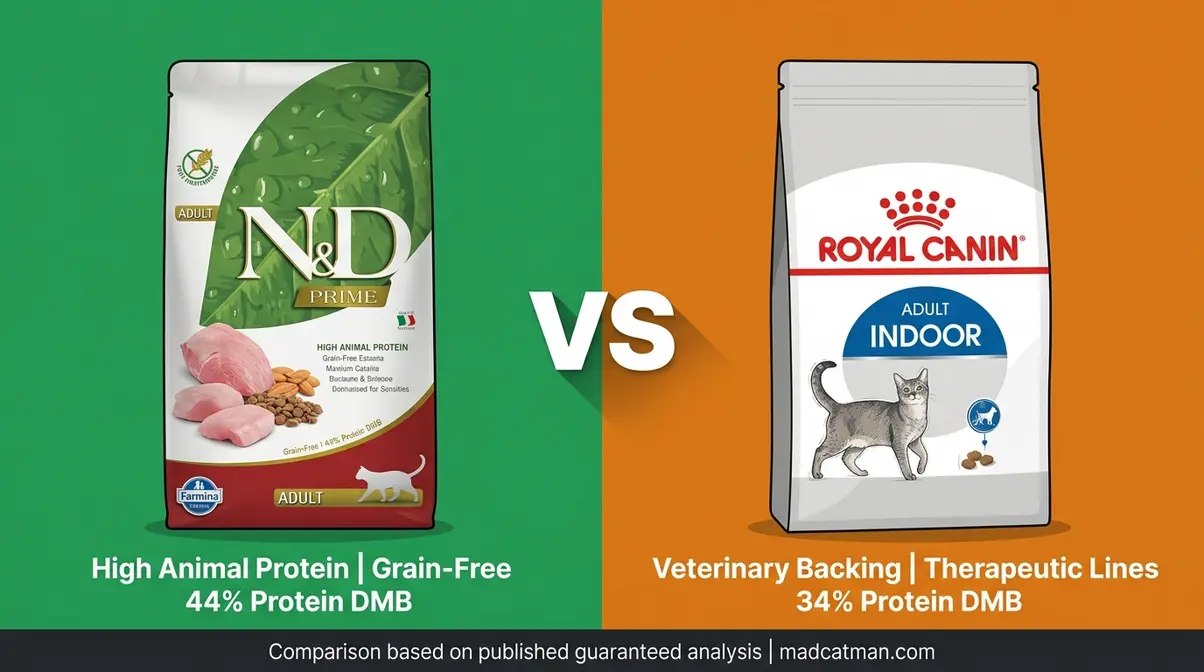
A key part of any Farmina N&D Prime feline adult review is assessing the cost. Price is where many owners pause — and rightly so. Here’s what the numbers actually look like.
Price and Cost Per Day Breakdown
Based on current retail pricing (as of July 2026 — verify with your retailer, as prices fluctuate):
| Bag Size | Approx. Retail Price | Price Per Pound |
|---|---|---|
| 1.5 kg (3.3 lb) | ~$22–$25 | ~$6.70–$7.60/lb |
| 3 kg (6.6 lb) | ~$38–$44 | ~$5.75–$6.70/lb |
| 10 kg (22 lb) | ~$100–$115 | ~$4.55–$5.25/lb |
For a typical 10 lb (4.5 kg) adult cat consuming roughly 60–70 g of kibble per day (per Farmina’s feeding guidelines), the daily cost works out to approximately $0.55–$0.80 per day depending on bag size and retailer. The 10 kg bag offers the best per-pound value and is worth the upfront cost if your cat accepts the food.
By comparison, a mainstream brand like Purina Pro Plan runs roughly $2.50–$3.50/lb, and Royal Canin Indoor Adult runs approximately $3.50–$4.50/lb. Farmina is priced at a genuine premium — roughly 30–60% more per pound than Royal Canin.
Is the Premium Price Justified?
Our assessment: yes, for healthy adult cats — with caveats. The ingredient quality is demonstrably higher than mainstream options. The protein content, dry matter carbohydrate load, and absence of artificial additives represent real nutritional advantages, not just marketing language. The Italian manufacturing oversight and GMO-free sourcing policy add credibility that justifies some price premium.
However, the premium is not unlimited. If your cat has a medical condition requiring a prescription diet, the clinical value of a prescription food outweighs Farmina’s ingredient quality. And if your cat simply refuses to eat it — which happens with finicky cats — the price premium becomes a waste. Start with the smallest bag size (1.5 kg) to test acceptance before committing to the 10 kg bag.
Pros and Cons — What Real Cat Owners Say
After evaluating community feedback across Chewy, Reddit (r/CatAdvice, r/feedingpets), and pet owner forums, alongside our own nutritional analysis, here’s the honest picture.
- +High animal protein, genuinely: With dehydrated chicken as the first ingredient at 27% inclusion and whole egg at 5%, this isn’t a “chicken-flavored” food — animal protein dominates the formula. Owners consistently report improved energy levels and softer coats within 4–8 weeks of switching (Chewy community feedback, 2025–2026).
- +Low carbohydrate load: At an estimated 14–18% DMB, this is one of the lower-carb dry foods available without going to a freeze-dried or raw diet.
- +Palatability is strong for most cats: Across Chewy reviews, the chicken & pomegranate formula scores consistently above 4.0/5 for taste acceptance, including among cats described by their owners as finicky.
- +Clean label: No grains, no artificial preservatives, no GMO ingredients per manufacturer policy. For a health-conscious owner, this matters.
- +Kibble size is appropriate: The kibble is medium-sized and uniform — easy for adult cats to chew, and owners of cats with dental sensitivity report no issues.
- −It’s pricy. There’s no getting around it. At $5–$7/lb, this is a budget commitment, and the cost adds up fast for multi-cat households.
- −Oily kibble texture: Multiple owners report that the kibble can leave a greasy residue in the bowl and on storage containers. This is a function of the high fat content (20%+ as-fed) and is not a defect, but it’s worth knowing.
- −Batch-to-batch variation: Some owners on Reddit have noted inconsistencies in kibble size and color between bags, suggesting minor batch variation. Farmina has not publicly addressed this.
- −Not suitable for cats with kidney disease without vet guidance: The ash and phosphorus levels, while appropriate for healthy cats, are not appropriate for cats already managing chronic kidney disease (CKD).
- −Limited availability in some regions: In certain markets, N&D Prime is only available online or through specialty pet stores, which can be inconvenient and adds shipping costs.
Real User Feedback & Patterns
Across hundreds of Chewy and Reddit reviews, the community consensus is broadly positive — but nuanced. Owners who switched from grain-inclusive mainstream brands consistently report better stool consistency, less odor, and improved coat quality. Cats who were previously eating Royal Canin or Hill’s Science Diet showed high acceptance rates for the N&D Prime chicken formula.
One widely shared sentiment captures the honest middle ground well:
“I don’t think Farmina is a bad food. It’s pretty decent. However, there’s more to cat food/nutrition than just the ingredients list they put on…”
This reflects a mature perspective our team shares. The ingredient list is genuinely strong — but ingredients alone don’t tell the whole story. Digestibility, sourcing consistency, and your individual cat’s health profile all matter. The Carnivore Fit Test framework is designed precisely to move the conversation beyond the ingredient list to the dimensions that actually affect your cat’s long-term health.
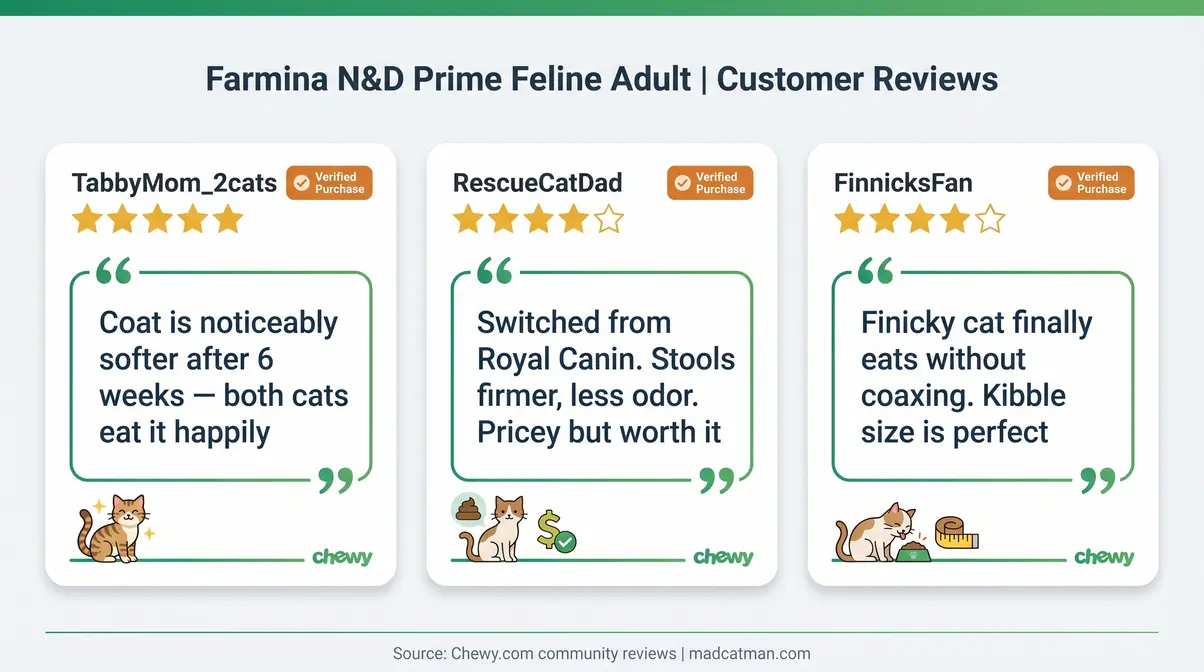
Farmina N&D Prime vs. Royal Canin
This is the comparison most buyers actually need. Royal Canin is the default recommendation from many veterinarians and is widely available. How does Farmina stack up? If your cat prefers wet food, you might want to compare top wet cat food brands instead.
Side-by-Side Comparison Table
| Feature | Farmina N&D Prime (Chicken) | Royal Canin Indoor Adult |
|---|---|---|
| #1 Ingredient | Dehydrated Chicken (27%) | Chicken By-Product Meal |
| Crude Protein (as-fed) | 40% min | 31% min |
| Estimated Protein DMB | ~44% | ~34% |
| Estimated Carbs DMB | ~14–18% | ~30–35% |
| Grain-Free | ✅ Yes | ❌ No (corn, wheat) |
| Artificial Preservatives | None listed | None listed |
| GMO-Free Claim | ✅ Yes (manufacturer claim) | ❌ Not claimed |
| Ash (as-fed) | 8% max | ~6–7% max |
| Approx. Price/lb | ~$5.25–$7.60/lb | ~$3.50–$4.50/lb |
| Vet-Recommended for CKD | ❌ Not indicated | ✅ Renal prescription line available |
Ingredient Quality & Philosophy Compared
The two brands represent fundamentally different nutritional philosophies. Farmina is built around the premise that cats should eat food resembling their ancestral diet — high animal protein, low carbohydrates, no grains. Royal Canin’s philosophy is clinical and breed/condition-specific: the company invests heavily in prescription therapeutic diets and condition-tailored formulas. Royal Canin’s mainstream (non-prescription) adult line uses chicken by-product meal as its primary protein source and includes grains — which, while not harmful to healthy cats, is less aligned with obligate carnivore biology than Farmina’s approach.
On raw ingredient quality, Farmina wins clearly. On clinical specialization (therapeutic diets for specific conditions), Royal Canin wins clearly. These are different tools for different purposes, and framing one as universally “better” misses the point.
Which Is Better for Your Cat?
The honest answer: it depends on your cat’s health status.
For a healthy adult cat with no diagnosed conditions, Farmina N&D Prime’s higher protein content, lower carbohydrate load, and cleaner ingredient profile give it a nutritional edge over Royal Canin’s mainstream adult line. The extra cost is, in our assessment, justified by the ingredient quality gap.
For a cat with diagnosed kidney disease, urinary issues, or any condition requiring a therapeutic diet, Royal Canin’s prescription range (Renal, Urinary S/O, etc.) is clinically indicated and is not a fair comparison to a premium over-the-counter food. In those cases, follow your veterinarian’s guidance — not an ingredient-quality comparison.
For owners who value veterinary familiarity and clinical backing, Royal Canin has a deeper evidence base in therapeutic nutrition. For owners who prioritize biological appropriateness and ingredient transparency for a healthy cat, Farmina N&D Prime is the stronger choice.
Which Is Better: Royal Canin or N&D?
For healthy adult cats, Farmina N&D Prime edges out Royal Canin’s mainstream adult line on ingredient quality — higher animal protein percentage, lower carbohydrate load, and no grains. However, Royal Canin’s prescription therapeutic lines (Renal, Urinary S/O, Gastrointestinal) are clinically superior for cats with specific medical conditions. The choice depends on your cat’s health status: healthy cat → Farmina N&D Prime has a nutritional advantage; cat with a diagnosed condition → follow your vet’s recommendation, which will likely be a Royal Canin or Hill’s therapeutic diet.
Limitations and When to Choose an Alternative
No food is perfect for every cat. Here’s where N&D Prime falls short — and when you should look elsewhere.
Common Pitfalls When Switching
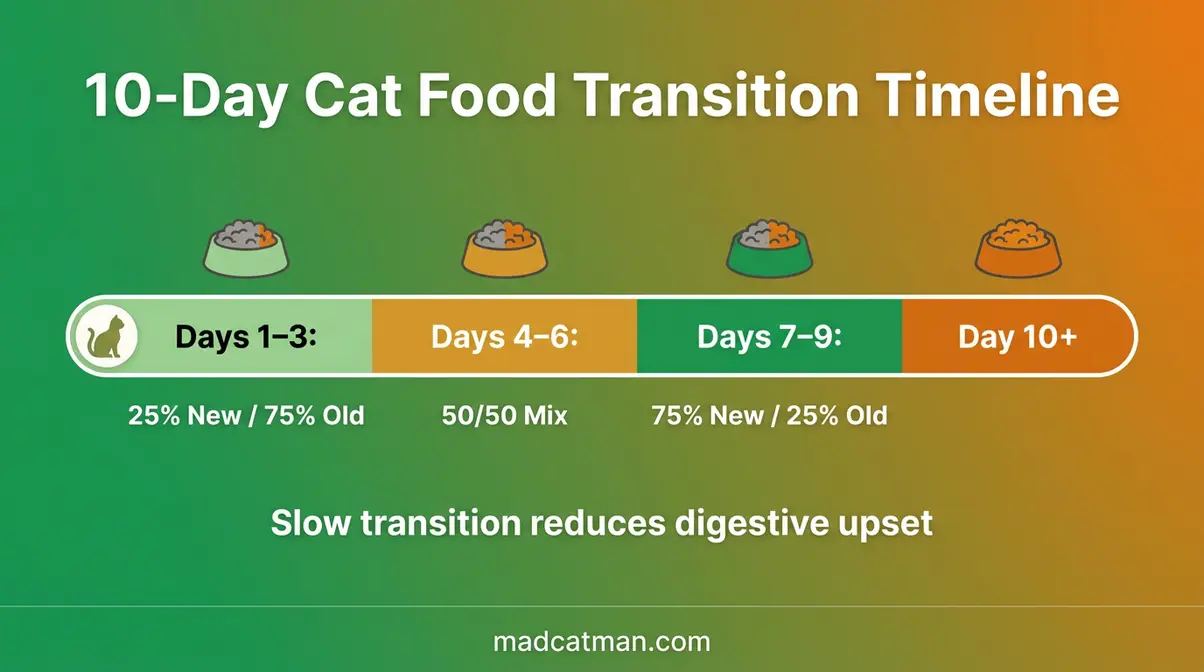
Transition too fast. The most common mistake is switching cold-turkey from a grain-inclusive food to Farmina N&D Prime. The higher protein and fat content can cause loose stools or vomiting in cats whose digestive systems aren’t adapted. The correct protocol: mix 25% new food with 75% old food for days 1–3, then 50/50 for days 4–6, then 75% new for days 7–9, then 100% new from day 10. This slower transition reduces digestive upset significantly.
Buying the large bag before testing acceptance. The 10 kg bag is the best value per pound — but if your cat refuses the food, you’re stuck with a $100+ bag of kibble. Always start with the 1.5 kg or 3 kg bag first.
Ignoring the oily residue issue. The high fat content means the kibble can go rancid faster once opened. Store in an airtight container, away from heat and light, and use within 6 weeks of opening.
When to Choose a Different Food Instead
- Cats with chronic kidney disease (CKD): Phosphorus restriction is the primary dietary intervention for CKD management. Royal Canin Renal, Hill’s k/d, or Purina Pro Plan NF are specifically formulated for this and are clinically validated. Farmina N&D Prime is not phosphorus-restricted and should not be used as a substitute for prescription renal diets without veterinary guidance.
- Cats with struvite or calcium oxalate urinary crystals: These conditions often require pH-controlled, magnesium-restricted therapeutic diets. Royal Canin Urinary S/O or Hill’s c/d are the appropriate choices.
- Strictly budget-constrained owners: If the cost genuinely stretches your budget, a high-quality, grain-inclusive food like Purina Pro Plan (which has strong WSAVA compliance and a dedicated team of veterinary nutritionists) is a better choice than a cheaper grain-free food of unknown quality.
When to Consult Your Vet
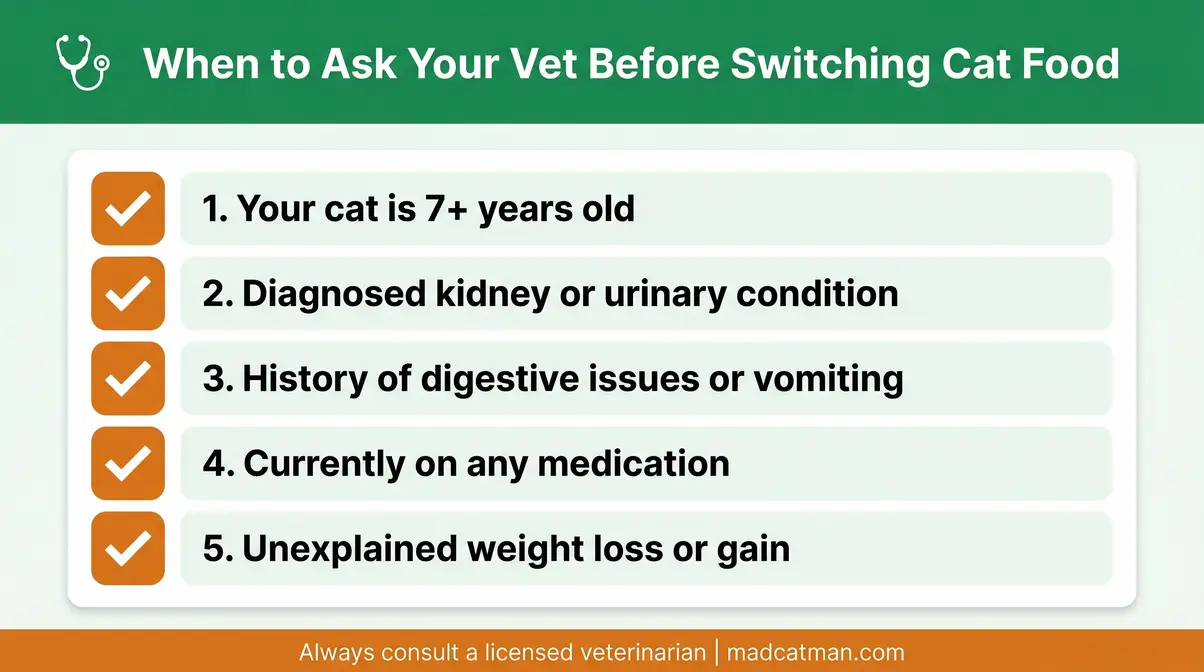
Always consult your veterinarian before changing your cat’s diet — particularly if your cat is senior (7+ years), has any diagnosed health condition, is on medication, or has a history of urinary issues, digestive problems, or unexplained weight changes. This is not a legal disclaimer — it’s practical advice. A single blood panel can reveal kidney or liver values that would fundamentally change the right dietary choice. The cost of a vet visit is far lower than the cost of managing a diet-related complication.
Frequently Asked Questions
Is Farmina N&D good for cats?
Farmina N&D as a brand is generally well-regarded among independent pet nutrition analysts. The N&D Prime line, in particular, uses named animal proteins as primary ingredients, avoids grains and artificial preservatives, and is manufactured in Farmina’s own Italian facilities under ISO 9001 quality standards. The brand’s research partnership with the University of Naples Federico II adds scientific credibility. As with any food, individual results vary — some cats thrive on it, others don’t tolerate the higher fat content during transition.
Is Farmina recommended by vets?
Farmina N&D Prime is not universally recommended by veterinarians, but it is not discouraged for healthy cats either. Many vets default to Hill’s, Royal Canin, or Purina Pro Plan because those brands employ full-time veterinary nutritionists and publish extensive feeding trial data — criteria that WSAVA uses as evaluation standards. Farmina meets several WSAVA nutritional adequacy standards but does not have the same depth of published clinical research as the “Big Three.” For a healthy cat, most vets would not object to Farmina N&D Prime. For cats with health conditions, always follow your vet’s specific recommendation.
What meat should you never feed a cat?
Raw pork is widely cited as the highest-risk meat to feed cats, due to the potential for Trichinella parasites and Aujeszky’s disease (pseudorabies virus), which is fatal to cats (Cornell Feline Health Center). Raw fish fed as a primary diet is also problematic — it contains thiaminase, an enzyme that destroys thiamine (vitamin B1), which can cause neurological damage over time. Onion and garlic (technically vegetables, not meats) are acutely toxic to cats at any dose. Stick to commercial foods with AAFCO-certified nutritional adequacy statements for your cat’s main diet.
What is the healthiest cat food?
There is no single “number one” healthiest cat food — feline nutrition experts at WSAVA and AAFCO emphasize that the best food is the one that meets your cat’s individual health needs, is manufactured by a company with rigorous quality controls, and carries an AAFCO nutritional adequacy statement. That said, foods consistently rated highly by independent analysts include Farmina N&D Prime, Orijen Cat & Kitten, and Purina Pro Plan — each for different reasons (biological appropriateness, ingredient quality, and clinical research depth, respectively). Wet food is also widely recommended as a primary diet component due to its higher moisture content. For portion sizes, consult our veterinarian-backed cat feeding guide.
Is Royal Canin better than Farmina?
Royal Canin is better than Farmina for cats with specific medical conditions requiring therapeutic nutrition — kidney disease, urinary crystals, gastrointestinal disorders, and weight management. Royal Canin’s prescription lines have more clinical trial data behind them than any other brand. Farmina N&D Prime is better than Royal Canin’s mainstream adult line for healthy cats who need high animal protein and low carbohydrates, based on ingredient quality and dry matter macronutrient analysis. Neither brand is universally superior — they serve different purposes.
What are the top 5 healthiest cat foods?
Independent analysts and pet nutrition databases consistently highlight these five brands for overall nutritional quality (not in strict rank order): (1) Orijen Cat & Kitten — extremely high animal protein, freeze-dried coating; (2) Farmina N&D Prime — high protein, grain-free, clean label; (3) Purina Pro Plan — strong clinical research, WSAVA-compliant, widely available; (4) Instinct Original — raw-coated kibble, high protein; (5) Hill’s Science Diet — strong WSAVA compliance, extensive feeding trial data. The “healthiest” choice for your specific cat depends on their age, health status, and individual tolerances. A veterinary nutritionist consultation can help narrow it down.
Final Verdict
To conclude this Farmina N&D Prime feline adult review, it is one of the most nutritionally coherent dry cat foods available in the premium market. After applying The Carnivore Fit Test across all four dimensions — protein origin, carbohydrate load, phosphorus safety, and palatability — it scores well on three of four. The high animal protein content (44%+ DMB), low estimated carbohydrate load (14–18% DMB), and clean ingredient profile are genuine advantages, not marketing noise. Palatability is strong. The phosphorus and ash levels are appropriate for healthy adult cats, with the important caveat that cats with kidney disease need a prescription diet instead. For healthy adult cats, this food genuinely earns its premium.
The Carnivore Fit Test framework is the lens to use for any premium cat food decision: check protein origin (animal-first?), carbohydrate load (under 20% DMB?), phosphorus safety (appropriate for your cat’s kidney status?), and palatability (will your cat actually eat it?). Farmina N&D Prime passes three of four cleanly. For broader advice, explore our veterinarian-informed feline care tips.
Start with the 1.5 kg bag to confirm your cat accepts it, transition slowly over 10 days, and reassess after 6–8 weeks for coat quality, stool consistency, and energy levels. If your cat thrives — and most do — the larger bag sizes bring the cost down meaningfully. If you’re still unsure, book a 15-minute nutrition consultation with your vet: it’s the most valuable $40 you’ll spend before committing to a premium food long-term.
- Choose if:
- Your cat is a healthy adult with no diagnosed kidney, urinary, or gastrointestinal conditions
- You want a high-protein, grain-free kibble with a clean, transparent ingredient list
- You’ve confirmed your cat isn’t severely finicky (test with the small bag first)
- You’re currently feeding a grain-inclusive mainstream brand and want to upgrade ingredient quality
- Skip if:
- Your cat has diagnosed chronic kidney disease (CKD) — use Royal Canin Renal or Hill’s k/d instead
- Your cat has a history of urinary crystals — Royal Canin Urinary S/O is the appropriate choice
- Your budget doesn’t comfortably support $5–$7/lb on an ongoing basis — Purina Pro Plan is a strong WSAVA-compliant alternative at a lower price point
- Your cat is a multi-cat household where one cat has health needs requiring a therapeutic diet and separation at feeding time isn’t feasible
This article is for informational purposes only and does not constitute veterinary advice. Always consult a licensed veterinarian before changing your cat’s diet, especially if your cat has existing health conditions. Pricing and product formulations are subject to change — verify current details with your retailer.

Dave King
Cat owner and writer at Mad Cat Man.