
Table of Contents
This blog post may contain affiliate links. As an Amazon Associate I earn from qualifying purchases.
You want happy purrs, healthy checkups, and a calmer home. These feline care tips deliver exactly that, with practical steps you can use today and breed-specific tweaks that actually matter. Whether you share life with a gentle Ragdoll or a high-octane Bengal, a few smart changes to food, play, grooming, and routines can transform daily life. And because every cat is an individual, I will show you how to read their signals and adjust so you are not guessing or overwhelmed.
If you are new to cat care, you are not alone. At Mad Cat Man, we are cat owners and product reviewers who publish product reviews and affiliate-linked recommendations, turning expert guidance into down-to-earth advice, so you can shop smarter, train with confidence, and feel prepared. Throughout this guide, you will find veterinarian-informed insights, quick case studies, and product recommendations we endorse, organized the same way we organize our site: by problems real people face and solutions that actually work.
Why Breed-Specific Care Matters
All cats share the same big-cat instincts, yet breed traits shape what “healthy and happy” looks like in your home. A Maine Coon’s joints and heart deserve different attention than a slender, vocal Siamese’s mental needs. Long coats like a Persian’s can hide matting and skin irritation, while Sphynx skin needs regular cleansing and sun protection. Meanwhile, energy levels and curiosity vary a lot, which is why enrichment for a Bengal or Abyssinian often means more vertical space and puzzle play than a chilled British Shorthair prefers.
Data supports thoughtful tailoring. Obesity is common among pet cats, and dental disease is frequently reported in young adult cats in veterinary studies. Lower urinary tract issues are among the most common reasons adult cats see a veterinarian. The takeaway is simple: small, consistent habits prevent big problems. That is how Mad Cat Man structures its product reviews, how-tos, and shopping checklists—so you can pick the right feeder, brush, litter box, or toy for your cat’s body, brain, and breed tendencies without wasting money or time.
Feline Care Tips You Can Use Today
1. Feed by Life Stage and Body, Not Just by the Bag
Think of nutrition like tailoring a suit—you match the fit to the body, not the label. Kittens, pregnant queens, and high-energy breeds such as Bengals burn more calories, while couch-loving cats need tighter portion control. Use your hands and eyes weekly to track a body condition score, then confirm with your vet (veterinarian), aiming for a visible waist from above and an easy rib feel beneath a light fat cover. Because obesity drives diabetes risk and joint strain, schedule mealtimes, measure with a kitchen scale, and lean on puzzle feeders to slow fast eaters. At Mad Cat Man, we review foods by life stage, ingredient quality, and kibble size, and we flag options suited for giant breeds like Maine Coons that benefit from larger pieces to encourage chewing.
2. Hydration Hacks for Picky Drinkers
Cats evolved as desert hunters, so they are sneaky under-drinkers. That is why urinary crystals and constipation flare when water intake dips. Offer multiple stations away from food, try a stainless steel fountain for movement and freshness, and rotate bowl shapes so whiskers do not get cramped. If your Persian dribbles or your Sphynx needs gentle skin care, wiping chins after drinking can reduce irritation. Track clump size in the litter box as a hydration proxy, and talk to your vet (veterinarian) about wet food options, broths without onion or garlic, or a water-to-food ratio that keeps urine dilute and comfortable.
3. Litter Box Zen and Territory Basics
Peace starts with a box that fits your cat’s body and your home’s traffic flow. Use one box per cat plus one extra, choose unscented clumping litter, and go bigger than you think—Maine Coons and long cats need room to turn comfortably. Place boxes in quiet, open areas with at least two escape routes, and scoop daily to prevent odor buildup and deter avoidance. If accidents start, rule out medical causes with your vet (veterinarian), then adjust location, litter depth, and privacy. A simple tweak like a high-sided, front-entry box can prevent scatter for enthusiastic diggers while protecting stiff senior hips during entry and exit.
4. Daily Play That Mimics the Hunt
Play is not a luxury—it is behavior medicine. Aim for short, intense sessions that follow the hunt sequence: stalk, chase, pounce, capture, then a small snack. Wands let your Siamese or Bengal sprint and leap safely, while heavier Ragdolls often prefer ground-level lures. End sessions with a food reward to complete the “catch,” which teaches your cat there is a satisfying end to the game. If you love training, add a clicker (a small handheld device that makes a clicking sound) and mark one-second behaviors like “sit” and “touch,” building confidence and communication with positive reinforcement.
5. Scratch, Climb, and Claim: Furniture That Saves Your Sofa
Scratching is claw care, stress relief, and social messaging rolled into one. Provide both vertical and horizontal options: tall sisal posts for full-body stretches, cardboard pads near nap spots, and sturdy trees for climbers. Heavy breeds like Maine Coons need rock-solid bases so the post does not wobble, and many Persians enjoy wide, low scratchers that do not strain shoulders. Place scratchers where your cat already rests or watches the room, sprinkle a little catnip, and praise even a single swipe. Mad Cat Man’s buying guides call out post height, base weight, and fabric durability so your living room survives the enthusiasm.
6. Grooming Routines by Coat Type
Coat care is health care in disguise. Long-haired cats such as Persians and Ragdolls need daily combing to prevent painful mats that pull at skin and hide irritation; short-haired breeds benefit from weekly sessions to reduce shedding and hairballs. A Sphynx needs regular skin wipes or baths to remove natural oils and protect from sun exposure, while flat-faced breeds may need daily eye and facial folds gently cleaned. Pair grooming with treats and short sessions to build trust, and keep nail trims brief and frequent. If brushing triggers a hiss, try a grooming glove that feels like petting and introduce tools slowly with calm rewards.
7. Dental Care You Can Actually Stick With
By age three, most cats have some level of dental disease, yet a few minutes of training can change the picture. Start by letting your cat lick enzymatic toothpaste from your finger, then graduate to a finger brush, then a cat-sized brush. Aim for a gentle sweep along the gumline a few times a week. Brachycephalic breeds such as Persians may be more prone to oral crowding, so consistent home care plus professional cleanings recommended by your vet (veterinarian) matter. If brushing is a no-go, combine dental diets, water additives approved by your vet (veterinarian), and chews sized for safety, and re-try brushing every few weeks with tiny, tasty wins.
8. Preventive Care: Vaccines, Parasite Control, and Microchips
Consistency beats crisis. Annual wellness exams catch weight changes, heart murmurs, and dental issues early, and your vet (veterinarian) will tailor vaccine intervals to your cat’s risk and local regulations. Even indoor cats can face fleas or intestinal worms hitchhiking on clothing or houseplants, so keep parasite prevention current. Microchipping is a must—studies show microchipped cats are vastly more likely to be reunited if lost, and the procedure is quick. If your cat is sensitive or hairless, discuss product choices with your vet (veterinarian), and set calendar reminders so doses and boosters never slip.
9. Calm Carriers and Stress-Free Vet (veterinarian) Visits
Picture the carrier as a cozy studio apartment, not a trap. Leave it open year-round with a soft blanket and treats hidden inside so your cat chooses it. In the week before an appointment, feed near or inside the carrier, then close the door briefly with a snack and reopen to build trust. Cover the carrier during travel to reduce visual stress, and place it on a stable car floor. For big breeds, choose a top-opening, front-opening model with room to turn, and ask your clinic about cat-friendly handling options that minimize fear and handling time.
10. Create a Safe Indoor World and a Controlled Outdoor One
Indoor living protects cats from traffic and predators, but it also raises the stakes for enrichment. Offer window perches, bird-safe feeders outside for viewing, and scent games placed around the home. If you want fresh air time, build a secure catio or train harness walks in micro-steps: harness on, harness clipped, step outside, then a short yard session. Hairless cats need shade and gentle sunscreen approved by your vet (veterinarian), and curious acrobats like Bengals benefit from high shelves spaced like a jungle gym. Always cross-check new plants and gadgets with safety lists—Mad Cat Man keeps updated guides on cat-safe plants and home humidifiers.
11. Senior Cats: Comfort, Mobility, and Brain Games
Quiet changes can signal discomfort: jumping less, missing the couch by an inch, or avoiding grooming. Many older cats have arthritis, so switch to low-entry litter boxes, add non-slip runners for hallway traction, and raise food bowls to elbow height. Warm, orthopedic beds placed near favorite windows encourage rest and reduce stiffness. Keep play short and daily with soft lures and snuffle mats, and schedule checkups every six months so your vet (veterinarian) can adjust pain plans early. A little environmental kindness goes a long way in turning golden years into genuinely good ones.
12. Household Harmony in Multi-Cat Homes
Harmony is a math problem: resources equal to the number of cats plus one. That means extra bowls, resting spots, scratchers, and litter boxes in multiple rooms. When introducing cats, swap scents on blankets, allow visual “visits” through a gate, then graduate to short, supervised sessions with parallel play. Vertical space reduces traffic jams, especially for agile breeds, and calming routines before mealtime can defuse tension. If squabbles persist, keep a diary of triggers and ask your vet (veterinarian) about medical rule-outs and a referral to a behavior professional for a tailored plan.
Watch This Helpful Video
To help you better understand feline care tips, we’ve included this informative video from Cuddle Cats Tales. It provides valuable insights and visual demonstrations that complement the written content.
Breed-by-Breed Essentials at a Glance
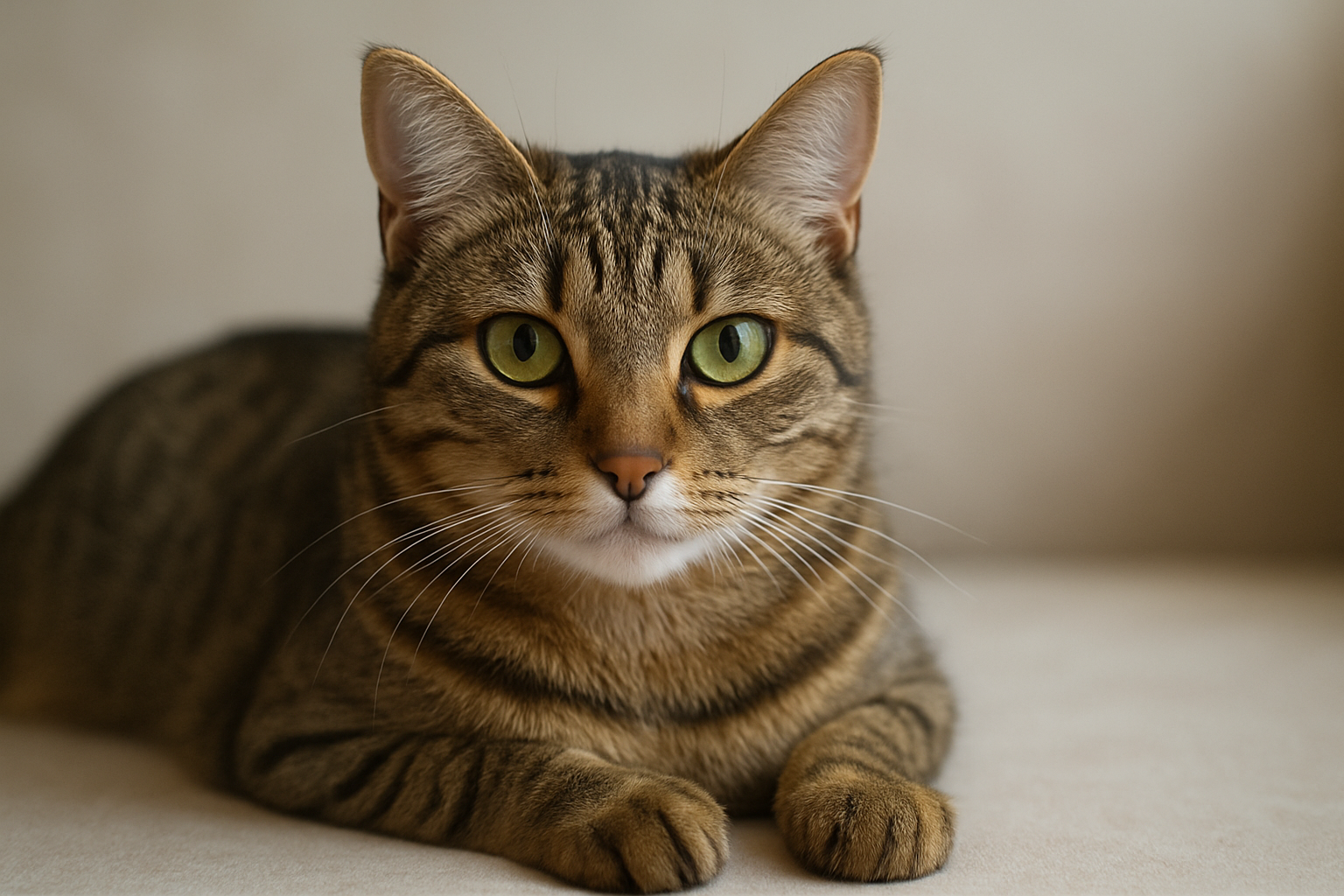
Every cat is an individual, yet breed tendencies can guide smarter choices. Use this quick reference to match grooming, enrichment, and sizing to your cat’s needs, then confirm with your vet (veterinarian). For deeper dives—like Maine Coon furniture spacing or Sphynx skin care—Mad Cat Man’s breed guides go step-by-step with product picks, room layouts, and daily routines.
| Breed | Energy Level | Grooming Needs | Common Sensitivities | Enrichment Ideas | Sizing and Space |
|---|---|---|---|---|---|
| Maine Coon | Moderate to high | Weekly brushing, butt trims | Joint strain in large bodies | Tall, stable trees, fetch games | Oversized litter boxes and bowls |
| Siamese | High and vocal | Light weekly brushing | Needs daily mental work | Clicker games, food puzzles | Multiple shelves and perches |
| Persian | Low to moderate | Daily combing, eye care | Matting, tear staining | Low ramps, gentle wand play | Wide, low scratchers |
| Ragdoll | Moderate and mellow | Several times weekly | Prone to hairballs | Ground-level play, scent games | Soft beds near windows |
| Sphynx | Moderate to high | Regular skin cleansing | Sun sensitivity, oil buildup | Warmth nests, training games | Cozy hideaways, heated pads |
| British Shorthair | Low to moderate | Weekly brushing | Weight gain risk | Short chase, puzzle bowls | Wide bowls, sturdy steps |
| Bengal | Very high | Light brushing | Boredom mischief | Water play, vertical mazes | Ceiling-height trees |
| Scottish Fold | Moderate | Weekly brushing | Joint issues in some lines | Low-impact play, soft landing spots | Low-entry litter boxes |
Daily, Weekly, and Seasonal Routines
Simple rhythms make life easier for you and your cat. Build a repeatable schedule, then tweak for breed, age, and temperament. The table below offers a framework; you can expand each row with the products and resources we highlight on Mad Cat Man, from stable cat trees and water fountains to travel carriers and grooming kits. Consistency, kindness, and tiny adjustments are the secret sauce.
| Frequency | Actions | Why It Matters | Helpful Tools |
|---|---|---|---|
| Daily | Scheduled meals, fresh water, two play sessions, box scoop, quick body check | Prevents overeating, dehydration, boredom, and litter aversion | Kitchen scale, fountain, wand toy, large scoop |
| Weekly | Grooming by coat type, nail tips, surface wipe-downs, training mini-sessions | Reduces mats and hairballs, keeps claws safe, builds communication | Comb or slicker, cat-safe wipes, treats, clicker |
| Monthly | Weigh-in, body condition score (BCS) check, toy and scratcher review | Early course-corrections prevent obesity and boredom | Pet scale, BCS (body condition score) chart, replacement scratch pads |
| Quarterly | Deep clean of litter boxes and carriers, rotate environmental features | Cuts odor, refreshes interest and confidence | Fragrance-free cleaner, new perches or hideouts |
| Annually | Wellness exam, dental check, vaccine and parasite plan review, microchip scan | Finds issues early and keeps identification current | Medical folder, reminder calendar, carrier comfort kit |
Behavior and Training: Veterinarian-Informed Playbooks

Training a cat is like negotiating with a tiny, brilliant comedian—you win with timing and rewards, not force. Keep sessions under three minutes, use high-value treats, and mark the instant your cat does the right thing. Teach one behavior at a time and practice in short bursts before meals. The big idea is control: let your cat choose to participate, and you will see faster progress and fewer meltdowns. Breeds that crave novelty, like Siamese and Bengals, thrive on trick training, while calm souls might prefer quieter scent games and target touches.
Try these quick recipes. For “come,” say the name once, take a step back, then treat when paws move your way—repeat daily in new rooms. For “carrier love,” feed inside the carrier all week, close the door for one count, feed, and open—lengthen the count slowly. To reduce 3 a.m. zoomies, add a high-energy play session after dinner and a small snack at bedtime to complete the hunt. Keep a log, celebrate tiny wins, and ask your vet (veterinarian) about behavior referrals if stress or aggression persists.
Smart Shopping for Healthier Cats
Too many choices can freeze you in your tracks. Mad Cat Man organizes reviews by goal—eat better, drink more, scratch here not there—so you can filter quickly by budget, cat size, and living space. Our checklists turn a scatter of tabs into a calm plan, and we flag safety details like stability, materials, and whether a product suits giant breeds or sensitive skin. Because we review gear with our own cats, you get items that survive claws and chaos, not just pretty photos.
- Food: Choose by life stage and ingredient quality. Test a two-week transition and track stool and energy. Consider puzzle bowls for fast eaters.
- Water: Prioritize stainless steel or ceramic fountains for easy cleaning, and keep at least one quiet bowl for nervous drinkers.
- Litter: Go unscented clumping with a box large enough to turn in. For kickers, high sides with a low entry keep it tidy and senior-friendly.
- Furniture: Stability first. Tall, wall-anchorable trees for jumpers, wide low scratchers for stocky builds, and multiple resting spots to prevent resource guarding.
- Grooming: Match tools to coat. Comb and detangler for long hair, soft bristle or glove for short hair, gentle skin cleansers for hairless breeds.
- Carriers: Top and front openings, removable lids for stress-free exams, and room to turn for larger cats.
If you like a step-by-step approach, our how-to tutorials and shopping checklists walk you through setting up a kitten starter kit, upgrading a senior-friendly home, or kitting out a small apartment. Along the way you will see behavior tips embedded into each choice, because the right environment is the easiest training tool you will ever use.
Final note: When in doubt, your vet (veterinarian) is your best co-pilot. Bring videos of behaviors, weight logs, and product photos to appointments—they turn hunches into clear plans. And if a recommendation feels off for your cat’s breed, age, or personality, ask for a tailored adjustment. Good care is a conversation.
Quick case study: Milo, a 14-pound indoor Bengal, sprayed near the front door every weekend. We added a tall tree to create a clear lookout, moved the litter box away from the entry’s traffic line, increased evening play, and introduced short carrier snacks to build travel confidence. Spraying vanished within two weeks, and his human calls that corner “Milo’s newsroom” now.
One more: Willow the Persian grew grumpy about brushing. We switched to a grooming glove that felt like petting, paired it with lickable treats, and scheduled two-minute sessions after naps. Her coat stayed mat-free, and her human got their lap cat back.
Bookmark this: If you want a ready-to-go plan, download Mad Cat Man’s room layout checklists, cat-safe plant list, and travel prep guide. It is all organized by category so you can find what you need in seconds and act with confidence.
Feline Care Tips Summary and What Comes Next

Healthy routines, breed-aware tweaks, and gentle training stack up to a calmer home, cleaner vet (veterinarian) reports, and a happier cat. Imagine the next twelve months with fewer hairballs, better play, and confident product choices that fit your cat like a glove. Which habit will you try first from these feline care tips?
Additional Resources
Explore these authoritative resources to dive deeper into feline care tips.
Train Smarter With Mad Cat Man
Get actionable feline care tips and behavior guidance that help every cat owner make confident, low-stress decisions backed by real-world, veterinarian-informed advice.
Pros
- Reduces appetite and cravings.
- Helps preserve lean muscle mass.
- Increases calorie burn (thermic effect).
- Supports long-term calorie control.
Cons
- Not suitable for some kidney conditions.
- High protein foods can cost more.
- Excess intake still leads to fat gain.
- Requires planning for fibre and hydration.