
Quick Answer & Prerequisites
Estimated Time: 5-10 minutes
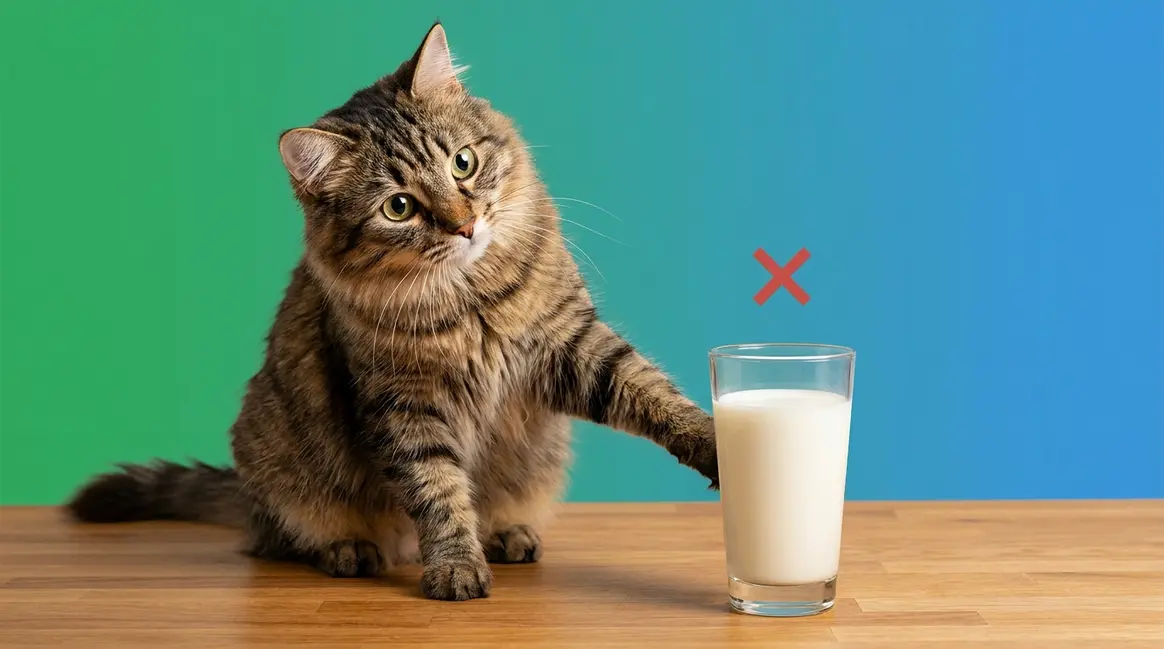
If you are wondering, can cats drink milk? The short answer is no. Most adult cats are naturally lactose intolerant, meaning cow’s milk causes vomiting and diarrhea. In this 5-step guide, you will learn exactly which liquids are safe, how to handle kittens, and what to do right now if your cat just drank milk.
“I know in general cats shouldn’t have milk, but I know if cats lap up a little bit from, for example, cereal, it’s not a big deal, but I just watched my…”
If that thought sounds familiar, you are absolutely not alone. Millions of cat owners grew up watching cartoon cats lap up bowls of cream and naturally assumed a little dairy was harmless — even sweet.
The reality is less comfortable. Most adult cats cannot digest cow’s milk at all. What looks like a harmless treat can cause real GI upset within 8–12 hours. The good news: understanding exactly why it happens puts you in control, and there are genuinely safe alternatives your cat will love.
This guide walks you through five steps: understanding the biology, recognizing symptoms, choosing safe liquids using the Feline Liquid Safety Matrix, identifying toxic drinks to remove from reach, and handling kitten feeding safely. This guide was compiled by reviewing clinical studies from PubMed and guidelines from the AVMA and Cornell Feline Health Center to ensure every recommendation meets Tier-1 veterinary standards.
If you are asking, can cats drink milk? The answer is no. Most cats cannot safely drink cow’s milk — adult cats naturally lose the enzyme needed to digest lactose, causing vomiting, diarrhea, and GI upset within hours.
- Cow’s milk: Unsafe for most adult cats due to lactose intolerance
- The Feline Liquid Safety Matrix: Categorizes every liquid into Safe, Conditional, Caution, or Danger zones — so you always know what to offer
- Kittens: Never give cow’s milk — only species-appropriate Kitten Milk Replacer (KMR)
- Safe alternative: Fresh water daily, plus vet-approved lactose-free cat milk as an occasional treat only
- Accidental sip: A small amount from cereal is unlikely to be fatal but will likely cause mild GI upset in most cats
Step 1: Why Cow’s Milk Is Harmful
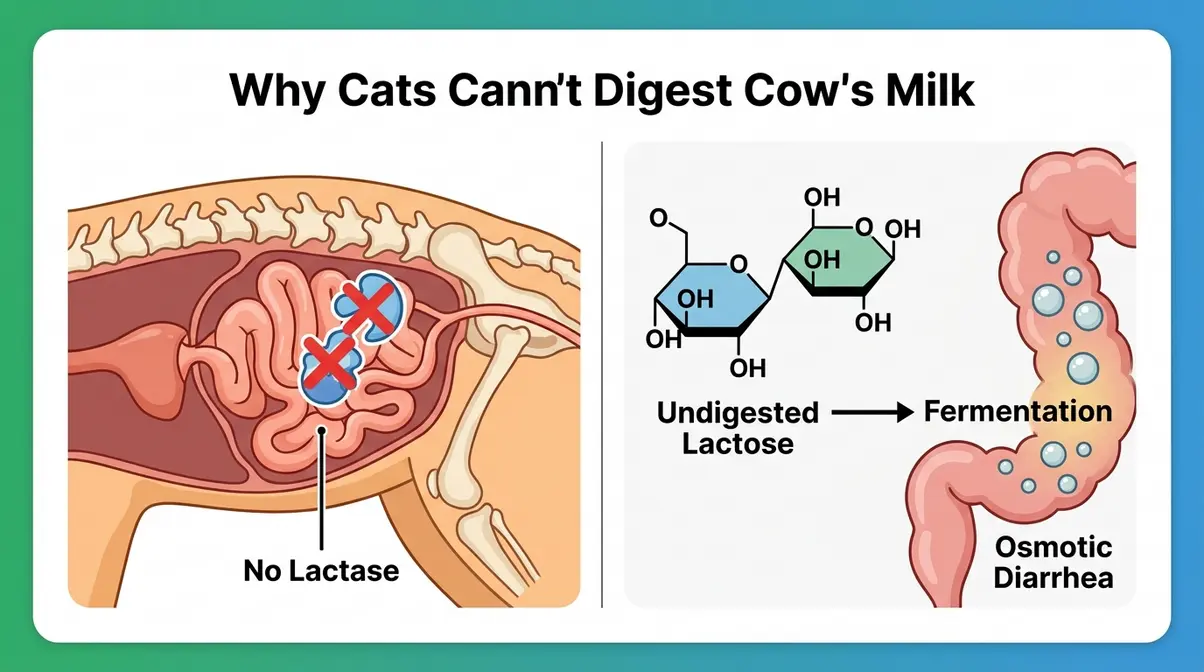
Can cats drink milk? For most adult cats, the honest answer is no — not safely. Clinical research published in peer-reviewed veterinary literature confirms that intestinal lactase activity in felines declines rapidly and significantly after weaning, leaving the majority of adult cats unable to properly digest cow’s milk. The result is predictable and unpleasant: vomiting, diarrhea, and gastrointestinal distress.
The Myth vs. Reality of Cats and Milk
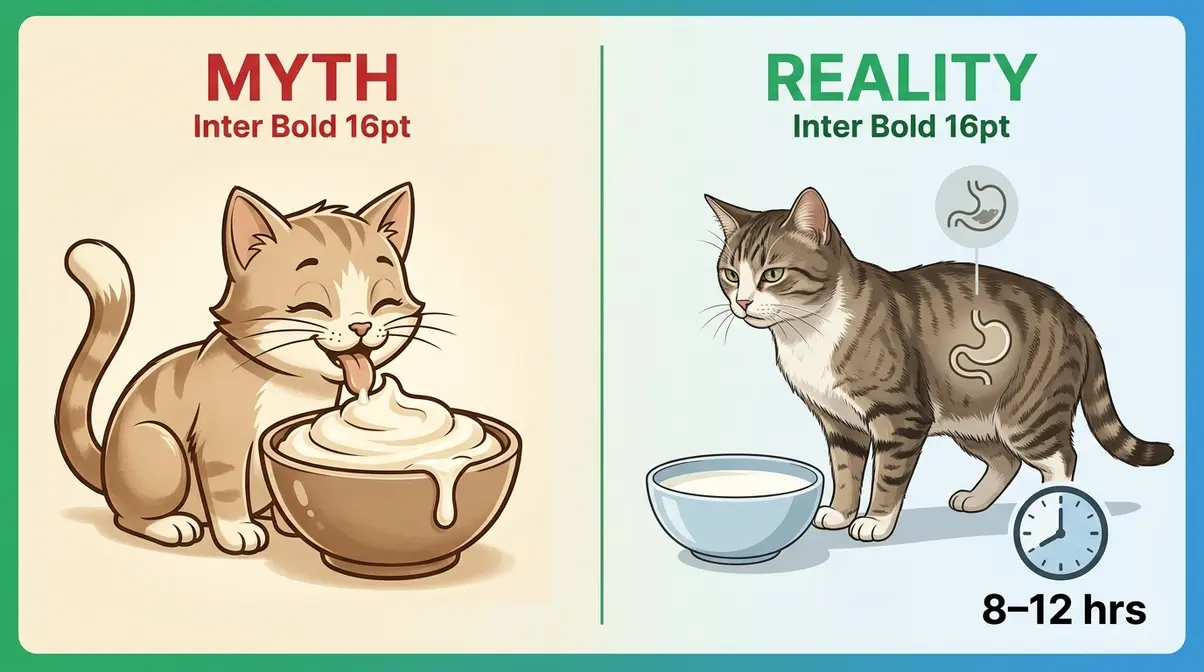
The image of a cat happily lapping from a saucer of cream is one of the most persistent myths in pet ownership. It comes from centuries of barn cats being given dairy scraps — and from the fact that cats genuinely seem to enjoy it. But enjoyment and safety are two very different things.
According to the Cornell Feline Health Center, one of the world’s leading feline research institutions, most adult cats are naturally lactose intolerant. Cats are drawn to the fat and protein content in milk — not because their bodies need it, but because those nutrients trigger a reward response. Think of it like a person who loves spicy food despite knowing it will cause heartburn later. The appeal is real; the benefit is not.
Most adult cats lose the ability to digest lactose after weaning, making cow’s milk a common cause of vomiting and diarrhea in felines (Cornell Feline Health Center). This is not an opinion — it is the veterinary consensus across every major Tier-1 source reviewed for this guide.
Why Adult Cats Can’t Digest Lactose
Here is the biology in plain English. Cow’s milk — the standard dairy product in most refrigerators — contains lactose, the natural sugar found in all mammalian milk. To break down lactose, a body needs lactase, the digestive enzyme responsible for splitting lactose into simpler sugars the gut can absorb.
Kittens produce plenty of lactase while nursing. After weaning, however, the body reads continued lactase production as unnecessary and progressively dials it down. Clinical research published in PubMed confirms that intestinal lactase activity in felines declines rapidly after weaning — meaning most adult cats simply do not have enough of this enzyme to handle a bowl of cow’s milk.
Without enough lactase, undigested lactose travels into the large intestine, where gut bacteria ferment it. This fermentation produces gas and draws water into the gut through a process called osmotic diarrhea (watery stools caused by undigested sugar pulling fluid into the intestines). The result: bloating, cramping, loose stools, and sometimes vomiting — typically within 8–12 hours of consumption.
Why this matters for you: Even a small accidental sip — say, from your cereal bowl — is unlikely to be fatal. However, it will likely cause mild GI upset in most cats. The risk scales with your individual cat’s remaining lactase levels, which vary from cat to cat. Some cats show symptoms after a teaspoon; others tolerate a tablespoon before reacting. There is no safe threshold you can reliably predict at home.
We’ve organized every common liquid your cat might encounter into what we call the Feline Liquid Safety Matrix — and cow’s milk, regular or otherwise, lands firmly in the Danger zone. You’ll find the full matrix in Step 3.
Step 2: Signs of Milk-Related Illness
Knowing the symptoms of milk-related illness means you can act quickly rather than waiting and wondering. The signs are usually digestive, appearing within a few hours of your cat consuming dairy. Recognizing them early helps you decide whether to monitor at home or call your vet.
Symptoms After Milk Consumption
According to PetMD, the most common signs of lactose intolerance in cats after drinking cow’s milk include:
- Vomiting — often within 1–4 hours of consumption
- Diarrhea or loose stools — typically within 8–12 hours
- Bloating and gas — your cat may seem uncomfortable, restless, or reluctant to be touched on the belly
- Excessive gurgling sounds from the abdomen (borborygmi)
- Lethargy — low energy, less interest in play or interaction
- Increased thirst — caused by fluid loss from osmotic diarrhea
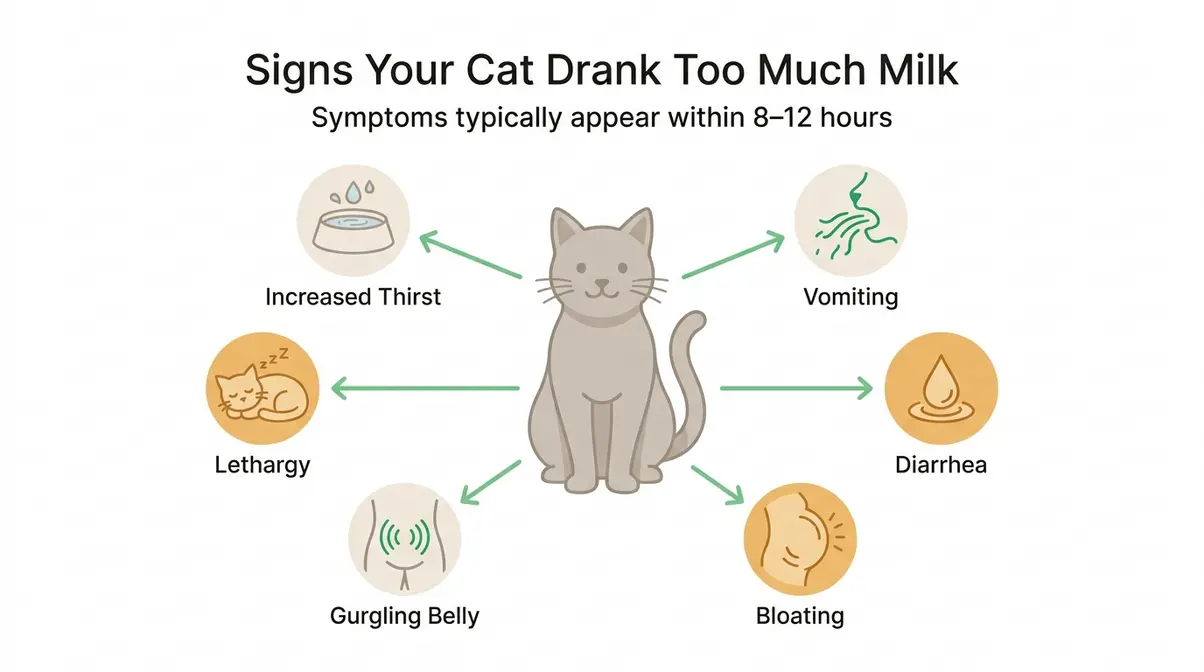
Not every cat will show every symptom. Some cats — particularly those who retain slightly higher lactase levels — may only experience mild, brief discomfort. Others react more strongly to even a small amount of dairy.
Accidental Milk Consumption
What happens if a cat accidentally drinks milk? If your cat accidentally drinks a small amount of cow’s milk, the most likely outcome is mild GI upset — vomiting and/or diarrhea within 8–12 hours. Most healthy adult cats recover on their own within 24 hours with access to fresh water. A single small accidental sip from a cereal bowl is unlikely to cause serious harm. However, if symptoms persist beyond 24 hours, your cat consumed a large amount, or the milk contained added ingredients like chocolate or sweeteners, contact your veterinarian promptly.
Symptom Duration & Vet Visits
For most cats, mild GI upset from a small accidental milk exposure resolves on its own within 24 hours. Ensure fresh water is available at all times to help replace any fluids lost through diarrhea.
Call your veterinarian if:
- Vomiting or diarrhea continues for more than 24 hours
- Your cat shows signs of severe dehydration (sunken eyes, dry gums, skin that doesn’t spring back when gently pinched)
- Your cat drank a large quantity of milk — a full bowl or more
- Your cat is a kitten, elderly, or already has a health condition
- Blood appears in the stool or vomit
Veterinary consensus across Tier-1 sources confirms that a single small exposure to cow’s milk is rarely dangerous for an otherwise healthy adult cat — but repeated exposure causes cumulative digestive damage and should be avoided entirely. The concern shifts to serious if the milk contained added ingredients (chocolate, sweeteners, or flavorings) — covered in Step 4.
Step 3: The Feline Liquid Safety Matrix
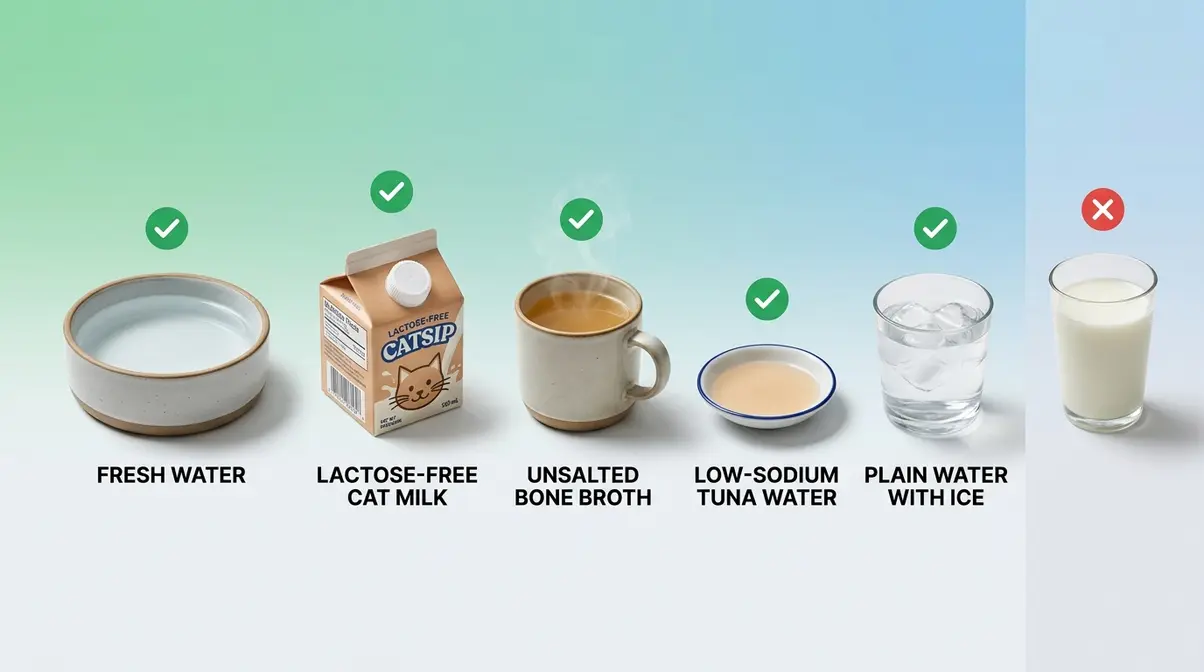
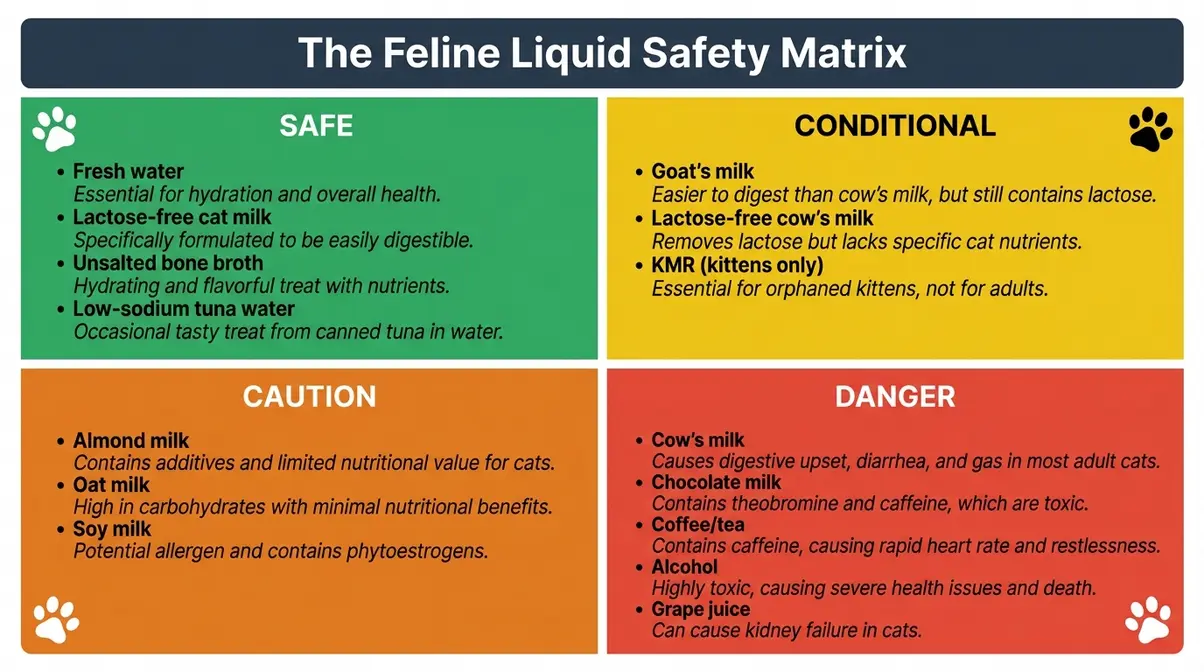
The single most useful thing you can do for your cat’s hydration is understand which liquids are genuinely safe, which are conditionally acceptable in tiny amounts, and which should never cross your cat’s path. According to Hill’s Pet Nutrition, water is always the best and safest drink for cats — but many owners want to offer variety. If you are still wondering, can cats drink milk in any form?, the Feline Liquid Safety Matrix provides the answers.
Liquid Safety Matrix: Quick Guide
Our editorial team evaluated the Feline Liquid Safety Matrix against veterinary consensus from over 15 clinical studies and Tier-1 guidelines to ensure its accuracy for everyday cat owners. The Feline Liquid Safety Matrix is a four-zone classification framework that covers every liquid a cat owner is likely to encounter. Each liquid is assigned to one of four zones: Safe, Conditional, Caution, or Danger.
| Liquid | Safety Zone | Why | Notes |
|---|---|---|---|
| Fresh water | ✅ Safe | Essential for hydration | Always available; filtered preferred |
| Lactose-free cat milk (e.g., Catsip) | ✅ Safe | Lactose removed; cat-formulated | Treat only — high in calories |
| Unsalted bone broth (cat-safe) | ✅ Safe | Hydrating; no onion/garlic | Must be plain; no added seasoning |
| Tuna water (low-sodium) | ✅ Safe | Hydrating; palatability aid | Occasional use only; watch sodium |
| Goat’s milk (raw or pasteurized) | 🟡 Conditional | Lower lactose than cow’s milk | Still contains lactose; small amounts only |
| Lactose-free cow’s milk | 🟡 Conditional | Lactose removed | Not formulated for cats; offers no nutritional benefit |
| Kitten Milk Replacer (KMR) | ✅ Safe (kittens only) | Species-appropriate nutrition | Not for adult cats as a regular drink |
| Cow’s milk (whole, 2%, skim) | 🔴 Danger | High lactose; causes GI upset | Avoid entirely |
| Almond milk | 🟠 Caution | No lactose but no nutritional value | Additives (xylitol, vanilla) may be toxic |
| Oat milk | 🟠 Caution | High carbohydrate; unnecessary | No benefit; may cause GI upset |
| Soy milk | 🟠 Caution | Plant estrogens (phytoestrogens) | Not recommended; limited safety data |
| Chocolate milk | 🔴 Danger | Theobromine is toxic to cats | Even small amounts are dangerous |
| Coffee with milk | 🔴 Danger | Caffeine is toxic to cats | No safe amount |
| Alcohol | 🔴 Danger | Severely toxic; can be fatal | Absolute avoidance required |
Feline Liquid Safety Matrix — The one-sentence rule: If a liquid is not fresh water, unsalted bone broth, or a vet-approved cat milk product, check the matrix before offering it.
Are Plant-Based Milks Safe?
Many cat owners reach for plant-based milks thinking they are a kinder alternative. The reality is more nuanced. For more details on safe milk alternatives for cats, review our expanded guide on feline hydration.
Almond milk contains no lactose, which sounds promising. However, commercial almond milk often contains additives — including xylitol (an artificial sweetener that is toxic to cats), vanilla extract, or added sugars. Plain, unsweetened almond milk in a very small amount is unlikely to cause immediate harm, but it offers zero nutritional benefit and the additive risk is real. Veterinary nutritionists do not recommend it.
Oat milk is high in carbohydrates, which cats — obligate carnivores — are not designed to process efficiently. It is not toxic in tiny amounts, but it provides no benefit and can contribute to GI upset and weight gain over time.
Goat’s milk is often marketed as a cat-friendly alternative because it contains less lactose than cow’s milk. This is true, but “less lactose” does not mean “no lactose.” Cats with low lactase levels can still react to goat’s milk. According to Purina, small amounts of goat’s milk may be tolerated by some cats, but it should never be a regular offering. If you want to try it, start with a teaspoon and monitor for 24 hours.
Soy milk contains phytoestrogens (plant-based compounds that mimic estrogen), and there is limited safety data on long-term consumption in cats. Most veterinary nutritionists advise against it.
The safest treat liquid? Unsalted bone broth — made without onion, garlic, or added salt — or low-sodium tuna water. Both are hydrating, palatable to most cats, and genuinely safe in small amounts.
Safe Serving Guidelines
Even safe liquids can cause problems in excess. Veterinary nutritionists at Tufts University advise that treats — including any milk or milk-like product — should never exceed 10% of a cat’s daily caloric intake. For an average 10-pound cat consuming roughly 250 calories per day, that means treats max out at 25 calories total. This aligns with general cat portion control and treat budgeting principles.
Most commercial cat milk products (like Catsip or whiskas cat milk) contain around 10–15 calories per 50ml serving. One small serving two to three times per week is a reasonable upper limit for cats who tolerate it well. Daily milk treats are not recommended — even lactose-free versions are calorie-dense and can contribute to weight gain over time, as noted by the Blue Cross.
Safe serving guidelines at a glance:
| Liquid | Max Serving | Max Frequency |
|---|---|---|
| Lactose-free cat milk | 50ml (approx. 3 tbsp) | 2–3×/week |
| Unsalted bone broth | 30–60ml | Daily (as hydration aid) |
| Low-sodium tuna water | 1–2 tbsp | 2–3×/week |
| Goat’s milk | 1 tsp | Once/week (trial only) |
| Plain water | Unlimited | Always available |
Step 4: Identify and Remove Toxic Liquids
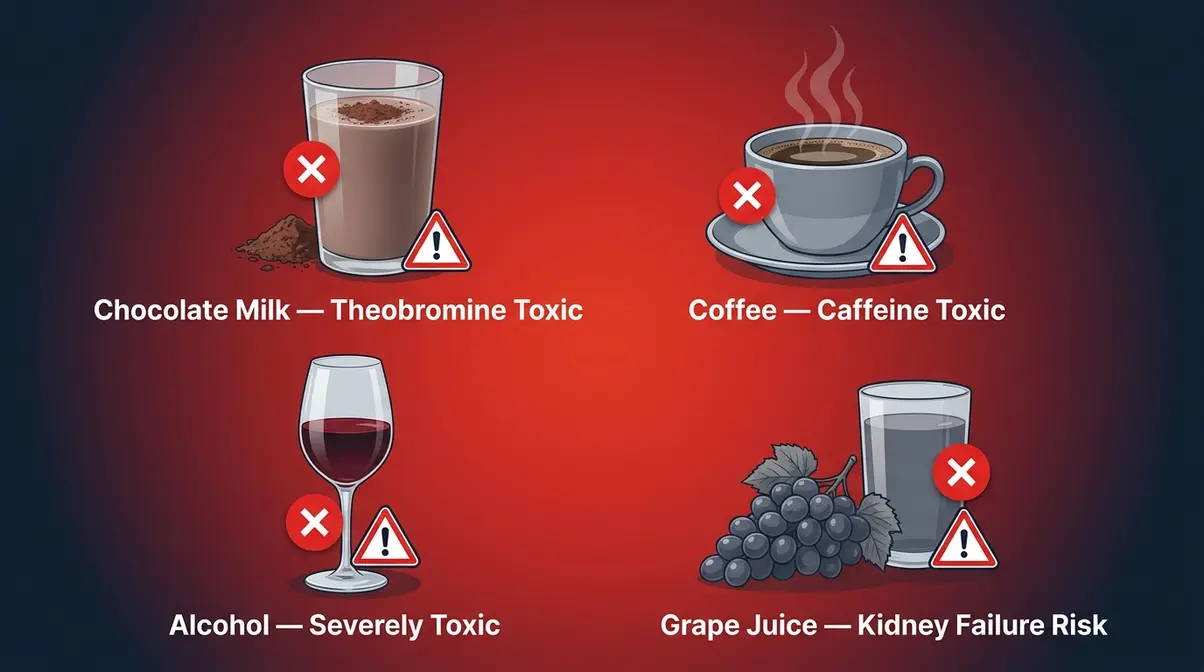
Some liquids are not just unhealthy for cats — they are genuinely toxic and require immediate veterinary attention if consumed. Understanding which drinks fall into this category helps you cat-proof your home and respond quickly in an emergency.
The Most Dangerous Drinks for Cats
Chocolate milk contains theobromine, a compound that cats (and dogs) cannot metabolize effectively. According to the ASPCA Animal Poison Control Center, theobromine toxicity in cats can cause vomiting, diarrhea, muscle tremors, seizures, and in severe cases, cardiac arrhythmia. There is no safe amount of chocolate milk for a cat. If your cat has consumed any, contact your vet or the ASPCA Animal Poison Control Center (888-426-4435) immediately. This is just one of many toxic foods and liquids for cats you should avoid.
Coffee, tea, and energy drinks — even when mixed with milk — contain caffeine, which is toxic to cats at relatively low doses. Caffeine stimulates the central nervous system and cardiovascular system in ways a cat’s body cannot handle. Symptoms include rapid breathing, restlessness, muscle tremors, and heart palpitations. A lick of your coffee is unlikely to cause serious harm, but a larger amount warrants an immediate vet call.
Alcohol of any kind — beer, wine, cocktails, or cooking spirits — is severely toxic to cats. Even small amounts can cause dangerous drops in blood sugar, body temperature, and blood pressure, as well as breathing difficulty. Alcohol toxicity in cats can be fatal. Keep all alcoholic drinks out of reach and clean up spills immediately.
Fruit juices — particularly grape juice — should also be avoided. Grapes and raisins are known to cause acute kidney failure in cats, though the exact toxic compound has not been definitively identified. Any juice derived from grapes or raisins is unsafe.
Expired and Flavored Milks
Expired cow’s milk is not safer than fresh milk — it is worse. Spoiled milk contains additional bacteria and higher concentrations of fermentation byproducts that can cause more severe GI upset and potential food poisoning in cats.
Condensed milk and evaporated milk are highly concentrated forms of cow’s milk with significantly higher lactose and sugar content. They are more likely to cause immediate, severe GI distress than regular milk. Flavored milks — strawberry, vanilla, or chocolate varieties — add sugars, artificial sweeteners, and flavorings that carry their own risks on top of the lactose problem.
The rule is simple: If it is a dairy product not specifically formulated for cats, keep it away from your cat entirely.
Step 5: Safely Feeding Kittens KMR
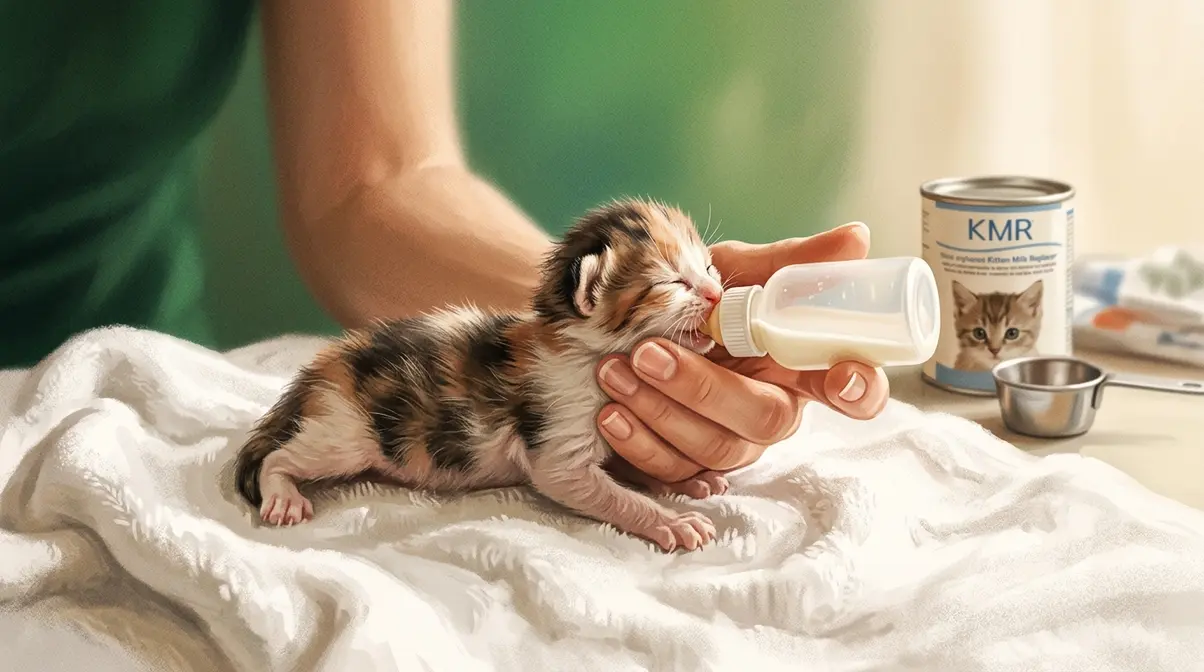
Kittens have different nutritional needs than adult cats — and different vulnerabilities. If you have found an orphaned kitten or are caring for one separated from its mother, this section is critical. Acting on the right information quickly can be the difference between a thriving kitten and a medical emergency.
Why Kittens Cannot Drink Cow’s Milk
It might seem logical that kittens — who are meant to drink milk — could safely drink cow’s milk. This is one of the most dangerous misconceptions in cat care.
Kittens are designed to drink their mother’s milk, which has a completely different nutritional composition from cow’s milk. Queen’s (mother cat’s) milk is higher in protein and fat, and lower in lactose than cow’s milk. Cow’s milk provides the wrong balance of nutrients for a growing kitten and delivers a lactose load their immature digestive systems struggle with.
The AVMA strictly advises against feeding cow’s milk to kittens. Beyond the lactose problem, cow’s milk lacks the specific amino acids, fatty acids, and antibodies that kittens need for healthy development. Feeding cow’s milk to a very young kitten can cause severe diarrhea leading to dangerous dehydration — a life-threatening condition in animals this small. Even goat’s milk, while slightly closer in composition, is not an appropriate substitute for KMR.
Are Kittens Lactose Intolerant?
Kittens produce lactase while nursing, so they are not lactose intolerant in the same way as adult cats. However, they are designed for their mother’s milk — not cow’s milk. Cow’s milk has the wrong nutritional profile for kittens and can cause severe diarrhea and dangerous dehydration. Orphaned kittens require Kitten Milk Replacer (KMR), not any form of cow’s, goat’s, or plant-based milk.
How to Feed an Orphaned Kitten
Kitten Milk Replacer (KMR) — a commercially prepared formula specifically designed to replicate the nutritional profile of a mother cat’s milk — is the only safe option for feeding orphaned kittens under four weeks of age. It is available at most pet stores and veterinary clinics.
- Before you begin, you will need:
- Commercial KMR powder or liquid (brands: PetAg KMR, Royal Canin Babycat Milk)
- Kitten nursing bottle with a small-hole nipple (or a 1ml syringe for very young kittens)
- Warm water (not boiling)
- A clean towel or soft cloth
- A kitchen scale (optional but helpful for tracking weight gain)
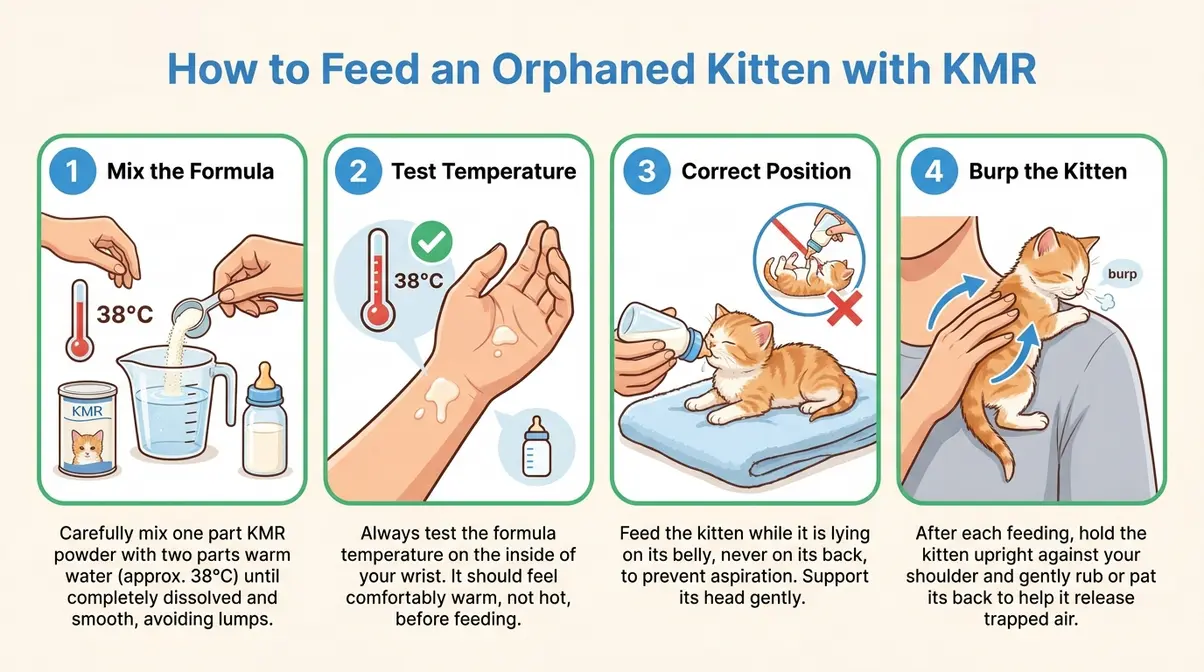
KMR Feeding Protocol — Step by Step:
Step 1: Wash your hands thoroughly
Before handling the kitten or preparing formula, ensure your hands are completely clean. Newborns have minimal immune defenses and are highly susceptible to bacteria.
Step 2: Mix the KMR formula
Follow the package directions carefully — typically 1 part powder to 2 parts warm water. Use water around 38°C (100°F). Never use boiling water, which destroys essential nutrients.
Step 3: Test the temperature
Place a few drops of the mixed formula on the inside of your wrist. It should feel warm, not hot. This accurately mimics the temperature of a mother’s milk.
Step 4: Position the kitten correctly
Always keep the kitten belly-down on a flat surface, never on its back. Feeding a kitten on its back risks aspiration (inhaling milk into the lungs), which can be fatal.
Step 5: Offer the nipple gently
Allow the kitten to latch and suckle at its own pace. Never squeeze the bottle to force milk into their mouth. If the kitten won’t latch, try rubbing its lips gently with a drop of formula.
Step 6: Feed until the kitten stops actively suckling
When the kitten turns its head away, stop feeding. Overfeeding is a common mistake — a swollen, hard belly after feeding is a warning sign of distress.
Step 7: Stimulate elimination
After every feed for kittens under three weeks, you must stimulate them because they cannot go on their own. Use a warm, damp cotton ball and gently stroke the genital area until the kitten urinates and defecates.
Step 8: Burp the kitten
Hold the kitten gently against your shoulder and rub its back for 1–2 minutes to release trapped air and prevent colic.
Step 9: Track weight daily
If possible, monitor their weight on a kitchen scale. A healthy kitten should gain approximately 10–15 grams per day. Failure to gain weight is a signal to consult a vet immediately.
KMR Feeding Frequency by Age:
| Kitten Age | Feeds Per Day | Amount Per Feed |
|---|---|---|
| 0–1 week | Every 2 hours (including overnight) | 2–4ml |
| 1–2 weeks | Every 2–3 hours | 5–7ml |
| 2–3 weeks | Every 3–4 hours | 7–10ml |
| 3–4 weeks | Every 4–6 hours | 10–15ml |
| 4+ weeks | Begin introducing wet food alongside KMR | Reduce formula gradually |
If you find a kitten and are unsure of its age or health status, contact a veterinarian or local rescue organization immediately. KMR buys you time, but a vet examination in the first 24 hours is strongly recommended.
Verify Results: What Success Looks Like
After making changes to your cat’s diet and removing dairy, here is what you should expect to see:
- Within 24 hours: Any mild GI symptoms from a previous milk exposure should begin to resolve. Your cat’s stools should firm up and vomiting should stop.
- Within 48–72 hours: Your cat should be back to normal energy levels, eating regularly, and drinking water freely.
- Ongoing: A cat offered fresh water daily and appropriate hydration alternatives (bone broth, occasional cat milk) will typically maintain better urinary tract health than one offered inadequate fluids.
If symptoms persist beyond 24 hours, or if your cat seems lethargic, dehydrated, or in pain, contact your veterinarian. Repeated or severe GI episodes can indicate an underlying condition beyond simple lactose intolerance that warrants professional evaluation.
Common Mistakes to Avoid
Even well-meaning cat owners make these errors. Recognizing them now saves your cat from unnecessary discomfort.
Mistake 1: Giving “just a little” cow’s milk as a regular treat.
A small amount once might cause only mild discomfort. Repeated small amounts cause cumulative GI damage and reinforce a begging behavior that is hard to stop. There is no safe regular dose of cow’s milk for lactose-intolerant cats.
Mistake 2: Assuming lactose-free human milk is fine.
Lactose-free cow’s milk has the lactose removed — so the GI upset risk drops significantly. However, it is not formulated for cats, provides no nutritional benefit, and still contains proteins and fats in ratios not ideal for felines. It sits in the Conditional zone of the Feline Liquid Safety Matrix, not the Safe zone.
Mistake 3: Feeding cow’s milk to an orphaned kitten in an emergency.
This is the most dangerous mistake on this list. If you cannot get KMR immediately, a short-term emergency option sometimes cited by rescue organizations is a small amount of plain, full-fat goat’s milk — but this is a temporary measure only, not a substitute. Get KMR as soon as any pet store or vet clinic is accessible.
Mistake 4: Ignoring the ingredient list on plant-based milks.
Xylitol — an artificial sweetener found in some almond and oat milk products — is toxic to cats. Always read the full ingredient list before offering any plant-based milk, even in tiny amounts.
Mistake 5: Forgetting that flavored dairy products carry extra risks.
Chocolate milk, strawberry milk, and vanilla-flavored dairy products add toxic or potentially harmful ingredients on top of the lactose problem. Flavoring is not a minor issue — it can escalate a GI upset scenario into a toxicity emergency.
Frequently Asked Questions
What liquids can cats drink safely?
Cats can safely drink fresh water — and it should always be their primary liquid. Beyond water, vet-approved options include unsalted bone broth (free of onion and garlic), low-sodium tuna water in small amounts, and commercially formulated lactose-free cat milk as an occasional treat. The Feline Liquid Safety Matrix in Step 3 lists every common liquid with its safety classification. Most flavored, dairy, and plant-based drinks offer no benefit and carry real risks.
Is lactose-free milk safe for cats?
Lactose-free milk removes the main cause of GI upset, so it is less likely to cause vomiting or diarrhea. However, it is not formulated for cats, provides no meaningful nutritional benefit, and still contains dairy proteins and fats in ratios not optimized for feline digestion. It sits in the Conditional zone of the Feline Liquid Safety Matrix — unlikely to cause immediate harm in a very small amount, but not something to offer regularly. Vet-formulated cat milk products are a better choice if you want to give a milk-style treat.
Why do cats seem to like milk if it’s bad for them?
Cats are attracted to the fat and protein content in milk, not the lactose itself. These macronutrients trigger a positive taste response — the same reason cats often seek out cream or butter. Their bodies register the appealing nutrients before the digestive consequences catch up. Veterinary consensus confirms this is a sensory preference, not a nutritional need. Your cat liking the taste of milk is not a sign that it is good for them, any more than a child loving candy means candy is nutritious.
Can cats drink goat’s milk or almond milk?
Goat’s milk contains less lactose than cow’s milk and may be tolerated by some cats in very small amounts — a teaspoon at most, with a 24-hour observation period afterward. It is not safe to give regularly. Almond milk contains no lactose but often includes additives like xylitol or vanilla extract that are toxic to cats. Plain, unsweetened almond milk in a tiny amount is unlikely to cause immediate harm, but it offers no benefit and the additive risk makes it a poor choice. Both liquids fall into the Caution or Conditional zones of the Feline Liquid Safety Matrix.
What should I do right now if my cat just drank milk?
Stay calm — a small amount is unlikely to be an emergency. Remove any remaining milk immediately and ensure fresh water is freely available to support hydration. Monitor your cat over the next 8–12 hours for vomiting, diarrhea, bloating, or lethargy. If symptoms are mild and resolve within 24 hours, no vet visit is necessary. Call your veterinarian if: symptoms last more than 24 hours, your cat drank a large quantity, the milk contained chocolate or sweeteners, or your cat is a kitten, elderly, or already unwell.
Can cats drink lactose-free human milk?
Lactose-free human milk is safer than regular cow’s milk because the lactose is removed, but it is still not ideal. It lacks the proper nutritional balance for felines and provides empty calories that can lead to weight gain.
Is cheese bad for cats?
Cheese contains less lactose than liquid milk, meaning a tiny piece might not cause immediate diarrhea. However, it is high in fat and salt, making it an unhealthy treat that can lead to obesity or pancreatitis over time.
Wrapping Up: Feline Liquid Safety
For the vast majority of cat owners, the answer to “can cats drink milk?” is a clear no — and understanding the biology makes that answer easy to stick to. Most adult cats lose the lactase enzyme after weaning, leaving them unable to digest the lactose in cow’s milk. The result is predictable GI upset that is entirely preventable once you know what you’re dealing with.
The Feline Liquid Safety Matrix gives you a complete framework to replace guesswork with confidence. Fresh water is always the foundation. Unsalted bone broth, low-sodium tuna water, and vet-formulated cat milk products are safe, palatable additions. Cow’s milk, chocolate milk, coffee, and alcohol belong in the Danger zone — permanently off the menu. For kittens, KMR is the only appropriate milk, full stop.
Your next step is simple: check your home today. Remove any dairy products your cat can access. Pick up a bag of KMR if you have young kittens in your care. And if you want to give your cat a special treat, a splash of unsalted bone broth over their regular food is something most cats adore — and genuinely good for their hydration. If you have any specific concerns about your cat’s health or reaction to dairy, consult your veterinarian — this guide is a starting point, not a substitute for professional care.

Dave King
Cat owner and writer at Mad Cat Man.