
⚠️ Medical Disclaimer: This article is for informational purposes only and does not constitute veterinary medical advice. Always consult a licensed veterinarian or Board-Certified Veterinary Nutritionist (ACVN) before making any changes to your cat’s diet, especially if your cat has been diagnosed with chronic kidney disease (CKD).
Your cat just received a CKD diagnosis, and suddenly every meal feels like a medical decision. The good news is real: the right food can more than double your cat’s survival time. The wrong choice — or no change at all — can accelerate the disease faster than most owners realize.
Most guides tell you to “feed low-phosphorus food” and leave it there. That leaves you standing in front of 40 products with no idea which ones actually qualify as kidney-friendly, or how to convince a picky eater to accept a renal diet in the first place. The conflicting advice about protein restriction makes it worse: some sources say cut protein aggressively, others warn that doing so causes muscle wasting. Both are partially right — and this guide explains exactly when each applies.
In this vet-reviewed guide, you’ll learn which foods genuinely support failing kidneys, which ingredients to eliminate immediately, and how to transition even the most stubborn cat to a renal diet within four weeks. We cover the nutritional science behind cat food kidney disease management, our top commercial picks across every category, the wet-versus-dry debate, safe homemade options, and a complete FAQ answering the specific questions your vet didn’t have time to address.
The best cat food for kidney disease is low in phosphorus (the single most critical nutrient to restrict), high in moisture, and formulated with controlled amounts of high-quality protein. Research shows cats on renal diets survive a median of 633 days versus 264 days on standard food (Journal of Small Animal Practice, 2000).
- 1. Phosphorus restriction is the #1 dietary priority — finding the right cat food kidney disease management plan starts with this mineral, as it slows CKD progression more than any other single change. This is the core principle of The Phosphorus-First Protocol.
- 2. Wet food is strongly preferred — its 75–80% moisture content supports kidney function in ways that dry food (approximately 10% moisture) cannot match.
- 3. Prescription diets (Hill’s k/d, Royal Canin Renal) are the clinical gold standard, but quality non-prescription options exist for early-stage CKD.
- 4. Over 90% of homemade renal recipes are nutritionally inadequate — always use a vet-formulated recipe with required supplements (historical 2020 WSAVA guidelines).
- 5. Protein restriction is nuanced — restricting protein too aggressively in early CKD can cause muscle wasting, which shortens lifespan.
What Do CKD Cats Actually Need?
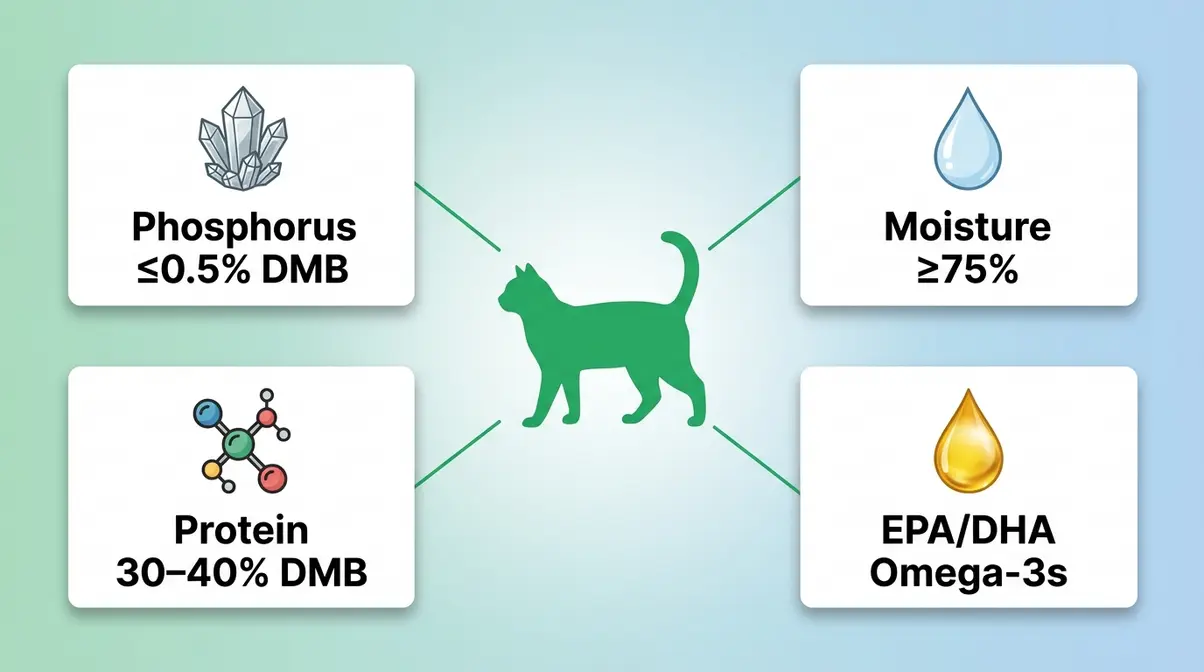
A kidney-friendly cat food must be low in phosphorus, high in moisture, and contain controlled amounts of high-quality protein. These three factors — in that priority order — determine how effectively the food slows CKD (chronic kidney disease) progression. Sodium should be moderate, and omega-3 fatty acids (EPA and DHA) provide meaningful anti-inflammatory support for compromised kidney tissue.
The evidence for dietary intervention is striking. Cats fed a renal diet restricted in phosphorus and protein survived a median of 633 days, compared to just 264 days on a standard maintenance diet — a 2.4-fold survival advantage (Journal of Small Animal Practice, 2000). According to the Tufts Clinical Nutrition Service, studies consistently show cats on therapeutic renal diets live more than twice as long as those on standard maintenance diets. These aren’t marginal differences — diet is arguably the single most modifiable factor in your cat’s CKD prognosis.
Before diving into specific products, it helps to understand what each key nutrient does and why the hierarchy matters. Most owners — and even some general-practice veterinarians — conflate “kidney diet” with “low-protein diet.” The clinical picture is more nuanced, and getting the priority order wrong can genuinely harm your cat.
Phosphorus-First Protocol Explained
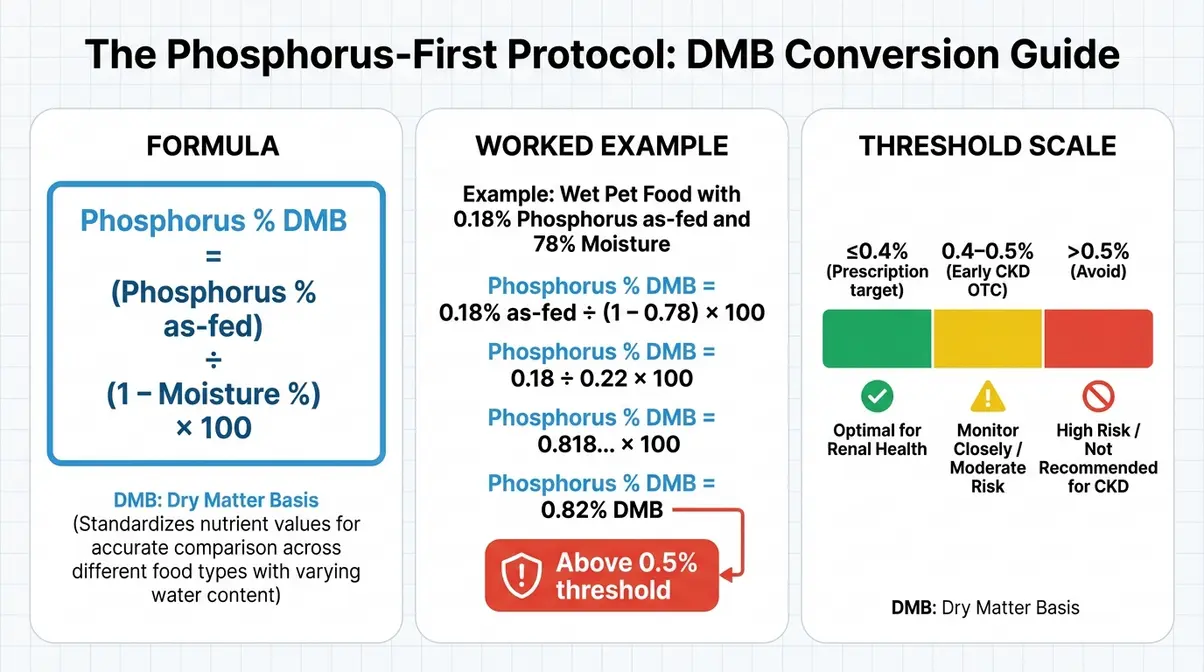
The Phosphorus-First Protocol is the principle that phosphorus restriction is the single most clinically impactful dietary intervention for CKD cats — and it must be evaluated before any other nutrient, including protein. Here is the one-sentence definition you can apply to any food: if the phosphorus content exceeds 0.5% on a dry matter basis (DMB), the food is unlikely to be appropriate for most cats with kidney disease.
Why does phosphorus cause so much damage? Healthy kidneys filter and excrete excess phosphorus continuously. In CKD, that filtering capacity is progressively lost. Phosphorus accumulates in the bloodstream, a condition called hyperphosphatemia, which directly accelerates nephron destruction — the functional units of the kidney. As nephrons are destroyed, remaining kidney tissue works harder, phosphorus accumulates further, and a damaging cycle accelerates. Research published in Veterinary Clinics of North America (2018) identified phosphorus restriction as the single most important dietary intervention for slowing CKD progression in cats — more impactful than protein restriction alone.
The critical skill most owners lack is reading phosphorus content accurately. Cat food labels report nutrients on an “as-fed” basis — meaning the percentage includes all the water in the food. Because wet food is 75–80% water, its as-fed phosphorus percentage looks deceptively low. To compare foods fairly, you must convert to dry matter basis (DMB), which strips out moisture and shows the true nutrient density.
The DMB Conversion Formula:
Phosphorus % DMB = (Phosphorus % as-fed) ÷ (1 − Moisture %) × 100
Example: A wet food shows 0.18% phosphorus as-fed with 78% moisture.
Calculation: 0.18 ÷ (1 − 0.78) = 0.18 ÷ 0.22 = 0.82% DMB
That food’s phosphorus is nearly double the 0.5% DMB threshold — despite looking low on the label.
This is why as-fed numbers mislead owners every day. A food advertising “0.15% phosphorus” on the label may actually deliver more phosphorus per calorie than a dry food showing 0.6%. The label is not lying — but it is not telling you what you need to know. Applying the Phosphorus-First Protocol means always converting to DMB before making any food decision. You can learn more about nutritional strategies for preventing kidney disease in cats to understand how phosphorus management applies across a cat’s full lifespan.
Safe Protein Levels for CKD Cats
Cats are obligate carnivores — they have a hard metabolic requirement for dietary protein that cannot be eliminated or dramatically reduced without consequences. Unlike omnivores, cats use protein as a primary energy source and cannot efficiently adapt to very low-protein diets. When looking for a low protein cat food for kidney disease, owners must understand that this biological reality is why the protein-restriction debate in CKD management is genuinely complicated, and why getting it wrong in either direction causes harm.
The risk of over-restriction is well-documented. Insufficient dietary protein causes sarcopenia (muscle wasting), which in CKD cats is independently associated with shorter survival. A cat losing muscle mass is a cat whose immune function, wound healing, and metabolic reserve are all declining simultaneously. This concern is widely shared among experienced owners in the CKD community:
“When you restrict protein too aggressively, especially in early kidney disease, you risk accelerating muscle wasting, which directly shortens lifespan.”
— A concern raised by experienced CKD cat owners in the veterinary community
The clinical nuance, as explained by the Cornell Feline Health Center, is stage-dependent. In early-stage CKD (IRIS Stage 1–2), protein restriction is not a priority and can actively cause harm. In late-stage CKD (IRIS Stage 3–4), modest protein reduction does help reduce uremic toxins — waste products like BUN (blood urea nitrogen) and creatinine that accumulate when kidneys can no longer filter blood effectively. The key insight is that quality matters more than quantity: highly digestible protein generates fewer uremic waste products than poorly digestible protein at the same percentage.
Hill’s k/d wet food, for example, contains approximately 7.5% protein as-fed — roughly 34% on a DMB basis. That represents a modest reduction from a standard adult cat diet (typically 40–50% protein DMB), designed specifically to reduce uremic load without triggering the sarcopenia that aggressive restriction would cause. The goal is controlled protein, not eliminated protein.
Hydration, Sodium, and Omega-3s
Phosphorus and protein dominate the CKD diet conversation, but three additional factors significantly influence disease progression and quality of life: hydration, sodium, and omega-3 fatty acids.
Hydration is perhaps the most immediately actionable factor. Cats with CKD lose their kidneys’ ability to concentrate urine, meaning they excrete more water and become chronically dehydrated unless water intake is actively supported. Research published in a 2020 NIH/PMC study confirms that feeding wet food measurably improves urine specific gravity in CKD cats, reducing the strain on remaining nephrons. Wet food delivers approximately 75–80 mL of water per 100g of food; dry food provides only 8–10 mL per 100g. That is a roughly 8-fold difference in moisture delivery per serving.
Sodium affects CKD cats primarily through blood pressure. Excess sodium forces kidneys to work harder to maintain electrolyte balance, contributing to hypertension — a complication present in an estimated 20–65% of cats with CKD. Therapeutic renal diets target sodium at ≤0.3% DMB. Many commercial “senior” cat foods marketed as kidney-supportive significantly exceed this threshold, which is why checking the guaranteed analysis matters even for foods labeled as age-appropriate.
Omega-3 fatty acids (specifically EPA and DHA from marine sources) have demonstrated anti-inflammatory effects on kidney tissue in multiple studies. Prescription renal diets are typically supplemented with fish oil to deliver these benefits. For over-the-counter options, verify that the guaranteed analysis specifically lists EPA and DHA rather than generic “omega-3s” — plant-derived ALA omega-3s do not provide the same renal benefit.
| Nutrient | Target Level | Clinical Reason |
|---|---|---|
| Phosphorus | ≤0.5% DMB (OTC) / ≤0.4% DMB (Rx) | Prevents hyperphosphatemia; slows nephron destruction |
| Protein | 30–40% DMB (moderate restriction) | Reduces uremic toxins; preserves muscle mass |
| Sodium | ≤0.3% DMB | Controls hypertension; reduces kidney workload |
| Moisture | ≥75% (wet food preferred) | Prevents dehydration; supports urine dilution |
| Omega-3 (EPA/DHA) | Supplemented from marine sources | Anti-inflammatory support for kidney tissue |
Weruva’s “Cats in the Kitchen” line is frequently cited by veterinary nutritionists as a non-prescription option that partially addresses both the hydration and phosphorus goals simultaneously — its moisture content approaches 85% in some formulations, and phosphorus levels in select varieties fall within acceptable ranges for early-stage CKD cats.
CKD Stages and Nutritional Needs
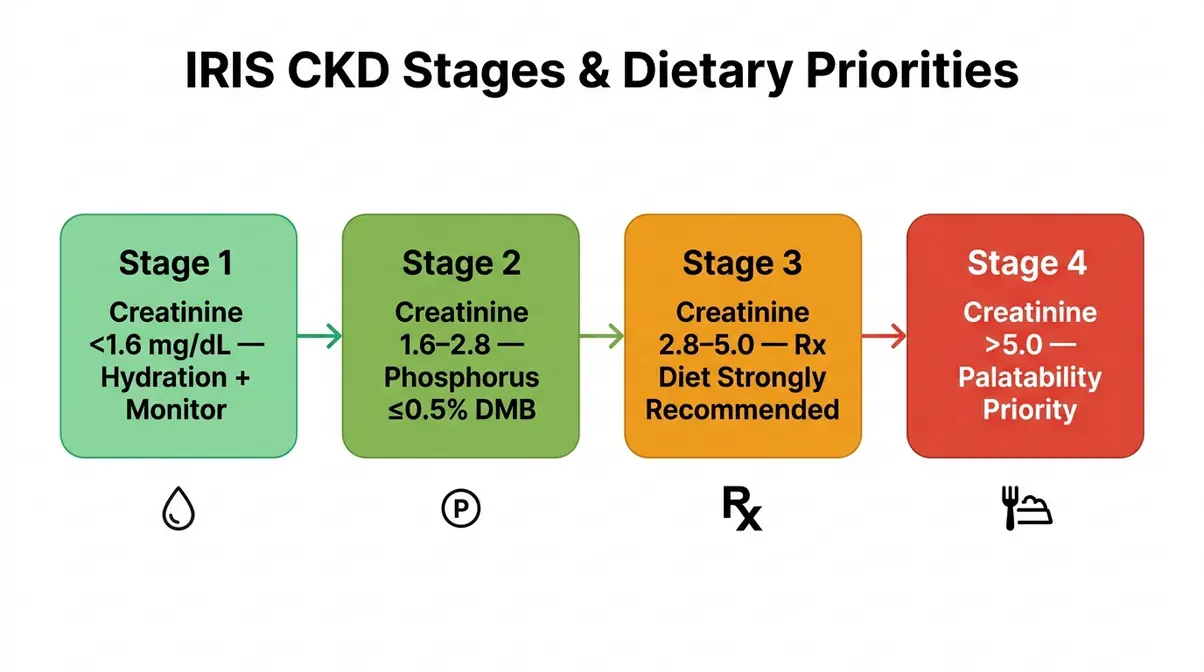
The IRIS staging system (International Renal Interest Society — the global standard for classifying CKD severity in cats and dogs) divides feline CKD into four stages based on serum creatinine levels, blood pressure, and proteinuria. Most cats are diagnosed at Stage 2 or Stage 3, often during routine senior bloodwork. Stage 1 is rarely caught without proactive screening. Understanding which stage your cat is in fundamentally changes which dietary approach is appropriate.
Stage 1–2 (Early CKD): The priority is hydration and moderate phosphorus restriction. Aggressive protein restriction is contraindicated at this stage and may cause more harm than benefit. Many early-stage cats can be successfully managed with high-quality, high-moisture OTC foods — provided the phosphorus content is ≤0.5% DMB. Regular monitoring of phosphorus levels (every 3–6 months) allows dietary adjustments as the disease evolves.
Stage 3–4 (Late CKD): Prescription renal diets become strongly recommended. Phosphorus restriction targets tighten to ≤0.4% DMB, and modest protein reduction becomes appropriate as uremic toxin load increases. At this stage, appetite suppression becomes a real clinical challenge — nausea, mouth ulcers, and general malaise reduce food intake. A cat that consistently refuses a perfect prescription diet is in worse metabolic condition than a cat eating an imperfect but palatable OTC food. Palatability is a clinical consideration, not just a preference.
| IRIS Stage | Creatinine (approx.) | Dietary Priority | Prescription Diet? |
|---|---|---|---|
| Stage 1 | <1.6 mg/dL | Hydration; monitor phosphorus | Optional |
| Stage 2 | 1.6–2.8 mg/dL | Phosphorus ≤0.5% DMB; high moisture | Consider |
| Stage 3 | 2.8–5.0 mg/dL | Phosphorus ≤0.4% DMB; moderate protein reduction | Strongly recommended |
| Stage 4 | >5.0 mg/dL | Palatability + phosphorus; caloric support | Strongly recommended |
Always discuss staging and dietary transitions with your veterinarian. The dietary calculus shifts as CKD progresses, and a plan that was appropriate at Stage 2 may need significant revision by Stage 3.
Top Cat Food Picks for Kidney Disease
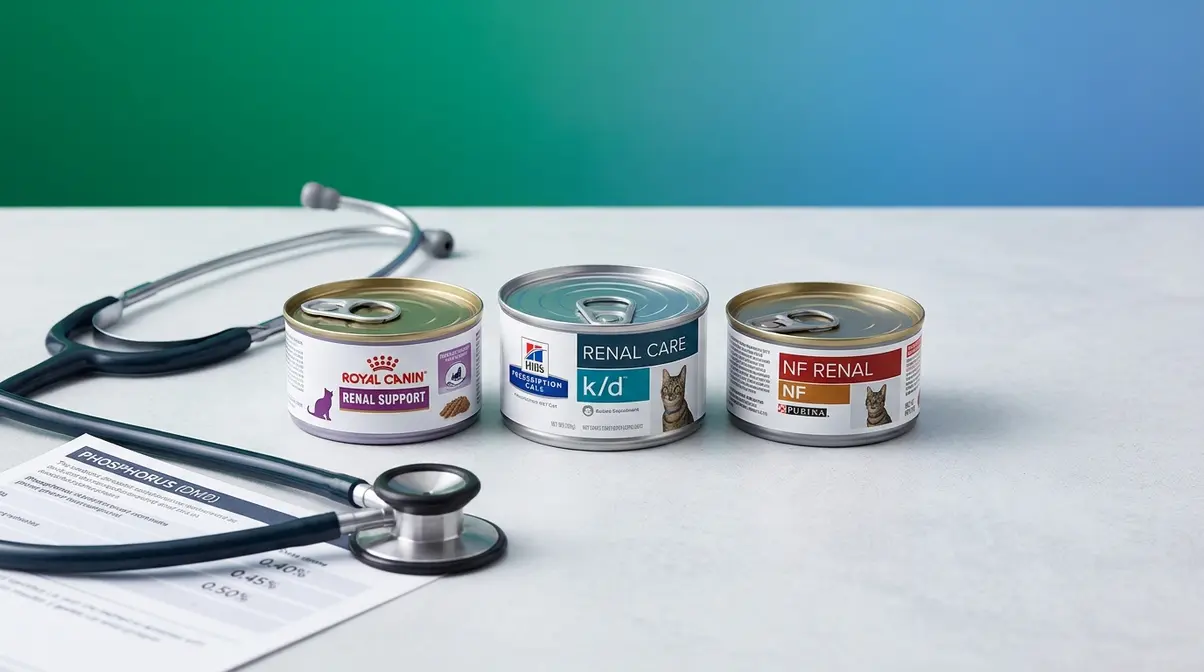
The best cat food for kidney disease is the one that meets the Phosphorus-First Protocol’s phosphorus threshold, provides adequate moisture, and — critically — is one your cat will actually eat. Selecting the best cat food kidney disease formulation depends heavily on your cat’s palate and disease stage. Every food in this section meets the core criteria: ≤0.5% phosphorus DMB for OTC options and ≤0.4% DMB for prescription formulas, verified against current manufacturer guaranteed analyses (as of Q1 2026). Prescription diets require a veterinarian’s authorization.
According to Ohio State University VMC, over-the-counter senior diets frequently do not contain low enough phosphorus for CKD cats — owners must request dry matter basis data directly from manufacturers rather than relying on label claims alone. This is why the comparison table below is the most valuable tool in this guide: it does that conversion work for you.
The Journal of Small Animal Practice (2000) established the clinical benchmark: cats on renal diets survived a median of 633 days versus 264 days on standard food — a 2.4x survival advantage that sets the standard every food selection should be measured against.
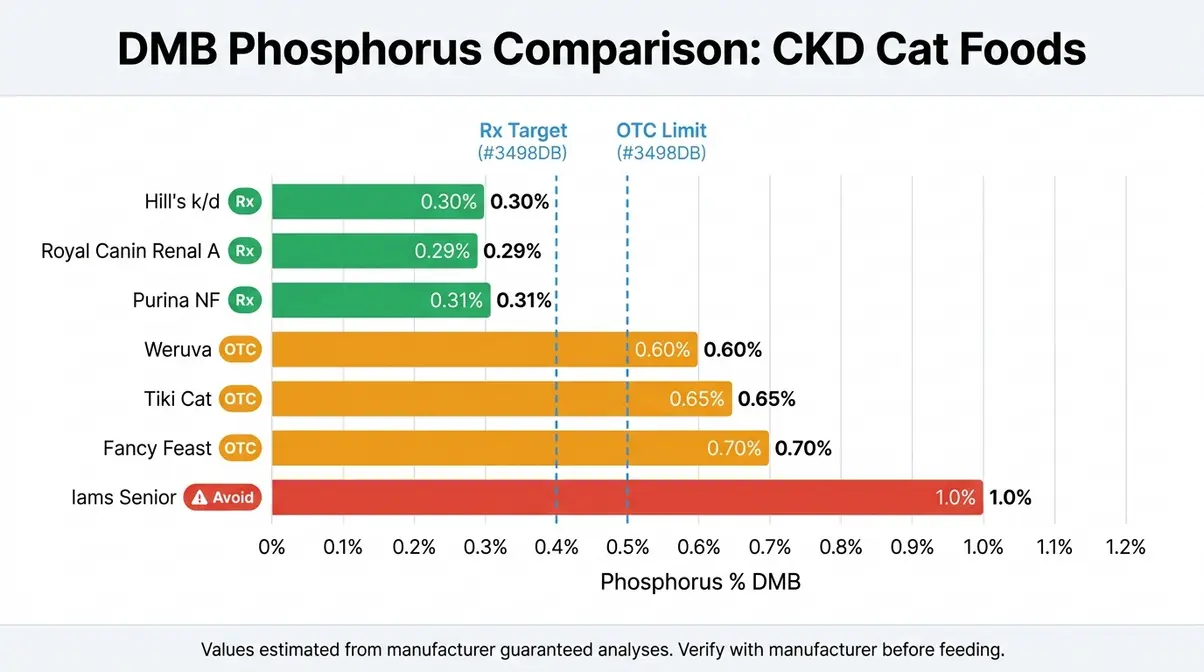
DMB Phosphorus Comparison Table for CKD Cat Foods
| Food Name | Format | Phosphorus % DMB | Protein % DMB | Prescription? | Best For |
|---|---|---|---|---|---|
| Hill’s Prescription Diet k/d | Wet | ~0.30% | ~34% | Yes | Stage 2–4; gold standard efficacy |
| Hill’s Prescription Diet k/d | Dry | ~0.42% | ~31% | Yes | Cats who prefer dry; Stage 2–3 |
| Royal Canin Renal Support A | Wet | ~0.29% | ~32% | Yes | Stage 2–4; high palatability |
| Royal Canin Renal Support F | Dry | ~0.40% | ~30% | Yes | Dry-food-only cats; Stage 2–3 |
| Purina Pro Plan Veterinary NF | Wet | ~0.31% | ~35% | Yes | Stage 2–3; high protein tolerance |
| Purina Pro Plan Veterinary NF | Dry | ~0.43% | ~33% | Yes | Budget-conscious; prescription access |
| Weruva Cats in the Kitchen (select) | Wet | ~0.55–0.70%* | ~40–45% | No | Early Stage 1–2; picky eaters |
| Tiki Cat Puka Puka Luau Chicken | Wet | ~0.60–0.75%* | ~50–55% | No | Early Stage 1–2; high protein obligate carnivore support |
| Fancy Feast Classic Pâté (select) | Wet | ~0.60–0.80%* | ~42–48% | No | Budget OTC; Stage 1–2 only; vet-supervised |
| Ziwi Peak Mackerel & Lamb | Wet | ~0.55–0.65%* | ~48–52% | No | High-moisture OTC; Stage 1–2 |
| Merrick Before Grain Chicken | Wet | ~0.65–0.75%* | ~46–50% | No | Grain-free OTC; Stage 1–2 |
| Royal Canin Renal Support T | Dry | ~0.38% | ~28% | Yes | Texture-sensitive cats; Stage 3–4 |
| Hill’s k/d + Mobility | Wet | ~0.30% | ~33% | Yes | CKD + arthritis comorbidity |
| Purina NF Kidney Function | Dry | ~0.43% | ~33% | Yes | Multi-cat households; Stage 2–3 |
| Iams Proactive Health Senior | Dry | ~0.95–1.1%* | ~36–40% | No | ⚠️ NOT appropriate for CKD cats |
\OTC values are estimates derived from manufacturer guaranteed analyses using the DMB conversion formula. Formulations change — always verify with the manufacturer before feeding. Prescription diet values sourced from manufacturer product guides (Q1 2026).*
⚠️ Important: Several popular OTC “senior” and “urinary health” foods exceed 0.8% phosphorus DMB. Always verify — a food marketed as “senior formula” is not the same as a renal diet.
Best Overall: Hill’s k/d Wet
Hill’s Prescription Diet k/d wet food is the most extensively studied renal diet available for cats, with clinical trial data directly supporting its efficacy in extending survival. It meets the Phosphorus-First Protocol threshold at approximately 0.30% phosphorus DMB — comfortably below the ≤0.4% prescription target — while delivering a balanced protein level (~34% DMB) that reduces uremic load without triggering muscle wasting.
Key Specs: Phosphorus ~0.30% DMB | Protein ~34% DMB | Moisture ~80% | Sodium ~0.28% DMB | Prescription required
- +Lowest phosphorus DMB among major prescription wet foods; backed by the 633-day survival study
- +Omega-3 fatty acids (EPA/DHA) from fish oil included; anti-inflammatory renal support built in
- +Multiple flavors and textures available, improving acceptance in picky eaters
- +Widely available through veterinary offices and licensed online pharmacies
- −Requires a veterinary prescription, which creates access barriers for some owners
- −Some cats find the texture unappealing; palatability varies significantly between individual cats
- −Higher cost than OTC options (~$3.50–$4.50 per 5.5 oz can as of Q1 2026)
Real-World Usage: Hill’s k/d works best when introduced gradually using the 4-week transition framework described later in this guide. Cats who resist the original formula often accept the “Savory Chicken Entrée” or “Tuna” varieties. For a Stage 3 cat who has lost significant appetite, warming the food to body temperature (about 100°F) increases aroma and palatability meaningfully. Owners frequently report that cats who refused k/d initially accepted it after a 7–10 day gradual introduction mixed with their previous food.
Best Wet: Royal Canin Renal Support A
Royal Canin Renal Support A (wet) is specifically formulated to maximize palatability in cats with reduced appetite — a common and serious clinical complication of late-stage CKD. Its phosphorus content (~0.29% DMB) is fractionally lower than Hill’s k/d wet, and its texture is designed to appeal to cats whose sense of smell has been dulled by uremia.
Key Specs: Phosphorus ~0.29% DMB | Protein ~32% DMB | Moisture ~80% | Prescription required
- +Excellent palatability track record, particularly in late-stage cats with appetite suppression
- +Multiple texture variants in the Renal Support line (A = aromatic, E = early-stage, F = flaked, S = savory, T = thin slices) allow customization for individual preferences
- +Phosphorus DMB among the lowest in the prescription wet category
- −The variety of formulas within the Renal Support line can create confusion; requires veterinary guidance on which subtype is appropriate
- −Protein content (~32% DMB) is slightly lower than Hill’s k/d; may require monitoring for muscle mass changes
Real-World Usage: The Royal Canin Renal Support line is particularly valuable for Stage 3–4 cats who have become selective or stopped eating entirely. The “A” formula’s enhanced aroma is specifically designed to compensate for the olfactory dulling that uremia causes. Veterinary nutritionists often recommend rotating between the A and S varieties to prevent flavor fatigue in cats who have been on renal diets for extended periods.
Best Dry: Royal Canin Renal Support F
For cats who flatly refuse wet food, Royal Canin Renal Support F (dry) offers the best phosphorus control available in a dry prescription renal diet (~0.40% phosphorus DMB). Dry renal diets are not ideal — their moisture content (~8%) provides negligible hydration support — but they are substantially better than feeding a standard dry food to a CKD cat.
Key Specs: Phosphorus ~0.40% DMB | Protein ~30% DMB | Moisture ~8% | Prescription required
- +Lowest phosphorus DMB among major prescription dry renal foods
- +Flaked texture designed to encourage slower eating and increase salivation
- +Suitable for multi-cat households where a single dry food station is more practical
- −Moisture content (~8%) provides virtually no hydration support — requires active water supplementation or a water fountain
- −Protein content (~30% DMB) is among the lower end; monitor muscle condition score regularly
- −Prescription access required; slightly less palatable than wet options for most cats
Real-World Usage: Dry renal diets work best as a complement to wet food rather than a sole diet. If your cat eats 70% wet and 30% dry, switching the dry portion to Royal Canin Renal Support F while maintaining a wet renal food for main meals is a practical compromise. A water fountain placed separately from the food station can increase water intake by 30–50% in dry-food-preferring cats (veterinary behavioral consensus).
Best for Seniors: Purina Pro Plan NF
Purina Pro Plan Veterinary Diets NF (Kidney Function) occupies a slightly different niche within prescription renal diets: it maintains a somewhat higher protein level (~35% DMB wet, ~33% DMB dry) than Hill’s k/d or Royal Canin, making it particularly appropriate for cats who show signs of muscle wasting alongside their kidney disease. Its phosphorus content (~0.31% DMB wet) meets the Phosphorus-First Protocol threshold comfortably.
Key Specs: Phosphorus ~0.31% DMB (wet) | Protein ~35% DMB | Moisture ~78% | Prescription required
- +Higher protein content reduces sarcopenia risk in cats who are already losing muscle mass
- +Available in both wet and dry formulations; transition between formats is straightforward
- +Generally well-accepted palatability; multiple flavor options
- −Higher protein content means slightly higher uremic toxin load compared to Hill’s k/d; less appropriate for severe Stage 3–4 CKD
- −Prescription requirement; similar cost profile to Hill’s k/d
Real-World Usage: NF is the preferred choice when a CKD cat has a concurrent body condition concern — a visibly thin cat with poor muscle mass who needs both phosphorus restriction and adequate protein to rebuild condition. Veterinary nutritionists sometimes recommend NF for Stage 2 cats who are borderline underweight, then reassess at Stage 3 whether transitioning to a lower-protein formula is warranted.
Best for Preventing CKD: OTC Foods
For cats who have not yet been diagnosed with CKD but have risk factors (age over 10, prior urinary issues, specific breed predispositions such as Persian or Siamese), the best preventive approach is a high-moisture diet with phosphorus content below 0.8% DMB. No OTC food is formulated to treat CKD, but maintaining good hydration and avoiding high-phosphorus foods throughout a cat’s life supports long-term kidney health.
The best non-prescription cat food for kidney disease prevention includes high-moisture pâté-style wet foods from brands like Tiki Cat, select Fancy Feast Classic Pâté varieties, and Weruva’s lower-phosphorus formulations. Always verify current DMB values with the manufacturer — formulations change, and the table above reflects Q1 2026 data only.
Choosing a Diet by CKD Stage
| Your Cat’s Situation | Recommended Starting Point |
|---|---|
| Newly diagnosed Stage 1–2; healthy appetite | High-quality wet OTC food ≤0.6% phosphorus DMB + vet monitoring; consider prescription transition |
| Stage 2–3; accepts wet food | Hill’s k/d Wet or Royal Canin Renal Support A |
| Stage 3–4; reduced appetite | Royal Canin Renal Support A (palatability focus) |
| Any stage; refuses wet food | Royal Canin Renal Support F (dry) + active water supplementation |
| CKD + muscle wasting | Purina Pro Plan NF Wet (higher protein) |
| Cannot afford prescription diet | Best available OTC wet food ≤0.6% phosphorus DMB + phosphate binder (vet-prescribed) |
| Stage 4; palliative care | Prioritize calories and palatability over perfect nutrient profile; discuss with vet |
Wet vs. Dry Food for Kidney Health
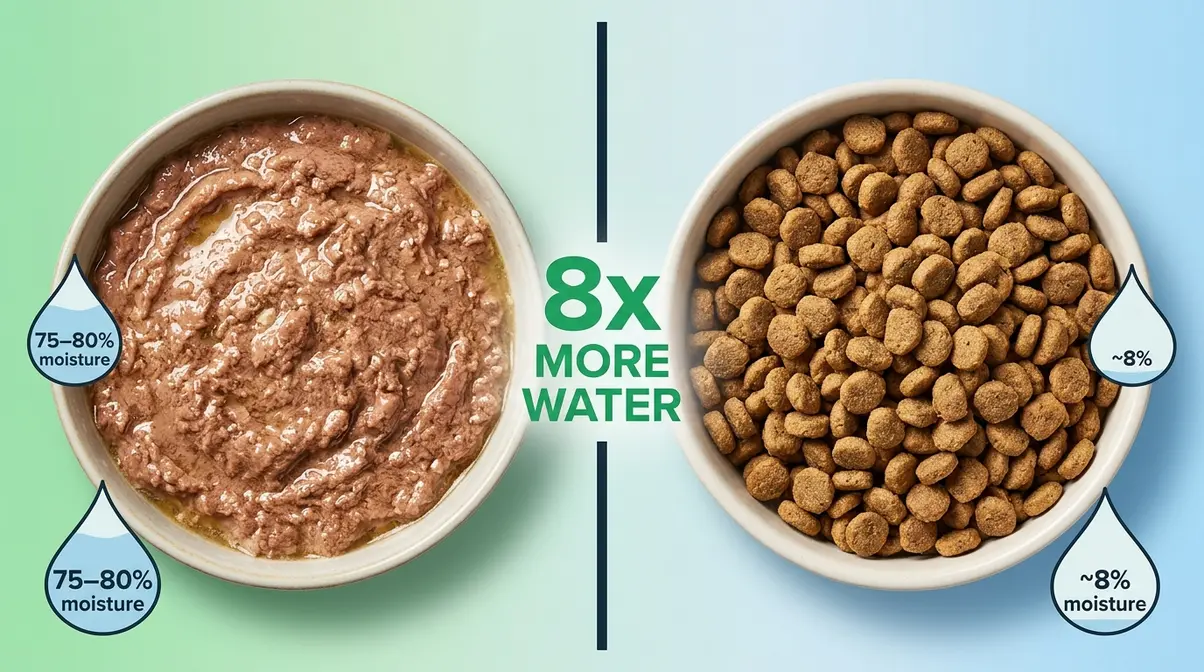
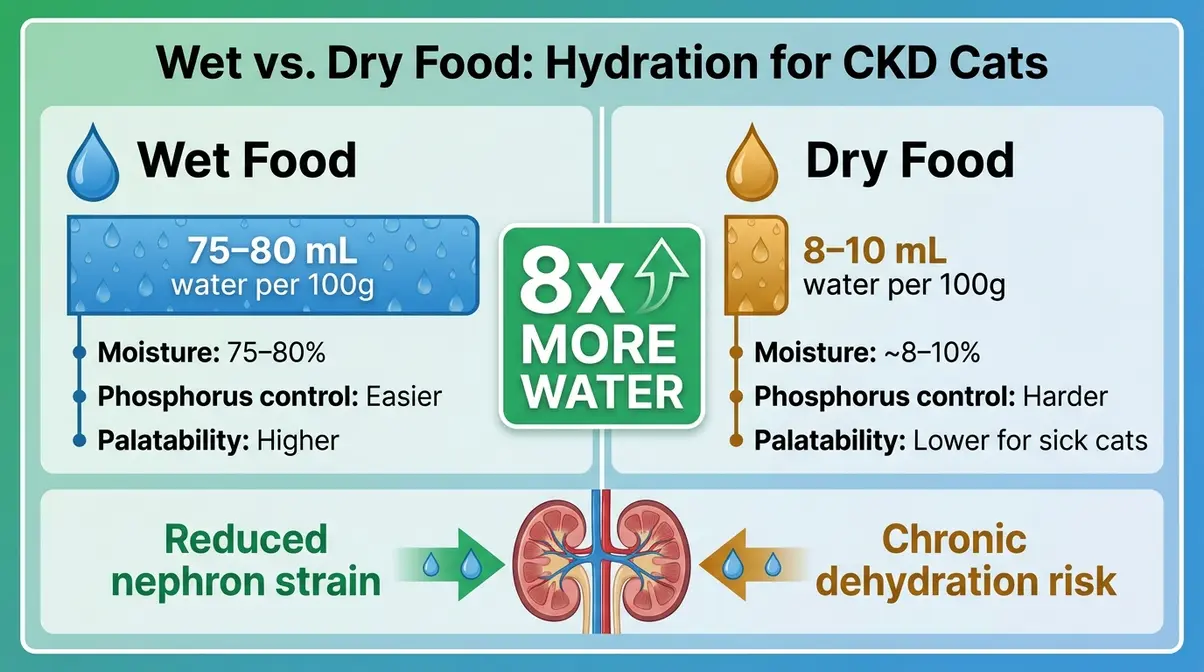
For cats with kidney disease, wet food is clinically superior to dry food in almost every scenario. The primary reason is hydration: CKD progressively destroys the kidneys’ ability to concentrate urine, meaning affected cats must drink significantly more water to prevent dehydration — a challenge, since cats evolved as desert animals with a naturally low thirst drive. Wet food addresses this physiological gap directly, delivering 75–80 mL of water per 100g of food compared to roughly 8–10 mL in dry food.
A historical 2020 study confirms that increasing total water intake through wet food measurably improves urine specific gravity in CKD cats, reducing the osmotic burden on surviving nephrons. The practical implication: a CKD cat eating exclusively dry food may be chronically dehydrated even when a water bowl is available, because cats simply do not compensate for low-moisture food by drinking proportionally more water.
Wet Food Advantage: Hydration
Beyond moisture, wet food provides three additional clinical advantages for CKD cats.
Phosphorus control is easier in wet formats. Because prescription wet renal diets are already moisture-rich, manufacturers have more latitude in the dry matter nutrient profile, and the best wet renal foods achieve phosphorus levels of 0.29–0.31% DMB. Achieving comparable phosphorus restriction in dry food is technically more difficult, which is reflected in the consistently higher phosphorus DMB values for dry renal formulas.
Caloric density is more manageable. Late-stage CKD cats often have reduced appetite, and wet food’s lower caloric density per volume means a cat eating the same physical quantity of wet food consumes fewer calories — potentially problematic if weight loss is already a concern. The solution is monitoring body weight closely and adjusting portion size accordingly rather than switching formats.
Palatability is generally higher in wet food. Aroma — which is primarily carried by moisture and fat — is the primary driver of food acceptance in cats. A sick CKD cat with reduced appetite and diminished sense of smell is more likely to be stimulated by the aroma of a warmed wet food than by dry kibble. This is not merely a preference issue; it is a clinical feeding concern.
When Dry Food Is the Only Option
Some cats simply refuse wet food, regardless of how gradually or creatively it is introduced. In these cases, dry food is not ideal, but it is manageable with the right compensatory strategies.
The non-negotiable requirement for a dry-food-only CKD cat is active hydration support. A water fountain placed in a separate room from the food station (cats prefer not to drink near their food — an evolutionary instinct related to water source contamination) increases voluntary water intake significantly. Adding low-sodium chicken or fish broth to a separate water bowl can further encourage drinking. Some owners have success with adding a small amount of water directly to dry food, though palatability acceptance varies.
Phosphate binders — medications prescribed by a veterinarian that bind dietary phosphorus in the gut and prevent absorption — can partially compensate for the higher phosphorus content of dry renal diets. They are not a substitute for dietary phosphorus restriction, but they provide meaningful supplemental control when wet food is not an option. Always discuss phosphate binder use with your veterinarian before starting.
Prescription vs. OTC Renal Diets
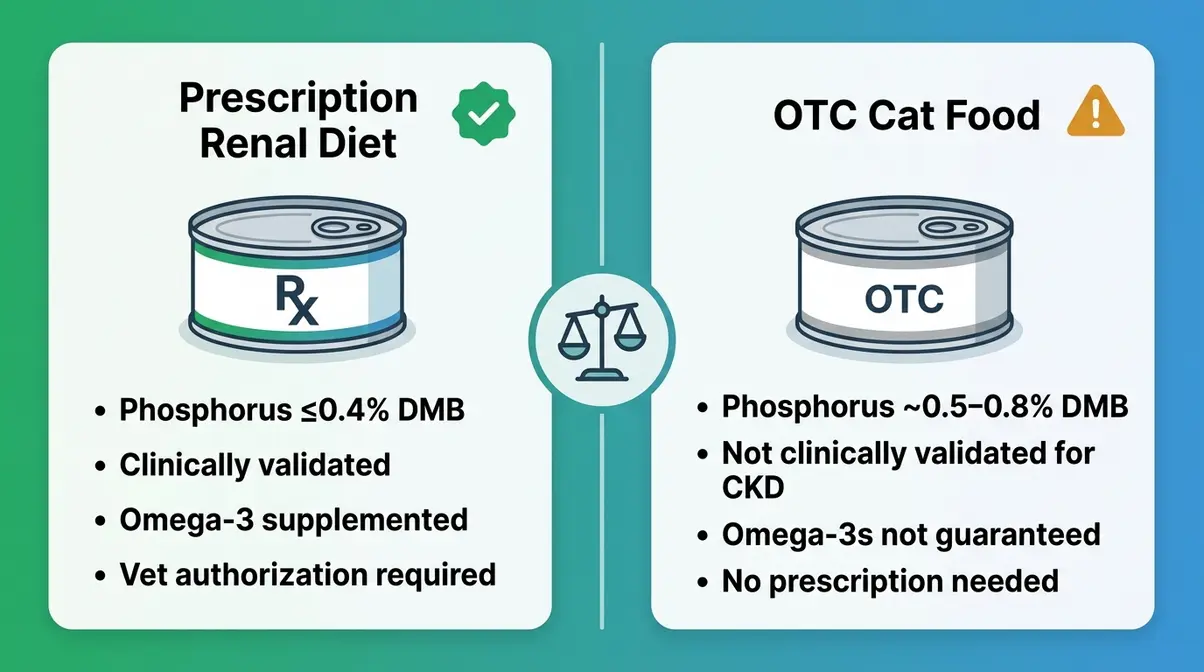
Prescription renal diets and over-the-counter (OTC) cat foods differ in ways that go far beyond marketing and price tags. Understanding the clinical distinction helps you make an evidence-based decision about whether a prescription is strictly necessary for your cat’s current stage — and helps you apply the Phosphorus-First Protocol to OTC options when prescription access is limited.
Veterinary consensus, as outlined by the American Veterinary Medical Association (AVMA), supports therapeutic renal diets as the standard of care for CKD Stage 2 and above. These diets are heavily regulated and specifically formulated to manage disease states. However, for Stage 1 cats or for owners navigating severe cost constraints, high-quality OTC options with verified low phosphorus DMB can provide meaningful harm reduction — provided they are paired with rigorous veterinary monitoring.
What Makes a Diet “Prescription”?
A prescription cat food is not simply a standard food that requires a vet’s signature. It is a therapeutic formulation that has been designed, tested, and clinically validated to achieve specific medical outcomes. The FDA strictly regulates these diets, requiring that manufacturers prove their efficacy before they can be marketed for disease management. For renal diets specifically, the key distinctions include:
Aggressive Phosphorus Restriction: Prescription renal wet foods consistently achieve phosphorus levels of 0.29–0.43% DMB. Over-the-counter foods rarely match these levels because AAFCO (Association of American Feed Control Officials) sets minimum phosphorus requirements for healthy adult cats at 0.5% DMB. Prescription diets are legally allowed to fall below this minimum because they are intended for medical intervention, not general maintenance.
Precise Protein Modulation: Prescription diets precisely calibrate protein to reduce uremic toxin production while preserving lean body mass. This balance requires clinical formulation expertise and ongoing efficacy testing that OTC brands do not conduct.
Targeted Supplementation: CKD cats commonly develop hypokalemia (low potassium) and B-vitamin deficiencies due to increased urinary losses. Prescription renal diets address these deficiencies proactively with specific supplementation. They also include pharmaceutical-grade fish oil (EPA/DHA) at levels demonstrated to reduce renal inflammation.
The requirement for veterinary authorization exists because these diets are formulated for a specific disease state. Feeding a heavily protein-restricted and phosphorus-restricted renal diet to a healthy, growing kitten or a pregnant cat could cause severe nutritional deficiencies.
Cost Analysis: Prescription vs. OTC
The financial burden of managing CKD is a reality for many owners. The cost difference between prescription and OTC diets is significant, and understanding the breakdown helps owners budget for long-term care.
As of 2026, prescription wet renal diets (like Hill’s k/d or Royal Canin) typically cost between $3.50 and $5.00 per 5.5 oz can. For a standard 10-pound cat eating roughly 1.5 to 2 cans per day, the monthly cost of a prescription wet diet ranges from $150 to $300.
In contrast, budget-friendly OTC options like select Fancy Feast Classic Pâté varieties cost approximately $0.90 to $1.20 per 3 oz can. Premium OTC options like Weruva or Tiki Cat range from $2.00 to $3.00 per can.
While the upfront cost of prescription food is undeniably higher, veterinary economists note that the long-term savings can be substantial. Cats on therapeutic diets often require fewer emergency hospitalizations for uremic crises, fewer supplemental medications, and experience a slower disease progression. According to the Tufts Clinical Nutrition Service, the investment in a therapeutic diet is often the most cost-effective medical intervention an owner can make for a CKD cat.
Best Non-Prescription Foods
For owners who cannot access prescription diets due to cost, geographic availability, or a cat who flatly refuses all prescription formulas, OTC options can provide a bridge — with important caveats. The Phosphorus-First Protocol applies equally to OTC foods: the target remains ≤0.5% phosphorus DMB for Stage 1–2 cats. Achieving the ≤0.4% DMB target for Stage 3–4 with OTC foods is nearly impossible without veterinary-prescribed phosphate binders.
Verified OTC options with relatively controlled phosphorus content (Q1 2026 estimates) include:
- Weruva Cats in the Kitchen (select formulations): High moisture (~82–85%), moderate phosphorus in best-case varieties. Phosphorus DMB varies significantly by flavor — the “Mack & Jack” mackerel variety tends to be among the lower-phosphorus options.
- Tiki Cat Puka Puka Luau (Chicken in Chicken Consommé): Very high moisture (~92%), moderate protein. Phosphorus DMB is in the 0.55–0.75% range depending on formulation.
- Fancy Feast Classic Pâté (select flavors): The most widely available budget OTC option with relatively low phosphorus in some varieties. Chicken and beef pâtés tend to have lower phosphorus than fish-heavy varieties. Phosphorus DMB typically 0.60–0.80% depending on flavor.
⚠️ Critical caveat: None of these OTC foods meet the ≤0.5% DMB threshold consistently across all flavors, and none are formulated with the full nutritional profile of a prescription renal diet (omega-3 supplementation, potassium correction, B-vitamin fortification). They are harm-reduction options for specific circumstances, not equivalent replacements for prescription diets.
Reading Labels and Calculating DMB
The guaranteed analysis panel on every cat food label is your primary data source, but it requires interpretation. Here is a step-by-step process for evaluating any cat food using the Phosphorus-First Protocol:
Step 1: Locate the guaranteed analysis panel on the label or manufacturer’s website.
Step 2: Find “Phosphorus (min)” — note this is the minimum guaranteed level, not the average. Actual phosphorus may be higher.
Step 3: Find “Moisture (max)” — note this is the maximum guaranteed moisture.
Step 4: Apply the DMB formula: Phosphorus % DMB = (Phosphorus % as-fed) ÷ (1 − Moisture %) × 100
Step 5: Compare the result to the threshold: ≤0.5% DMB for early-stage CKD, ≤0.4% DMB for late-stage.
Step 6: If phosphorus data is not on the label, contact the manufacturer’s customer service line and request the full nutrient profile. Reputable manufacturers will provide this.
One important limitation: guaranteed analyses report minimum phosphorus, not maximum. A food guaranteeing “minimum 0.18% phosphorus as-fed” may actually contain significantly more. For prescription diets, manufacturers typically provide more precise phosphorus data in their veterinary product guides. For OTC foods, treat the calculated DMB as a floor, not a ceiling.
Brand-by-Brand Renal Diet Reviews
This section provides a focused clinical and practical comparison of the four most commonly recommended brands for feline CKD management. Each has distinct strengths, and the right choice depends on your cat’s stage, palatability preferences, and whether prescription access is available.
When evaluating these brands, many owners are surprised to see ingredients like “pork by-products” or “brewers rice” high on the ingredient list. According to the American College of Veterinary Nutrition (ACVN), these ingredients are chosen deliberately in therapeutic diets. Muscle meat is naturally very high in phosphorus; organ meats and specific by-products can provide high-quality essential amino acids with a significantly lower phosphorus footprint.
Royal Canin Renal Support
Royal Canin’s Renal Support line is the most extensive prescription renal range available, offering five distinct texture variants (A — aromatic, E — early support, F — flaked, S — savory, T — thin slices) specifically designed to address the palatability challenges that characterize CKD. This breadth is clinically significant: a cat refusing one texture can be offered another within the same phosphorus-controlled formulation.
Phosphorus content across the Renal Support wet line sits at approximately 0.29–0.32% DMB — among the best available in prescription wet renal foods. The dry variant (Renal Support F) achieves approximately 0.38–0.40% DMB, which is acceptable for cats who cannot transition to wet food.
Ingredient Analysis: Royal Canin frequently utilizes pork by-products, chicken, and brewers rice in their wet formulations. While some owners balk at “by-products,” veterinary nutritionists emphasize that these specific by-products are selected for their high digestibility and low phosphorus-to-protein ratio. The inclusion of brewers rice provides a highly digestible, low-phosphorus carbohydrate energy source, which helps spare protein from being used for energy, thereby reducing uremic waste.
Clinical consideration: The variety within the Renal Support line can create confusion. Your veterinarian should specify which subtype is appropriate for your cat’s stage — the “E” (early-stage) formula has a slightly different phosphorus and protein profile designed for Stage 1–2, while the “A” formula targets palatability in more advanced disease.
Hill’s Prescription Diet k/d
Hill’s k/d has the most robust clinical evidence base of any renal cat food. The 633-day median survival data cited throughout this guide was generated using Hill’s k/d as the intervention diet, giving it a direct evidential connection to outcome improvement that no other brand can claim with the same specificity. Its phosphorus DMB (~0.30% wet, ~0.42% dry) meets the Phosphorus-First Protocol threshold with meaningful margin.
Hill’s k/d also offers the most formula variants of any single prescription renal product: original k/d, k/d + Mobility (for cats with concurrent arthritis), k/d Early Support (for Stage 1–2), and k/d Late Support (for Stage 3–4 with increased caloric density to combat weight loss). This staged product line allows owners to follow a single brand through the full progression of the disease without reformulating.
Ingredient Analysis: The original wet pâté relies heavily on pork liver, chicken, and egg product. Egg product is an exceptional inclusion here; egg whites provide the highest biological value protein available with an incredibly low phosphorus footprint. This allows Hill’s to maintain adequate protein levels (~34% DMB) while keeping phosphorus strictly controlled.
Clinical consideration: Some cats find Hill’s k/d’s texture or flavor less appealing than Royal Canin’s options. If palatability is an issue, trying the Tuna or Savory Chicken varieties before switching brands is worthwhile — the phosphorus profile is similar across flavors.
Purina Pro Plan Veterinary Diets NF
Purina NF occupies a distinct clinical niche: it is the prescription renal diet with the highest protein content (~35% DMB wet), making it the preferred option when muscle wasting is a concurrent concern. Its phosphorus control (~0.31% DMB wet) is comparable to Hill’s and Royal Canin, but its protein modulation philosophy is deliberately less aggressive.
For cats in the early stages of CKD who are already thin or who have a history of poor body condition, NF’s higher protein content may prevent the sarcopenia that more aggressively restricted diets can accelerate. As the disease progresses to Stage 3–4, a reassessment with your veterinarian about whether to transition to a lower-protein formula is appropriate.
Ingredient Analysis: Purina NF wet formulas typically feature meat by-products, beef, and poultry. The higher protein yield is achieved by balancing these meat sources with lower-phosphorus fats. It also includes added potassium citrate, which helps manage the metabolic acidosis that frequently accompanies advanced kidney disease.
Clinical consideration: Purina NF is widely available through veterinary practices and licensed online pharmacies, often at slightly lower cost than Hill’s k/d. Its palatability is generally well-accepted, though individual cat preferences vary.
Weruva and Non-Prescription Alternatives
Weruva’s “Cats in the Kitchen” and related lines represent the strongest OTC option for CKD cats who cannot or will not eat prescription food. Their primary advantage is moisture content (approaching 85% in some formulations), which provides superior hydration support compared to most wet foods. Select varieties also have relatively lower phosphorus content, though none consistently meet the ≤0.5% DMB threshold across all flavors.
Ingredient Analysis: Weruva focuses on whole-food ingredients like shredded chicken breast, chicken broth, and pumpkin. Because they do not use the heavily engineered by-products found in prescription diets, their phosphorus levels naturally fluctuate with the meat source. Chicken breast has a higher phosphorus-to-protein ratio than the specific egg products or by-products used by Hill’s and Royal Canin.
Weruva is most appropriate for Stage 1–2 cats under active veterinary monitoring, or as a palatability bridge food when a cat is transitioning from a standard diet to prescription renal food. It is not an equivalent substitute for prescription renal diets in Stage 3–4 CKD — the absence of targeted omega-3 supplementation, potassium correction, and B-vitamin fortification represents a meaningful gap that becomes more clinically significant as disease progresses.
Homemade CKD Cat Food: Safe or Risky?
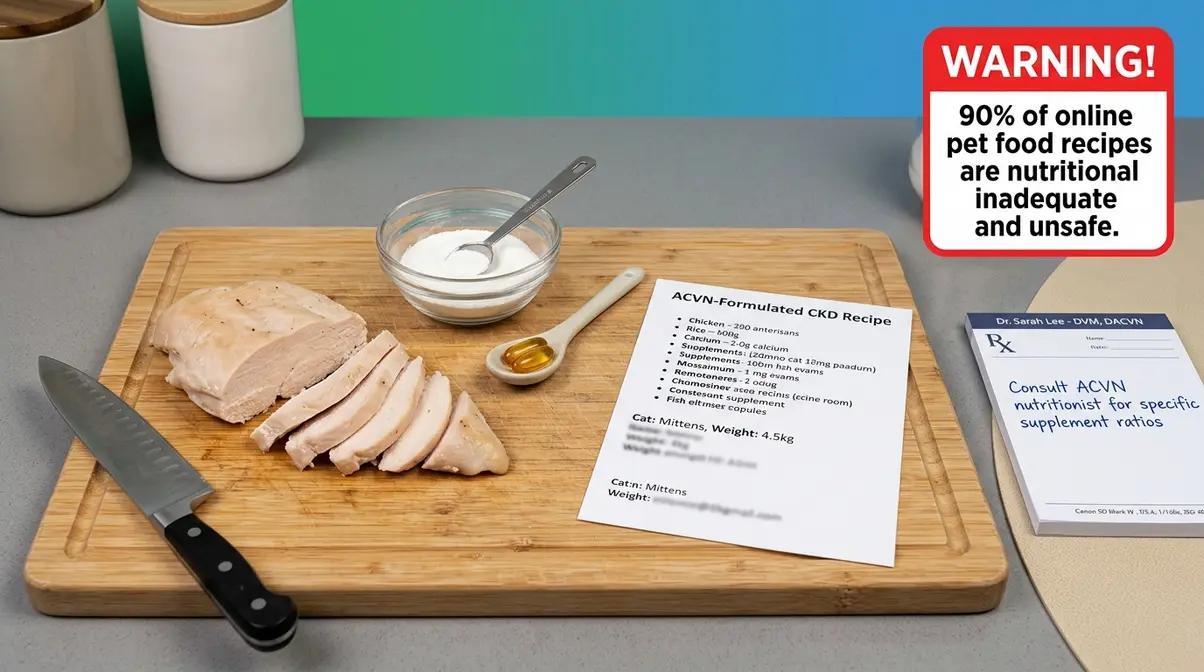
Homemade cat food for kidney disease is not inherently dangerous — but it is genuinely difficult to formulate correctly, and the consequences of getting it wrong are serious. Research indicates that over 90% of homemade pet food recipes found online are nutritionally inadequate — lacking essential nutrients, exceeding safe levels of others, or both. For a CKD cat, nutritional errors are not just suboptimal; they can accelerate disease progression.
That said, homemade diets have a legitimate role in CKD management when properly formulated. They can achieve precise phosphorus control, use ingredients with high biological availability, and — critically — be made in textures and flavors that a picky eater will accept when no commercial option succeeds. The key word is “formulated”: a recipe designed by a Board-Certified Veterinary Nutritionist (ACVN), not sourced from a website or social media group.
The Risks of Homemade Renal Recipes
The most common nutritional failures in homemade CKD recipes are:
Phosphorus imbalance: Many protein sources that seem “low phosphorus” are actually moderate-to-high on a DMB basis. Chicken thigh meat, for example, contains more phosphorus per gram than chicken breast. Organ meats (liver, kidney) are very high in phosphorus and should be severely limited or eliminated in CKD diets — yet they appear in many “natural” homemade recipes.
Taurine deficiency: Cats require dietary taurine (an amino acid found in animal tissue) for heart and eye health. Boiling or extended cooking destroys a significant portion of taurine in meat. Homemade recipes that do not supplement taurine can cause dilated cardiomyopathy within months.
Calcium-phosphorus imbalance: Meat alone (without bone) is very low in calcium and very high in phosphorus — the inverse of what a CKD cat needs. This imbalance must be corrected with calcium carbonate supplementation at precise levels. Getting the ratio wrong in either direction has serious consequences.
Missing B vitamins and potassium: As noted in the prescription diet section, CKD cats lose B vitamins and potassium through increased urination. Homemade recipes must supplement these specifically and at clinically appropriate doses.
A Safe Recipe Framework for CKD Cats
If you are committed to a homemade diet, the only safe path is through an ACVN consultation. The following framework is not a recipe — it is a structural outline of what a properly formulated CKD homemade diet must include. Use it as a checklist when evaluating any recipe a nutritionist provides.
Core protein source: Lean poultry (chicken breast, turkey) or rabbit. Low phosphorus-to-protein ratio. Avoid organ meats except in very small quantities. Lightly cooked to preserve taurine; do not boil.
Phosphorus binders (if needed): Calcium carbonate at vet-prescribed doses, added to food. This both corrects the calcium deficit and binds dietary phosphorus in the gut. Never use bone meal as a calcium source in a CKD diet, as it is incredibly high in phosphorus.
Essential supplements (mandatory): Taurine (500 mg per day minimum), B-complex vitamins, potassium (as potassium gluconate, dose per vet), omega-3 fatty acids (EPA/DHA from fish oil at anti-inflammatory doses), and a complete feline mineral supplement to address trace nutrient gaps.
Moisture target: Aim for a final moisture content of ≥70% — achieved by adding low-sodium broth or water to the food base.
A Board-Certified Veterinary Nutritionist can formulate a complete, balanced, CKD-appropriate homemade recipe through services like the Balance IT formulation tool or through the Tufts Clinical Nutrition Service’s consultation program. Expect to pay $200–$400 for a custom recipe — less than the cost of six months of prescription food, and far less than the cost of accelerated disease progression from a nutritionally inadequate diet.
Are Scrambled Eggs Safe for CKD Cats?
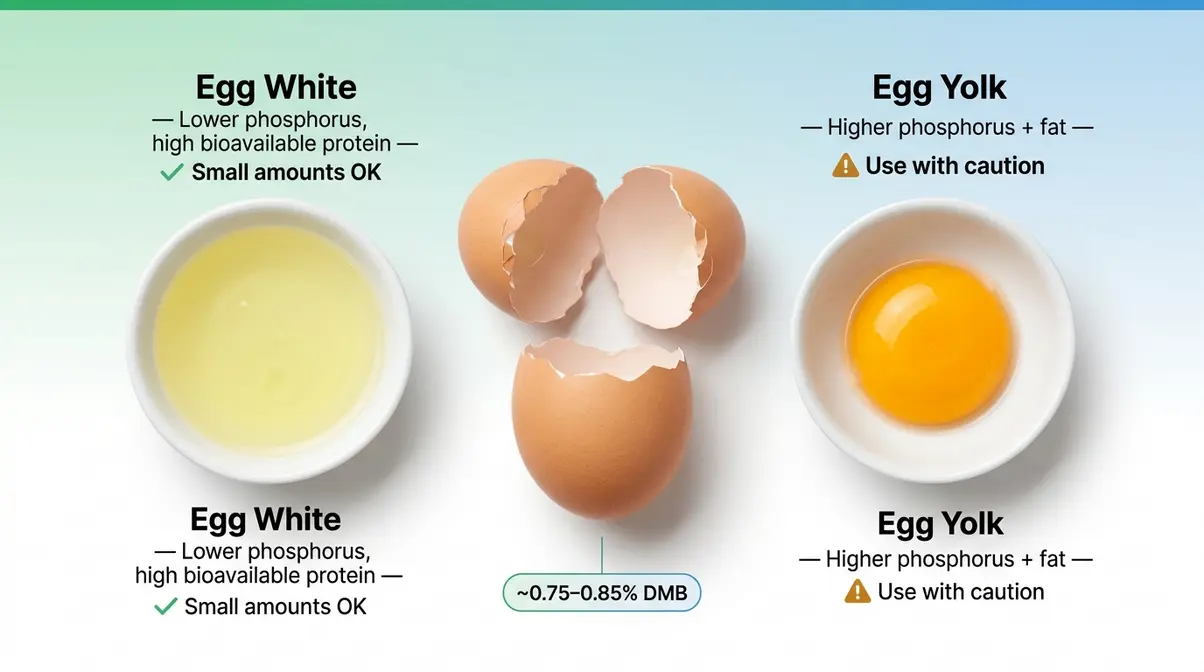
Scrambled eggs are a frequently asked-about food item in the CKD community, and the answer is nuanced. Eggs are an excellent source of highly bioavailable, complete protein — they contain all essential amino acids in near-ideal ratios for cats, and their digestibility means they generate fewer uremic waste products per gram of protein than many other sources. For a CKD cat who needs protein but cannot tolerate high uremic loads, eggs can be a useful component of the diet.
The concern is phosphorus. A single large egg contains approximately 95–100 mg of phosphorus, representing roughly 0.75–0.85% phosphorus on a DMB basis — above the target threshold for most CKD cats. Egg whites contain significantly less phosphorus than yolks (the yolk contains the majority of the egg’s phosphorus and fat). For CKD cats, egg white is preferable to whole egg: it provides high-quality protein at lower phosphorus load.
Practical guidance: Plain, lightly scrambled egg white (no salt, no butter, no milk) can be offered as an occasional protein supplement or appetite stimulant for CKD cats, in small quantities (1–2 tablespoons) and under veterinary supervision. It should not replace a balanced renal diet. Whole scrambled eggs, and eggs with added dairy, are not appropriate. Always discuss with your veterinarian before adding any supplemental food to a CKD diet.
Raw Diets and CKD Evidence
Raw diets for CKD cats are a topic of genuine controversy in veterinary nutrition, and the evidence does not support their use in most CKD cases. The concerns are specific:
Phosphorus content is uncontrolled. Raw meat diets, including commercial raw frozen foods, have highly variable phosphorus content that is not regulated to renal therapeutic standards. Even “low phosphorus” raw diets rarely achieve the ≤0.5% DMB threshold consistently.
Bacterial contamination risk is elevated. CKD cats are immunocompromised, making them significantly more susceptible to foodborne pathogens (Salmonella, Listeria, E. coli) present in raw meat. Both the American Veterinary Medical Association (AVMA) and WSAVA explicitly advise against raw diets for immunocompromised animals.
Bone content creates phosphorus spikes. Many raw diet frameworks include raw meaty bones for calcium supplementation. Bone is very high in phosphorus — the opposite of what a CKD diet requires.
Veterinary consensus does not support raw diets for cats with diagnosed CKD. If you are currently feeding a raw diet and your cat has been diagnosed with kidney disease, discuss transitioning to a therapeutic renal diet with your veterinarian as a priority.
Foods CKD Cats Should Avoid
Certain foods and ingredients are actively harmful to CKD cats and should be eliminated immediately upon diagnosis. This is not a nuanced “reduce gradually” situation — some of these items accelerate kidney damage with every serving.
High-Phosphorus Foods to Eliminate
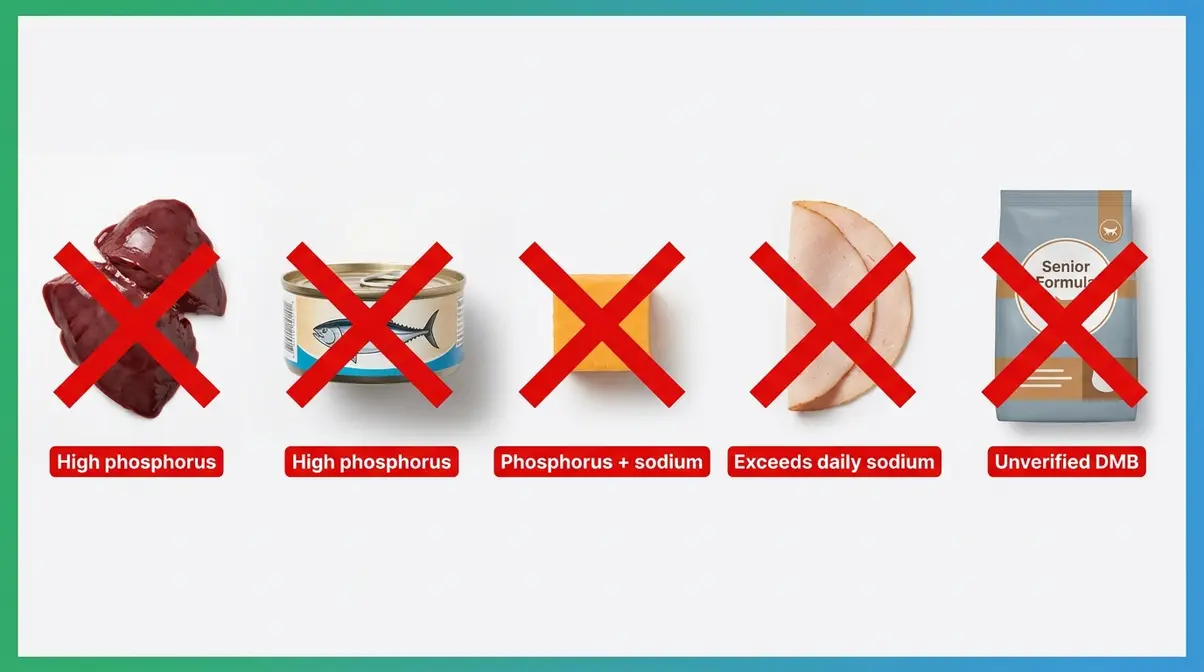
Organ meats (liver, kidney, heart): Organ meats are among the highest-phosphorus foods available. Liver can contain 3–4x the phosphorus per gram of lean muscle meat. Many “natural” and “ancestral” cat foods that include organ meats are inappropriate for CKD cats, regardless of their other nutritional qualities.
Fish-heavy cat foods: Fish — particularly sardines, mackerel, and tuna — are very high in phosphorus. Ironically, the omega-3 fatty acids in fish oil benefit CKD cats, but the phosphorus in fish flesh makes fish-heavy foods problematic. Prescription renal diets that include fish oil do so as a purified supplement, not as a whole-food ingredient. Fish-flavored OTC wet foods often have among the highest phosphorus DMB values in the non-prescription category.
Dairy products: Milk, cheese, and yogurt contain significant phosphorus and are also poorly digested by most adult cats (lactase deficiency is near-universal in adult cats). Cheese in particular — often given as a pill pocket for medications — contains high sodium and phosphorus. Use a low-phosphorus alternative pill pocket or ask your veterinarian about gel-based medication delivery options.
Bone broth (unless specifically low-sodium and bone-free): Commercial bone broth contains dissolved minerals from bones, including phosphorus. Low-sodium, vegetable-based broth or specifically formulated cat broths are safer options for adding moisture to food.
High-Sodium Foods to Avoid
Processed human foods: Cold cuts, canned tuna (human-grade), chips, crackers, and any seasoned human food should never be given to CKD cats. Sodium content in processed human foods is extremely high by feline standards — a single piece of deli turkey can contain more sodium than a CKD cat’s entire daily recommended intake.
“Senior” cat foods with high sodium: As noted in the hydration section, many commercial senior cat foods marketed as age-appropriate have sodium levels that significantly exceed the ≤0.3% DMB target for CKD cats. The “senior” designation on commercial cat food does not indicate renal suitability — it typically refers only to caloric and joint health adjustments.
Any food with added salt or “natural flavors” from high-phosphorus sources: Read ingredient lists carefully. “Natural flavors” can include phosphate-containing flavor enhancers that do not appear in the guaranteed analysis.
What Not to Feed a Cat with Kidney Disease?
Beyond specific ingredients, owners must avoid feeding commercial treats with unlisted phosphorus content. Most commercial cat treats are high in both phosphorus and sodium, and they are rarely formulated with CKD in mind. If treats are important for medication compliance or bonding, ask your veterinarian about low-phosphorus options. Hill’s and Royal Canin do not currently offer prescription renal treats; some owners use tiny pieces of cooked chicken breast (plain, no seasoning) as a low-phosphorus, high-protein treat alternative.
Additionally, avoid any diet change without veterinary guidance — even well-intentioned switches to “natural” or “raw” diets can dramatically increase phosphorus load. The safest rule: if a food is not on your veterinarian’s approved list and you cannot verify its phosphorus DMB is within range, do not feed it to your CKD cat.
Pitfalls and When to Call the Vet
Common Pitfalls in Feeding CKD Cats
Pitfall 1 — Relying on “senior” labeling: Senior cat food is not renal cat food. The two categories have different nutritional targets, and many senior foods have phosphorus levels that are actively harmful for CKD cats. Always verify phosphorus DMB rather than trusting age-related marketing claims.
Pitfall 2 — Calculating phosphorus from as-fed values only: The most common and consequential calculation error. A wet food with 0.15% phosphorus as-fed and 80% moisture has 0.75% phosphorus DMB — 50% above the OTC threshold. Always apply the DMB conversion formula before evaluating any food.
Pitfall 3 — Forcing an unaccepted prescription diet: A cat that consistently refuses to eat is in a worse metabolic state than a cat eating an imperfect but palatable food. If your cat has refused a prescription diet after a genuine 4-week transition attempt, discuss alternatives with your veterinarian rather than continuing to offer food that sits untouched.
Pitfall 4 — Stopping phosphate binders prematurely: Phosphate binders prescribed by your vet are not optional supplements — they are part of the treatment protocol. Many owners stop giving them because the cat resists. Discuss administration techniques with your vet; mixing binders into wet food is usually the most effective approach.
Pitfall 5 — Ignoring muscle condition alongside kidney values: Bloodwork monitoring CKD progression (BUN, creatinine, phosphorus) is essential, but it does not capture muscle wasting. Ask your veterinarian to assess your cat’s muscle condition score (MCS) at every visit — muscle loss is an independent mortality predictor in CKD cats.
When to Call the Vet Immediately
- Contact your veterinarian without delay if your CKD cat shows any of the following:
- Complete appetite loss for more than 24–48 hours
- Sudden increase in water consumption or urination
- Vomiting more than twice in 24 hours
- Visible muscle loss or rapid weight loss over 1–2 weeks
- Lethargy, hiding, or significant behavioral change
- Oral ulcers, drooling, or pawing at the mouth (signs of uremic ulceration)
These signs may indicate disease progression, uremic crisis, or concurrent conditions requiring immediate veterinary intervention. CKD management is an ongoing clinical relationship — dietary changes alone are not sufficient without regular monitoring of kidney function markers.
Frequently Asked Questions
What is the best food to give a cat with kidney disease?
The best food for a cat with kidney disease is a prescription renal diet — specifically Hill’s Prescription Diet k/d, Royal Canin Renal Support, or Purina Pro Plan Veterinary Diets NF — selected based on your cat’s IRIS stage and palatability preferences. These diets are specifically formulated to restrict phosphorus (≤0.4% DMB), moderate protein, supplement omega-3 fatty acids, and address the secondary deficiencies (potassium, B vitamins) that CKD causes. Research shows cats on therapeutic renal diets survive a median of 633 days compared to 264 days on standard food (Journal of Small Animal Practice, 2000). For early-stage CKD or cats who refuse prescription food, high-moisture OTC options with verified phosphorus ≤0.6% DMB can provide partial benefit under veterinary supervision.
What should cats with kidney disease avoid?
Cats with kidney disease should avoid high-phosphorus foods, high-sodium foods, and processed human food scraps. Specific items to eliminate include organ meats (liver, kidney), fish-heavy cat foods, dairy products, bone broth, and all commercial treats not approved by your veterinarian. Many “senior” cat foods also contain phosphorus levels above the safe threshold for CKD cats — always verify phosphorus DMB rather than relying on age-related labeling. Sodium targets for CKD cats are ≤0.3% DMB; processed human foods routinely exceed this by 5–10 times in a single serving.
What kind of cat food is good for cats with kidney failure?
Wet food is strongly preferred over dry food for cats with kidney failure, because its 75–80% moisture content directly addresses the dehydration risk that worsens as kidney function declines. Within the wet food category, prescription renal diets are the gold standard — they achieve phosphorus levels of 0.29–0.31% DMB that over-the-counter foods cannot consistently match. For cats in kidney failure (Stage 4), palatability becomes the overriding clinical concern: a cat that eats an imperfect diet is better off than a cat that eats nothing. Royal Canin Renal Support A is specifically formulated for palatability in late-stage CKD. Always work with your veterinarian to balance nutritional targets with actual food intake.
How long can cats live with chronic kidney disease?
Cats with CKD can live months to years depending on the stage at diagnosis and the quality of management. Cats diagnosed at Stage 1–2 and placed on appropriate renal diets have a median survival of 1,151 days (Journal of Veterinary Internal Medicine, 2008) from the time of diagnosis according to some studies, while Stage 4 cats have a median survival measured in weeks to months. The 633-day survival advantage for cats on renal diets versus standard food demonstrates that dietary management is one of the most powerful tools available for extending quality life. Regular veterinary monitoring, blood pressure management, and supportive care alongside appropriate nutrition give cats the best possible prognosis.
What are 5 foods to avoid for kidney disease in cats?
The five highest-priority foods to eliminate for a cat with kidney disease are: (1) Organ meats (liver, kidney, heart) — extremely high phosphorus, 3–4x that of lean muscle meat; (2) Fish-heavy cat foods — high phosphorus despite beneficial omega-3s; (3) Dairy products (milk, cheese, yogurt) — high phosphorus and sodium, poorly digested by adult cats; (4) Processed human foods (cold cuts, canned human tuna, seasoned meats) — sodium levels that exceed a CKD cat’s entire daily safe intake in a single serving; (5) Commercial “senior” cat foods with unverified phosphorus — frequently exceed 0.8% phosphorus DMB despite age-related marketing claims. Always verify DMB values and consult your veterinarian before introducing any new food.
4-Step Action Plan for Feeding CKD Cats
Feeding a cat with kidney disease is not a single decision — it is an ongoing management process that evolves as the disease progresses. For concerned cat owners who have just received a CKD diagnosis, the Phosphorus-First Protocol provides a clear, evidence-based framework: restrict phosphorus before all other interventions, confirm that any food meets the DMB threshold for your cat’s stage, prioritize moisture, and work with your veterinarian to monitor and adjust.
Cats on therapeutic renal diets live more than twice as long as cats on standard maintenance food. That survival advantage is built one meal at a time, and the decisions you make in the next four weeks — how you transition your cat, which food you select, and whether you apply the DMB conversion formula rather than trusting label marketing — will have a measurable impact on your cat’s prognosis. Choosing the best cat food kidney disease formulation for your pet takes patience, but the results are undeniable.
Your 4-Step Action Plan:
Step 1 — Get IRIS staged. If your veterinarian has not yet assigned an IRIS stage, request it. The stage determines which phosphorus threshold applies, whether prescription food is recommended, and how aggressively other interventions (phosphate binders, blood pressure medication, fluid therapy) are warranted.
Step 2 — Apply the Phosphorus-First Protocol to your current food. Before buying anything new, calculate the DMB phosphorus of what your cat is eating now. If it exceeds 0.5% DMB (or 0.4% for Stage 3+), you have identified the most urgent change to make.
Step 3 — Begin the 4-week transition. Day 1–7: 75% old food, 25% new renal food. Day 8–14: 50/50. Day 15–21: 25% old food, 75% new renal food. Day 22–28: 100% new renal food. If your cat refuses at any stage, hold at the previous ratio for an additional 3–5 days before advancing. Warming food to approximately 100°F significantly improves acceptance.
Step 4 — Schedule a 30-day recheck. A bloodwork recheck 4 weeks after the dietary transition allows your veterinarian to assess whether phosphorus levels are improving and whether any supplementary interventions (phosphate binders, potassium supplementation) are needed.
The goal is not a perfect diet that your cat refuses — it is the best diet your cat will consistently eat, with the phosphorus profile verified and the moisture content maximized. That combination, sustained over time, is what the survival data reflects.

Dave King
Cat owner and writer at Mad Cat Man.