How to Stop a Cat From Scratching Furniture: A Practical, Humane Guide

How to Stop a Cat From Scratching Furniture: A Practical, Humane Guide
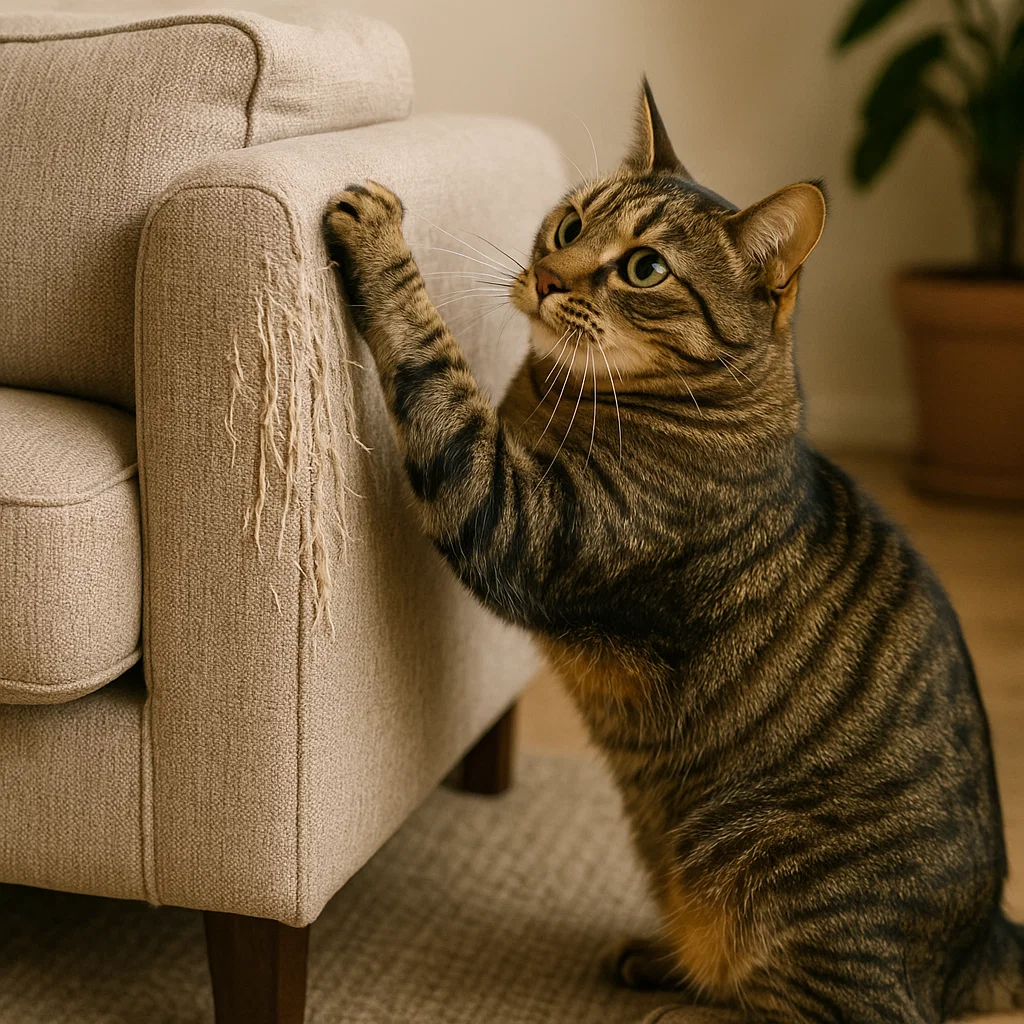
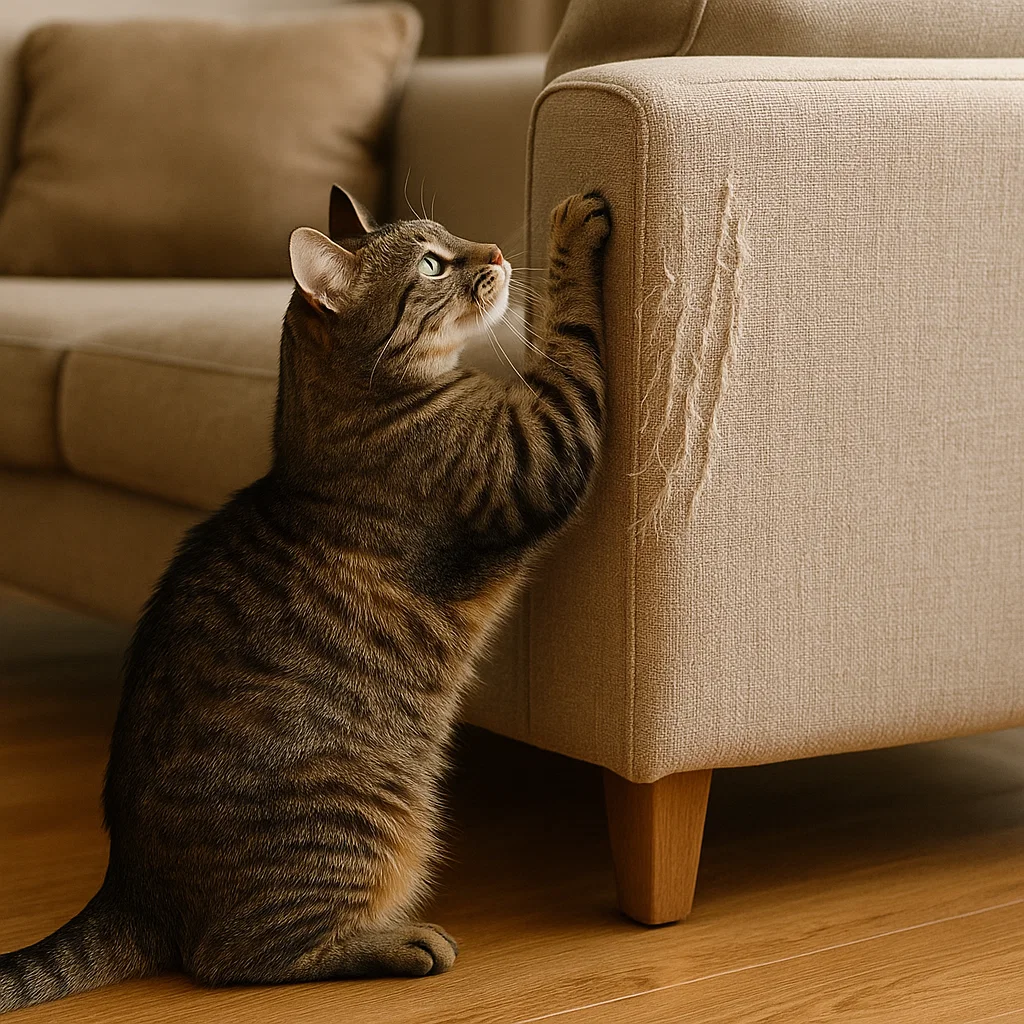
Cats scratching furniture is one of the most common and frustrating behavior issues faced by cat owners. But it’s not because your cat is trying to drive you mad – scratching is a natural feline behaviour. The goal is to redirect and manage that behaviour so both you and your cat can live in harmony. This Mad Cat Man guide covers evidence-based strategies, real-world examples, and subtle behaviour insights so you can protect your furnishings without harming your cat’s emotional or physical well-being.
Why Cats Scratch Furniture

Before you try to stop it, it helps to understand why cats scratch furniture in the first place. Several reputable sources and recent research confirm:
- Communication & marking: Scratching deposits scent and visual marks used to communicate with other cats. Zoetis Petcare+2Cornerstone Veterinary Clinic+2
- Exercise & stretching: Scratching allows cats to stretch muscles, especially along the back, shoulders, and forelimbs. indoorpet.osu.edu+1
- Nail maintenance: Scratching helps shed the outer sheath of claws and keeps them in good condition. Zoetis Petcare+1
- Stress, boredom or environmental triggers: Studies indicate that scratching behavior increases under environmental stressors (noise, changes, multiple pets) or when cats lack outlets for energy. Science Focus+2Frontiers+2
- Habit & preferred texture: Cats often persistently target spots they’ve scratched before, due to scent or surface texture memory. Purina+2Cornerstone Veterinary Clinic+2
In a large behavioral survey, owners reported that unwanted scratching decreases when the home includes more enrichment, scratching options, and restricted access to vulnerable areas. PMC
So your strategy must include both positive alternatives and management of triggers.
Key Principles: What Top Experts and Research Recommend
- Provide appealing alternatives rather than just forbidding scratching. PMC+2PMC+2
- Location and surface matter: The best scratching posts are tall, stable, and covered with textures cats prefer (sisal rope, rough fabric). Humane World for Animals+2indoorpet.osu.edu+2
- Reduce stress and enrich environment: Play, hiding spots, vertical space, and controlled noise levels help lower compulsion to scratch. Frontiers+2Science Focus+2
- Use deterrents smartly and humanely: Sticky tape, citrus sprays, or furniture covers can discourage scratching where it’s unwanted. PetMD+2Bond Vet+2
- Trim nails and consider claw caps: Keeping claws shorter reduces damage and may reduce scratching urgency. Zoetis Petcare+2oregonvma.org+2
Step-by-Step Strategy: How to Stop a Cat from Scratching Furniture
Provide and Position Suitable Scratching Surfaces
- Select varied types
- Vertical posts at least 30–32 inches tall so your cat can stretch fully. Humane World for Animals+1
- Horizontal scratch pads or mats (cats that scratch carpets may prefer flat surfaces). indoorpet.osu.edu+1
- Ensure stability
Weak, wobbly posts deter use. The base must be solid or anchored. PMC+1 - Match texture to preference
Many cats favor sisal rope, corrugated cardboard, coarse fabrics. Try different ones to find what your cat prefers. PMC+2indoorpet.osu.edu+2 - Place near furniture they currently scratch
Position new scratchers adjacent to problem furniture as transitional alternatives. nepm.org+2Zoetis Petcare+2 - Gradual relocation
Once your cat accepts using the scratcher, gently shift it toward a preferred long-term position.
Make Furniture Less Attractive
- Covers & wraps: Drape plastic sheeting, aluminum foil, or tightly fitted blankets over surfaces during training phase. catwisdom101.com+2Bond Vet+2
- Sticky deterrents: Double-sided tape or sticky mats feel unpleasant to cats. ASPCA+2Bond Vet+2
- Scent deterrents: Citrus or cat-safe sprays (e.g. diluted orange, lemon) applied lightly (test fabric first). Many cats dislike these smells. PetMD+2Zoetis Petcare+2
- Clean previous scratch zones: Use enzymatic cleaners to remove residual scent, which may attract repeat scratching. Purina+2Zoetis Petcare+2
Trim Claws and Use Nail Caps (If Suitable)
- Trim nails regularly (every few weeks): shorter claws do less damage. Zoetis Petcare+2oregonvma.org+2
- Soft nail caps: Vinyl claw caps are a non-surgical way to reduce damage. Replace as nails grow. Wikipedia
Enrich Environment & Reduce Stress
- Scheduled play sessions: Short, engaging play using wand toys or laser pointers mimic hunting and decrease destructive scratching. Frontiers+2Zoetis Petcare+2
- Vertical space & hideouts: Cat trees, shelves, safe perches give alternative options for stretching and observation. Frontiers+1
- Predictable daily routine: Feeding, play, and rest on a schedule reduce anxiety-driven scratching.
- Sound & environment control: Loud noise, children, or irregular routines may contribute to scratching. Creating quiet zones helps. Science Focus+1
Positive Reinforcement & Redirection
- When your cat uses a scratcher, reward immediately with praise, petting, or treats. Zoetis Petcare+2PMC+2
- If you see your cat starting to scratch furniture, gently interrupt (no punishing), and place them on the scratcher to finish. Cornerstone Veterinary Clinic+2Zoetis Petcare+2
- Use feline facial pheromone diffusers (e.g., Feliway) near furniture to create a calming environment and discourage marking. A 2024 study highlighted that synthetic pheromones can reduce scratching behavior. Earth.com+1
Be Patient and Consistent
Behavior change takes time. Studies show that owners who provide more scratching options, restrict access to problem items, and use reinforcement report fewer inappropriate scratching incidents. PMC
Avoid punishment: yelling, sprays, or tapping may provoke fear or worsen stress-related scratching. PetMD+2Zoetis Petcare+2
Sample Routine to Implement Over a Month
| Week | Focus | Actions |
|---|---|---|
| Week 1 | Provide alternatives + block furniture | Place scratchers next to furniture; cover couch arms; tape sticky strips |
| Week 2 | Encourage use | Reward any use of scratchers; trim claws; remove one cloth barrier |
| Week 3 | Expand scratcher placements | Gradually move scratchers to optimal locations; reduce furniture deterrents |
| Week 4 | Maintain & refine | Monitor, adjust textures, keep grooming, reinforce good use |
When To Consult a Behaviorist or Vet
If after several weeks your cat continues intense scratching despite efforts, consider:
- Medical causes: arthritis, skin irritation or pain may lead to over-scratching.
- Behavioral consultant or veterinary behaviorist: for tailored intervention strategies.
- Evaluate declawing alternatives: Understand that declawing (onychectomy) is widely condemned for welfare reasons. Veterinary associations and welfare groups advocate for non-surgical interventions. Wikipedia
FAQ – Featured Snippet Style
Can I stop a cat from scratching furniture completely?
No — scratching is natural. But you can redirect it to acceptable surfaces and minimize damage through training, deterrents, and environmental enrichment.
What type of scratching post works best?
Tall (≥ 30 in), stable, non-wobbly posts covered in sisal rope or rough fabric often attract cats most. Humane World for Animals+2indoorpet.osu.edu+2
Do scents like citrus really deter cats?
Many cats dislike citrus scents. Spraying diluted citrus or using cat-safe citrus deterrent products can discourage scratching of furniture. PetMD+1
Are sticky tapes or furniture covers safe?
Yes — double-sided tape, plastic sheeting, or furniture wraps are safe deterrents when used temporarily while training. ASPCA+2Bond Vet+2
Will trimming claws help?
Yes — shorter claws reduce damage and may reduce the urgency of scratching. Combine with other strategies. Zoetis Petcare+2oregonvma.org+2
How long does it take to break the scratching habit?
It varies, but consistent use of positive reinforcement, deterrents, and good scratching options over 4–8 weeks often yields noticeable improvements.
Conclusion & Next Steps

Stopping your cat from scratching furniture is about redirection, enrichment, and understanding—not suppression or punishment. Offer appealing scratchers, make furniture unattractive to claws, reduce stress, and reinforce behavior gently and consistently.
Over time, your cat will shift preference to “legal” scratching zones, and your furniture can remain safe and intact. The key is patience, observation, and adapting techniques to your cat’s individual preferences.

Dave King
Cat owner and writer at Mad Cat Man.