
Table of Contents
- Why Persian Coats Matt and How to Prevent It
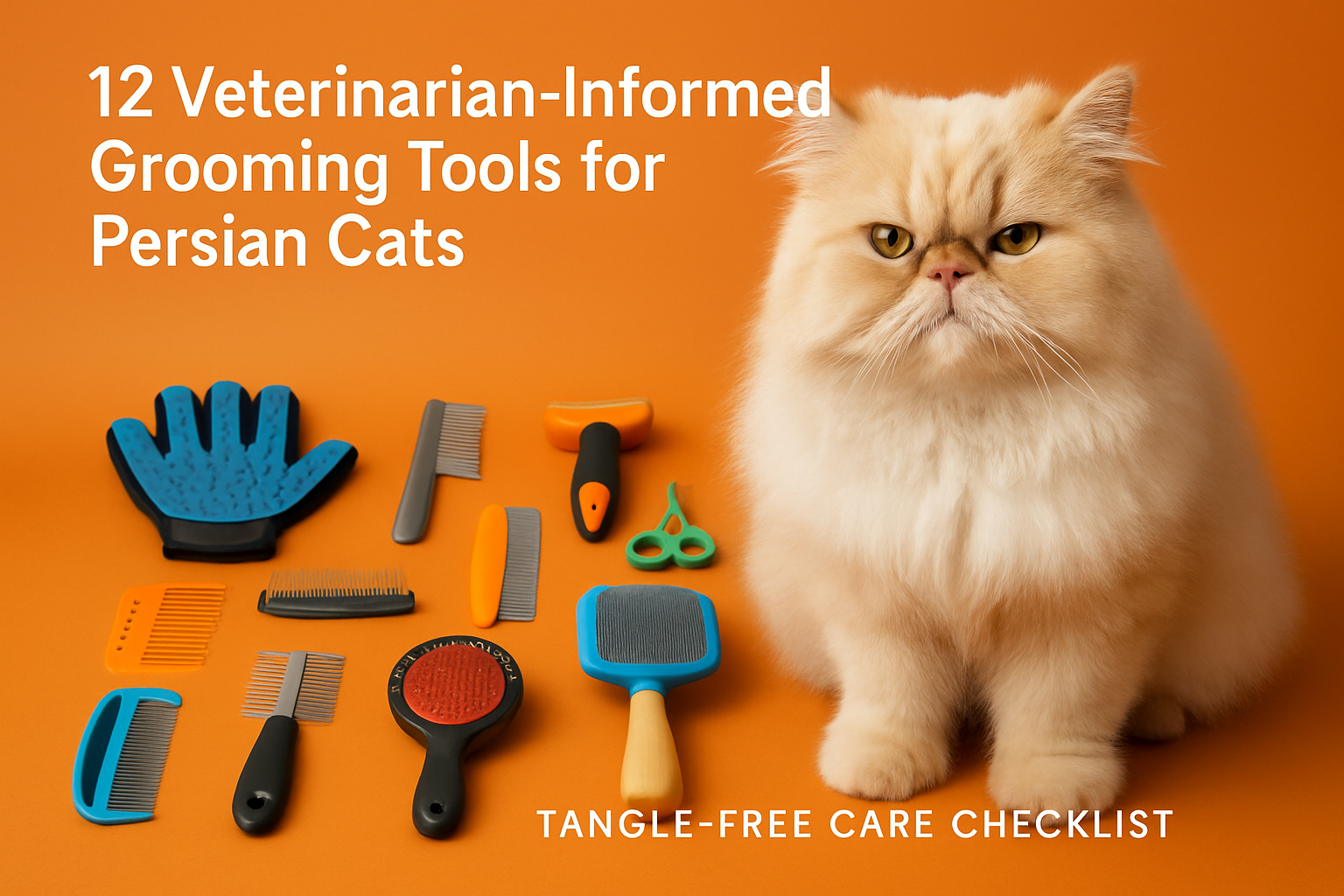
- 12 Veterinarian-Informed grooming tools for Persian cats
- How to Choose the Right Tool for Your Persian’s Coat and Temperament
- Step-by-Step Tangle-Free Care Checklist
- Pro Tips, Safety, and Veterinary Insights
- Budget versus Premium: What to Buy First
- Why Trust Mad Cat Man for Persian Grooming Advice
This blog post may contain affiliate links. As an Amazon Associate I earn from qualifying purchases.
If you have been hunting for grooming tools for persian cats and feeling lost in a sea of brushes, blades, and buzzwords, pull up a chair and exhale because you are among friends here. Persian coats are glorious, but all that glory means daily upkeep, and the right kit can spare you emergency dematting sessions and stressful salon visits while keeping your cat comfortable and your furniture less fur-coated. When I adopted my first Persian, I thought a single cute brush would do, then learned quickly that a proper routine is a mix of smart tools, calm handling, and predictable steps that your cat can count on. This guide collects veterinarian insights, real-world routines from long-haired cat owners, and Mad Cat Man’s hands-on testing and research so you can shop once, use confidently, and prevent mats before they even think about forming.
Affiliate disclosure: Some links in this article are affiliate links. If you purchase through these links, Mad Cat Man may earn a commission at no extra cost to you. Our recommendations are based on hands-on testing, research, and experience; we aim to be transparent and prioritize safety and effectiveness.
Why Persian Coats Matt and How to Prevent It
Persian fur is a double coat, which means a dense, downy undercoat topped by longer guard hairs that look runway ready but trap loose hair and micro-tangles as your cat naps, plays, and grooms, so mats often begin invisibly near the skin where moisture and friction happen. Think of it like earbuds in a pocket, where tiny loops silently knot until one day you pull out a cable-shaped sculpture and wonder how nature pulled that off, so the secret is interrupting those tiny loops daily before they spiral. Veterinary professionals warn that mats do more than look untidy, because they tug at skin, hide rashes, and can foster infections, and they also increase hairball risk as cats swallow more loose fur while self-grooming. A daily micro-session plus a weekly deeper pass is a proven recipe for long-haired breeds, and with the right tools and sequence, you will be able to glide through the coat in minutes without pulling, drama, or bargaining with treats like you are at a flea market for cooperation.
12 Veterinarian-Informed grooming tools for Persian cats
Below are the pieces commonly recommended by veterinary professionals and experienced groomers, organized to prevent rather than just react to mats, with safety-first picks for faces, armpits, and sensitive bellies. Each tool earns its keep by having a clear job, whether that is finding hidden webbing close to the skin, lifting undercoat shed without scratching, or blending a sanitary trim so it looks tidy and never choppy, and for each item you will see what it does, when to use it, and why your Persian will tolerate it. If your cat is new to grooming, introduce one tool at a time and keep sessions short while pairing with low-key praise and high-value rewards so that your cat builds a positive association fast. Keep reading for a selector table and a practical step-by-step routine that strings these together into a five to fifteen minute plan you can actually stick to on busy weekdays and lazy Sundays alike.
Watch This Helpful Video
To help you better understand grooming tools for persian cats, we’ve included this informative video from Cats. It provides valuable insights and visual demonstrations that complement the written content.
- Stainless steel Greyhound comb with coarse and fine teeth — The gold standard for long coats, the coarse side scouts for snags and the fine side finishes and finds tiny tangles behind ears, armpits, and the ruff without scraping skin when used with a light wrist.
- Soft cushioned slicker brush — Use a gentle, curved-pin slicker to lift shed from the undercoat on shoulders, flanks, and thighs, and always angle the pins so they kiss the coat rather than poke the skin.
- Undercoat rake for long fur — A wide-tooth, rounded-pin rake removes loose undercoat efficiently on the back and sides, reducing bulk and future knots while avoiding the fragile belly and armpit areas.
- Dematting comb with protected blades — For mild, surface-level mats, a safety dematter cuts through the tangle from the outside in small, patient strokes; do not use on tight skin mats and never saw at the skin.
- Boar-bristle finishing brush — A soft natural bristle brush smooths and distributes skin oils for a sleek finish after combing, adding shine and reducing static that encourages re-knotting.
- Rounded-tip grooming scissors — Blunt tips are non-negotiable for trimming fuzz mats on paw tufts, around the chest bib, and anywhere near skin folds where a sudden wiggle could be risky.
- Thinning shears for blending — Use to soften any scissor lines on sanitary trims or around the pantaloons, creating a natural look that will not catch and re-mat.
- Low-vibration clippers designed for cats — A quiet, cordless unit helps with sanitary areas, belly fluff, and inner thighs, and always hold skin taut and work with guards where possible for safety.
- Scissor-style cat nail clippers — Short, frequent trims prevent snagging during comb-outs and reduce defensive kicks, and trim only the clear tip to avoid the quick that houses nerves and blood vessels.
- Styptic powder or gel — Keep nearby for accidental nail nicks during trims so you can stop bleeding fast and keep the session calm and uneventful.
- Fine-tooth face and eye comb — A tiny, gentle comb is perfect for whisker pads and the bridge of the nose, collecting gunk that can glue hair and create tiny mats right under the eyes.
- Eye-safe tear stain wipes or sterile pads — Daily face care matters for Persians with flatter profiles, and a gentle, fragrance-free wipe softens buildup so hair stays clean and separates instead of clumping.
How to Choose the Right Tool for Your Persian’s Coat and Temperament
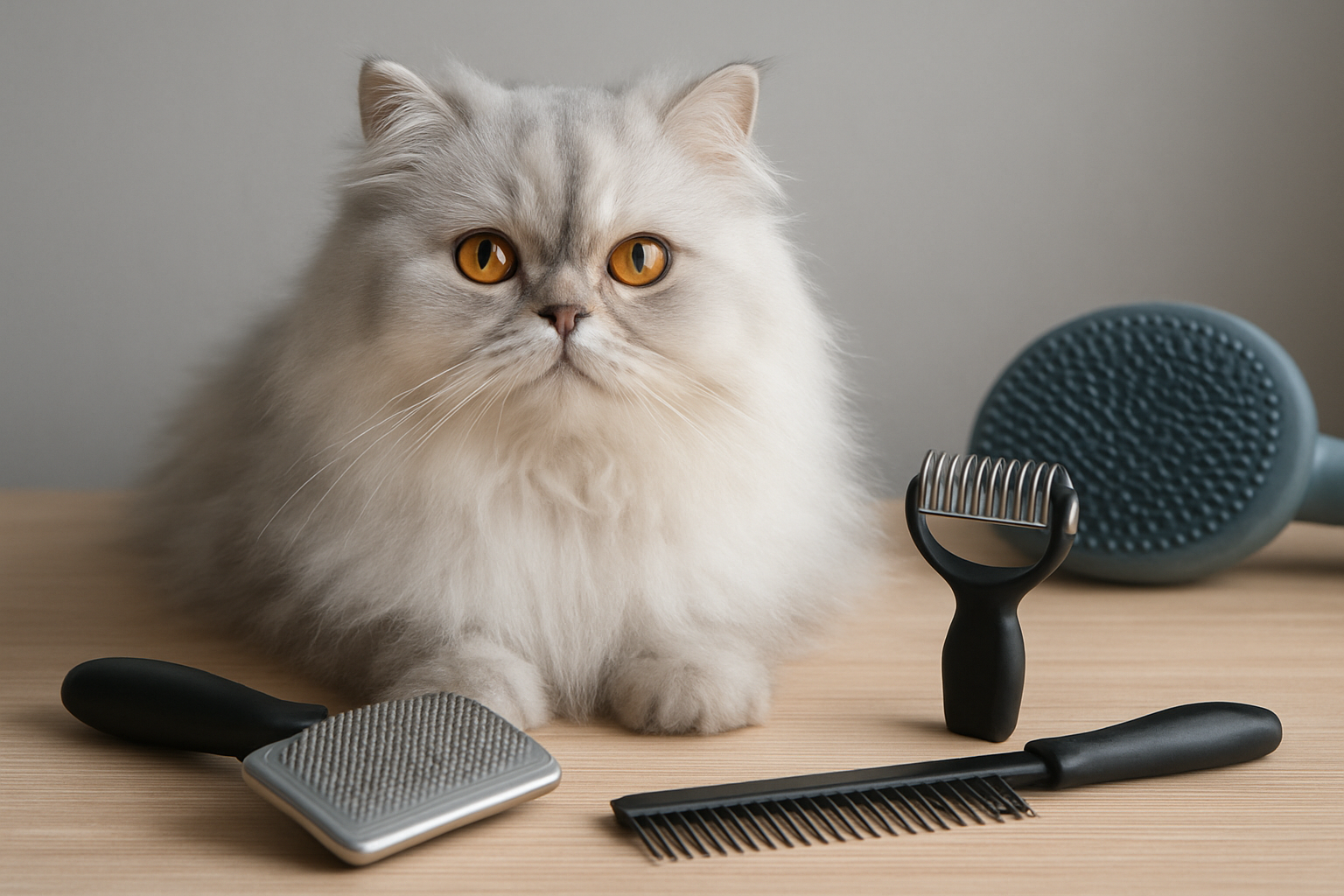
Not every Persian coat reads the same under the comb, because some cats carry a plush, cottony undercoat that tangles if you look at it wrong while others boast a silkier, sparser texture that resists knots where the problem is more loose shed than true mats. Temperament matters just as much as texture, so if your cat startles easily, you will want quieter tools, shorter sessions, and extra finishing passes with softer implements that feel like petting, which builds trust and lets you go deeper over time. A simple rule is to scout with the Greyhound comb and follow with the slicker or rake only where needed, because this reduces overbrushing while focusing on friction zones like armpits and pantaloons where mats hatch. Use the small face comb and wipes daily to keep the front clean and dry, keep clippers for sanitary maintenance and emergency mat rescue only, and if you hit resistance or see skin tugging, step back and switch to snips or call a professional groomer or your veterinarian for guidance.
| Coat or Behavior Concern | Best Tool Choice | Use Tip | Avoid |
|---|---|---|---|
| Plush, cottony undercoat that mats fast | Greyhound comb, dematting comb, soft slicker | Comb first, then slicker gently; demat only from edges | Hard, scratchy slickers that dig at skin |
| Silky coat with lots of shed but few mats | Undercoat rake, boar-bristle finisher | Short rake passes with light pressure, finish to smooth | Aggressive dematting blades when there are no mats |
| Nervous or sound-sensitive cat | Quiet tools, comb, bristle brush | Micro-sessions under five minutes, frequent treats | Loud clippers and long sessions that exhaust patience |
| Eye discharge and face clumping | Fine face comb, tear-safe wipes | Wipe first to soften, then comb outward gently | Perfumed wipes or yanking sticky fur |
| Sanitary and belly maintenance | Rounded scissors, low-vibration clippers | Trim in good light with a helper, skin taut | Freehand sharp points near moving skin |
Step-by-Step Tangle-Free Care Checklist
Consistency beats intensity with Persian grooming, so think of your routine like coffee and keys, a tiny ritual that starts every day right and a slightly deeper clean a couple of times per week, with a monthly maintenance pass to catch anything you missed. The trick is sequencing, because when you wipe and detangle before you comb, and then finish with a soft brush that smooths cuticles and redistributes oils, you not only prevent knots but also make the coat lay flatter which reduces snagging. Set up a grooming station with a mat, your combs, wipes, and treats within reach, then move in a predictable pattern so your muscle memory does the heavy lifting when your cat is wiggly. If you run into a stubborn knot, resist the urge to pull because pulling makes your cat hate grooming and can bruise the skin under the mat, and instead break it into smaller bits with the dematting comb or rounded scissors, or book a professional for tight, skin-near mats that need expert hands.
- Daily face care — Use an eye-safe wipe to soften discharge, then the small face comb to lift and separate hair outward from the eyes and nose bridge.
- Quick body scout — With the Greyhound comb, go with the grain from neck to tail, then check behind ears, armpits, inner thighs, and pantaloons for snags.
- Light slicker or rake — If the comb glides, do two or three gentle passes with a soft slicker or undercoat rake where shed builds, skipping belly and armpits.
- Mini demat only if needed — For small surface mats, use the dematting comb from the outside in short strokes; stop if the skin moves or your cat protests.
- Finish and fluff — Smooth everything with the boar-bristle brush to settle the coat and reduce static, which keeps tangles from boomeranging.
- Weekly extras — Trim nails with scissor clippers, tidy paw tufts, and consider a quick sanitary touch-up with rounded scissors or quiet clippers.
- Monthly checkup — Part the fur in good light to inspect skin for redness, flakes, or hotspots, and schedule a professional groom if you find tight mats or irritation.
| Task | Daily | Twice Weekly | Weekly | Monthly |
|---|---|---|---|---|
| Face wipe and comb | Yes | — | — | — |
| Greyhound comb pass | Yes | — | — | — |
| Slicker or rake | — | Yes | — | — |
| Nail trim | — | — | Yes | — |
| Sanitary tidy | — | — | Yes | — |
| Skin and coat audit | — | — | — | Yes |
Pro Tips, Safety, and Veterinary Insights
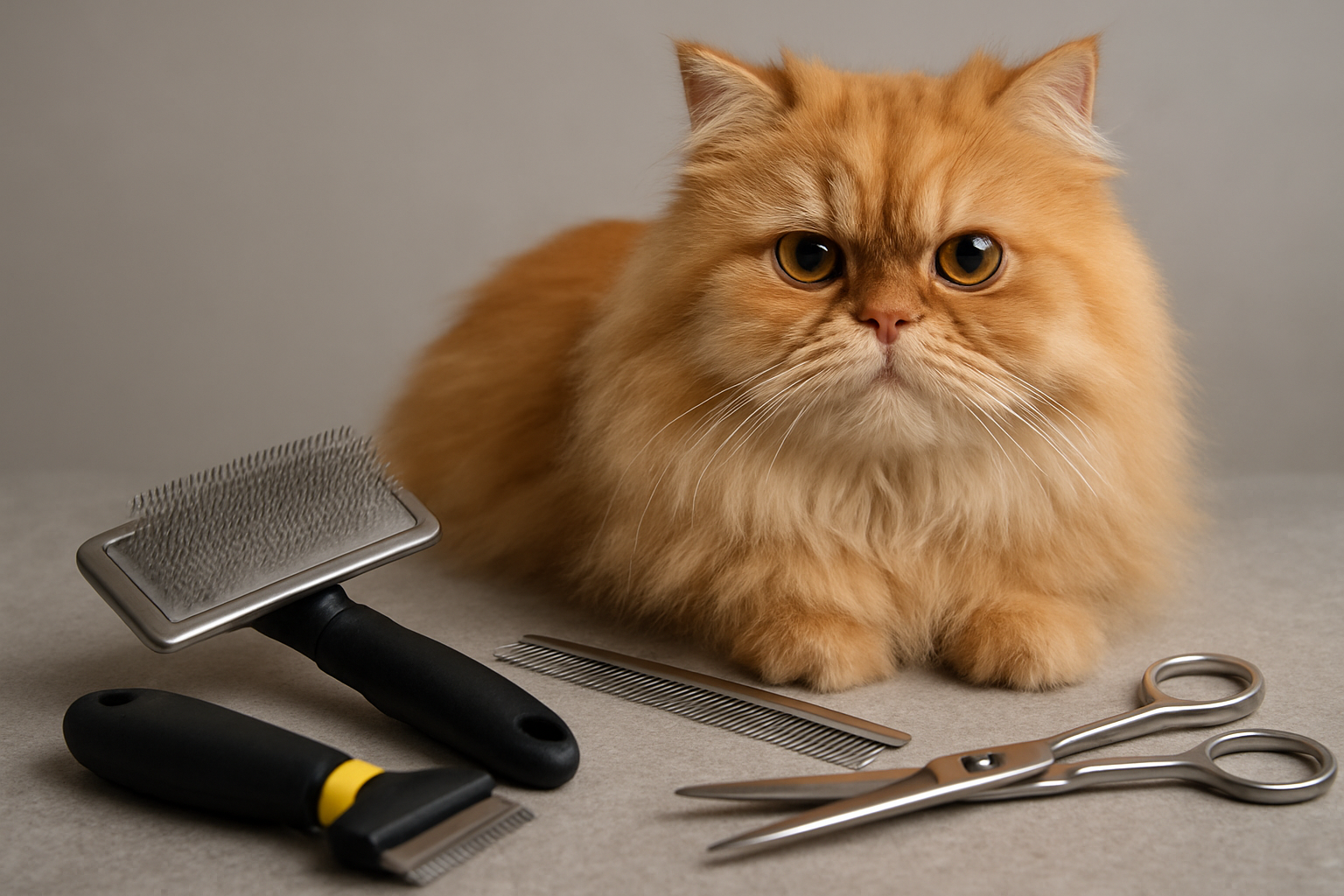
Guidance from veterinary dermatology generally emphasizes that prevention is kinder than correction, so aim for short, positive sessions and keep skin in mind because mats form at the skin level first where friction and moisture live, and that is why your touch, angle, and tool choice matter as much as the tool itself. Keep a treat your cat adores nearby and end every session on a win, even if the win is only two clean swipes with the face comb, because confidence compounds and tomorrow your cat will surrender another inch, and in one month, a whole flank. When you find a stubborn mat, sandwich it with your fingers to protect the skin and nibble at the outer edge with a dematting comb or thinning shears until it releases, never yanking because that just converts one problem into two. If your cat shows persistent redness, dandruff, or pain on touch, pause the routine and consult a veterinarian or professional groomer because there may be an underlying skin condition, allergies, or pain elsewhere that is turning grooming into a fight rather than a cooperative ritual.
- Work on a non-slip mat at waist height so your posture is steady and your cat feels secure without sliding.
- Comb in small sections and hold hair above the comb like you would detangle a child’s hair, which prevents tugging at the roots.
- Use good light and part the hair to the skin to check progress, especially behind ears and at the base of the tail where tiny mats hide.
- Keep clippers for sanitary areas or extreme cases, and let a professional handle tight, felted mats that trap skin to avoid accidental cuts.
- Pair grooming with a favorite routine like after breakfast so your cat recognizes the pattern and relaxes faster.
Budget versus Premium: What to Buy First
New or uncertain owners often ask what to buy today and what can wait, and the answer is that three essentials handle eighty percent of Persian grooming, then you can add specialty tools as you learn your cat’s coat and personality. Start with the Greyhound comb, a soft slicker, and face wipes because this trio catches early tangles, clears shed, and keeps the most sensitive area clean, and then layer in a dematting comb, bristle finisher, and nail clippers once you are comfortable. If you plan any sanitary or belly maintenance at home, invest in rounded scissors first and then a quiet clipper later, and remember that quiet matters more than raw power for feline comfort. Mad Cat Man tests tools across price points and catalogs them in easy-to-browse categories so you can pick a budget-friendly starter set or go premium where it counts, and our product reviews call out comfort, noise, and safety design rather than only looks because your cat does not care about color as much as gentle performance.
| Budget Tier | Must-Buy First | Add Next | Nice-to-Have | Why It Works |
|---|---|---|---|---|
| Budget Friendly | Greyhound comb, face wipes | Soft slicker | Rounded scissors | Covers daily face care and basic detangling without overbuying. |
| Mid-Range | Greyhound comb, soft slicker | Dematting comb, nail clippers | Boar-bristle finisher | Handles early mats, shed control, and routine paw and nail care. |
| Premium | Quiet cordless clippers, Greyhound comb | Thinning shears, slicker | Professional-grade bristle brush | Salon-level control for sanitary trims and a camera-ready finish. |
Why Trust Mad Cat Man for Persian Grooming Advice
Mad Cat Man is run by experienced cat owners and animal enthusiasts who live with long-haired breeds and test tools in real homes where cats have moods, thresholds, and opinions about everything, and we organize that experience into clear guides so you can act with confidence. Our reviews and buying recommendations prioritize safety features, noise, and ergonomics, and our behavior tips show you how to introduce new tools without drama, while our health and preventive care guides cover nail safety, skin checks, microchipping, worming, and dental basics so you see the whole cat rather than just the coat. Breed-focused articles, like Persian and Maine Coon comparisons, put coat care into context, and our safety and suitability content helps you pick items like humidifiers and cat-safe plants that indirectly support healthy skin and fur. If you are a first-time pet parent or simply overwhelmed, our how-to tutorials and shopping checklists break grooming into bite-size steps, with everything indexed into easy categories so you can find what you need in two clicks and spend the rest of your time where it belongs, playing with your cat.
Here is a quick mini case study from our inbox to make this real, because Jess adopted a two-year-old Persian with a cotton-soft coat that knotted behind the ears every week, and she felt guilty and nervous because grooming time became a wrestling match both of them dreaded. She swapped her stiff slicker for a softer one, started every session with a face wipe then a Greyhound comb scout, and moved to a two-day rhythm of short sessions instead of one weekend marathon, and within three weeks, armpit mats stopped appearing and grooming went from fifteen grumpy minutes to five calm ones. The magic was not a single miracle tool but sequence and fit, because the comb found tangles while the slicker only followed on shed-heavy areas, and the bristle finisher made the coat lie smooth so friction never built a knot in the first place. That is the heartbeat of our approach at Mad Cat Man, helping you choose fewer, better tools and a repeatable plan so grooming feels like caretaking rather than a chore you dread, and your Persian learns to relax because every step is predictable, gentle, and rewarded.
Ready for the most practical part, a shopping snapshot that mirrors the checklist so you can fill gaps without guesswork and avoid buying duplicates that live in a drawer and never see fur. If your toolkit already includes the Greyhound comb, upgrade your slicker to a soft, cushioned head if your cat flinches, add a face comb if eye gunk glues whisker pads, and keep styptic within reach so nail sessions stay drama-free even when mistakes happen. If you think you need clippers for a belly mat today, try the sandwich-and-snip technique with rounded scissors first, and if the mat will not budge without skin movement, stop and book a professional because safety always outranks speed. However you start, remember that with the right grooming tools for persian cats and a sequence that becomes muscle memory, you will spend less time untangling and more time admiring that plush, glossy coat purring on your lap.
Imagine your Persian’s coat staying sleek through the changing seasons because you have a tiny ritual and a tool for every snag before it becomes a mat, and you both actually enjoy grooming time as a bonding moment. In the next twelve months, a consistent five-minute daily rhythm could save you hours of dematting, fewer hairballs on the carpet, and a calmer, shinier cat who trusts your hands. What is the very first tweak you will make this week to turn grooming from a hassle into a habit using the right grooming tools for persian cats?
Additional Resources
Explore these authoritative resources to dive deeper into grooming tools for persian cats.
Master Persian Grooming with Mad Cat Man
Explore clear, experience-based guides and product reviews for grooming tools for Persian cats, helping new and seasoned owners choose smartly across budgets with confidence.