
Table of Contents
This blog post may contain affiliate links. As an Amazon Associate I earn from qualifying purchases.
Why Do Cats Eat Plants? Understanding the Behavior, Risks & What You Can Do
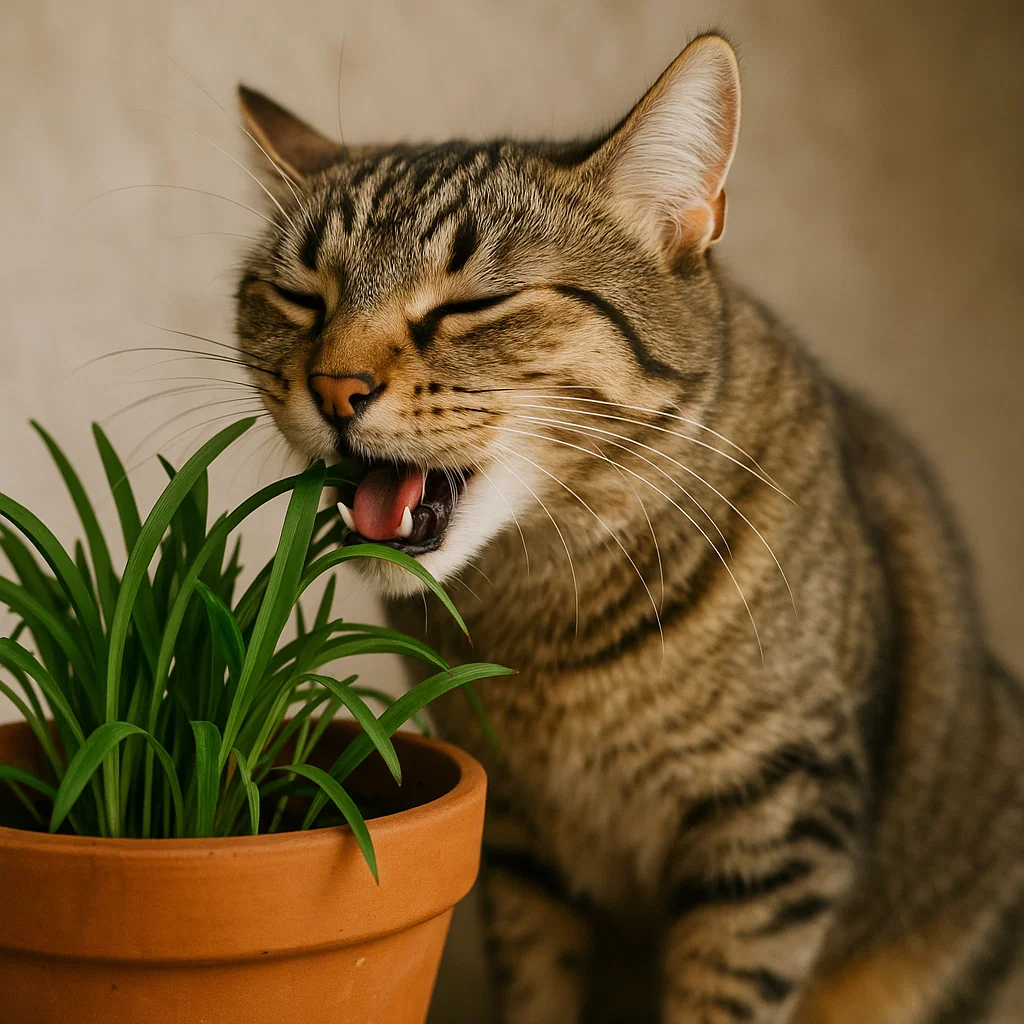
Ever caught your cat nibbling on your houseplants and wondered why? You’re not alone. Despite being obligate carnivores, many cats are drawn to leaves, stems, and grass. Sometimes it’s harmless curiosity, but other times it can lead to stomach upset — or worse, poisoning.
This guide from Mad Cat Man breaks down why cats eat plants, what it means, which plants are dangerous, and how you can redirect this behaviour safely.
Featured Snippet Answer
Cats often eat plants out of instinct. The behaviour may help stimulate digestion, clear hairballs, or purge intestinal parasites. Some cats also chew leaves out of curiosity, boredom, or because they like the texture. Occasional grass-eating is normal — but frequent vomiting or ingestion of toxic plants requires a vet visit. 24Petwatch
Why Do Cats Eat Plants?
While it might seem strange for a meat-eater, plant eating is a surprisingly common behaviour in domestic cats. Studies suggest several possible reasons:
-
Instinctual behaviour: Wild cats occasionally consume vegetation while eating prey, especially the stomach contents of herbivores.
-
Digestive stimulation: The fibrous texture of plants can trigger gut movement and help clear minor irritants.
-
Parasite control: Researchers believe ancient cats may have used plant matter to help flush intestinal parasites.
-
Taste and texture: Cats explore through taste and touch. Some plants simply feel interesting to chew.
-
Stress or boredom: Indoor cats lacking stimulation might chew plants for entertainment or comfort.
A 2021 survey of over 1,000 cats found that around 70% had eaten plants at least once, and most weren’t ill beforehand — showing this is often normal feline behaviour.
Is It Safe for Cats to Eat Plants?
It depends on the plant. While nibbling grass or cat-safe herbs usually isn’t harmful, many houseplants are toxic to cats. Even small bites can lead to drooling, vomiting, or worse.
| Safe Plants | Toxic Plants |
|---|---|
| Cat grass (wheat, oat, or barley) | Lilies (all species) |
| Catnip | Pothos / Devil’s Ivy |
| Valerian | Philodendron |
| Parsley | Peace Lily |
| Mint (in moderation) | Aloe Vera |
| Lemongrass | English Ivy |
If you’re unsure whether a plant is safe, check the ASPCA’s Toxic Plant List or ask your vet before bringing it home.
Why Cats Chew on Grass
Grass-eating is the most common form of plant consumption in cats — and usually not a cause for concern.
Possible explanations include:
-
Helping expel hairballs or other indigestible material
-
Triggering vomiting to relieve mild stomach discomfort
-
Providing trace nutrients (like folic acid) found in grass sap
-
Acting as a natural gut stimulant
Not every cat vomits after eating grass, so it’s not always about clearing the stomach. Most experts view it as a normal instinctive behaviour.
When Plant Eating Becomes a Problem
If your cat eats plants frequently or shows any of the following signs, it’s time to contact your vet:
-
Repeated vomiting or diarrhoea
-
Lethargy, drooling, or loss of appetite
-
Signs of poisoning (tremors, weakness, excessive salivation)
-
Chewing non-plant items like fabric or plastic (possible pica)
Persistent or unusual behaviour could indicate an underlying issue — from nutritional imbalance to gastrointestinal irritation or stress.
How to Stop Cats from Eating Your Plants
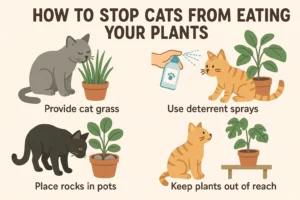
You don’t need to give up on having greenery — you just need to manage it wisely.
1. Offer Safe Alternatives
-
Grow cat grass or catnip in small pots so your cat can nibble safely.
-
Rotate safe herbs like parsley or mint to keep interest fresh.
2. Remove Toxic Plants
-
Rehome or move toxic species out of reach.
-
Use hanging planters or high shelves that your cat can’t access.
3. Enrich Their Environment
-
Add scratching posts, climbing trees, and window perches.
-
Rotate interactive toys to reduce boredom-driven chewing.
4. Use Deterrents
-
Sprays made from citrus, vinegar, or safe essential oils can help.
-
You can also cover soil with stones or foil to make pots less appealing.
5. Keep Regular Vet Checks
-
Ensure your cat’s diet is balanced and rich in fibre.
-
Regular check-ups catch potential deficiencies or GI issues early.
What About Cat Grass?
Cat grass isn’t a specific plant — it’s usually a mix of oat, wheat, rye, or barley grass. It’s perfectly safe and even beneficial for indoor cats.
Benefits include:
-
Natural fibre for digestion
-
Helps reduce hairball build-up
-
Provides mental stimulation and a safe outlet for chewing behaviour
You can buy ready-grown pots or inexpensive kits to grow your own at home.
Quick Tips for Cat Owners
✅ Keep cat-safe plants accessible and toxic ones out of reach.
✅ Observe patterns — if your cat suddenly starts eating more plants, monitor closely.
✅ Offer enrichment to prevent boredom.
✅ Consult your vet for persistent vomiting or changes in appetite.
Frequently Asked Questions
Why do cats eat houseplants?
Because of curiosity, texture, or instinct. Some simply enjoy chewing leaves, while others may be seeking mild digestive relief.
Do cats eat plants when they’re sick?
Sometimes, but not always. Some cats may eat plants when they have nausea or stomach upset.
Should I worry if my cat eats grass?
Not usually. Occasional grass eating is common and safe — just make sure it’s pesticide-free.
Is catnip considered a plant?
Yes! Catnip (Nepeta cataria) is a herb that stimulates pleasure receptors in many cats and is safe to chew or roll in.
Can cats digest plants?
Not fully. Cats lack enzymes to break down cellulose, so most plant matter passes through undigested.
How can I make my home safer?
Use cat-safe plants, keep dangerous species out of reach, and offer cat grass for enrichment.
Final Thoughts

Cats eat plants for many reasons — instinct, curiosity, or just enjoyment. In most cases, it’s harmless, but it’s your responsibility to ensure the plants in your home are safe.
By offering cat-safe greens, removing toxic species, and keeping your cat engaged with play and stimulation, you’ll protect both your feline friend and your houseplants.
If your cat’s plant-eating is frequent or accompanied by vomiting or other symptoms, speak with your veterinarian.