
Table of Contents
- Introduction
- Your New Kitten Checklist for Beginners: Room-by-Room Essentials
- First-Week Timeline: From Arrival to Day 7
- Food, Litter, and Gear: Smart, Veterinarian-Approved Picks
- Safety Sweep: Kitten-Proofing Every Corner
- Health, Veterinarian Visits, and Paperwork
- Behavior, Training, and Bonding Basics
- Shopping Lists You Can Print or Screenshot
- Mad Cat Man: Your Co-Pilot for the First Week and Beyond
This blog post may contain affiliate links. As an Amazon Associate I earn from qualifying purchases.
Introduction

You have the carrier on the passenger seat, your heart is thumping, and you are already picturing tiny toe beans tapping across your floor. But what exactly should be ready when you open that door? This new kitten checklist for beginners gives you a friendly, room-by-room plan for the first seven days, so you can focus on bonding instead of scrambling. I still remember bringing home my rescue tabby, Moonpie. I had food and toys, sure, but I forgot a second litter box and learned that lesson in five minutes. Learn from my wins and mistakes, and get the smooth start your kitten deserves.
Here is the promise: clear steps, budget-friendly options, expert-backed health notes, and the kind of lived-in tips you only hear from seasoned cat people. Because when you are new, it is easy to feel overwhelmed by products, opinions, and conflicting advice. At Mad Cat Man, we test products, consult veterinary sources, and keep guides organized by category so you can make confident decisions fast. As you read, you will find checklists, quick comparisons, and a simple first-week timeline you can screenshot. Note: Mad Cat Man uses affiliate links and may earn a commission on purchases made through links on this site. Ready to turn your home into a safe, happy launchpad for your new family member?
Your New Kitten Checklist for Beginners: Room-by-Room Essentials
Start by choosing one “safe room” where your kitten will land and decompress, then expand access room by room. A slow roll-out reduces stress and accidents, and helps you teach good habits right from the jump. Think of this like setting up a nursery: cozy nest, easy bathroom access, and predictable feeding. As you move through each space, use these short checklists. They are designed to help you shop once, set up quickly, and avoid those 9 p.m. store runs.
The Safe Room (Bedroom or Quiet Spare Room)
- Set up a base camp: bed or soft blanket, litter box, food and water bowls, scratching post, and a few toys.
- Place the litter box on the opposite side of the room from food and water to encourage good bathroom habits.
- Offer a hiding spot: cardboard box with a blanket or a covered cat cave, so your kitten can retreat and feel safe.
- Plug outlets with covers and tuck away cords with cable sleeves to prevent chewing.
- Keep a carrier open as a den, lined with a worn T-shirt that smells like you to build trust.
Kitchen or Feeding Zone
- Choose shallow, wide bowls to prevent whisker fatigue and wash them daily.
- Feed a high-quality kitten formula and keep fresh water available at all times; a fountain can encourage hydration.
- Store food in airtight containers to preserve freshness and prevent pests.
- Secure trash, cleaning chemicals, and sharp objects in cabinets with child locks.
Living Room and Play Area
- Provide vertical space: cat tree or wall shelves for safe climbing and confidence building.
- Add multiple scratching surfaces (cardboard, sisal, and carpet) to learn your kitten’s preference.
- Pick soft wand toys and balls; avoid string toys unless supervised to prevent swallowing.
- Stow fragile decor, cover or tie up blind cords, and keep candles out of reach.
Bathroom and Grooming Nook
- Place a second litter box here if the layout allows; the rule of thumb is one per cat plus one extra.
- Keep the toilet lid down and secure any medicines or cosmetics in cabinets.
- Stock kitten-safe nail clippers and a gentle brush right where you will use them.
- Use a non-slip bath mat; many kittens zoom on slick floors and crash into cabinets.
Home Office or Work Area
- Bundle cords and chargers, and provide a decoy bed near your keyboard so your kitten can “help” without chaos.
- Use stable cable management; dangling cords can be irresistible chew toys.
- Offer quiet enrichment like puzzle feeders to keep energy focused during calls.
Windows, Balcony, and Garden Safety
- Install secure screens and check for gaps; avoid tilt windows that leave trapping hazards.
- Remove or relocate toxic plants like lilies; keep a list of safe alternatives handy.
- If you have a balcony, supervise closely and consider mesh barriers made for pets.
- Fit a lightweight collar with an identification (ID) tag only if it is breakaway for safety.
| Room | Must-Haves | Nice-to-Haves | Typical Budget |
|---|---|---|---|
| Safe Room | Bed, litter box, clumping litter, bowls, scratching post, carrier | Fountain, covered bed, interactive toy | 80 to 160 |
| Kitchen | Kitten food, food storage, dishwashing supplies | Fountain, feeding mat | 40 to 120 |
| Living Room | Cat tree, scratchers, toy assortment | Window perch, puzzle feeder | 70 to 250 |
| Bathroom | Second litter box, grooming tools | Scale, toothbrush and paste | 35 to 110 |
| Office | Cable sleeves, kitten bed | Calming diffuser | 20 to 80 |
| Windows/Balcony | Secure screens, breakaway collar, identification tag | Mesh barrier, plant shelves | 25 to 100 |
Pro tip: Many kittens sleep up to 18 hours per day (common veterinary guidance), so the coziest space wins. If your budget is tight, prioritize litter, food, a scratching surface, and a basic carrier. You can always add a cat tree after a few weeks. Mad Cat Man has hands-on reviews and buying guides for bowls, carriers, scratchers, and trees to help you get the best value at your price point without guesswork.
First-Week Timeline: From Arrival to Day 7
A structure for your first week keeps everyone calm and helps your kitten learn the household rhythm. You will see quick wins like consistent litter use and confident exploring if you layer in short, predictable routines. Below is a simple, screenshot-friendly schedule you can follow or adapt. It balances rest, play, feeding, and veterinarian to-dos that prevent common hiccups like night zoomies or missed litter cues.
Watch This Helpful Video
To help you better understand new kitten checklist for beginners, we’ve included this informative video from Jackson Galaxy. It provides valuable insights and visual demonstrations that complement the written content.
| When | What To Do | Why It Helps |
|---|---|---|
| Hour 0 to 2 | Open the carrier in the safe room, let your kitten come out at their pace. Show litter box and water. | Reduces stress and builds trust, early litter box imprinting. |
| Evening, Day 1 | Offer a small meal, gentle play with a wand toy, then lights low for sleep. | Predictable routine encourages restful nights. |
| Day 2 | Brief exploration of a second room after a successful litter visit, then back to safe room. | Confidence grows while keeping bathroom habits consistent. |
| Day 3 | Short car ride in carrier to practice for future veterinarian visits; schedule wellness exam. | Desensitization reduces travel/veterinarian anxiety. |
| Day 4 | Introduce scratching post in living room, reward with treats when used. | Teaches furniture-friendly scratching spots. |
| Day 5 | Try light tooth brushing and nail trim. Keep it to seconds, not minutes, and reward. | Early handling makes lifelong care easier. |
| Day 6 | Increase play to two or three 10-minute sessions, especially before bedtime. | Burns energy, minimizes 3 a.m. zoomies. |
| Day 7 | Veterinarian wellness visit if available; start vaccine plan and parasite prevention. | Sets health baseline and reduces preventable risks. |
- Prep a travel kit: carrier, small towel, treats, and any paperwork from shelter or breeder.
- Keep greetings calm and limited for the first two days. Quiet homes help shy kittens bloom faster.
- Celebrate small wins. First purr? First scratch on the post? You are building lifelong habits.
If you have kids, coach them to sit on the floor and let the kitten come to them. If you have other pets, keep a closed-door introduction at first, then trade scents with blankets, and only proceed to short visual hellos when both sides are curious and relaxed. Structured intros can reduce squabbles and speed up peaceful coexistence. Mad Cat Man’s behavior and training tips section walks you through multi-pet introductions with step-by-step checklists you can print.
Food, Litter, and Gear: Smart, Veterinarian-Approved Picks
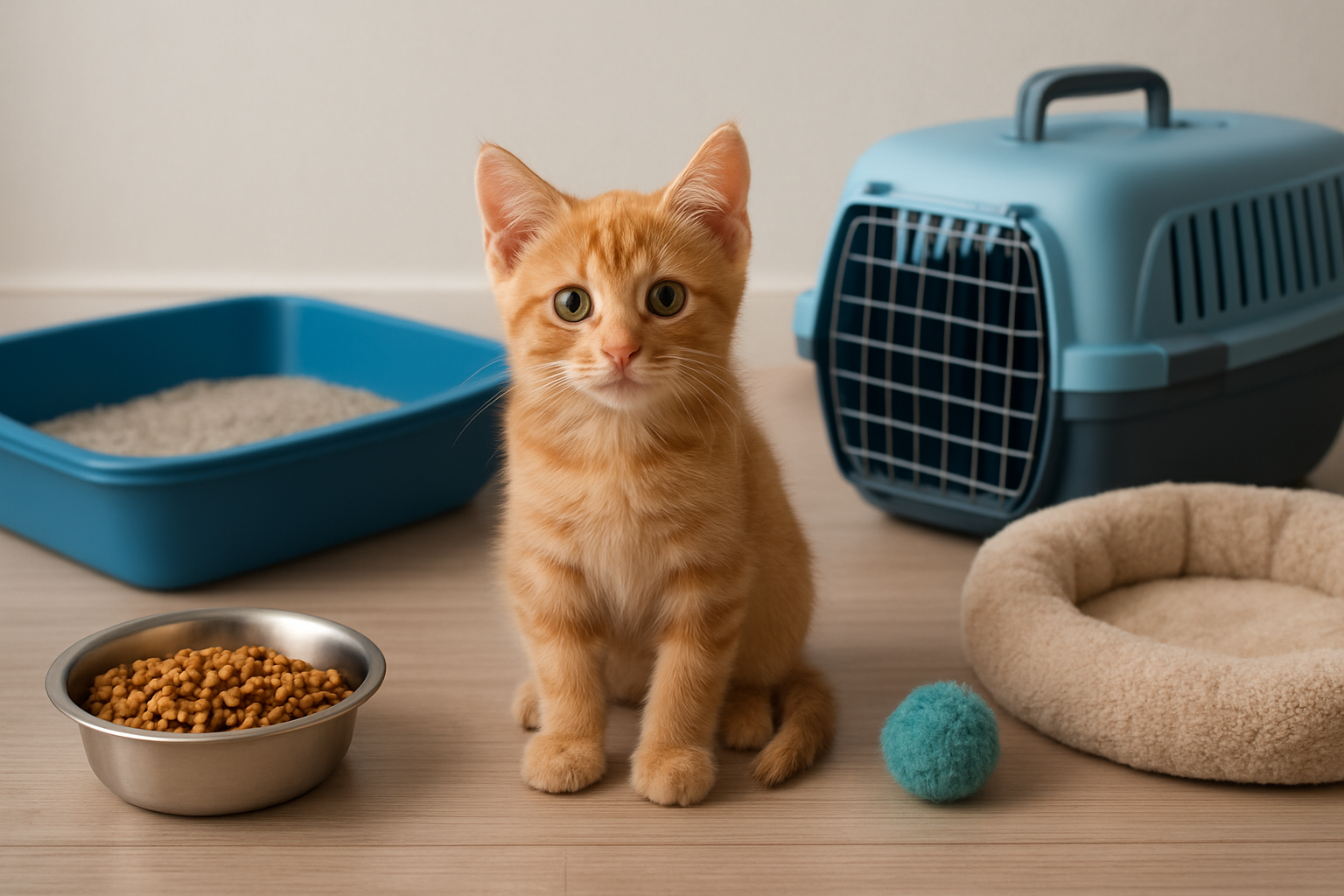
Nutrition, litter, and basic gear do most of the heavy lifting in your first week. Aim for consistency and simplicity while your kitten learns the ropes. If your kitten is coming from a shelter or breeder, ask what they were eating and transition gradually to your chosen diet over 7 to 10 days to protect tummies. Keep water stations away from the litter box, and replace water daily. For litter, choose an unscented clumping type to start, since fragrances can be off-putting for tiny noses.
Feeding Basics
- Choose a complete and balanced kitten formula; many veterinarians recommend a mix of wet and dry for hydration and variety.
- Feed small, frequent meals. Kittens have fast metabolisms and do better with multiple feedings.
- Introduce new foods slowly to avoid digestive upset; aim for a gradual transition rather than sudden switches.
- Use shallow bowls to protect whiskers and encourage confident eating.
| Format | Pros | Cons | Best For |
|---|---|---|---|
| Wet | Great hydration, easier to chew, often very palatable | Can be pricier, needs refrigeration after opening | Young kittens, picky eaters, hydration support |
| Dry | Convenient, good for puzzle feeders, longer shelf life | Lower moisture, some kittens overeat | Budget control, grazing schedules |
| Mixed | Balances benefits, reduces pickiness | More planning required | Most households |
Litter Setup
- Rule of thumb: one litter box per cat plus one extra, each in a quiet location.
- Start with unscented clumping clay or a soft plant-based litter for tiny paws.
- Use a low-entry pan for kittens and scoop at least once daily for consistent bathroom success.
Gear You Will Actually Use
- Carrier: hard-sided or sturdy soft-sided with top-loading for stress-free trips to the veterinarian.
- Scratching options: one vertical post and one horizontal pad to discover preferences.
- Brush and nail clippers: start handling now for easy care later.
- Water fountain if your kitten is not a big drinker; flowing water can be enticing.
Mad Cat Man reviews and buying recommendations cover bowls, fountains, scratchers, and carriers across different budgets, with pros, cons, and real-world performance. We also have safety and product-suitability guides that explain which humidifiers are safer around cats, which plants to avoid, and how to vet ingredient labels without getting lost in jargon. That way, you can shop once, set up confidently, and get your evenings back.
Safety Sweep: Kitten-Proofing Every Corner
Most early mishaps come from curiosity meeting cables, chemicals, or gravity. A quick safety sweep now can prevent a late-night emergency. Work clockwise around each room and think low, loose, and luring: what sits on the floor, what dangles, and what smells tempting. If it can be chewed, batted, or knocked over, secure it or remove it for a few weeks. As your kitten matures, you can relax some rules, but the first week is all about safe discovery.
| Risk | Where It Happens | Quick Fix |
|---|---|---|
| Cords and chargers | Living room, office, bedroom | Cable sleeves, cord clips, provide chew-safe toys |
| Houseplants | Windowsills, shelves | Remove toxic plants, elevate safe ones, add cat grass |
| Open cleaners and chemicals | Kitchen, bathroom | Cabinet locks, sealed bins, store high |
| Open windows and balconies | Any room | Secure screens, use balcony mesh, supervise |
| String toys and ribbons | Play areas | Supervise only, store out of reach after play |
| Small objects | Desks, nightstands | Clear surfaces, provide puzzle toys |
- Put away sewing kits, hair ties, and rubber bands; many kittens swallow these.
- Keep laundry machines closed and check before use; kittens love warm nooks.
- Swap reed diffusers and essential oil burners for safer alternatives; some oils are irritating to cats.
- Use a high-efficiency particulate air filter (HEPA filter) in dusty rooms if allergies are a concern.
If you are unsure which plants are toxic, our safety category at Mad Cat Man lists risky species and safe swaps with photos and quick-reference tables. We also cover product suitability topics like choosing a pet-safe humidifier and avoiding hot-surface models in curious-paw households. Small changes now can prevent big stress later.
Health, Veterinarian Visits, and Paperwork
Your first wellness appointment sets the foundation for a long, healthy life. Bring any records from the shelter or breeder, along with questions you have collected. Expect a physical exam, a parasite check, and a discussion about vaccines, microchipping, and spay or neuter timing based on age and weight. Studies published in veterinary journals show that microchipped cats are far more likely to be reunited if lost, and many veterinarians recommend spay or neuter around five to six months for most kittens. As always, your veterinarian will tailor the plan to your individual cat.
| Age | What Usually Happens | Notes |
|---|---|---|
| 8 to 10 weeks | First wellness exam, core combination vaccine often called FVRCP (feline viral rhinotracheitis, calicivirus, panleukopenia), parasite check | Discuss deworming and flea/tick prevention options |
| 12 to 14 weeks | Booster for core combination vaccine, consider FeLV (feline leukemia virus) for at-risk cats | Indoor-only cats may still benefit depending on household |
| 16 to 20 weeks | Final core combination booster, rabies vaccine depending on local laws | Microchipping is commonly offered at this stage |
Veterinarian Visit Prep Checklist
- Carrier with a soft blanket and a small towel over the top to reduce visual stress.
- Treats and a toy to reward calm behavior.
- Any prior records, microchip number if known, and a list of questions.
- Stool sample if your clinic requests one for parasite screening.
Health and preventive care are a big part of Mad Cat Man. Our vet-approved guides cover worming, microchipping, and early dental care, and they are written in plain language with practical steps. We also walk through budget planning for veterinarian visits, including what is urgent versus what can wait a month. That way, you can prioritize care and still keep your pantry stocked with kitten food your new friend will love.
Behavior, Training, and Bonding Basics

Great news: kittens are learning machines, and you can steer that energy toward good habits with just a few minutes a day. Use tiny training sessions built into your routine. Many shelters report that litter box problems are the top reason for returns, so quick wins here matter. Socialization continues through the early months, so safe exposure to sounds, handling, and gentle visitors makes a confident cat later.
Behavior Checklist
- Litter training: keep boxes pristine and praise after use with soft words or a tiny treat.
- Scratching manners: place posts near couches and beds, and reward every scratch on the right surface.
- Handling: one paw touch, one tooth peek, one gentle brush stroke. Stop while it is still positive.
- Play: two to three short wand-toy sessions daily. End with a small snack to satisfy the hunt-eat-groom-sleep cycle.
- Noise desensitization: low-volume dishwasher or hair dryer in another room during play so sounds feel normal, not scary.
Wondering about breed quirks? Curious whether a Maine Coon tends to love climbing more than a Ragdoll prefers laps? Mad Cat Man’s breed guides and comparisons help you anticipate energy levels, grooming needs, and enrichment ideas by breed type. Even if you do not know your kitten’s breed mix, these guides give you patterns to watch for and ways to meet your cat where they are, not where a generic checklist says they should be.
Shopping Lists You Can Print or Screenshot
Here are condensed, practical lists you can use on your next store run or while browsing online. We keep our lists short on purpose so you can act today, not someday. If you want expanded product picks with pros and cons, Mad Cat Man’s organized categories put reviews, safety notes, and alternatives side by side, so you always have a plan B ready.
The One-Trip Starter List
- Kitten food, wet and dry, enough for two weeks
- Two shallow, wide bowls and a water fountain or second water bowl
- Two litter boxes, unscented clumping litter, scoop, and mat
- Carrier with top-loading door and a soft blanket
- Cat tree, one vertical post, one flat scratcher
- Wand toy, soft ball toys, and a puzzle feeder
- Brush, nail clippers, pet-safe wipes
- Breakaway collar with identification (ID) tag and secure name and number
- Cable sleeves, outlet covers, cabinet locks
Nice-to-Haves You Can Add Later
- Window perch or hammock
- Calming diffuser for multi-pet homes
- Extra set of bowls for upstairs or patio door area
- Cat grass and safe houseplants for enrichment
| Buy Now | Wait A Week | Why |
|---|---|---|
| Litter boxes, litter, scoop | Fancy covered box | Start with simple and predictable; upgrade once habits are solid |
| Carrier | Extra travel accessories | You will likely need a veterinarian visit during Week 1 |
| Basic scratchers | Designer cat furniture | Discover preferences before investing in a statement piece |
| Wet and dry kitten food | Specialty toppers | Establish consistency first, add variety later |
If you feel stuck choosing between two decent options, pick the one that is easiest to clean. Future you will thank you when it is 6 a.m. and someone has kicked litter like confetti. And remember, your home, your routine. A checklist is a guide, not a judgment. Mad Cat Man exists to help you customize your plan with practical, real-world tips, not one-size-fits-all rules.
Mad Cat Man: Your Co-Pilot for the First Week and Beyond
New and uncertain owners often tell us that the hardest part is not the daily care, but the decision fatigue. Which food is actually good? Which fountain is not a pain to clean? How do you cat-proof without turning your living room into a fortress? Mad Cat Man solves that by organizing everything into clear categories: product reviews and buying recommendations, behavior and training tips, health and preventive care guides, breed comparisons, and safety checklists. Every guide is experience-based, expert-backed, and focused on what works in a real home, not a showroom.
Here is how to use our library like a pro. First, scan our shopping checklists to get essentials ordered quickly. Next, bookmark behavior how-tos for litter training, scratching, and gentle introductions with resident pets. Then, set a veterinarian plan using our health guides on worming, microchipping, and early dental care. If you are curious about breed tendencies, peek at our Maine Coon articles to see how big personalities shape enrichment. Whenever you get stuck, our step-by-step tutorials and side-by-side comparison tables help you move forward fast and with confidence.
This room-by-room guide has one mission: help you land softly and bond deeply from Day 1. Imagine your home a month from now, with a kitten who knows where to scratch, naps in a sunny window, and rides calmly to the veterinarian. What small step will you take today to set that future in motion with this new kitten checklist for beginners?
Additional Resources
Explore these authoritative resources to dive deeper into new kitten checklist for beginners.