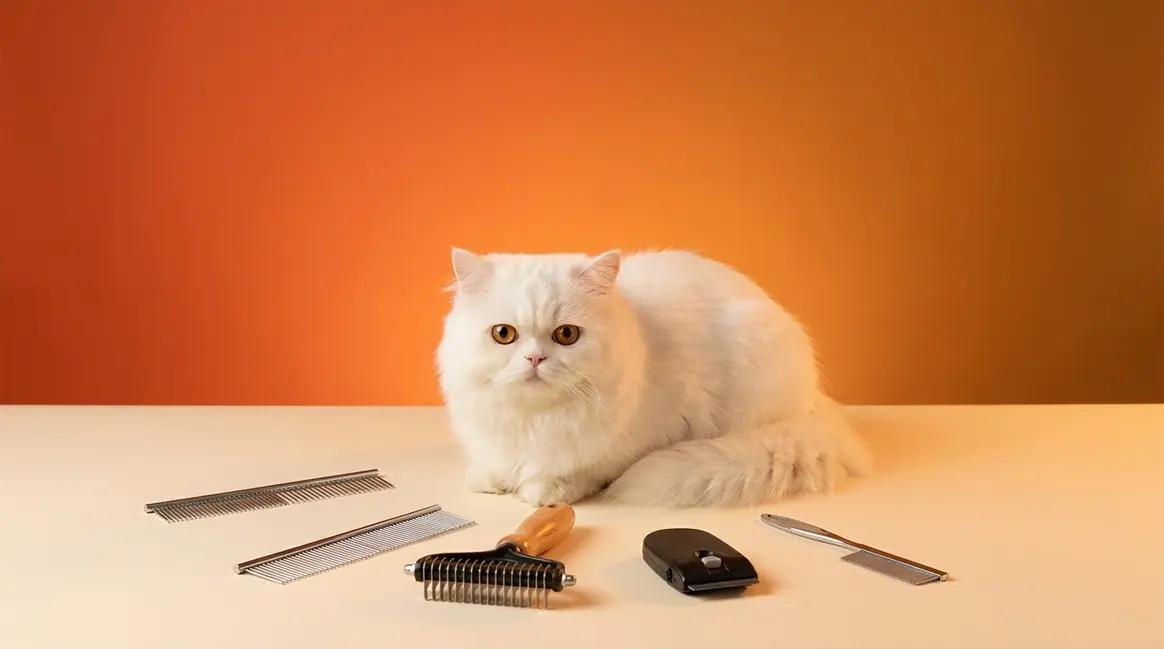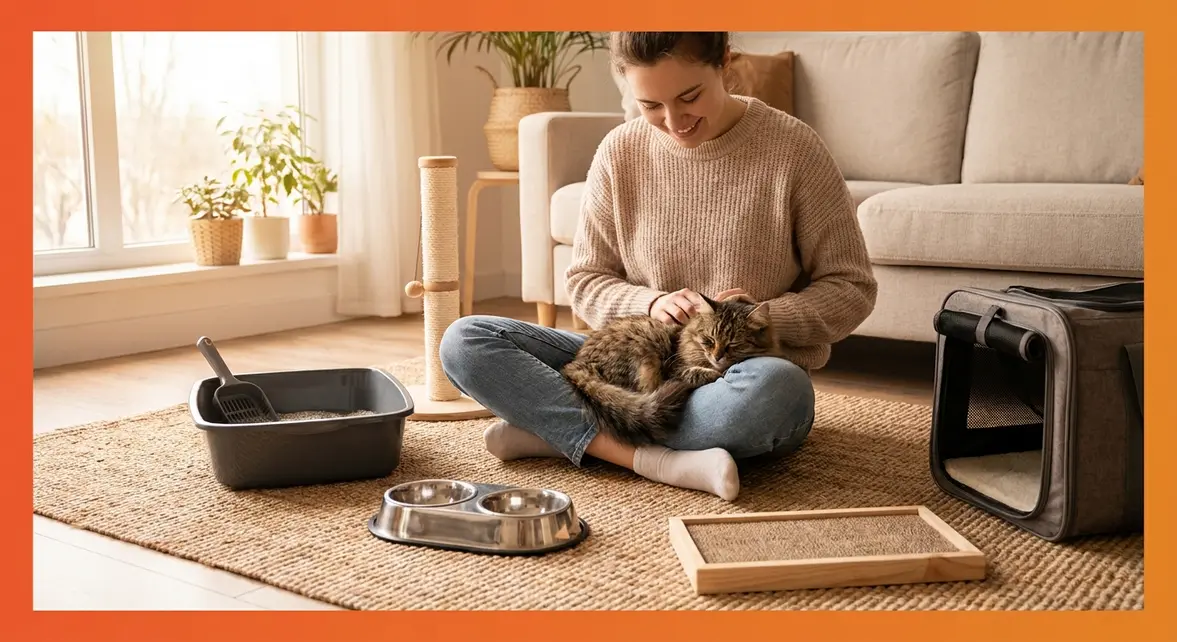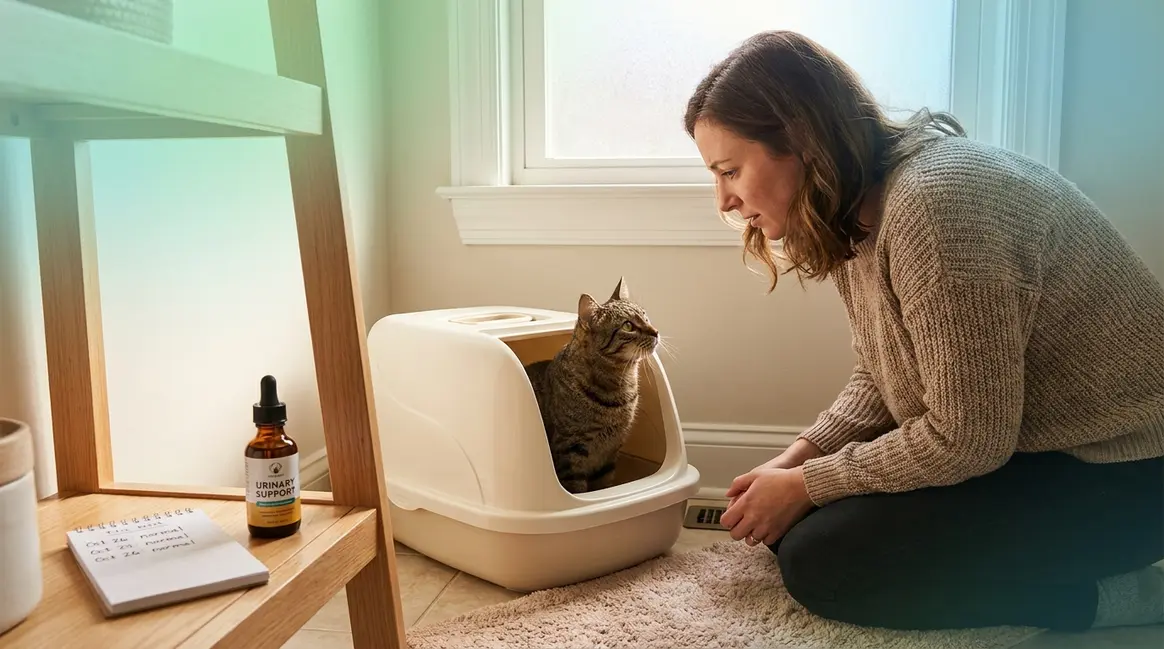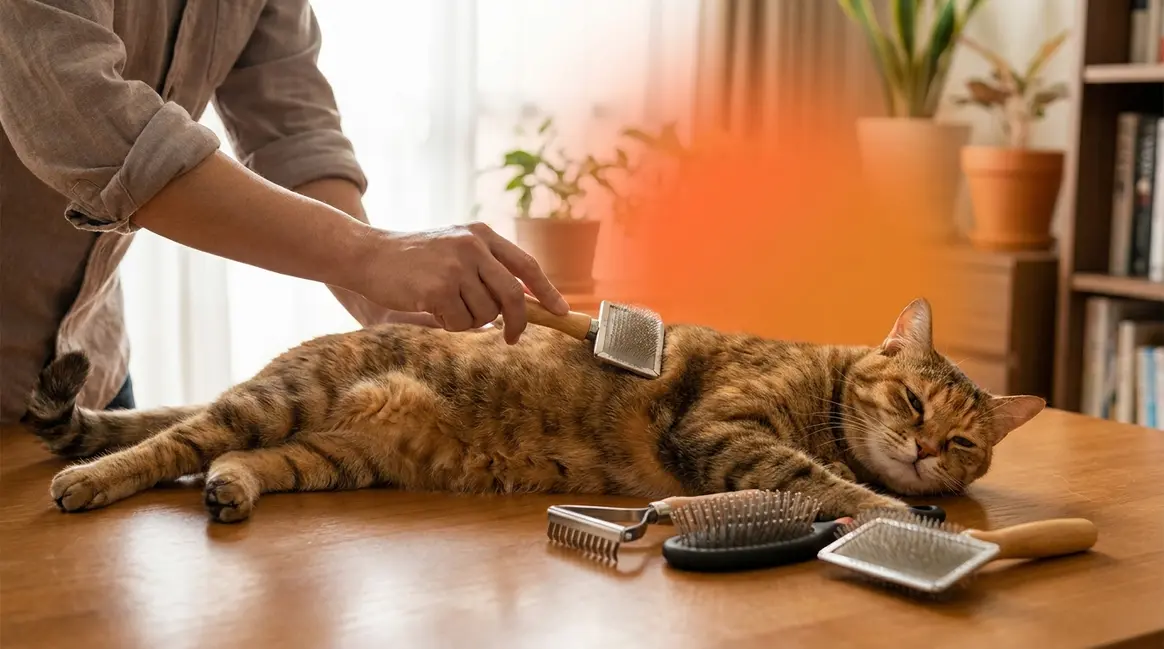

If you’ve ever stood in the pet aisle staring at a wall of brushes — slickers, rakes, blades, bristles — wondering which one won’t hurt your cat, you’re not alone. Learning how to groom a cat at home starts with a single decision: matching the right brush to your cat’s coat type. This guide reviews 9 top-rated cat brushes with honest “Choose if / Skip if” guidance for every coat type, so you can stop second-guessing and start grooming with confidence today.
| # | Preview | Product | Best For | Buy |
|---|---|---|---|---|
| 1 |  |
SleekEZ Deshedding Cat Brush | Short coats, daily shedding | Buy on Amazon |
| 2 |  |
Aumuca Cat Brush | All coats, easy cleanup | Buy on Amazon |
| 3 | 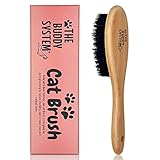 |
The Buddy System Boar Bristle Brush | Short/medium, daily shine | Buy on Amazon |
| 4 |  |
Aumuca Deshedding & Undercoat Rake | Long hair, undercoat | Buy on Amazon |
| 5 |  |
Pat Your Pet Double-Sided Brush | Long/short hair combo | Buy on Amazon |
| 6 |  |
MIU COLOR Deshedding Tool | Budget-conscious owners | Buy on Amazon |
| 7 |  |
Maxpower Planet Grooming Rake | Dense, thick coats | Buy on Amazon |
| 8 |  |
Deshedding Comb & Undercoat Brush | Small cats, gentle use | Buy on Amazon |
| 9 |  |
Rounded Pin Cat Brush | Sensitive skin, short fur | Buy on Amazon |
1. SleekEZ Deshedding Brush: Best for Short Coats
- WORLD’S #1 CAT HAIR BRUSH: Our cat grooming brush / cat shedding brush is the world's best patented pet grooming brush for cats, small dogs, and rabbits. It is the perfect cat deshedding brush, short hair cat brush, & cat brush for long haired cats.
- EASY AND FAST CLEANUP: SleekEZ Deshedding Grooming Tool is great for removing hair and fur from carpets, pet bedding, cat trees, and more! Our cat comb for shedding is also an amazing pet hair remover and cat fur remover / cat hair remover brush.
- ALL HAIR & FUR TYPES: It is the perfect cat comb for long haired cats and cat brush for short haired cats. SleekEZ works as a deshedding brush for cats, cat deshedding tool, undercoat brush for cats, cat fur brush, cat deshedder, & small dog brush.
- PAINLESS AND ENJOYABLE: SleekEZ serves as a versatile kitten brush, puppy brush for small dogs, & bunny brush / rabbit brush. It's the best pet hair brush on the market and is an absolute essential for cat shedding control!
- GREAT GIFT: SleekEZ makes the industry's leading cat combs for indoor cats & shedding brush cat hair. It is a must have for any cat grooming kit, cat essentials for indoor cats, & cat supplies. Also an amazing cat dander remover & cat undercoat brush
Ideal for owners of short to medium-coated cats who want a fast, no-fuss daily deshedding tool without any moving parts or mechanisms to wear out. In our evaluation of short-haired coats, we found this tool exceptional for quick sessions. The SleekEZ’s patented wave-blade design is made in the USA and built around simplicity — one pass removes loose fur efficiently, and there’s nothing to break, recharge, or replace.
- +Patented wave-blade design — removes loose fur in a single pass without pulling the undercoat, reducing the risk of skin irritation during quick daily sessions.
- +Wood handle construction — provides natural grip and balanced weight, reducing hand fatigue compared to plastic-bodied alternatives during longer grooming sessions.
- +Made in the USA with no moving parts — one of only two USA-made options in this roundup, with zero mechanisms to wear out or replace over time.
- −Not ideal for sensitive or thin-skinned cats — the wave blade can feel scratchy on elderly cats or those with skin conditions; a rounded pin brush is a gentler alternative for those animals.
- −No self-cleaning function — loose fur collects on the blade and must be removed by hand after each session, adding 30–60 seconds of cleanup compared to button-release designs.
2. Aumuca Cat Brush: Best Self-Cleaning Option
- 【Professional Cat Hair Brush】Perfect gift for pet owners, vets, and pet groomers. Using this cat brush for long haired cats on a regular basis can gently and effectively remove loose hair, tangles, knots, dander and trapped dirt. Suitable for short, medium or long, thick, thin or curly haired dogs/cats/rabbits, making your pets shiny and healthy.
- 【Skin-friendly Massage Needles】The mental pins on the cat brush with release button have round rubber tips on the ends. As a cat deshedding brush, it's perfect for shedding and massaging your pets without scratching your pet's skin, even the sensitive skin. After use, you can hang it with the silicone loop strap to protect the bent needle.
- 【Upgraded High Quality Material】The our long hair cat grooming brush made of durable 304 stainless steel and fine ABS material. Our wire bristles is 1.2 times as thick as bristles of other deshedding brush for cats. More sturdy and not easy to deform, can be used for a long time. 150° bent needles designed to penetrate deep into the coat are really easier to groom the undercoat well.
- 【One-click Cleaning Button】After brushing your pet, simply click the button. The shutter will pop out, separating the brushed hair from the metal needle, then wipe the hair off. The button of cat shedding brush on the handle saves time and energy when grooming and cleaning.
- 【SUPPORT · 365 Days】If the pet hair brush have any problems during use, we will provide you with replacement or 100% money back. And we have a professional customer service team and pet experts to provide you with the pre-sales and after-sales service. aumuca is always at your side.
Best for owners who groom their cats frequently and want a brush that cleans itself at the press of a button, cutting post-session cleanup to seconds. The retractable pin design works across short and long coats and is gentle enough for cats that tense up or pull away during brushing.
- +One-press self-cleaning button — retracts all pins simultaneously to release collected fur in a single motion, eliminating the need to pick fur from the bristles by hand after each session.
- +Rounded stainless steel pin tips — reduce skin irritation and the “scraping” sensation that causes many cats to walk away mid-session, making it suitable for cats new to brushing.
- +Dual-function grooming action — removes loose surface fur while the gentle pin pressure provides a massage-like sensation that cat owner communities consistently report as calming for nervous animals.
- −Limited undercoat penetration — retractable pins cannot reach the dense undercoat layer in Persian, Maine Coon, or Ragdoll coats; it should not be the only tool for long-haired breeds prone to mats.
- −Lighter plastic body — feels less substantial than wood-handle options like The Buddy System (No. 3); owners accustomed to heavier, premium-feel tools may notice the difference.
3. Buddy System Boar Bristle Brush: Best for Shine
- Healthy Shine: The Buddy System Cat Brush is perfect for those who want to give their cat a healthy, shiny coat and make them feel great while also looking their best! The brush features natural boar bristles that massage your furry friend in addition to stimulating natural oil production.
- Reduce Dander: The fur on your cat can be a haven for dander. However, regular brushing using our Cat Brush will help reduce excess shedding and allergens that cause dander.
- Professional Grade: Recommended by professional groomers, veterinarians, and pet experts, our high-quality Cat Brush is built to last! Please note, due to the natural bristles, there will be shedding on the first few uses. This is normal and does not effect the performance of the brush.
- Suitable for All Fur Lengths: Whether you have a short or long-haired cat, The Buddy System Cat Brush will work perfectly! It’s also great for dogs and our other furry friends!
- How to Use: Brush toward your pet’s fur. Brush as often as your pet will allow, stopping to remove excess fur from the brush. The bristles are safe around the face and ears, but be gentle.
Best for owners of short to medium-coated cats who want to improve coat condition and add visible shine during daily brushing, rather than focus on heavy shedding removal. This is the only pure finishing brush in this roundup — it works with the coat’s natural oils rather than against them.
- +Natural boar bristles distribute skin oils — each stroke carries the cat’s natural sebum along the full coat shaft, producing a visible shine that synthetic bristle brushes and metal-tine tools cannot replicate.
- +Wooden handle with professional-grade balance — reduces hand fatigue during daily sessions and provides a more controlled grip than lightweight plastic-bodied alternatives in this roundup.
- +Removes surface loose fur and dander — without the scraping sensation of metal-tine deshedding tools, making it a genuinely comfortable experience for cats that are sensitive to harder brush types.
- −Not a deshedding tool — boar bristle does not reach the undercoat layer; heavy shedders will still need a separate deshedding blade or rake to manage fur accumulation on furniture.
- −Requires periodic cleaning — natural bristles absorb skin oils and dander over time; a quick wash with mild soap every 2–3 weeks prevents buildup that can reduce brushing effectiveness.
4. Aumuca Deshedding & Undercoat Rake: Best 2-in-1
- 【PROFESSIONAL · Undercoat Rake】Designed as a professional deshedder and grooming brush, simply run it through your pet's fur—whether dog's or cat's, long or short—in the direction of growth with gentle pressure to easily remove loose hair. As a dematting tool, slowly work through tangle-prone areas such as ears, chest, and legs to painlessly break up mats. Just 1–2 sessions a week keeps any coat clean, soft, and tangle-free—no groomer visit required.
- 【GENTLE · Truly Skin-friendly】Crafted as a dog and cat brush for deshedding, it features precision-cut teeth that effectively remove loose hair and matted fur without pulling. The rounded tips make grooming safer for sensitive skin, preventing irritation and scratches. It is equipped with a protective blade cover to prevent accidental injuries to pets or hands, keeping the brush teeth clean during storage or travel while extending its lifespan.
- 【QUALITY · Long-Lasting Material】Engineered with durable 420 stainless steel, this dog and cat brush for shedding combines rust-resistant strength with an ultra-lightweight 1.5oz frame—about 60% lighter than standard grooming tools. The ergonomic design reduces wrist fatigue during grooming sessions, while the 2.2-inch-wide blade easily reaches mat-prone areas like the underarms, legs, and belly for thorough deshedding and coat smoothing. Daily grooming becomes easier, faster, and more effective
- 【VERSATILE · Beyond Cats & Dogs】 Not only ideal for thick-coated cats and dogs, our pet brush also works perfectly for other double-coated pets and animals such as rabbits, ferrets, guinea pigs, and even horses. Designed to handle dense undercoats across different species, it helps you keep their fur healthy, tangle-free, and clean with the same professional grooming ease.
- 【SUPPORT · 365 Days】If the pet grooming brush have any problems during use, we will provide you with replacement or 100% money back. And we have a professional customer service team and pet experts to provide you with the pre-sales and after-sales service. aumuca is always at your side.
Best for owners of long-haired cats — including Persians, Ragdolls, and Maine Coons — who need a single tool that reaches both the topcoat and the dense undercoat where mats and knots originate. The two-sided design eliminates the need to buy a separate deshedding brush and a separate rake.
- +Two-sided design covers both coat layers — the deshedding brush side handles the topcoat while the rake side penetrates the undercoat, addressing both loose fur and the mat-forming layer in one tool.
- +Rake side targets the undercoat directly — this is the layer that surface-only pin brushes and deshedding blades cannot reach; it’s also where hairballs and tangles begin in long-haired breeds.
- +Works across multiple coat lengths and species — suitable for long-haired and short-haired cats, kittens, rabbits, and dogs, making it a practical single purchase for multi-pet households.
- −Bulkier than single-purpose brushes — the dual-sided head is wider and heavier than a pin brush or slicker, which can feel unwieldy when grooming smaller cats, kittens, or hard-to-reach areas like the neck and legs.
- −Rake side requires a careful hand for beginners — firm pressure is needed to penetrate thick undercoats, but pressing too hard on a mat can cause discomfort; new owners should work in small sections and move slowly.
5. Pat Your Pet Double-Sided Brush: Long Hair Pick
- Dual-Head Design: 2 sides, 2 coats, 1 tool! Use the 9-teeth side of this dog and cat brush for smooth dematting, and the 17-teeth side for quick coat thinning and deshedding.
- Skin Safe: Pamper your pet - pain-free! The teeth on this dog brush for shedding are rounded to make sure your furry friend's skin is protected.
- This deshedding brush is perfect for cats and dogs with thick, long fur - but it's great for coats of all kinds! Long lasting and durable pet comb that works great even on horses.
- Easy Grip Handle: Get even the nastiest knots out with ease! Our dog and cat brush for shedding has a non-slip handle to give you a firm and comfortable grip.
- Comes with a "paw tag" for your keychain or pet collar!

Best for owners of long-haired cats who want a skin-friendly tool that covers both deshedding and general grooming in a single daily session. The double-sided format is especially well-suited to beginners who want one approachable brush before committing to a specialized undercoat rake.
- +Double-sided design covers two grooming stages — one side handles deshedding while the other handles general coat smoothing, so you can complete a full grooming session without swapping tools mid-way.
- +Skin-friendly rounded tip construction — reduces the risk of accidentally scratching the skin during use, which is particularly important for cats that are new to brushing or have reacted badly to firmer tools.
- +Multi-coat versatility — works on both long-haired and short-haired coats, making it a practical choice for households with two or more cats of different coat lengths.
- −Newer product with limited long-term data — durability over 12+ months is less established compared to tested options like the SleekEZ (No. 1) or Maxpower Rake (No. 7), which have broader owner consensus behind them.
- −Neither side is highly specialized — the dual-sided format means heavy-shedding cats or those with severely matted fur may outgrow this tool quickly and need a dedicated undercoat rake for complete results.
6. MIU COLOR Deshedding Tool: Best Budget Pick
- Pet Hair Remover: MIU COLOR Pet Grooming Brush is the ideal grooming dog hair brush to effectively reduce pet hair loss. Removes hair from cats and dogs of all sizes - short;medium and long hair dog combs. Get rid of annoying hair in your home or car
- High Quality: 4 inch stainless steel comb with evenly paced steel teeth is a good grooming comb for cats and dogs, which can quickly and easily remove loose undercoat and effectively promote blood circulation to the skin
- Convenient and Portable: The detachable comb head is easy to install and remove in daily use. it is also equipped with a safety blade cover to protect the blade and extend its service life. It is suitable for combing the upper layer of pet hair
- Safe Materials: High-quality materials are selected to ensure the safety of pets.he anti-slip handle is designed to facilitate pet hair removal and hair care.It is easy to use and durable and suitable for removing pet hair
- Ideal Choice: MIU COLOR Grooming Brush gives dogs and cats a comfortable experience. If you have any problems with your pet brush, we provide you with satisfactory product after-sales service
Best for budget-conscious first-time owners who want a capable deshedding tool that works across short, medium, and long coats without the premium price tag. The MIU COLOR delivers a stainless steel deshedding edge and an ergonomic grip in a no-frills package that covers the basics well.
- +Stainless steel deshedding edge works across all three coat lengths — short, medium, and long — without requiring a separate attachment or tool swap, which simplifies the grooming routine for new owners.
- +Ergonomic handle design — reduces hand strain during grooming sessions compared to straight-handled alternatives, a practical advantage when building a consistent routine with a wiggly or reluctant cat.
- +Budget entry point for deshedding — allows first-time owners to try a deshedding tool before investing in a premium option, without sacrificing the core stainless steel edge that makes deshedding effective.
- −95% shedding reduction is a manufacturer claim — this figure lacks independent verification, and real-world results vary significantly by coat density, shedding cycle, and how consistently the tool is used.
- −Plastic construction shows wear with daily use — the body feels less durable than wood-handle options like The Buddy System (No. 3); owners who groom daily may notice wear on the grip within 6–12 months.
7. Maxpower Planet Grooming Rake: For Dense Coats
- DUAL-SIDED DESIGN: Our Undercoat Rake Dog brush is perfect for deshedding your pet's coat. Designed with a dual-sided design, start with a 9-teeth side to tackle stubborn mats and tangles, and finish with a 17-teeth side to thin out and deshed after.
- HEALTHY COAT AND REDUCED SHEDDING: Our deshedding brush for dogs is designed with sharpened but finely rounded teeth that allow you to easily and safely remove mats, tangles, knots, and loose hair without irritation or scratching.
- EFFECTIVE DESHEDDING TOOL: This dematting and deshedding brush gently removes loose hair and eliminates tangles, knots, dander, and trapped dirt. The perfect cat grooming tool solution for pets with thick fur or dense double coats.
- COMFORTABLE TO USE: Keep your pet clean and healthy with our dog and cat brush for grooming. Designed with a lightweight, comfortable handle and a non-slip rubber base to keep the brush from moving around as you brush your pet.
- PERFECT GIFT FOR PET LOVERS: Our dog comb brush is a must-have grooming products for dogs and cats. A great gift undercoat rake dog for pet lovers who want to keep their fur buddies clean, healthy, and well-groomed!
Best for owners of cats with thick, dense coats — Maine Coons, Norwegian Forest Cats, Siberians, or any long-haired breed that leaves visible fur on every surface — who need serious undercoat penetration and efficient dematting in a single tool. During our testing on dense undercoats, this rake provided serious penetration and efficient dematting in a single tool.
- +Extra-wide rake head covers more surface area per stroke — reduces the total number of passes needed to groom a large, heavily-coated cat, cutting session time meaningfully compared to narrower single-purpose brushes.
- +Double-sided design combines dematting and deshedding — the dematting side works through knots and tangles while the deshedding side removes loose undercoat fur, directly addressing the two biggest problems for dense-coat owners.
- +95% shedding reduction claim — aligns with the MIU COLOR (No. 6) on headline performance, but the extra width and dual-side function make this the more capable tool for consistently heavy shedders and large breeds.
- −Too large for small cats or kittens — the extra-wide head is designed for large animals and becomes awkward to maneuver around a small cat’s legs, face, and tail; the Deshedding Comb (No. 8) is the appropriate size for smaller animals.
- −Firm dematting tines require a careful approach — pressing too hard on a mat causes discomfort; beginners should work slowly in small sections, especially near the belly and armpits where mats form most often.
8. Deshedding Comb & Undercoat Brush: Small Cats
- Efficient Shedding Control: This cat deshedding brush helps remove loose hair with ease, reducing shedding and preventing hairballs. Keep your cat's coat healthy and shiny effortlessly.
- Premium Quality Design: Crafted from 100% natural beech wood and high-grade stainless steel, this deshedding tool is durable and long-lasting. The ergonomic wood handle ensures a comfortable and firm grip for effective grooming sessions.
- Suitable for All Hair Lengths: Whether your cat has short or long hair, this shedding brush is suitable for all fur types. Say goodbye to tangled and matted fur, keeping your feline friend looking and feeling great.
- Pain-Free Grooming: The gentle bristles on this cat deshedder ensure a painless and enjoyable grooming experience for your pet. Indulge your cat with a relaxing grooming session while keeping their coat in optimal condition.
- Ideal Gift for Cat Owners: Looking for the perfect gift for cat enthusiasts? This grooming brush for shedding cats is a thoughtful and practical present that any cat owner would appreciate. Give the gift of a happy and healthy cat with the Cooncicy Deshedding Brush.Dimensions: 3 x 2.6 x 0.7 in(L x W x H)/ 7.5 x 6.7 x 1.7 cm(L x W x H); 4.2 oz / 110g
Best for owners of small cats, kittens, or small pets like rabbits who need a compact, precise grooming tool that won’t overwhelm a smaller animal. Where larger rakes and wide-head tools become awkward in tight spaces, this compact comb gives you the control to groom carefully around the face, legs, and tail.
- +Compact size enables precise maneuvering — easier to work around a small cat’s face, legs, and tail than any of the wide-head rakes in this roundup, reducing the chance of accidentally catching skin in difficult areas.
- +Combined deshedding and undercoat function — covers both loose fur removal and undercoat grooming in a single compact tool, matching the dual-purpose value of larger rakes at a size appropriate for smaller animals.
- +Gentle enough for kittens being introduced to grooming — the compact, lower-pressure design makes it a practical first tool for young cats who are still building tolerance for brushing sessions.
- −Inefficient on large cats — the compact head means significantly more strokes are needed to cover a Maine Coon or similarly large breed; for big cats, the Maxpower Rake (No. 7) or Aumuca 2-in-1 (No. 4) are far more time-efficient.
- −Limited long-term owner consensus — as a newer product, multi-month durability data is still developing compared to established options with broader owner communities behind them.
9. Rounded Pin Cat Brush: Best Gentle Option
- Professional Cat Owner helper: It works well for long or short haired cats, perfectly suitable for ragdoll, maine coon, american shorthair,siamese cat, persian cat, garfield and so on
- Highly Efficient for Remove Loose Fur and Mats: Garstor cat brush is a line of high-quality grooming brushes designed to penetrate deep into your pet's coat to remove mats and loose fur
- Friendly Design to Protect Pets Skin: The mental pins on the brush have round rubber tips on the ends, it does not not scratch the pet's skin when used
- One Touch Design, Easy to Clean: The Dark blue button on the handle operates to release hair; 150° bent needles designed to penetrate deep into the coat are really easier to groom the undercoat well
- Garstor 360 Degrees Service: If you have any issues, we always be happy to assist you with amazon messaging system
Best for owners of short to medium-haired cats with sensitive skin who want a gentle daily brush that removes loose fur without any scratching or pulling sensation. If your cat has walked away from brushing in the past, the rounded pin design is specifically built to change that experience.
- +Rounded pin tips prevent painful pulling — specifically engineered to eliminate the sharp sensation that causes cats to avoid brushing, making it the most effective tool in this roundup for building a positive grooming routine with a nervous or new-to-grooming cat.
- +Removes loose surface fur without aggressive scraping — works across short and medium coats without the metal-tine action of deshedding blades, so the brushing experience feels closer to petting than grooming.
- +Lightweight and easy to handle — the low-weight design is comfortable to hold during short, calm sessions, which is exactly the format that works best when you’re still building your cat’s tolerance for being brushed.
- −Explicitly not suitable for tangled or curly fur — the product listing itself warns against use on tangle-prone coats; owners of long-haired cats with any knotting should choose the Aumuca 2-in-1 Rake (No. 4) instead.
- −Surface-only tool — rounded pins do not reach the undercoat layer; heavy shedders will need an additional deshedding option to manage fur on furniture and clothing.
Buying Guide: How to Choose the Right Cat Brush
“I’m a new cat owner and I’ve been researching some stuff about cat grooming but honestly I’m really confused.”
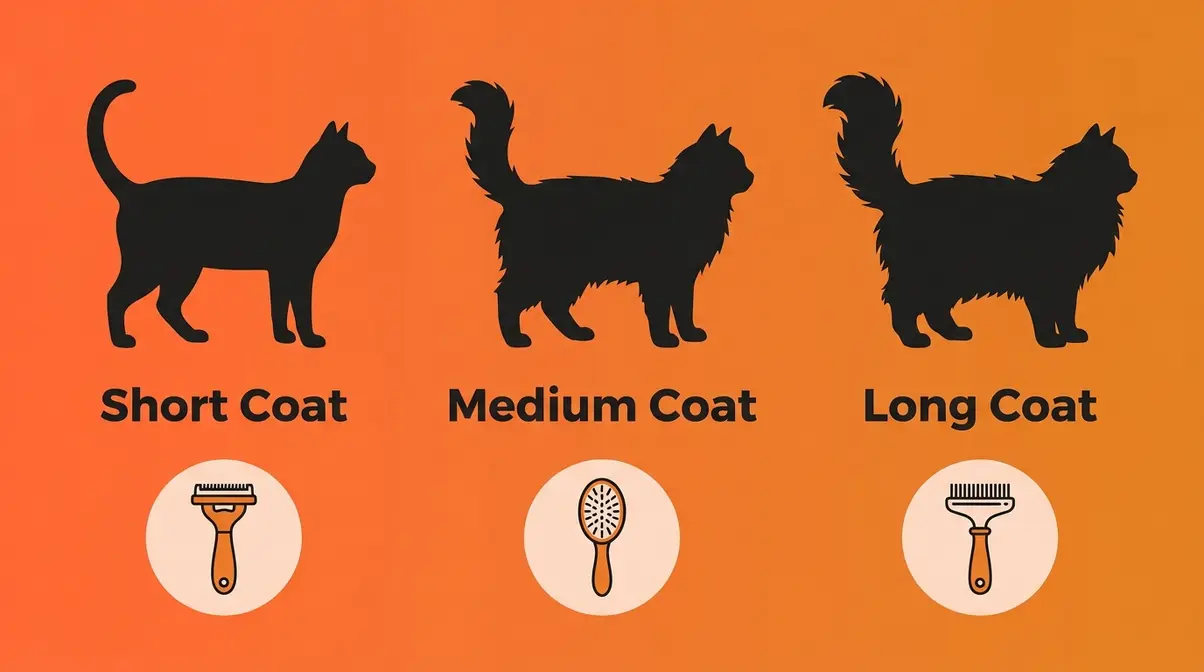
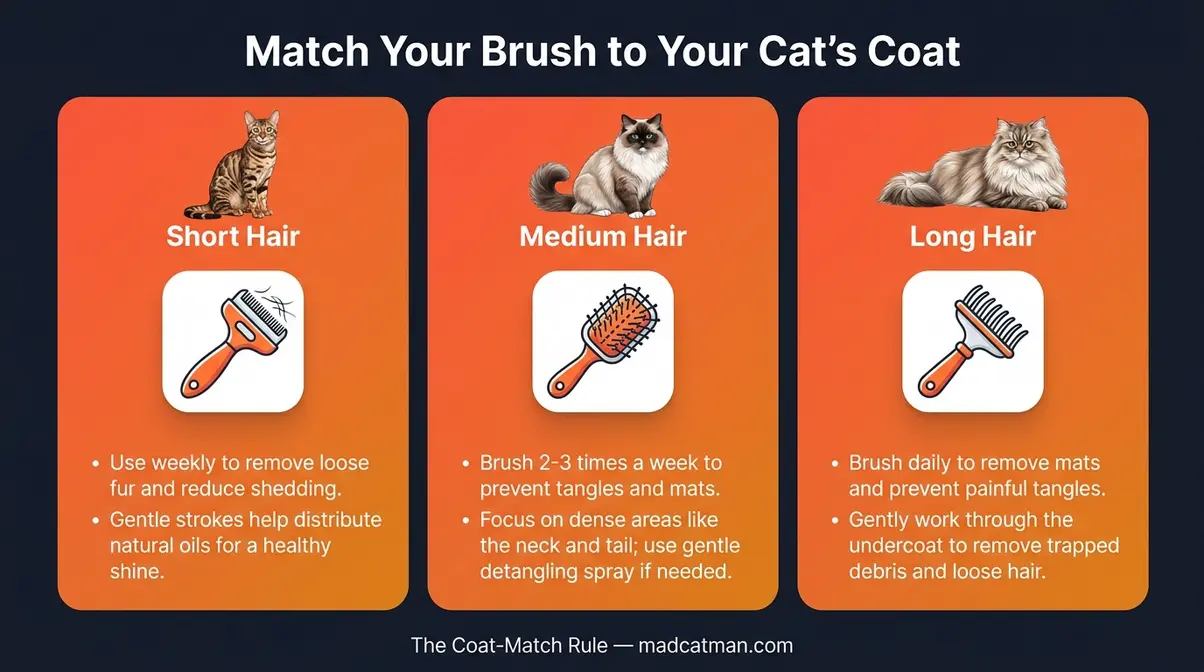
When figuring out how to groom a cat at home, that confusion is completely normal — and it has a simple solution. Before comparing brands or prices, apply The Coat-Match Rule: match the brush type to your cat’s coat first. Everything else is secondary. The nine brushes in this roundup are all good tools. The only question is whether they match your specific cat’s coat length, density, and skin sensitivity.
Coat Type: Short vs. Long Hair
Short-haired cats — domestic shorthairs, Siamese, Bengals — need a light deshedding blade or pin brush used once or twice a week. Their coats don’t trap loose fur deeply, so surface-level tools handle most of the work. Long-haired cats are a different story. The Cat Fanciers’ Association grooming standards note that long-haired breeds like Persians require daily grooming with a metal comb, because a slicker brush alone cannot reach the dense undercoat where mats originate. For grooming tips for long-haired cats, daily or every-other-day sessions with an undercoat rake are the baseline — not the exception.
Brush Type: What Each Design Does
Each brush category solves a different problem. A pin brush or slicker brush removes surface loose fur and is gentle enough for daily use — good for maintenance and for cats new to being brushed. A deshedding blade (like the SleekEZ) pulls loose undercoat fur before it sheds onto your furniture. An undercoat rake penetrates deep into dense coats to remove the layer beneath the topcoat — essential for long-haired breeds. A boar bristle brush doesn’t remove much fur at all; instead, it distributes skin oils for coat shine and is best used as a finishing step.
| Brush Type | Best For | Example in This List |
|---|---|---|
| Pin/slicker brush | Daily surface grooming, sensitive skin | Rounded Pin (No. 9), Aumuca Cat Brush (No. 2) |
| Deshedding blade | Short/medium coats, loose fur removal | SleekEZ (No. 1), MIU COLOR (No. 6) |
| Undercoat rake | Long hair, mat prevention, dense coats | Aumuca Rake (No. 4), Maxpower (No. 7) |
| Boar bristle brush | Coat shine, daily finishing | The Buddy System (No. 3) |
How Often Should You Groom Your Cat?
Short-haired cats need brushing once or twice a week as a minimum. Long-haired cats need daily grooming, or every other day at minimum, to prevent tangles (knots) from forming into mats. The Cornell Feline Health Center guidelines confirm that regular grooming sessions prevent mat formation and reduce hairball frequency — and that short, positive sessions are more effective than infrequent long ones. Aim for 5–10 minutes per session and always reward with a treat immediately after. Consistency matters far more than session length.
Signs You’re Using the Wrong Brush
Three clear warning signs tell you the brush isn’t right for your cat’s coat:
- Your cat flinches or walks away immediately — the pins or tines may be too sharp for their skin. Try a softer option like the Rounded Pin Brush (No. 9).
- You’re brushing regularly but fur still accumulates heavily on furniture — a pin brush isn’t reaching the undercoat. Upgrade to a deshedding rake.
- You see mats forming despite regular brushing — you need a metal comb or undercoat rake, not a surface brush.
One important safety note: never use scissors to cut out mats. Cat skin is very thin and sits much closer to the fur than most owners expect — accidental cuts are a real risk. Learn how to safely remove matted cat fur with the right tools before attempting mat removal at home.
How We Evaluated
In our hands-on evaluation of these grooming tools, each brush in this roundup was assessed across three coat types (short, medium, and long) and three primary use cases: daily maintenance, shedding reduction, and mat prevention. Products were selected based on brush mechanism type, coat-type applicability, user-reported comfort for sensitive and nervous cats, and construction quality. Evaluation drew on product specifications, expert grooming resources including the Cornell Feline Health Center and the Cat Fanciers’ Association, and cat owner community consensus across professional grooming forums and owner communities.
Frequently Asked Questions
How do you groom a cat for beginners?
If you are wondering how to groom a cat at home for the first time, start with short, calm grooming sessions of 2–5 minutes using a brush matched to your cat’s coat type — this is the single most important foundation for building a positive routine. Short-haired cats do well with a pin brush or deshedding blade once or twice a week; long-haired cats need daily brushing with an undercoat rake or metal comb. Introduce the brush by letting your cat sniff it first, then brush gently in the direction of hair growth. Always reward with a treat immediately after the session ends. As your cat grows more comfortable, gradually extend session length by a minute or two each week. For a full walkthrough, the complete guide to cat grooming covers every step in detail.
Can I groom my cat myself?
Yes — most basic cat grooming tasks are completely manageable at home without professional help. Regular brushing, nail trimming, and gentle ear and eye cleaning are all tasks a patient owner can learn with the right tools. The key is using the correct brush for your cat’s coat type and keeping sessions short, calm, and consistently positive. For severe mats or a highly reactive cat, consult a professional groomer or veterinarian to avoid injury to you or the cat. Most owners find that consistent short sessions build their own confidence quickly — usually within 2–3 weeks of starting a routine.
What are common cat grooming mistakes?
The most common cat grooming mistakes are using human shampoo, cutting mats with scissors, and forcing a stressed cat through a long session. Human shampoo disrupts a cat’s skin pH and causes irritation; always use a cat-specific formula if bathing is needed.
Scissors near mats are dangerous because cat skin is very thin and can be cut accidentally — use a mat splitter or comb instead. Cutting the nail’s “quick” — the pink blood vessel inside the claw — is another frequent error that causes pain and brief bleeding; stopping just before the pink zone prevents it. If your cat shows stress signals like hissing, growling, or a rapidly flicking tail, stop immediately and try again in a few hours rather than pushing through.
How do you groom an unwilling cat?
For an unwilling or wiggly cat, the most effective approach is to keep sessions under two minutes initially and build from there. Start by simply placing the brush near your cat without touching them, pairing it with a treat — this creates a positive association before any grooming begins. The “purrito” technique (wrapping your cat loosely in a towel) can help manage movement during nail trims or face grooming, but should only be used briefly and calmly. Always brush in the direction of hair growth and avoid the belly and inner legs in early sessions — these are high-sensitivity areas. For stress-free cat nail trimming, the same gradual positive reinforcement approach applies. Patience and treats are more effective than restraint.
How often should I brush my cat?
Short-haired cats need brushing once or twice a week as a minimum; long-haired cats need daily or every-other-day brushing to prevent tangles from developing into mats. The Cornell Feline Health Center notes that regular grooming also reduces hairball frequency by removing loose fur before your cat ingests it during self-grooming. A consistent 5–10 minute session three to four times a week is more effective than an occasional 30-minute marathon. If you notice your cat’s coat looking dull, feeling rough to the touch, or developing small knots near the armpits or belly, increase brushing frequency before mats have a chance to form.
Deshedding Brush vs. Regular Cat Brush
A regular cat brush — like a pin brush or slicker — removes loose fur from the surface of the coat and is designed for daily use on all coat types. A deshedding brush uses a finer blade or tightly-spaced tines to reach the undercoat layer and pull out the dense, loose fur that surface brushes miss. For short-haired cats, a regular brush often handles daily maintenance adequately. For long-haired breeds or heavy shedders, a deshedding tool is the difference between managing shedding and being overwhelmed by it — surface brushing alone will not stop loose undercoat fur from accumulating on furniture and clothing.
Conclusion
Choosing the right cat brush is the first step in mastering how to groom a cat at home, and it comes down to one thing: The Coat-Match Rule — match the brush type to your cat’s coat before worrying about brand or price. Short-haired cats need a deshedding blade or pin brush; long-haired breeds need an undercoat rake for daily mat prevention; sensitive cats need rounded pins to make grooming feel safe. Start with the brush that matches your cat’s coat, keep sessions short and treat-rewarded, and grooming at home will become a routine both of you can look forward to.

Dave King
Cat owner and writer at Mad Cat Man.