
Table of Contents
- Why Do Many Cats Hate Water?
- When Is Bathing Really Necessary?
- Supplies You’ll Need Before Starting
- Pre-Bath Desensitization: Soft Entry
- Step-by-Step: Bathing a Cat That Hates Water
- Handling Resistance & Common Challenges
- Post-Bath Care & Maintenance
- Alternatives & When to Skip the Bath
- Expert Tips & Real-World Insights
- FAQ (Featured Snippet–Optimised)
- Conclusion: Compassion, Patience & Best Practices
This blog post may contain affiliate links. As an Amazon Associate I earn from qualifying purchases.
How to Bathe a Cat That Hates Water: Gentle Methods for Reluctant Felines
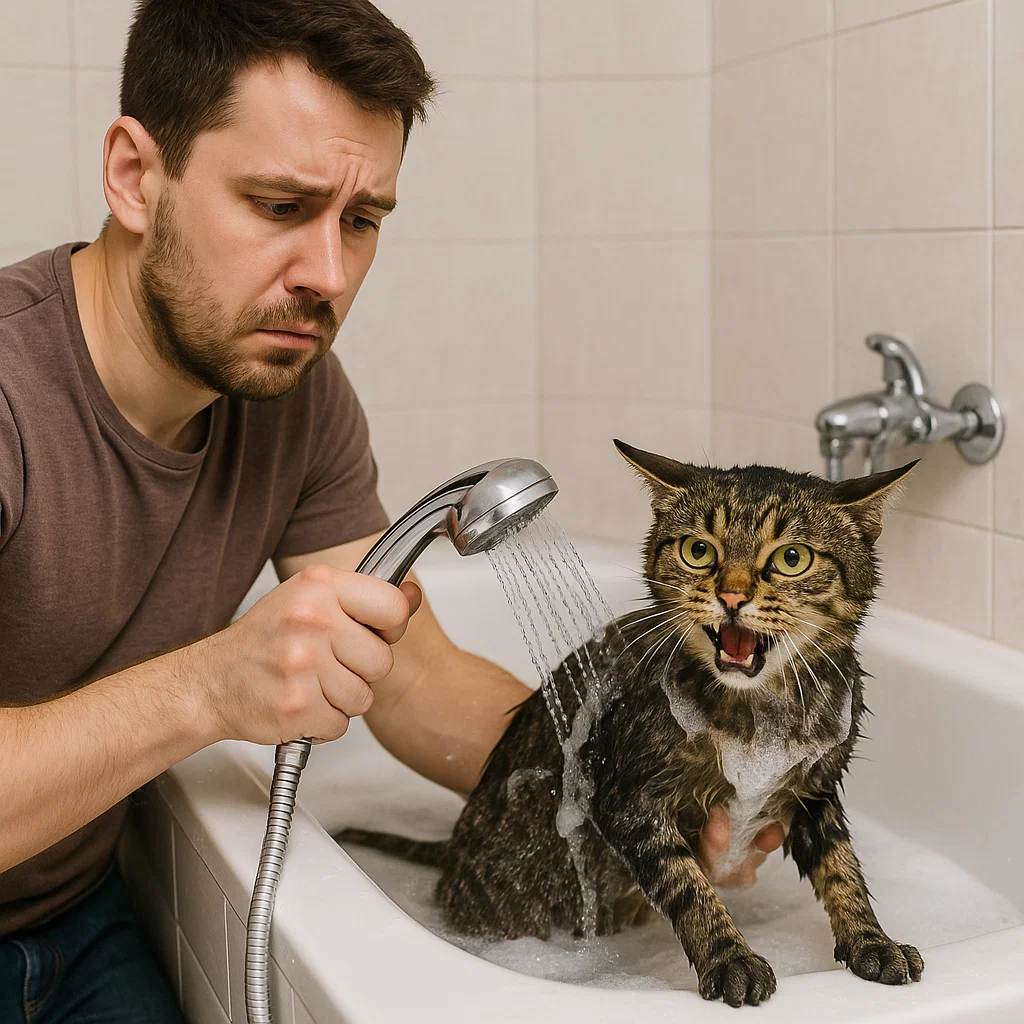
To bathe a cat that hates water can feel like wrestling a porcupine — painful, messy, and full of hisses. But sometimes it’s necessary: for flea treatments, cleaning off toxins, or helping a long-haired cat with matted fur. With care, patience, and the right approach, you can make the experience far less traumatic — for both of you.
In this comprehensive guide from Mad Cat Man, you’ll learn:
- When a bath is truly necessary
- How to prepare and desensitize your cat
- Safe, step-by-step bathing methods
- Post-bath care and drying tips
- Alternatives and when to defer to professionals
- Expert insights, risks, and FAQs
Why Do Many Cats Hate Water?
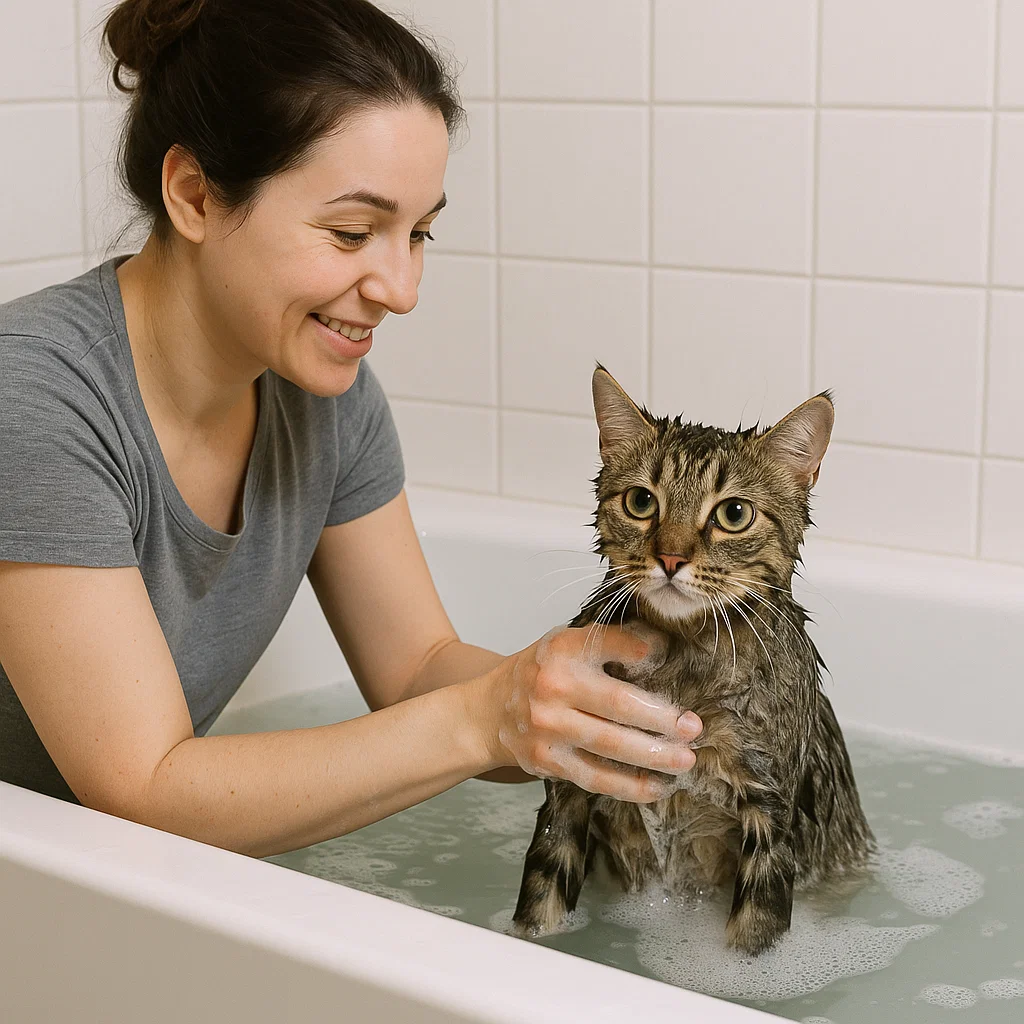
Cats are fastidious self-groomers, so bathing is unnatural to them. But there are specific reasons water terrifies many cats:
- Vulnerability: Being wet reduces control; cats feel exposed.
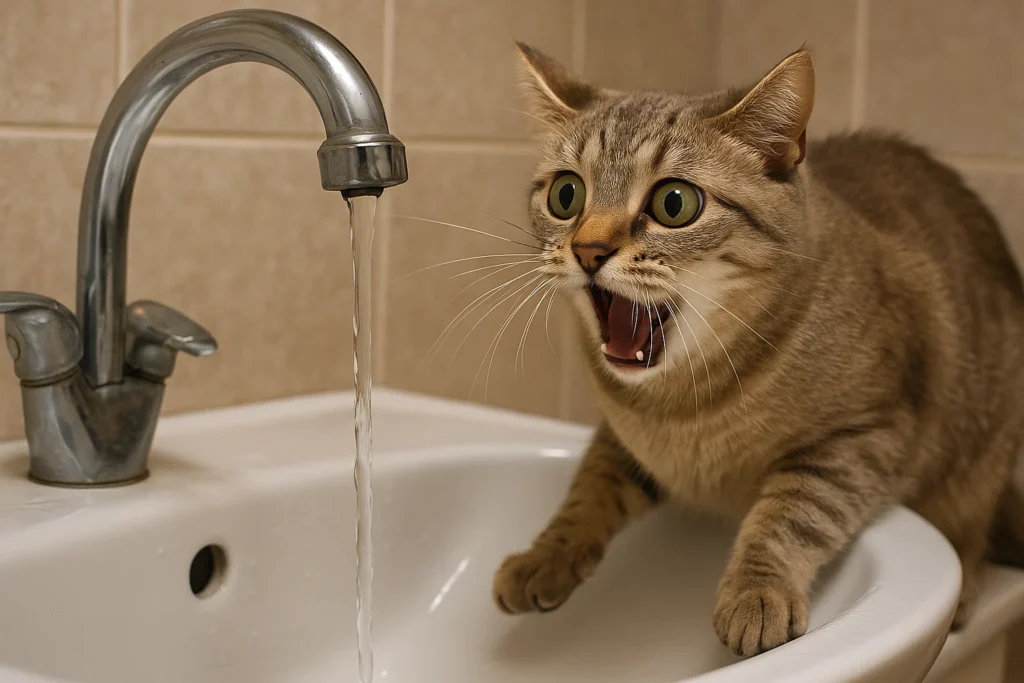
- Temperature sensitivity: Cool or sudden water makes them feel cold or shocked.
- Sound, texture, and sensation: The noise, spray, and slippery surfaces are alien and stressful.
- Lack of early exposure: Kittens not introduced gradually to water often resist strongly later.
Veterinary sources note that while some cats tolerate water, many resist due to these natural instincts. ovrs.com+1
When Is Bathing Really Necessary?
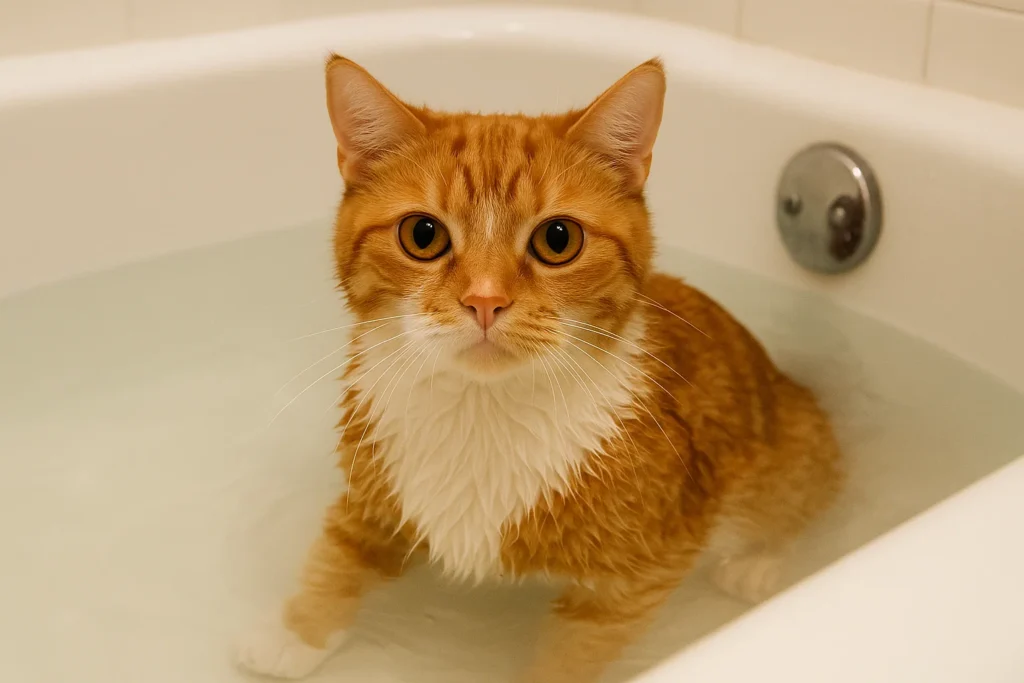
Before diving in, ask whether a bath is essential. Many cats never need one. In most cases:
- Flea treatments, mud, or toxic substances may require a bath. anicira.org+1
- Some cats with skin disorders or lack of grooming ability (elderly, overweight, or sick cats) may benefit. angelanimalhospital.com+1
- For routine maintenance, brushing, dry shampoos, or wipes often suffice.
If you decide a bath is needed, approach with empathy, planning, and gentle techniques.
Supplies You’ll Need Before Starting
| Item | Purpose / Notes |
|---|---|
| Cat-specific shampoo (mild, unscented) | Avoid human products — they disrupt skin pH. angelanimalhospital.com+1 |
| Towels (2–3) | One to wrap the cat afterward, one for spills, one as backup |
| Non-slip mat or rubber grip in tub/sink | To prevent slipping panic |
| Basin, pitcher, or gentle spray nozzle | Use gentle pour or spray from above |
| Wide-tooth comb / detangling brush | Pre-bath grooming helps reduce tangles splootvets.com+1 |
| Cotton balls (optional) | Use in ears to block water entry |
| Treats and praise | Rewards help associate the experience positively |
Gather everything before you bring your cat into the bath area. You don’t want to pause mid-bath because something’s missing.
Pre-Bath Desensitization: Soft Entry
Rushing into a full bath is often the biggest error. Build comfort first.
- Dry runs in the bathroom: Bring your cat into the bathroom with you (no water), stroke them, give treats.
- Familiarisation with the tub or sink: Place a towel or mat in the sink; let them explore the area.
- Introduce water gradually: Drip a little warm water onto their paw or leg and reward calm reactions. splootvets.com+1
- Positive association: Use treats, calm voice, petting — make the environment safe.
These steps gradually lower the shock factor. If your cat shows signs of extreme distress, back up a step.
Step-by-Step: Bathing a Cat That Hates Water
Step 1: Trim Nails & Brush Fur
Trimming nails reduces the risk of scratches during handling. Brushing removes tangles and loose fur — wet mats are painful to detangle afterwards. splootvets.com+1
Step 2: Fill the Basin with Lukewarm Water
Fill with just a few inches (2–3″) of lukewarm water (about 37–39°C / 98–102°F). The water should already be in place before bringing the cat in — avoid running water noises. ovrs.com+1
Step 3: Place the Cat Gently
- Hold the cat securely by the scruff or use a thin harness if trained.
- Maybe place a towel over the cat’s back to calm them.
- Begin wetting from the nape of the neck, letting water flow downward (so they don’t feel sprayed in the face).
Step 4: Apply Shampoo Sparingly
- Use a small amount of cat-specific shampoo.
- Lather gently, avoiding eyes, ears, nose, and mouth.
- Work from top to tail, paying attention to armpits, belly, and under the legs.
Step 5: Rinse Thoroughly
- Rinse all shampoo thoroughly, using the pitcher or spray.
- Residual soap can irritate skin and lead to licking or scratching.
Step 6: Face & Head Wipe
- Use a damp, clean washcloth to gently clean around the face — avoid direct water spray near ears and eyes.
Step 7: Remove & Wrap Quickly
- Lift the cat out carefully and wrap them in a towel immediately.
- Blot gently to absorb water — don’t rub vigorously, which tangles fur or irritates skin.
Step 8: Warm Drying
- Use a warm, quiet room.
- If the cat tolerates it, a hairdryer on the lowest setting held at distance can help.
- Otherwise, let them dry in towels and warm surroundings.
Step 9: Reward & Calm
Offer treats, praise, petting, and calm assurance. Let them retreat to a safe, quiet zone to relax.
Handling Resistance & Common Challenges
Escaping & Scratching
- Work calmly and slowly. Cats feed off your energy — stay relaxed. angelanimalhospital.com+1
- Use thick towels to wrap them around during parts of the bath if needed.
- Always avoid forcing the process — risk of injury and damaging trust.
Fear of Water or Sound
- Avoid noisy taps or sprays — use gentle pour methods.
- Keep the environment quiet, calm, and dim.
- Use pheromone spray/diffuser (Feliway) beforehand to reduce stress.
Long-Haired Cats or Mats
- Matted fur may require spot-cleaning only; full de-matting in water can hurt the cat.
- Consider professional grooming for severe mats.
When to Abort & Get Help
If your cat is panicking severely, hurting itself, or you’re getting unsafe, stop immediately. Rinse gently and dry, then consider a professional groomer or vet bath. Some baths are done at vets using sedation if necessary. anicira.org+1
Post-Bath Care & Maintenance
- Keep the cat warm until fully dry.
- Brush the fur once dry to prevent tangles.
- Monitor for skin irritation or residual dampness.
- Never bathe too often — excessive bathing removes essential oils and can dry the skin. anicira.org+1
Alternatives & When to Skip the Bath
- Waterless shampoos / dry shampoos
- Cat wipes or grooming mitts (especially for face, paws, and tail)
- Professional grooming services
- Spot cleaning with damp cloth on dirty patches
If your cat is clean enough, often these alternatives suffice. Never force a full bath unless absolutely necessary.
Expert Tips & Real-World Insights
- Many experts recommend timing the bath after a meal or play, when cats are more relaxed.
- Use a helper so one person handles the cat, while the other does the washing. angelanimalhospital.com+1
- A soft, padded mat in the tub can help cats feel more secure.
- Teach kittens early to tolerate baths — early exposure pays dividends.
- Remain calm and talk softly — cats pick up emotional cues.
FAQ (Featured Snippet–Optimised)
Can you bathe a cat that hates water?
Yes — using gradual desensitization, soothing methods, and minimal stress, most cats can be bathed when truly needed.
How often should you bathe a cat?
Only when necessary (e.g. flea treatment, mess, medical reasons). Over-bathing can harm skin health and natural oils. anicira.org+1
What kind of shampoo is safe for cats?
Use a cat-specific, mild shampoo. Never use human or dog shampoos — their pH levels differ.
What if my cat bites or scratches during a bath?
Stop immediately. Try desensitization first or seek professional help.
Can vets sedate a cat for a bath?
In some medical cases, yes. A vet may sedate to reduce stress and risk.
Is there a noise-free alternative to bath?
Yes — waterless shampoos, wipes, grooming mitts, or professional grooming can help avoid full baths.
Conclusion: Compassion, Patience & Best Practices
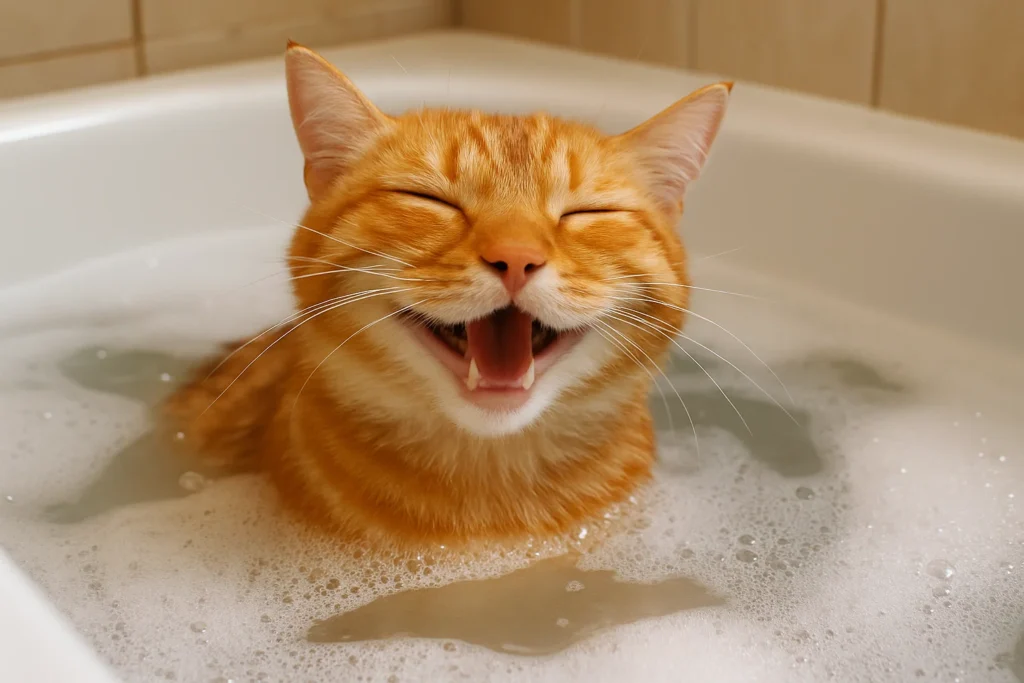
Bathing a cat that hates water is rarely fun — but when done with gentleness, planning, and respect, it can be manageable. The key lies in preparation, calm demeanor, and prioritising the cat’s emotional and physical safety. Use alternatives when possible, and know when professional help is the wiser route.
By applying the methods above, you’re far more likely to accomplish this chore with minimal stress, maintain your bond, and support your cat’s health.