
Table of Contents
This blog post may contain affiliate links. As an Amazon Associate I earn from qualifying purchases.
How Much to Microchip a Cat? — A Comprehensive Guide ( 2025)
When you’re weighing options for your cat’s safety, microchipping often surfaces as one of the smartest preventive steps you can take. But how much does microchipping actually cost? In this in-depth article, Mad Cat Man will break down all the cost components, variables, and tips to make letting your cat get microchipped as economical and effective as possible.
What Is a Microchip — And Why It’s Worth It
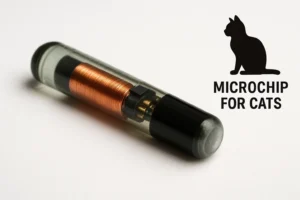
A pet microchip is a tiny RFID (radio frequency identification) implant, typically inserted under the skin between a cat’s shoulder blades. It stores a unique ID number that can be read by scanners; when matched with an up-to-date registry, it helps reunite lost cats with their owners. petplace.com+2PetMD+2
-
It’s not a GPS tracker. The microchip doesn’t transmit location — it only stores identity info. CareCredit+2MetLife Pet Insurance+2
-
Lifetime device. Once implanted, it’s intended to last your cat’s lifetime, though registry updates and periodic scanning will ensure it’s still functioning. PetMD+3Vety+3Catster+3
-
Higher return rates. Microchipped cats are far more likely to be returned when lost than unchipped ones. petplace.com+3CareCredit+3AAHA+3
Because of these benefits, microchipping is widely recommended by veterinarians and animal welfare organizations. AAHA+2petplace.com+2
Average Cost to Microchip a Cat in the U.S.
Here’s how the average pricing landscape looks as of 2025:
| Scenario / Setting | Typical Cost Range | Notes |
|---|---|---|
| Veterinary clinic (chip + implantation) | $25 to $70 | Many sources cite $45 as a common average. Veterinary Care at Your Fingertips+3Catster+3CareCredit+3 |
| Higher-end / specialty clinic | Up to ~$100+ | Location, demand, or bundled services may push cost higher. AAHA+3hotspringsanimalhospital.com+3MetLife Pet Insurance+3 |
| Low-cost clinics / shelters | $10 to $30 | Many shelters offer subsidized or promotional microchipping. AAHA+4Catster+4petplace.com+4 |
| Municipal or government programs | ~$15 | Example: Los Angeles Animal Services offers microchipping for $15. laanimalservices.com |
Some sources also include or mention registration fees, exam fees, or veterinary consultation fees as separate line items. PangoVet Pet Corner+3petplace.com+3Veterinary Care at Your Fingertips+3
For example, PetPlace notes that when you factor in exam fees or registration, total “all-in” costs may run $70 to over $100. petplace.com
So when someone asks, “How much to microchip a cat?”, the best short answer is: expect between $25 and $70, depending on your location and clinic, though under special cases it can be more or less.
What Influences the Cost?

The variation in pricing comes down to several controllable and uncontrollable factors:
1. Clinic Type & Location
Veterinary practices in metropolitan or high-cost areas often charge more. Low-cost clinics or non-profit shelters generally offer lower rates to increase accessibility. Vety+2Veterinary Care at Your Fingertips+2
2. Whether Registration Is Included
Some clinics include the microchip registration (linking the chip’s ID to your contact information) in their fee; others require a separate registration fee or premium service. Veterinary Care at Your Fingertips+2petplace.com+2
3. Veterinary Exam / Office Visit Charges
If you’re bringing your cat in solely for microchipping, you might be charged a base exam or office visit fee. Many clinics waive this if microchipping is done at the same time as other routine services. PangoVet Pet Corner+2petplace.com+2
4. Bundled Services
Some veterinarians bundle microchipping with spay/neuter, vaccinations, or wellness checkups, making the marginal cost of adding a chip very low. Embrace Pet Insurance+2MetLife Pet Insurance+2
5. Manufacturer & Microchip Type
While most pet microchips operate on the same standard frequencies, slight cost differences may exist based on brand or whether the chip is ISO-compliant (for international scanning compatibility). Vety+2PangoVet Pet Corner+2
6. Regional Subsidies or Programs
Some municipalities, animal shelters, or rescue organizations offer discounted or free microchipping events or programs, as part of public safety or pet welfare initiatives. laanimalservices.com+2Veterinary Care at Your Fingertips+2
How to Save Money (While Ensuring Quality)

-
Ask about low-cost clinics or shelter events — many shelters host microchipping drives.
-
Bundle with regular vet visits — combining services can reduce or eliminate extra visit fees.
-
Verify what’s included — make sure registration is included, and clarify if an exam fee will be added.
-
Check for subsidies or grants — some cities or animal control offer free or reduced-cost microchipping.
-
Keep registry updated — an otherwise inexpensive chip is useless if your contact info is outdated.
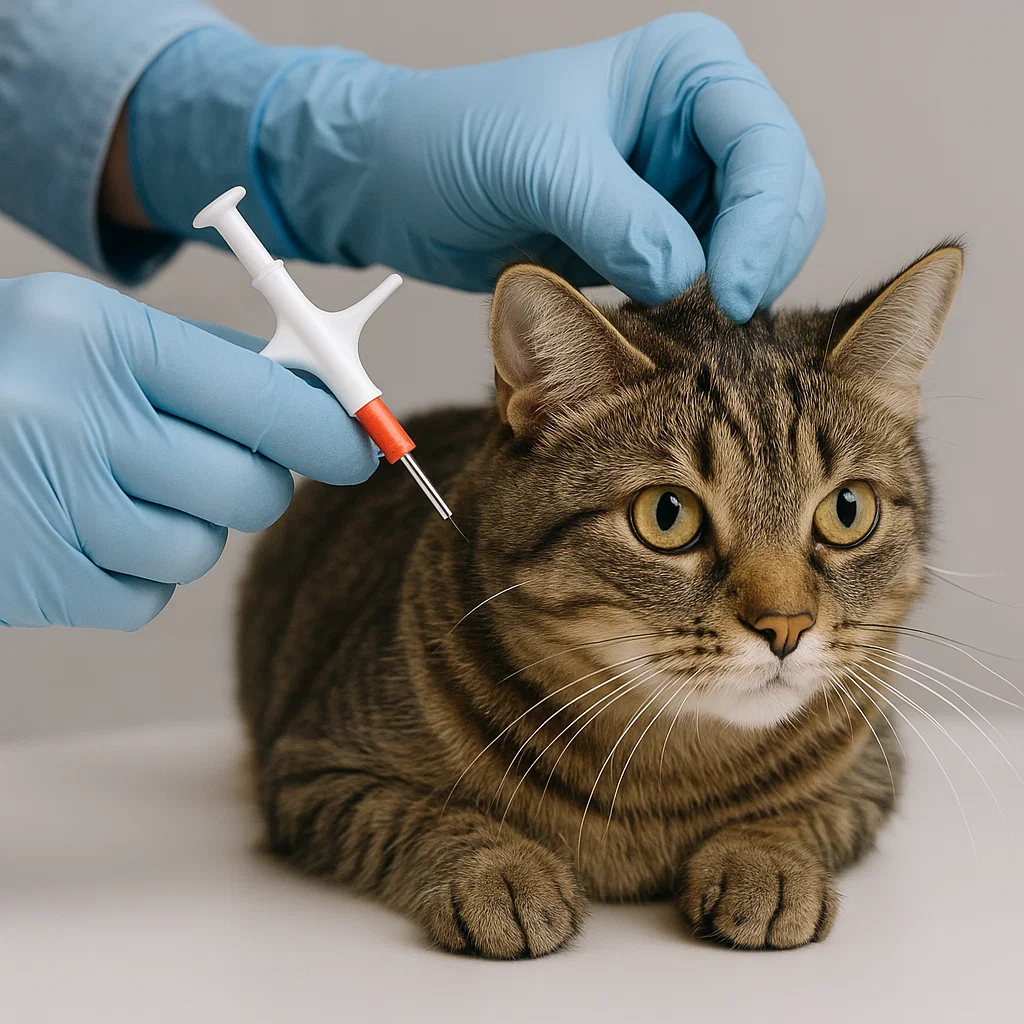
What Happens During the Microchipping Procedure
Understanding the process helps remove the anxiety and uncertainty. Here’s what typically occurs:
-
Pre-check / examination
The vet or tech ensures the cat is healthy for the procedure. If needed, vaccination or parasite checks may be done concurrently. -
Scanning & activation
A microchip scanner reads the chip (while still in its sterile package) to confirm its functionality. -
Insertion
Using a sterile needle (similar in feel to a vaccine), the chip is implanted just under the skin, between the shoulder blades. Catster+3Embrace Pet Insurance+3MetLife Pet Insurance+3 -
Post-scan & registration
The vet scans again to ensure it’s working, then you or the clinic registers the chip ID to your contact details. -
Aftercare
There’s minimal aftercare — monitor the site for mild swelling or tenderness (rare) and ensure the chip is scanned at future vet visits.
Many vets perform microchip insertion during anesthesia for other procedures like spay/neuter to avoid the cat feeling any discomfort. petplace.com+3Embrace Pet Insurance+3PangoVet Pet Corner+3
Additional Considerations (Beyond Just the Chip)
Registration & Database Fees
Though many clinics include registration, in some cases:
-
You may need to pay $15–$30 extra for registration or premium services. Veterinary Care at Your Fingertips+2petplace.com+2
-
Some microchip providers offer subscription services for advanced features (owner outreach, lost-pet ads), though these are optional. Embrace Pet Insurance+1
Maintenance & Lifetime Costs
-
There typically is no annual charge to keep a microchip active, though you are responsible for updating your contact info. Veterinary Care at Your Fingertips+3petplace.com+3Vety+3
-
Because microchips do not expire, you won’t need to replace them unless it malfunctions (rare). petplace.com+3AAHA+3Vety+3
-
Some registries may charge periodic reactivation or “premium database” fees, but many basic registries are free or low cost. Vety+1
Compatibility & Standards
Choosing an ISO-approved microchip (134.2 kHz) ensures compatibility with scanners worldwide — a key factor if you ever travel internationally with your cat. Vety+2PangoVet Pet Corner+2
FAQs — Snippet-Style Answers
How much does microchipping cost, all in?
Around $25 to $70 is typical for the chip + implant. With exam or registration included, the cost may rise to $70–$100+.
Is there a free option?
Yes. Many shelters or municipalities offer free or heavily discounted microchipping events.
Does pet insurance cover microchips?
Usually not under standard accident/illness policies. But wellness or preventative plans may include microchipping. Money+2MetLife Pet Insurance+2
Do microchips last forever?
Yes — they are meant to last the cat’s lifetime, though you should verify function periodically.
Can I track my cat with a microchip?
No. It’s not a GPS device — just identification.
What if I move or change phone numbers?
You must update your microchip registry profile. Failing to do so defeats the purpose.
Conclusion & Next Steps
Microchipping is a relatively low-cost, one-time investment with lifelong benefits. By budgeting $25–$70 (or slightly more in certain areas), you can greatly increase the chance of being reunited with your cat if they’re ever lost.
Here’s what to do next:
-
Call local vets and shelters to compare microchipping rates (and ask what’s included).
-
Consider attending free or discounted microchip clinics in your area.
-
If your cat already has a microchip, verify the registration and update contact info.
-
At each vet visit, request a scan to confirm the chip is still working.
-
Keep your registry info current — address, phone, new email — so you remain reachable.