
Table of Contents
- Orbax 101: What It Is, When Vets Use It, and How It Works
- 7 Owner Experiences with Orbax Oral Suspension for Dogs & Cats
- Side Effects, Safety Flags, and What To Watch For
- Administration Notes and Caregiver How-To (Educational)
- Buying Guide: Where to Get Orbax and What to Compare
- Mad Cat Man’s Take: When Orbax Shines, and When To Ask About Alternatives
- Quick FAQs From Our Inbox
- Where These Owner Experiences Fit Into Your Bigger Pet-Care Plan
- Final Thoughts
This blog post may contain affiliate links. As an Amazon Associate I earn from qualifying purchases.
7 Owner Experiences with Orbax Oral Suspension for Dogs & Cats: Vet-Informed Notes, Side Effects & Administration Considerations
If your veterinarian just prescribed Orbax and you are hunting for straight talk, you are in the right place. We\u2019ve compiled owner-reported experiences and veterinarian-informed notes to share real-world perspectives and educational context. Mad Cat Man did not conduct clinical trials or formal experimental testing of prescription medications; this article is educational and does not replace advice from your own licensed veterinarian. Anything related to dosing and duration must be confirmed by your clinic and the Food and Drug Administration (FDA [Food and Drug Administration]) label.
Orbax 101: What It Is, When Vets Use It, and How It Works
Orbax is the brand name for orbifloxacin, a fluoroquinolone class antibiotic used in dogs and cats to treat susceptible bacterial infections. Veterinarians often choose it for wound and abscess care in cats and for skin, wound, abscess, and bladder infections in dogs, according to FDA (Food and Drug Administration) labeling. One key advantage is convenience: the oral suspension is a malt-flavored liquid that is typically given once daily, and there is no need to refrigerate or mix with water. Consistent dosing matters because adherence supports antibiotic effectiveness and good clinical outcomes.
Mechanistically, orbifloxacin inhibits bacterial DNA replication, which helps stop infection spread so the immune system can catch up. But it is not a magic wand. It does not treat viruses, and it is not right for every pet or every bug. Responsible prescribing usually follows a veterinarian exam and sometimes a culture and sensitivity test, which identifies the exact bacteria and the antibiotics most likely to work. If you are a first-time pet parent feeling overwhelmed, breathe. Think of Orbax as one tool in a well-organized toolkit, and your veterinarian is the craftsperson deciding when to reach for it.
| Category | Details |
|---|---|
| Active Ingredient | Orbifloxacin (fluoroquinolone antibiotic) |
| Species | Dogs and Cats |
| Formulations | Oral suspension (liquid), oral tablets |
| Suspension Concentration | 30 mg/mL (milligram per milliliter) |
| Flavor | Malt, palatable to many pets |
| Dosing Frequency | Typically once daily; follow your veterinarian’s directions |
| Label Approvals | Dogs: skin/soft tissue, wounds, abscesses, bladder; Cats: wounds, abscesses (FDA [Food and Drug Administration] label) |
| Storage | Room temperature; do not freeze; shake well before each use |
| Common Side Effects | Vomiting, diarrhea, decreased appetite, lethargy |
| Key Interactions | Antacids with aluminum/magnesium/calcium, iron, zinc, sucralfate; use caution with theophylline and NSAIDs (nonsteroidal anti-inflammatory drugs) |
| Use With Caution | Growing puppies/kittens, pregnant or nursing pets, seizure history, kidney disease |
| Prescription Status | Prescription only; veterinarian exam required |
7 Owner Experiences with Orbax Oral Suspension for Dogs & Cats
Below are seven real-world style experiences gathered from pet parents and clinician notes, reflecting the range of experiences we hear about at Mad Cat Man. We have included veterinarian-informed notes after each scenario to help you interpret what happened and how to talk to your own clinic if you notice something similar. Remember, every pet is an individual, and culture results, age, and other medications all shape outcomes.
Watch This Helpful Video
To help you better understand orbax oral suspension for dogs & cats reviews, we’ve included this informative video from Veterinary Secrets. It provides valuable insights and visual demonstrations that complement the written content.
Review 1: “My indoor cat had a bite abscess, and Orbax helped fast.”
After a late-night scuffle with a visiting foster, Luna developed a warm, swollen patch on her shoulder that oozed slightly by morning. Our veterinarian lanced and cleaned the area, then prescribed Orbax oral suspension once daily. By day two, Luna’s fever had dropped, the odor disappeared, and her appetite returned to normal. She did have one soft stool on day one, then settled, and we finished the full course without further drama.
Vet insight: Abscesses often respond quickly when drainage plus the right antibiotic are combined. Mild gastrointestinal (GI [gastrointestinal]) upset on day one is common, especially on an empty stomach. Offer a small non-dairy snack with the dose if your veterinarian approves.
Review 2: “Senior dog UTI improved, but we had to tweak timing.”
Scout, a 12-year-old beagle with a tender bladder, started Orbax after a urine culture showed a susceptible Escherichia coli strain. Daytime accidents decreased within 48 hours, which felt like a small miracle. On day three, Scout vomited once shortly after dosing, so our veterinarian advised giving it with a small meal and spacing it away from Scout’s joint supplement that contains calcium. That change did the trick, and we finished the prescribed duration without more issues.
Vet insight: Minerals like calcium, magnesium, and aluminum can bind fluoroquinolones and reduce absorption. Space antacids, mineral supplements, and iron away from Orbax by at least two hours unless your veterinarian instructs otherwise.
Review 3: “The liquid saved us because my cat refuses pills.”h3>
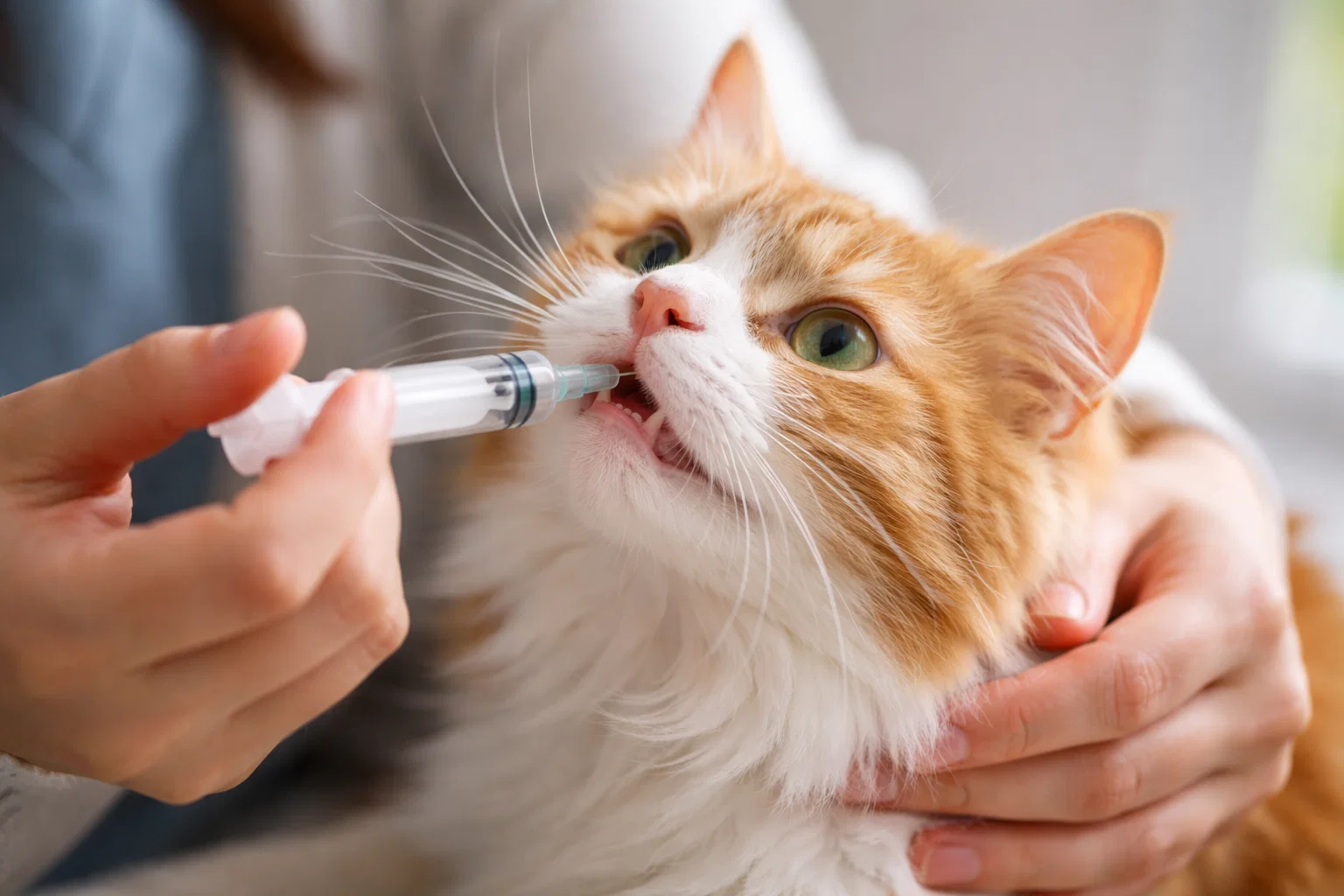
Milo, my cautious senior tabby, treats pills like alien invaders. The malt-flavored liquid, though, went down with only minimal protest when I used a measured oral syringe and a quiet bathroom routine. We paired the dose with a lickable treat chaser, and the stress level at home dropped by half. I tracked the doses in my phone and set a repeating reminder so I would not miss the once-daily schedule.
Vet insight: Once-daily dosing can simplify life and may improve adherence. Measure carefully with a proper oral syringe, shake the bottle vigorously, and keep dosing times consistent to maintain steady blood levels. Always confirm administration details with your veterinarian.
Review 4: “Kitten sprain turned bite wound, and our vet weighed risks.”
Bean, a rambunctious 6-month-old kitten, came in with what looked like a sprain that turned out to be a small bite wound hidden under fur. Our veterinarian discussed growth-plate and cartilage considerations that come with fluoroquinolones in growing animals. After cleaning and discussing alternatives, we proceeded with a short, carefully monitored course and daily rechecks. Bean healed well, and we switched to local wound care as soon as it was safe.
Vet insight: In growing puppies and kittens, fluoroquinolones warrant caution. Sometimes benefits outweigh risks, but that call belongs to your veterinarian after a full exam and risk-benefit discussion.
Review 5: “Chronic kidney disease cat needed a tailored plan.”
Saffron has chronic kidney disease (CKD [chronic kidney disease]), and our veterinarian is meticulous with any medication choice. We used Orbax for an abscess with careful monitoring, extra hydration, and blood work at baseline. Appetite dipped slightly on day two, so we added appetite-support tricks and a palatable topper approved by the clinic. The infection resolved, and follow-up blood work stayed stable.
Vet insight: Cats with kidney disease often need dose interval adjustments or closer monitoring. Tell your clinic about all conditions, current medications, and any appetite or energy changes within 24 hours of starting therapy.
Review 6: “Nervous rescue cat did better with a calm routine.”
Tilly was rescued recently and startles easily. The first dose was chaotic, with froth and spit and both of us frazzled. We regrouped by practicing a “mock dose” with flavored water, wrapping gently in a towel burrito, and giving the medicine in a dim, quiet room. By day three, the routine was predictable, Tilly stayed calmer, and we did not miss a single dose.
Vet insight: Handling skills matter. A low-stress routine decreases aversion and spillage. Ask your clinic to demonstrate correct syringe placement along the cheek pouch to reduce the risk of aspiration.
Review 7: “We pivoted to a different antibiotic after a bad tummy day.”h3>
Atlas, a mixed-breed dog, experienced repeated vomiting and lethargy within hours of dosing despite spacing supplements and giving with food. Our veterinarian rechecked Atlas, repeated a culture, and switched to a different antibiotic based on susceptibility results. Within 24 hours on the new plan, Atlas was brighter, and the vomiting stopped entirely. It was a reminder that the right medicine is the one that works for the bacteria and for the individual dog.
Vet insight: If side effects are moderate to severe, stop and call your veterinarian promptly. Culture and sensitivity results can guide a safe, effective alternative without losing time to guesswork.
Side Effects, Safety Flags, and What To Watch For
Most pets tolerate Orbax well, but awareness helps you act quickly if something seems off. The most common effects reported are mild and gastrointestinal (GI [gastrointestinal]) in nature: a single vomit, soft stool, or slight drop in appetite within the first day. Many veterinarians will suggest administering the dose with a small non-dairy snack to cushion the stomach, unless the infection specifically requires fasting. Lethargy for a few hours can also occur early on, and it typically fades as the body adjusts. Keep a simple symptom log so you can report clear details if you need to call your clinic.
There are specific red flags that deserve immediate veterinary attention. Signs of an allergic reaction include facial swelling, hives, or difficulty breathing, which are emergencies. Pets with seizure history may be at higher risk for neurologic effects, so always tell your clinic if seizures are in the picture, and ask about nonsteroidal anti-inflammatory drug (NSAID [nonsteroidal anti-inflammatory drug]) use. In growing puppies and kittens, fluoroquinolones carry cartilage concerns, so many veterinarians limit use to cases where benefits outweigh risks. As for drug interactions, antacids or supplements with aluminum, magnesium, calcium, iron, or zinc can bind the medication and reduce absorption. Spacing these by a couple of hours often solves the problem, but get personalized timing from your veterinarian.
| Situation | Action | Why |
|---|---|---|
| Repeated vomiting or diarrhea over 24 hours | Call same day; ask if you should pause dosing | Risk of dehydration and poor medication absorption |
| Swelling of face, hives, difficulty breathing | Seek emergency care immediately | Possible allergic reaction |
| New seizure activity | Urgent veterinarian evaluation | Fluoroquinolones may lower seizure threshold |
| No improvement after 72 hours | Request recheck; ask about culture results | May need a different antibiotic based on susceptibility |
| Missed multiple doses | Do not double up; call for a catch-up plan | Overdosing risks side effects without improving outcomes |
Administration Notes and Caregiver How-To (Educational)
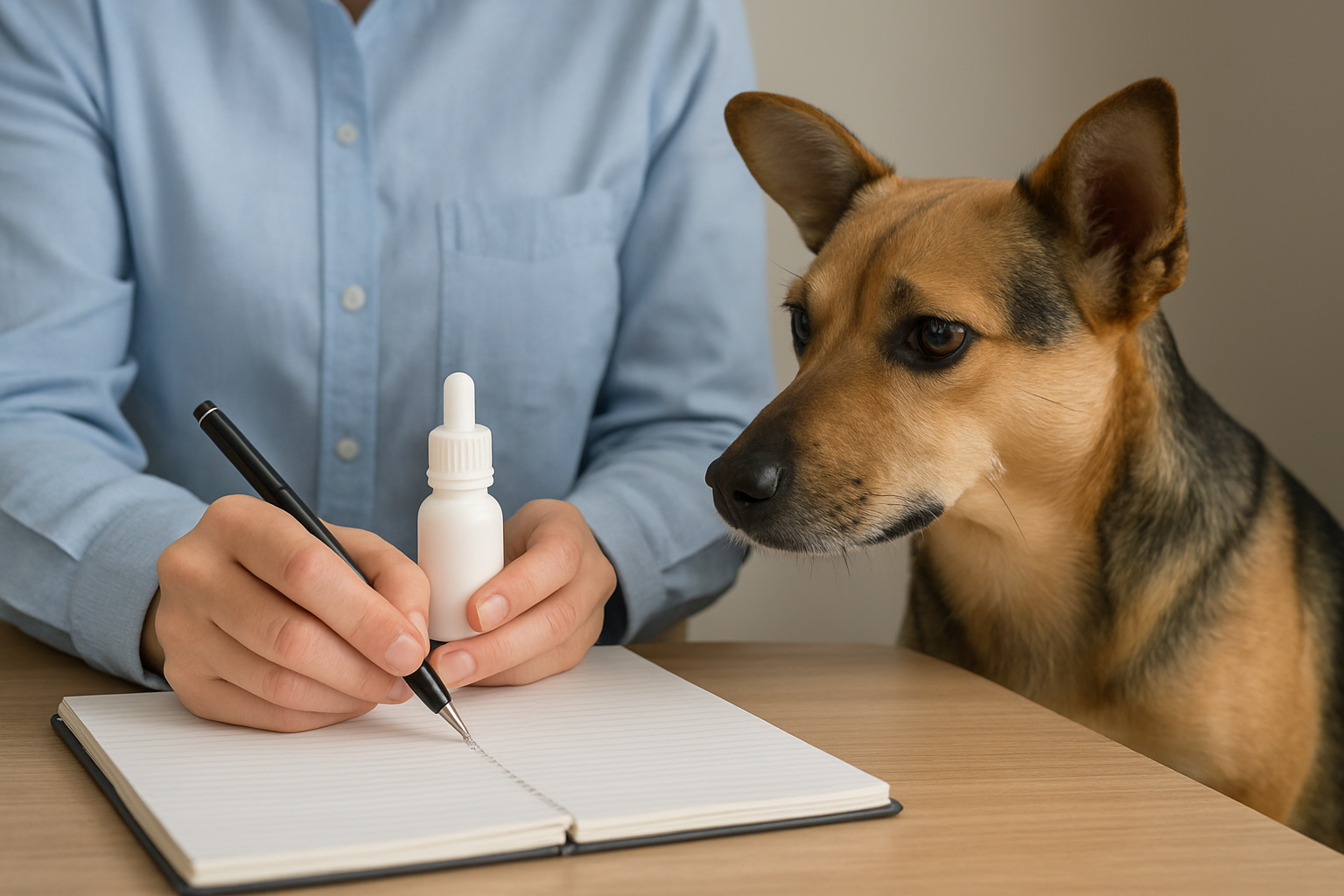
Only your licensed veterinarian can set the exact dose and duration, and you should follow their instructions precisely. Orbax oral suspension comes at 30 mg/mL (milligram per milliliter), and many clinics prescribe it once daily because simpler schedules are easier to complete. For educational context, labels and references often cite total daily ranges in mg/kg (milligram per kilogram) that your veterinarian converts to a specific mL (milliliter) measurement for your pet. Never attempt your own calculations, and never borrow a dose from another animal in the household. Consistency and accuracy matter more than any trick you have seen online.
Getting the dose in without tears is part of successful administration. Shake the bottle vigorously for 10 to 15 seconds to re-suspend the medication evenly, then draw up the exact mL (milliliter) in a proper oral syringe provided by your pharmacy. Seat your pet in a calm, non-slip area, gently insert the syringe into the cheek pouch, and depress slowly so they can swallow comfortably. Offer a small, non-dairy chaser like a lickable treat if your veterinarian says food is allowed, and always avoid mixing with iron-rich or calcium-heavy foods that can bind the medication. Finish every prescribed dose unless your veterinarian tells you otherwise, because stopping early risks relapse and antibiotic resistance.
| Step | What To Do | Why It Helps | Tools |
|---|---|---|---|
| 1. Verify instructions | Read the label; confirm mL (milliliter) amount and timing | Prevents dosing errors | Prescription label, clinic handout |
| 2. Shake | Shake 10 to 15 seconds | Even distribution of active ingredient | Orbax bottle |
| 3. Measure | Use a marked oral syringe | Accurate mL (milliliter) dosing | Oral syringe from pharmacy |
| 4. Administer | Cheek pouch, slow and steady | Reduces aspiration and spitting | Towel burrito if needed |
| 5. Space interactions | Keep 2 hours from antacids, iron, calcium, zinc | Prevents reduced absorption | Phone reminder |
| 6. Log it | Track doses and notes | Improves adherence and recall | Notebook or app |
- Do not double doses if you forget one. If it is close to the next scheduled time, skip and call your clinic for guidance.
- Do not refrigerate unless your pharmacist specifically instructs you to; most Orbax suspensions are stored at room temperature.
- Do not mix with dairy products; calcium can lower absorption.
- Do keep follow-up appointments to confirm the infection is truly resolved.
Buying Guide: Where to Get Orbax and What to Compare
Orbax is prescription-only, so your path usually looks like this: vet exam, diagnosis, prescription, then fulfillment through your veterinarian’s in-house pharmacy or a licensed pet pharmacy. Many readers juggle speed, convenience, and budget. In informal reader surveys and reported fulfillment experiences, in-clinic pickup often wins for speed on day one, while reputable online pharmacies win for convenience and reminders. As of this writing, there has not been a widely available generic orbifloxacin oral suspension in the United States, but availability can change, and your veterinarian or pharmacist will know what is current.
When comparing options, focus on pharmacist support, shipping timelines, and how easy it is to get dosing supplies like properly sized oral syringes. Ask about refill coordination if your pet has a longer course, and double-check that the pharmacy verifies your prescription directly with your clinic. Finally, keep packaging until the course is done so you can reference lot numbers and storage instructions if questions come up mid-treatment.
| Source | Prescription Needed | Pros | Potential Trade-offs | Best For |
|---|---|---|---|---|
| Veterinarian In-House Pharmacy | Yes | Immediate start, direct dosing demo, easy questions | Hours limited to clinic schedule | Urgent cases, first-time users |
| Licensed Online Pet Pharmacy | Yes | Home delivery, auto-reminders, digital records | Shipping time; must ensure proper verification | Non-urgent cases, convenience seekers |
| Human Retail Pharmacy (if stocked) | Yes | Extended hours, potential same-day pickup | May not carry pet-specific flavors or sizes | After-hours pick up, limited options |
Mad Cat Man’s Take: When Orbax Shines, and When To Ask About Alternatives
At Mad Cat Man, we talk with anxious first-time pet parents every week, and the pattern is clear. Orbax shines when you need a once-daily, palatable liquid for a confirmed bacterial infection that is known to be susceptible, especially for wound or abscess care in cats. It is also a strong contender for dogs with skin infections or bladder infections identified on culture as susceptible. Where we push for extra discussion is in growing kittens and puppies, seizure histories, and any case where culture results are pending but the infection is not life-threatening. In those scenarios, a brief wait for culture and sensitivity can increase the chance you pick the right drug the first time.
Alternatives your veterinarian may consider include amoxicillin-clavulanate, cephalexin, doxycycline, or a single-dose cefovecin injection for cats who cannot be dosed at home, all guided by culture data and your pet’s medical history. This is antimicrobial stewardship in action, and it protects your pet and the community. If you feel lost, lean on organized, practical resources. Mad Cat Man was built to tame decision overload with product reviews, buying recommendations, step-by-step how-tos and checklists, behavior tips, breed guides, and veterinarian-informed health explainers. Our categories make it easy to find exactly what you need, whether it is a dosing log template, a first-aid kit checklist, or a deep dive on safe household plants. When you know the why behind a medication choice, it is far less scary to follow through at home.