
Table of Contents
This blog post may contain affiliate links. As an Amazon Associate I earn from qualifying purchases.
Cat Teeth Grinding: Causes, Symptoms & What It Really Means
Introduction
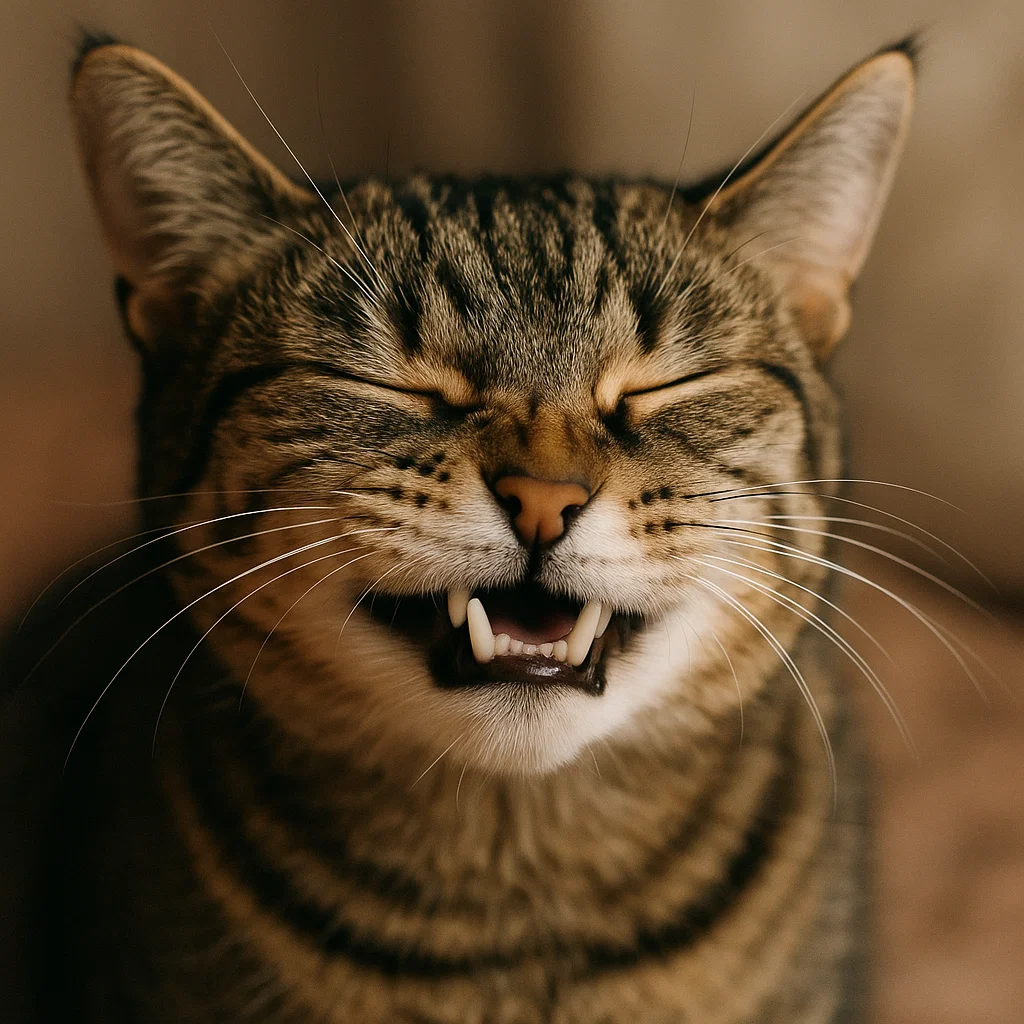
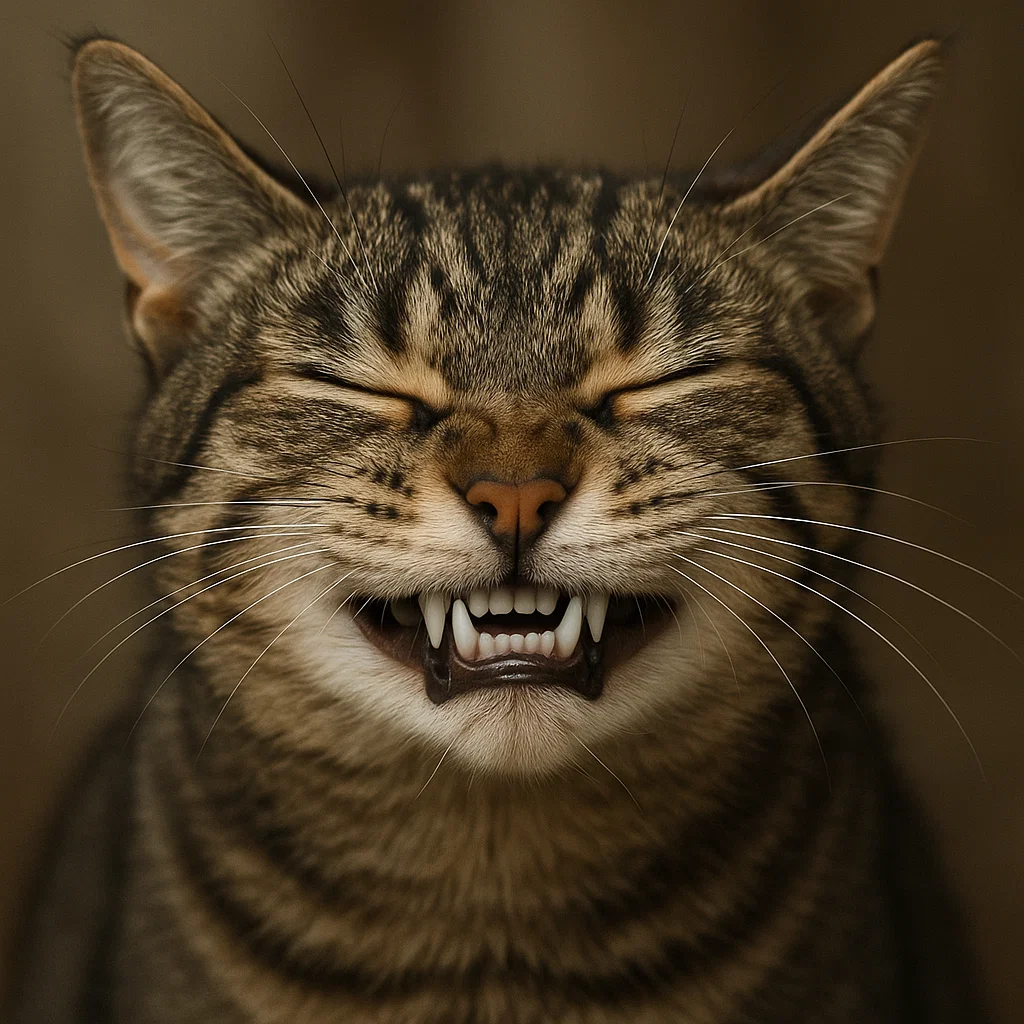
Have you ever caught your cat making a strange grinding or clicking sound with their mouth? That unsettling noise is known as cat teeth grinding, or bruxism — and while it might seem minor, it’s often a sign that something isn’t quite right.
Cats don’t grind their teeth for fun. It’s usually their body’s way of saying, “I’m in pain or uncomfortable.” Understanding why this happens can help you catch problems early, prevent unnecessary suffering, and keep your cat’s teeth (and health) in great condition.
In this guide, you’ll learn:
- What cat teeth grinding looks and sounds like
- The most common causes behind it
- What symptoms to watch for
- How veterinarians diagnose and treat it
- What you can do at home to help prevent it
By the end, you’ll know exactly what cat teeth grinding means — and when it’s time to call your vet.
What Is Cat Teeth Grinding?
Recognising the sound and behaviour
Cat teeth grinding is a repetitive, side-to-side motion of the jaw that produces a grating or clicking sound. It usually happens while a cat is awake, often after eating or when resting.
You might notice:
- The jaw moving side-to-side instead of up and down
- A grinding, clicking, or scraping sound
- Drooling or twitching around the mouth
- Reluctance to eat or pawing at the face
It’s different from chattering (when your cat watches birds) or purring (a throat vibration). Teeth grinding always involves jaw movement and is nearly always linked to pain or discomfort.
Featured Snippet Answer:
Cat teeth grinding, or bruxism, is a repetitive grinding or clenching motion of a cat’s jaw, often caused by dental pain, gastrointestinal discomfort, or stress (PetMD).
What Causes Cat Teeth Grinding?
There are several possible reasons behind bruxism in cats — some minor, some serious.
1. Dental pain or oral disease
This is the most common cause of cat teeth grinding. Pain triggers jaw movement as a coping response.
Common dental culprits include:
- Tooth resorption (FORL) – painful lesions that erode teeth internally (Cornell Feline Health Center)
- Gingivitis or periodontal disease – inflamed gums and bacterial infection (PDSA)
- Mouth ulcers or abscesses – infected tissue around tooth roots
- Broken or loose teeth – caused by trauma or chewing hard objects
- Malocclusion (misaligned bite) – upper and lower jaws don’t meet properly (Cats.com)
If grinding is paired with drooling, bad breath, or refusing food, dental pain is very likely.
2. Gastrointestinal (GI) issues
Cats experiencing nausea, acid reflux, or gastrointestinal discomfort may grind their teeth due to referred pain or irritation.
Conditions such as IBD (Inflammatory Bowel Disease), pancreatitis, or gastritis can create chronic pain that leads to bruxism (VCA Hospitals).
3. Stress and anxiety
Emotional distress can manifest physically in cats. Prolonged stress from household changes, new pets, or lack of enrichment can cause teeth grinding.
According to the ASPCA, cats under chronic stress often display physical coping behaviours such as over-grooming or jaw tension.
Tip: Provide plenty of enrichment, toys, quiet spaces, and routine to reduce stress-induced behaviours.
4. Trauma or jaw problems
Injury to the jaw or temporomandibular joint (TMJ) can cause misalignment or discomfort when closing the mouth.
Look out for:
- Uneven jaw movement
- Difficulty closing the mouth
- Facial swelling or tenderness
5. Nutritional deficiencies or dehydration
Poor diet or chronic dehydration can weaken gums, teeth, and jaw muscles. Cats on low-moisture diets without adequate hydration may develop oral irritation.
Feeding a protein-rich, moisture-balanced diet helps maintain healthy gums and saliva production (Hill’s Pet Nutrition).
Symptoms That Accompany Cat Teeth Grinding
Grinding is rarely an isolated symptom. Here’s what to watch for:
- Drooling or blood in saliva
- Refusing to eat or dropping food
- Pawing at the face or rubbing the jaw
- Facial swelling
- Weight loss or lethargy
- Bad breath (halitosis)
- Chattering or clenching after eating
If any of these appear, contact your vet — they usually indicate underlying oral or digestive pain.
How Vets Diagnose Cat Teeth Grinding
Diagnostic steps
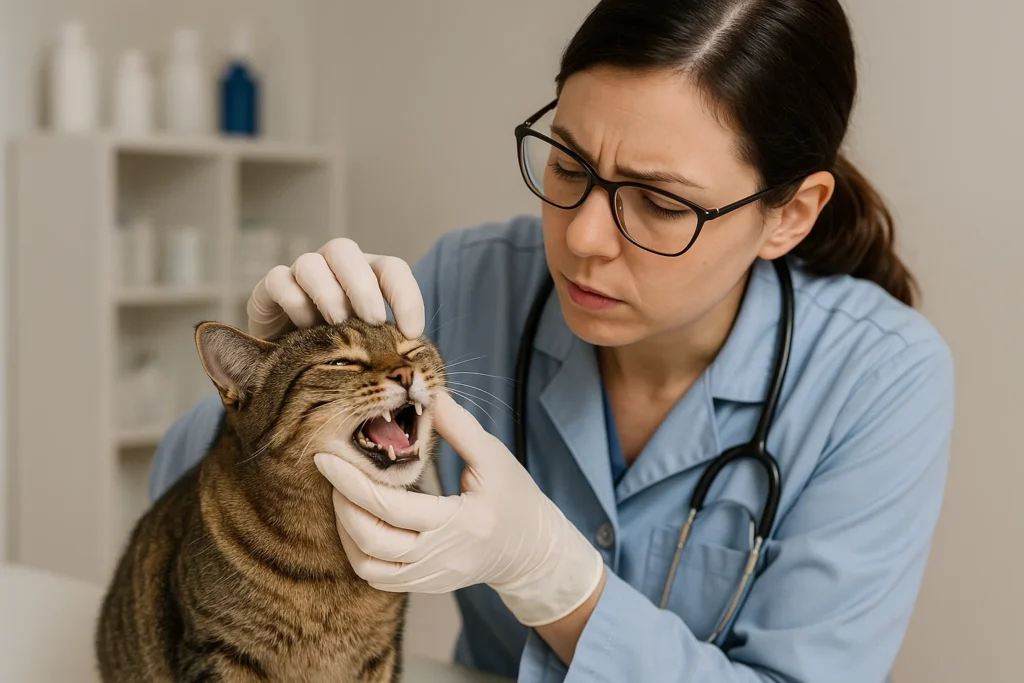
Your vet will perform a comprehensive assessment:
- Oral exam under anaesthetic – to inspect teeth, gums, and jaw structure (PetMD)
- Dental X-rays or CT scans – to identify root resorption or jaw bone damage
- Blood tests – to check for systemic inflammation or organ dysfunction
- GI evaluation – if digestive pain or nausea suspected (VCA Hospitals)
- Behavioural review – to identify stress-related patterns
Treatment Options for Cat Teeth Grinding
Treatment depends on the root cause.
| Cause | Typical Treatment |
|---|---|
| Dental disease | Tooth extraction, cleaning, antibiotics, pain relief |
| Jaw misalignment/TMJ | Anti-inflammatory medication, soft diet, rest |
| GI discomfort | Dietary adjustment, acid-reduction meds, probiotics |
| Stress/anxiety | Enrichment, pheromone diffusers, predictable routine |
| Dehydration/nutrition | Balanced wet diet, hydration support, supplements |
Pain relief (NSAIDs or buprenorphine) is often prescribed short-term to improve comfort while treating the cause (VCA Hospitals).
Preventing Cat Teeth Grinding
1. Maintain strong oral hygiene
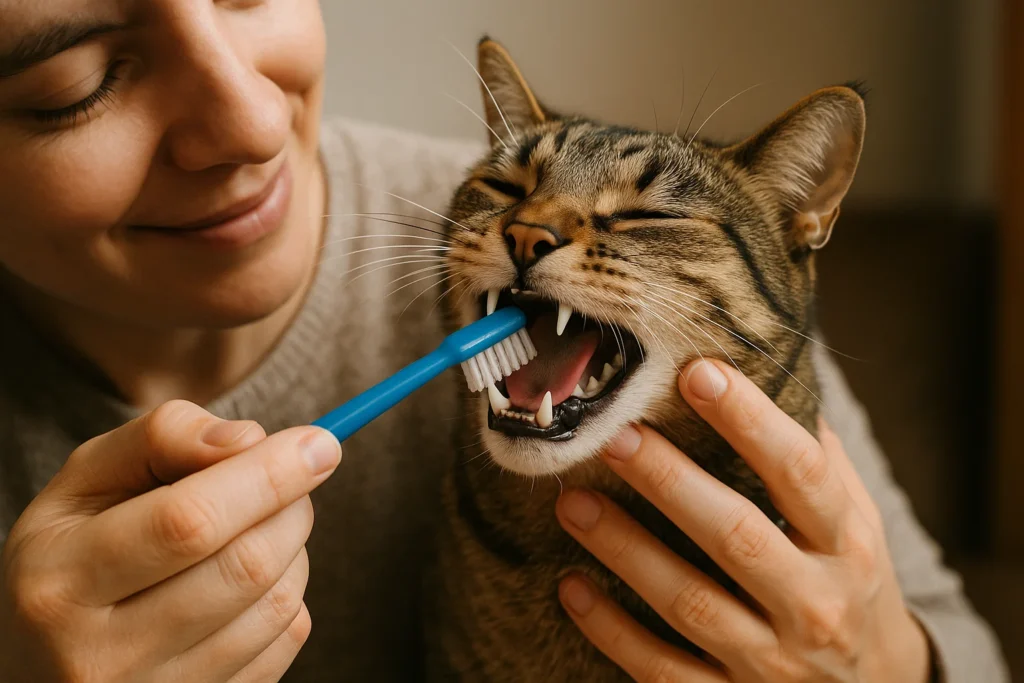
- Brush your cat’s teeth several times weekly with vet-approved toothpaste (Hill’s Pet).
- Schedule annual dental cleanings.
- Offer dental treats or toys that mechanically reduce plaque.
2. Feed a balanced, moisture-rich diet
- Include wet food or broths for hydration.
- Choose quality ingredients rich in taurine, omega-3s, and zinc.
- Avoid cheap, carbohydrate-heavy dry foods.
3. Reduce stress and anxiety
- Keep routines consistent.
- Provide interactive toys, vertical climbing spots, and quiet zones.
- Use pheromone diffusers like Feliway if your cat is anxious.
4. Monitor behaviour regularly
Noticing subtle changes—like jaw clicking after meals—can help you catch dental issues early and prevent painful complications.
When Cat Teeth Grinding Becomes an Emergency
Seek immediate veterinary care if:
- Your cat stops eating or drinking
- Blood, pus, or drool appears
- Facial swelling is visible
- Grinding worsens rapidly
- Your cat cries while eating or grooming
Dental infections can spread fast and lead to severe systemic illness.
FAQs
Q: Is cat teeth grinding normal?
A: No. Cats shouldn’t grind their teeth—this usually means pain or discomfort (PetMD).
Q: Can cats grind their teeth while sleeping?
A: Rarely. Grinding in sleep may indicate jaw or dental pain that persists even at rest.
Q: Does cat teeth grinding mean dental disease?
A: Most often, yes. Oral disease is the leading cause, particularly tooth resorption.
Q: Can stress alone cause cat teeth grinding?
A: It can contribute, but it’s typically secondary to pain or GI discomfort (ASPCA).
Q: How can I stop my cat from grinding its teeth?
A: You can’t treat grinding directly—focus on identifying and resolving the underlying medical cause.
Conclusion

Cat teeth grinding isn’t just a quirky noise — it’s a signal of pain, discomfort, or stress. With regular dental care, proper nutrition, and a calm home environment, you can dramatically reduce the risk and keep your cat’s smile pain-free.
If you notice grinding, don’t wait. A quick vet visit can prevent long-term damage and help your cat feel comfortable again.
Useful Reads
Best Cat Tree UK | We Tested 12 Models