
“I have not been able to feed my 2 cats yet today, and the looks they’re giving me are breaking…”
If you’ve ever had a can of tuna open on the counter while your cat circles your ankles, you’ve probably wondered: can cats eat tuna? You’re not alone — and the question matters more than most people realize.
Most articles tell you it’s fine “in moderation” — but they never tell you what that actually means. Too much tuna doesn’t just cause an upset stomach; it can lead to mercury poisoning, a dangerous nutritional deficiency called taurine (an essential amino acid cats cannot produce on their own) depletion, and a painful condition called steatitis (yellow fat disease). These aren’t rare worst-case scenarios. They are documented risks that veterinarians see when well-meaning owners feed tuna too freely.
This article is for informational purposes only and does not substitute for professional veterinary advice — always consult your veterinarian before making changes to your cat’s diet.
By the end of this guide, you’ll know exactly how much tuna is safe, which types to choose, and which preparations to avoid completely. We cover everything from canned tuna brands and oil versus water packing, to raw preparations, tuna salads, and special rules for kittens and cats with health conditions.
Cats can eat tuna safely as an occasional treat — no more than 1 teaspoon, once or twice per week — but daily feeding risks mercury poisoning, taurine deficiency, and steatitis (yellow fat disease).
- Choose wisely: Water-packed chunk light tuna is the safest option; albacore contains nearly three times more mercury (0.350 PPM vs. 0.128 PPM, FDA data).
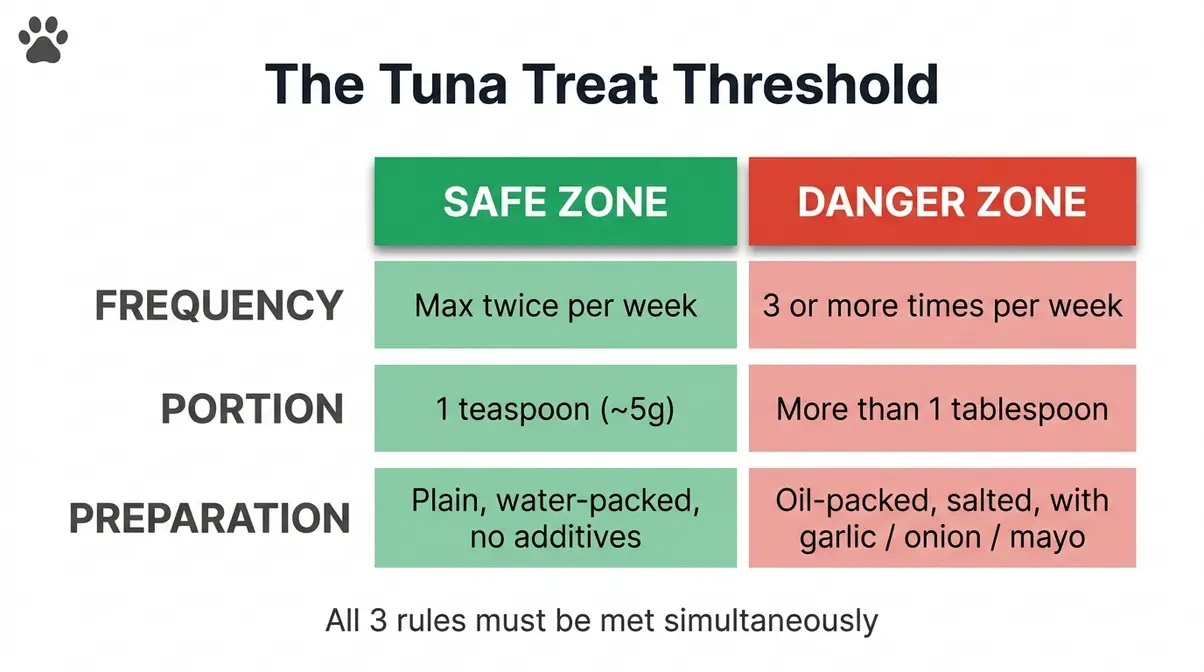
- The Tuna Treat Threshold: Safe tuna feeding follows three rules — correct frequency (max twice weekly), correct portion (1 teaspoon), and correct preparation (plain, no additives).
- Never feed: Tuna in oil, tuna salad with mayo or garlic, raw tuna, or tuna as a daily meal replacement.
- Special cases: Kittens, pregnant cats, and cats with kidney disease should avoid tuna entirely or only receive it under direct veterinary guidance.
Is Tuna Safe for Cats? The Core Facts
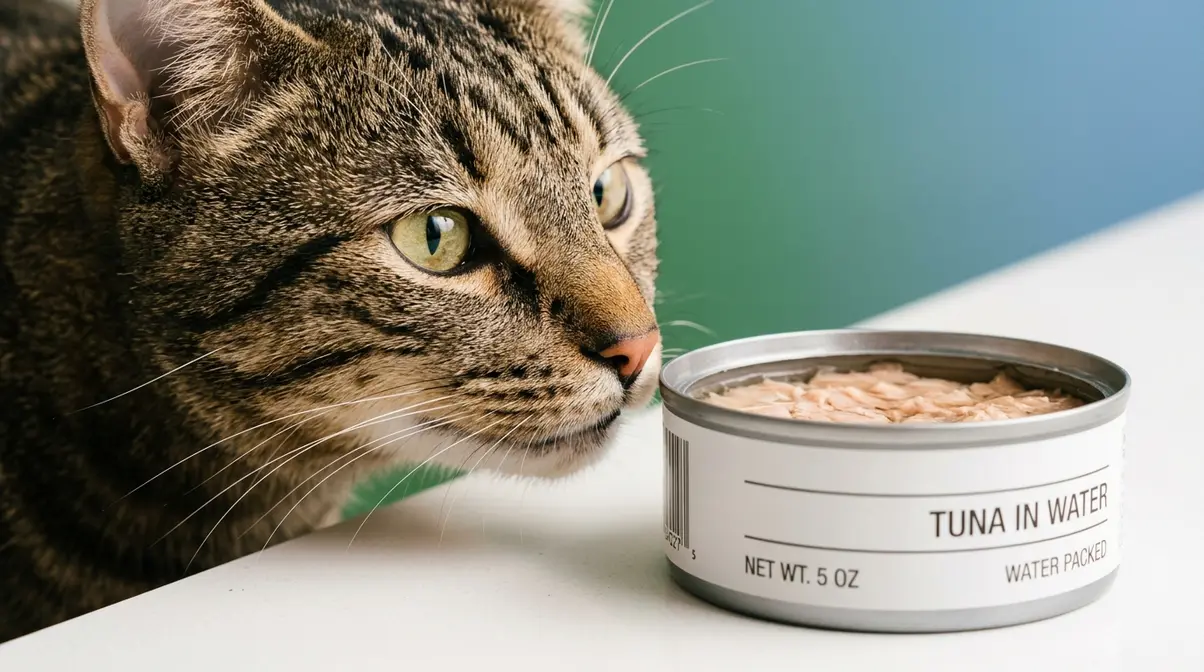
Cats can eat tuna — but “safe” comes with important conditions most pet owners don’t know about. Veterinary guidance from PetMD confirms that plain, water-packed tuna given occasionally poses minimal risk to healthy adult cats. The problems begin when tuna becomes a regular part of the diet, when it’s prepared with additives, or when it’s given to cats with underlying health conditions. Understanding why tuna attracts cats so powerfully — and why that attraction can work against them — is the foundation of safe feeding.
Why Cats Are Drawn to Tuna (And Why That’s Risky)
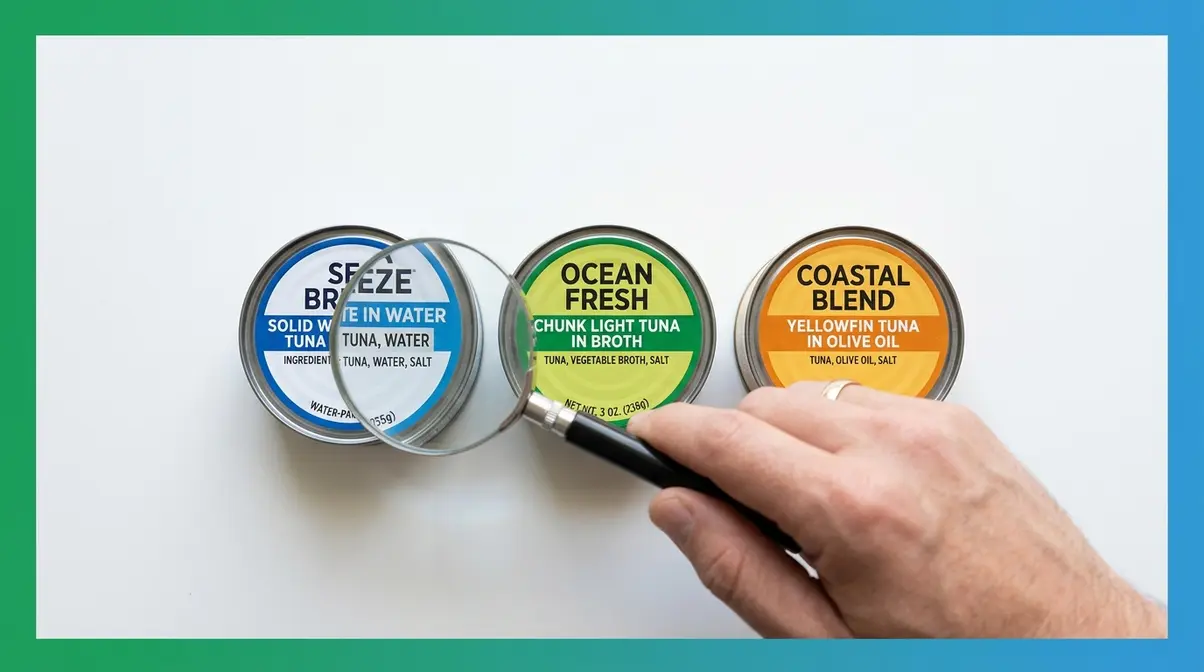
Cats are famously obsessed with tuna, and there’s a biological reason for it. Tuna has an intensely strong smell and a high protein content, both of which trigger a cat’s hardwired hunting instincts. Cats are obligate carnivores (animals that must eat meat to survive), and their sensory systems are tuned to detect the amino acids and fatty acids found in fish.
Here’s the problem: that obsession can quickly become a genuine addiction. Veterinary guidance from yourvetonline.com notes that cats who eat tuna frequently can develop a strong preference for it and begin refusing their regular, nutritionally complete cat food. This isn’t just a picky eating problem — it’s a pathway to serious nutritional deficiencies.
Tuna is not a complete food for cats. It lacks adequate levels of several nutrients cats require, including vitamin E, taurine, and key minerals. A cat that fills up on tuna instead of balanced cat food is essentially trading short-term pleasure for long-term health problems. The strong smell and flavor of tuna can also make it harder to transition cats back to regular food once the habit is established.
The key insight: Your cat’s enthusiasm for tuna is not a sign that tuna is good for them. It’s a sign that their instincts are working — but instincts evolved for survival, not for the modern pantry.
The Taurine Problem: Why Tuna Can’t Replace Cat Food
Taurine is an essential amino acid that cats cannot synthesize in sufficient quantities on their own — they must obtain it through diet. It is critical for heart function, vision, and reproductive health. According to the Cornell Feline Health Center, taurine deficiency in cats causes dilated cardiomyopathy (an enlarged, weakened heart), blindness from retinal degeneration, and reproductive failure in breeding females.
Commercial cat foods are formulated to meet taurine requirements precisely. Canned human-grade tuna, however, contains relatively low levels of taurine compared to what a cat needs, and cooking degrades taurine further. A cat eating tuna as a primary food source — even for a few weeks — can begin developing a taurine deficit.
- The symptoms of taurine deficiency develop gradually, which makes them easy to miss:
- Reduced vision, especially in low light
- Lethargy and decreased activity
- Difficulty breathing (a sign of heart involvement)
- Poor coat condition
Research published by the Cornell Feline Health Center shows that taurine deficiency was a widespread problem in cats before 1987, when the Association of American Feed Control Officials (AAFCO) mandated taurine supplementation in commercial cat food. The lesson is clear: tuna is not a substitute for a complete, balanced feline diet.
Mercury Poisoning in Cats: Symptoms and Risks
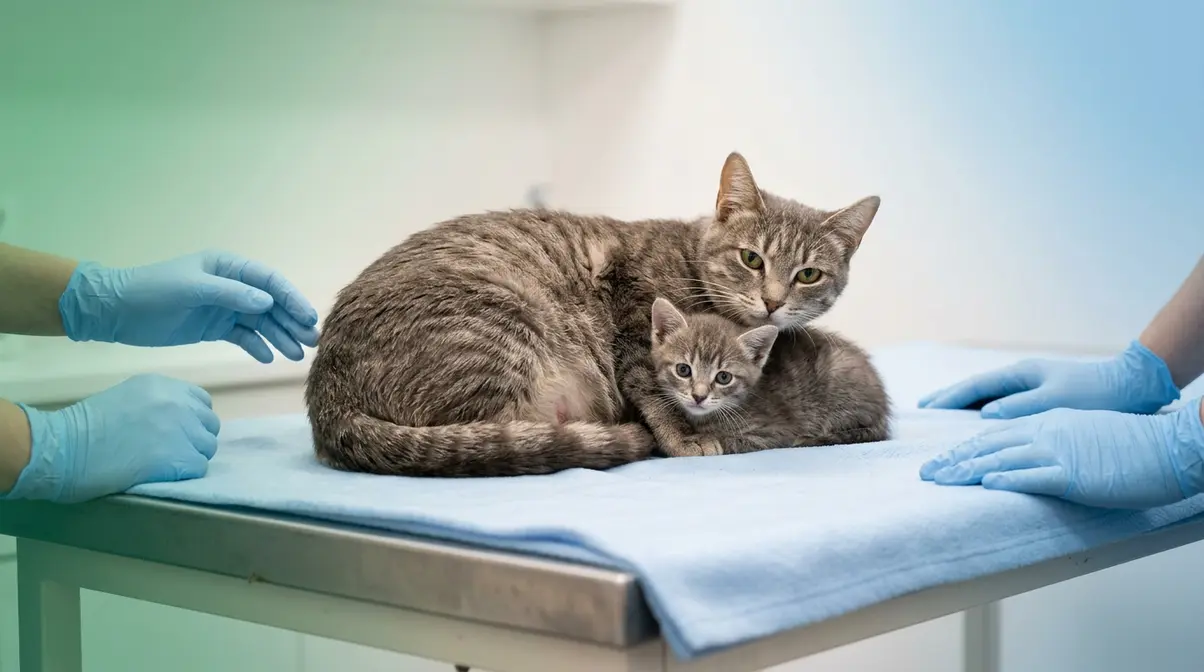
Mercury is the most commonly cited concern when people ask “can cats eat tuna?” — and for good reason. Tuna accumulates mercury through a process called bioaccumulation (the buildup of toxins in an organism’s tissues over time). Larger, longer-lived tuna species accumulate more mercury because they eat smaller fish that have already accumulated it themselves.
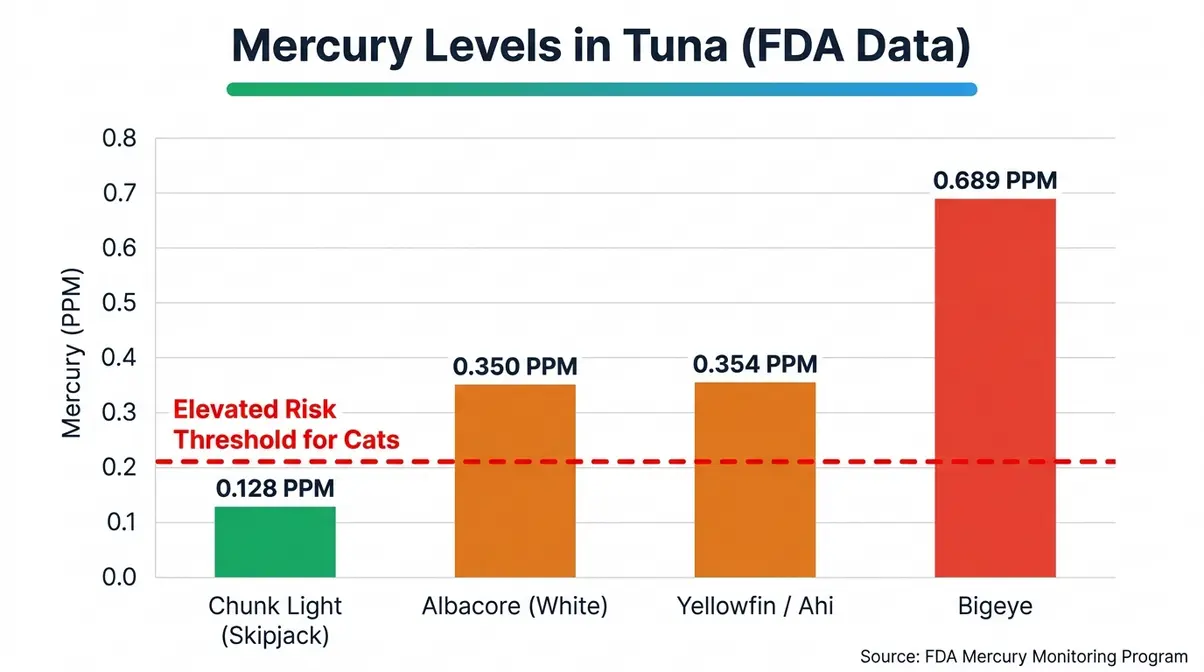
According to the FDA’s mercury monitoring data, albacore tuna contains an average of 0.350 parts per million (PPM) of mercury, while chunk light tuna (typically skipjack) averages 0.128 PPM — nearly three times lower. For a small animal like a cat, even moderate mercury exposure can accumulate to dangerous levels faster than it would in a human.
- Symptoms of mercury poisoning in cats include:
- Loss of coordination and balance problems
- Tremors or muscle twitching
- Difficulty walking (a wobbly gait)
- Vision problems
- Neurological changes such as disorientation
These symptoms may not appear until mercury has accumulated over weeks or months of regular tuna feeding. By the time symptoms show, significant damage may already have occurred. According to the American Veterinary Medical Association (AVMA), heavy metal toxicity in cats requires immediate veterinary attention and can be difficult to reverse. If your cat shows any of these signs, contact your veterinarian immediately.
Steatitis (Yellow Fat Disease): The Hidden Danger
Steatitis — commonly called yellow fat disease — is a painful, inflammatory condition that most cat owners have never heard of. It occurs when cats consume excessive amounts of unsaturated fatty acids (fats found in fish oils) without adequate vitamin E. Tuna, particularly tuna packed in oil, is one of the most common dietary triggers.
When a cat eats large amounts of oily fish like tuna over time, the fatty acids in the fish oxidize in the cat’s body. This oxidation depletes vitamin E (an antioxidant that protects fat cells) and causes the fat tissue under the skin to become inflamed and painful. The affected fat turns yellowish — hence the name.
- Signs of steatitis in cats include:
- Extreme sensitivity to touch, especially over the back and abdomen
- Reluctance to move or be picked up
- Loss of appetite and weight loss
- Fever and depression
- Lumpy or hardened fat deposits under the skin
Veterinary guidance from the Merck Veterinary Manual classifies steatitis as a serious condition requiring prompt treatment, typically involving vitamin E supplementation and a complete dietary overhaul. The prognosis is good if caught early, but severe cases can be life-threatening.
The practical takeaway: tuna in oil is significantly more dangerous than tuna in water, and even water-packed tuna should never be the primary protein source in a cat’s diet.
How Much Tuna Can Cats Eat? Portion Sizes and Frequency
Cats can safely enjoy tuna as an occasional treat, but the phrase “occasional treat” needs a precise definition — because vague guidance is exactly what gets cats into trouble. Veterinary guidance from PetMD and yourvetonline.com consistently points to the same framework: small portions, limited frequency, and plain preparation. This is the foundation of what we call The Tuna Treat Threshold.
The Tuna Treat Threshold: Portion and Frequency Rules
The Tuna Treat Threshold is a three-part decision rule that tells you exactly when tuna is a safe treat and when it becomes a health risk. Every component must be met simultaneously — getting one right while failing another still puts your cat at risk.
| Component | Safe Zone | Danger Zone |
|---|---|---|
| Frequency | Maximum twice per week | Three or more times per week |
| Portion | 1 teaspoon (approximately 5g) per serving | More than 1 tablespoon per serving |
| Preparation | Plain, water-packed, no additives | Oil-packed, salted, with garlic/onion/mayo |
Why 1 teaspoon? For an average adult cat weighing 4–5 kg (9–11 lbs), 1 teaspoon of tuna represents roughly 2–3% of their daily caloric intake. Treats should make up no more than 10% of a cat’s daily calories, and tuna’s mercury content means keeping well below that ceiling is wise.
Why twice per week maximum? Mercury elimination from a cat’s body takes time. Allowing 3–4 days between tuna servings gives the body a chance to process and eliminate any mercury before the next exposure. Feeding tuna daily or even every other day doesn’t allow adequate clearance time.
The Tuna Treat Threshold in practice: If your cat weighs around 4 kg, give a single teaspoon of plain, water-packed chunk light tuna on Monday. Don’t offer tuna again until Thursday at the earliest. That’s it. Simple, measurable, and safe.
Can Cats Eat Tuna Every Day? The Risks of Daily Feeding
Daily tuna feeding is one of the most common mistakes caring cat owners make — and one of the most dangerous. It’s easy to understand why it happens: your cat loves tuna, tuna is protein-rich, and it feels like a kind thing to do. However, the risks of daily tuna feeding are well-documented and serious.
What daily tuna feeding does to a cat over time:
- Mercury accumulates. Unlike occasional exposure, daily feeding doesn’t allow mercury to clear the system. Levels build steadily over weeks and months, eventually reaching toxic concentrations.
- Taurine deficiency develops. Tuna displaces nutritionally complete cat food. Even partial displacement — feeding tuna as a “topper” every day — reduces taurine intake below safe levels over time.
- Addiction sets in. Cats who eat tuna daily can develop a strong food preference that makes them refuse balanced cat food. This is sometimes called “tuna addiction,” and breaking it requires patience and veterinary guidance.
- Vitamin E depletion occurs. Daily consumption of unsaturated fats without adequate vitamin E sets the stage for steatitis.
According to Chewy’s veterinary nutrition team, even small daily amounts of tuna can cause problems when sustained over weeks. The cumulative effect is what matters — not any single serving.
The bottom line: Tuna is a treat, not a staple. Daily feeding crosses The Tuna Treat Threshold into dangerous territory, regardless of portion size.
Step-by-Step: How to Serve Tuna as a Safe Treat
Serving tuna safely takes about two minutes and requires no special equipment. Follow these steps every time:
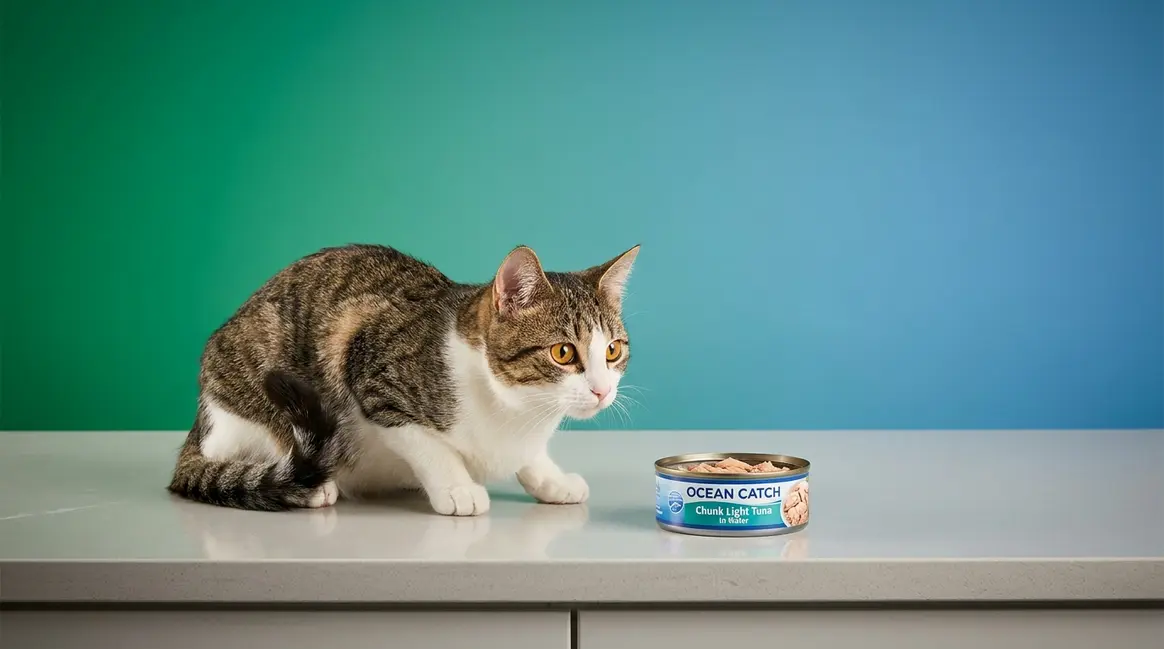
- Choose the right product. Select a can of chunk light tuna packed in water with no added salt, no broth, and no oil. Check the ingredients list — it should read “tuna, water” and nothing else.
- Open and drain thoroughly. Pour the contents into a fine mesh strainer and rinse briefly under cold water. This removes residual salt and any liquid additives.
- Measure the portion. Use an actual teaspoon measure — not a “roughly one spoon” estimate. Place the measured tuna in your cat’s bowl.
- Serve at room temperature. Cold tuna straight from the fridge is less aromatic and less appealing to cats. Letting it sit for 5 minutes also reduces the risk of stomach upset from sudden cold food.
- Store leftovers safely. Refrigerate any unused tuna in a sealed container and use within 24 hours. Do not leave tuna sitting out for more than 20 minutes.
- Record the date. Note when you gave tuna so you can ensure at least 3–4 days pass before the next serving. A simple note on your phone calendar works perfectly.
Canned Tuna for Cats: Brands, Labels, and What to Look For
Canned tuna is the most common form cat owners reach for, and the good news is that the right canned tuna is genuinely safe as an occasional treat. The challenge is knowing how to read the label. According to Chewy’s feline nutrition resources, the ingredients list on a tuna can tells you almost everything you need to know about whether it’s appropriate for your cat.
Reading the Label: What to Look for on a Tuna Can
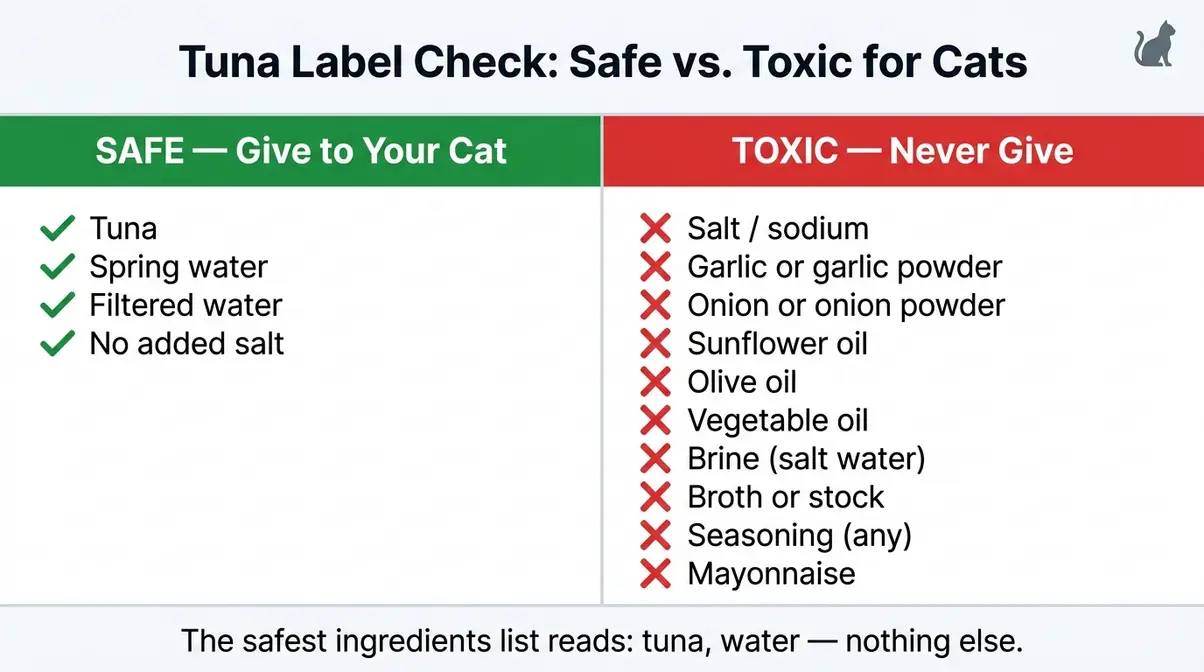
Before opening a can of tuna for your cat, spend 30 seconds reading the label. Here’s what to look for — and what to avoid:
- Green light — safe for cats:
- Ingredients: “Tuna, water” — two ingredients only
- Packing liquid: Spring water or filtered water
- Salt: “No added salt” or “low sodium” varieties
- Species: Chunk light (skipjack) — lowest mercury
- Red flag — avoid these:
- Vegetable broth or stock — often contains onion and garlic, both toxic to cats
- Salt — even small amounts stress a cat’s kidneys over time
- Soy or hydrolyzed protein — unnecessary additives that may cause digestive issues
- Oil — any oil (sunflower, olive, vegetable) increases fat intake and steatitis risk
- “Seasoning” — a vague term that may conceal garlic, onion, or other harmful ingredients
The one-ingredient test: If the ingredients list contains anything beyond “tuna” and “water,” look for a different can. This simple rule eliminates most unsafe options immediately.
Starkist, Chicken of the Sea, Bumble Bee: Are Popular Brands Safe?
The three most widely available canned tuna brands in the US are Starkist, Chicken of the Sea, and Bumble Bee. All three offer varieties that are appropriate for cats — but only specific products within their ranges.
| Brand | Safe Product | What Makes It Safe | Avoid |
|---|---|---|---|
| Starkist | Chunk Light Tuna in Water (No Salt Added) | Water-packed, no salt, skipjack species | Starkist Creations (flavored), any oil-packed varieties |
| Chicken of the Sea | Chunk Light Tuna in Water | Water-packed, minimal ingredients | Premium Albacore (higher mercury), flavored pouches |
| Bumble Bee | Chunk Light Tuna in Water | Water-packed, skipjack species | Bumble Bee Prime Fillet Albacore (high mercury), seasoned varieties |
Important caveat: Even the “safe” products listed above are appropriate only when the ingredients list confirms water-only packing with no added salt. Formulations can change. Always read the label before each purchase — don’t assume a product is safe because it was safe last time you bought it.
Across veterinary communities, the consensus is that no commercial human tuna brand is specifically formulated for cats, and none should be used as a dietary staple. These products are acceptable occasional treats when the right variety is chosen carefully.
Human-Grade Tuna vs. Cat Food Tuna: Key Differences
Many cat food products contain tuna as a primary ingredient — and these are very different from human-grade canned tuna in important ways.
Cat food tuna is formulated to be nutritionally complete. It contains added taurine, vitamins, minerals, and other nutrients in the ratios cats need. The tuna itself is typically a flavor vehicle rather than the sole nutritional source.
Human-grade canned tuna is formulated for human nutrition. It contains no added taurine, no vitamin E supplementation, and no feline-specific mineral balance. It is not designed to meet a cat’s dietary needs.
| Feature | Cat Food with Tuna | Human Canned Tuna |
|---|---|---|
| Taurine added | Yes (AAFCO-mandated) | No |
| Vitamin E | Supplemented | Minimal, not cat-optimized |
| Sodium | Cat-appropriate levels | Often high |
| Mercury management | Monitored by manufacturer | Not cat-specific |
| Intended use | Daily complete nutrition | Occasional human treat |
| Safe as cat’s main diet | Yes (if AAFCO-complete) | No |
The practical takeaway: if your cat enjoys tuna flavor, choose a high-quality AAFCO-complete cat food that includes tuna as an ingredient. Reserve human-grade canned tuna for the occasional treat within The Tuna Treat Threshold guidelines.
Tuna in Water vs. Tuna in Oil: Which Is Safer?
When choosing tuna for your cat, the packing liquid is one of the most important decisions you’ll make. Tuna in water and tuna in oil are not equally safe, and the difference matters significantly for your cat’s long-term health. Veterinary guidance consistently recommends water-packed tuna as the only acceptable option for cats. According to WebMD Pets, oily or fatty foods can cause digestive distress and longer-term health complications in cats.
Why Tuna in Water Is the Safer Choice
Plain, water-packed tuna is the only type that meets the safety criteria for cats. Here’s why water packing makes a meaningful difference:
Lower fat content. Water-packed tuna contains significantly less fat than oil-packed tuna. For a small animal like a cat, even a modest increase in dietary fat can tip the balance toward digestive problems, weight gain, and steatitis risk.
No added calories from oil. A teaspoon of oil-packed tuna delivers substantially more calories than the same amount of water-packed tuna. For cats — many of whom are already overweight — every extra calorie matters.
Reduced oxidative stress. The unsaturated fatty acids in vegetable and sunflower oils are prone to oxidation, which depletes vitamin E in a cat’s body. Water packing eliminates this risk entirely.
Easier to rinse. Water-packed tuna can be rinsed briefly to remove residual sodium. Oil-packed tuna cannot be effectively rinsed — the oil clings to the fish and cannot be washed away.
For the safest possible option, choose spring water-packed chunk light tuna with no added salt, drain it fully, and give it in the measured 1-teaspoon portion outlined in The Tuna Treat Threshold.
The Risks of Tuna in Oil (Including Olive, Vegetable, Sunflower)
Many cat owners assume that olive oil or sunflower oil is healthy — after all, these oils are considered beneficial for humans. For cats, however, these oils present specific risks that make oil-packed tuna a poor choice regardless of the oil type.
Sunflower oil is high in omega-6 fatty acids and low in vitamin E relative to its fat content. Regular consumption in cats can deplete vitamin E stores, creating conditions for steatitis. This is not a theoretical risk — veterinary case reports document steatitis in cats fed tuna in sunflower oil as a regular dietary component.
Olive oil is less problematic than sunflower oil but still adds unnecessary fat and calories. It can cause diarrhea and digestive upset in cats who are sensitive to fat, and it provides no nutritional benefit that water-packed tuna doesn’t already offer.
Vegetable oil is a generic term that may refer to a blend of oils, some of which (like canola) are high in omega-6 fatty acids. The unpredictability of “vegetable oil” blends makes this packing liquid particularly inadvisable.
Brine (salt water) deserves a mention here too. Tuna packed in brine contains high levels of sodium that can stress a cat’s kidneys, particularly in cats with pre-existing kidney disease or in kittens whose kidneys are still developing.
The verdict: no oil-packed tuna is safe for cats. Olive oil, sunflower oil, vegetable oil, and brine all present risks that water packing avoids entirely. If you only have oil-packed tuna available, it’s better to give your cat a different treat entirely.
Can Cats Drink Tuna Water? Is the Liquid Safe?
“Tuna water” — the liquid from a can of water-packed tuna — is a popular topic among cat owners, partly because many cats seem to love it and partly because it’s sometimes recommended as a way to encourage hydration in cats who don’t drink enough water.
The short answer: a small amount of tuna water from a plain, water-packed, no-salt-added can is generally considered safe as an occasional addition to your cat’s water bowl. The key conditions are:
- The tuna must be water-packed (not brine, not oil)
- The can must contain no added salt, garlic, onion, or seasoning
- The amount should be small — a teaspoon or two in a full water bowl
- This should not be a daily practice
However, there are important caveats. Even tuna water from “plain” canned tuna may contain trace amounts of mercury from the fish itself. Regular use as a daily hydration strategy could contribute to mercury accumulation over time. Additionally, the strong smell of tuna water can make plain water less appealing to cats by comparison — potentially worsening dehydration in the long run.
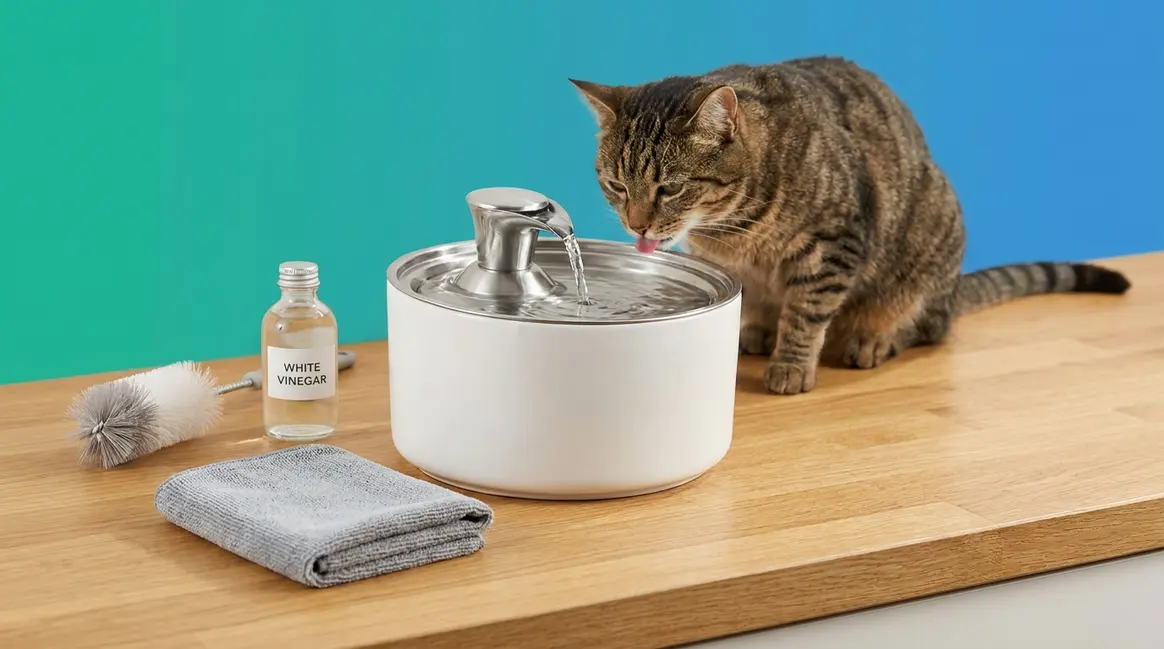
Veterinary guidance from yourvetonline.com suggests that if hydration is a genuine concern, a cat water fountain or wet cat food formulated for hydration is a safer and more sustainable solution than tuna water.
Raw Tuna, Tuna Salad, and Other Preparations
Not all tuna is created equal — and the way tuna is prepared makes an enormous difference to its safety. Plain, cooked tuna and raw tuna are not interchangeable. Neither is plain tuna and tuna salad. This section covers the specific risks of each preparation so you can make informed choices. The AVMA and ASPCA both maintain guidance on raw fish risks for pets; their consensus is that raw fish poses bacterial contamination risks that cooking eliminates.
Why Raw Tuna Is Dangerous for Cats
Raw tuna carries two distinct categories of risk that cooked tuna does not.
Bacterial contamination. Raw fish can harbor harmful bacteria including Salmonella, Listeria, and E. coli. Cats are not immune to these pathogens. According to the AVMA’s raw feeding guidelines, raw fish is a documented source of bacterial infections in cats, with symptoms including vomiting, diarrhea, lethargy, and fever. Kittens, elderly cats, and immunocompromised cats face the highest risk.
Thiaminase activity. Raw tuna (and most raw fish) contains thiaminase — an enzyme that destroys thiamine (vitamin B1). Thiamine is essential for normal neurological function in cats. Regular consumption of raw fish depletes thiamine stores, leading to a condition called thiamine deficiency. Symptoms include loss of appetite, vomiting, and — in severe cases — neurological signs including seizures and head tilting. Cooking inactivates thiaminase completely, which is why cooked tuna does not carry this specific risk.
The combination of bacterial risk and thiaminase activity makes raw tuna a genuinely dangerous food for cats. The romantic idea of cats eating “natural” raw fish does not reflect the reality of how cats in the wild actually eat — wild cats eat freshly killed prey, not fish that has been sitting at room temperature or even refrigerated for hours.
Tuna Salad and Mayo: The Hidden Toxic Ingredients
Sharing your tuna salad sandwich with your cat might seem like a kind gesture, but tuna salad is one of the most hazardous tuna preparations you could offer. The problem isn’t the tuna — it’s everything mixed into it.
- Mayonnaise is the primary concern. Commercial mayo contains:
- High fat content (causes digestive upset and pancreatitis risk)
- Salt (kidney stress)
- Onion powder or garlic powder in some recipes (toxic to cats — see below)
- Lemon juice or vinegar (can cause stomach irritation)
Garlic and onion are the most serious hazards. Both belong to the Allium family and are toxic to cats. They contain compounds called organosulfoxides (sulfur-containing compounds that damage red blood cells) that cause hemolytic anemia (destruction of red blood cells) in cats. Even small amounts — including garlic powder or onion powder used in recipes — can be dangerous. Symptoms of Allium toxicity include lethargy, pale gums, rapid breathing, and weakness.
- Other common tuna salad ingredients to avoid:
- Celery (not toxic but offers no nutritional value and is a choking risk)
- Pickles or relish (high sodium, vinegar)
- Capers (high sodium)
- Black pepper (irritating to the digestive tract)
- Mustard (can cause gastrointestinal upset)
The ASPCA Animal Poison Control Center lists onion and garlic among the most common causes of toxicity calls related to cats. Never give your cat tuna salad, tuna casserole, tuna pasta, or any other prepared tuna dish intended for human consumption.
The Safest Preparation: Plain, Cooked Tuna
After covering everything to avoid, here’s the good news: plain, cooked tuna is genuinely safe for cats when served within The Tuna Treat Threshold guidelines.
- If you’re cooking fresh tuna at home (a tuna steak, for example), you can offer a small piece to your cat — as long as it is:
- Cooked through (not raw or rare)
- Completely plain — no oil, butter, seasoning, salt, garlic, lemon, or herbs
- Cooled to room temperature before serving
- Given in a small portion (the 1-teaspoon guideline still applies)
Boiling or steaming is the ideal cooking method for tuna you intend to share with your cat, as it requires no added fat. Pan-frying introduces oil, and grilling may introduce charred compounds that are best avoided.
The simplest safe preparation remains water-packed canned chunk light tuna, drained and rinsed. It requires no cooking, it’s consistently safe when purchased in the right variety, and it meets all three components of The Tuna Treat Threshold.
Albacore vs. Light Tuna: Understanding Mercury Differences
Mercury content is one of the most important factors in choosing safe tuna for your cat — and the difference between tuna species is substantial. Not all tuna is equally high in mercury, and understanding why helps you make consistently safer choices. The FDA’s mercury monitoring program provides the most comprehensive data available on mercury levels across tuna species, making it the gold standard source for this comparison. According to PetMD, mercury accumulation is the primary long-term risk associated with regular tuna feeding in cats.
Why Mercury Levels Differ Between Tuna Species
Mercury enters the ocean primarily through industrial pollution and naturally occurring geological processes. It is absorbed by small aquatic organisms and then accumulates progressively up the food chain — a process called bioaccumulation (the buildup of a substance in an organism’s tissues over time) or, more specifically, biomagnification (the increase in concentration of a substance at each level of the food chain).
Larger, longer-lived tuna species sit higher on the food chain and eat more fish over their longer lifespans. Each meal they consume transfers accumulated mercury into their own tissues. This is why albacore tuna — a larger, longer-lived species — contains significantly more mercury than skipjack tuna (the species used in most chunk light products), which is smaller and shorter-lived.
The practical implication for cat owners: choosing the right tuna species is one of the most effective ways to reduce mercury exposure. This is not a marginal difference — it is nearly a threefold difference in mercury concentration, according to FDA data.
Chunk Light vs. Albacore: The Safer Choice for Cats
The FDA’s mercury monitoring data provides a clear, data-driven answer to which tuna is safer for cats:
| Tuna Type | Species | Average Mercury (PPM) | Relative Risk for Cats |
|---|---|---|---|
| Chunk Light | Skipjack | 0.128 PPM (FDA, 2024) | Lower risk |
| Albacore (White) | Albacore | 0.350 PPM (FDA, 2024) | Nearly 3× higher |
| Yellowfin (Ahi) | Yellowfin | 0.354 PPM (FDA, 2024) | Nearly 3× higher |
| Bigeye | Bigeye | 0.689 PPM (FDA, 2024) | Over 5× higher |
Chunk light tuna is the clear winner for cat safety. It has the lowest mercury content among commonly available canned tuna varieties, and it is widely available in water-packed, no-salt-added forms from major brands.
Chunk light tuna is the only type recommended for cats. Albacore should be avoided entirely. Even if you’ve been feeding albacore occasionally without apparent problems, switching to chunk light is a straightforward way to reduce your cat’s cumulative mercury exposure at no cost or inconvenience.
Ahi, Yellowfin, and Other Varieties: What to Avoid
Several tuna varieties are popular in restaurants and homes but are particularly high in mercury and should never be fed to cats:
Ahi tuna is a marketing name typically applied to yellowfin or bigeye tuna. Both species average around 0.350–0.689 PPM mercury — well above the chunk light baseline. Ahi is often served raw (as sashimi or poke), which compounds the risk with thiaminase activity and bacterial contamination.
Yellowfin tuna (also sold as “premium” or “albacore-style”) averages 0.354 PPM mercury. It offers no safety advantage over albacore and is not appropriate for cats.
Bluefin tuna — the prized variety used in high-end sushi — is among the highest mercury fish available. It is not typically sold in cans but may appear in specialty products. Avoid it entirely for cats.
Bigeye tuna averages 0.689 PPM mercury — over five times the concentration of chunk light. It appears in some canned “premium” tuna products and should never be given to cats.
The simple rule: if it isn’t labeled “chunk light” or “skipjack,” don’t give it to your cat. Species labeling on tuna cans is regulated by the FDA, so “chunk light” is a reliable indicator of skipjack content.
Kittens, Pregnant Cats, and Cats with Kidney Disease
Certain cats face significantly elevated risks from tuna, even in small amounts. For kittens, pregnant cats, and cats with kidney disease, the standard Tuna Treat Threshold guidelines are not sufficient — these groups require either complete avoidance or direct veterinary supervision. Always consult your veterinarian before offering any tuna to cats in these categories.
Can Kittens Eat Tuna? Why Young Cats Need Extra Protection
Kittens should not eat tuna. The reasons are both biological and practical, and they apply even to the “safe” water-packed chunk light variety.
Developing systems are more vulnerable. A kitten’s kidneys, liver, and neurological system are still developing in the first year of life. Mercury and sodium — even at levels that are manageable for adult cats — can interfere with normal development. The FDA’s guidance on mercury in seafood notes that developing organisms are disproportionately sensitive to methylmercury (the organic form of mercury found in fish) compared to adults.
Taurine needs are especially high. Growing kittens require more taurine per unit of body weight than adult cats. Replacing any portion of their AAFCO-complete kitten food with tuna — which lacks adequate taurine — risks developmental deficiencies at a critical life stage.
Addiction risk is higher. Kittens who are introduced to tuna early are more likely to develop strong food preferences that make balanced feeding difficult. Establishing healthy eating habits from the start is far easier than correcting tuna addiction later.
The veterinary consensus: Kittens under 12 months should not be given tuna at all. After 12 months, they may transition to adult feeding guidelines — but only if they are eating a complete, balanced diet and tuna is given strictly within The Tuna Treat Threshold.
Tuna and Pregnant Cats: Mercury Risks to Developing Kittens
Pregnancy creates a direct pathway for mercury to transfer from a mother cat to her developing kittens. Methylmercury crosses the placental barrier and accumulates in fetal tissue, where it can cause neurological damage, developmental abnormalities, and reproductive complications.
The risk is not hypothetical. Research published in environmental toxicology literature documents methylmercury transfer through the placenta in mammals, with fetal tissue concentrations sometimes exceeding maternal tissue concentrations. For cats — who have a shorter gestation period and typically carry multiple kittens — the cumulative mercury load on developing fetuses can be significant even from seemingly modest maternal tuna consumption.
During pregnancy and nursing, tuna should be avoided entirely. The same mercury that accumulates in a pregnant cat’s tissues is transferred to nursing kittens through milk. A mother cat who eats tuna while nursing can inadvertently expose kittens who have never eaten tuna themselves.
Veterinary guidance from the Cornell Feline Health Center emphasizes that pregnant and nursing cats have elevated nutritional needs that should be met entirely by a high-quality, AAFCO-complete food formulated for gestation and lactation — not supplemented with human foods.
Cats with Kidney Disease: Why Tuna Is Especially Risky
Kidney disease (chronic kidney disease, or CKD) is one of the most common health conditions in middle-aged and senior cats. For cats with CKD, tuna presents risks that go beyond mercury and taurine.
Phosphorus overload. Tuna is high in phosphorus. Healthy kidneys filter and excrete excess phosphorus, but damaged kidneys cannot do this efficiently. In cats with CKD, excess phosphorus accelerates kidney deterioration — a well-established finding in feline nephrology. Veterinary management of CKD typically involves strict phosphorus restriction, and tuna directly undermines this.
Sodium stress. Even low-sodium canned tuna contains more sodium than is appropriate for cats with compromised kidney function. Sodium increases thirst and urination, placing additional workload on already-damaged kidneys.
Mercury processing impairment. Damaged kidneys are less efficient at filtering and excreting heavy metals including mercury. A cat with CKD who eats tuna faces higher mercury accumulation risk than a healthy cat eating the same amount.
Protein quality concerns. While cats with CKD do need protein, the quality and digestibility of that protein matters. Veterinary therapeutic kidney diets are carefully formulated to provide appropriate protein levels without the excess phosphorus and sodium that tuna delivers.
The conclusion is clear: cats with kidney disease should not eat tuna without explicit veterinary guidance. If your cat has been diagnosed with CKD, discuss any dietary treats with your veterinarian before offering them. In most cases, a vet-recommended kidney-support treat is a far safer choice.
When Tuna Becomes a Problem: Limitations and Common Mistakes
Even with the best intentions, cat owners regularly make tuna-related mistakes that put their pets at risk. Understanding where things go wrong helps you avoid the most common pitfalls.
Common Pitfalls to Avoid
Pitfall 1: Using “moderation” as a vague guideline. The word “moderation” without specific numbers is meaningless in practice. One owner’s “moderate” is another owner’s daily feeding. Always define moderation in measurable terms: 1 teaspoon, maximum twice per week. That’s The Tuna Treat Threshold — not “a little bit when they ask.”
Pitfall 2: Assuming tuna is healthy because it’s “natural protein.” Tuna is protein-rich, but protein source and nutritional completeness are different things. Chicken breast is also natural protein — but a cat fed only chicken breast will develop taurine deficiency within weeks. The same principle applies to tuna.
Pitfall 3: Giving tuna from a shared family meal. Tuna pasta, tuna casserole, tuna sandwiches — these all contain ingredients (garlic, onion, salt, oil, mayo) that are harmful to cats. Never assume that food safe for humans is safe for cats.
Pitfall 4: Ignoring gradual behavior changes. Cats who are developing mercury toxicity or taurine deficiency don’t suddenly collapse. The changes are subtle — slightly less playful, slightly less interested in food, slightly wobbly when jumping. These early signs are easy to dismiss. If you notice any behavioral change in a cat eating regular tuna, consult your veterinarian.
Pitfall 5: Using tuna as a medication vehicle long-term. Many owners mix medications into tuna to get their cat to take them. This is a practical solution, but if it becomes a daily practice, it violates The Tuna Treat Threshold. Discuss alternative medication delivery methods with your veterinarian.
When to Choose Alternatives
Scenario 1: Your cat needs more protein variety. Instead of tuna, offer small amounts of plain cooked chicken, cooked salmon (in moderation, same mercury caveats apply), or cooked turkey. These provide high-quality protein without tuna’s specific mercury risks.
Scenario 2: Your cat refuses water. If you’re considering tuna water for hydration, a recirculating cat water fountain is more effective and carries no mercury risk. Wet cat food is another excellent hydration strategy.
Scenario 3: Your cat has CKD, is pregnant, or is a kitten. The alternative is simple: no tuna. Choose a veterinary-recommended treat appropriate for their specific health status. Your veterinarian can suggest options that satisfy your cat’s desire for something special without the associated risks.
Frequently Asked Questions
Are canned tuna okay for cats?
Canned tuna is okay for cats in small amounts — but only specific varieties. Choose water-packed chunk light tuna with no added salt and no oil. The ingredients list should read “tuna, water” only. Avoid any variety containing broth, seasoning, or oil. Even the safest canned tuna should be given as an occasional treat within The Tuna Treat Threshold: no more than 1 teaspoon, once or twice per week. Commercial canned tuna is not nutritionally complete for cats and should never replace a balanced cat food diet.
How much tuna can I give my cat?
The safe portion is 1 teaspoon (approximately 5g) per serving, given no more than twice per week. This quantity keeps mercury exposure well below accumulation thresholds while still giving your cat a satisfying treat. For smaller cats (under 4 kg), consider reducing to half a teaspoon. For larger cats (over 6 kg), 1 teaspoon remains the recommended maximum — a larger body weight doesn’t proportionally increase safe mercury tolerance. Always use an actual measuring spoon rather than estimating, and wait at least 3–4 days between tuna servings.
Can I give my cat half a can of tuna?
No — half a can of tuna is far too much for a cat in a single serving. A standard 5-ounce (142g) can contains roughly 28 teaspoons of tuna. Half a can equals approximately 14 teaspoons — about 14 times the recommended maximum portion. Giving half a can in one sitting delivers a significant mercury load, excessive sodium, and far more protein than a cat’s digestive system can process safely at once. Symptoms like vomiting and diarrhea are likely in the short term; mercury accumulation is the longer-term concern. Stick to 1 teaspoon per serving.
Can cats eat tuna in sunflower oil?
Cats should not eat tuna in sunflower oil. Sunflower oil is high in omega-6 fatty acids, and regular consumption without adequate vitamin E depletes the body’s antioxidant defenses — creating conditions for steatitis (yellow fat disease), a painful inflammatory condition affecting fat tissue. Sunflower oil also adds unnecessary calories and fat. Unlike water-packed tuna, oil-packed tuna cannot be effectively rinsed to remove the oil, since it penetrates the fish flesh. If you only have sunflower oil-packed tuna available, offer your cat a different treat instead.
Is canned tuna okay to feed my cat regularly?
Canned tuna is not okay for cats to eat regularly. “Regularly” in this context means daily or even every other day. Regular tuna feeding — regardless of portion size — causes mercury to accumulate faster than a cat’s body can eliminate it. It also risks taurine deficiency (if tuna displaces complete cat food), steatitis (especially with oil-packed varieties), and tuna addiction (a strong preference that makes balanced feeding difficult). The safe frequency is a maximum of twice per week, and many veterinarians recommend limiting it to once per week or less. Tuna is a treat, not a dietary staple.
What is the one meat to never feed a cat?
Raw fish — including raw tuna — is widely considered the most dangerous meat to feed cats. Raw fish contains thiaminase, an enzyme that destroys thiamine (vitamin B1), which is essential for neurological function. It also carries bacteria including Salmonella and Listeria that can cause serious illness. Beyond raw fish, onion and garlic (technically not meats, but often found in meat preparations) are among the most acutely toxic foods for cats — even in powder form. Processed meats like bacon, ham, and deli turkey are also problematic due to extremely high sodium content. When in doubt about any new food, consult your veterinarian before offering it.
The Right Way to Think About Tuna and Your Cat
Tuna and cats have a relationship that feels natural — but the reality is more nuanced than the cartoon image of a cat happily eating fish from a can. Cats can eat tuna safely, and with the right knowledge, you can give your cat the occasional tuna treat without any health concerns. The key is precision, not prohibition.
The Tuna Treat Threshold gives you that precision. Water-packed chunk light tuna, 1 teaspoon at a time, no more than twice per week — that’s the entire framework. Meet all three components simultaneously, and tuna is a safe, enjoyable treat your cat can look forward to. Ignore any one of them, and the risk profile changes significantly.
The broader principle is equally important: tuna is a treat, not a complete, balanced feline diet. No matter how enthusiastically your cat begs, their long-term health depends on a nutritionally complete cat food as their dietary foundation. According to veterinary guidance from PetMD and the Cornell Feline Health Center, cats who eat a properly formulated commercial cat food as their primary diet can safely enjoy occasional tuna without accumulating meaningful health risks.
If your cat belongs to a higher-risk group — kittens, pregnant or nursing cats, or cats with kidney disease — the safest choice is to skip tuna entirely and consult your veterinarian about appropriate treats for their specific situation.
This article is for informational purposes only. Always consult your veterinarian before making changes to your cat’s diet, especially if your cat has any underlying health conditions. Your veterinarian can assess your individual cat’s health status and give you personalized guidance that no general article can replicate.

Dave King
Cat owner and writer at Mad Cat Man.