Table of Contents
- What Is Orbax (Orbifloxacin) and What Does It Treat in Cats?
- Orbax for Cats Side Effects: What to Expect
- How to Give Orbax to Your Cat — Dosage and Administration
- Contraindications, Drug Interactions, and Precautions
- Side Effects of Other Common Feline Medications
- When to Seek Immediate Veterinary Help
- Limitations: What This Guide Cannot Replace
- Frequently Asked Questions About Orbax for Cats
- Conclusion
This blog post may contain affiliate links. As an Amazon Associate I earn from qualifying purchases.
⚕️ Medical Disclaimer: This article is for informational purposes only and does not constitute veterinary medical advice. Always consult your licensed veterinarian before making any decisions about your cat’s health or medications. If your cat is experiencing a medical emergency, contact your vet or an emergency animal hospital immediately.
Medically Reviewed by a Doctor of Veterinary Medicine (DVM). Last reviewed: July 2026. Updated semi-annually (January and July).
Your cat just came home with an Orbax prescription, and now you’re staring at the bottle wondering: What should I watch for? What’s normal? And could this medication hurt my cat’s eyes? These are exactly the right questions to ask.
Understanding orbax for cats side effects before you give the first dose puts you in control. Most cats tolerate Orbax without serious problems — but knowing the difference between a mild upset stomach and a genuine emergency can save precious time. This guide covers every side effect from mild to rare, walks you through a step-by-step administration method, and gives you a clear 72-hour monitoring timeline so you’re never guessing.
You’ll also find answers to the seven most common questions cat owners search for — including the retinal toxicity concern that worries so many people. Let’s start with what Orbax actually is and why your vet chose it.
Orbax for cats side effects are usually mild — most cats experience, at worst, a temporary upset stomach or reduced appetite. Serious reactions are rare but real, and knowing when to call your vet makes all the difference.
- “The 72-Hour Watch”: Monitor your cat closely during the first 72 hours — most side effects appear within this window, and early recognition prevents escalation.
- Retinal risk is dose-dependent: Fluoroquinolone-related eye damage in cats is linked to high doses; standard Orbax doses fall below the established safety threshold.
- Dosage errors are the #1 owner mistake: A 10x dosage error (4 mL vs. 0.4 mL) is far more common than most owners realize — always double-check the fine print.
- When to call immediately: Sudden vision changes, seizures, or severe vomiting that persists beyond 24 hours require same-day veterinary contact.
What Is Orbax (Orbifloxacin) and What Does It Treat in Cats?
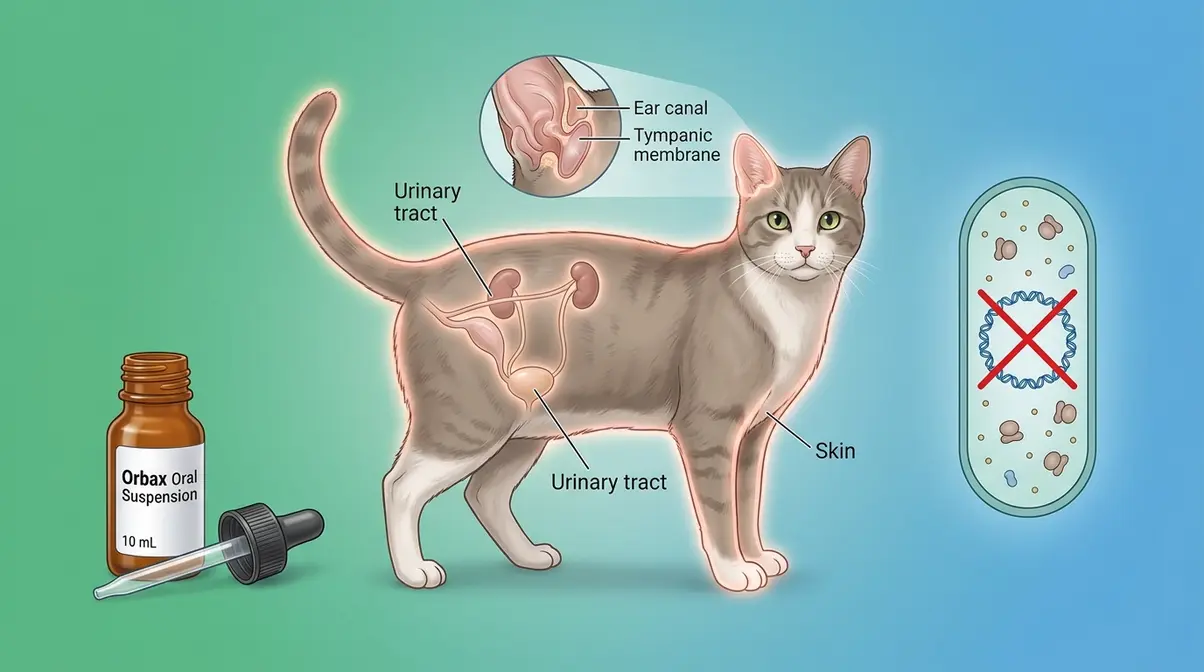
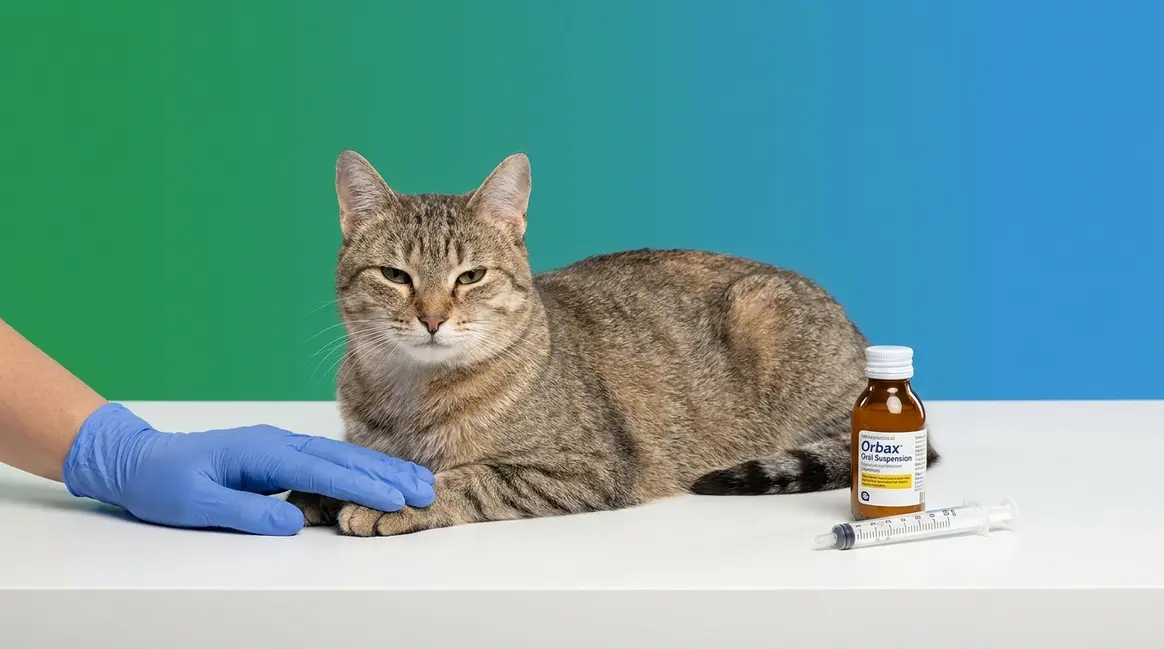
Orbax is a prescription antibiotic formulated specifically for use in cats and dogs. It belongs to a class of drugs called fluoroquinolones (a type of antibiotic that kills bacteria by disrupting their DNA replication process, preventing them from reproducing). The active ingredient is orbifloxacin, and it’s available as a palatable malt-flavored oral suspension — which makes it easier to administer to most cats than a pill.
Understanding what Orbax is and how it works helps you feel confident about why your vet chose it and what to realistically expect during treatment.
How We Researched This Guide
Our research team reviewed the Merck Animal Health prescribing information for Orbax Oral Suspension, the FDA DailyMed drug database entry, peer-reviewed pharmacokinetic studies from NCBI, and clinical guidance from VCA Hospitals and PetMD. We cross-referenced these sources against veterinary forum consensus to identify the most common owner concerns — including dosage confusion, lethargy questions, and the retinal toxicity worry — and addressed each one directly. This guide reflects current veterinary consensus as of July 2026 and is reviewed semi-annually.

How Orbax Works as a Fluoroquinolone Antibiotic
Orbax is classified as a bactericidal antibiotic — meaning it actively kills bacteria, rather than just slowing their growth. It does this by blocking an enzyme bacteria need to copy their DNA. Without that enzyme, the bacteria cannot replicate and die off rapidly.
This mechanism makes fluoroquinolones particularly effective against a wide range of gram-negative bacteria (a category of bacteria with a specific cell wall structure, including many common infection-causing species). According to the Merck Animal Health prescribing label, orbifloxacin reaches high concentrations in tissues including skin, soft tissue, and the urinary tract — which is why it’s so frequently prescribed for those specific infection types in cats.
Importantly, Orbax is not effective against all bacteria. It has no activity against anaerobic bacteria (bacteria that thrive without oxygen), which is one reason your vet may choose a different antibiotic for certain types of infections. This is also why completing the full course matters: stopping early can allow resistant bacteria to survive and multiply.
What Infections Does Orbax Treat in Cats?
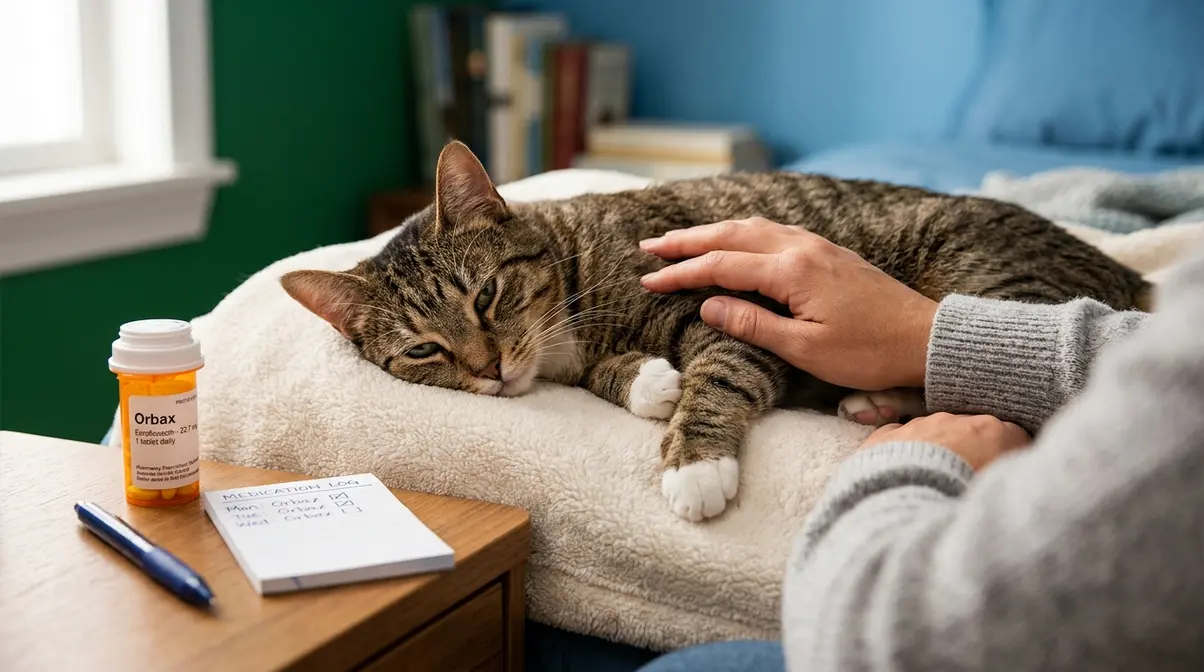
According to the Merck Animal Health prescribing information, Orbax is FDA-approved for treating skin and soft tissue infections caused by susceptible bacteria in cats. However, veterinarians commonly use it off-label (meaning outside of its FDA-approved indication, which is legal and routine in veterinary medicine) for additional infection types.
Common uses in cats include:
- Skin and wound infections — the primary FDA-approved indication
- Urinary tract infections (UTIs) — due to high urinary concentration of the drug
- Ear infections (otitis) — particularly those caused by gram-negative bacteria
- Respiratory infections — sometimes used when culture results support it
- Eye infections — in some cases, under veterinary direction
Your vet may have run a culture and sensitivity test (a lab test that identifies which bacteria are present and which antibiotics can kill them) before prescribing Orbax. If so, that’s the gold standard — it means Orbax is confirmed to work against your cat’s specific infection.
How Fast Does Orbax Work?
Orbax begins working within 2 to 4 hours of the first dose as it reaches peak concentration in your cat’s blood and tissues. However, you typically won’t see visible improvement in your cat’s symptoms for 24 to 72 hours — sometimes longer for deeper tissue infections.
According to VCA Hospitals, most cats show measurable clinical improvement within 3 to 5 days of starting treatment, provided the infection is caused by a susceptible organism. If your cat shows no improvement after 5 to 7 days, contact your vet — this may indicate bacterial resistance or a different underlying cause.
One important note: your cat may start to feel better before the infection is fully cleared. This is exactly why completing the full prescribed course is critical, even when your cat seems back to normal.
Orbax for Cats Side Effects: What to Expect
Most cats tolerate orbax for cats side effects well, but no antibiotic is completely without risk. Knowing what’s normal, what’s worth monitoring, and what demands an immediate vet call gives you a clear action plan — rather than anxious guessing.
This section introduces “The 72-Hour Watch” — a structured monitoring framework that helps you track your cat’s response during the most critical window after starting Orbax. Think of it as your personal observation checklist, organized by time.
Common, Mild Side Effects
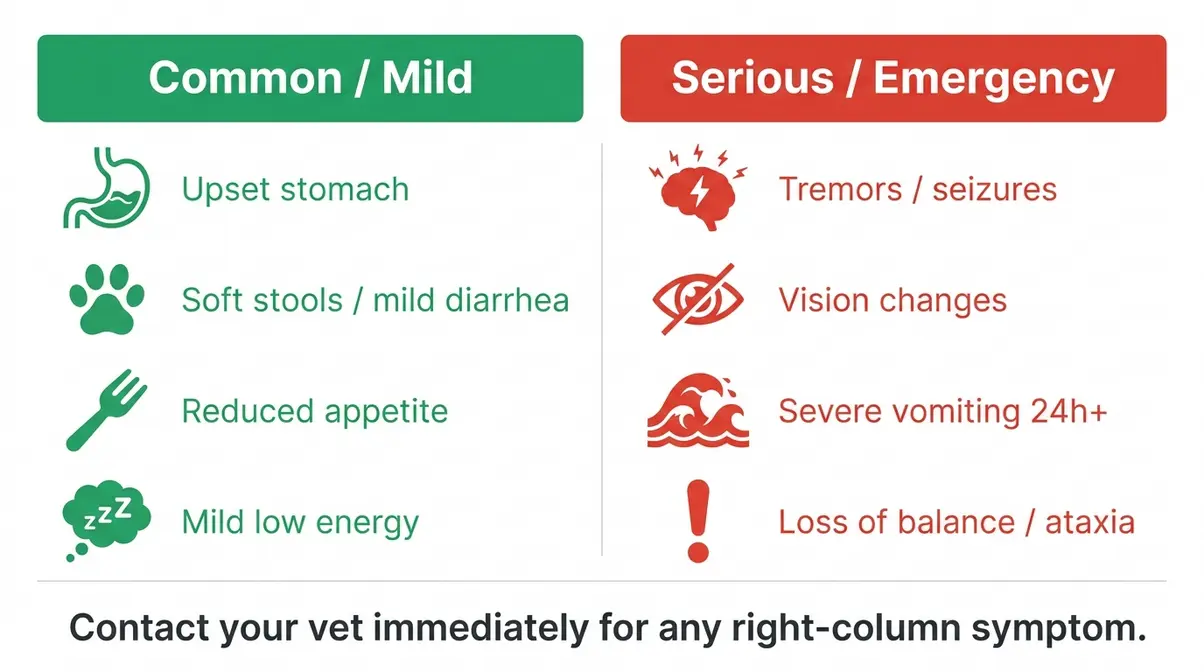
The most frequently reported side effects of Orbax in cats are gastrointestinal — meaning they affect the stomach and digestive system. These reactions are generally mild, temporary, and resolve on their own once the course of medication is complete.
According to PetMD’s medication guide for orbifloxacin, the most common side effects include:
- Upset stomach — nausea or general digestive discomfort
- Soft stools or mild diarrhea — a common response to antibiotics in cats
- Reduced appetite — your cat may eat less than usual for the first few days
- Low energy or mild lethargy — your cat may seem quieter or less playful
Will Orbax make my cat sleepy? Mild low energy is reported by some cat owners, particularly in the first 24 to 48 hours. This is generally not a direct pharmacological effect of orbifloxacin but may reflect how your cat feels while fighting an infection. If lethargy is severe — your cat won’t move, eat, or respond normally — that crosses into the “call your vet” category.
To reduce the chance of an upset stomach, give Orbax with a small amount of food unless your vet specifically instructed you not to. Veterinary consensus from VCA Hospitals confirms that administering the medication with food generally improves tolerability without reducing effectiveness.
Serious Side Effects — Contact Your Vet Immediately
Serious side effects from Orbax are uncommon, but they do occur. The following symptoms require you to contact your veterinarian the same day — do not wait to see if they resolve on their own.
Neurological symptoms (affecting the brain and nervous system):
- Tremors or muscle twitching
- Loss of balance or stumbling (called ataxia — a term for uncoordinated movement)
- Disorientation or apparent confusion
- Seizures (rare, but documented with fluoroquinolone antibiotics)
Severe gastrointestinal symptoms:
- Vomiting that continues for more than 24 hours
- Complete refusal to eat for more than 48 hours
- Bloody diarrhea
Allergic or immune reactions:
- Swelling of the face or limbs
- Hives or skin rash
- Difficulty breathing (this is an emergency — go to the nearest animal hospital immediately)
According to the Merck Animal Health prescribing label, neurological side effects are more likely in cats that receive doses higher than recommended. This is one more reason why accurate dosing is non-negotiable. If your cat develops any neurological symptom, stop the medication and call your vet before giving another dose.
The Retinal Toxicity Risk in Cats
This is the concern that worries cat owners most — and it deserves a direct, honest answer.
Fluoroquinolone antibiotics can cause retinal degeneration (damage to the light-sensitive tissue at the back of the eye) in cats. This is a documented risk, and it is specific to cats — it occurs at much lower doses in cats than in dogs or humans. Research published in NCBI (PMC5645856) confirmed that cats are uniquely sensitive to fluoroquinolone-induced retinal toxicity due to differences in how their eyes metabolize these compounds.
However, the critical word here is dose-dependent. The retinal toxicity risk is strongly associated with doses that significantly exceed the recommended therapeutic range. According to the FDA DailyMed entry for Orbax, the approved dose for cats is 2.5 mg/kg once daily — and clinical studies show retinal changes are not expected at this therapeutic dose.
The concern arose largely from enrofloxacin (a related fluoroquinolone sold as Baytril), which caused retinal damage in cats when used at high doses. Orbifloxacin, the active ingredient in Orbax, has a different pharmacokinetic profile and a wider safety margin in cats, though the risk is not zero at supratherapeutic (above-recommended) doses.
What this means practically: If your vet prescribed Orbax at the correct dose for your cat’s weight, the retinal toxicity risk is very low. The danger comes from dosing errors — which brings us directly to the next section. Watch for any sudden changes in your cat’s vision: bumping into furniture, reluctance to move in dim light, or dilated pupils that don’t respond to light. These signs warrant an immediate call to your vet.
The 72-Hour Watch — Your Monitoring Timeline
“The 72-Hour Watch” is a structured observation framework designed to help you track your cat’s response to Orbax at the three most important checkpoints after starting treatment. Most side effects — if they’re going to appear — will show up within this window.
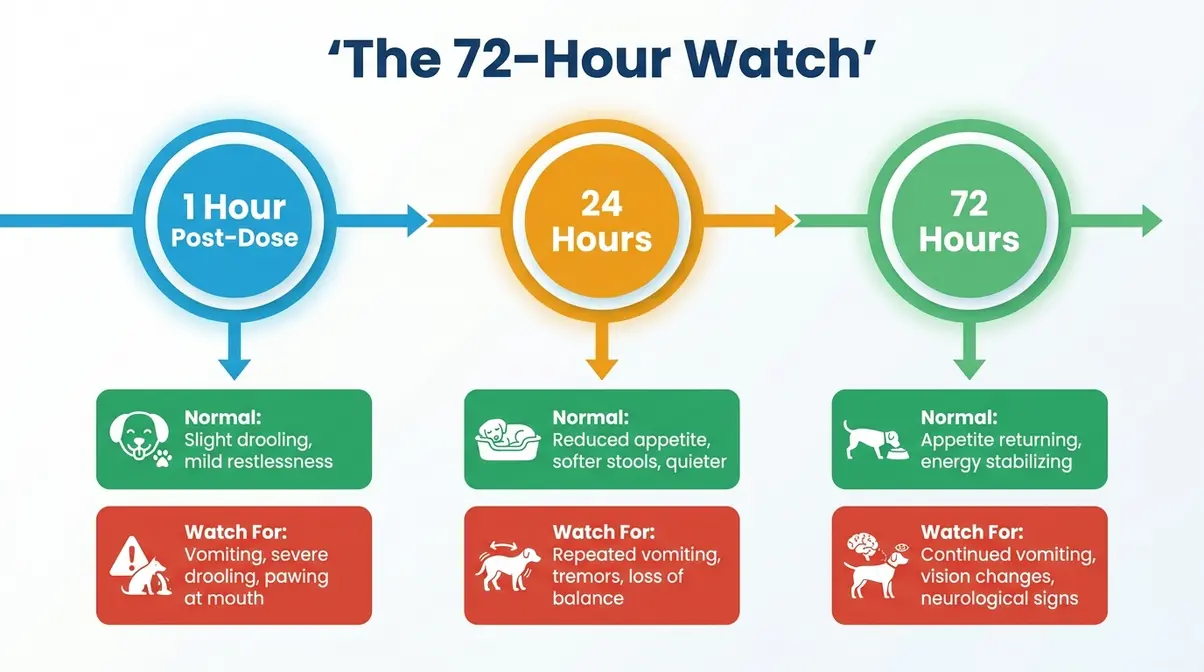
| Checkpoint | What’s Normal | Watch For |
|---|---|---|
| 1 Hour Post-Dose | Cat may drool slightly if the taste is unfamiliar; mild restlessness | Vomiting immediately after dose; severe drooling; pawing at mouth |
| 24 Hours | Reduced appetite; softer stools; slightly quieter than usual | Vomiting more than once; complete refusal to eat; tremors; loss of balance |
| 72 Hours | Appetite returning; energy levels stabilizing; infection symptoms improving | Continued vomiting; worsening lethargy; any vision changes; neurological signs |
If your cat passes all three checkpoints without serious symptoms, you can feel confident that the most critical risk window has passed. Continue the full course of medication and keep monitoring, but the anxiety level drops significantly after 72 hours.
How to Give Orbax to Your Cat — Dosage and Administration
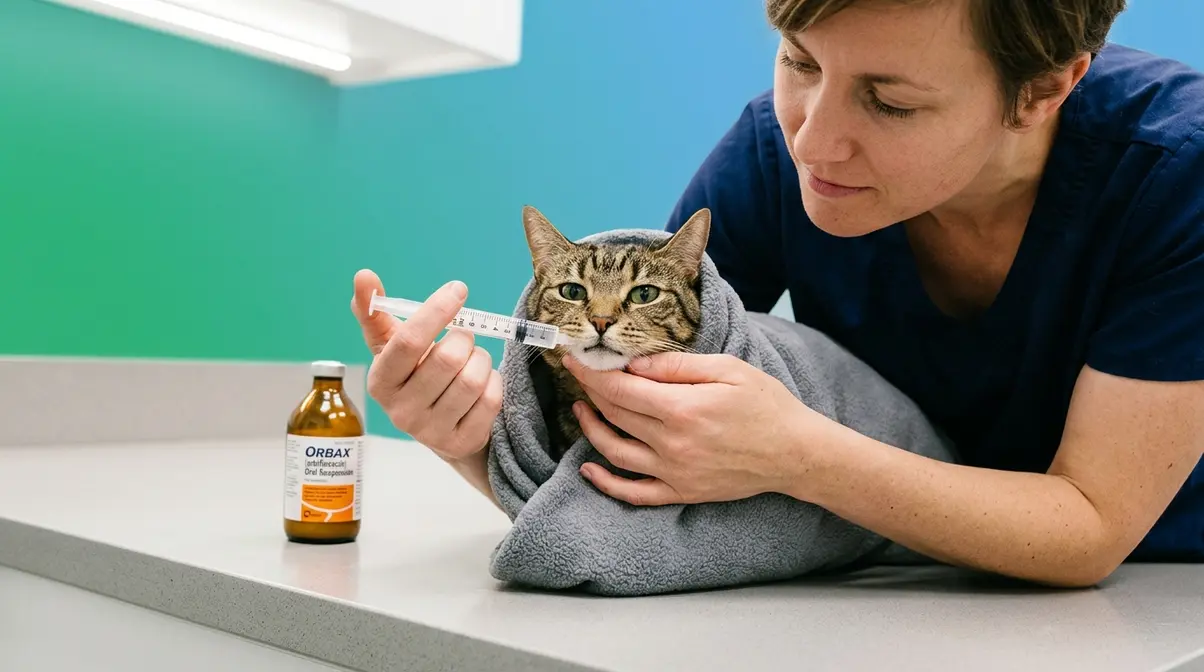
Giving a cat liquid medication can feel daunting — especially the first time. This section walks you through everything from reading the prescription label correctly to what to do if your cat spits the medication across the room. Step-by-step instructions are adapted from UC Davis School of Veterinary Medicine guidelines for oral liquid administration in cats.
Reading Your Cat’s Orbax Prescription Correctly
Before you draw up a single dose, read the prescription label twice. Dosage errors are among the most common and preventable problems in home medication administration.
“I initially believed our cat needed 4 mL of orbax, but after reviewing the fine print, it turned out to be 0.4 mL.”
This real owner experience captures a critically important risk. A 10-fold dosing error — confusing 0.4 mL with 4 mL — could expose your cat to a dose ten times higher than intended, dramatically increasing the risk of serious side effects including neurological symptoms and retinal toxicity. The decimal point is easy to miss, especially when you’re anxious and reading quickly.
How to read the label correctly:
- Find the concentration of the suspension (e.g., 30 mg/mL) — this tells you how much drug is in each milliliter
- Find your cat’s prescribed dose in milligrams (mg) or milliliters (mL)
- If the dose is written in mg, divide by the concentration to get the mL volume
- Use a calibrated oral syringe (provided with the medication or available from your vet) — never a kitchen spoon
- If the number on the label looks larger than you expected, call your vet’s office before administering
When in doubt, call. A 30-second phone call to your vet’s office is always the right move.
Step-by-Step: How to Administer Orbax Oral Suspension
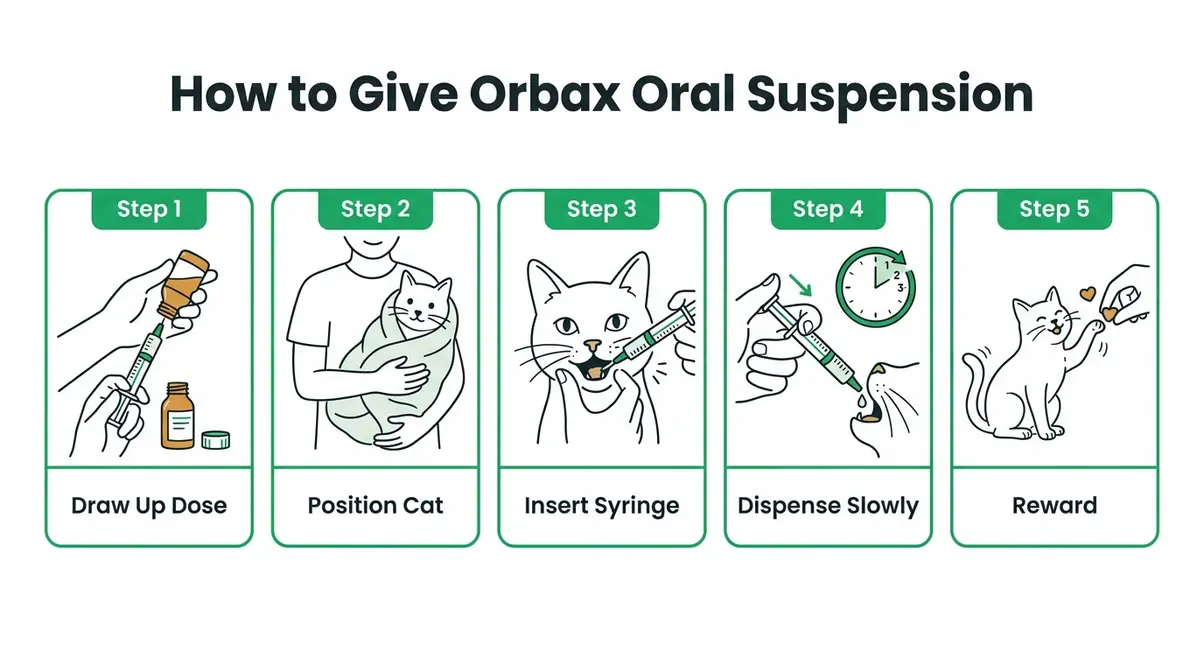
Orbax oral suspension is malt-flavored, which many cats accept readily. However, some cats will resist. Here is the full administration method, adapted from UC Davis veterinary guidelines:
You’ll need: The Orbax oral suspension, a calibrated oral syringe, a towel or blanket (optional, for wrapping), and a small treat for afterward. Allow 5 to 10 minutes.
- Shake the bottle gently for 10 to 15 seconds before each dose — the suspension settles and must be mixed for accurate dosing
- Draw up the correct dose into the oral syringe, holding it at eye level to confirm the measurement
- Position your cat — sit on a low surface with your cat on your lap facing away from you, or place them on a non-slip surface at counter height
- Wrap your cat if needed — if your cat tends to scratch, loosely wrap their body in a towel (called a “purrito” wrap), leaving only their head free
- Tilt the head back gently — use your non-dominant hand to cup the top of your cat’s skull and tilt their nose slightly upward (about 45 degrees)
- Insert the syringe at the side of the mouth — slide the tip of the syringe between the cheek and the back teeth, aiming toward the back of the mouth; avoid pointing directly at the throat
- Dispense slowly — push the plunger gradually over 2 to 3 seconds; dispensing too fast causes gagging and spitting
- Hold the mouth closed briefly — gently hold your cat’s mouth closed for 3 to 5 seconds and stroke their throat downward to encourage swallowing
- Offer a small treat or water immediately afterward to wash down any residual taste and reinforce a positive association
- Praise your cat — this matters more than you think for next-time cooperation
If your cat spits out the medication: Do not immediately re-dose. If you’re confident most of the dose was lost (you saw it come back out), contact your vet’s office for guidance. If your cat accepted most of it, wait until the next scheduled dose. Giving a double dose to compensate is not recommended.
If your cat resisted during the process: Try placing the suspension on a small amount of a strong-smelling treat (a fingertip of tuna or salmon-flavored food). Some cats will lick it up willingly. Ask your vet if this approach is appropriate for your cat’s specific situation.
What to Do If You Miss a Dose
Missing a single dose of Orbax is not a medical emergency, but handling it correctly matters. According to VCA Hospitals’ orbifloxacin guide:
- If you remember within a few hours of the scheduled time: Give the missed dose as soon as you remember
- If it’s close to the time of the next dose (within 4 to 6 hours): Skip the missed dose and resume the regular schedule
- Never double up — giving two doses at once increases the risk of side effects without improving treatment outcomes
Set a daily phone alarm at the same time each day. Consistent timing helps maintain stable drug levels in your cat’s system, which improves effectiveness and reduces the risk of bacterial resistance developing.
How Long Can a Cat Be on Orbax?
Typical Orbax treatment courses for cats range from 7 to 30 days, depending on the type and severity of the infection. Skin infections often resolve with 7 to 14 days of treatment. Deeper or more complex infections — such as urinary tract infections or chronic ear infections — may require up to 30 days.
Your vet will determine the appropriate duration based on the specific infection, your cat’s response to treatment, and any culture results. Do not stop the medication early because your cat seems better — antibiotic resistance can develop when courses are cut short, and residual bacteria may cause a relapse that’s harder to treat.
According to the Merck Animal Health prescribing label, treatment should continue for 2 to 3 days beyond the resolution of clinical signs — meaning your cat should appear fully recovered before you stop, and only after completing the prescribed duration.
Storage: Keep Orbax oral suspension at room temperature (59°F to 77°F / 15°C to 25°C). Do not refrigerate unless the label specifically instructs it. Shake before each use. Discard any unused suspension after the prescribed treatment period — do not save it for a future illness.
Contraindications, Drug Interactions, and Precautions
Orbax is safe and effective for most cats when used correctly, but there are specific situations where it should not be used, and specific medications it can interact with. Reviewing these before you start treatment — or sharing this section with your vet if you have concerns — is a responsible step.
When Orbax Should Not Be Used
According to the Merck Animal Health prescribing information and veterinary clinical guidelines, Orbax should not be used in the following situations:
- Kittens under 8 weeks of age — fluoroquinolones can damage developing cartilage in young animals; Orbax is not approved for use in immature cats
- Pregnant or nursing cats — safety in reproduction has not been established; the risk to kittens cannot be ruled out
- Cats with known hypersensitivity to fluoroquinolones — if your cat has ever had an allergic reaction to enrofloxacin (Baytril) or another fluoroquinolone, inform your vet before starting Orbax
- Cats with severe kidney or liver disease — since Orbax is eliminated primarily through the kidneys, impaired kidney function can cause drug accumulation and increase toxicity risk; dose adjustment or an alternative antibiotic may be needed
- Cats with a history of seizures — fluoroquinolones can lower the seizure threshold (the point at which a seizure is triggered) in susceptible animals
If any of these apply to your cat, your vet needs to know before prescribing Orbax. This is not a reason to panic — it’s a reason for an informed conversation.
Drug Interactions to Watch For
Orbax can interact with several other medications. If your cat is currently taking any of the following, tell your vet before starting Orbax:
| Medication Category | Examples | Interaction |
|---|---|---|
| Antacids / Sucralfate | Sucralfate (Carafate), aluminum/magnesium antacids | Reduce Orbax absorption by up to 50% — separate doses by at least 2 hours |
| NSAIDs (non-steroidal anti-inflammatory drugs) | Meloxicam (Metacam), ketoprofen | May increase risk of neurological side effects when combined |
| Theophylline | Bronchodilators for asthma | Orbax can increase theophylline blood levels, potentially causing toxicity |
| Cyclosporine | Immunosuppressants | Possible increased blood levels of cyclosporine |
| Iron or zinc supplements | Some joint supplements, multivitamins | Can reduce Orbax absorption — separate by 2 hours |
The sucralfate interaction is particularly important because sucralfate is commonly prescribed alongside antibiotics to protect the stomach lining. If your cat is on both, your vet should be spacing the doses appropriately. Always bring a complete list of your cat’s current medications — including supplements — to every vet appointment.
Side Effects of Other Common Feline Medications
Cat owners often find themselves managing multiple medications at once, and knowing what side effects to expect from each drug helps you avoid confusion about which medication is causing which symptom. This section covers the side effects of the most commonly prescribed feline medications beyond Orbax.
Pain Relievers — Buprenorphine and Onsior
Buprenorphine is an opioid pain reliever frequently prescribed for cats after surgery or for chronic pain management. It’s typically given as a liquid placed under the tongue (called transmucosal administration — absorbed through the mucous membranes). Common side effects of buprenorphine in cats include:
- Sedation and low energy — this is expected and dose-dependent
- Euphoria (cats may appear unusually relaxed or content)
- Reduced respiratory rate at higher doses — monitor breathing
- Dilated pupils
- Constipation with prolonged use
Onsior (robenacoxib) is an NSAID specifically approved for short-term pain and inflammation management in cats. Side effects of Onsior in cats include:
- Reduced appetite and mild gastrointestinal upset
- Vomiting and soft stools
- Increased thirst and urination (monitor kidney function)
- Rarely, gastrointestinal ulceration with extended use
Onsior is approved for a maximum of 3 days in cats in the United States — it should not be used long-term without specific veterinary guidance and monitoring.
Anti-Nausea and Appetite Stimulants — Cerenia and Mirtazapine
Cerenia (maropitant) is the most commonly prescribed anti-nausea medication for cats. Cerenia side effects in cats are generally mild and include:
- Sedation, particularly at higher doses
- Pain or vocalization at the injection site (for the injectable form)
- Hypersalivation (drooling) in some cats
- Rarely, lethargy lasting 12 to 24 hours after a dose
Mirtazapine is used in cats primarily as an appetite stimulant (a drug that encourages eating) rather than as an antidepressant, which is its primary human use. Mirtazapine for cats side effects include:
- Vocalization (some cats become unusually vocal)
- Hyperactivity or restlessness, particularly in the first few hours
- Vomiting, paradoxically — especially if the dose is too high
- Sedation at higher doses
- Serotonin syndrome (a dangerous drug interaction) if combined with other serotonergic medications — always inform your vet of all current medications
The transdermal (skin-applied) formulation of mirtazapine (Mirataz) is popular because it avoids the need for oral administration — a significant benefit for cats that resist medication.
Behavioral and Other Medications
Amitriptyline is a tricyclic antidepressant used in cats for behavioral issues such as anxiety, overgrooming, and urine spraying. Amitriptyline side effects in cats include sedation, dry mouth (which may appear as increased water intake), urinary retention, and cardiac arrhythmias at toxic doses.
Chlorambucil is a chemotherapy drug used in cats to treat lymphoma and certain immune-mediated diseases. Chlorambucil side effects in cats are more serious and include bone marrow suppression (reduced production of blood cells), gastrointestinal upset, and increased infection risk. Cats on chlorambucil require regular blood monitoring.
FortiFlora (a probiotic supplement) is commonly prescribed alongside antibiotics — including Orbax — to support gut health. FortiFlora for cats side effects are minimal; occasional mild gastrointestinal upset is possible, but it is generally very well tolerated. Many vets recommend it specifically to counteract the digestive disruption antibiotics can cause.
When to Seek Immediate Veterinary Help
Knowing when to call your vet — and when to go directly to an emergency clinic — is the most practical skill this guide can give you. Most Orbax side effects are mild and manageable at home. A small number require urgent action.
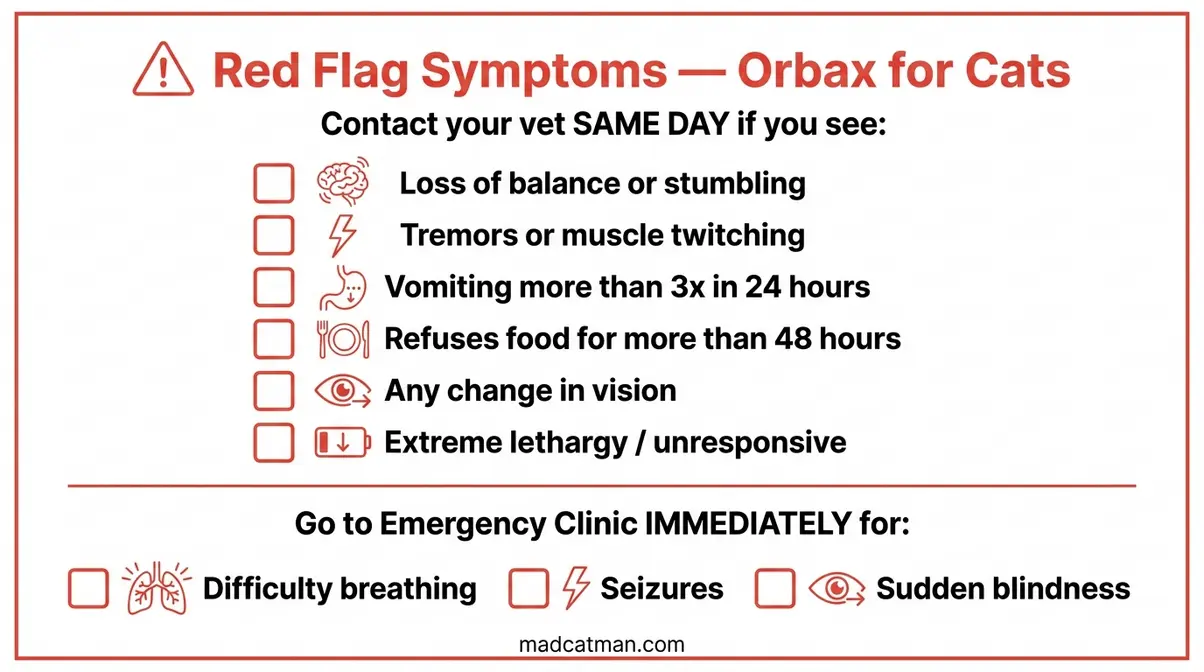
Red Flag Symptoms That Cannot Wait
Contact your veterinarian the same day if your cat shows any of the following:
- Loss of balance or stumbling — ataxia is a neurological warning sign that needs immediate evaluation
- Tremors or muscle twitching — even mild, intermittent twitching warrants a call
- Vomiting more than 3 times in 24 hours — persistent vomiting causes dehydration and may indicate a serious reaction
- Complete refusal to eat for more than 48 hours — especially concerning in cats, which are at risk of hepatic lipidosis (a dangerous liver condition triggered by prolonged food refusal)
- Any change in vision — bumping into objects, dilated pupils unresponsive to light, reluctance to move in dim lighting
- Extreme lethargy — unable to stand, unresponsive to stimulation, or much weaker than usual
Go to an emergency animal hospital immediately (do not wait for a callback) if your cat shows:
- Difficulty breathing or open-mouth breathing
- Seizures
- Collapse
- Sudden blindness
When Orbax May Not Be the Right Antibiotic
Orbax is an excellent antibiotic for many infections, but it isn’t always the best choice. Your vet may reconsider Orbax if:
- Culture results show resistance — if a sensitivity test reveals the bacteria causing your cat’s infection are not susceptible to orbifloxacin, a different antibiotic will be more effective
- Your cat has concurrent kidney disease — reduced kidney function changes how Orbax is cleared from the body; amoxicillin-clavulanate or doxycycline may be safer alternatives
- The infection is anaerobic — Orbax has no activity against anaerobic bacteria; metronidazole or clindamycin would be more appropriate
- Your cat fails to improve after 5 to 7 days — this is a signal to reassess the diagnosis and the chosen antibiotic
- Your cat is pregnant or a young kitten — as noted in the contraindications section, safer alternatives exist
If you have concerns about whether Orbax is the right choice for your cat’s specific situation, a direct conversation with your vet is always appropriate. A good veterinarian welcomes these questions.
Limitations: What This Guide Cannot Replace
Common Pitfalls When Managing Orbax at Home
Stopping the medication early. This is the most common mistake. Your cat will usually feel better before the infection is fully cleared. Stopping Orbax early leaves residual bacteria alive — and those survivors are often the more resistant ones, making a relapse harder to treat.
Confusing normal adjustment symptoms with an emergency. Mild soft stools and reduced appetite in the first 48 hours are normal. Persistent vomiting, tremors, or loss of balance are not. The 72-Hour Watch timeline in this guide is designed specifically to help you tell the difference.
Giving the medication without shaking the bottle. The active drug settles to the bottom of the suspension. An unshaken bottle means your cat may receive a dose that is mostly liquid with very little active medication — followed by a dose that is over-concentrated. Shake for 10 to 15 seconds every time.
When to Choose Alternatives
- For cats with kidney disease: Discuss doxycycline or amoxicillin-clavulanate with your vet — both have established dosing protocols for renally impaired cats
- For anaerobic infections (dental disease, abscesses): Orbax will not work; clindamycin or metronidazole are standard alternatives
- For very young kittens (under 8 weeks): Amoxicillin-clavulanate is the safer first-line choice
When to Seek Expert Help
This guide is a starting point, not a substitute for individualized veterinary care. Seek professional veterinary guidance if:
- Your cat has any of the contraindicated conditions listed above
- Your cat is on three or more concurrent medications and you’re unsure about interactions
- Your cat’s infection has not improved after 7 days of treatment
- You are at all uncertain about the correct dose — a 30-second call to your vet is always the right move
Frequently Asked Questions About Orbax for Cats
How long can a cat be on Orbax?
Most cats take Orbax for 7 to 30 days, depending on the infection type and severity. Skin infections typically resolve in 7 to 14 days, while urinary or chronic infections may require up to 30 days. Your vet determines the exact duration based on your cat’s response and culture results. Never stop Orbax early because your cat seems better — completing the full course prevents relapse and reduces antibiotic resistance. If your cat has not improved after 7 days, contact your vet to reassess.
How fast does Orbax work?
Orbax reaches peak blood concentration within 2 to 4 hours of the first dose, but visible symptom improvement typically takes 24 to 72 hours. For deeper infections like UTIs or skin abscesses, meaningful improvement may take 3 to 5 days. According to VCA Hospitals, most cats show clear clinical improvement within 3 to 5 days of starting treatment when the bacteria are susceptible to orbifloxacin. If you see no improvement by day 5 to 7, contact your vet — this may indicate resistance.
Will Orbax make my cat sleepy?
Mild low energy in the first 24 to 48 hours is possible but is not a direct pharmacological effect of orbifloxacin — it more likely reflects how your cat feels while fighting an active infection. True sedation is not a listed side effect of Orbax. If your cat is extremely lethargic — unable to stand, unresponsive, or significantly weaker than usual — that goes beyond normal tiredness and warrants a same-day call to your vet.
How do I give Orbax to my cat?
Give Orbax oral suspension using a calibrated oral syringe, inserted at the side of the mouth (between the cheek and back teeth), aimed toward the back of the mouth. Shake the bottle for 10 to 15 seconds first. Dispense slowly over 2 to 3 seconds, then hold the mouth closed briefly and stroke the throat to encourage swallowing. Giving it with a small amount of food helps reduce stomach upset. See the full step-by-step guide in the Dosage section above.
How long after starting antibiotics will my cat feel better?
Most cats show noticeable improvement within 3 to 5 days of starting Orbax, assuming the infection is caused by a susceptible organism. Energy levels and appetite typically begin returning to normal within 24 to 72 hours as the bacterial load decreases. However, the infection is not fully cleared until the entire prescribed course is complete — feeling better does not mean stopping early is safe. If your cat shows no improvement after 5 to 7 days, contact your veterinarian.
What is the retinal toxicity risk of Orbax in cats?
Fluoroquinolone antibiotics can cause retinal degeneration in cats at supratherapeutic (above-recommended) doses. Research published on NCBI (PMC5645856) confirmed cats are uniquely sensitive to this effect compared to dogs and humans. At the standard Orbax dose of 2.5 mg/kg once daily, the retinal toxicity risk is very low. The primary danger is dosing errors — receiving 10 times the intended dose significantly elevates risk. Watch for vision changes: bumping into objects, dilated pupils, or reluctance to move in dim light.
What is the silent killer of cats?
Hepatic lipidosis (fatty liver disease) is often called the “silent killer” of cats — it develops rapidly when a cat stops eating for more than 48 to 72 hours, as the liver becomes overwhelmed processing stored fat for energy. It’s particularly relevant during antibiotic treatment because reduced appetite is a common side effect. If your cat refuses food for more than 48 hours while on Orbax, contact your vet — this is a medical situation that needs prompt attention, not a wait-and-see scenario.
Conclusion
For most cats, orbax for cats side effects are mild and temporary — an upset stomach, soft stools, or a few days of reduced appetite. These are normal adjustment responses that resolve as the treatment course progresses. The serious risks — neurological symptoms, retinal toxicity, severe allergic reactions — are real but rare, and they are far more likely when dosing errors occur than when Orbax is used correctly at prescribed doses.
“The 72-Hour Watch” is your most practical tool during this period. By tracking your cat’s response at the 1-hour, 24-hour, and 72-hour checkpoints, you transform vague anxiety into structured, confident observation. Most cats pass all three checkpoints without incident — and knowing that in advance makes the entire experience less frightening for you both.
Your next step: before you give the first dose, read the prescription label twice — confirm the milliliter volume, not just the number. Set a daily alarm for consistent timing. Keep the Red Flag symptom checklist somewhere visible. And if anything feels wrong, call your vet — that call is never a waste of anyone’s time. A cat owner who asks questions is exactly the kind of owner every vet wants to work with.