Best Practices: The Ultimate 10-Step Checklist for Healthier, Less-Stressed Cats
Explore practical guidance for MadCatMan Best Practices: The Ultimate 10-Step Checklist for Healthier, Less-Stressed Cats packed with data-backed advice…

If you have ever wondered how to apply madcatman best practices in your own home without turning your living room into a jungle gym, you are in the right place. When I first adopted my wiry little tabby, I thought “love, food, and a cozy bed” were enough. Then came 3 a.m. zoomies, couch-scratching, and the mysterious vanishing of hair ties. With a few smart tweaks and the right gear, everything changed. Think simple routines, smarter play, and stress‑reducing setups that feel good for both of you. In this guide, I will walk you through a 10-step checklist that blends experience, behavior insights, and practical shopping tips. And because Mad Cat Man specializes in clear, expert-backed advice, you will also find product pointers, safety notes, and breed-specific ideas so you can shop with confidence and relax with a purring, happy cat.
What MadCatMan Best Practices Look Like in Real Homes
At their heart, madcatman best practices are about helping your cat feel safe, satisfied, and seen. Cats are both predators and prey, which is why they crave high-up perches, cozy hideouts, and predictable routines. When those needs are met, you get fewer stress behaviors and more soft blinks. Most cats sleep 12 to 16 hours a day, so the environment between naps matters: clean litter, fresh water, and a hunting-style play session or two can work wonders. Many behaviorists suggest one litter box per cat plus one, elevated resting spots in key rooms, and daily interactive play to mimic stalking, chasing, and pouncing. The magic is consistency. Whether you live in a studio apartment or a suburban house, small, thoughtful changes stack up fast for calmer mornings and quieter nights.
How do you know it is working? Watch for the everyday signals:
- Soft body language: loose tail, slow blinks, and calm grooming between naps.
- Stable routines: regular eating and bathroom habits, with fewer nighttime wakeups.
- Healthy curiosity: exploring new nooks without skittishness or vocal meltdowns.
- Predictable play: a quick sprint, a good flop, and happy loafing afterward.
Mad Cat Man makes all of this easier with clear, straightforward guides: behavior and training tips, step-by-step how-tos, shopping checklists, safety explainers, and breed-specific spotlights. We review and compare products across budgets so you do not waste money on gear your cat will ignore, and we lean on veterinarian-informed insights to keep advice practical and safe.
The Ultimate 10-Step Checklist: Do These, See Calm
-
Set a predictable daily rhythm.
Cats love knowing what happens next. Feed at set times, add two short play “hunts,” and keep lights and noise predictable around bedtime. This simple loop reassures your cat and cuts down on 3 a.m. serenades. If your schedule is chaotic, use timed feeders and reminders so your cat’s routine stays steady even when yours does not.
- Morning: feed, then 10 minutes of play before work.
- Evening: play, then dinner, then a small snack right before bed to prevent night wakeups.
- Use a soft nightlight in hallways to reduce startle reactions.
-
Build vertical territory and safe hideouts.
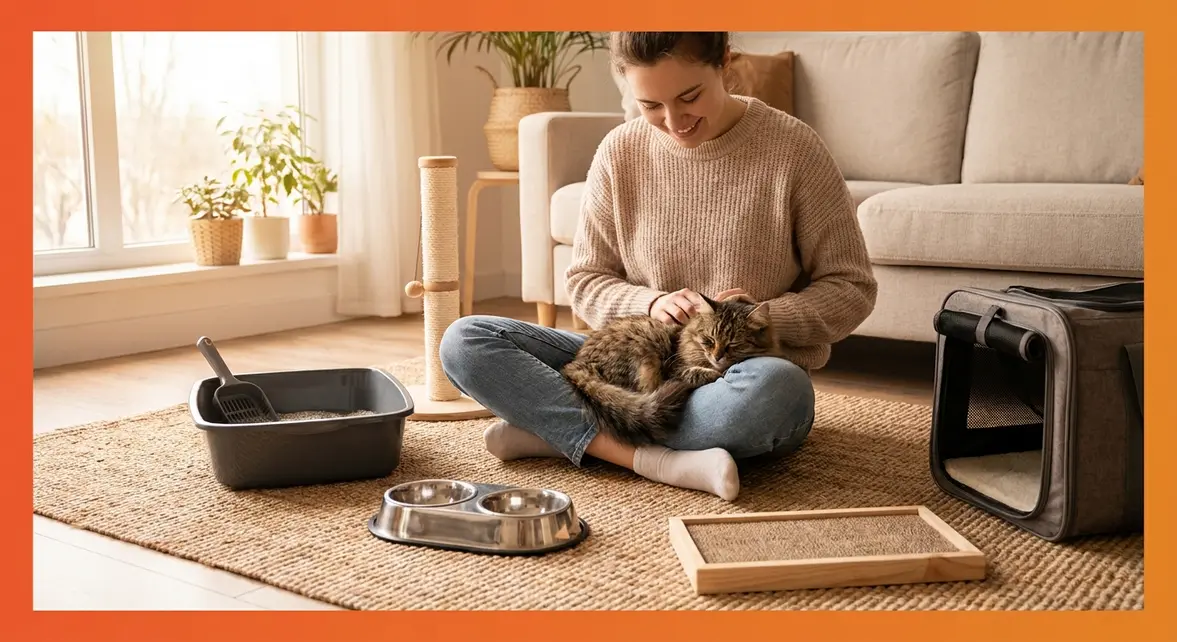
High spaces and enclosed nooks give cats a sense of control. Add a sturdy cat tree, a window perch, and a hideaway bed so your cat can choose “observe” or “disappear” modes. In multi-cat homes, set up at least two tall structures so skirmishes do not happen over the only throne in town.
- Place perches near windows and in rooms you use most.
- Offer both horizontal and vertical scratchers wrapped in sisal for variety.
- Use wall shelves to create a step-up path if floor space is tight.
-
Upgrade litter box strategy.
Follow the classic rule: one box per cat plus one. Choose open, high-sided boxes big enough for your cat to turn around easily, fill with unscented clumping litter, and scoop daily. Many cats prefer about two to three inches of litter depth and boxes away from loud appliances, doors, and food bowls.
- Try a box length at least one and a half times the length of your cat.
- Place one box per floor if you have stairs.
- If accidents happen, add a box and test a finer-grain litter before changing brands again.
-
Feed for hydration and stable energy.
Moisture matters. Adding more wet food, a fresh water source, and slow feeders can improve mood and reduce begging. Look for a complete and balanced food with an AAFCO [Association of American Feed Control Officials] nutritional adequacy statement and meat-first recipes. When weight is a question, use your kitchen scale for portions and check body condition monthly to catch creeping gains early.
- Many cats do best on two to three small meals daily rather than a single large meal.
- Consider a water fountain to encourage sipping; clean it weekly.
- Rotate proteins slowly if your cat has a sensitive stomach.
-
Play like a hunter, not a roommate.
Interactive toys that mimic prey switch your cat’s brain into “work mode,” burning off kitty caffeine without shredded blinds. Try a feather wand for chase, a tunnel for ambush, and puzzle feeders for mental crunch. Two ten- to fifteen-minute sessions a day beats one long, chaotic hour and lowers frustration behaviors.
- Rotate toys every few days to keep novelty high.
- Let your cat catch and “win” at the end; follow with a small snack.
- Store wand toys out of reach when you are not supervising.
-
Design a sleep sanctuary.
Quiet corners, warm beds, and predictable lighting equal deeper cat naps and a calmer household. Offer one plush bed with bolstered sides and one firm, elevated perch so your cat can choose comfort by mood. Keep beds out of drafts and away from buzzing electronics that can bother sensitive ears.
- Add a soft blanket that smells like you for bonding and security.
- Close curtains at night to reduce neighborhood distractions.
- Use a cool-mist humidifier in winter to ease dry air, cleaning it often to prevent mold.
-
Make grooming positive and predictable.
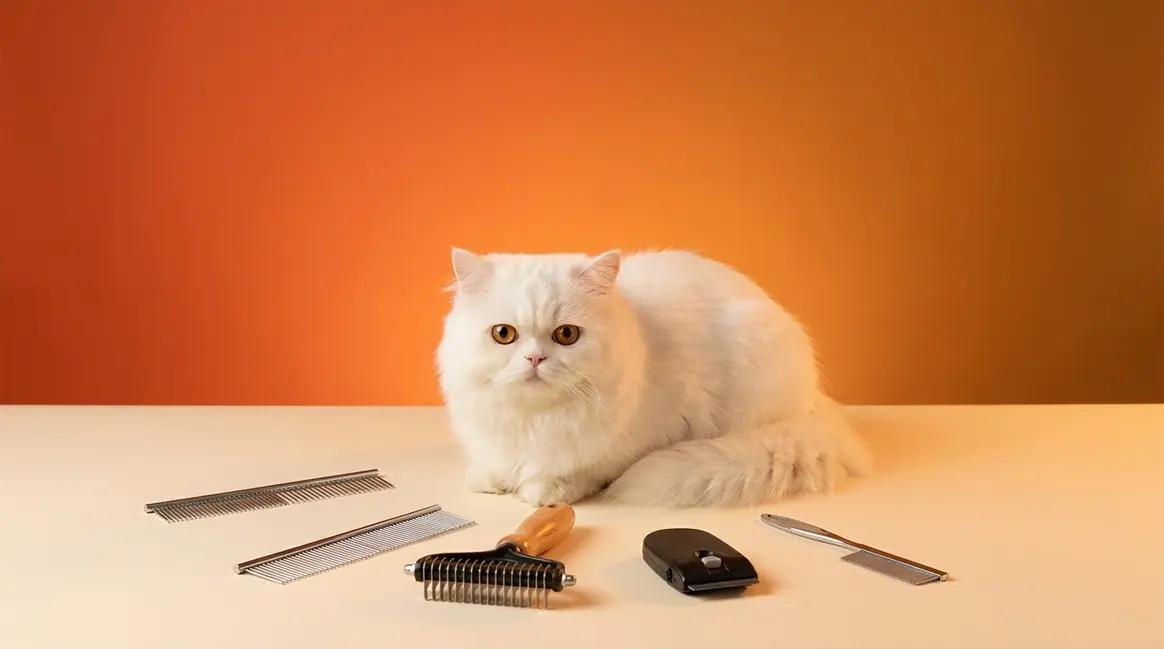
Short, sweet sessions build trust. Brush a little, treat a little, and stop before your cat gets wiggly. Introduce nail trims with one paw per day, and start dental care with a finger brush and a pea-sized smear of enzymatic gel. Gentle, regular grooming reduces mats, hairballs, and handling stress at the clinic.
- Match the brush to the coat: slicker for long hair, rubber curry for short hair.
- Wipe eyes and folds on flat-faced breeds with a damp cotton pad.
- Practice carrier time weekly with treats to normalize travel.
-
Stay proactive with health basics.
Routine preventive care saves worry. Annual wellness exams, parasite control, and timely deworming keep many problems small. One well-documented study in JAVMA [Journal of the American Veterinary Medical Association] found that microchipped cats were many times more likely to be reunited with families than non-microchipped cats. Keep a simple health log of weight, appetite, litter habits, and behavior changes to spot issues early.
- Ask your veterinarian about the right deworming schedule for your region and lifestyle.
- Set calendar reminders for vaccine boosters and preventive medications.
- Weigh monthly; small changes can signal big shifts in health.
-
Communicate in cat: body language first.
Slow blinks, gentle head tilts, and offering a finger for a nose boop speak volumes. Respect choice: let your cat approach you, not the other way around, and use scent swapping for introductions between pets. Reward calm curiosity with treats and soft praise so good feelings stick to new experiences.
- For multi-cat harmony, add more resources: extra bowls, beds, and perches.
- Use closed-door, scent-first introductions for both new pets and visitors.
- Keep a routine “cool-down” ritual after lively play to prevent overstimulation.
-
Reduce household stressors and add enrichment.
Small tweaks all over the house can add up to a big mood shift. Hide cords, anchor wobbly furniture, and move litter away from washers and dryers. Grow cat grass, scatter scratchers where your cat already likes to stretch, and consider a cat-safe pheromone diffuser if transitions are on the horizon. Calm, predictable spaces make confident cats.
- Replace intense fragrances with unscented cleaners; cats have strong noses.
- Offer window views of birds with a feeder outside and a perch inside.
- Set up a daily five-minute scavenger hunt with kibble in puzzle toys.
Watch This Helpful Video
To help you better understand madcatman best practices, we’ve included this informative video from LuHan Exercise 鹿晗. It provides valuable insights and visual demonstrations that complement the written content.
Smart Shopping: Product Picks That Reduce Stress
Choosing the right gear should feel simple, not like scrolling a never-ending aisle. At Mad Cat Man, we review and compare products across budgets, focusing on what cats actually use. We pay attention to materials, stability, and cleaning ease, plus features that cut stress: quiet pumps in fountains, larger litter pans, sturdy posts that do not wobble, and interactive toys that let cats “win.” The table below summarizes how to evaluate core categories and how each item supports calmer behavior. When reading food labels, look for complete and balanced statements that reference AAFCO [Association of American Feed Control Officials] standards, and prioritize moisture, protein quality, and portion control. For furniture, give bonus points to wide platforms and real wood or thick particleboard construction. If you are balancing cost, start with a smart litter upgrade and a durable scratcher; those two swaps alone resolve a surprising number of household headaches.
| Category | What to Look For | Budget-Friendly Example | Spend-Up Example | Stress-Reducing Benefit |
|---|---|---|---|---|
| Food | Complete and balanced per AAFCO [Association of American Feed Control Officials], high moisture, meat-first | Grain-inclusive pâté wet food in cans | High-protein limited-ingredient wet or gently cooked plan | Steady energy and hydration reduce irritability and begging |
| Water | Ceramic or stainless fountain, quiet pump, dishwasher-safe parts | Gravity waterer changed daily | Quiet fountain with replaceable carbon filters | More sipping supports urinary comfort and overall calm |
| Toys | Feather wand with quick-release tip, puzzle feeders, tunnels | Wire teaser wand plus crinkle tunnel | Motorized prey toy with auto shut-off | Burns hunting energy and curbs nighttime zoomies |
| Furniture | Sturdy 60 to 72 inch tree, wide shelves, sisal posts | Multi-level tree with two scratch posts | Wall-mounted shelves and bridges set | Vertical territory lowers conflict and boosts confidence |
| Litter | Large open box, unscented clumping litter, daily scooping | Repurposed under-bed storage bin as XXL pan | Stainless-steel oversized litter box | Fewer accidents, less protest digging, calmer household |
| Grooming | Brush matched to coat, safe nail clipper, enzymatic dental gel | Basic slicker brush and stainless clipper | Cordless nail grinder and self-cleaning slicker | Comfortable handling reduces clinic stress and mats |
Behavior, Health, and Safety: Quick Reference Tables
Even with a rock-solid routine, questions pop up. Is your cat hiding because of a new noise or something medical? Should you move the litter box or call the veterinarian? Use these quick references to triage common signals and tune your environment. As a rule of thumb, any sudden change in appetite, litter habits, or interaction deserves attention. If a behavior shift lasts more than a day or two, or if your cat strains to urinate, contact your veterinarian immediately. On the safety front, a few common household items cause outsized trouble: certain essential oils, lilies, and poorly maintained humidifiers top the list. Small, preventative tweaks keep curiosity from turning into mishap, and they are easy to work into your weekly reset.
| Signal | What It Might Mean | Quick Fix | When to Call the Veterinarian |
|---|---|---|---|
| Hiding more than usual | Change in routine, fear, or pain | Create a quiet safe zone; add a hideout bed; reduce noise | Persists more than 24 hours or paired with poor appetite |
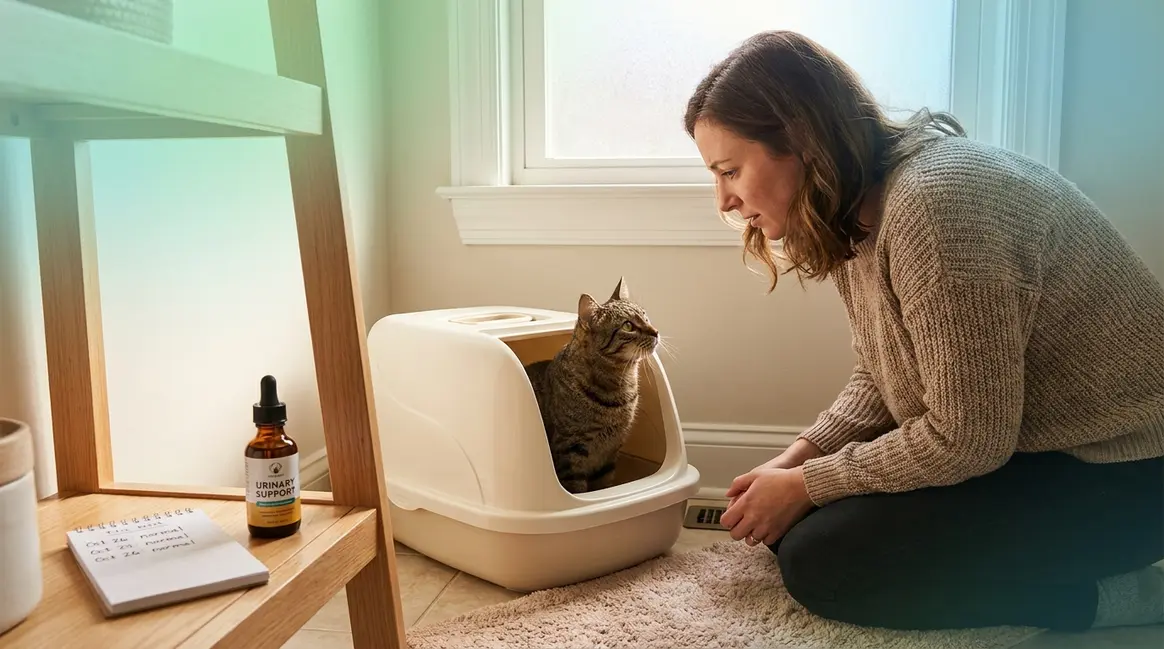
| Urinating outside the box | Dirty box, dislike of litter, urinary discomfort, stress | Add a box; switch to unscented; scoop twice daily | Immediately if you see straining or tiny painful dribbles |
| Overgrooming or hair loss | Allergy, boredom, or anxiety | Increase play; try a food trial under veterinarian guidance | Any skin wounds, redness, or persistent bald patches |
| Nighttime yowling | Unspent energy; in seniors, possible medical issue | Evening play then a small snack; keep lights predictable | New in older cats or paired with weight loss or thirst |
| Sudden aggression | Resource guarding, fear, or pain | Separate; add resources; schedule calm reintroductions | Any bite that breaks skin; new aggression in a normally calm cat |
| Item | Risk Level | Why It Can Harm Cats | Cat-Safe Alternative |
|---|---|---|---|
| Essential oil diffusers | High | Cats lack some liver enzymes to process certain oils | Plain cool-mist humidifier; improve ventilation |
| Lilies and similar plants | High | Ingestion can lead to severe kidney injury | Cat grass, spider plant, or catnip planters |
| Unmaintained humidifiers | Moderate | Mold and bacteria growth irritate airways | Clean weekly; use distilled water; keep filters fresh |
| Loose electrical cords | Moderate | Chewing hazard; risk of shock | Cord covers and cable management; bitter spray deterrents |
| Human pain medications | Extreme | Small doses can be toxic to cats | Lock away; consult your veterinarian for cat-safe options |
Breed Notes and Room Setups: Customize for Personality
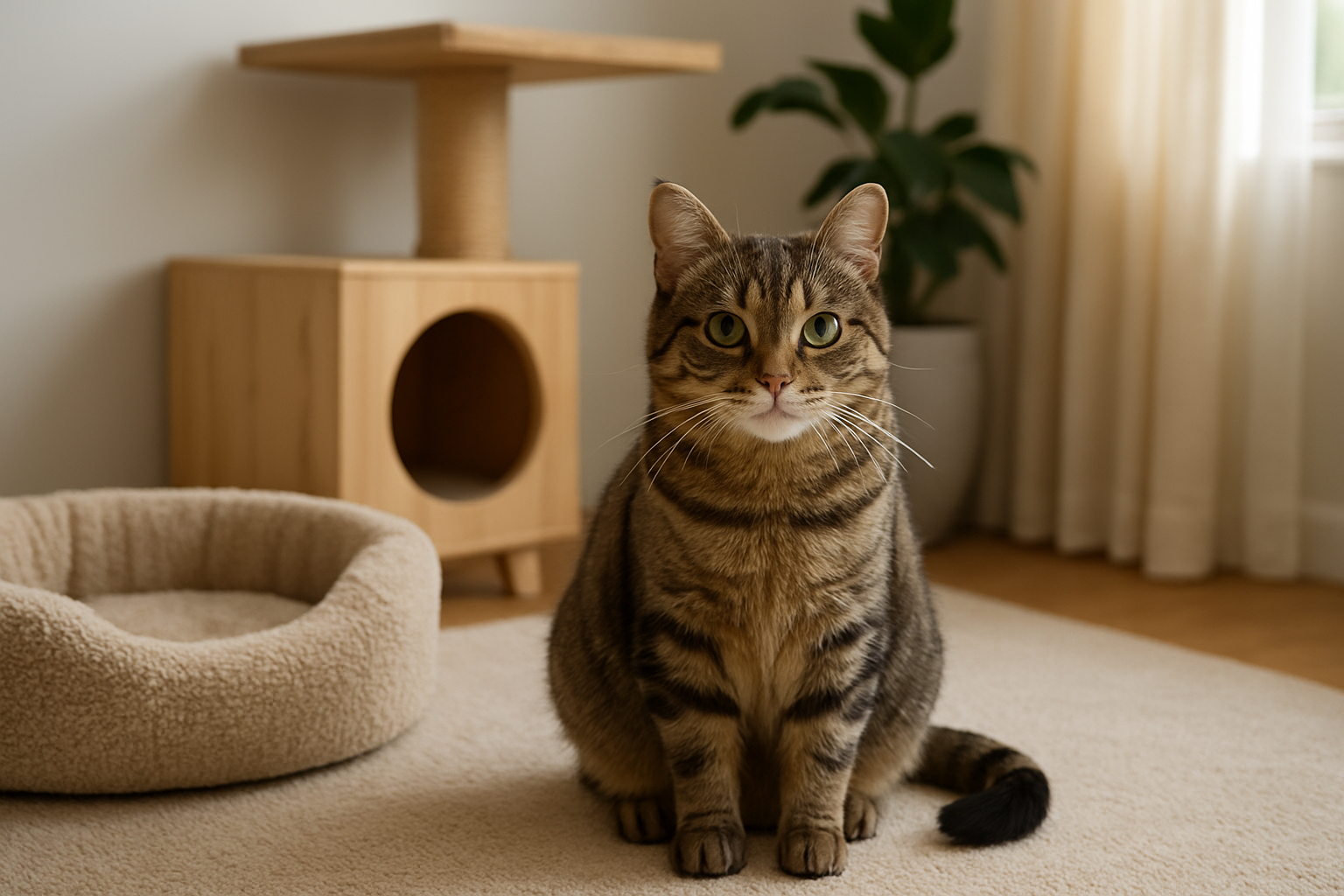
Every cat is an individual, but breed tendencies can help you tailor the setup. A Maine Coon wants wide platforms and heavy-duty scratchers, while a Siamese thrives on puzzle toys and chatty interaction. Persians need extra grooming help, and Sphynx cats appreciate warm, washable beds. Mad Cat Man’s breed guides (including popular Maine Coon articles) break down energy levels, grooming needs, and room-by-room setups so you can get it right the first time. Start with your cat’s size, coat, and energy, then pick furniture and routines that meet those needs without cluttering your space. When in doubt, choose bigger, sturdier, and easier to clean; your future self will thank you during spring shedding and holiday chaos.
| Breed | Typical Personality | Size/Coat Notes | Best Furniture and Toys | Grooming Focus |
|---|---|---|---|---|
| Maine Coon | Social, confident, playful | Large, long coat | Wide, heavy trees; tall sisal posts; robust wand play | Regular de-matting; thorough brushing and nail trims |
| Siamese | Vocal, intelligent, active | Medium, short coat | Puzzle feeders; fast chase toys; high perches in main rooms | Mental enrichment; steady routine to limit frustration |
| Persian | Gentle, calm, affectionate | Medium, long dense coat | Lower ramps and plush beds; soft play sessions | Daily face and coat care; frequent combing |
| British Shorthair | Easygoing, observant, cuddly | Medium-large, plush coat | Sturdy platforms; scratchers by couches; slow, steady play | Weekly brushing; watch portions to avoid weight gain |
| Sphynx | Curious, people-oriented, athletic | Hairless, temperature-sensitive | Warm, washable beds; soft blankets; climbing shelves | Gentle skin wipes; sun and temperature management |
Frequently Asked Questions [FAQs] and Fast Wins: Your 7-Minute Daily Reset
Short on time? Here is a quick routine that touches the big levers every day. It is better to be consistent with small actions than heroic once-a-week marathons. This rhythm builds confidence, keeps litter tidy, and nudges energy into play instead of mischief. Pair it with the product picks and environment tweaks above, and you will see mood and routine settle into a calmer groove—without turning your home into a cat fortress.
- Minute 1: Scoop litter; note any clumps that look unusual.
- Minute 2: Top up fresh water; rinse fountain parts that need a quick refresh.
- Minute 3: Portion meals; stash a few kibbles in a puzzle feeder for mental play.
- Minute 4: Two-minute wand chase; let your cat “catch” the toy.
- Minute 5: Quick brush or paw-handling practice with a tiny treat.
- Minute 6: Reset scratchers and rotate one toy to keep novelty high.
- Minute 7: Calm cuddle or slow-blink exchange; check your health log.
When you need deeper dives, Mad Cat Man’s blog and guides make it easy: behavior and training tips, step-by-step how-tos, shopping checklists, veterinarian-informed health guides on worming, microchipping, and dental care, and safety explainers from humidifiers to houseplants. It is all designed to help new and seasoned owners make confident, budget-smart choices.
One-page recap you can screenshot:
- Routine: play before meals, snack before bedtime.
- Territory: tall tree, window perch, hideout bed.
- Litter: one per cat plus one; unscented; scoop daily.
- Food and water: wet food for moisture; clean fountain weekly.
- Grooming: brush often; introduce nail trims slowly; begin dental gel.
- Health: annual exam, parasite control, microchip, track weight and habits.
- Behavior: slow introductions; reward calm; add resources, not rules.
- Safety: remove lilies and essential oils; maintain humidifiers; hide cords.
Case study snapshot: A reader with two young cats moved from one small tree and a covered litter box to two tall, stable trees in different rooms, open high-sided litter boxes, and evening wand play. Within two weeks, nighttime yowling faded, and the cats stopped competing for the single perch. They also added a ceramic fountain and saw more sipping and fewer hairball episodes. Small changes, big peace.
How Mad Cat Man helps you win: We publish veterinarian-informed health and safety explainers, behavior tutorials you can do tonight, and honest product reviews with buying recommendations across budgets. Start with our shopping checklists if you are overwhelmed, dig into breed guides if you want to tailor your setup, and use our safety and product-suitability content when you are deciding between humidifiers, plants, and furniture materials.
Ready to build your plan? Pick two checklist items to start this week—litter and play are usually the fastest wins—then add one new habit every few days. In one month, you will have a calmer, healthier rhythm that feels almost automatic. That is the heart of madcatman best practices in action.
Conclusion
Calm cats happen on purpose, not by accident. With a steady routine, the right gear, and a few behavior tweaks, you can transform chaos into quiet, confident companionship.
Imagine the next 12 months with smoother mornings, quiet nights, and a home arranged for curiosity without conflict. What is the first tiny change you will make today to move toward madcatman best practices?
Additional Resources
Explore these authoritative resources to dive deeper into madcatman best practices.
Level Up MadCatMan Best Practices with Mad Cat Man
Get expert reviews and clear guides so cat owners make confident, budget-smart choices on food, toys, furniture, and grooming supplies.

Dave King
Cat owner and writer at Mad Cat Man.