
Table of Contents
- 9 Unexpected Characteristics of a Maine Coon You Notice Fast
- Practical Care Built Around the Characteristics of a Maine Coon
- Food, Toys, Furniture, and Grooming: What Actually Works
- Health, Prevention, and Behavior: Data-Backed Basics
- Budget and Time Planning: First-Year Reality Check
- How These Insights Change Daily Life, Fast
This blog post may contain affiliate links. As an Amazon Associate I earn from qualifying purchases.
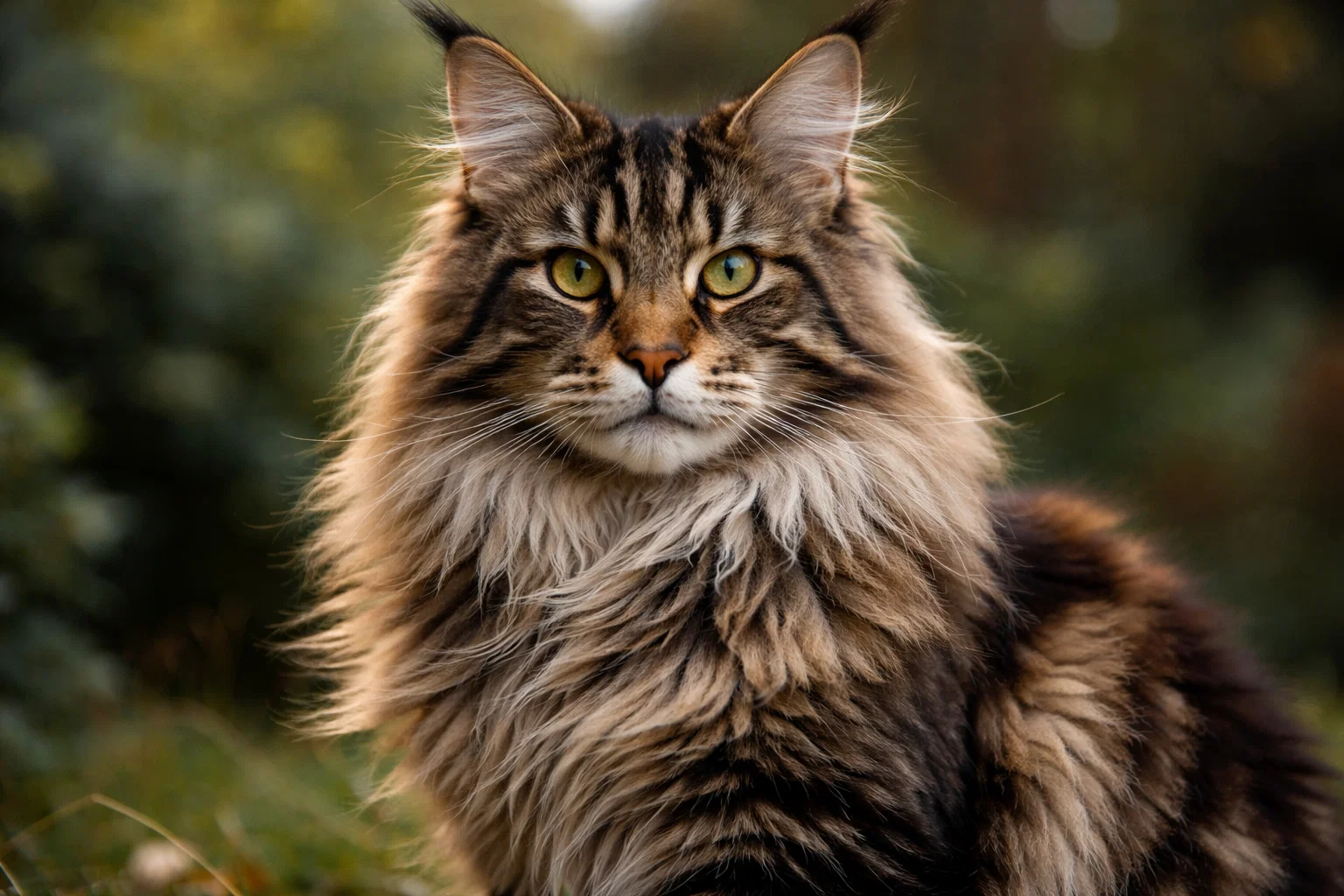
If you think you already know the characteristics of a maine coon, wait until you share a sofa with one. When my neighbor adopted Moose, a cinnamon-brown giant who topped 20 pounds by age four, we discovered the usual cat rules suddenly needed rewrites: water bowls doubled as splash parks, visitors were greeted with trills that sounded like tiny birds, and our flimsy scratching posts looked like toothpicks. That is the joy and puzzle of the Maine Coon, a breed that blends working-cat stamina with big-hearted, dog-like sociability, and those unexpected traits quietly change your daily routine from the litter box you buy to how you plan playtime. Along the way, I will point you to the exact gear specs and health checkpoints that Maine Coon parents wish they had from day one, with Mad Cat Man’s field-tested reviews, step-by-step checklists, and veterinarian-informed guides helping you swap guesswork for confident decisions.
9 Unexpected Characteristics of a Maine Coon You Notice Fast
You will hear people call them gentle giants, but the surprises go beyond size. Maine Coons mature slowly, socialize boldly, and communicate in ways that make you laugh at 6 a.m. breakfast time, and each quirk nudges you toward different food, furniture, and training choices. Before you buy another dainty bowl or a wobbly cat tree, scan this list and see which traits already sound like your cat. I kept the language plain and the fixes practical, because new or uncertain owners do not need theory, they need what to buy and what to do next.
- They grow up late and keep growing. Many reach full size between 3 and 5 years, not 12 months. That slow growth affects calories, joint support, and the size of bowls, beds, and litter boxes you choose.
- They are social, almost canine in spirit. Expect greeting rituals at the door, shadowing you room to room, and toy retrieval. This means enrichment must include you, not just solo gadgets.
- They chirp and trill more than they meow. Those soft bird-like sounds are typical and often signal curiosity rather than distress, so you will learn to read tone and context rather than volume.
- Water is a toy, not just a drink. Many splash in bowls, dip paws in the sink, or sit by the shower; splash-proof mats and heavy ceramic bowls suddenly feel essential.
- They may have polydactyl paws. Extra toes can create snowshoe-like paws that grip well and need careful nail care, so you will trim more nails and choose wider scratching surfaces.
- They prefer cool zones and airflow. Dense, semi-long coats shed seasonally and trap heat; fans, breathable beds, and regular deshedding help them sleep and play comfortably.
- They are puzzle-solvers. High intelligence plus working-cat ancestry equals cabinet-opening and obstacle-conquering; rotate puzzles and change toy difficulty to keep boredom at bay.
- They often want a higher vantage point. Tall frames and confidence make vertical territory non-negotiable; flimsy trees will wobble, and a toppled tree is a safety risk.
- They carry big-breed health considerations. Screening for HCM [hypertrophic cardiomyopathy] and checking hips for dysplasia can prevent late surprises; a plan with your veterinarian beats panic later.
Practical Care Built Around the Characteristics of a Maine Coon
Knowing the quirk is step one; turning it into kinder daily care is where the magic happens. Start by scaling the environment to your cat’s body and brain, not to a generic house cat: taller trees with wide platforms, heavier bowls that do not skitter, and puzzles that ask for more than batting. Next, match grooming to the coat and season so shedding never becomes a battle; a weekly rhythm beats an occasional marathon. Finally, plan proactive health checkpoints early, because catching trends in weight, dental tartar, or heart rhythm gives you the longest on-ramp to act. Mad Cat Man organizes exactly these tasks into shopping lists, skill guides, and product reviews, so you can glance at a category, pick a vetted option, and get back to enjoying your cat instead of researching for hours.
Watch This Helpful Video
To help you better understand characteristics of a maine coon, we’ve included this informative video from AnimalWised. It provides valuable insights and visual demonstrations that complement the written content.
| Trait | Why It Surprises | What to Do Differently |
|---|---|---|
| Late growth to 3–5 years | They look adult long before joints and muscles finish maturing. | Use larger dishes and litter boxes early; feed a growth-appropriate diet and monitor weight every month. |
| Dog-like sociability | They want structured, shared activities, not just solo toys. | Schedule two daily play sessions of 10–15 minutes and teach simple cues with a clicker. |
| Chirps and trills | Quiet cats can be misread as low-need cats. | Pair sound cues with context; reward calm chirps during training to build communication. |
| Water play | Messy floors and damp bowls frustrate owners. | Place bowls on silicone mats, try a weighted fountain, and add a shallow splash tray near sinks. |
| Polydactyl paws | More nails and broader grips change grooming and scratching. | Trim every 2–3 weeks; offer wide, horizontal scratchers and sisal posts. |
| Heat-sensitive under dense coat | They seek cool tiles and vents in summer. | Use breathable beds, place fans safely, and increase deshedding during peak molt. |
| Puzzle-solving intelligence | They invent mischief when bored. | Rotate puzzle feeders weekly; teach targets, spins, and mat settles using a clicker. |
| Vertical territory needs | Regular trees feel flimsy when a 15–20 pound cat climbs. | Buy trees with 18 inch platforms and wall anchors; choose posts 32 inch or taller. |
| Big-breed health risks | Heart and hip issues can be silent until advanced. | Discuss HCM [hypertrophic cardiomyopathy] screening and hip evaluations with your veterinarian at wellness visits. |
- Quick win: Weigh monthly and track trends, because slow steady changes tell the most truth.
- Upgrade one item at a time, starting with the wobbliest thing your cat uses daily.
- Set a calendar reminder for nail trims and brushing; routine beats endurance sessions.
Food, Toys, Furniture, and Grooming: What Actually Works
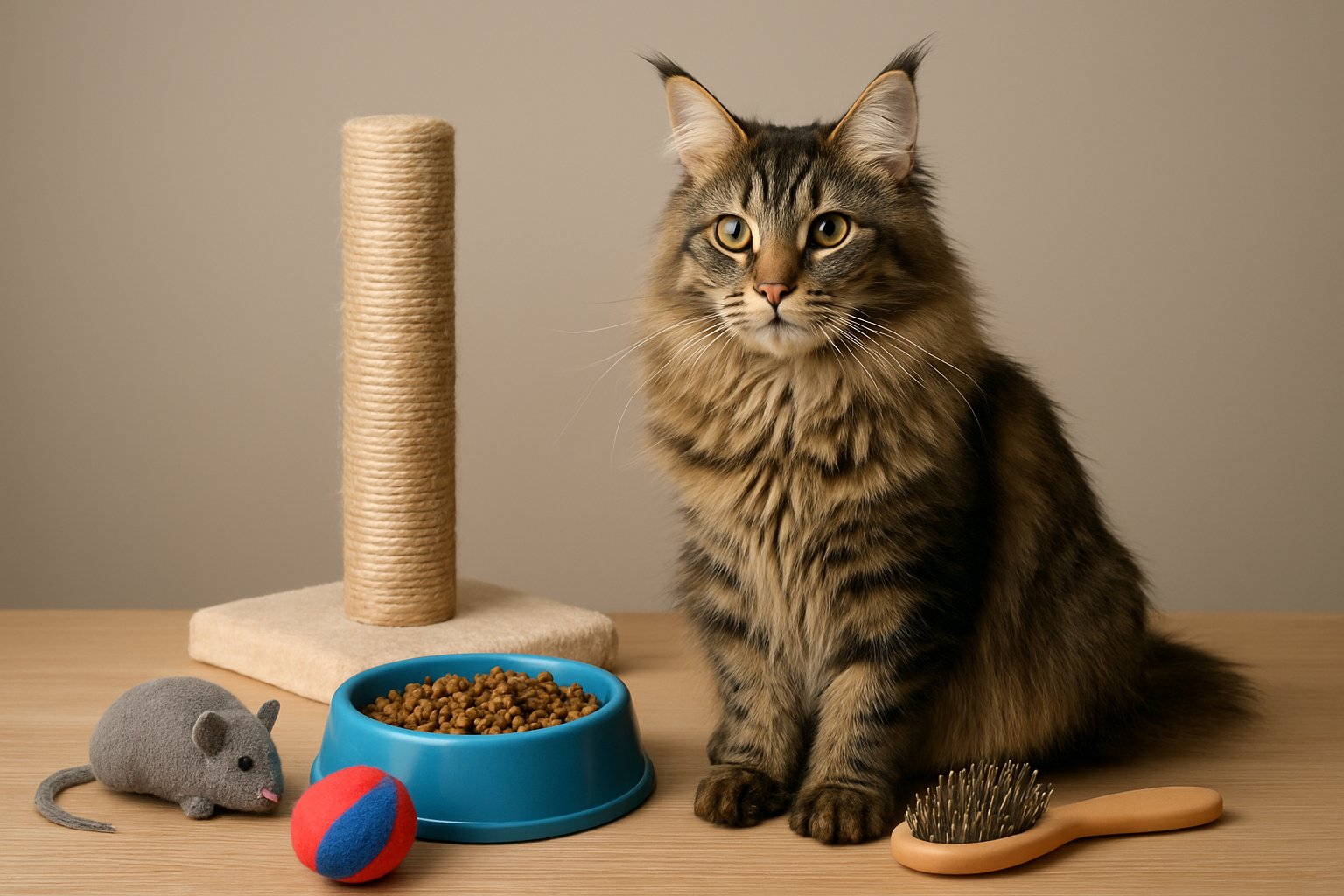
Let us translate traits into gear that earns its keep. For food, choose complete and balanced recipes meeting AAFCO [Association of American Feed Control Officials] standards, and consider larger kibble or mixed textures so big jaws have something to chew; if you feed wet, wide bowls prevent whisker stress. For toys, think fishing poles, large kickers, and puzzle feeders that require dragging, carrying, and problem-solving, not just tapping. For furniture, stability beats style: look for thick columns, broad bases, and anchor points because a toppled tree can hurt a large cat. For grooming, a two-brush system is your friend: a slicker for loose undercoat and a wide-tooth comb for the ruff and breeches, with a detangling spray for seasonal molts; add a cat-friendly toothpaste routine early to protect that confident Maine Coon smile.
| Category | What to Look For | Why It Matters for Maine Coons | Example Use Case |
|---|---|---|---|
| Food and Bowls | AAFCO [Association of American Feed Control Officials] complete diets; wide, shallow ceramic or stainless bowls; slow-feeder inserts | Wide jaws and whiskers appreciate space; slow feeders curb gulping in eager eaters | Mix wet food with a slow-feeder to stretch mealtime and reduce scarf-and-barf |
| Puzzle Feeders | Adjustable difficulty; stable base; dishwasher-safe parts | Intelligent cats need progressive challenges to avoid boredom | Rotate two puzzles weekly to keep curiosity high |
| Cat Trees and Posts | 32 inch plus posts; 18 inch platforms; wall anchors; 20 pound rated shelves | Prevents wobble and tipping under heavier bodies | Anchor a tall tree beside a window to create a safe lookout |
| Interactive Toys | Sturdy wands, long cords, big kickers, refillable catnip | Simulates hunting and full-body pounces they crave | Ten-minute evening chase to burn energy before bed |
| Grooming Tools | Slicker brush, wide-tooth comb, detangling spray, nail clippers | Prevents mats in ruff and breeches; supports polydactyl nail care | Weekly detangle session; quick daily 60-second brush during molt |
| Fountains and Water Stations | Weighted base, dishwasher-safe, charcoal filters | Water-curious cats splash less when the base is stable | Place on silicone mat; refresh filter per manufacturer’s schedule |
Not sure where to start among dozens of near-identical products? Mad Cat Man publishes product reviews and buying recommendations (food, toys, furniture, grooming supplies) with clear test notes, photos added later, and pros-and-cons summaries catered to large breeds. We also tag items as budget, midrange, or premium so you can equip your home in stages without compromising safety or comfort.
Health, Prevention, and Behavior: Data-Backed Basics
Large frames and friendly temperaments do not exempt Maine Coons from breed risks, so prevention is your best gift to future you. Breed-screen data suggests a notable minority carry or develop HCM [hypertrophic cardiomyopathy], and hip dysplasia rates in large cats can be higher than in average felines; the exact percentages vary by registry and region, but the trend is consistent enough to justify proactive checks. Ask your veterinarian about a baseline cardiac exam and whether an echocardiogram makes sense in adulthood, especially if your cat’s breeder flagged risk or if you notice exercise intolerance. For hips, discuss radiographs and the value of submitting results to OFA [Orthopedic Foundation for Animals] if your vet participates; for genetics, targeted DNA [deoxyribonucleic acid] testing can identify known variants and guide monitoring.
- Nutrition notes: Look for omega-3s such as DHA [docosahexaenoic acid] and EPA [eicosapentaenoic acid] to support joints and skin; maintain a lean, athletic body, because extra weight stresses hips.
- Dental basics: Start brushing now; most cats show some dental disease by age three, and big-chewer personalities appreciate dental treats approved by your vet.
- Behavior wins: Clicker training builds communication and confidence; it channels that problem-solving brain toward useful cues like “come,” “up,” and “leave it.”
- Safety: Microchips use RFID [radio-frequency identification] tech, not GPS [Global Positioning System]; keep contact info updated and use a breakaway collar with an ID tag.
| Topic | When | What to Ask | Notes |
|---|---|---|---|
| Wellness Exam | Every 12 months; every 6 months for seniors | Weight trends, heart sounds, joint palpation | Track weight in a simple spreadsheet to spot patterns |
| Cardiac Screening | Discuss at 2–3 years; sooner if advised | Need for echocardiogram, breed risk factors for HCM [hypertrophic cardiomyopathy] | More frequent if breeding or if murmurs are detected |
| Hip Evaluation | As advised after skeletal maturity | Radiographs and OFA [Orthopedic Foundation for Animals] submission | Keep body lean to reduce joint stress |
| Vaccinations | Per vet protocol | Core FVRCP [feline viral rhinotracheitis, calicivirus, and panleukopenia], FeLV [feline leukemia virus] based on lifestyle, FIV [feline immunodeficiency virus] testing | Indoor-only does not always mean zero risk; discuss exposure |
| Parasite Control | Year-round prevention | Worming schedule, flea and tick prevention suited to region | Grooming sessions double as tick checks |
| Dental Care | Home brushing 3–4 times weekly | Professional cleanings cadence | Use vet-approved paste and start slowly to build tolerance |
To make this easier, Mad Cat Man groups prevention topics into friendly, skimmable guides, and each is vetted by experienced owners and experts. You will find behavior how-tos, worming reminders, and safety checks like plant lists and humidifier tips that keep big coats comfortable without creating moisture hazards.
Budget and Time Planning: First-Year Reality Check

Because they are bigger, brighter, and bolder, Maine Coons can nudge budgets and schedules upward. Expect to invest a little more in food, furniture, and preventive care, but the payoff is a calmer home and fewer emergency purchases later. Think of year one as foundation building: you are establishing routines, gathering a core kit that will last, and learning your cat’s preferences so you buy once and buy right. The most common regret we hear from Mad Cat Man readers is starting with undersized gear, then replacing everything, so lean on our budget tags and shopping checklists to stage purchases comfortably across months.
| Item | Estimated Cost Range | Buy Smart Tip |
|---|---|---|
| Food per month | Moderate to higher, varies by region and formula | Mix wet and dry thoughtfully; prioritize quality protein and portion control |
| Cat tree and posts | Midrange to premium for stability | Choose anchorable designs; one great tree beats two flimsy ones |
| Fountain and bowls | Low to midrange | Weighted, dishwasher-safe parts reduce replacement costs |
| Grooming kit | Low to midrange | Buy the two-tool core first: slicker brush and wide-tooth comb |
| Preventive care | Varies by clinic; plan quarterly | Ask your vet about bundling annual services to smooth costs |
| Insurance | Low to mid monthly premium | Compare hip and heart coverage details carefully |
- Time budget: Expect 20–30 minutes daily for play, brushing, and training; split into short, fun blocks.
- Money saver: Build a rotation of toys so a few durable favorites feel new again every week.
- Space hack: Anchor one tall tree and add one wall-mounted step near a window to create a vertical highway without crowding the room.
Overwhelmed by choices? Mad Cat Man’s organized categories reduce endless scrolling: browse by breed (our Maine Coon hub), by task (training, grooming, health), or by product type with honest, experience-based reviews. Our goal is simple: give current and prospective cat owners, first-time pet parents, and seasoned enthusiasts the practical, trustworthy guidance they need to feel calm, capable, and proud of the home they build for their cats.
How These Insights Change Daily Life, Fast
Once you see your cat through the lens of build, brain, and background, your home stops fighting them and starts supporting them. You will place water where splashing is fine, mount trees where confidence can grow safely, and choose puzzles that spend curiosity instead of letting it collect in mischievous corners. You will also notice how small routines compound: a weekly weigh-in, a two-minute brush, a five-minute clicker session, and a fresh filter in the fountain will do more for peace at home than any single fancy gadget. And as you try things, Mad Cat Man is your bench coach with product reviews and buying recommendations (food, toys, furniture, grooming supplies), behavior drills, and veterinarian-informed health guides, all written in plain language and organized so the right answer is never more than a couple of clicks away.
Recap in a sentence: Maine Coons surprise you with size, smarts, and sweetness, and small, smart changes to gear, health routines, and play transform that energy into everyday harmony. Imagine a year from now with a cat who climbs secure trees, crunches the right food in the right bowl, and chirps at a puzzle you both understand and enjoy. Which trait will you lean into first to honor the characteristics of a maine coon?
Additional Resources
Explore these authoritative resources to dive deeper into characteristics of a maine coon.
Master Maine Coon Care with Mad Cat Man
Explore product reviews and buying recommendations (food, toys, furniture, grooming supplies) so owners across budgets choose confidently and reduce stress with expert, experience-based guidance.